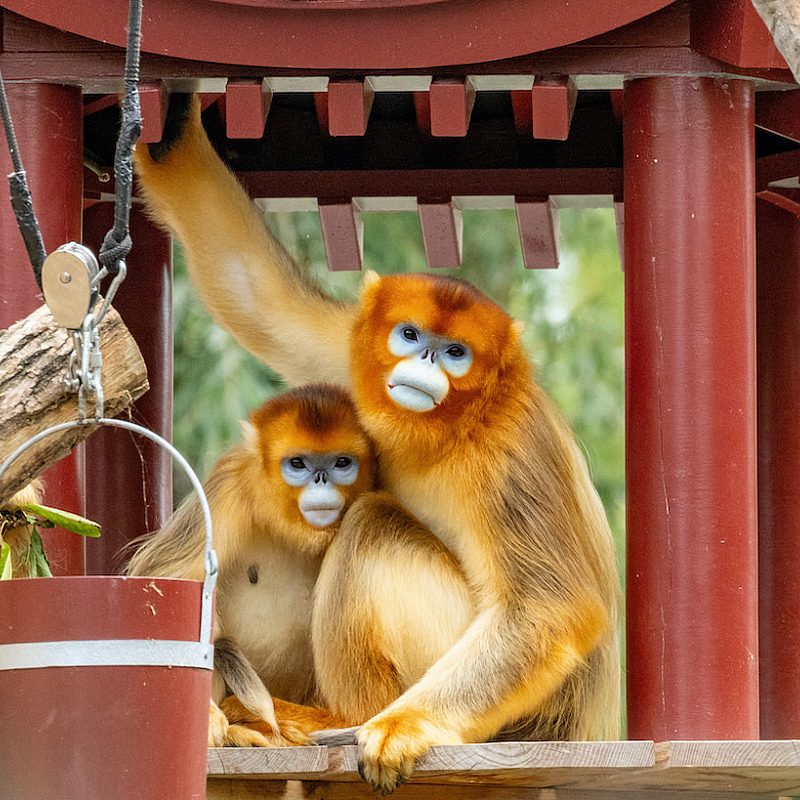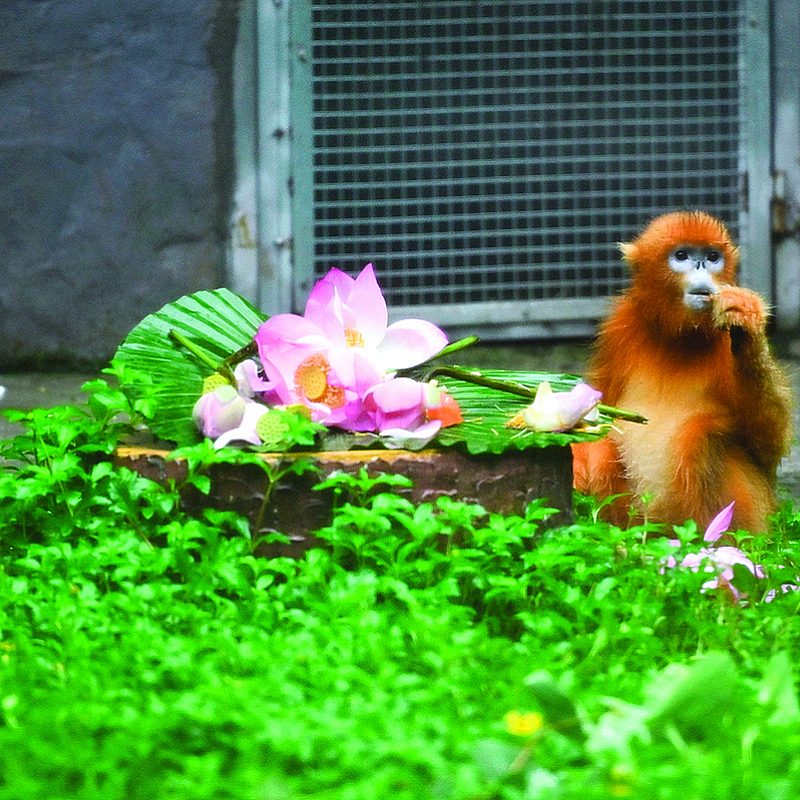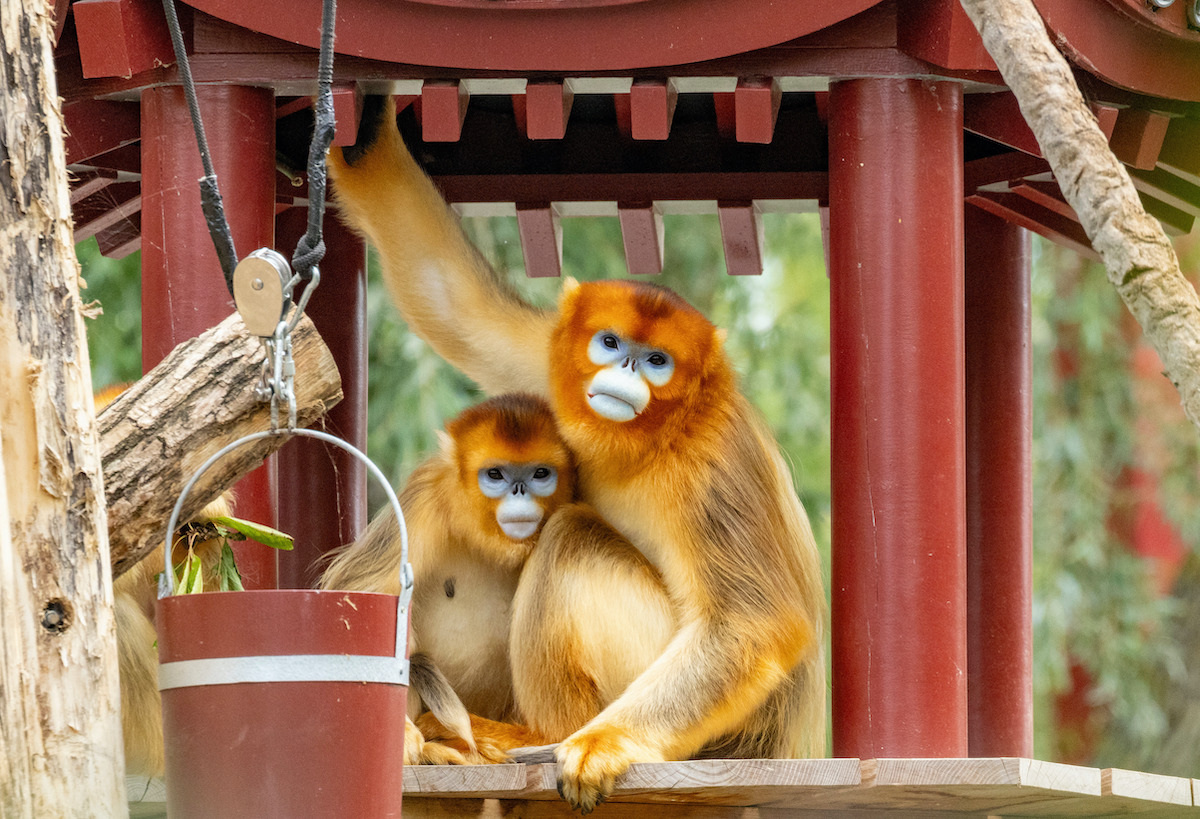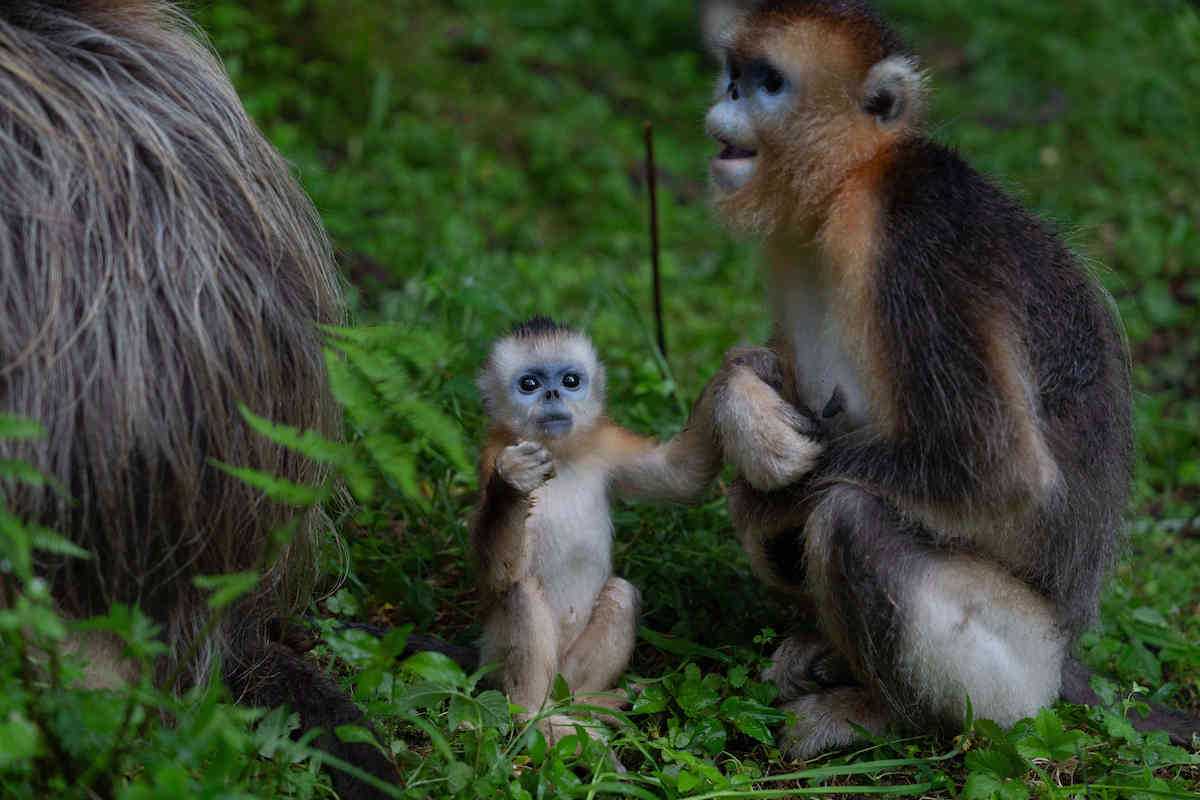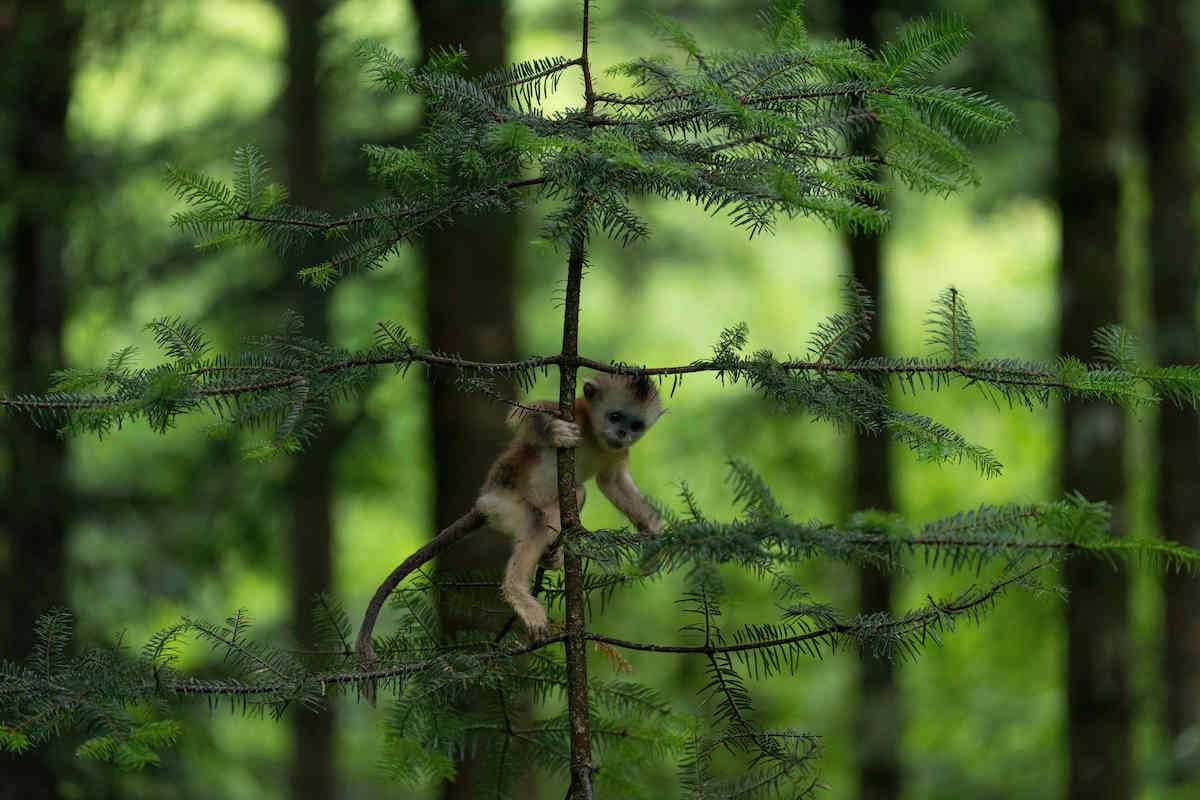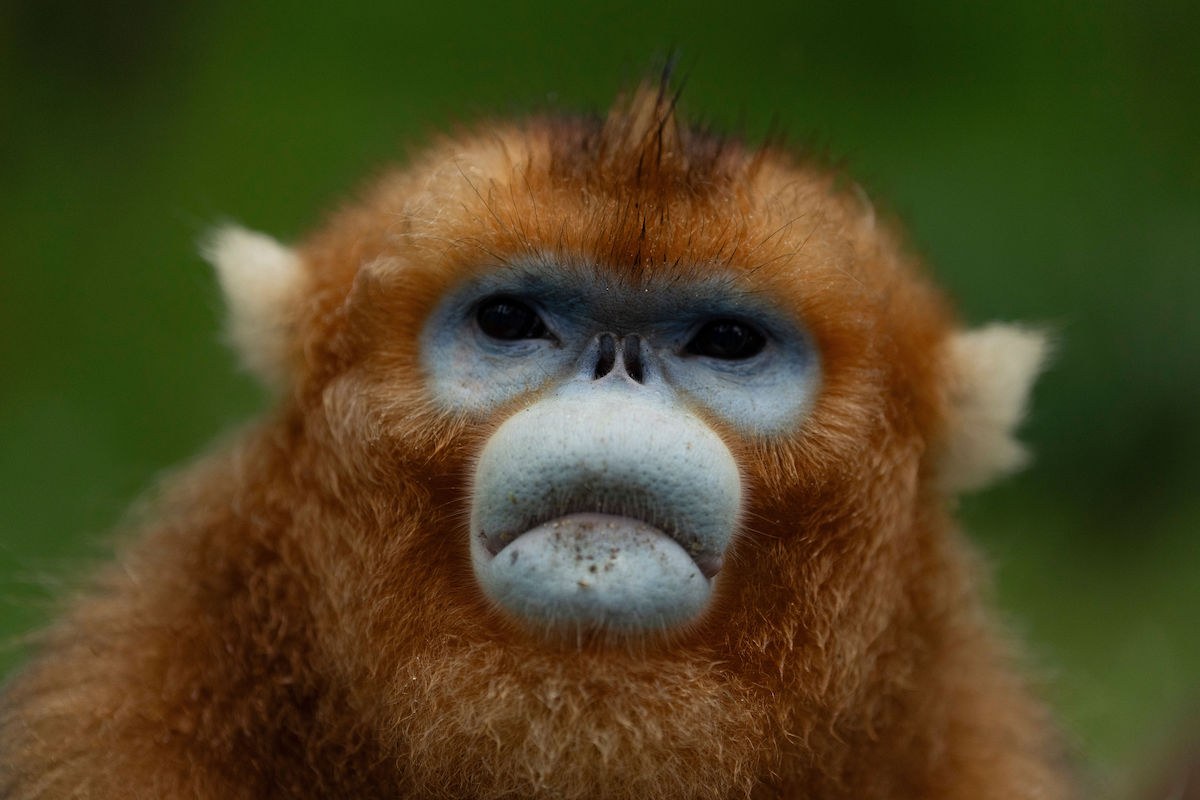
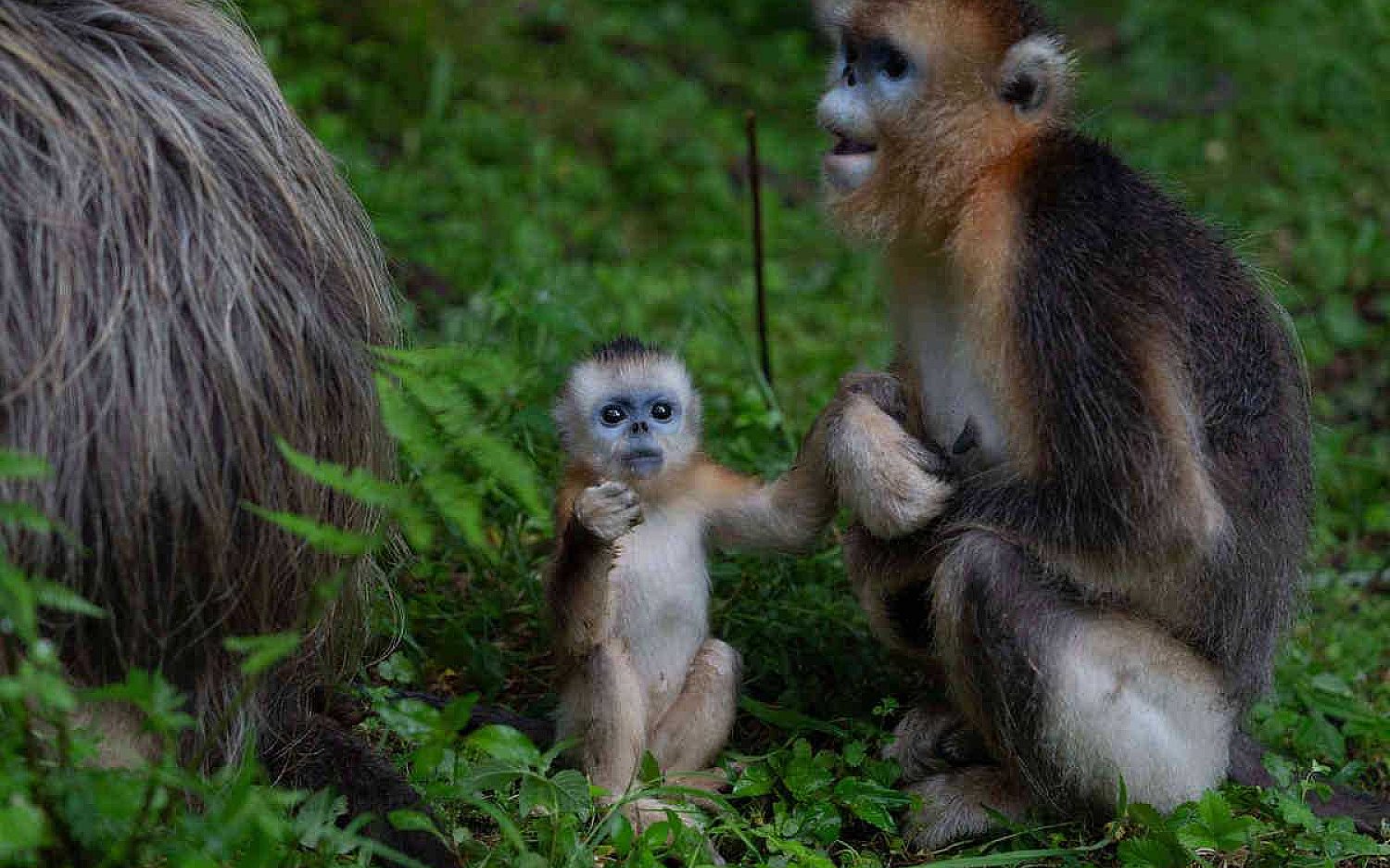
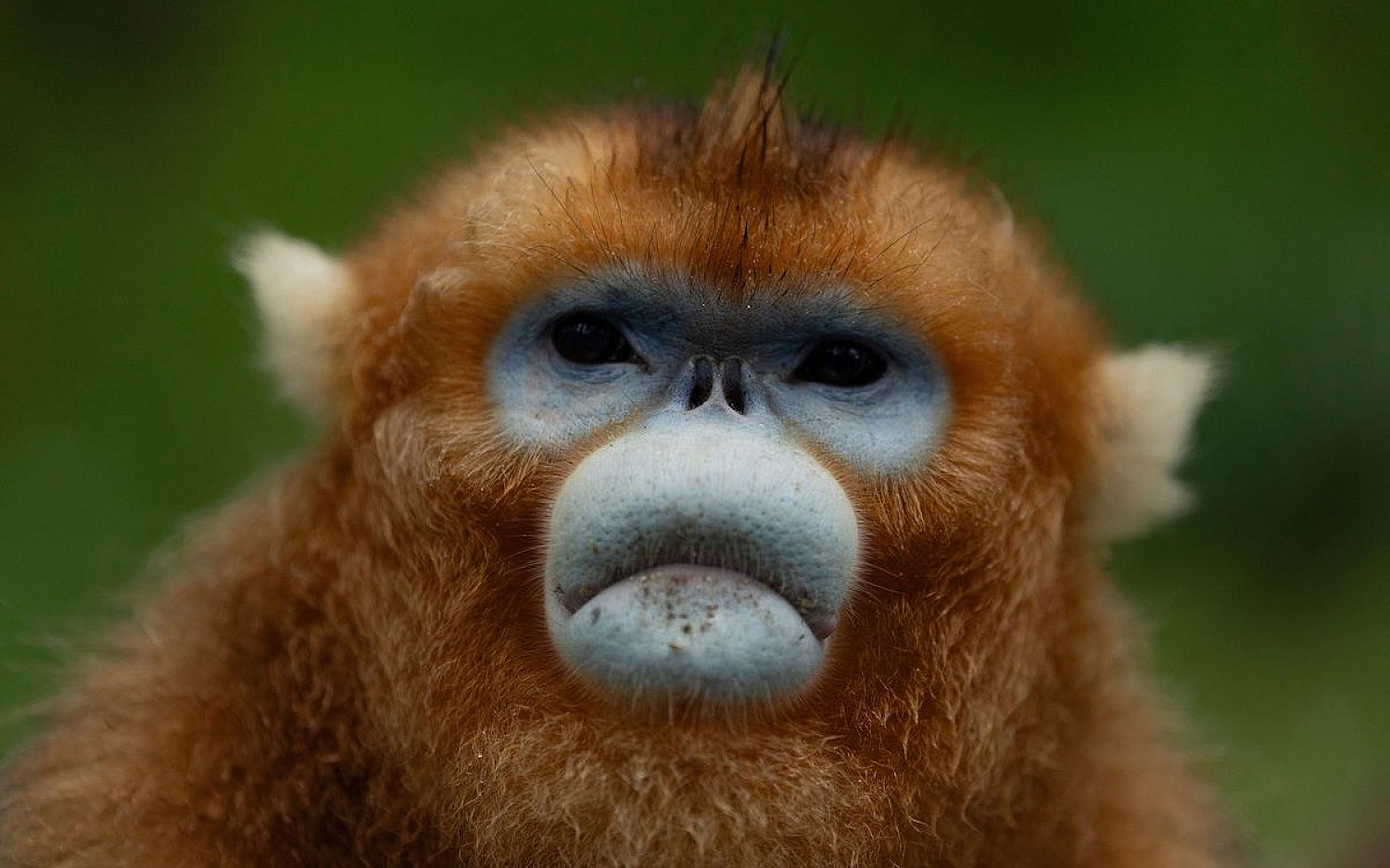

Shaggy orange manes. Pale blue faces with flat noses. Furry hands and feet. Who’s new at the zoo? It can be only one species—the golden snub-nosed monkey.
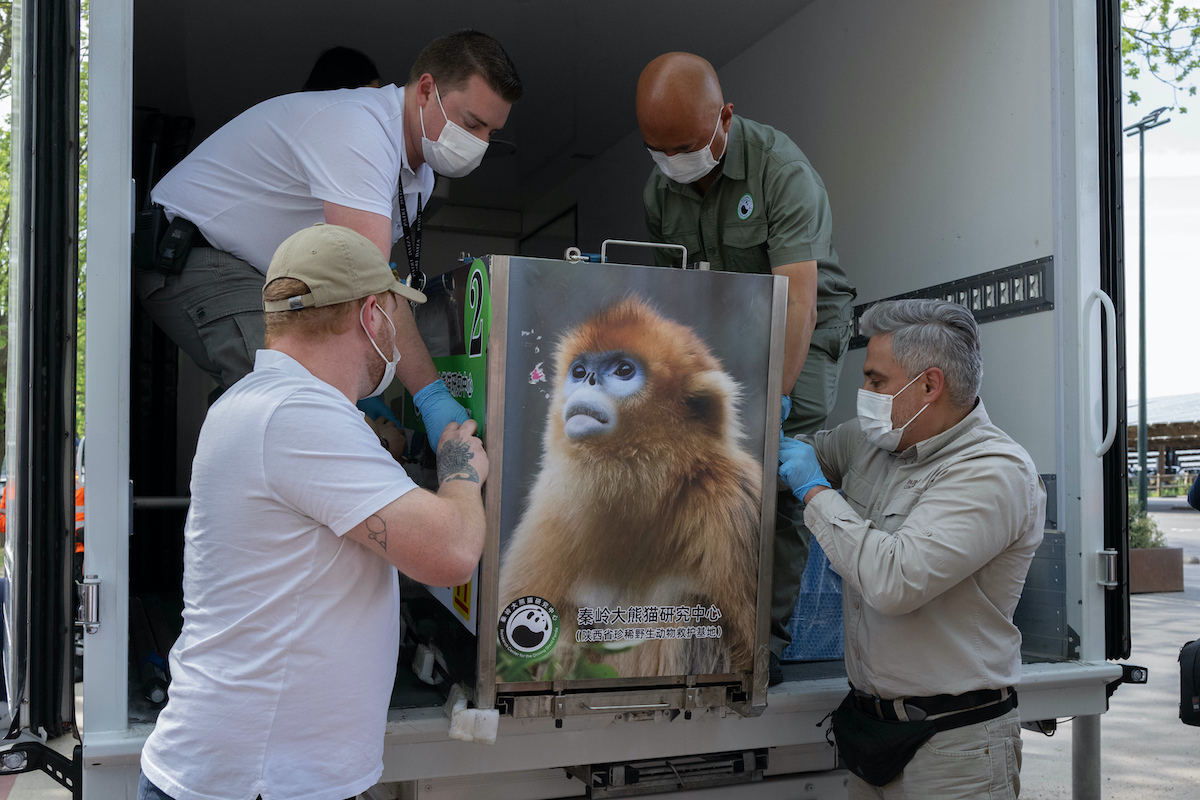
These monkeys come from the cold mountains in the middle of China. Like another treasured animal from China—the panda—golden snub-nosed monkeys are endangered. And like pandas, they’re on loan from China.
Every panda in the world belongs to China. When you see a panda in a zoo in another part of the world, that means China has loaned it. This is a sign of peace between China and the other nation. It’s called panda diplomacy. Zoos pay China to keep the animals for a certain amount of time—usually around 10 years. Part of that money must be used to help the panda species in some way, through conservation or research. Not everyone likes this program though. Traveling around the world might be good for national relations. But it’s not necessarily good for animals.
Here’s the question: Is golden snub-nosed monkey diplomacy on the way?
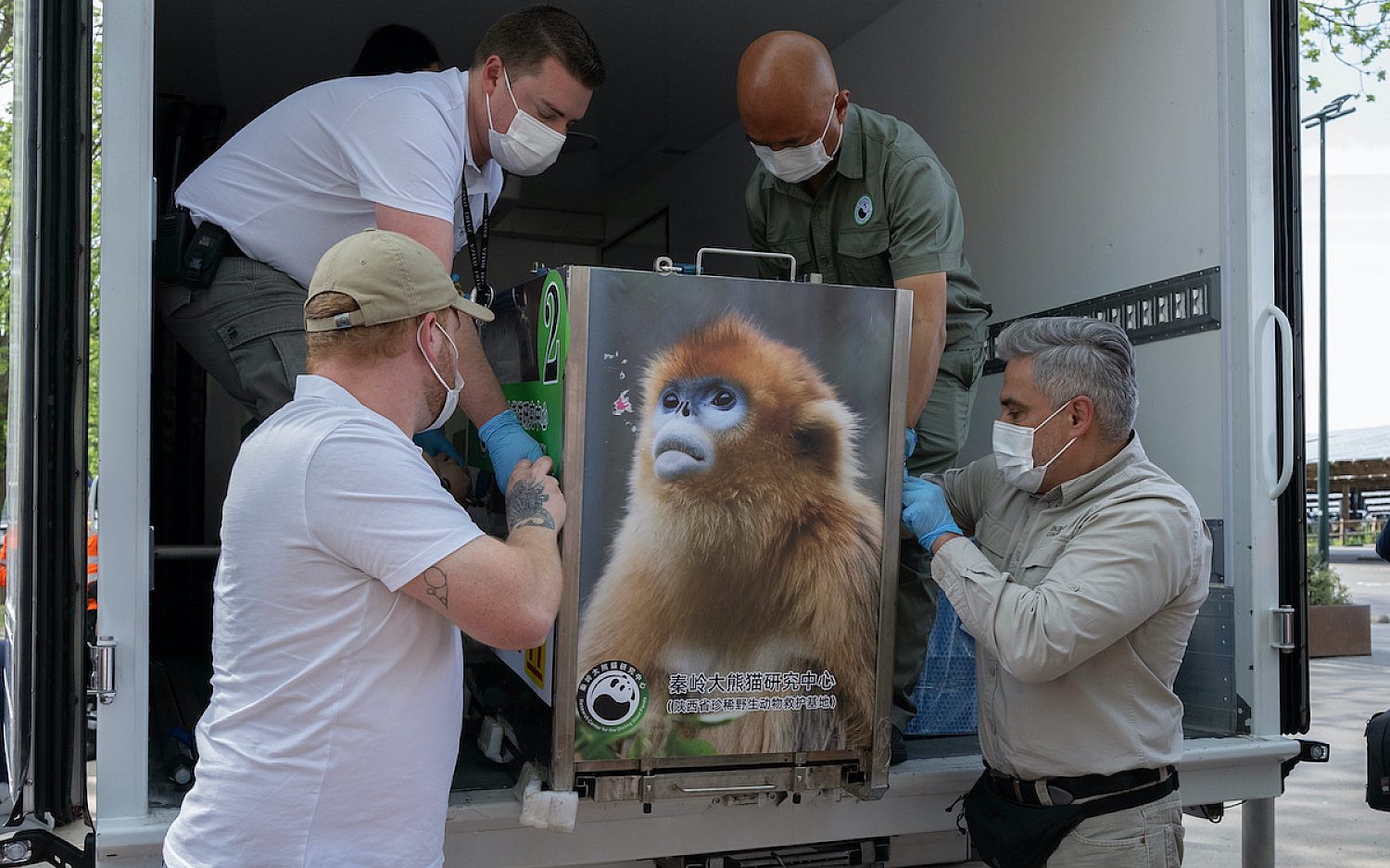
It looks like it. Three golden monkeys arrived at France’s Beauval Zoo in April 2025. The gift marks the 60th anniversary of diplomatic relations between China and France. Another golden monkey trio arrived in Belgium in May. On the day they arrived, zoo workers gave visitors little Belgian and Chinese flags.
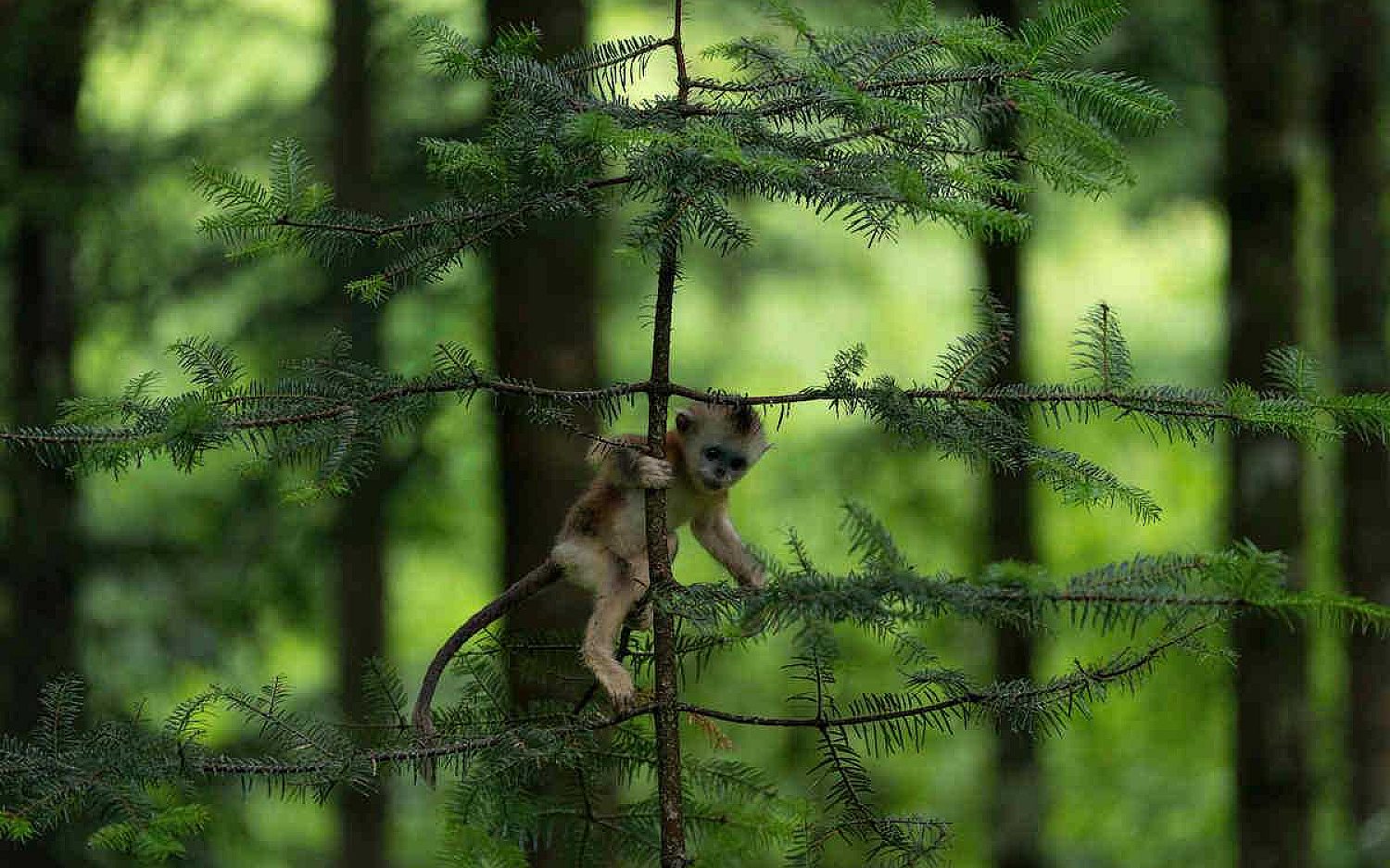
In Belgium, the monkeys jump between logs and rope ladders. They scramble over roofs. Their habitat includes traditional Chinese gazebos with red columns. The monkeys’ names are Liu Yun, Lu Lu, and Juan Juan.
Do you think golden snub-nosed monkeys will ever get as famous as their panda predecessors? And which gift of friendship would you rather receive—a panda or a golden monkey?
Why? Leaders sometimes use animal gifts to show peace between nations. That peace often splinters—but the peace God gives is unshakable.
Recommended Reading: For more about primates (specifically the largest one, the gorilla), read The One and Only Ivan by Katherine Applegate.