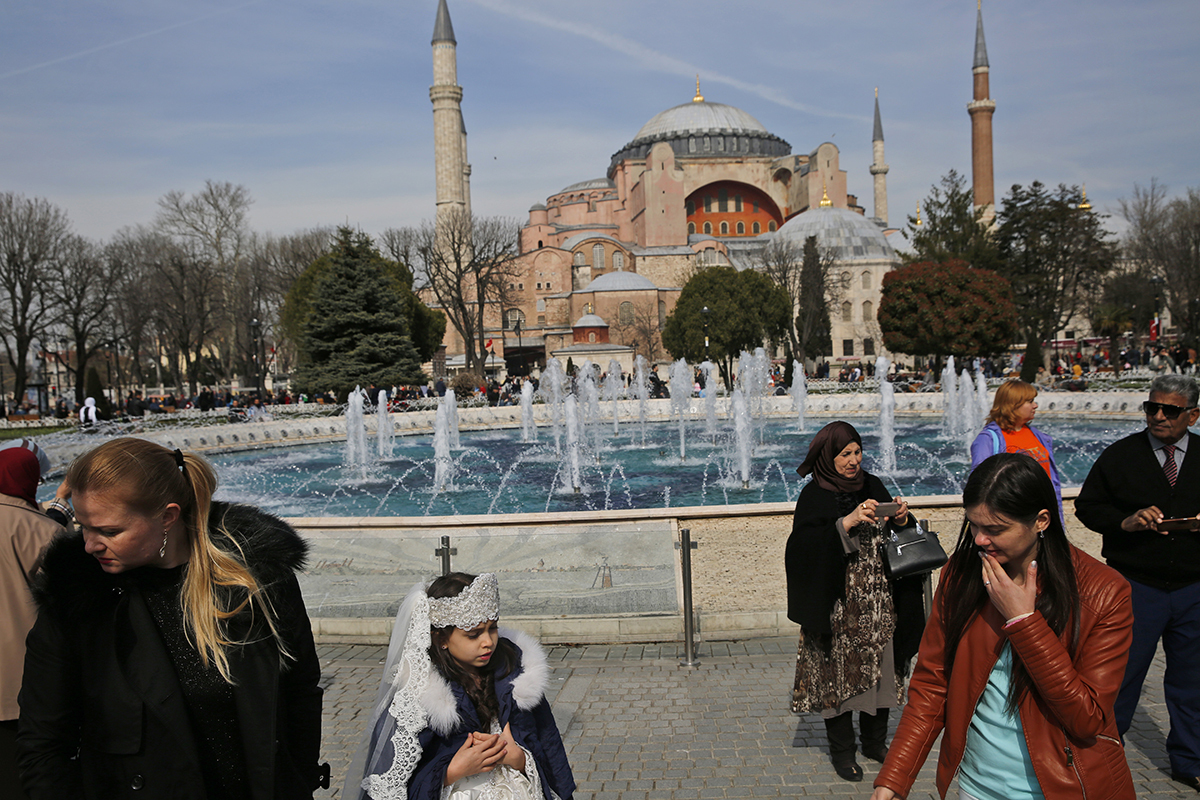

The Byzantine Emperor Justinian built the Hagia Sophia almost 1,500 years ago. Before that, several other churches had been built on the site. Even before that, a pagan temple was there.
Christ followers have been in Turkey since the first century after Christ was born. That’s hundreds of years before the building existed. The church of Antioch of Pisidia was in what is now southern Turkey. It was a base for Paul and Barnabas’ missionary journeys. (See Acts 13.)
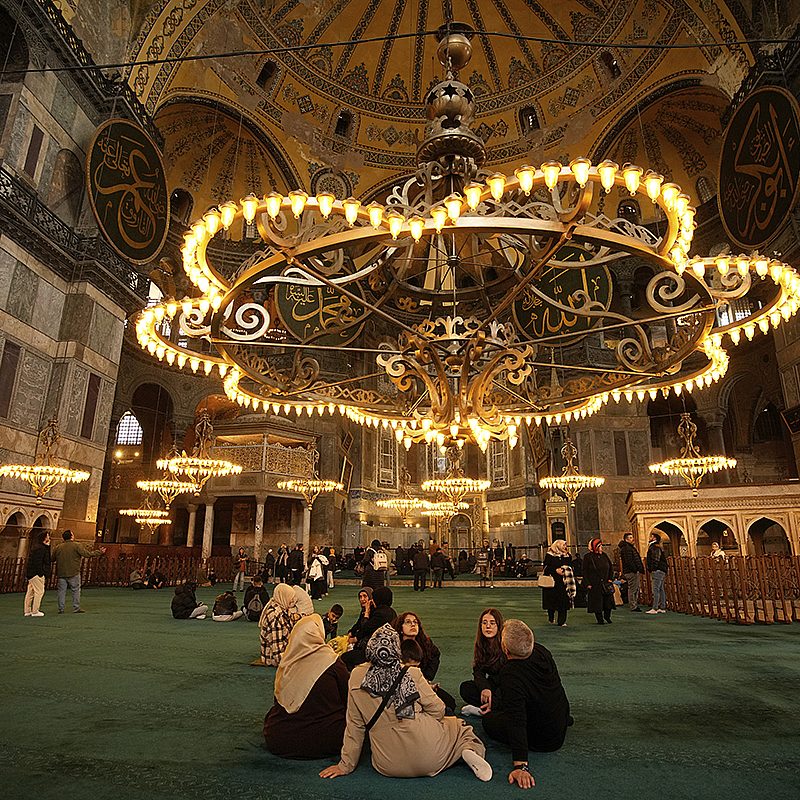
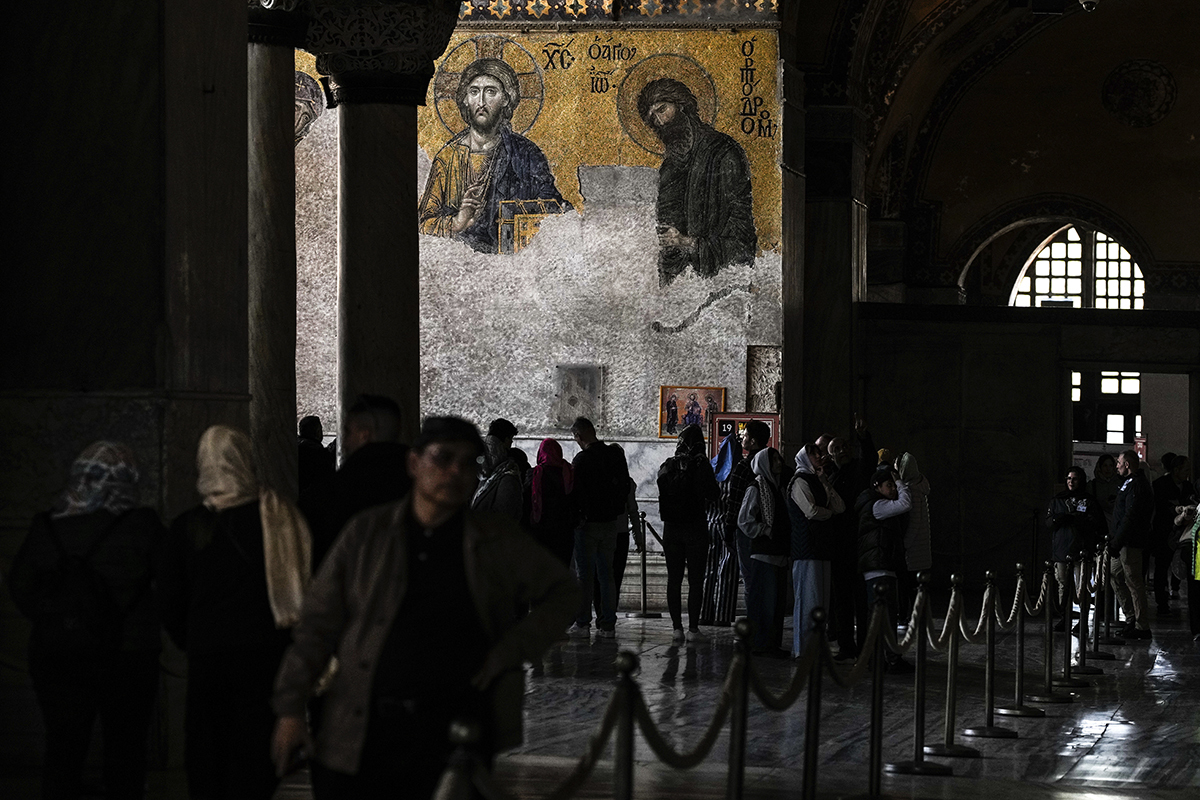
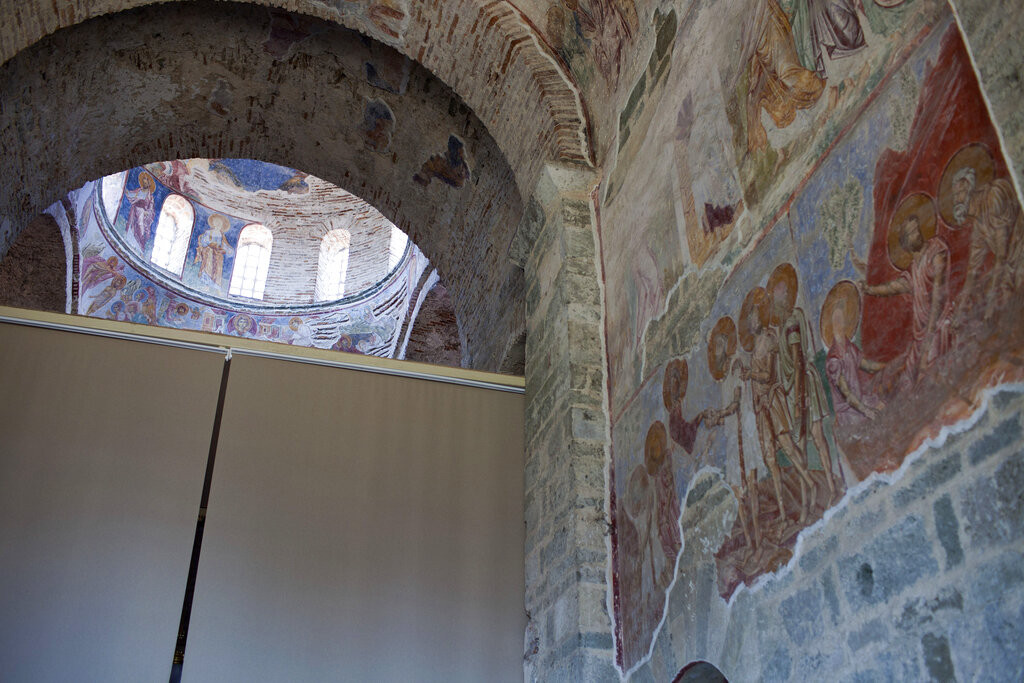
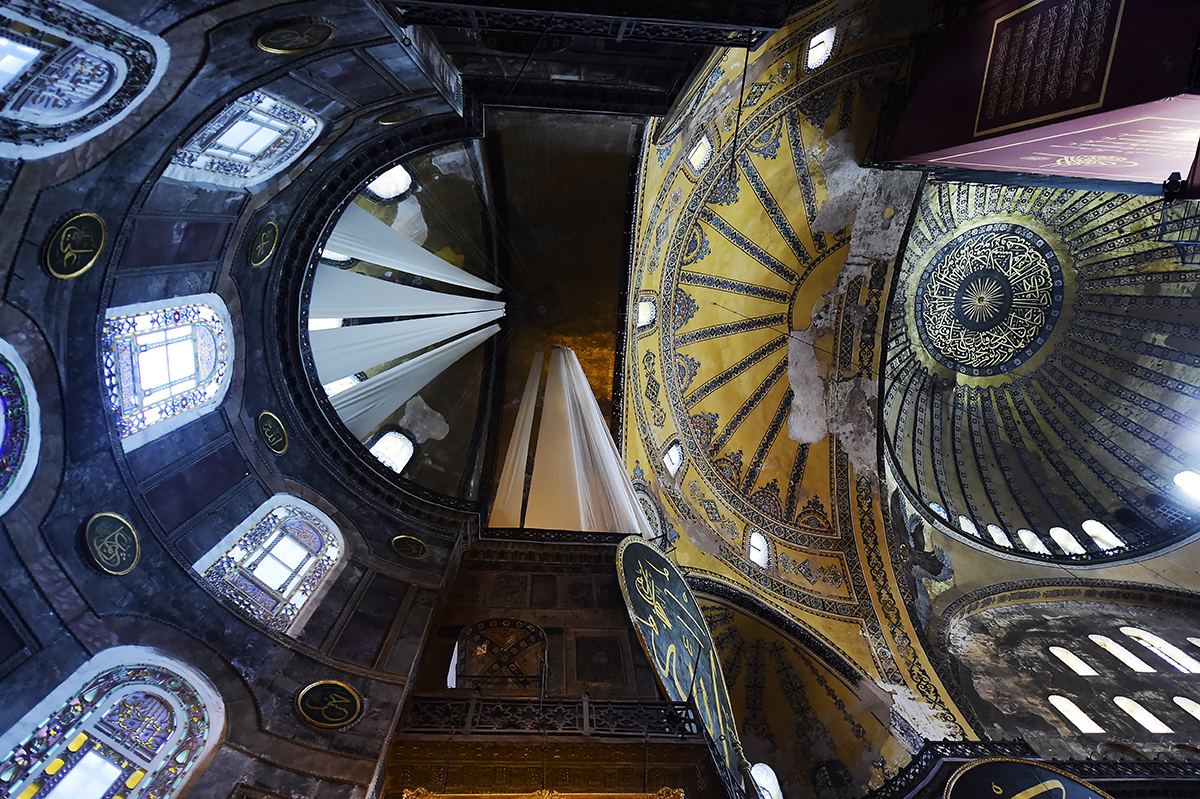
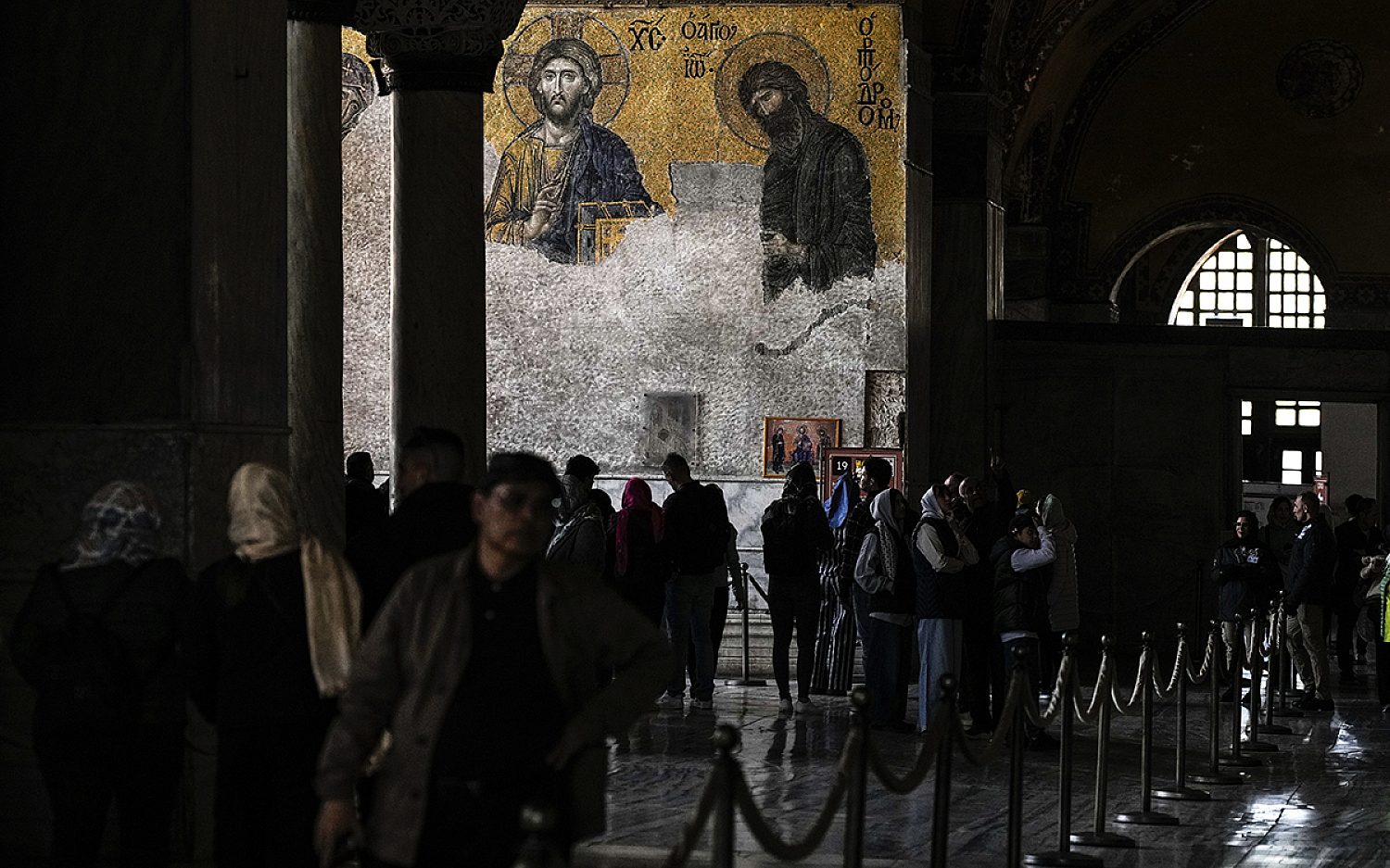
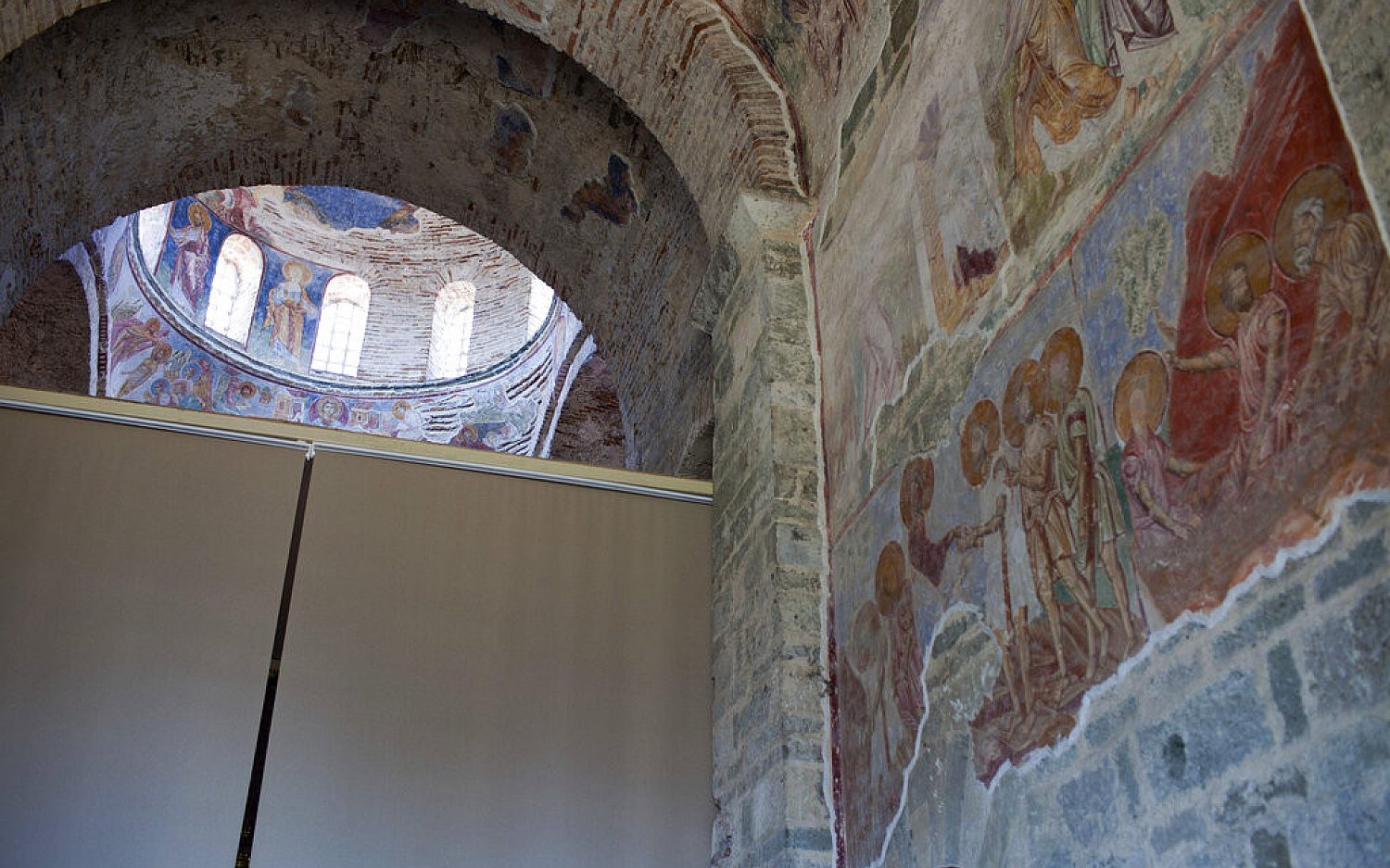
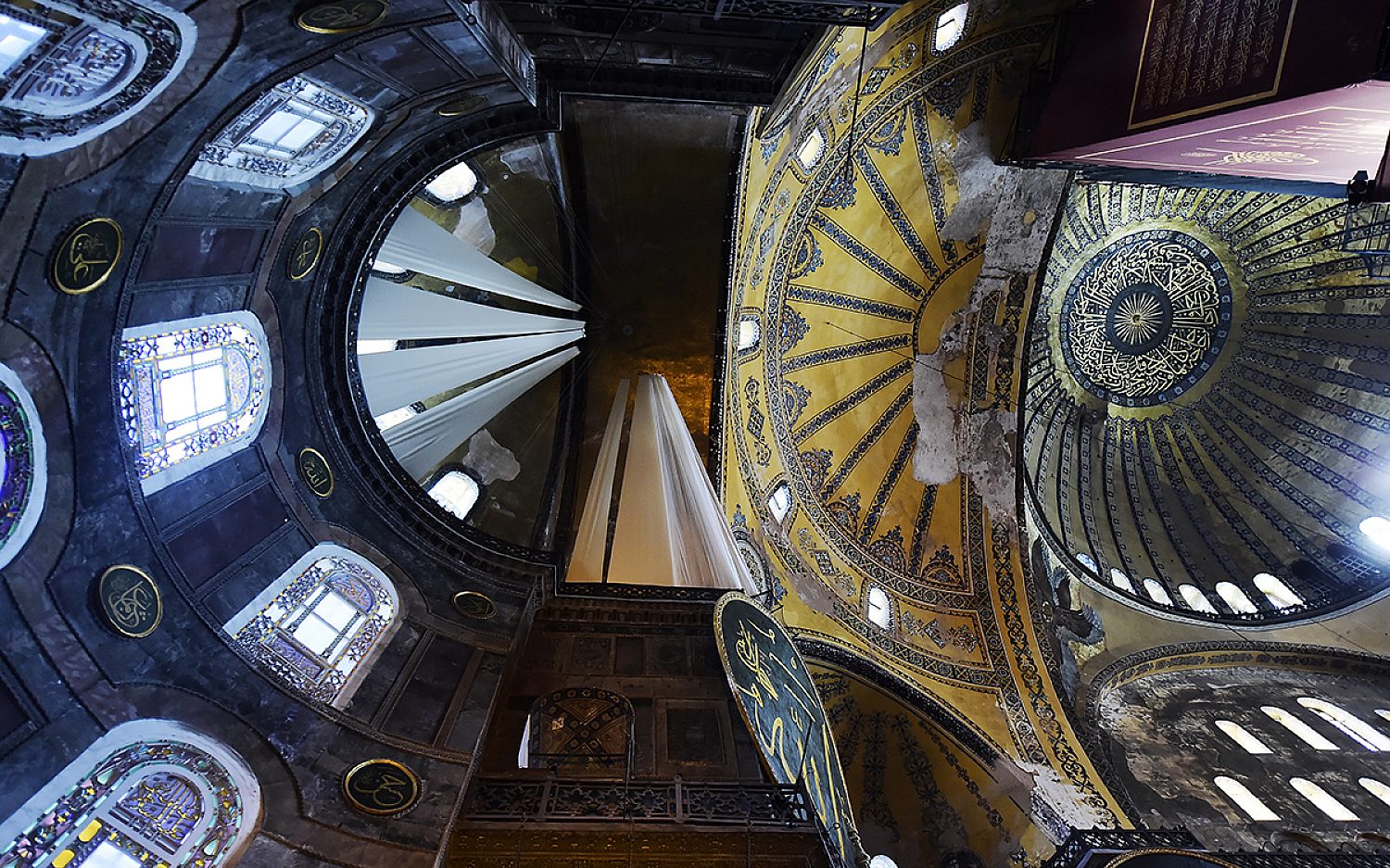
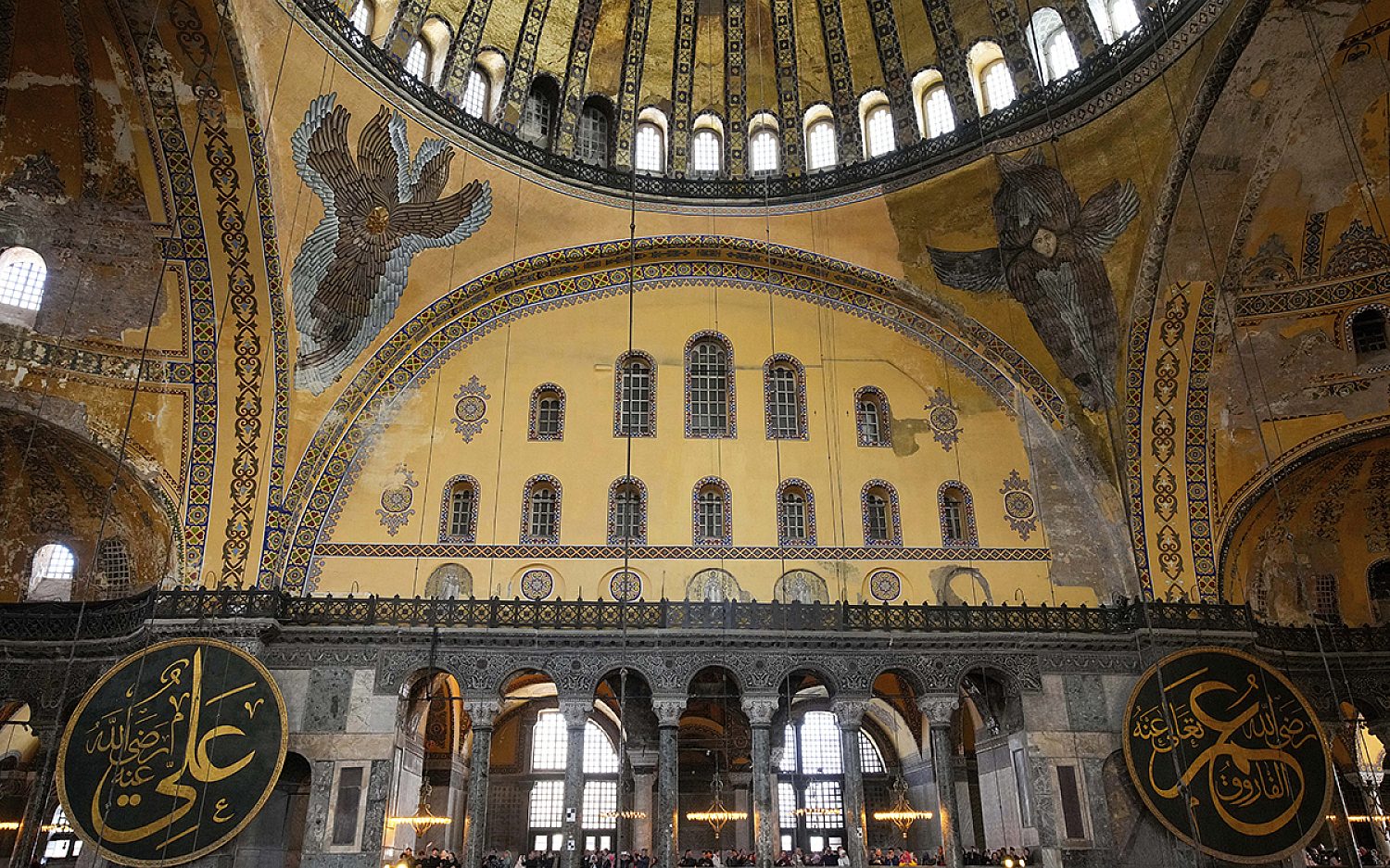
Christians decorated the church with ornate icons (pictures of saints) and mosaics. Even today, visitors can see some of the mosaics. They show scenes from the life of Jesus, Mary, and other Christian saints. Sparkling gold tiles make up the backgrounds. Marble columns support the roof.
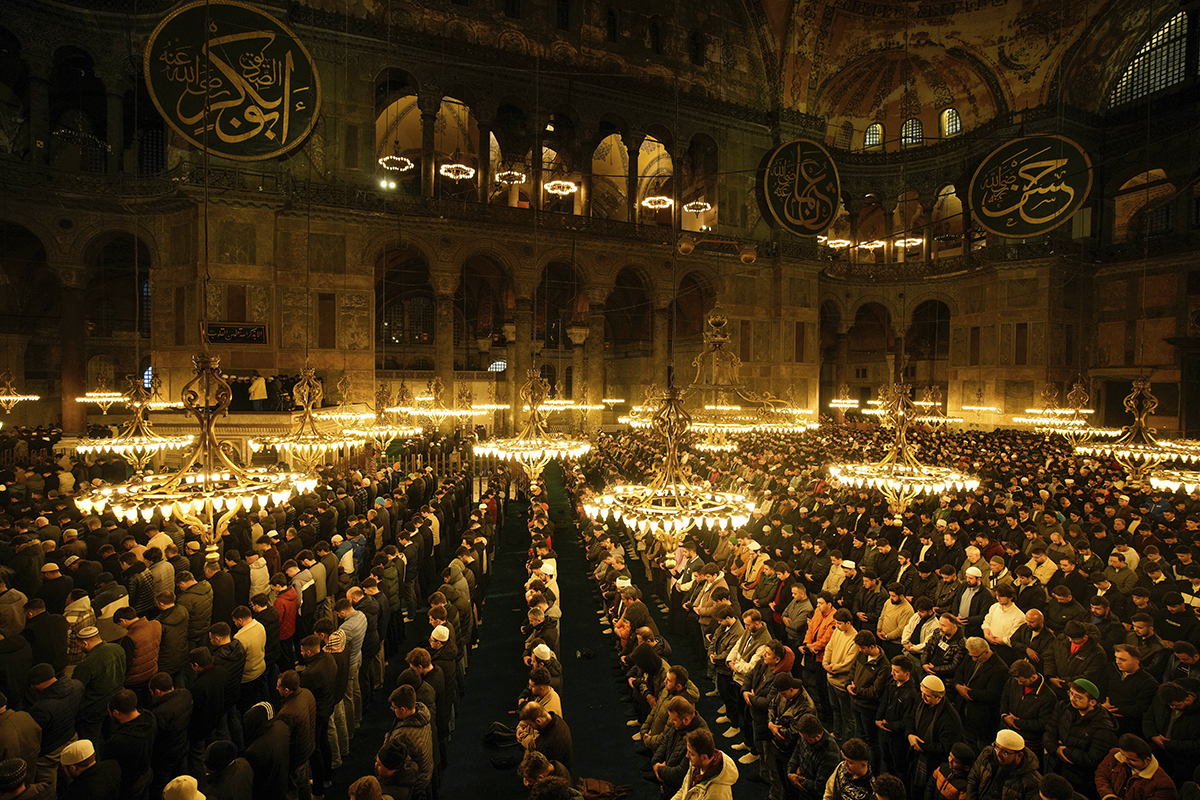
In 1453, Ottoman Turks conquered the city. At that time, it was called Constantinople. They turned the church into a mosque.
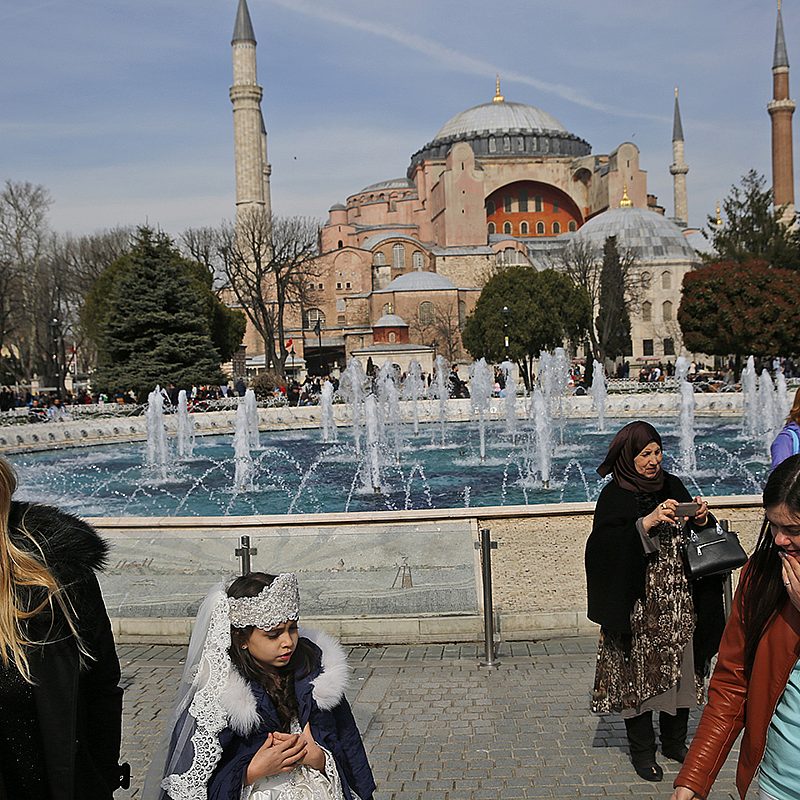
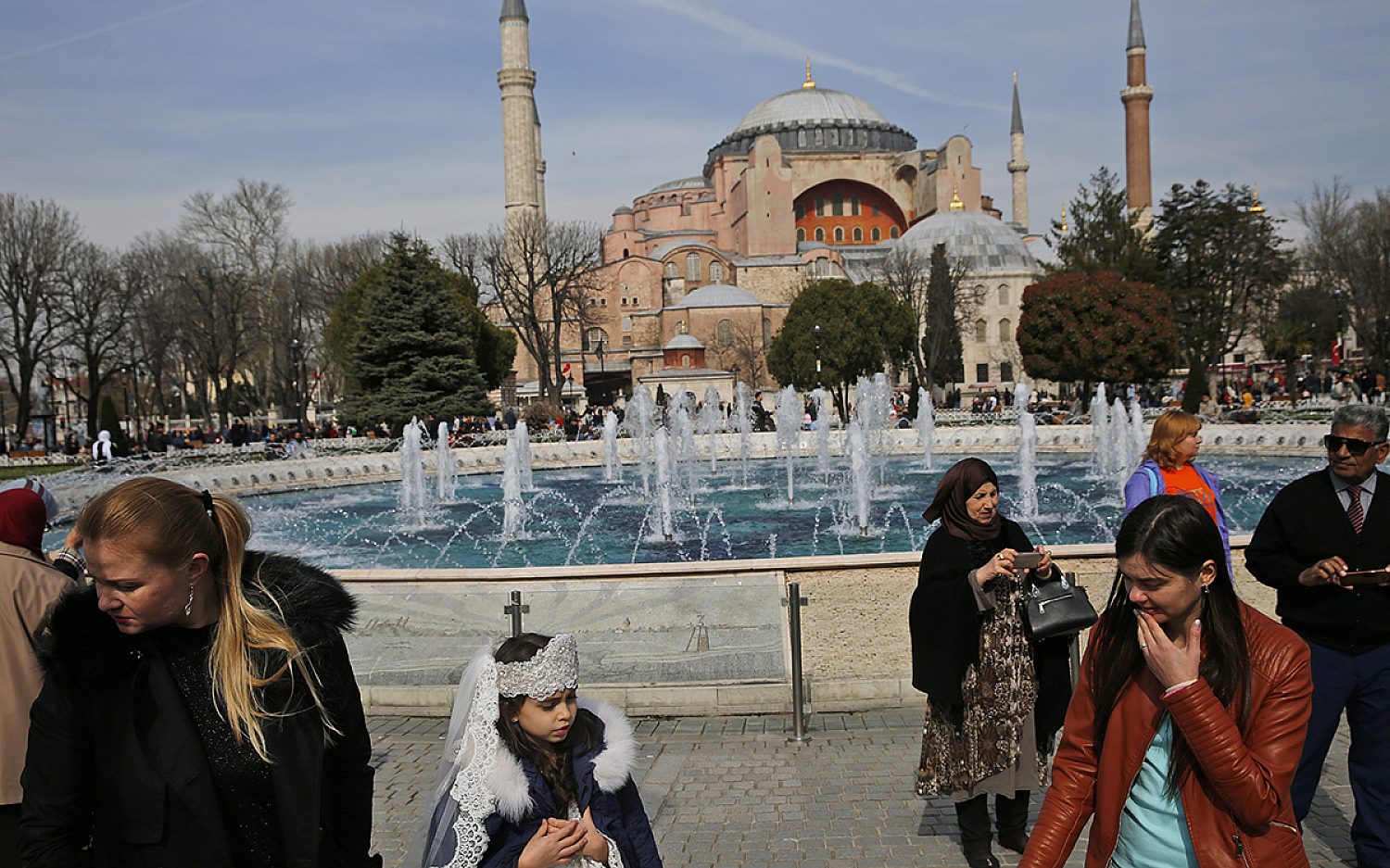
Over the years, Muslims added tall, thin towers called minarets. They also added extra supports. They covered up Christian mosaics.
In 1935, the Hagia Sophia became a museum. But for decades, Islamist and Turkish nationalist groups wanted the Hagia Sophia to become a mosque again.
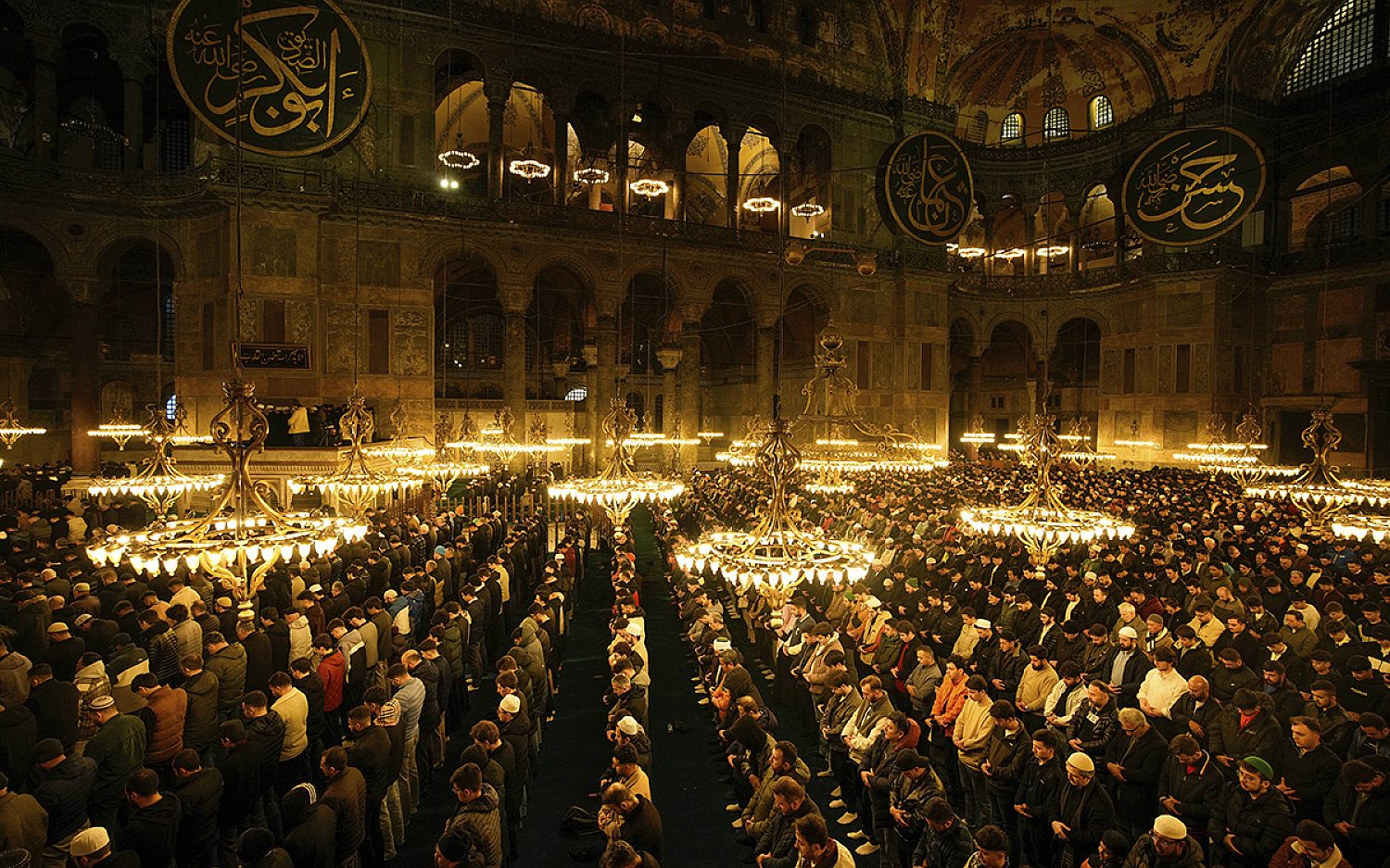
In 2020, Turkish President Recep Tayyip Erdoğan turned the building back into a mosque. Many non-religious Turks and Christians were unhappy with the decision.
Today, the Hagia Sophia is one of Turkey’s most popular tourist destinations.
Christians built the cathedral to honor the true God. It is sad that followers of a false religion now use it instead. But God’s kingdom is eternal. Even if all church buildings in the world crumbled or were taken over, God’s kingdom would still stand.
You yourselves like living stones are being built up as a spiritual house. — 1 Peter 2:5