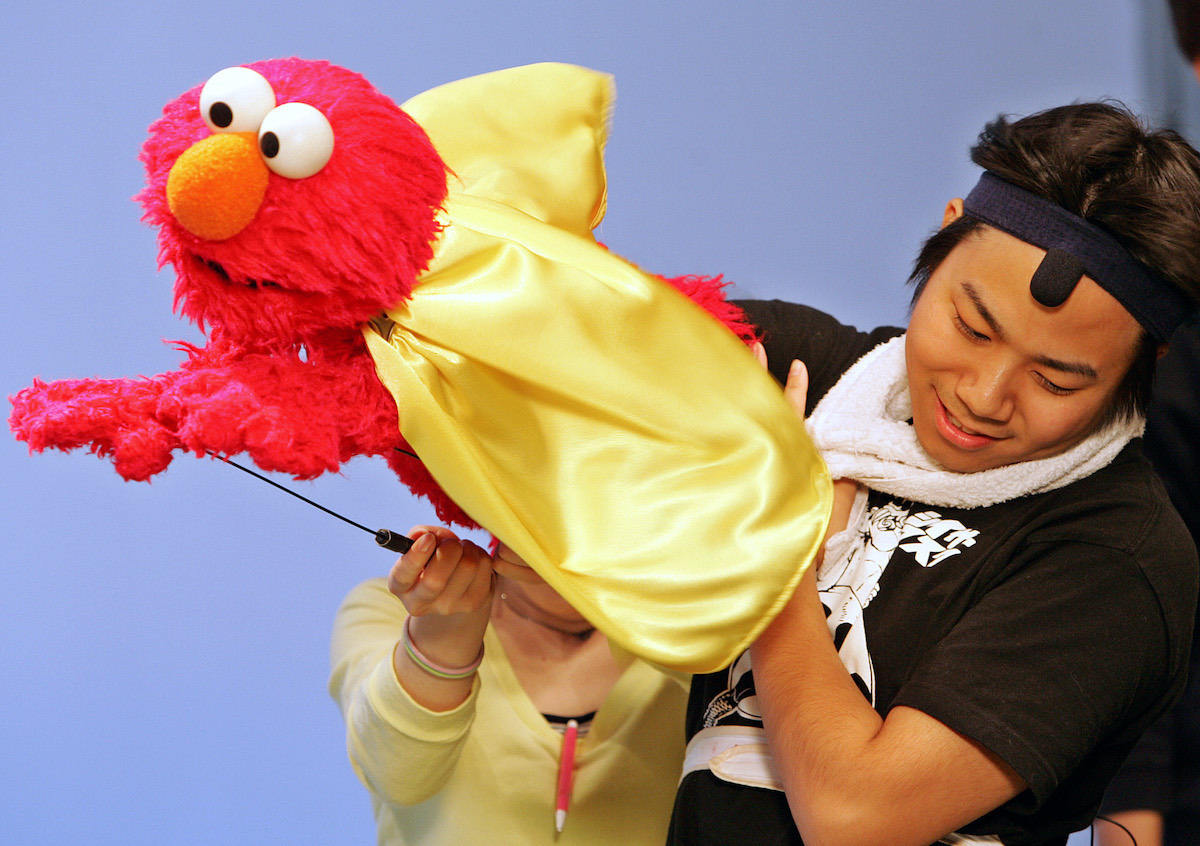
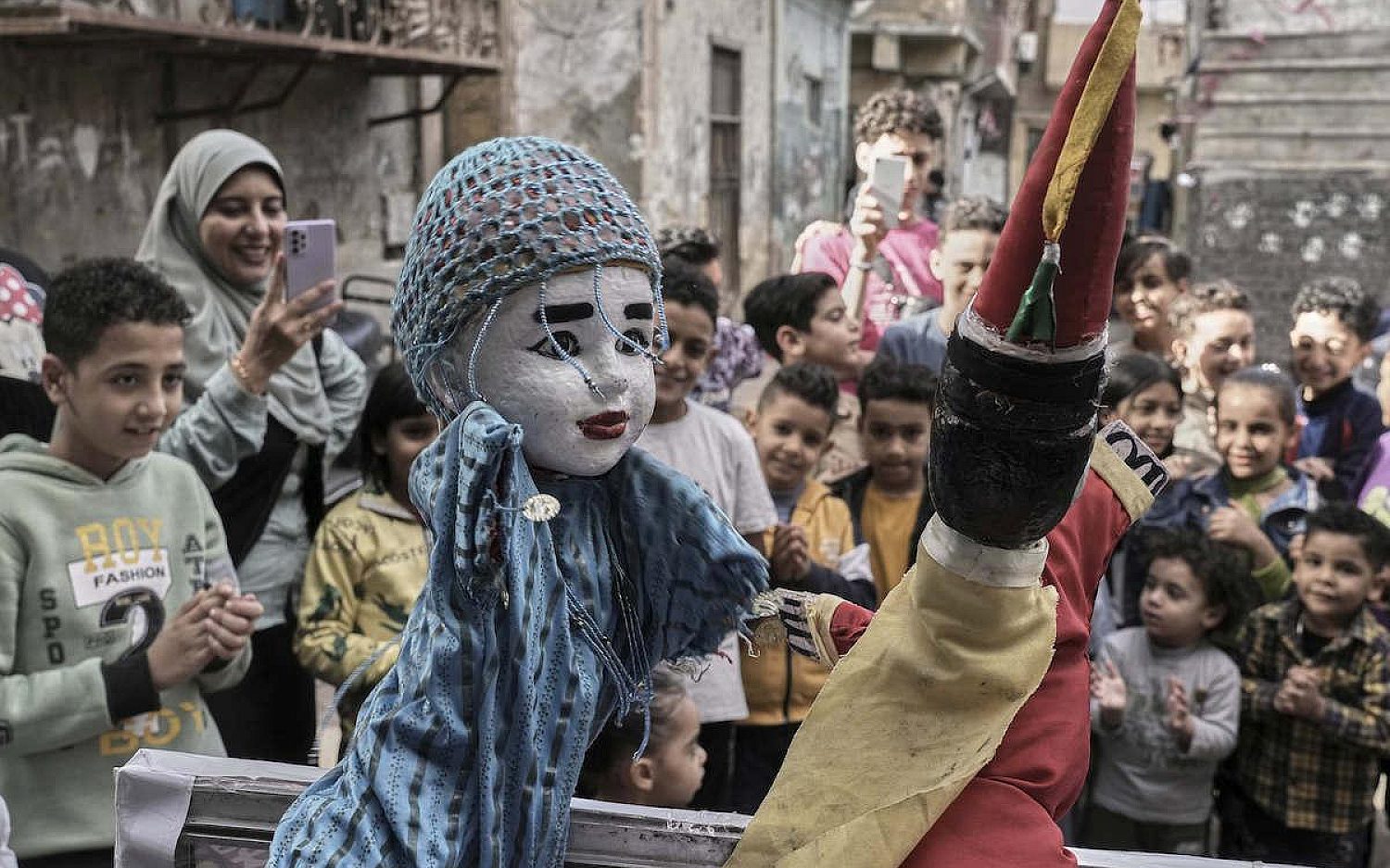
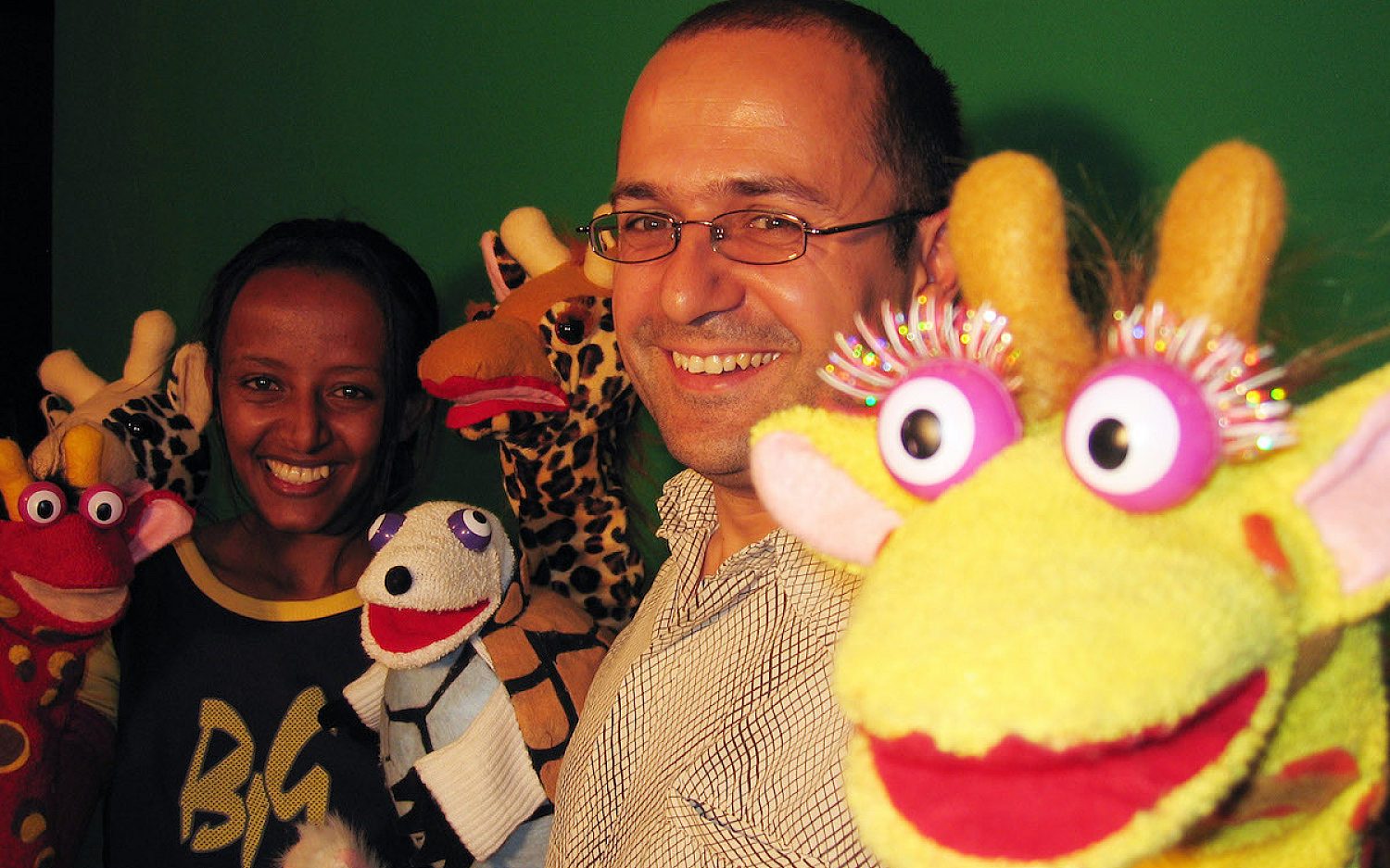
The first thing that comes to mind when you think of puppets might be Jim Henson’s Muppets. Who doesn’t love Kermit the Frog? But did you know there are records of puppets from ancient Greece? Some Egyptian tombs hold clay and ivory puppets controlled by wires. There’s even a medieval picture of people making two puppets fight with swords!
What kinds of puppets have people created through the ages?
Shadow Puppets from Asia and India
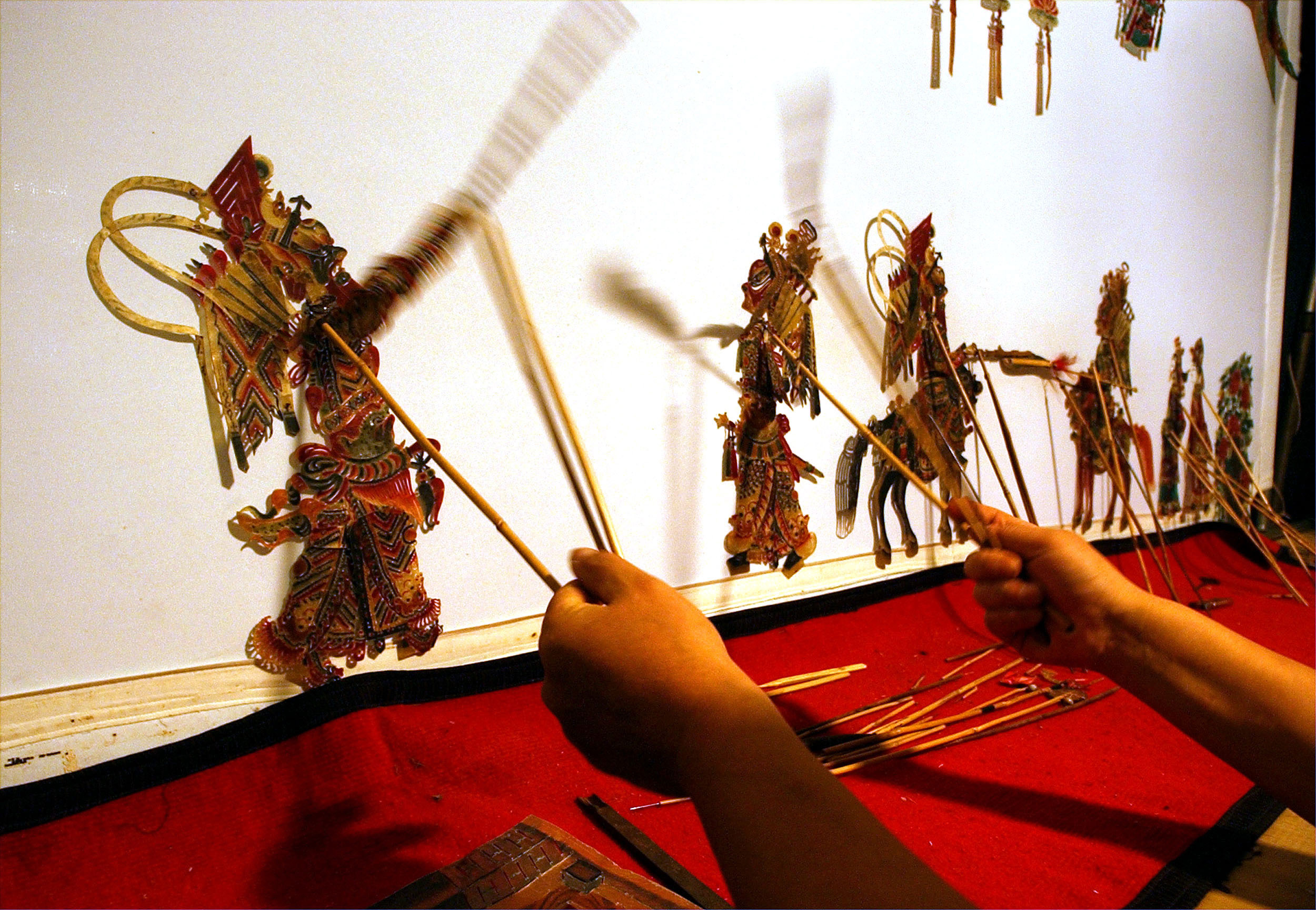
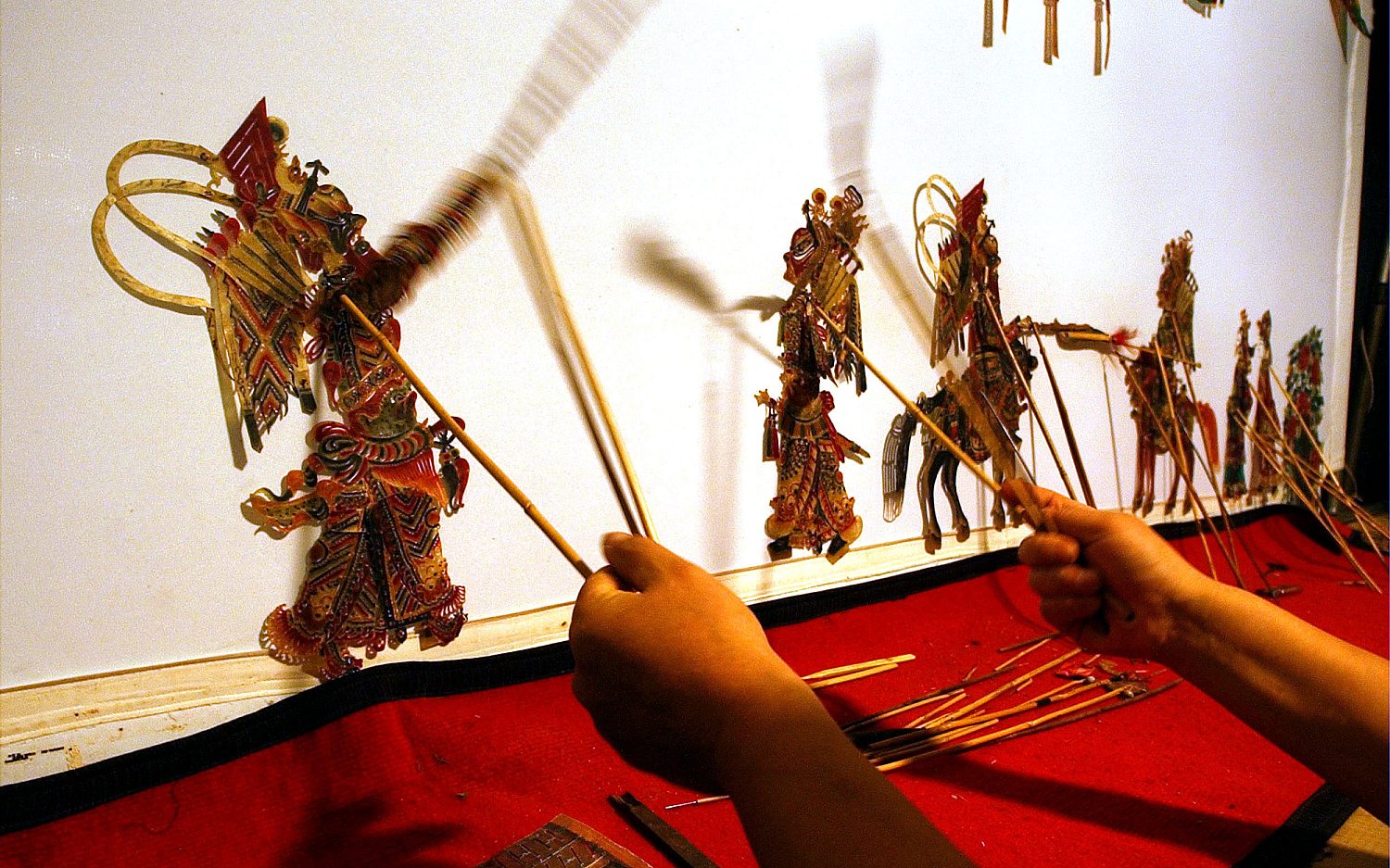
Shadow puppeteers use flat, jointed puppets attached to rods. They place the puppets close to a thin screen. Then they light them from behind. Some of the puppets are made of transparent leather. Others are made of paper. One puppeteer often moves multiple characters at once!
Japan’s Bunraku
Puppeteers work with chanters and musicians in Bunraku shows. The puppets range in height from one to four feet. They are made mostly of wood and have fancy costumes. The main handler moves the head, right hand, eyes, eyebrows, lips, and fingers. Two helpers dressed in black operate the left hand, legs, and feet.
Marionettes in France, England, and Italy
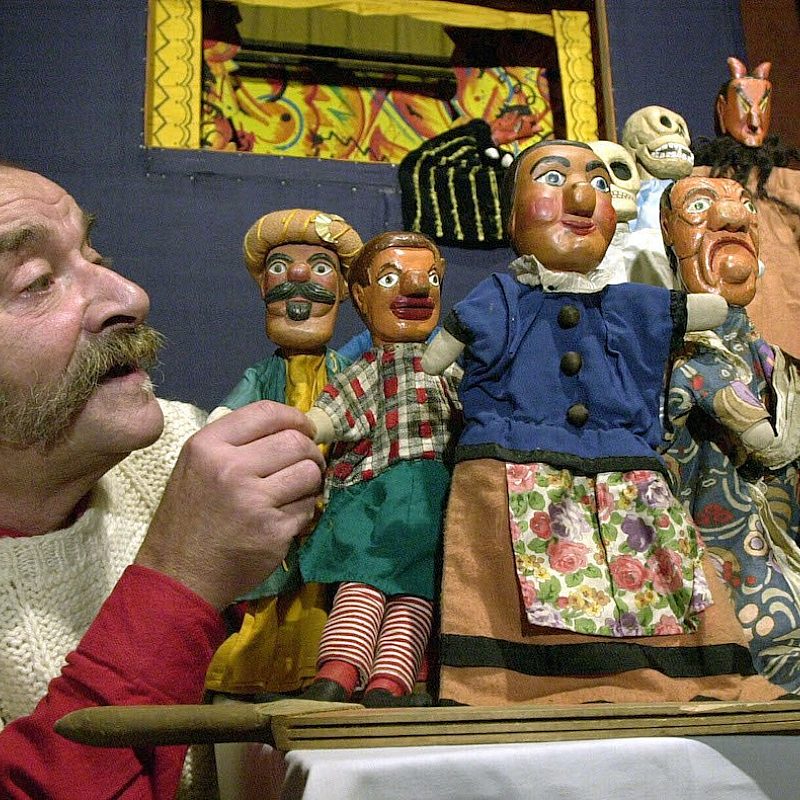
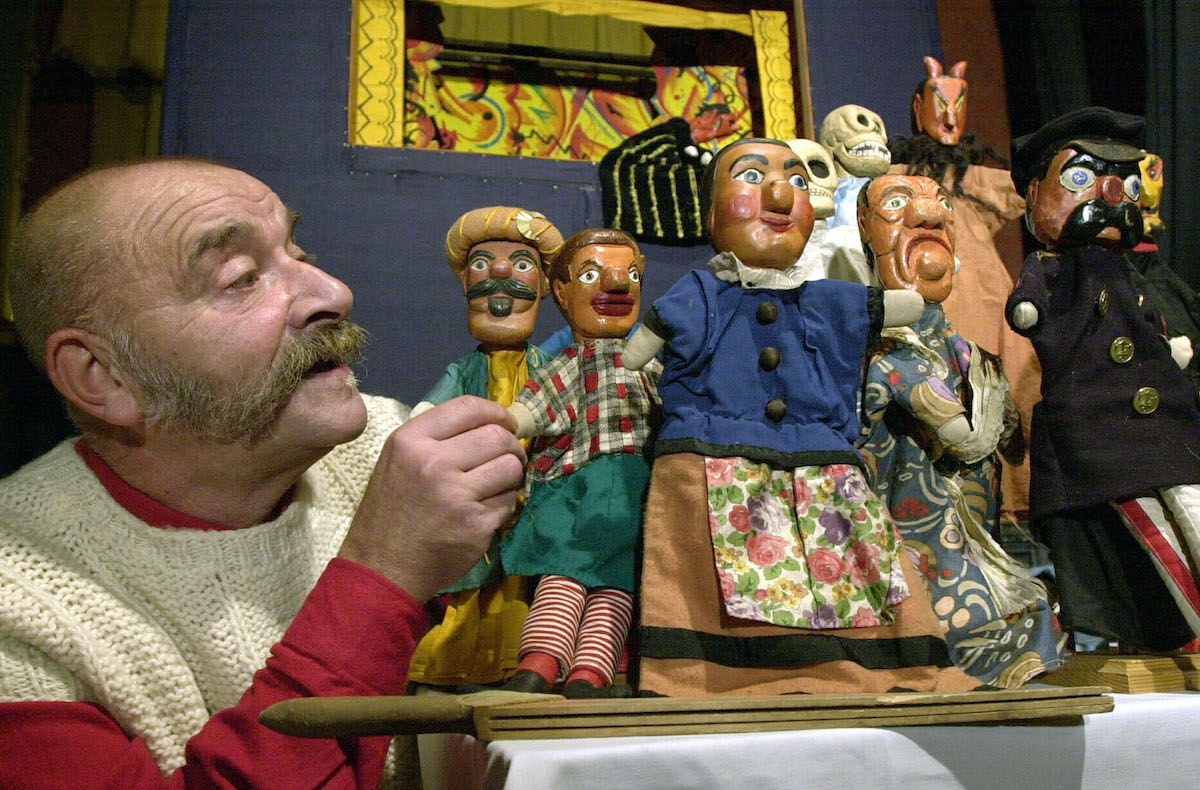
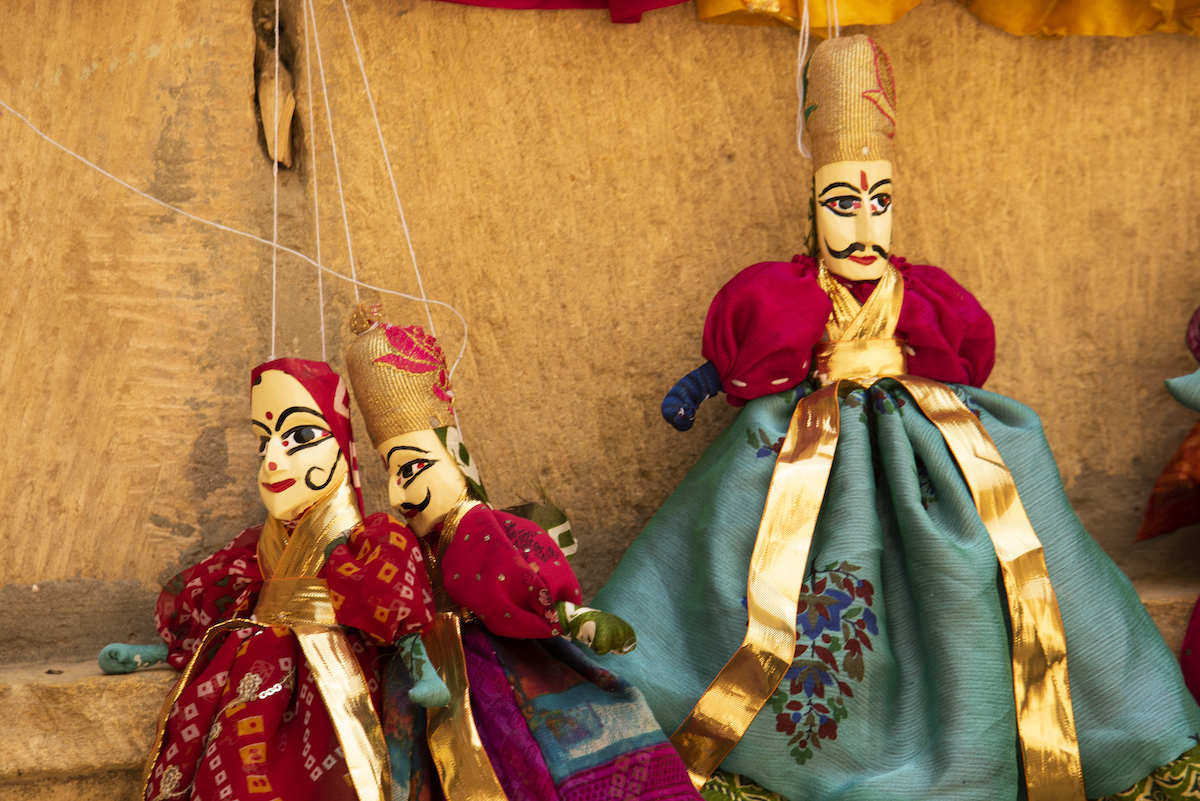
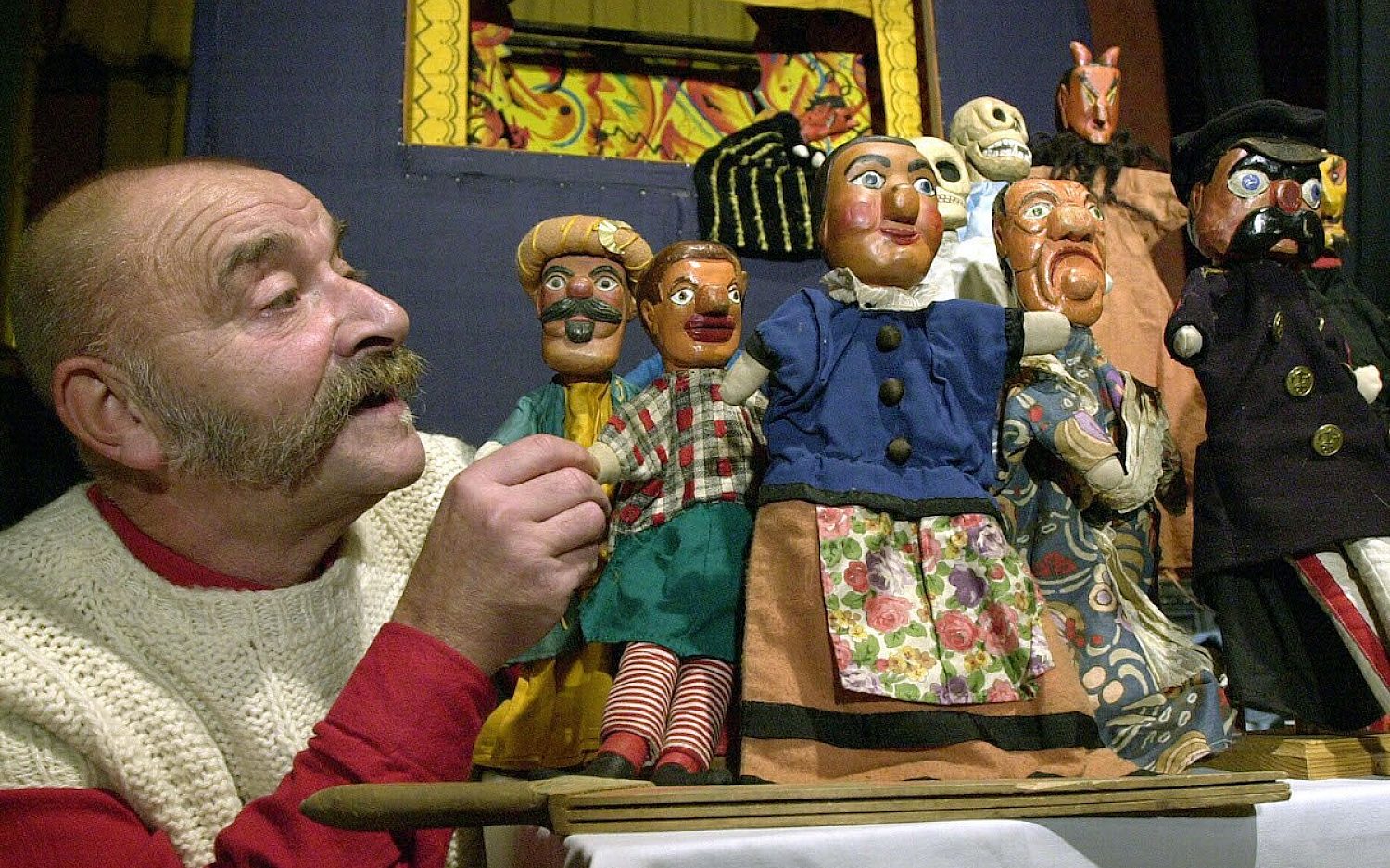
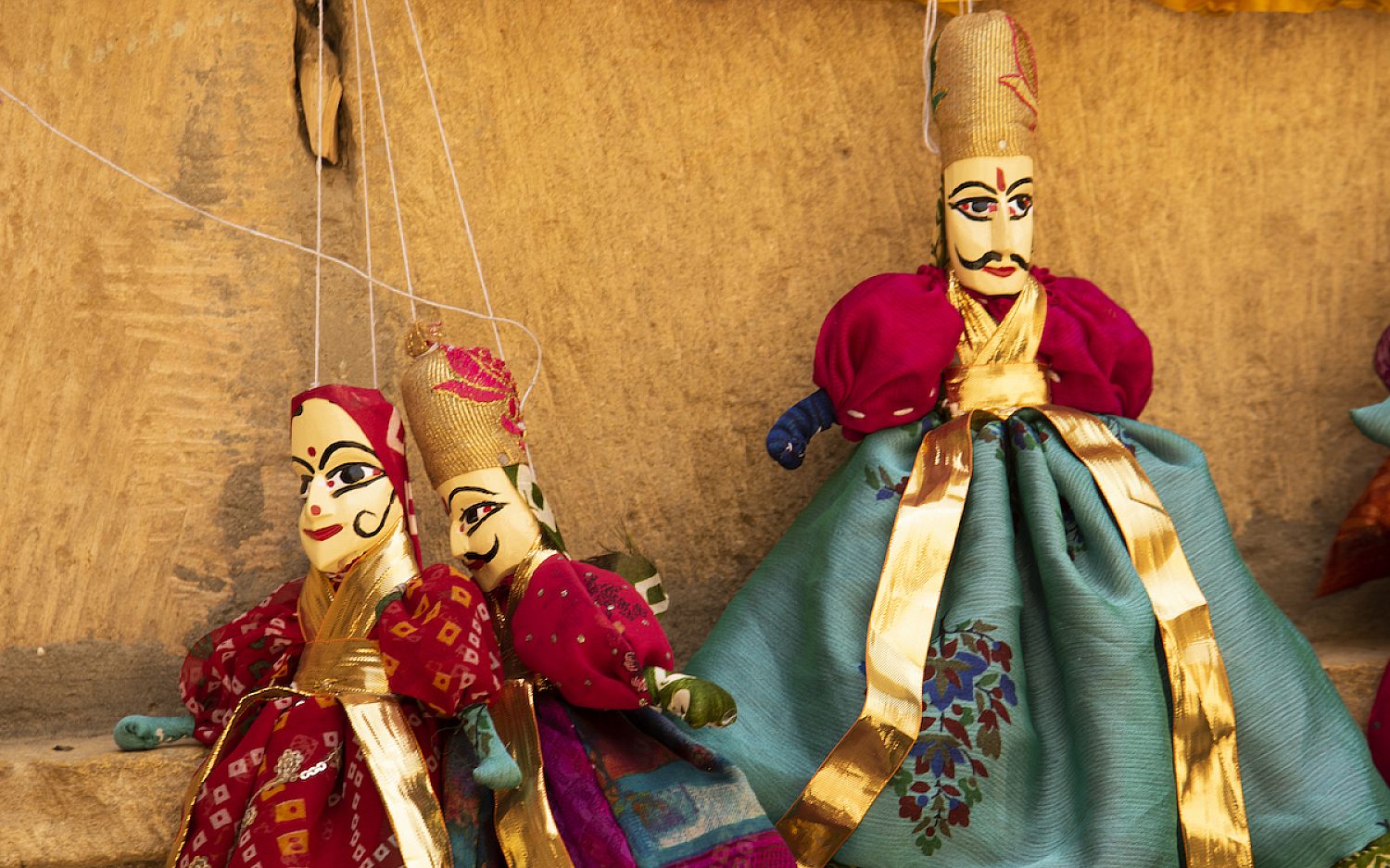
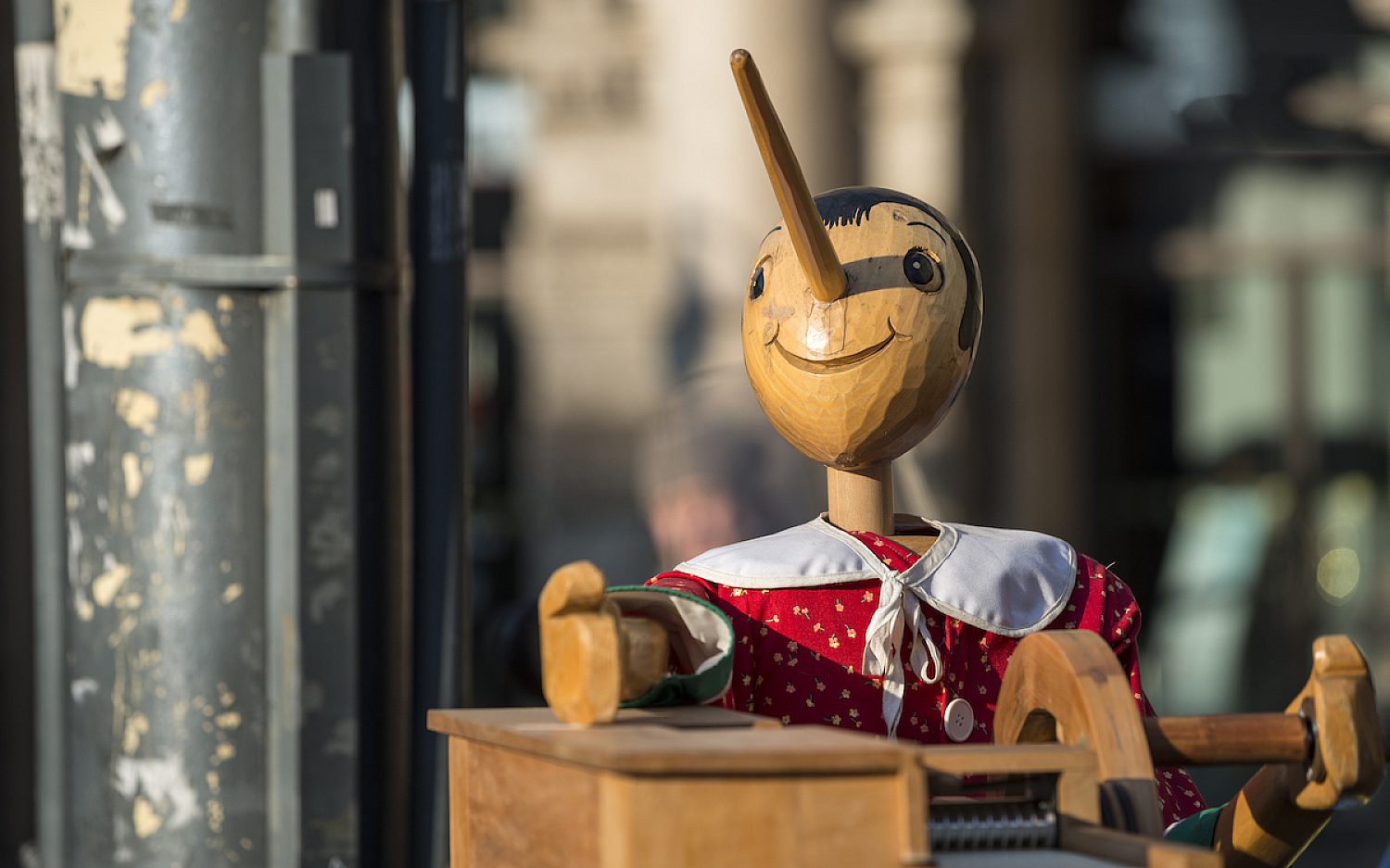
Marionette means “little Mary” in French. Wooden string puppets were often used in France during the Middle Ages to show events from the Bible. Mary was a popular character. Punch and Judy puppet shows began in 17th century England. They borrowed plot ideas from Italian comedies. The characters changed from marionettes to hand puppets over time.
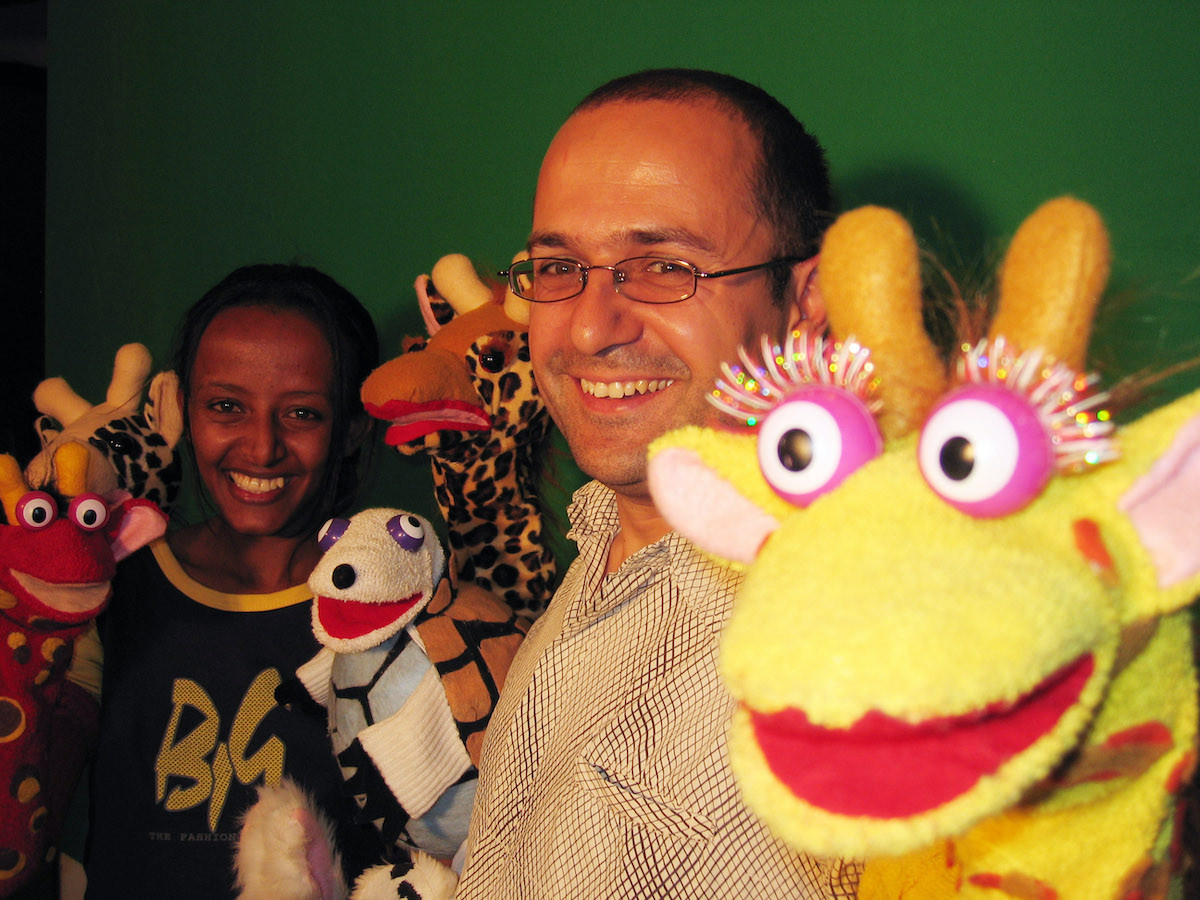
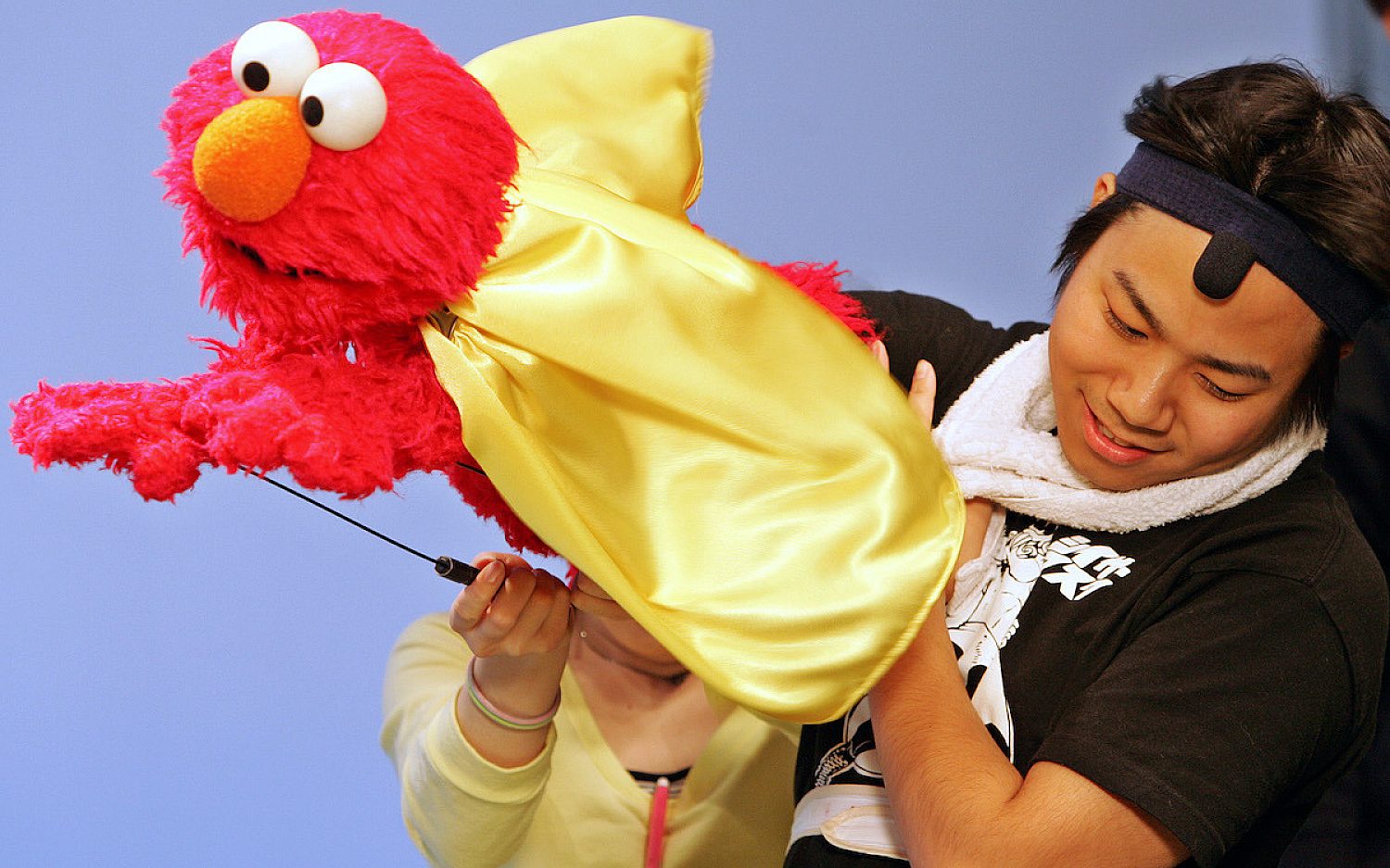
Modern films and shows still rely on puppets. Grogu (nicknamed Baby Yoda) may be the most popular one today. Puppets made of foam and fabric remain favorites in children’s shows all over the world. Jim Henson made them popular in the 1960s.
Recommended Reading: For more about puppets, read You Are Special by Max Lucado.