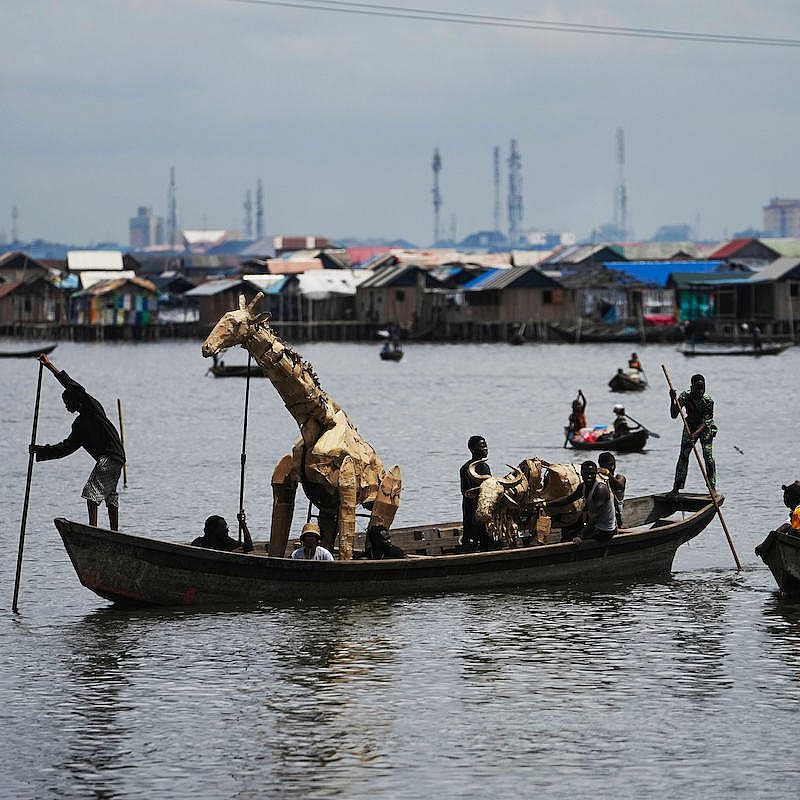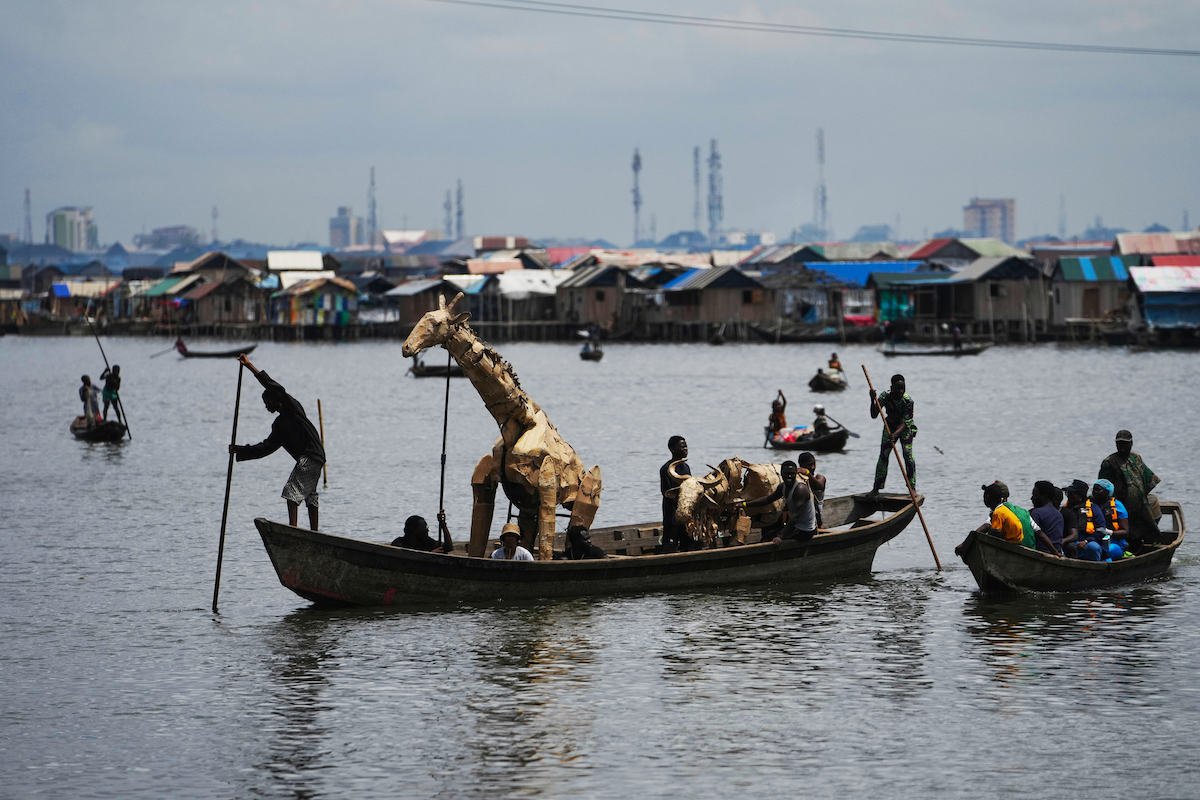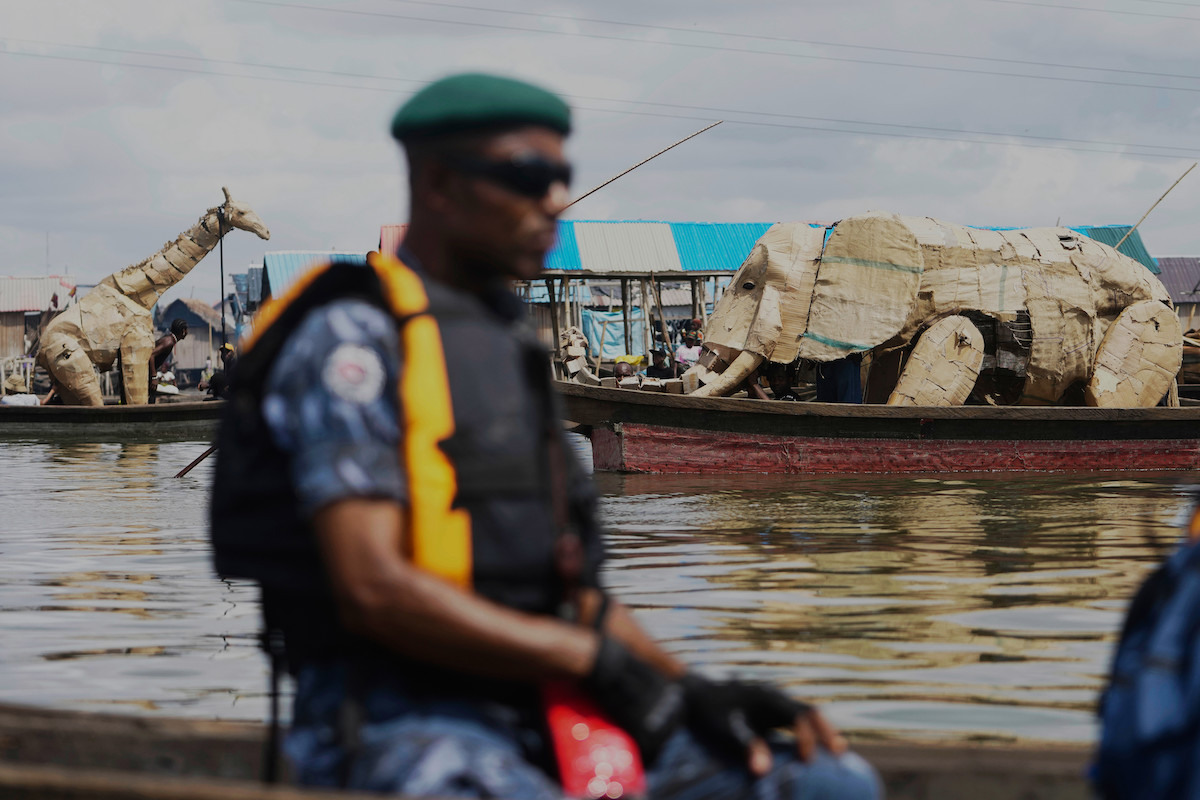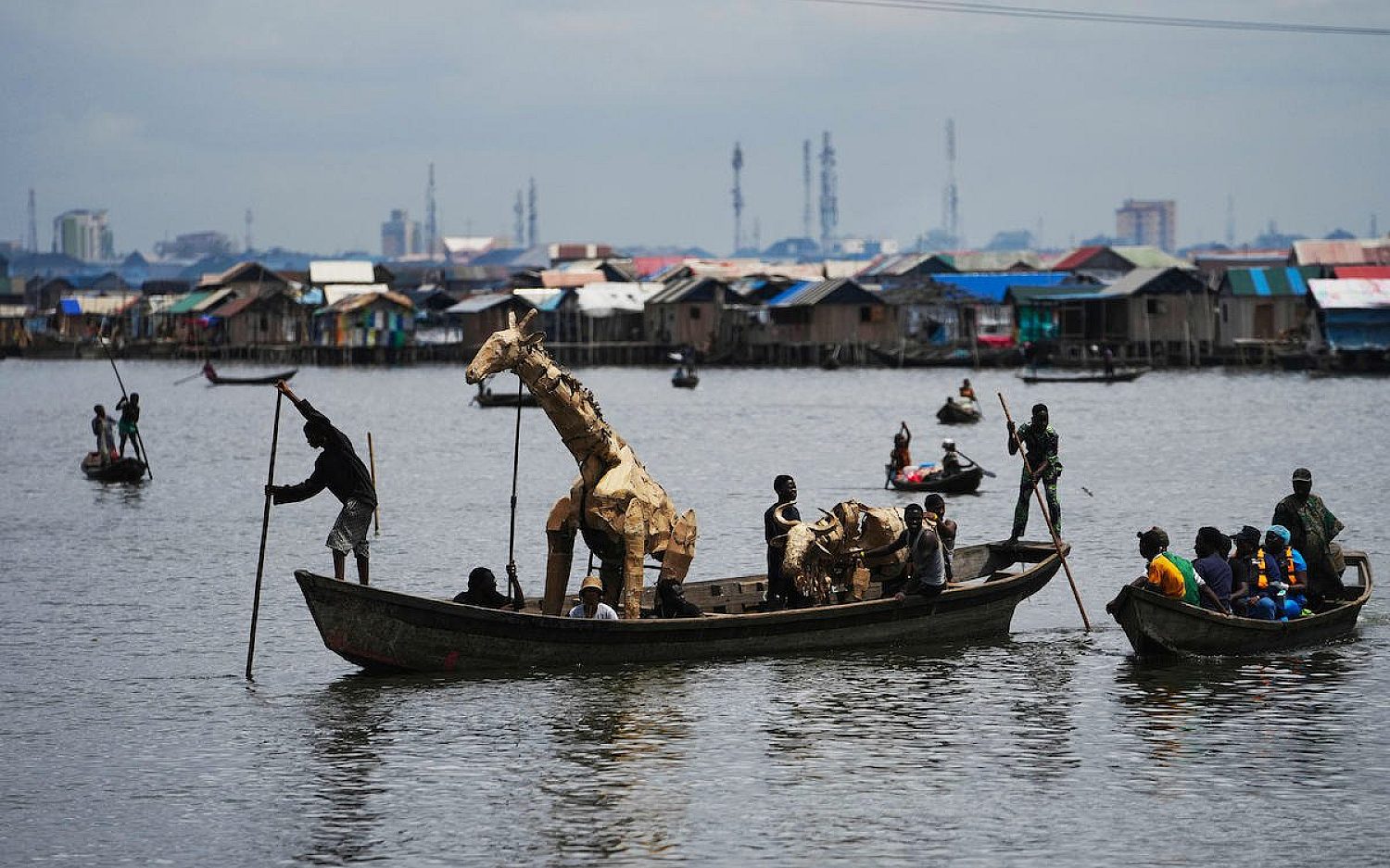
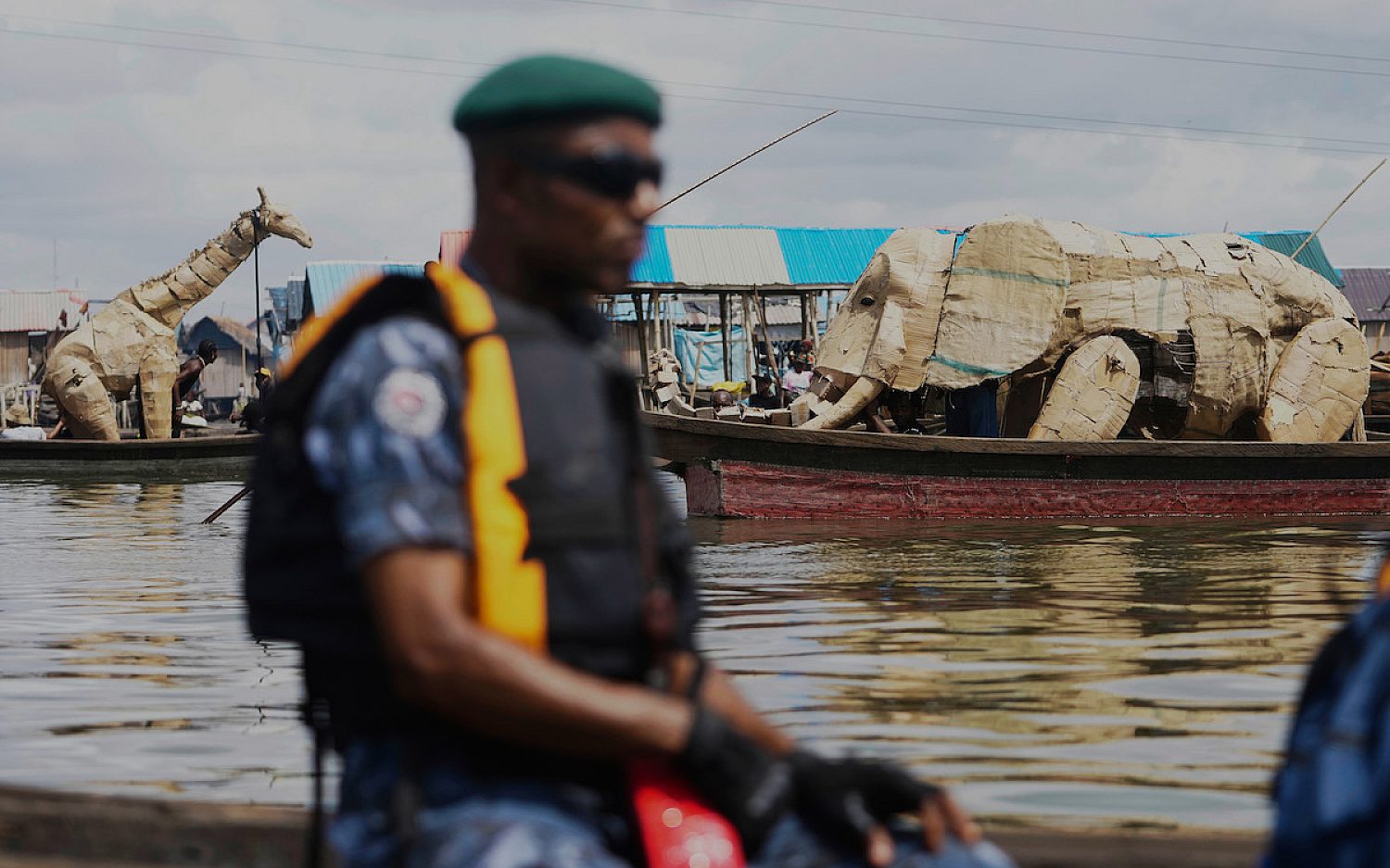

It’s not every day you see a giraffe and an elephant floating in canoes.
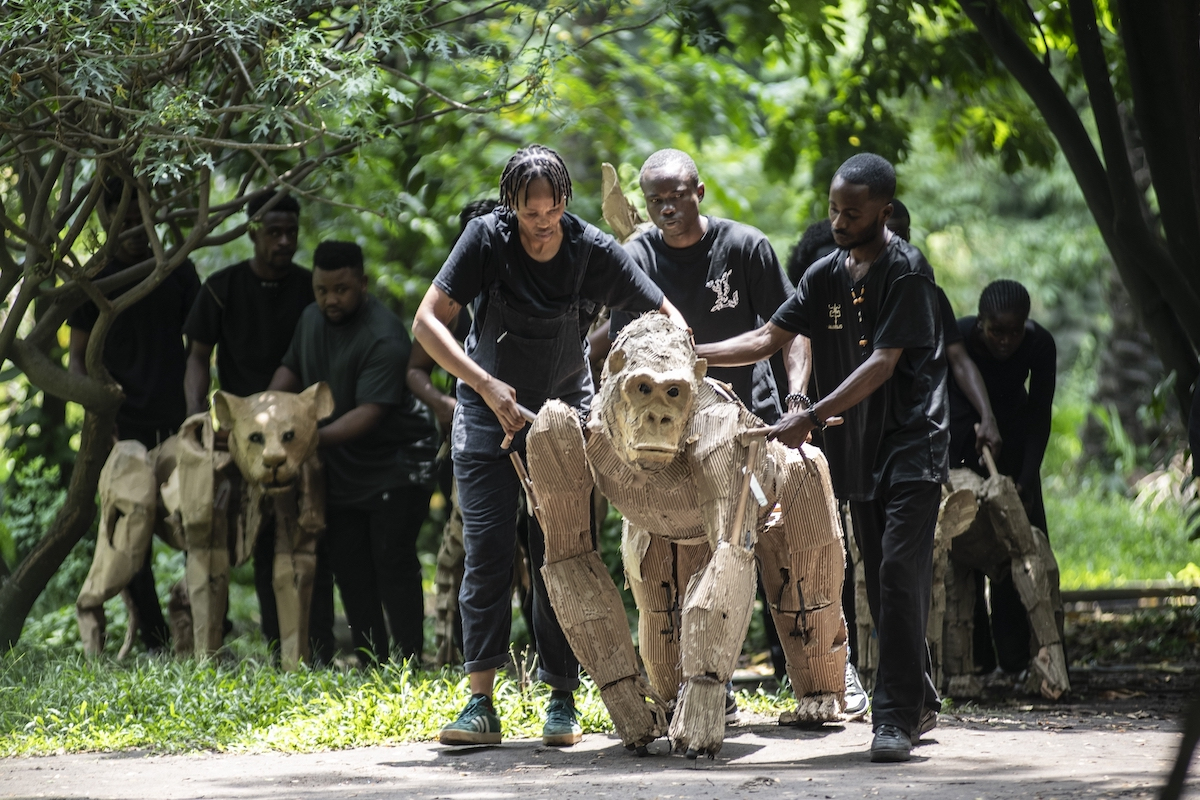
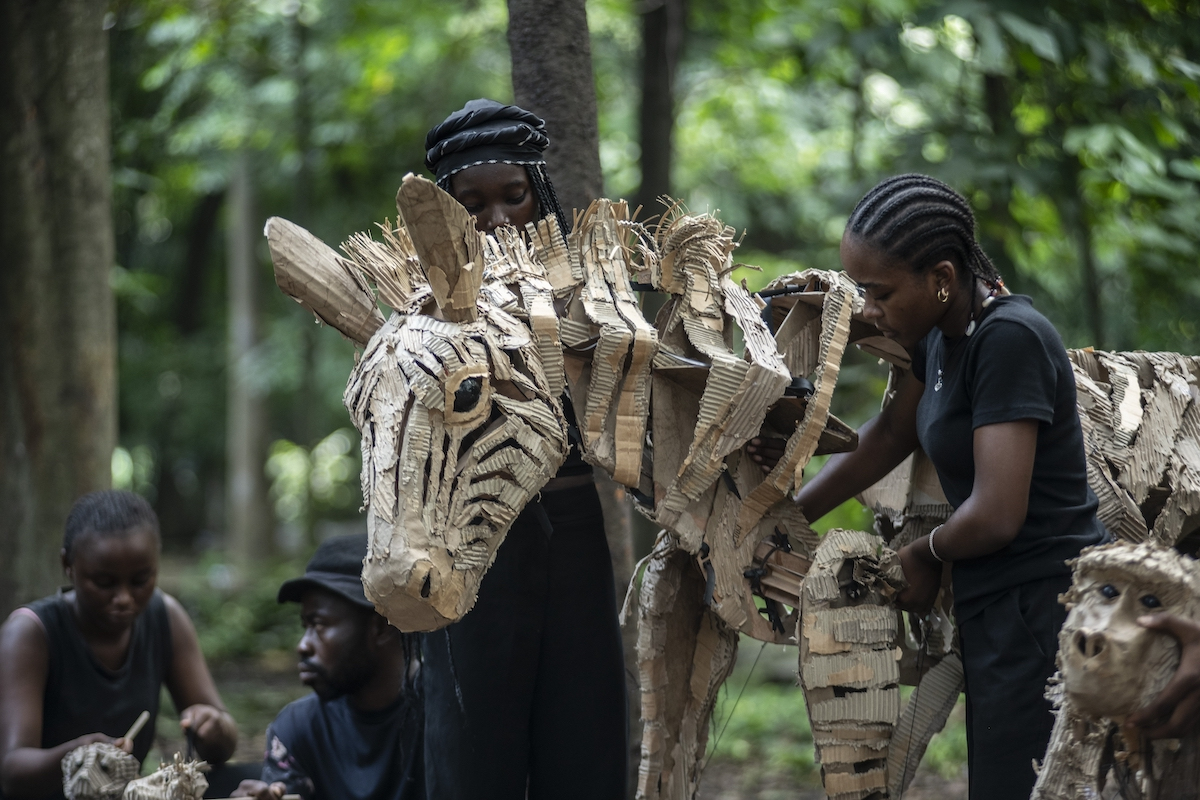
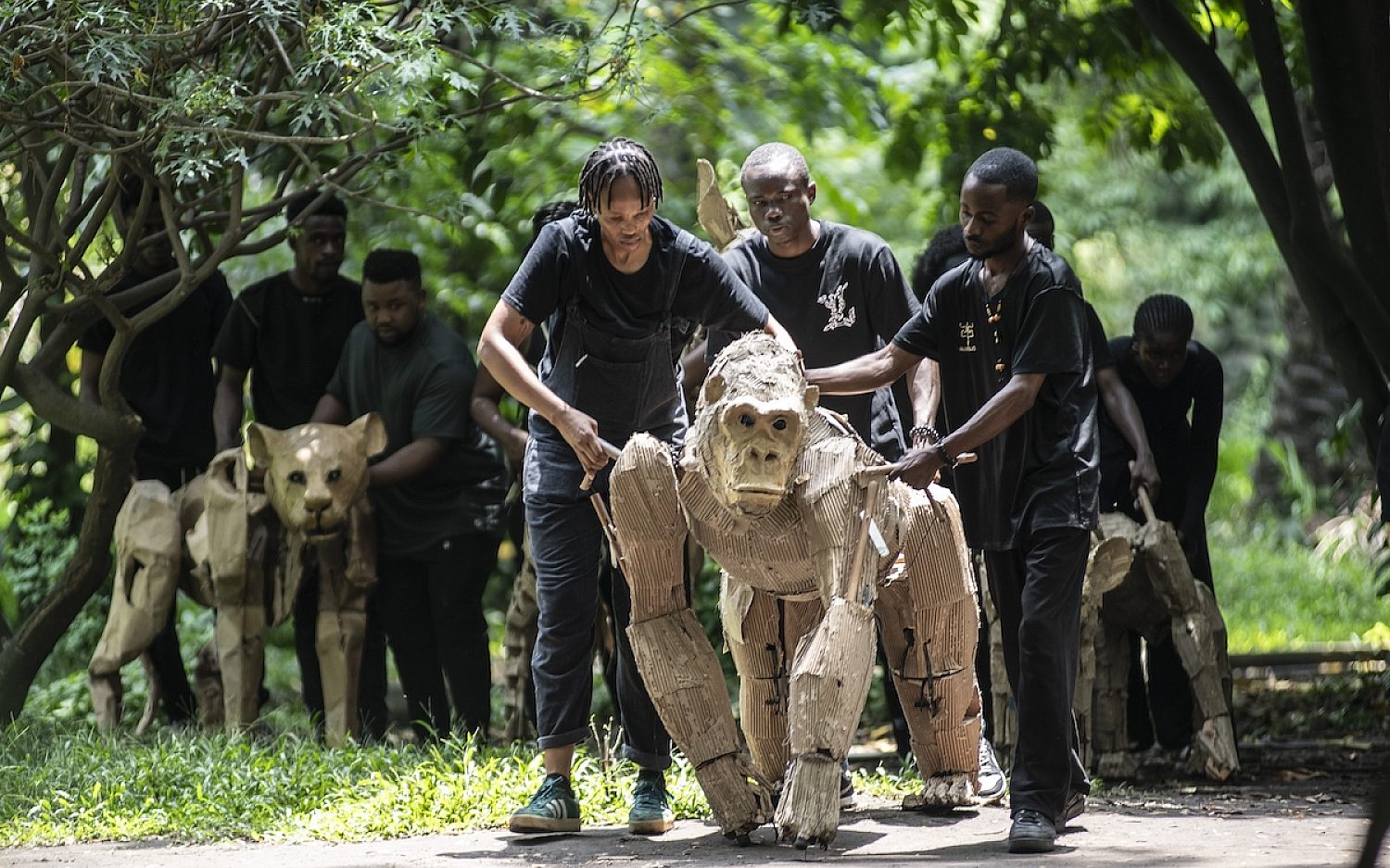
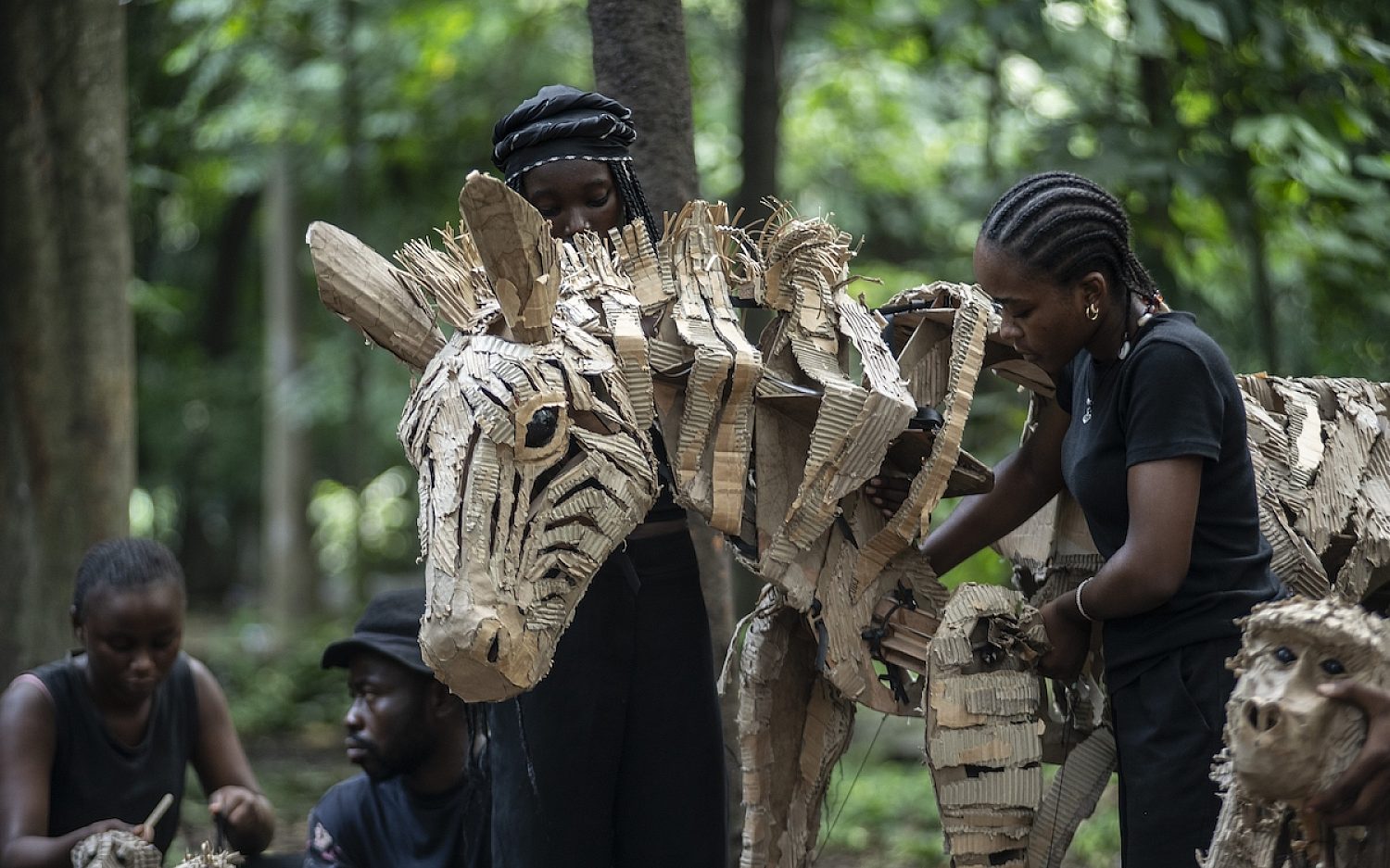
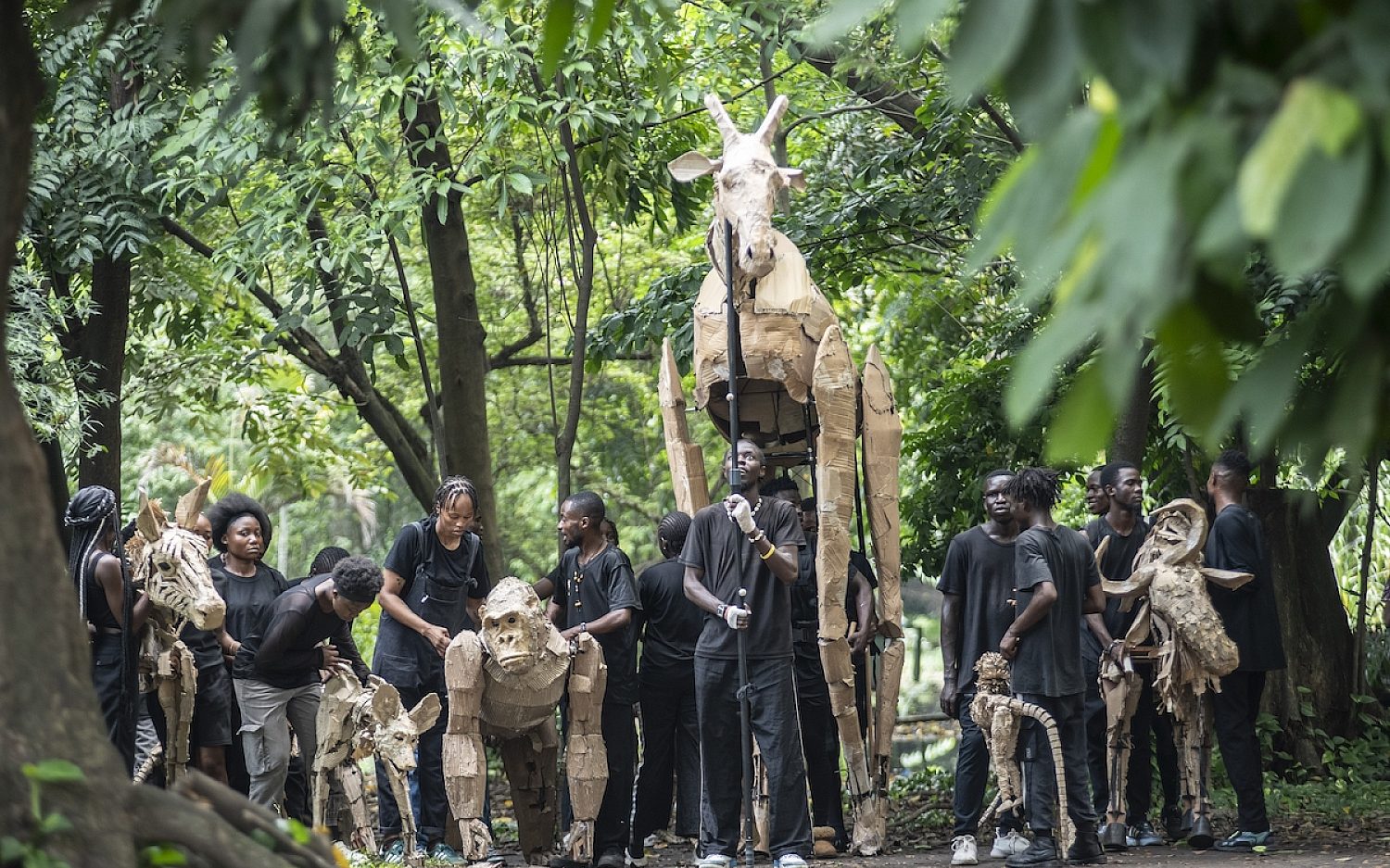
Puppeteers dressed in black guide vessels carrying giant cardboard puppets. They started out in Kinshasa. That city is the capital of the Democratic Republic of Congo. It is in central Africa.
The group of puppets is called “The Herds.” It continued northeast past Lagos, Nigeria.
A huge gorilla hoots. A donkey brays. A leopard bends its neck towards the water. The puppeteers are on a mission. They want to show the challenges animals face when they lose their habitats.
“The Herds” is a theatrical tour. It started in April and ends in August. The journey totals more than 12,000 miles. It makes stops along Africa’s east coast and through Europe. It ends in the Arctic.
The artistic director is Amir Nizar Zuabi. “I wanted to create a piece of art that talks about nature, beauty, and how animals are wild and majestic,” he says.
Weather patterns across the world shift. Some places have shorter winters. The sea rises in certain regions and causes flooding. Sometimes people cut down too many forests to plant crops or to build housing. Animals must search for new homes.
The massive puppets parade past onlookers. They raise awareness. People in Nigeria poke their heads out of windows in awe. Children and women stand on porches. They watch as the puppets pass through narrow waterways.
Samuel Shemede is a 22-year-old who lives in Lagos. “I had never seen something like that before in my life,” he says. “They made it look so real.”
Tshoper Kabambi is a Congolese filmmaker and producer. He follows “The Herds” on their path. “Nature is very important to us,” he says.
Why? As stewards of God’s creation, people have a responsibility to consider how to care for animals when their habitats change or shrink.