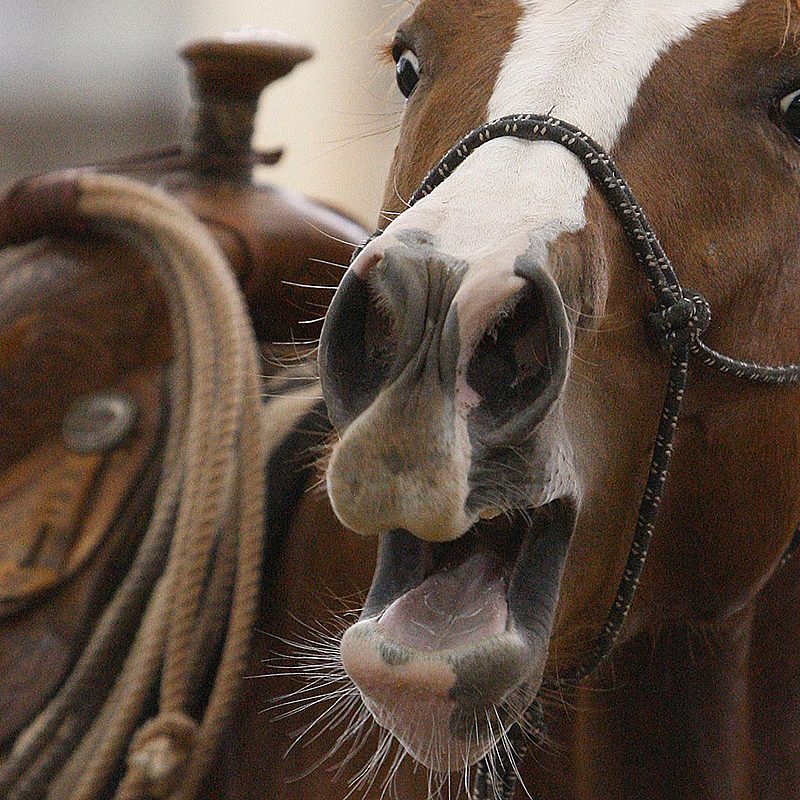

Have you ever wished you could do two things at once? It seems horses can say two things at once. The two-toned whinnies may help horses convey multiple messages. Elk can also make high-pitched sounds like horses. But donkeys and zebras can’t.
Consider these ways animals communicate.
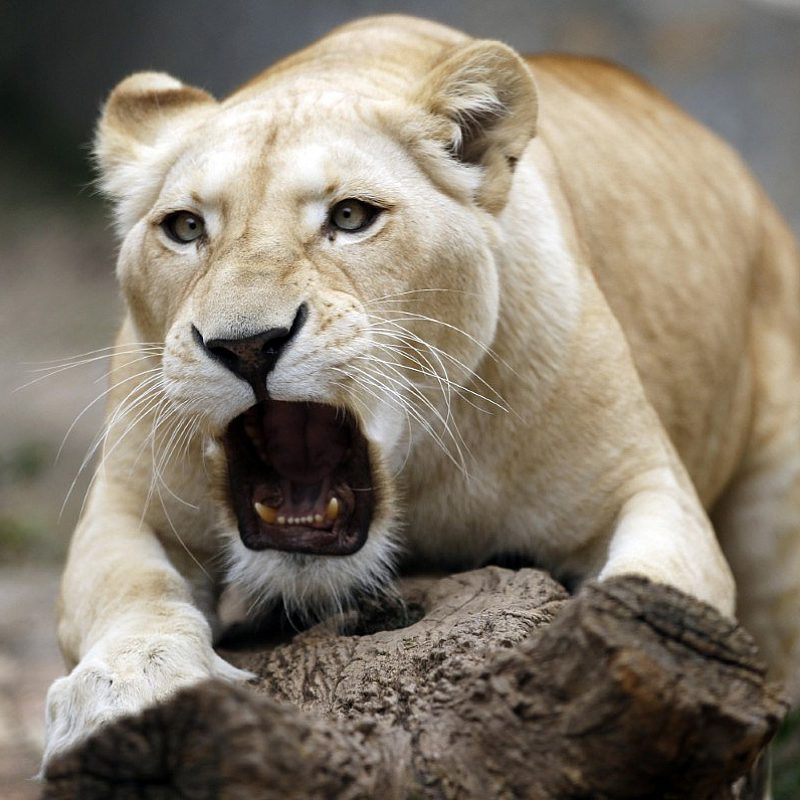
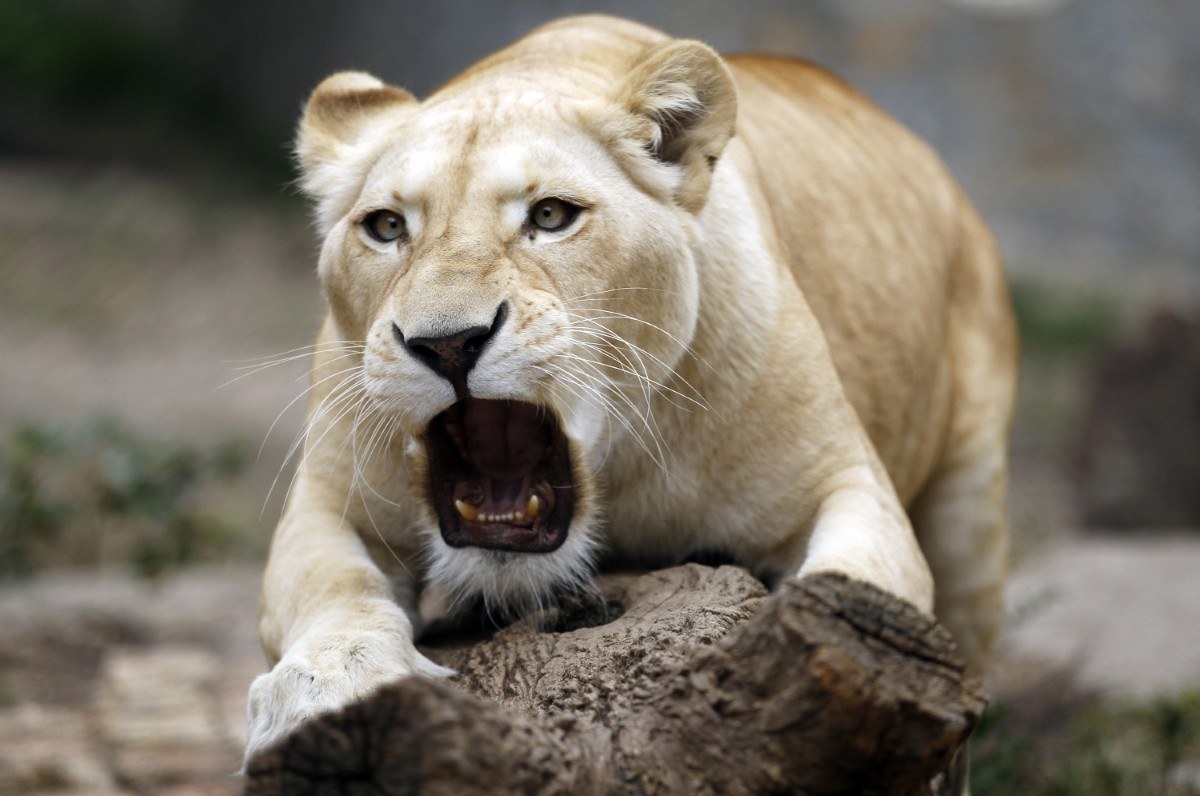
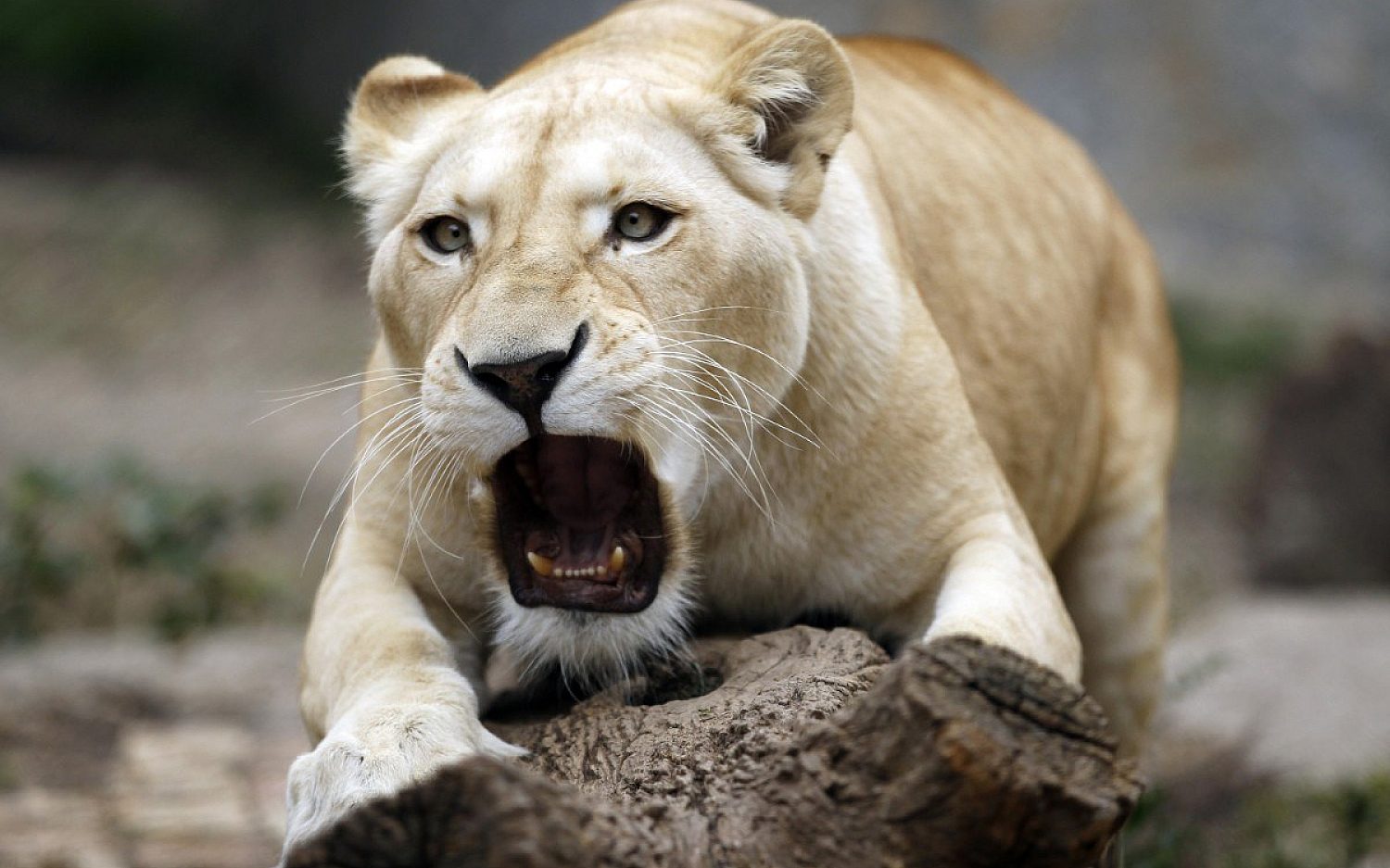
Sounds. Dogs bark and whine. Birds chirp, titter, and sing. A lion’s roar can be heard from five miles away. Animals’ modes of communication serve various purposes, including attracting mates, mimicking other creatures, and keeping an animal group together. A noisy bird calls out to claim territory. A female frog may choose the male frog with the loudest croak. Gorillas belch and hum to show happiness. Cats meow to let human owners know the food bowl is half empty.
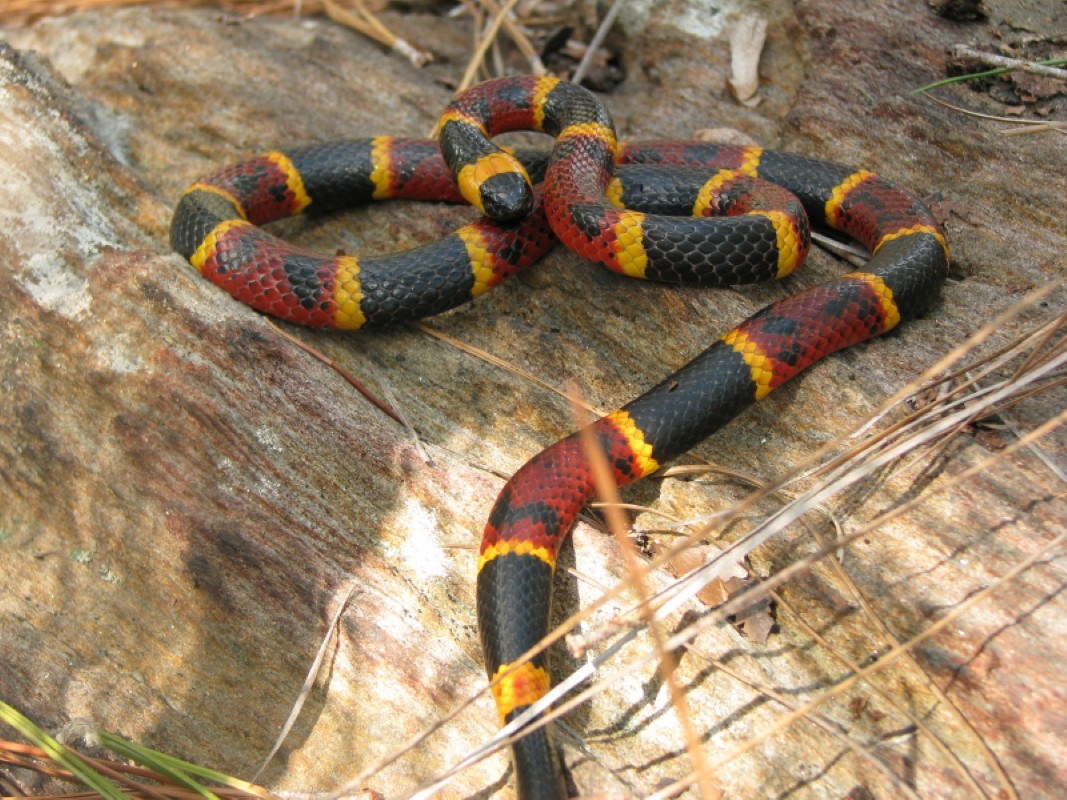
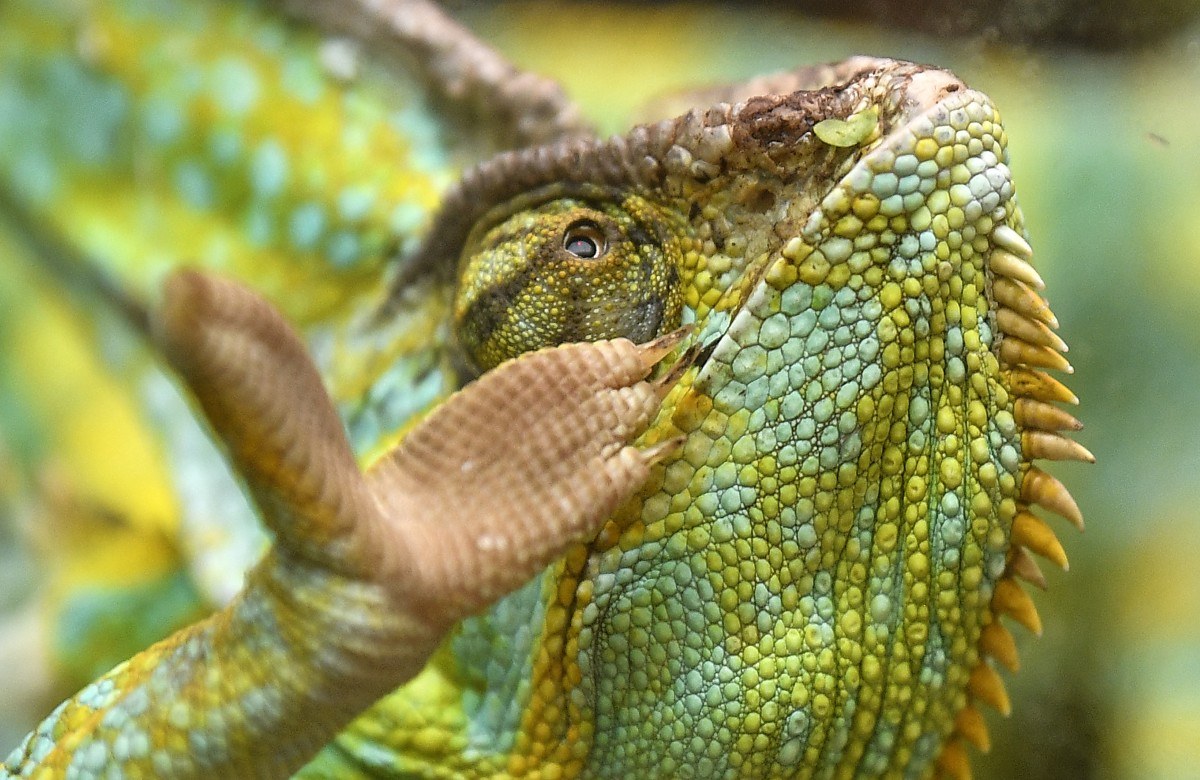
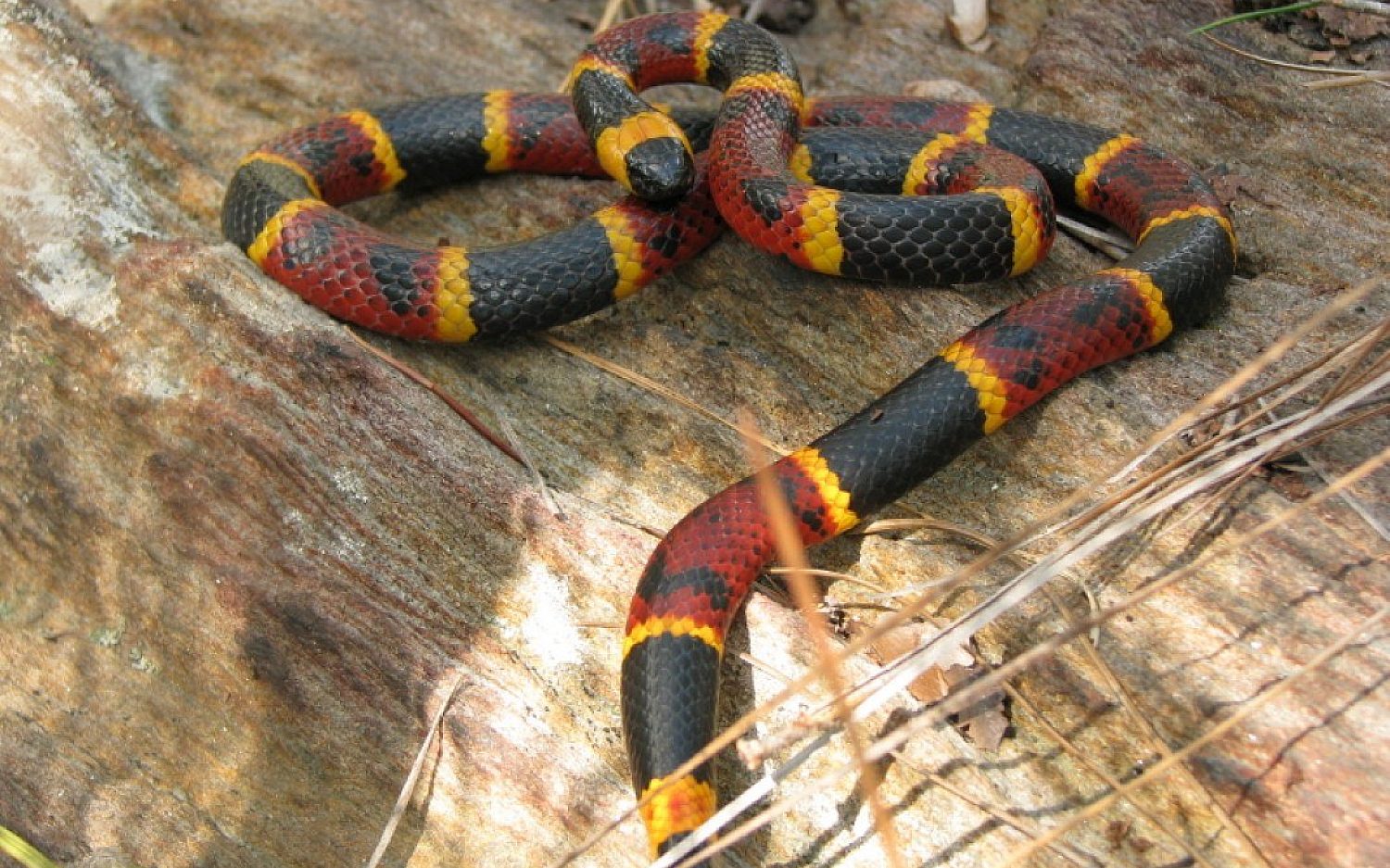
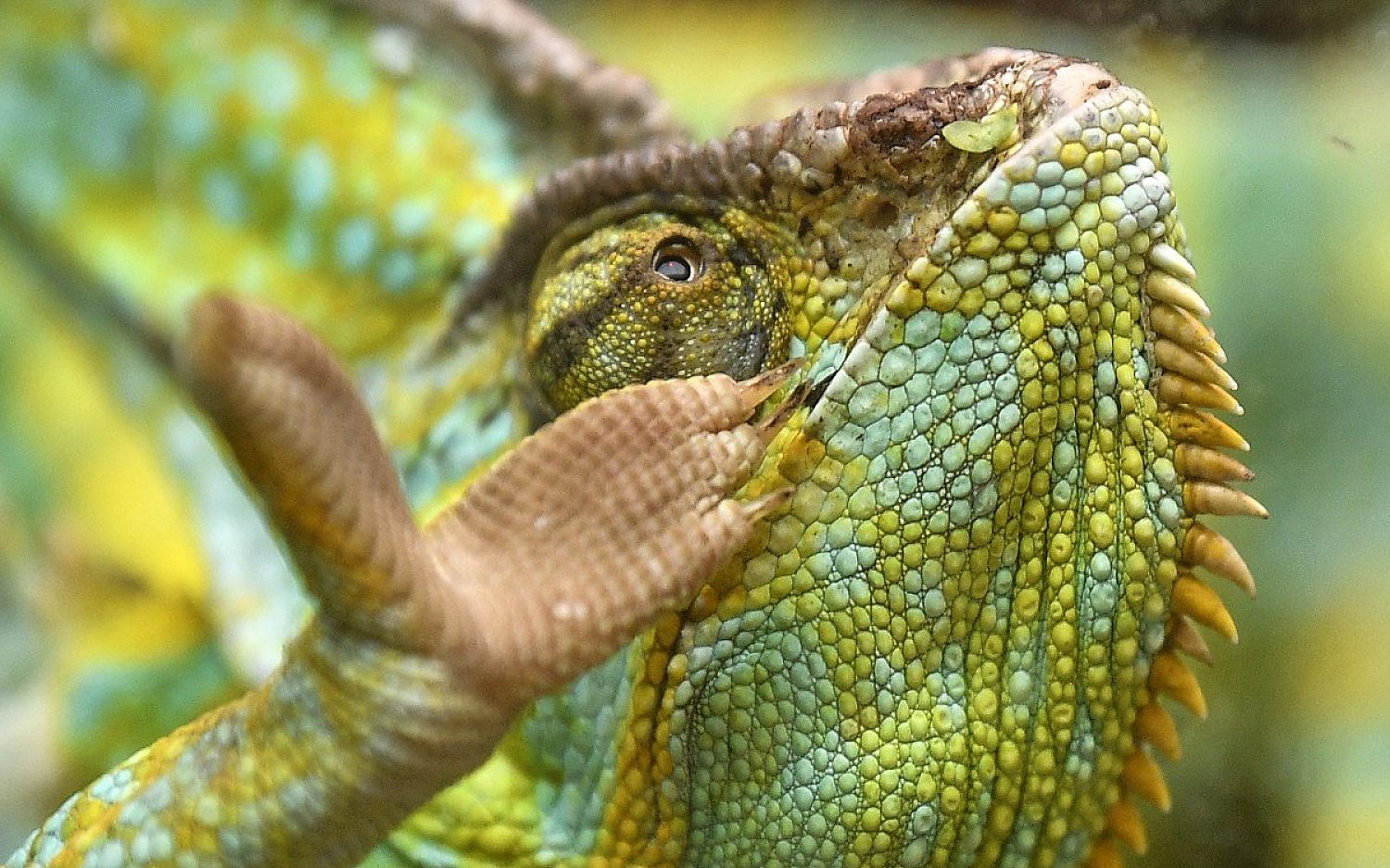
Color. You’ll have to listen with your eyes here. Many animals communicate without making a sound. Spot the brightly colored rings on a venomous coral snake. It’s using color to say, “Eat me and you’ll be sorry!” A milk snake, meanwhile, takes a trick out of the coral snake’s book. The milk snake isn’t venomous. But it may look so. That appearance protects it from predators. Other animals, such as chameleons and polar bears, use colors to hide. Many species use colors to attract mates. Example: the bright colors on the tail of a male bird of paradise!
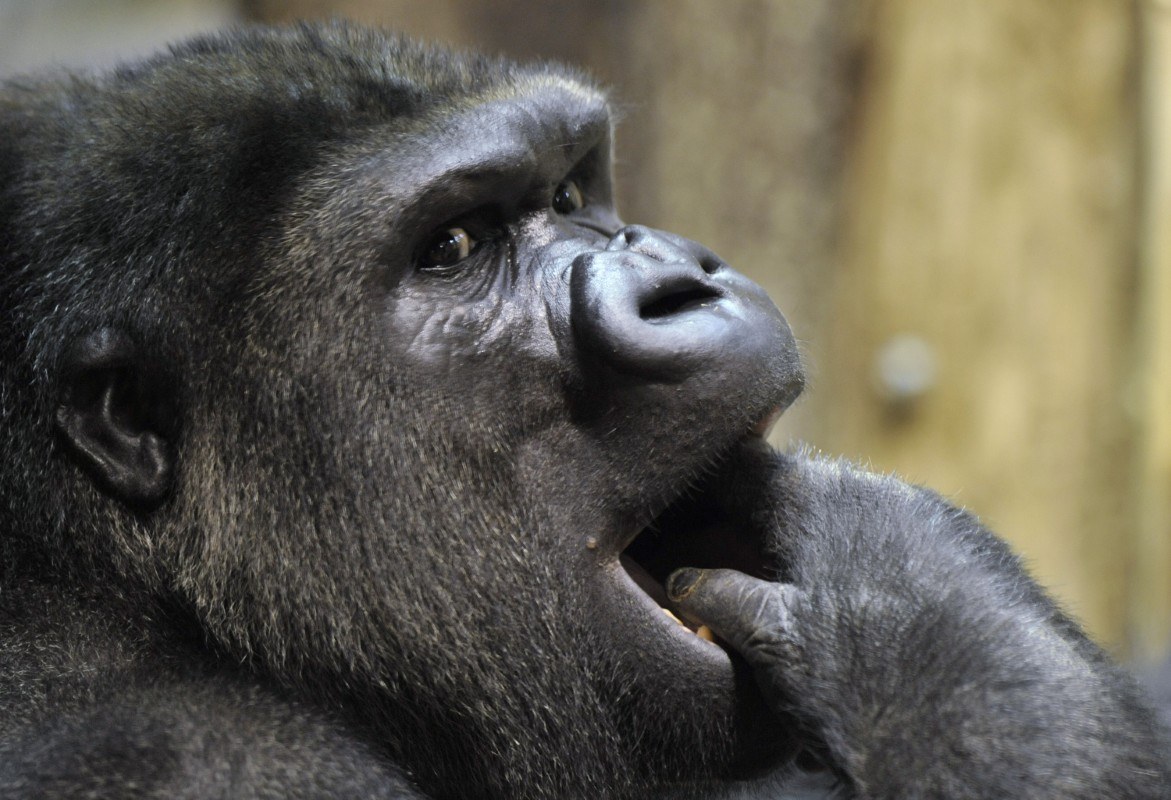
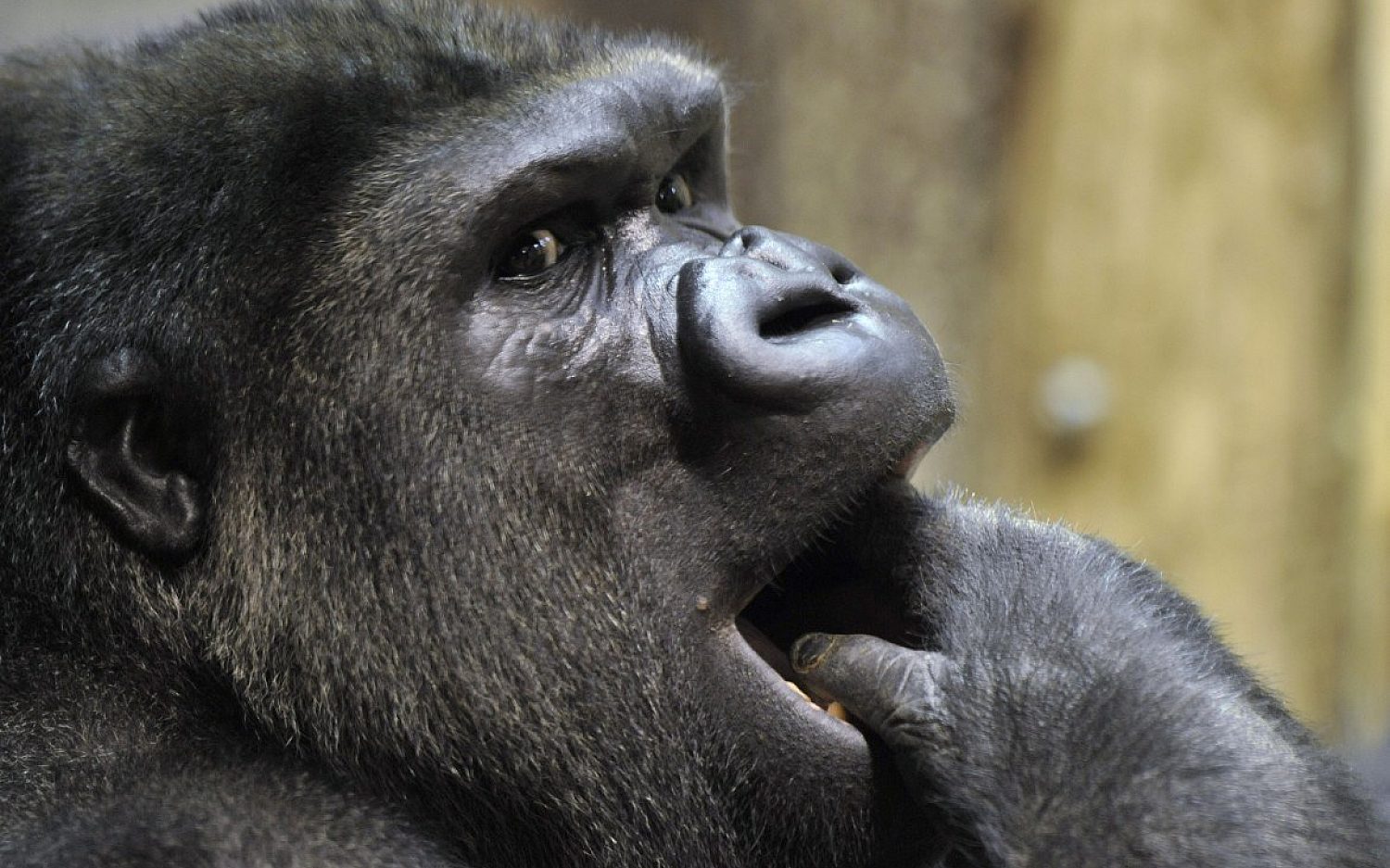
Gestures. How can you tell what a gorilla is thinking? Watch it move. An aggressive gorilla may beat its chest. An anxious gorilla may yawn and show teeth. When two wolves meet, the dominant animal will raise its tail. The less powerful wolf will tuck its tail between its back legs. And of course, happy dogs wag their tails, while angry cats give theirs a rapid swish-swish.
Recommended Reading: To learn more about how animals communicate, read Animal Talk by Dr. Michael Leach and Dr. Meriel Lland.