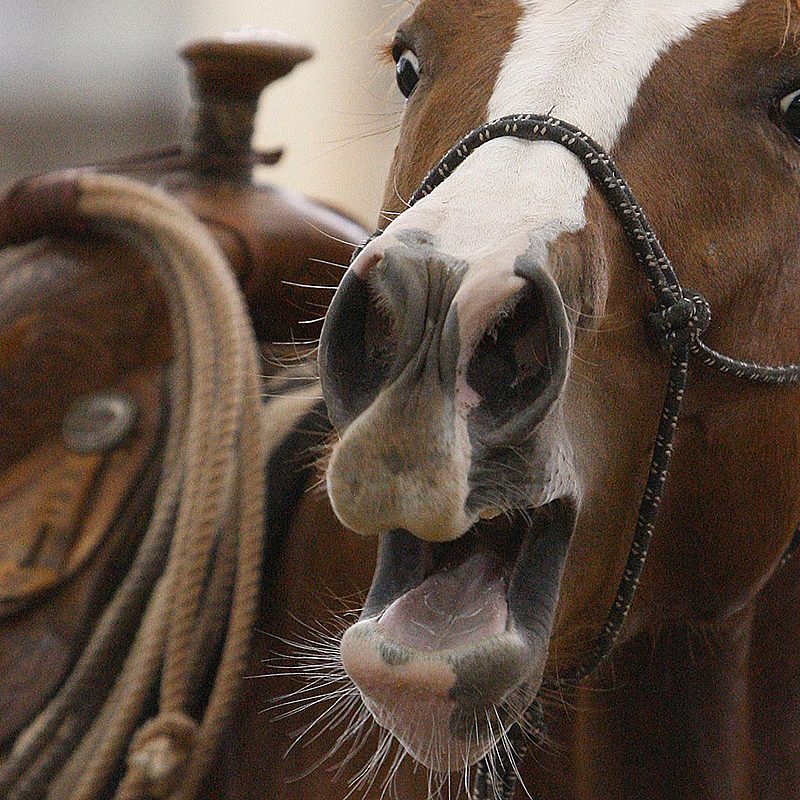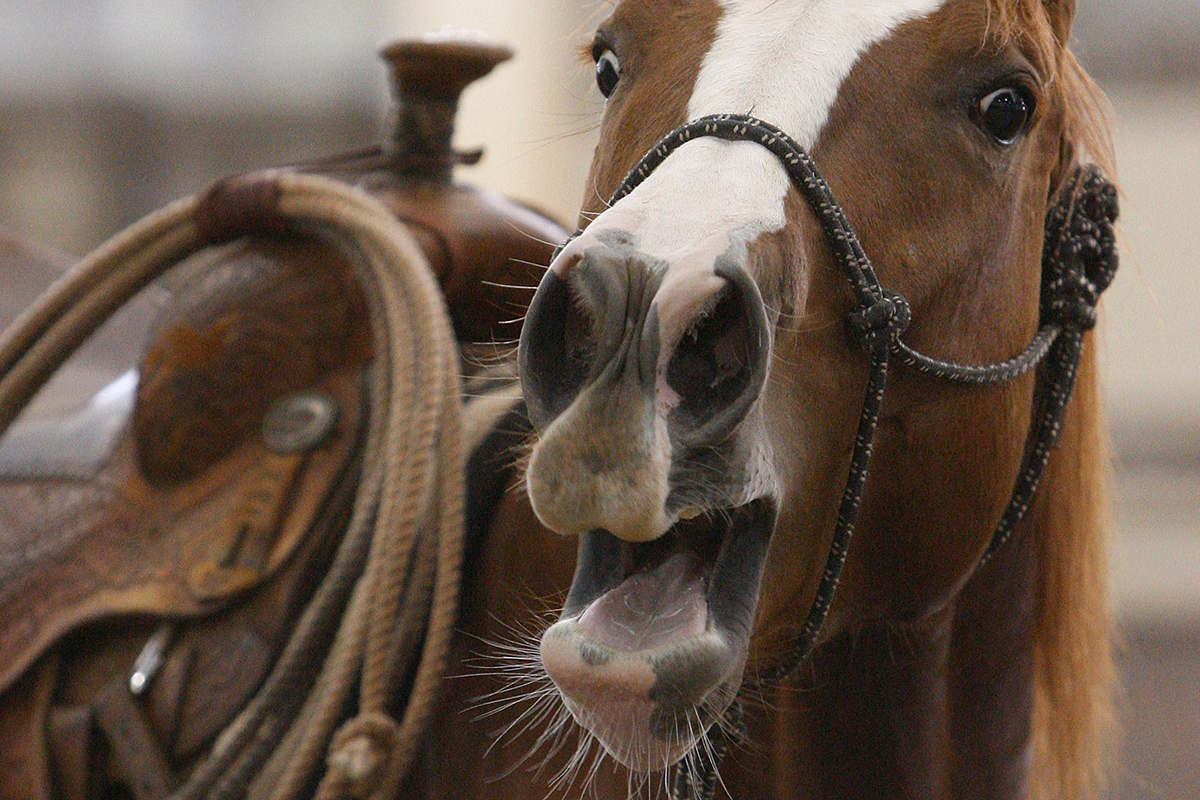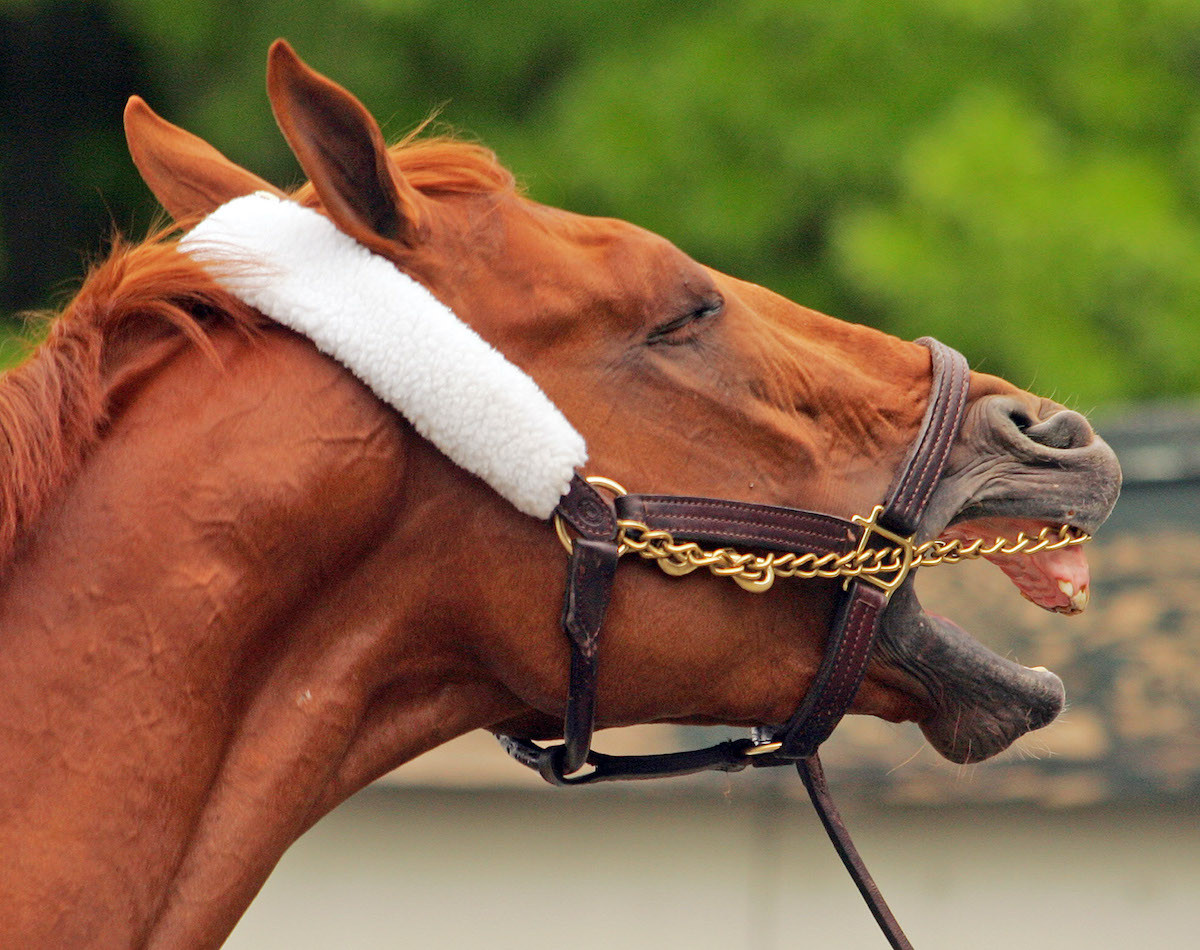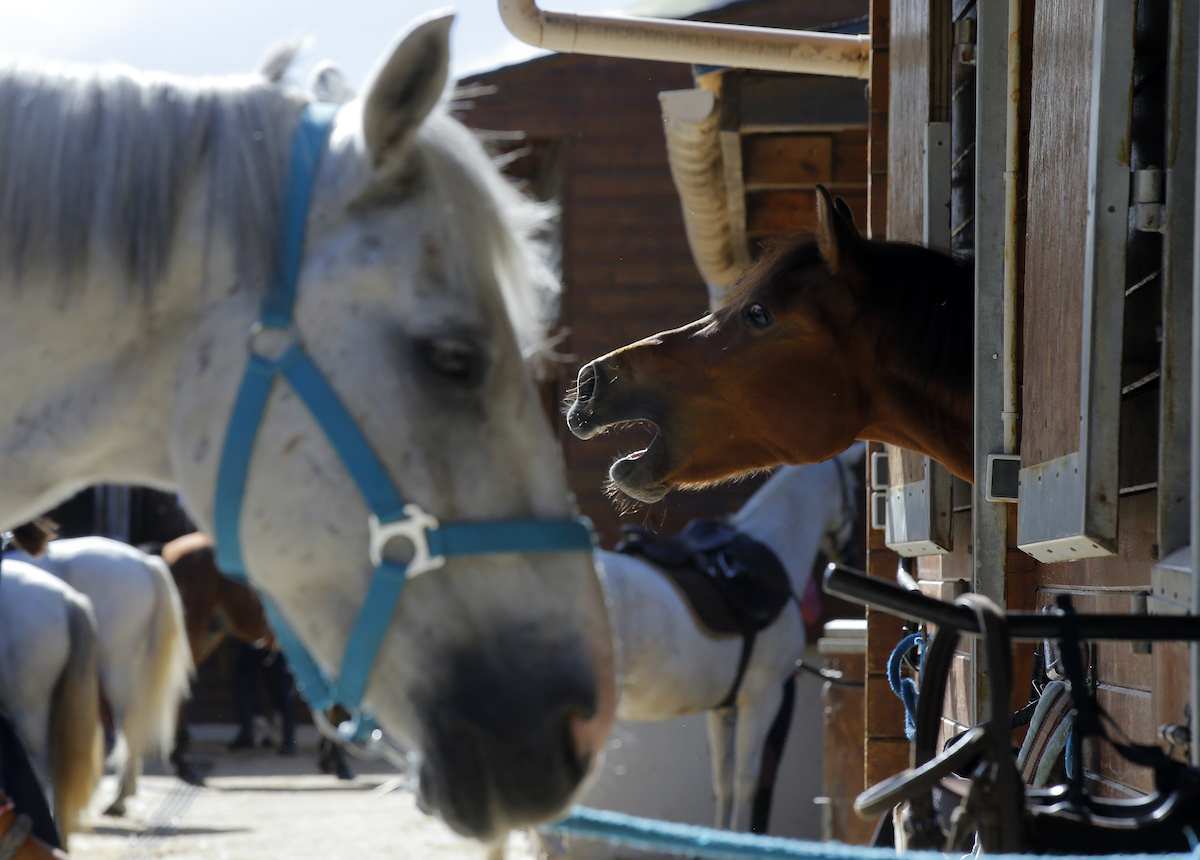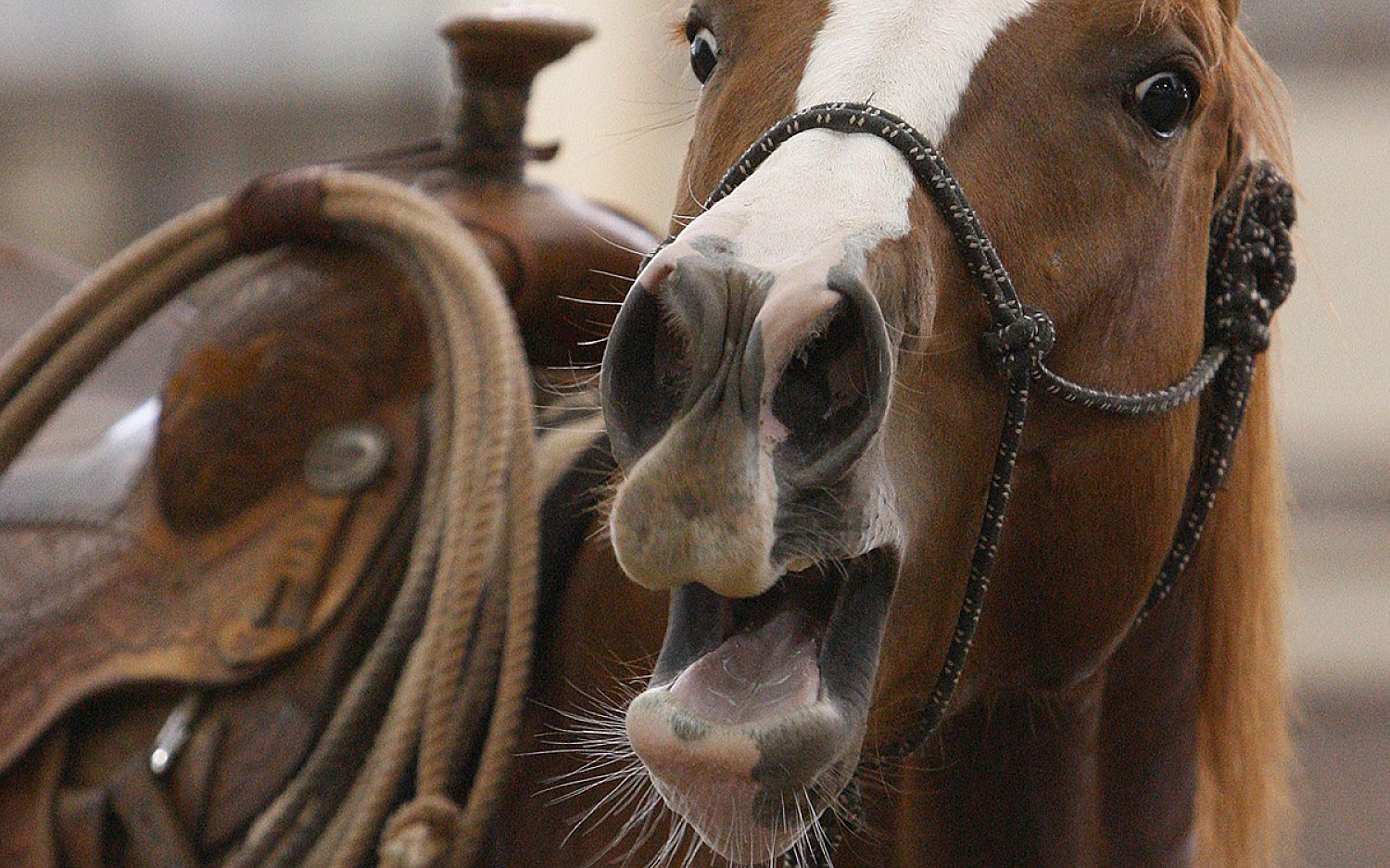

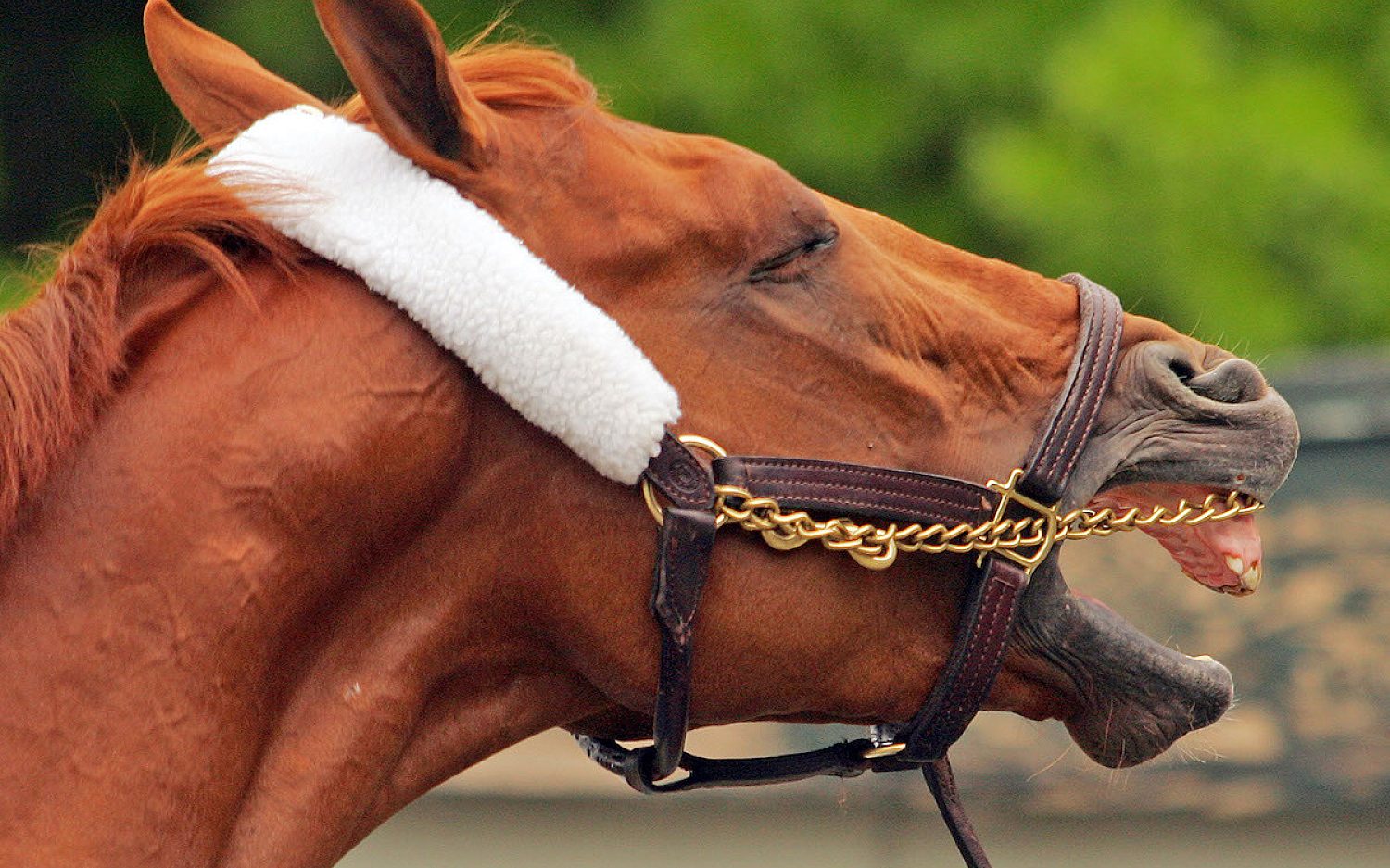
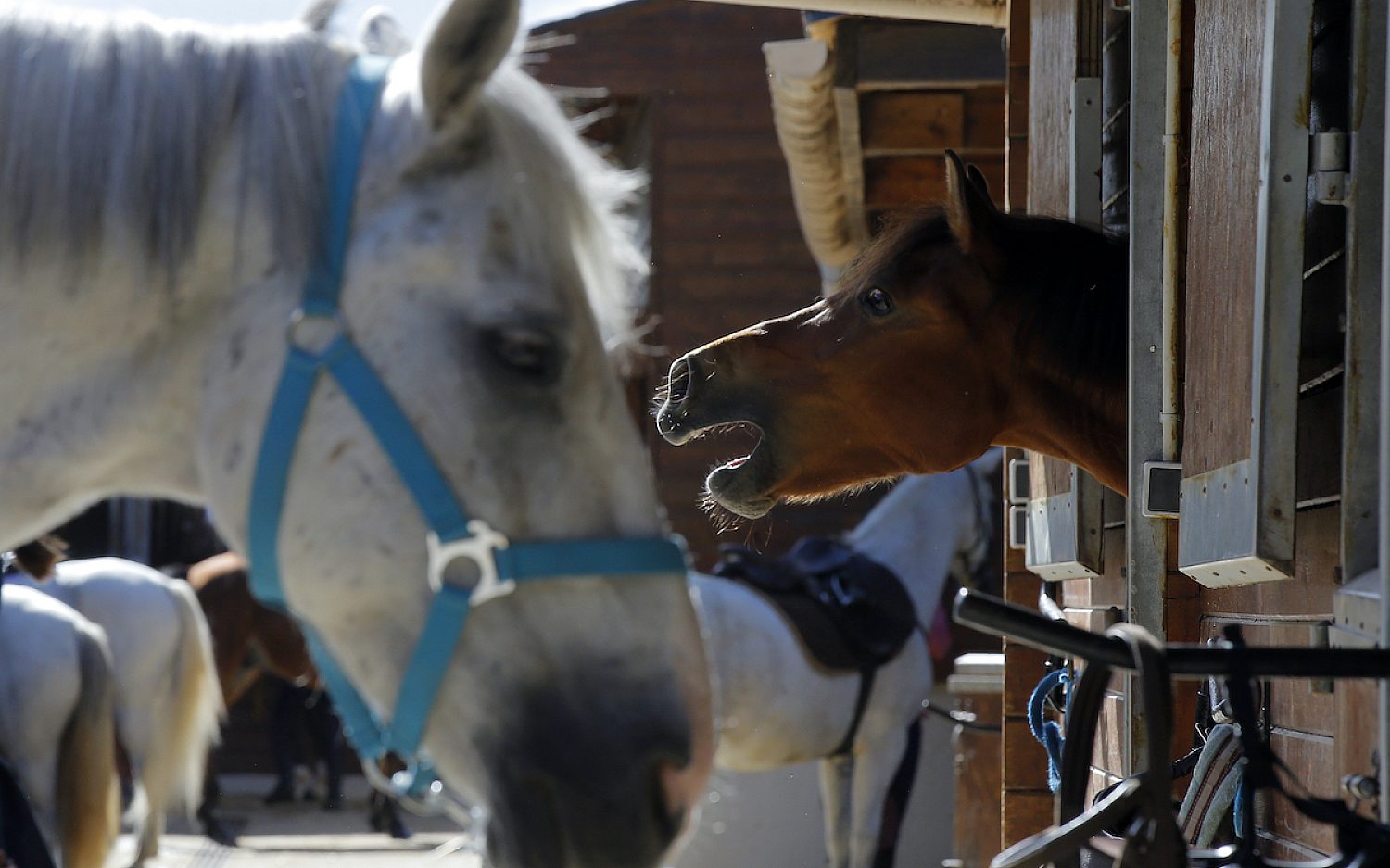
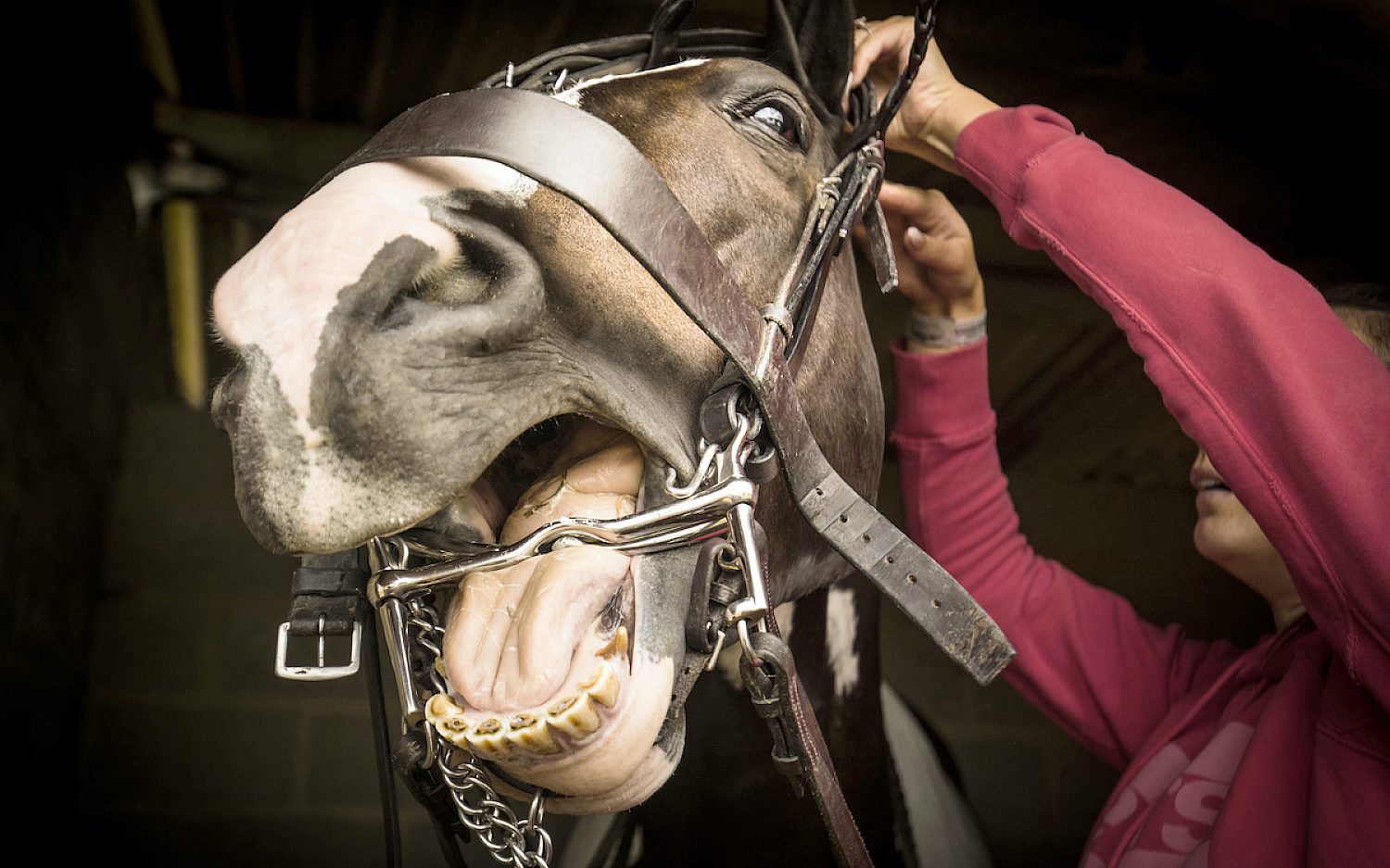
Why does a horse whinny?
To find new friends. To greet old friends. To celebrate happy moments—like feeding time.
But how exactly do they make that unique “neigh” sound? That bit of knowledge eluded scientists for a long time. Now at last, they know.
A whinny is an unusual combo of high- and low-pitched sounds. It’s kind of a grunt. And kind of a squeal. If both the grunt and the squeal come out at the same time.
The low-pitched part of the whinny wasn’t much of a mystery to scientists. It comes from air passing over bands of tissue in the voice box. The bands vibrate. The moving air carries the vibrations in the form of sound. Think of a low rumbling. The horses use a technique similar to how humans speak and sing.
The high-pitched piece is more puzzling. Bigger animals tend to have bigger vocal systems. These typically make lower sounds. So how do horses do it?
A new study says they whistle.
To find this out, researchers tried some unusual experiments.
They slid a small camera through a horse’s nose. When the horse whinnied, the researchers caught on film what happened inside. They ran scans. They even blew air through the voice boxes of dead horses.
In short, they followed the sounds. It turns out, the whinny’s mysterious high-pitched tones are a kind of whistling that starts in a horse’s voice box. Air vibrates the tissues inside. Meanwhile, an area just above contracts. That leaves a small opening for the whistle to escape.
That’s different from human whistling. We humans whistle with our mouths.
Horses aren’t the only whistling mammals though. Rats and mice do it too. But horses are the only large whistling mammals we know of. And as far as we know, no other animals can whistle through their voice boxes while they sing.
Why? God displays His creative power through animals. That can include an animal’s great strength and the tiniest noises it makes.