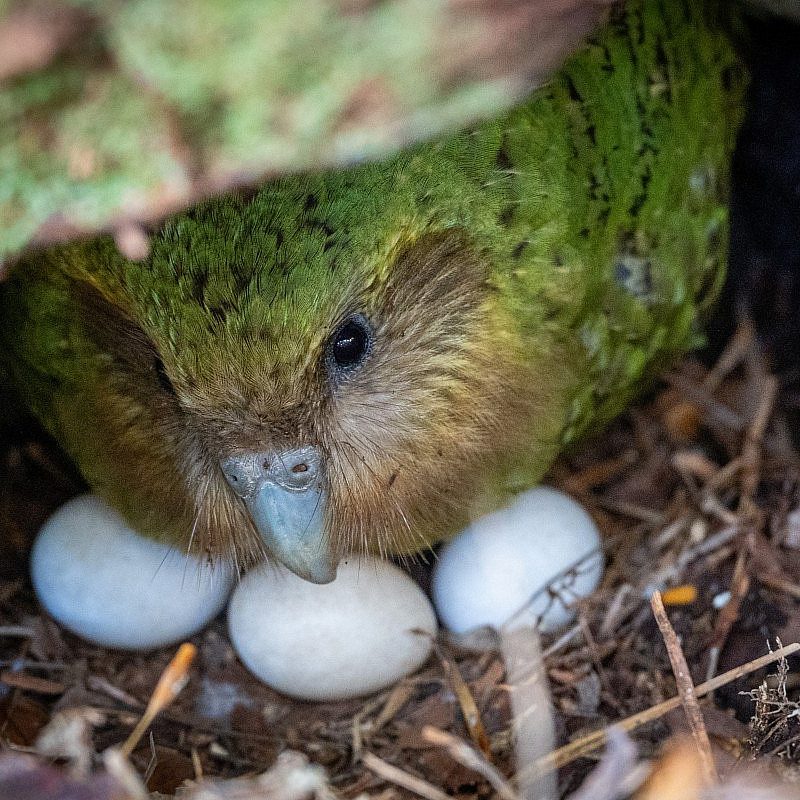
Kākāpōhave whiskers and green, yellow, and black plumage. Their patterns look like dappled light on a forest floor. Those colors help them hide.
Because, yep, kākāpō live on the forest floor. Not exactly the safest place to make a home!
Also, they smell. Musky. Fruity. Humans arrived in New Zealand hundreds of years ago. They brought rats, dogs, and cats along. These bird-eaters, along with human hunters, nearly drove kākāpō to extinction. Flightless birds like them need all the help they can get!
Kākāpōare far from alone on the no-fly list. These birds (and others) also can’t fly:
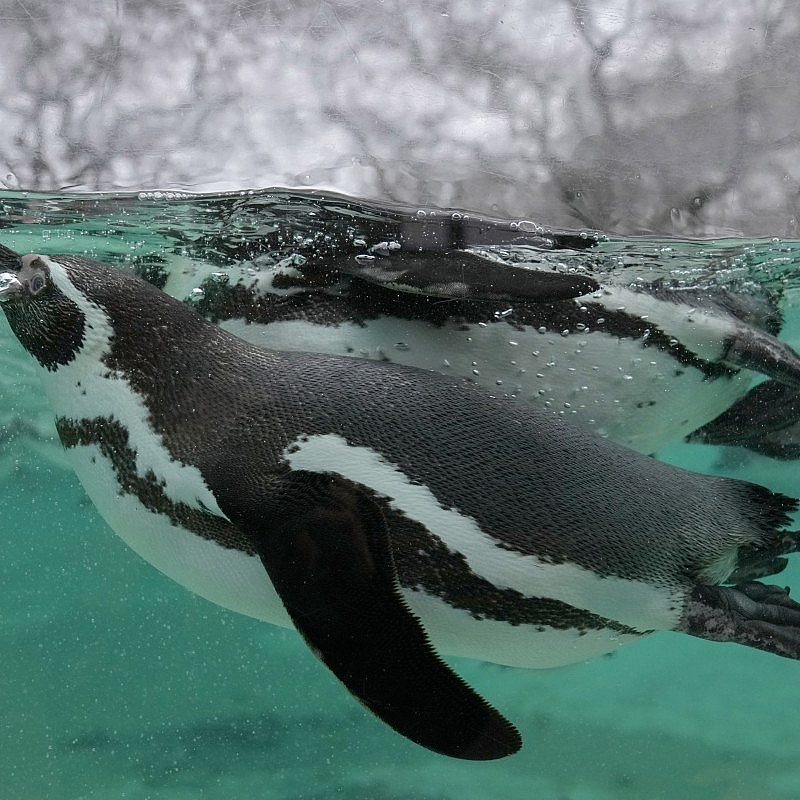
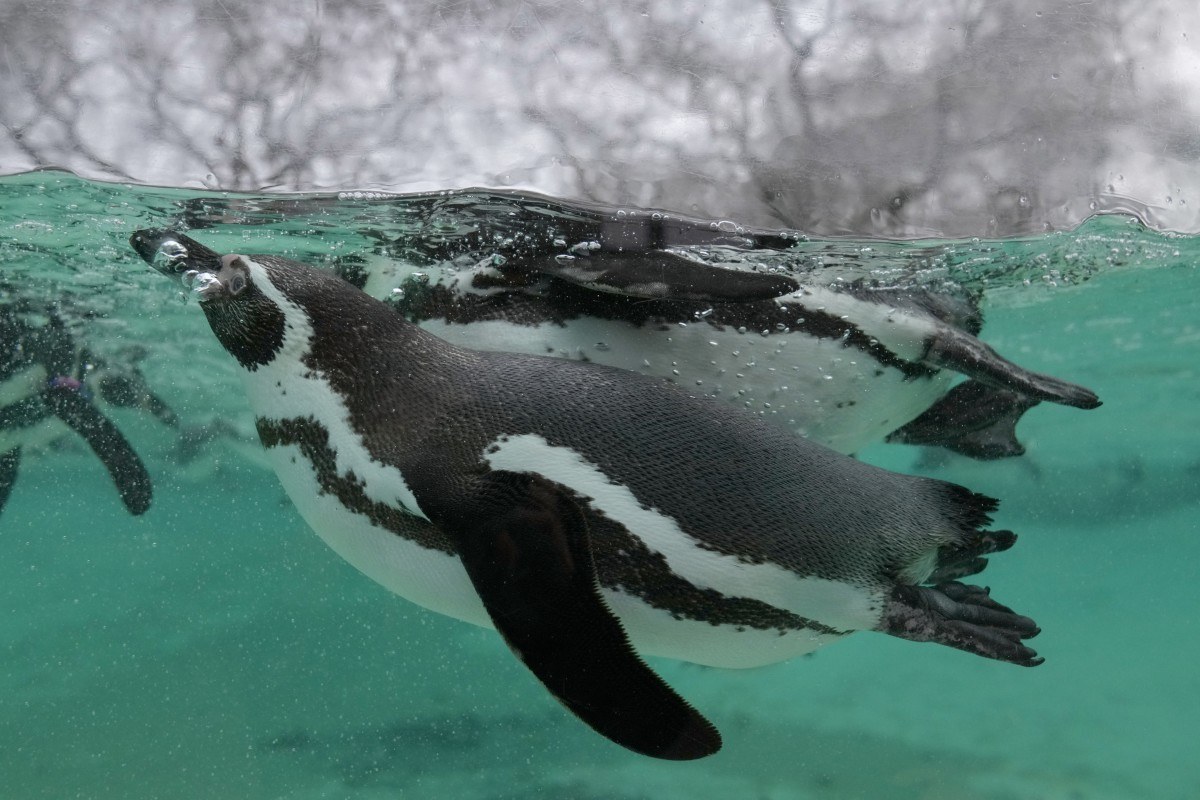
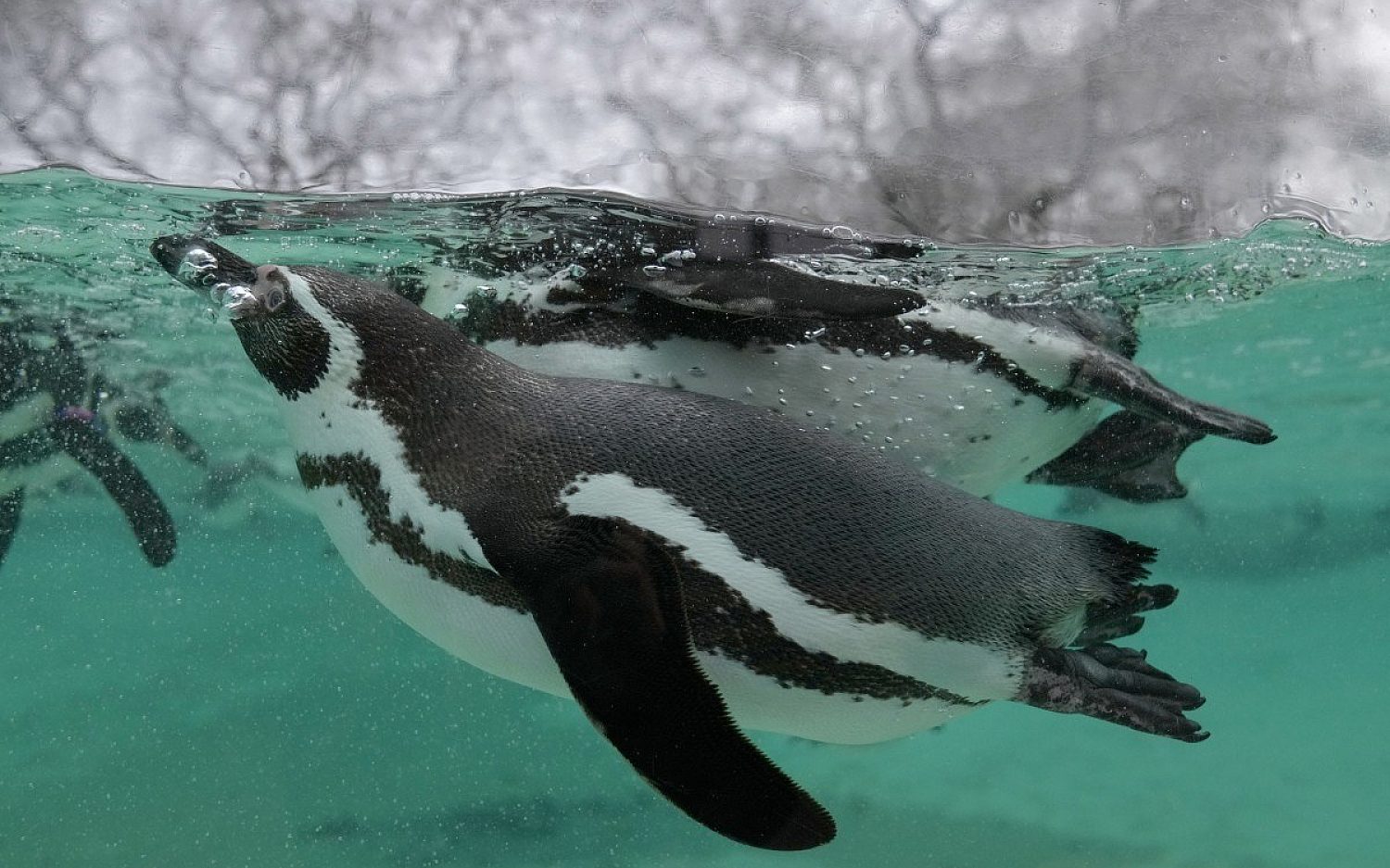
Penguin. Of all 18 species of penguins, exactly zero can fly. Even though they have wings, God made these cold-weather waddlers better suited to swimming than flight. (Fun fact: Unlike its frigid relatives, the Galápagos penguin lives near the warm equator.)
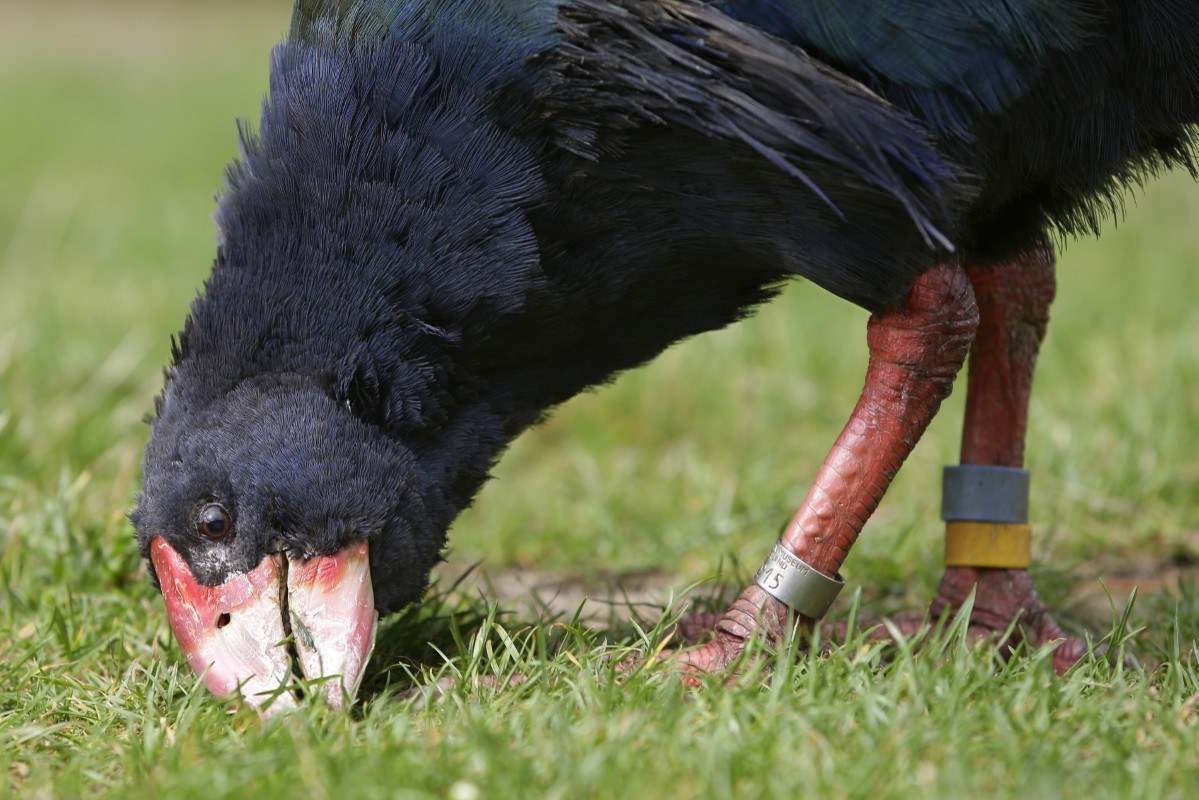
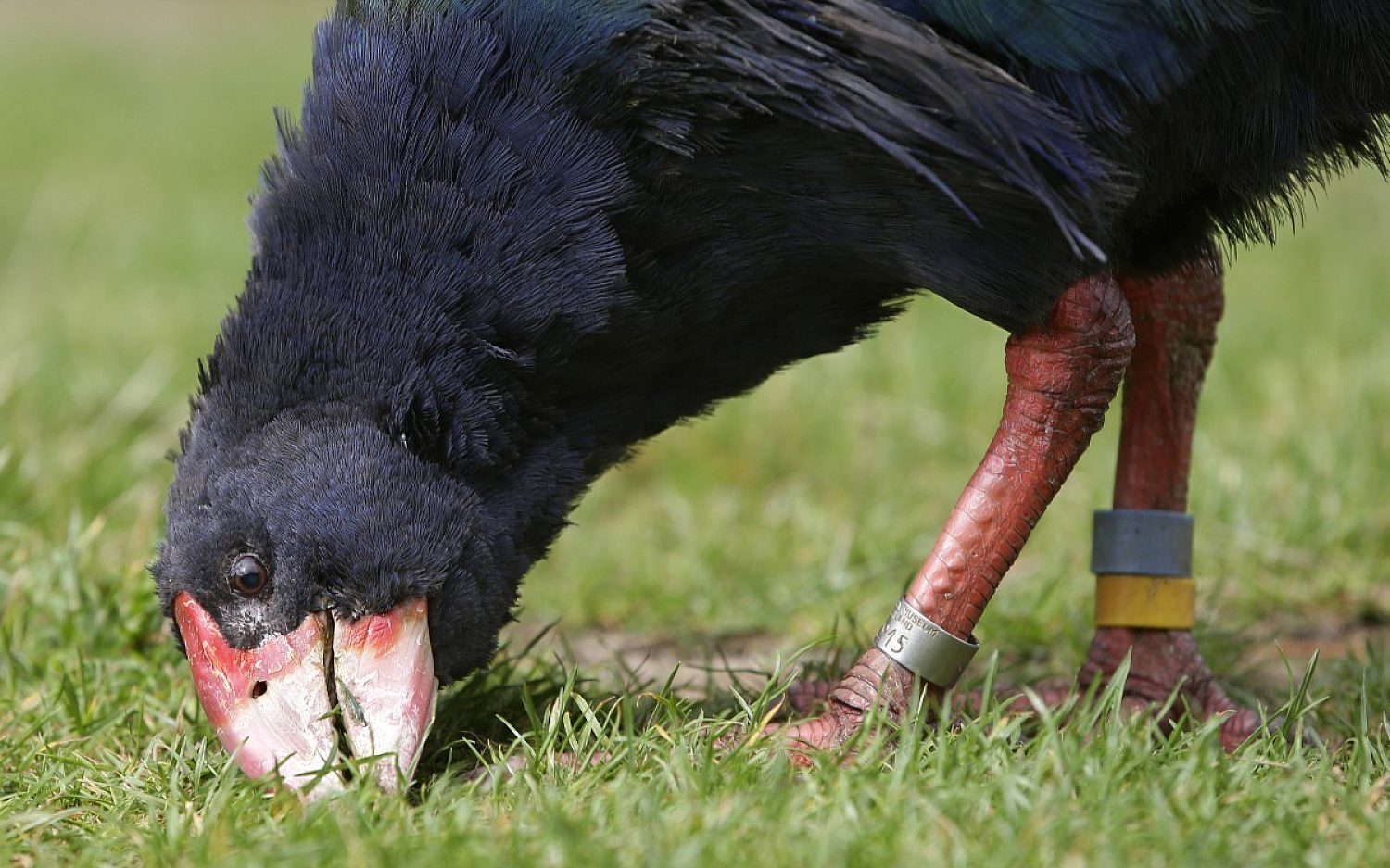
Takahē. This colorful hide-and-seek expert lives in New Zealand like the kākāpō. If you happen to find one (not easy to do!), there’s a good chance the bird will be older than you. Takahē can live to be about 20.
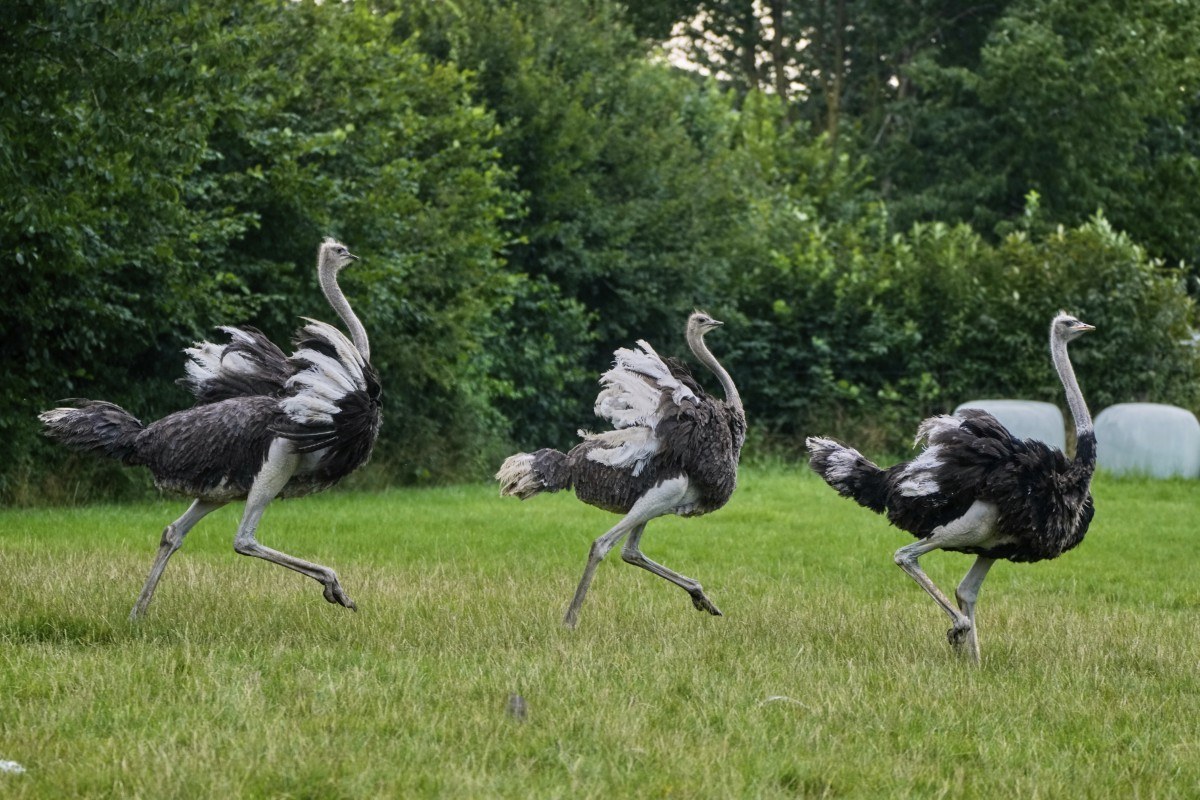
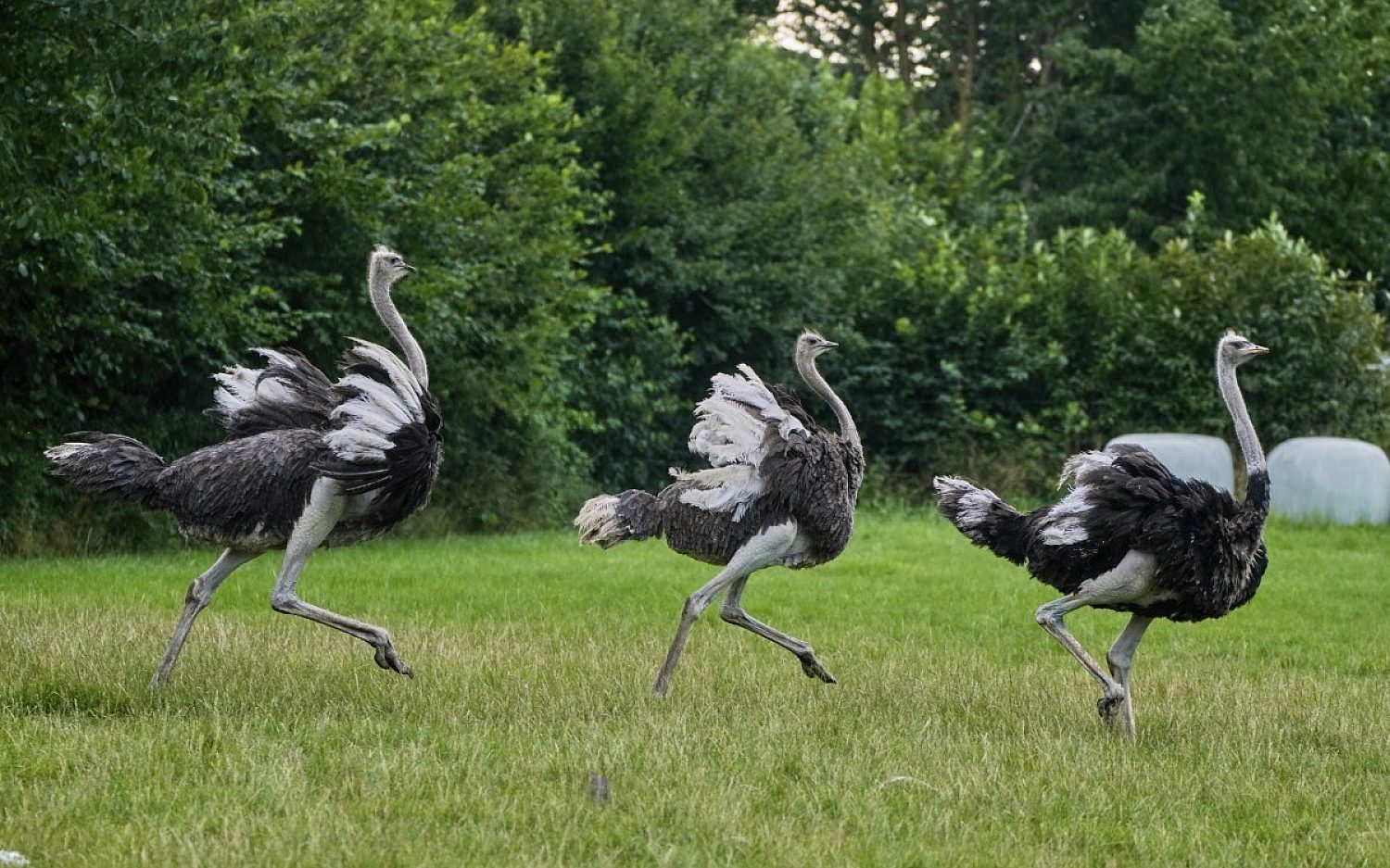
Ostrich. The largest flightless bird in the world, an ostrich can weigh as much as 300 pounds and stand nine feet tall. Imagine seeing one of those flapping its way through the clouds!
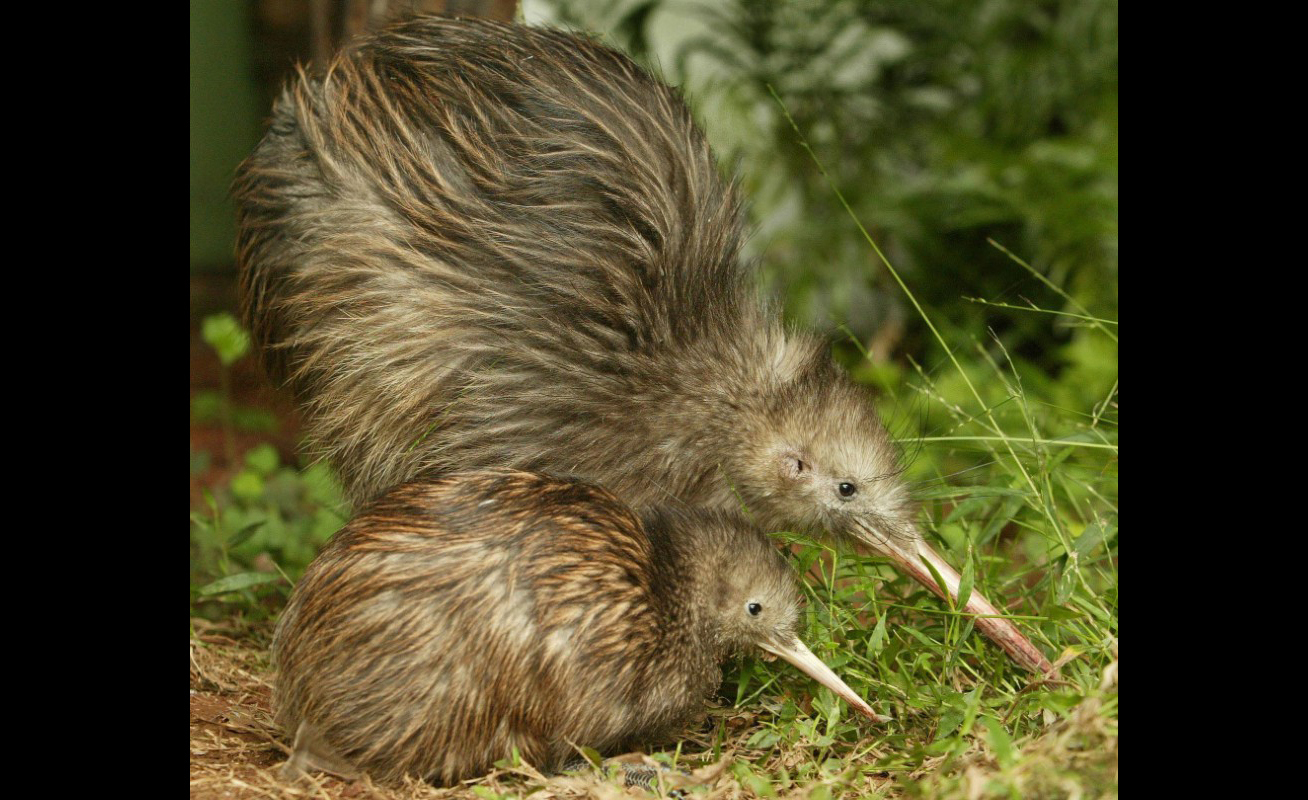
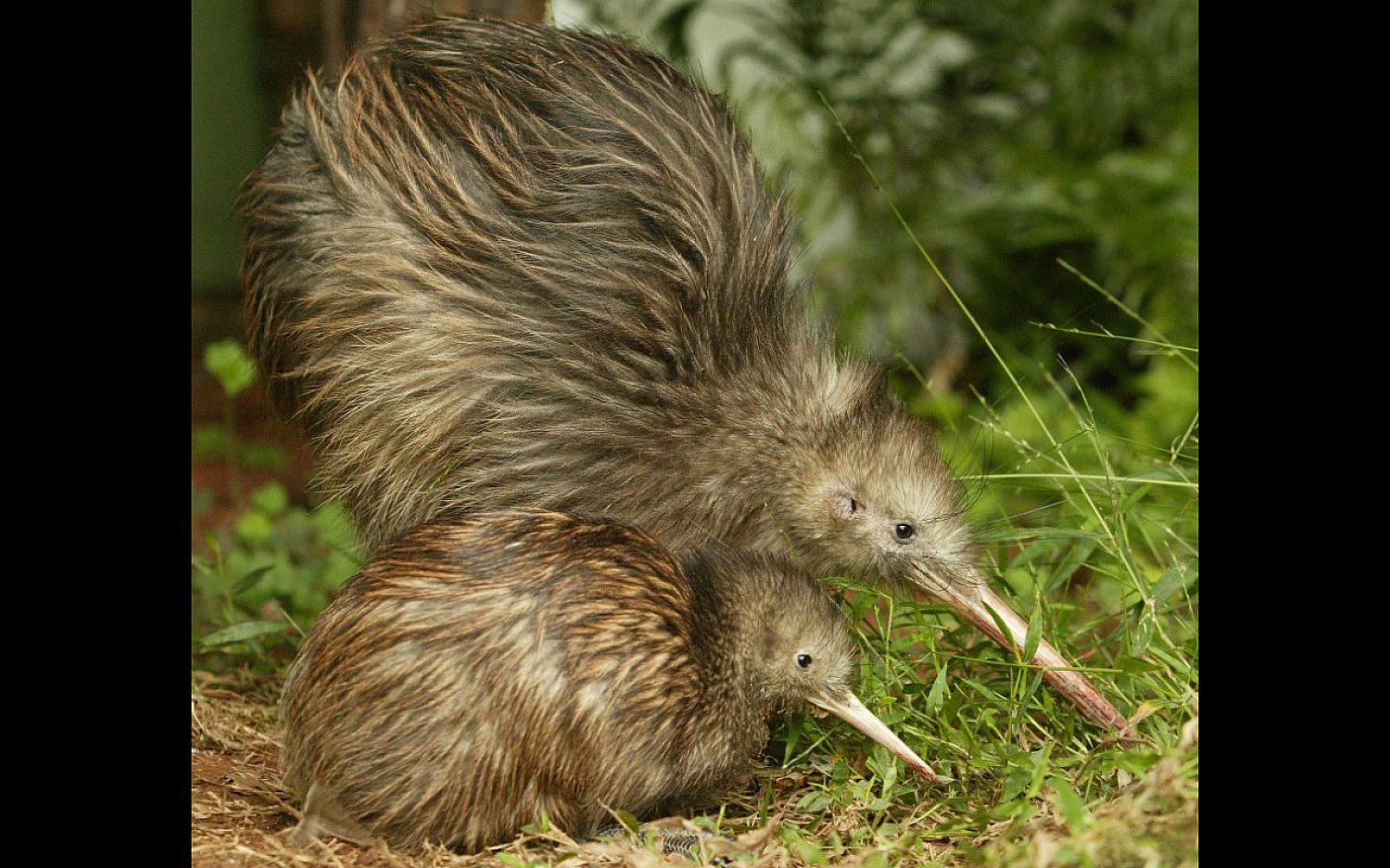
Kiwi. Not the fruit. The fruit is named after the bird. Kiwi birds also live in New Zealand. Most birds have hollow bones to make them light enough to fly, but not the kiwi. It has heavy bones and feathers that feel more like hair.
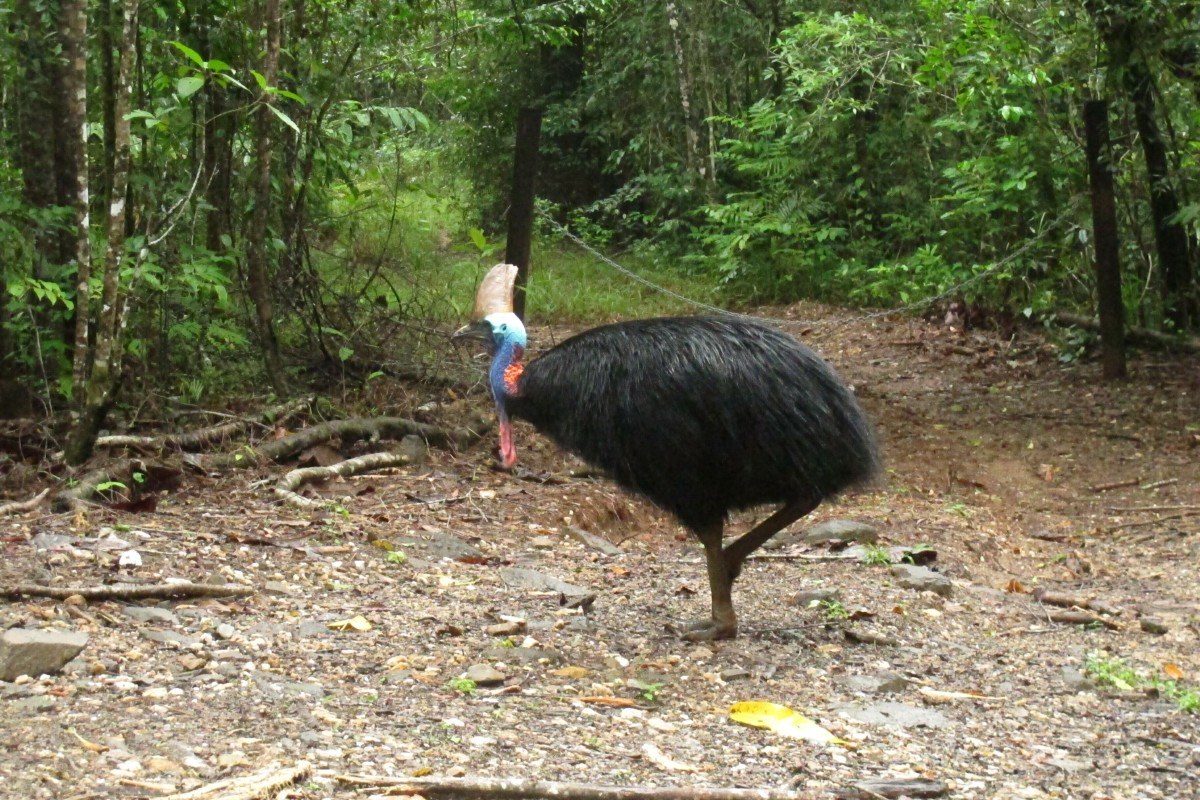
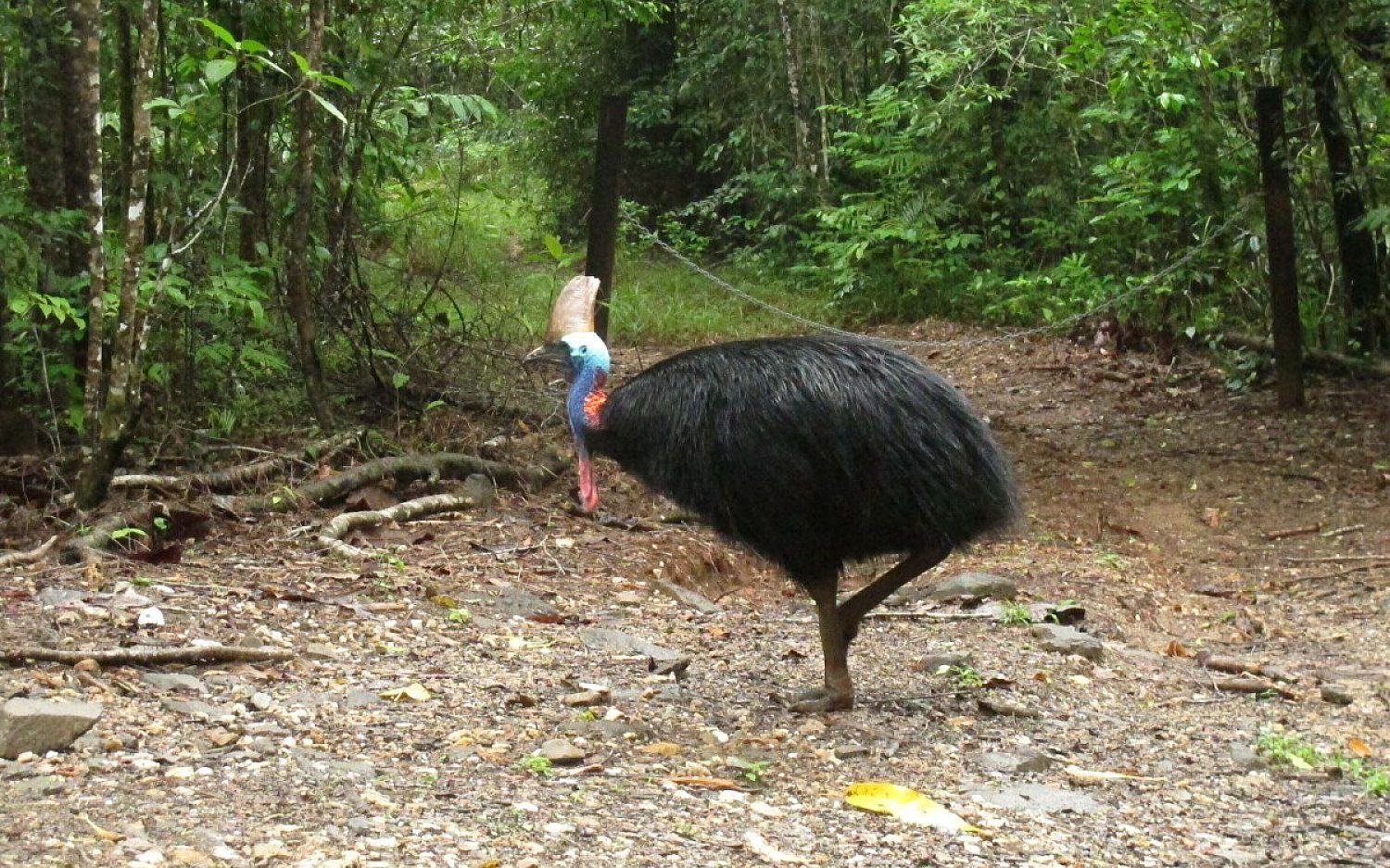
Cassowary. These big birds live in Australia and New Guinea. They look pretty. But stand clear. Each comes equipped with a knife-like claw on each foot, and it can kill humans. (That’s what we call fowl play!) Females are larger than males. A female cassowary can weigh up to 175 pounds and grow to be five-and-a-half feet tall.