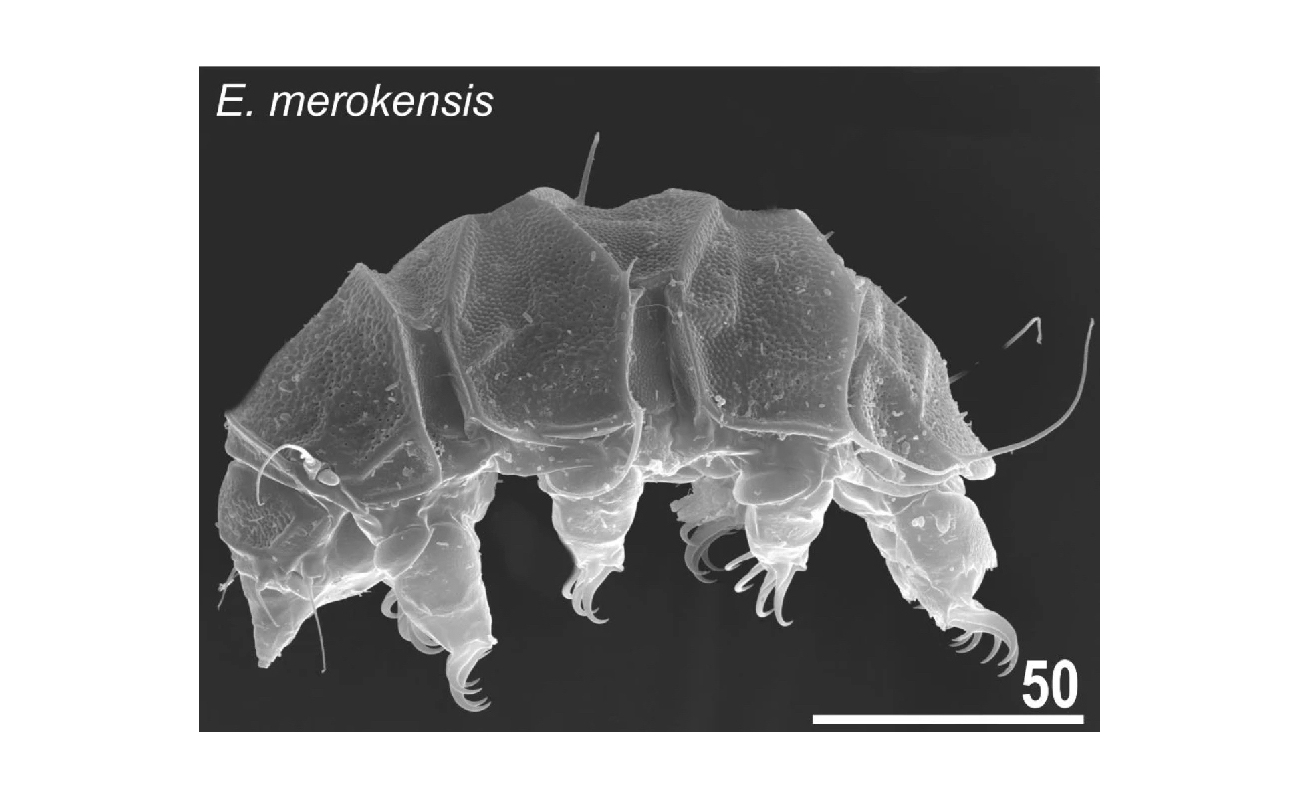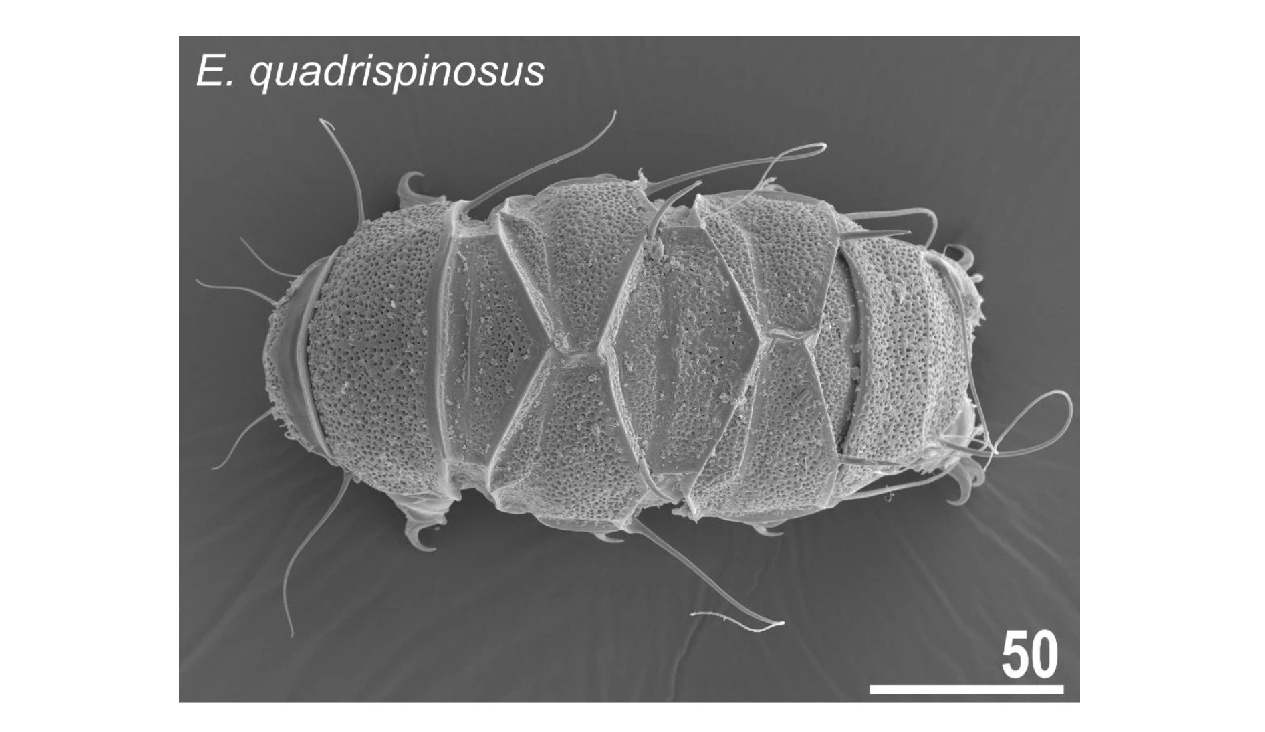


Would you call this a water bear? A moss piglet? A tardigrade? Each name is correct. And each creature is tiny and strong.
These itty-bitty critters are survivors. They live through boiling, dehydrating, freezing, and more. And Danish schoolchildren discovered new species of them.
Though they’re some of God’s toughest creatures, you can see tardigrades only with a magnifying glass. Zoom in 40 times. They may look like rubbery caterpillars or origami creations.
Not much research exists about these tiny blubber balls. Scientists want to know more. They asked for help from regular folks—“citizen scientists.” They did a mass research experiment.
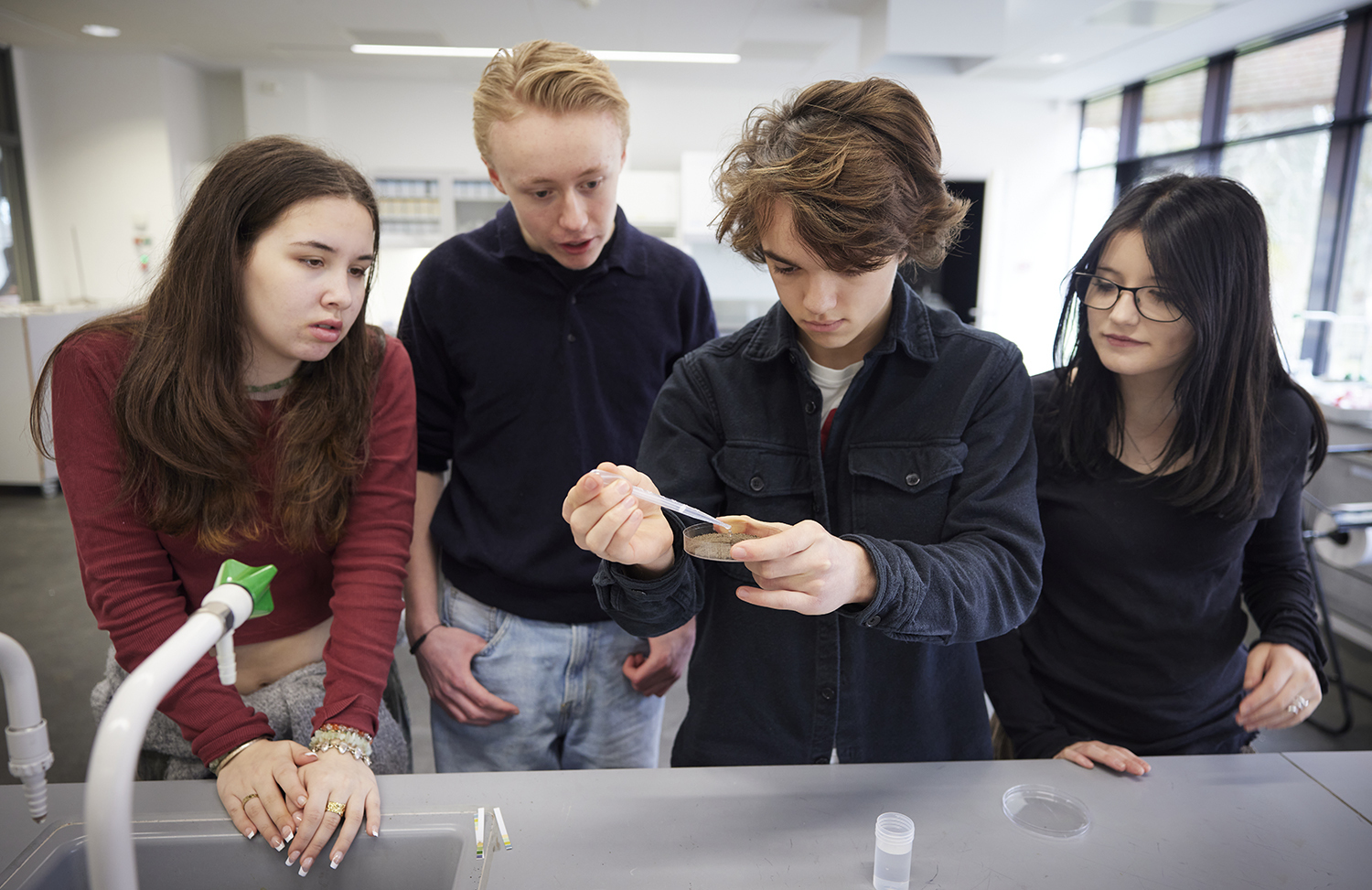
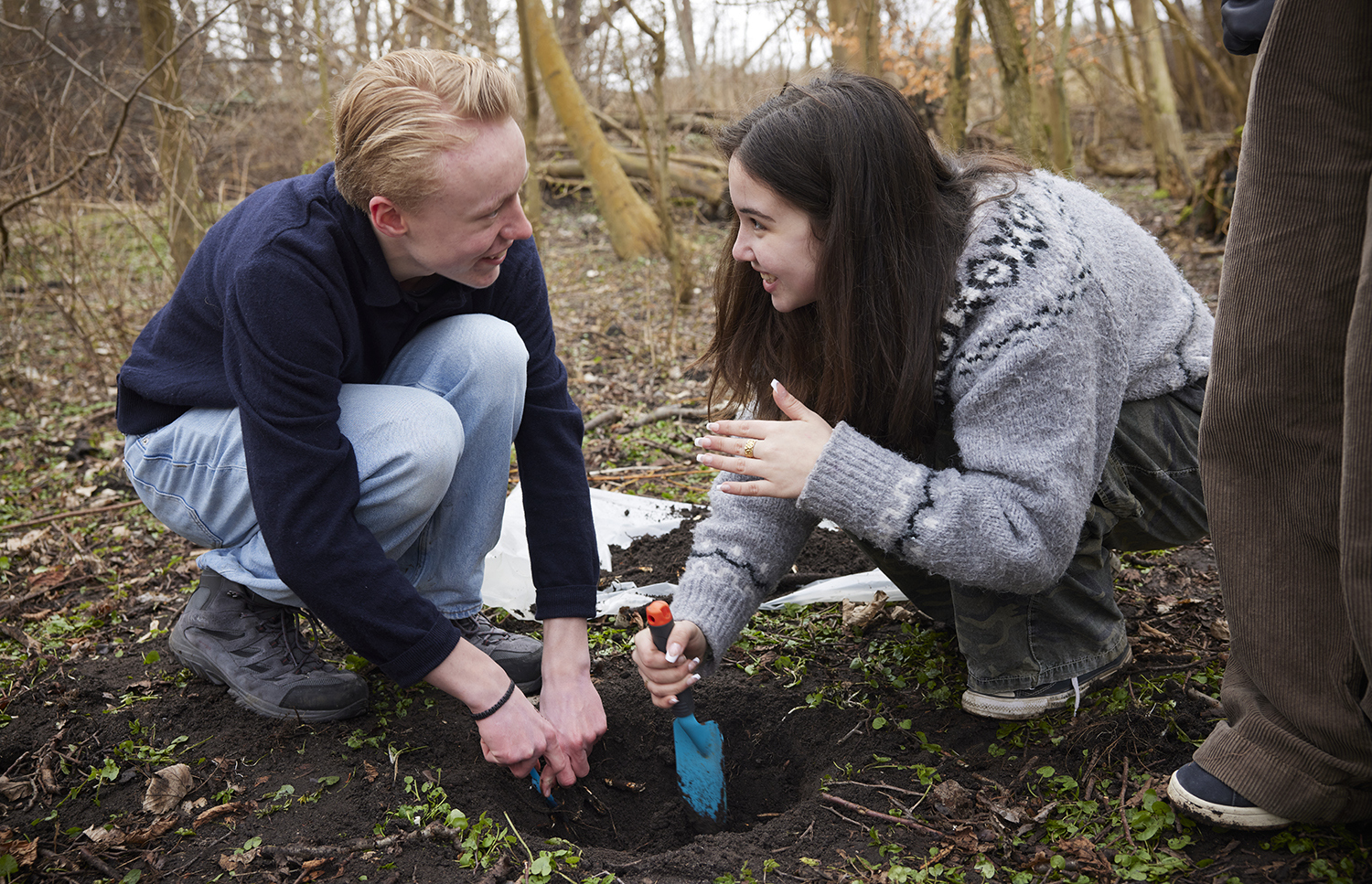
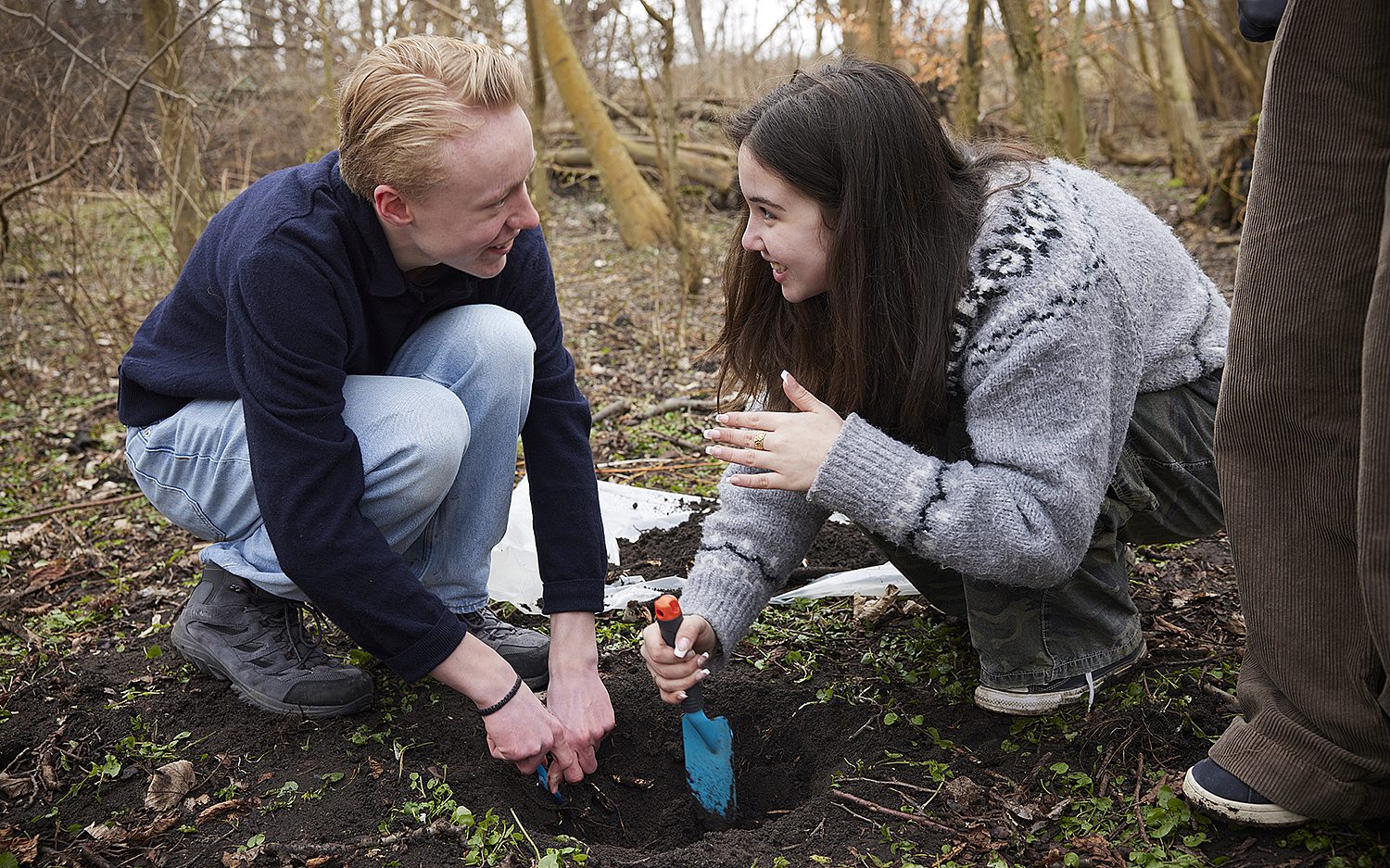
Nearly 30,000 Danish kids helped. Some were as young as seven. Some were as old as 16. They gathered supplies: instructions, cameras, magnifying glasses, ultraviolet lamps. Teams scoured woods, creeks, bogs, and cemeteries. They collected 8,000 bits of algae, lichen, and moss.
“When so many students go hunting,” reads a Danish press release about the experiment, “they will most likely also find unknown species of bears.” (It’s referring to “water bears.”)
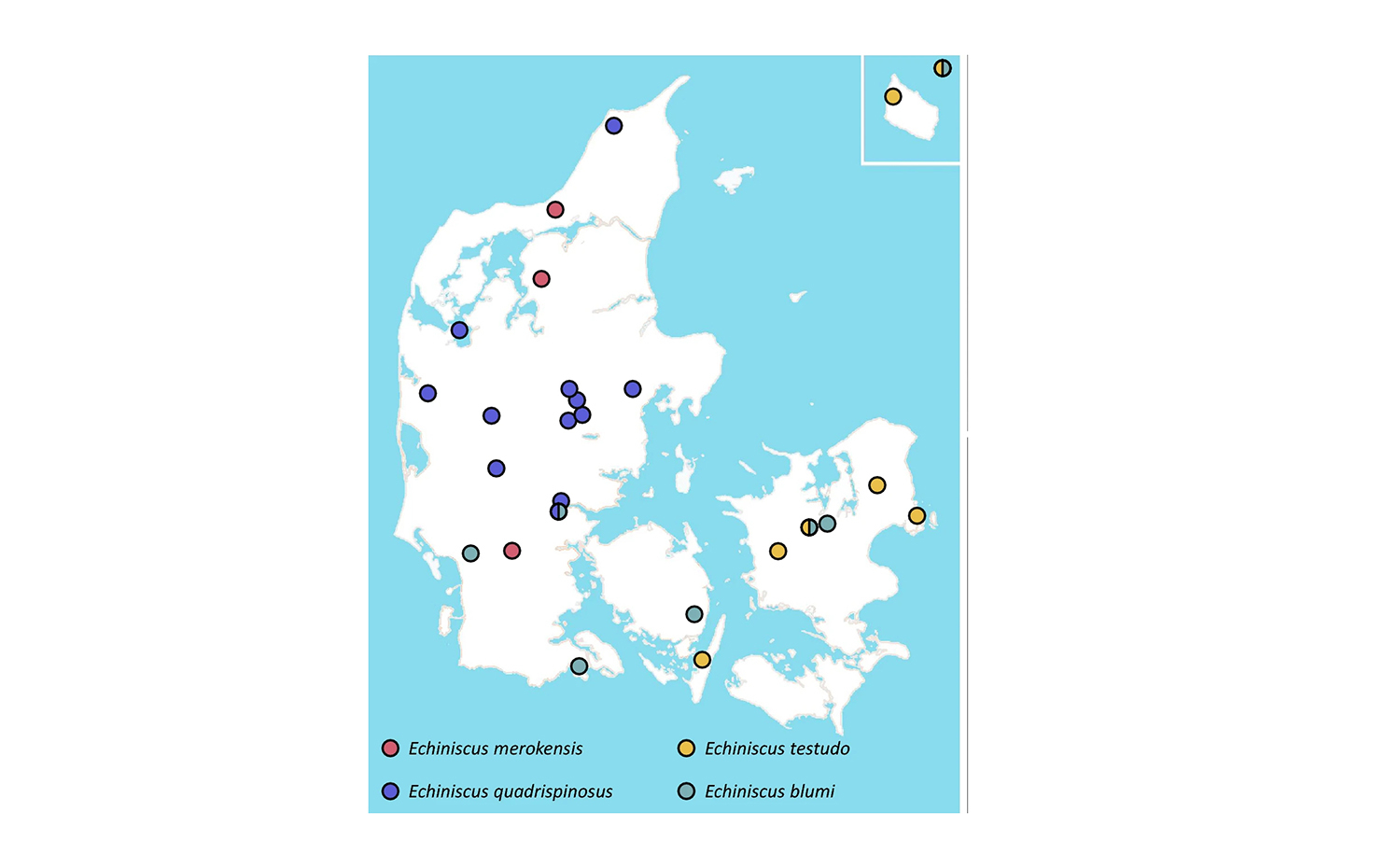
And so they did. The students’ input appeared in the journal Frontiers in Zoology. The result? The students quadrupled (multiplied by four) the number of known tardigrade species in Denmark! Their find included 41 tardigrade species not found in Denmark before. Plus they discovered nine species never identified anywhere.
“It would simply take me weeks, if not months, to get to all these islands” the children visited, says tardigrade expert Piotr Gąsiorek.
Why? While Ecclesiastes says, “There is nothing new under the Sun,” there is still much for people to discover and explore in this big, wonderful creation.