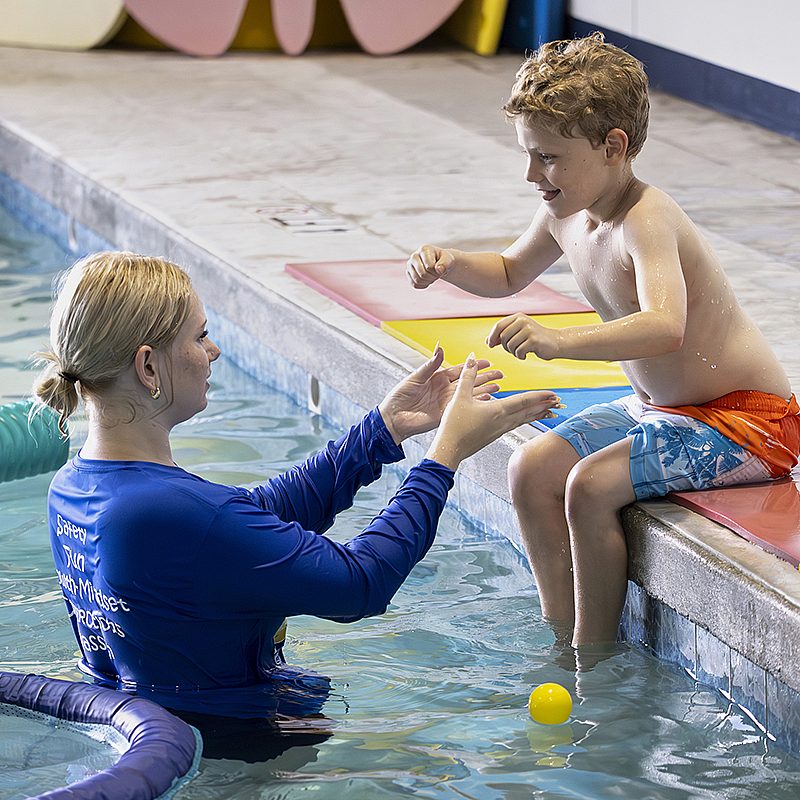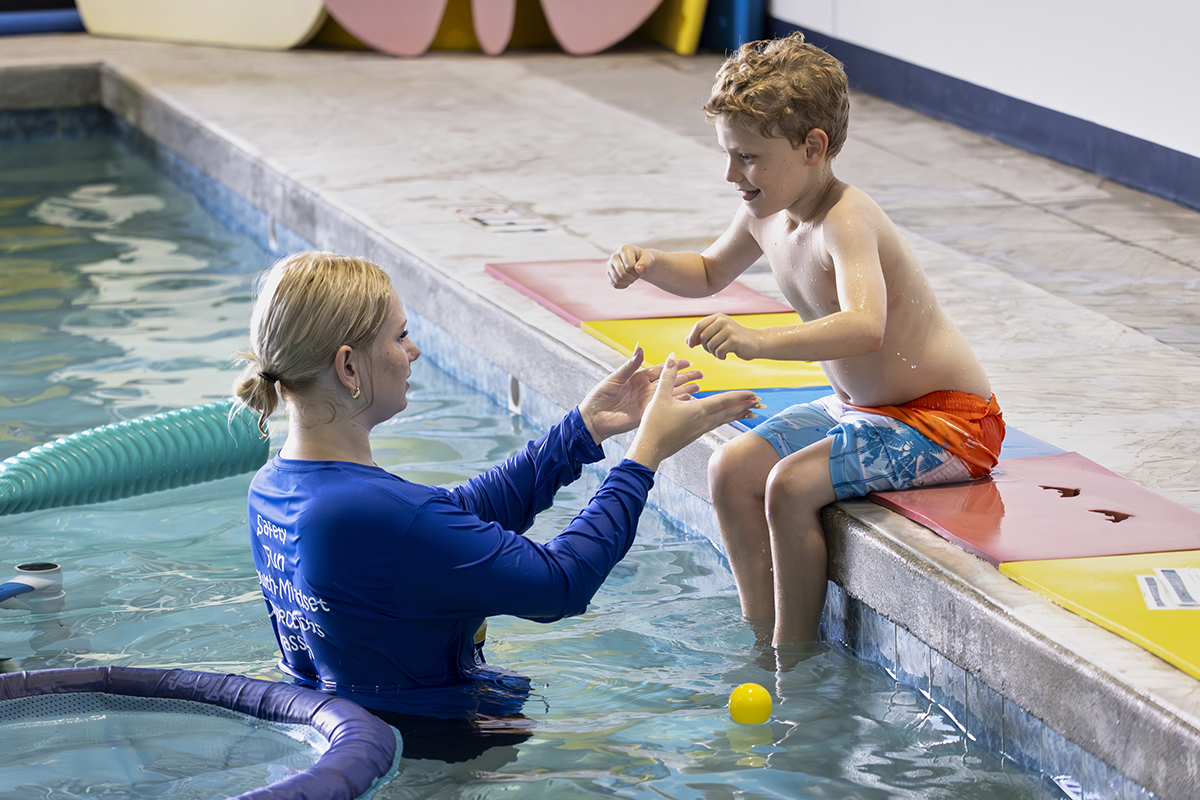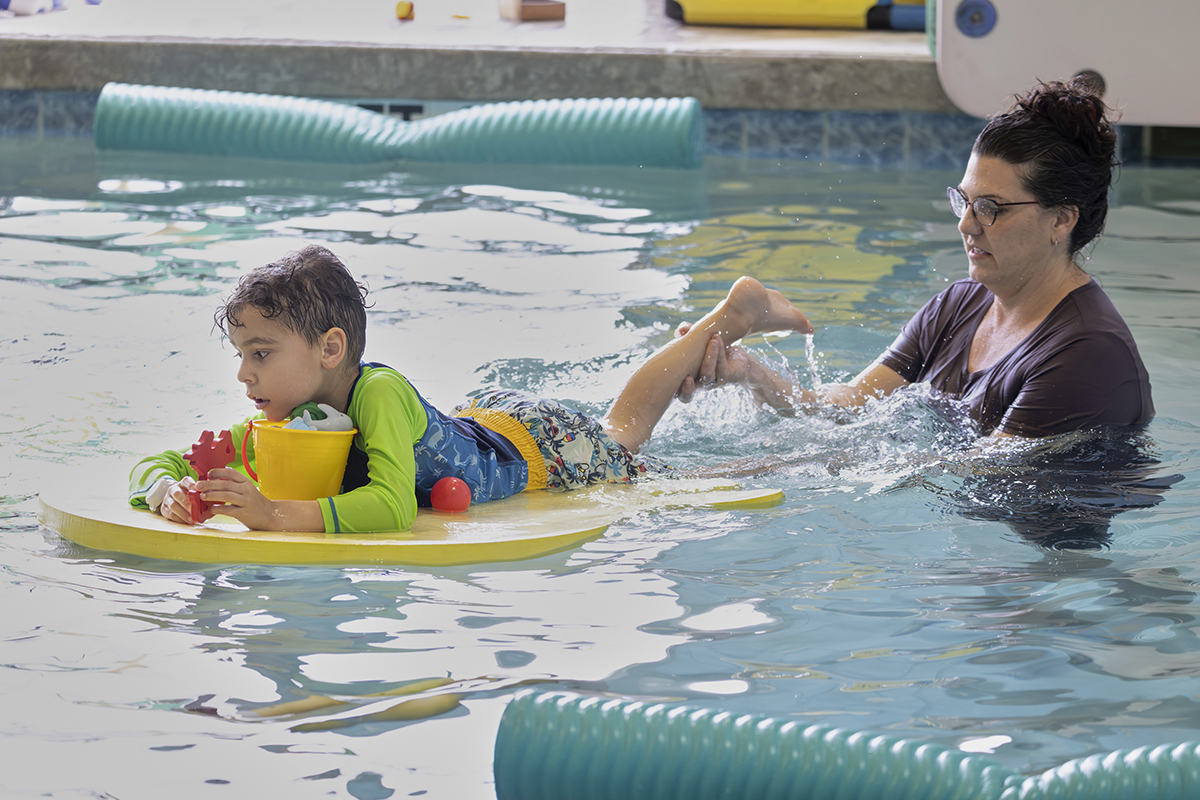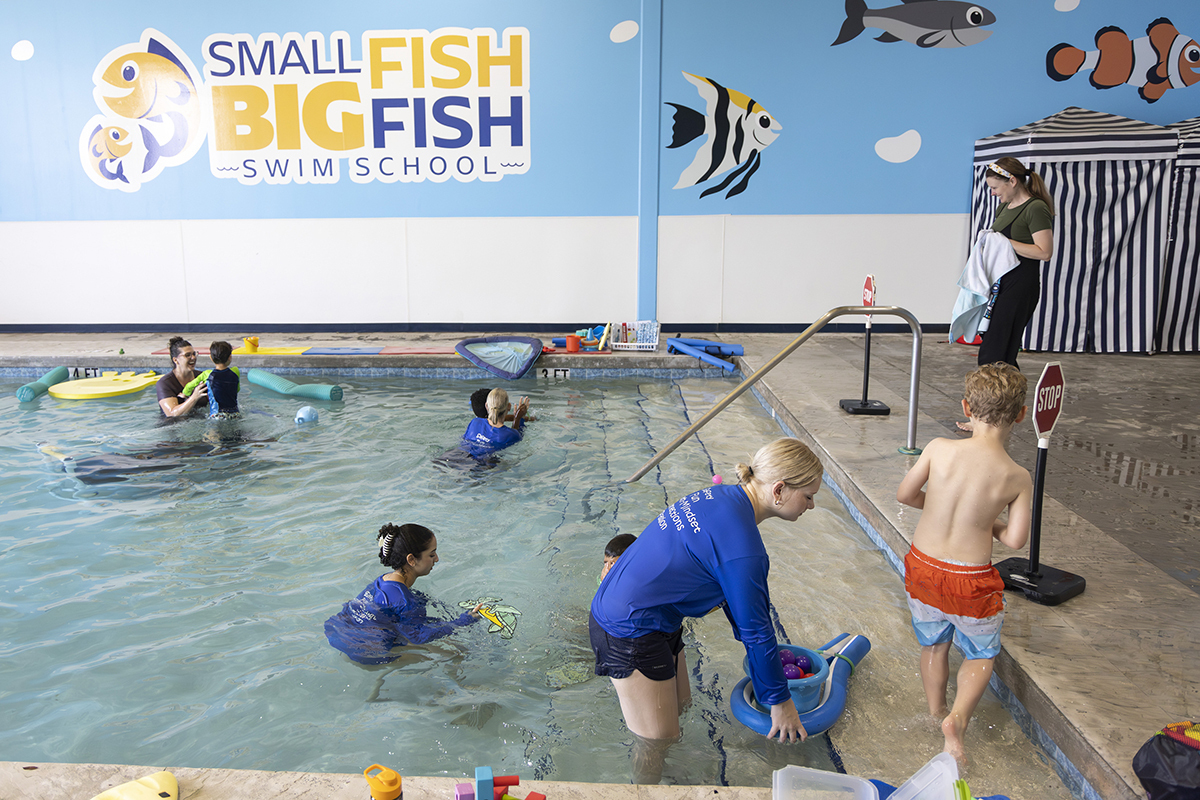
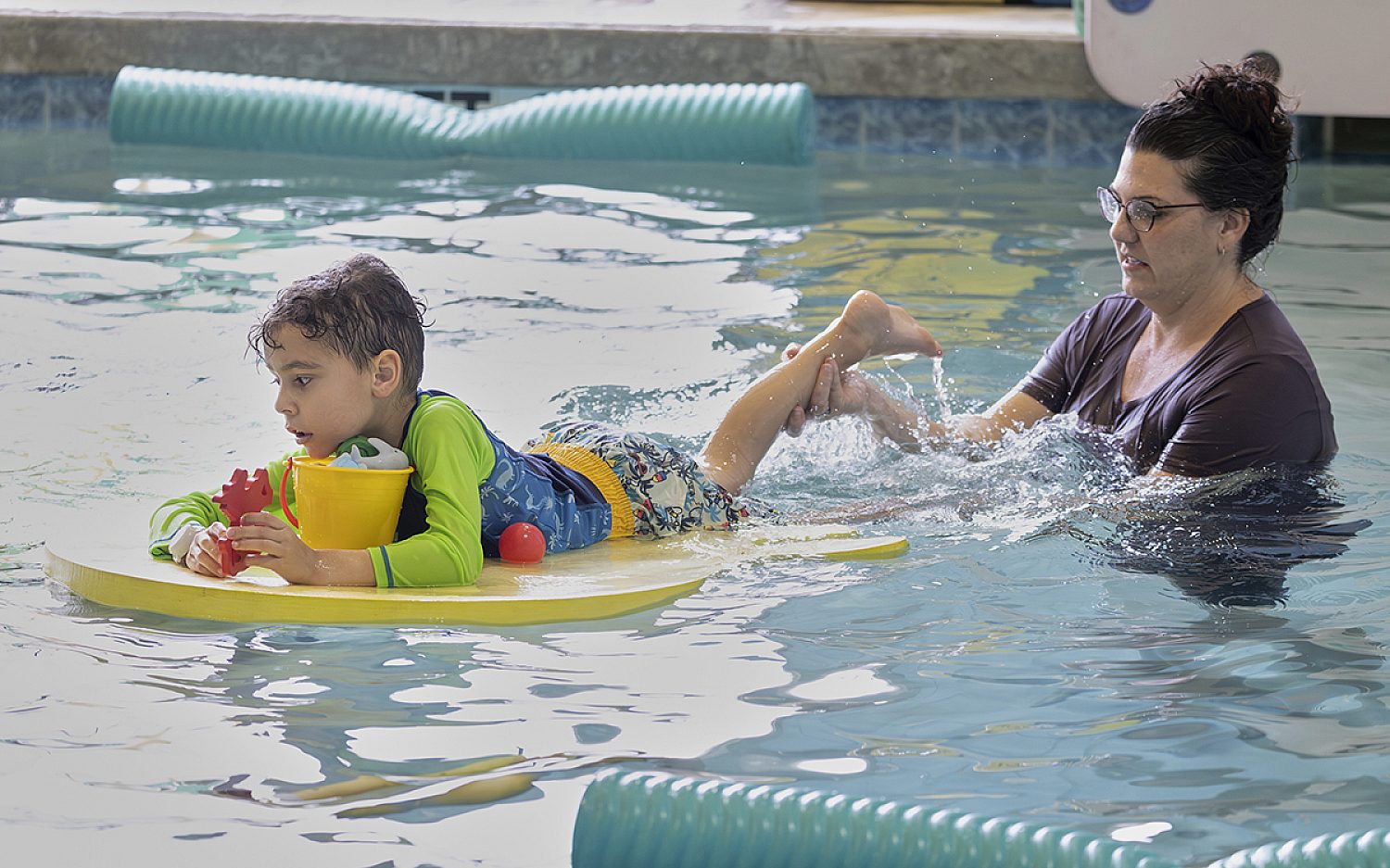
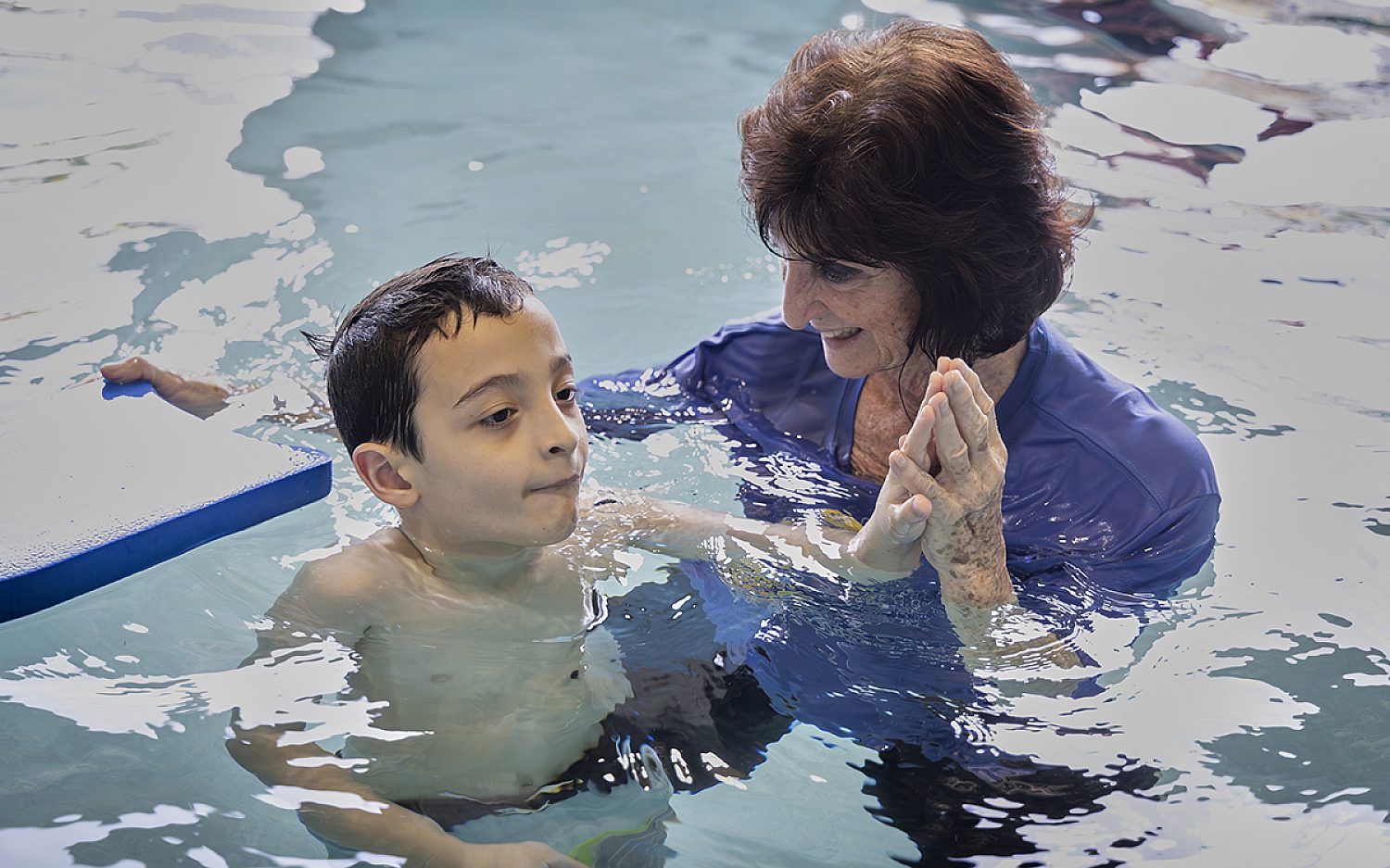
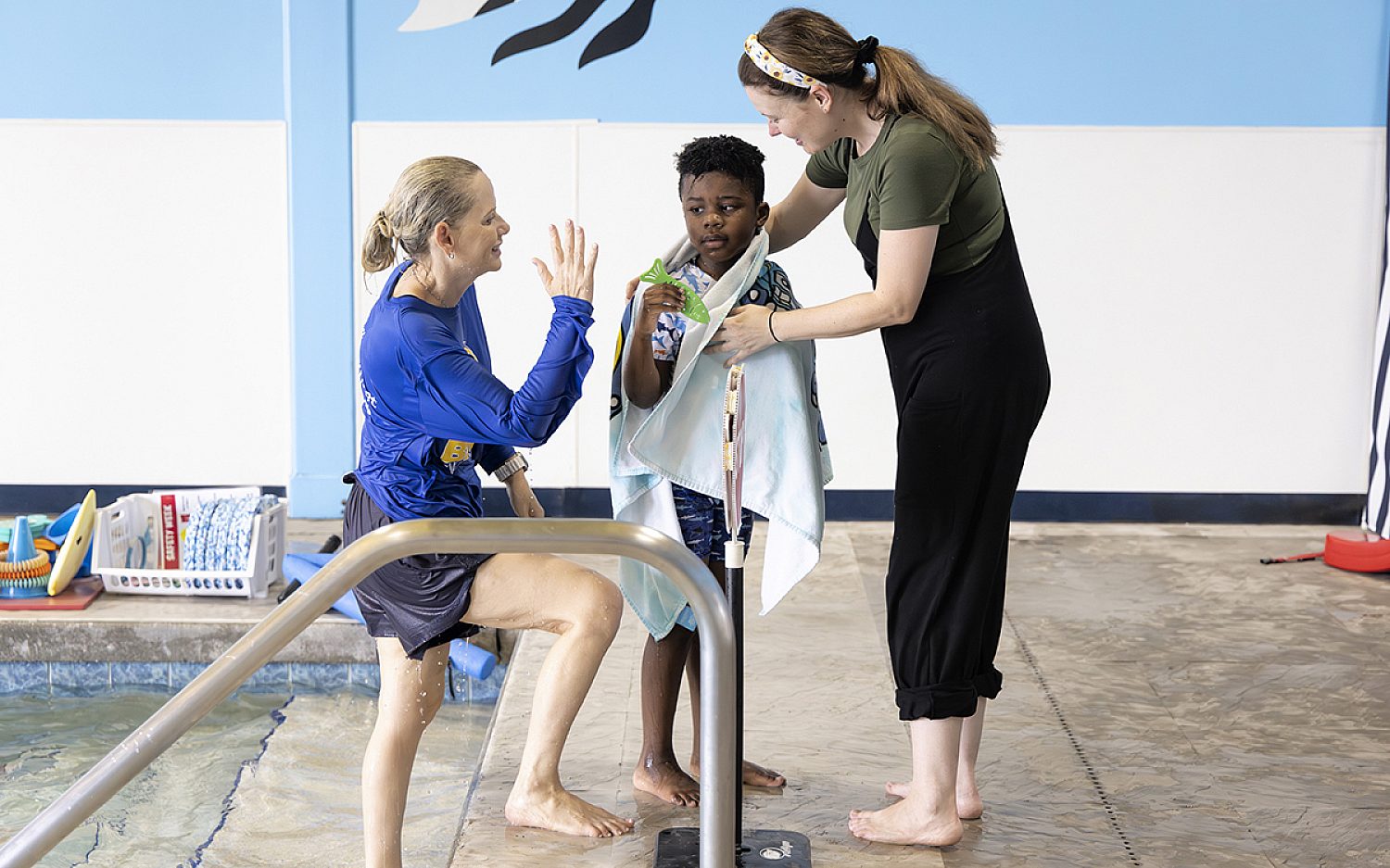
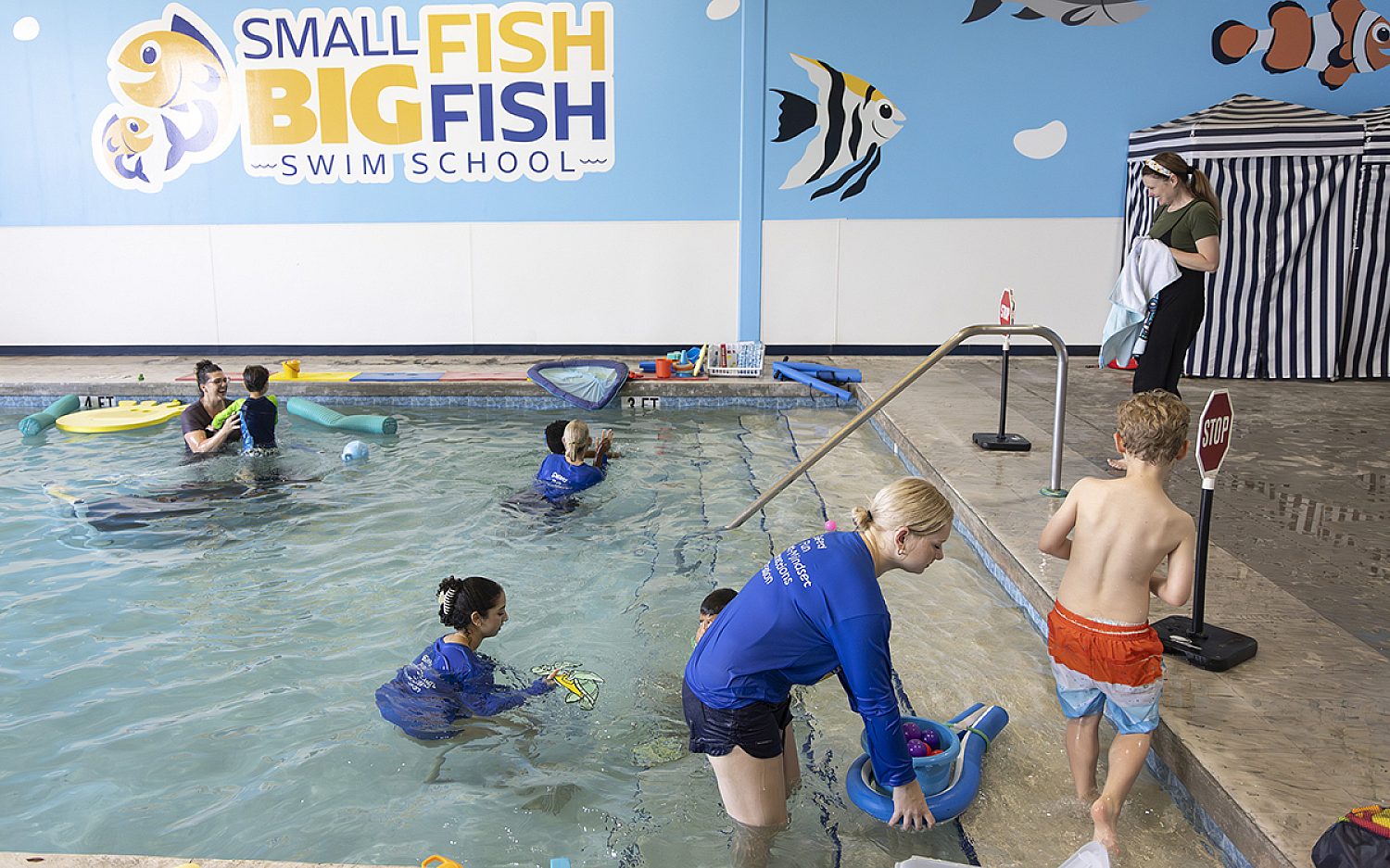

At a Florida pool, small children bob, float, and flutter-kick. It’s just what it looks like—a swim class for beginners.
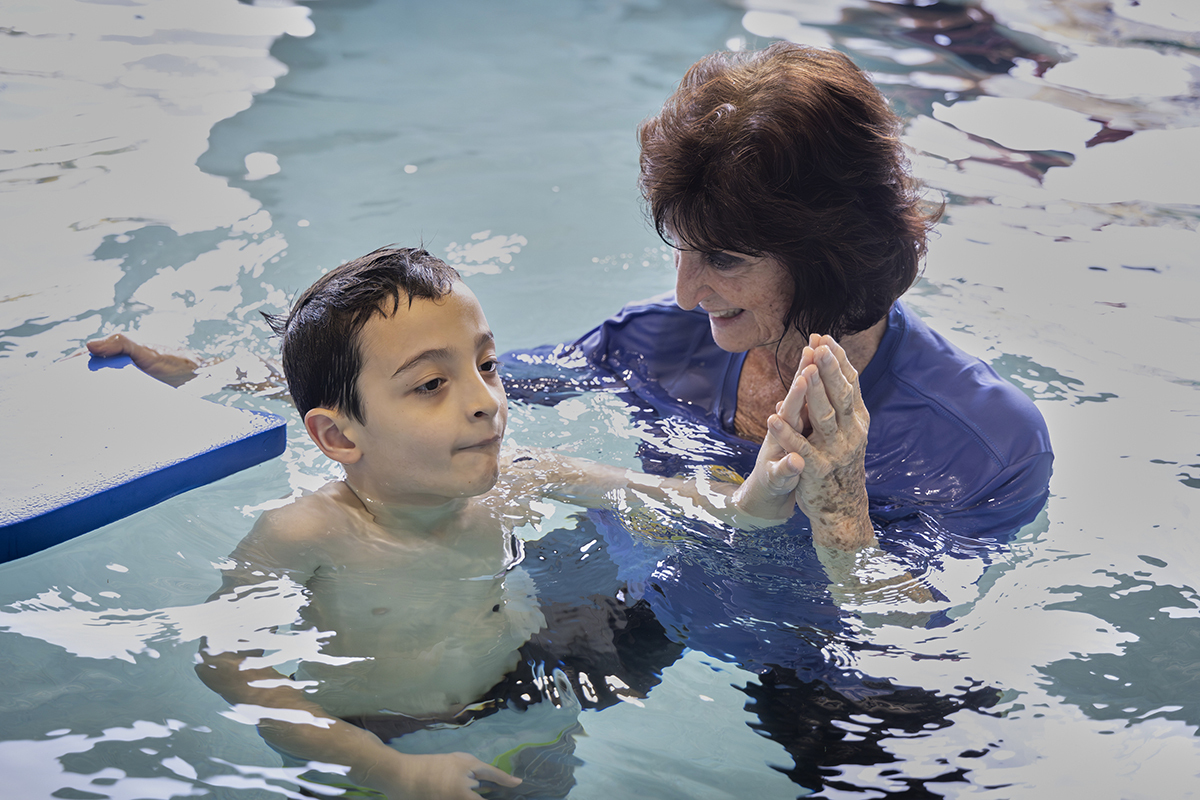
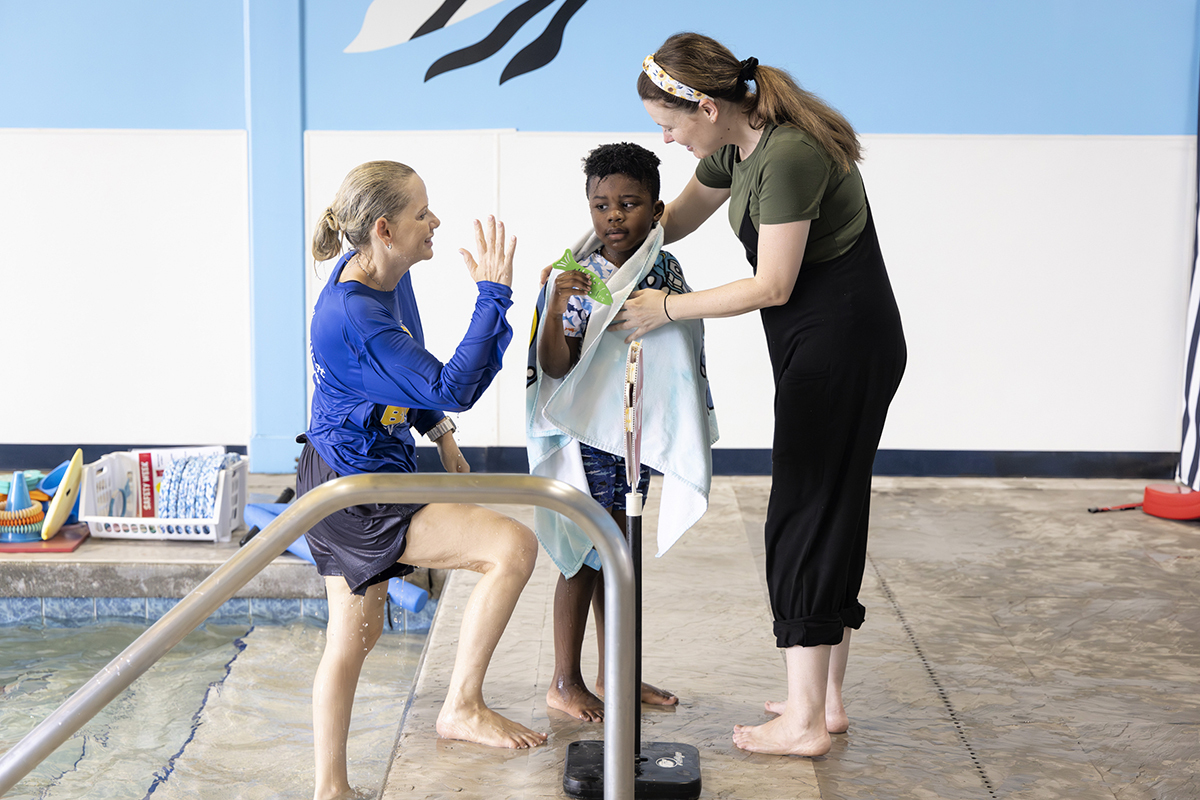
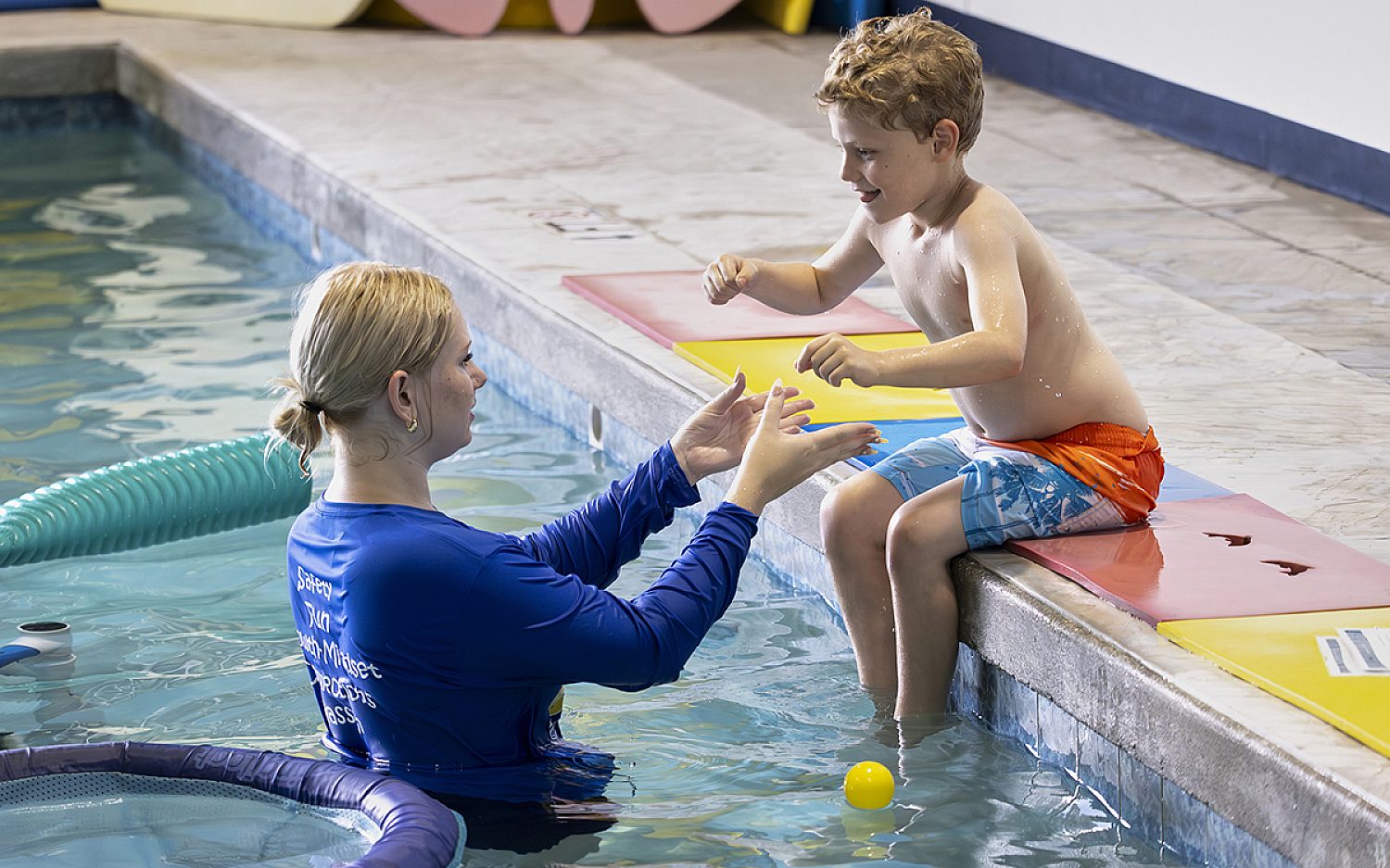
But it’s a little different too. Here at Small Fish Big Fish, there are as many teachers as kids. Some swimmers have two teachers. All the students are autistic. Some teachers hold cards to help the kids communicate. Instead of speaking, the kids point to the cards. And no one blows whistles.
Do you know someone who is autistic? Most people have a family member or friend with this exceptional type of brain. And people who love someone with autism carry a heavy concern in their hearts. They may worry about the person they love drowning. People with autism drown more often than people with neurotypical brains. Life can be extra dangerous for autistic kids in Florida, a state with lots of beaches, lakes, and backyard pools.
Kids are born with autism all over the world. (Remember the kids in the horse program in Namibia? Many of them are autistic.) One of every 31 kids in the United States is autistic. Autistic kids may be more likely to wander off than other kids. They also may not feel as much fear in dangerous situations.
For many autistic people, just eight hours of swimming lessons can be lifesaving. But some families don’t sign up for classes. They know their kids will need extra help. They often need private lessons instead of group lessons. Those are expensive.
Every autistic kid is unique. At Big Fish Little Fish, one instructor guides an autistic boy to float on his back. The boy doesn’t like getting his head wet. When he gets uncomfortable, the teacher helps him onto his side. A girl floats on a foam board with her face in the water. Another girl grins as she propels herself on a foam noodle.
“She’s fearless to the point it’s scary, because she’ll just jump into a pool, whether she can swim or not,” her mom says. “So this is really important. It’s saving their lives.”
Neurotypical: not affected with a condition such as autism, which causes the brain to process information differently