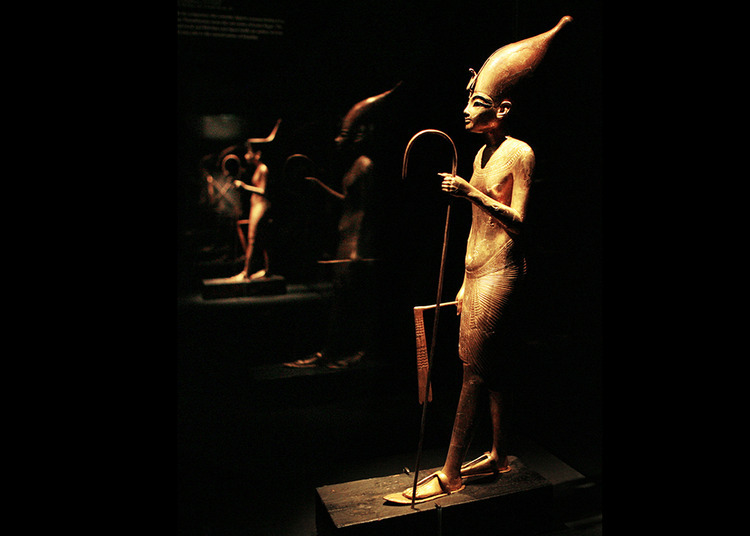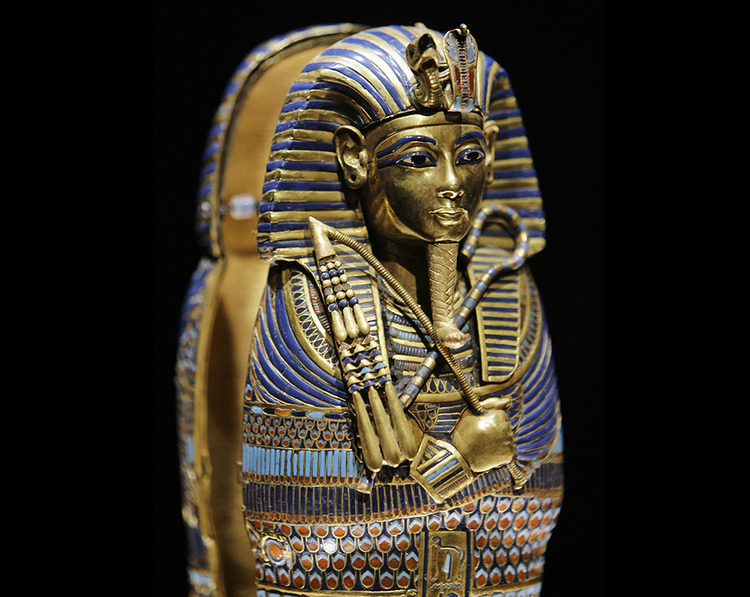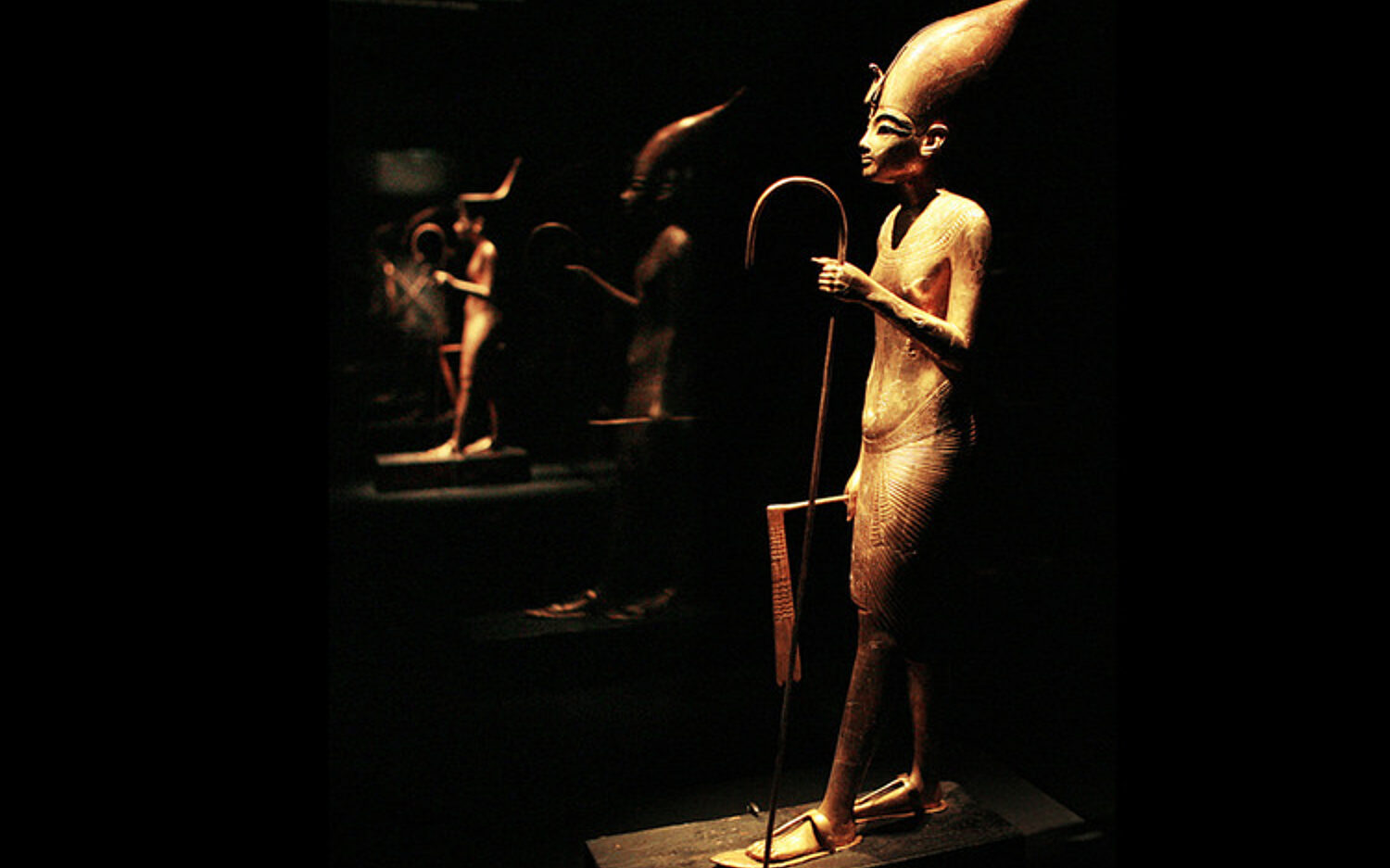
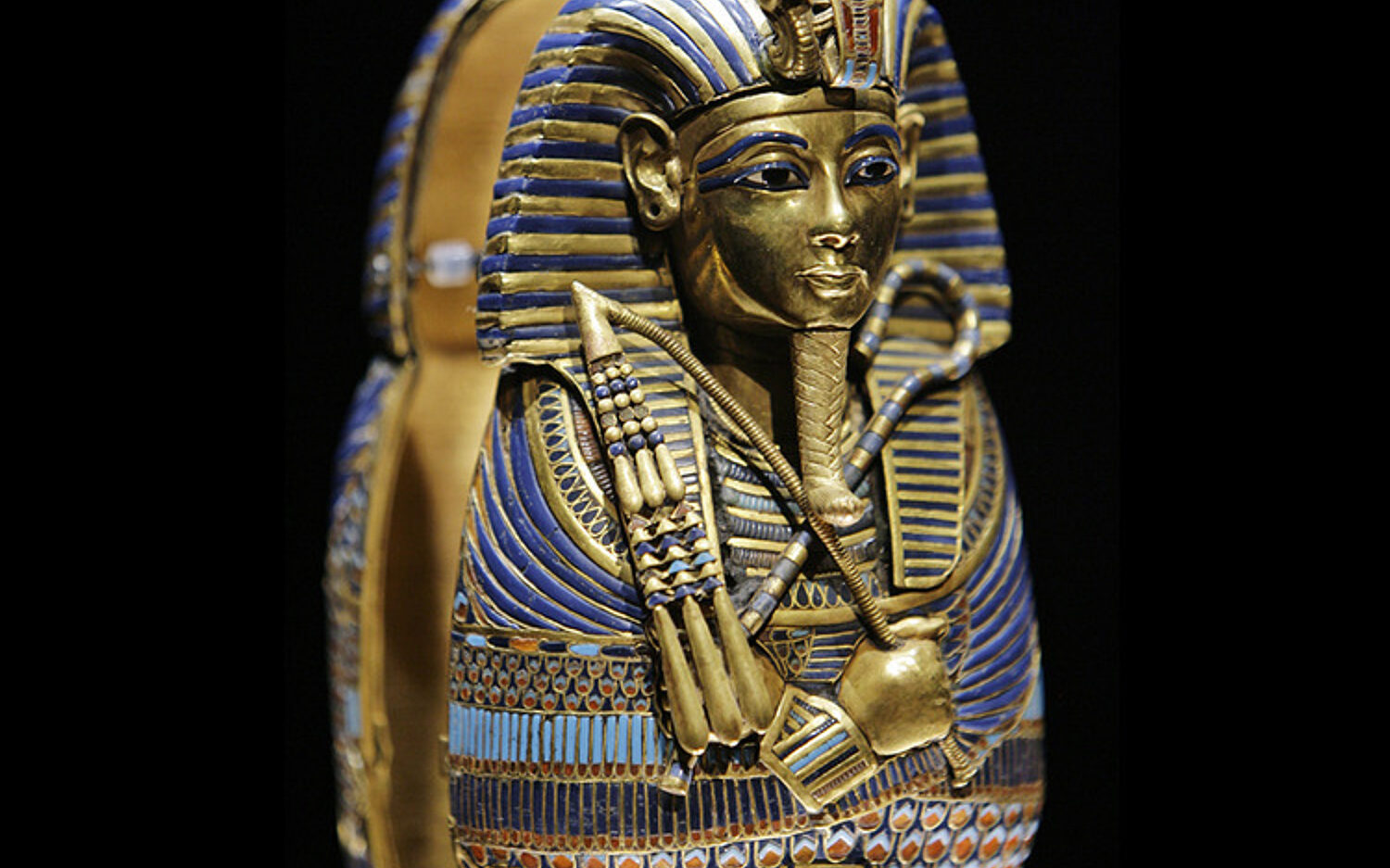
Eyeshadow? Check. Wig made of human hair? Check. Huge golden necklace? Check.
Each morning, a crowd of servants made sure their pharaoh was decked out for a day’s work. They washed him and cut his hair. They applied his wig and dressed him in a linen kilt. These servants had long titles like “Chief of The Scented Oils and Pastes for Rubbing His Majesty’s Body.” Talk about living like a king!
In the middle of the day, the pharaoh ate a meal with his wives and their children. Sometimes he played board games with his sons, or even took them to work with him. They may have gotten to watch him make laws, approve building projects, discuss military plans, and receive visitors. Visitors to the great Pharaoh didn’t just bow down to him. They laid face-first on the floor!
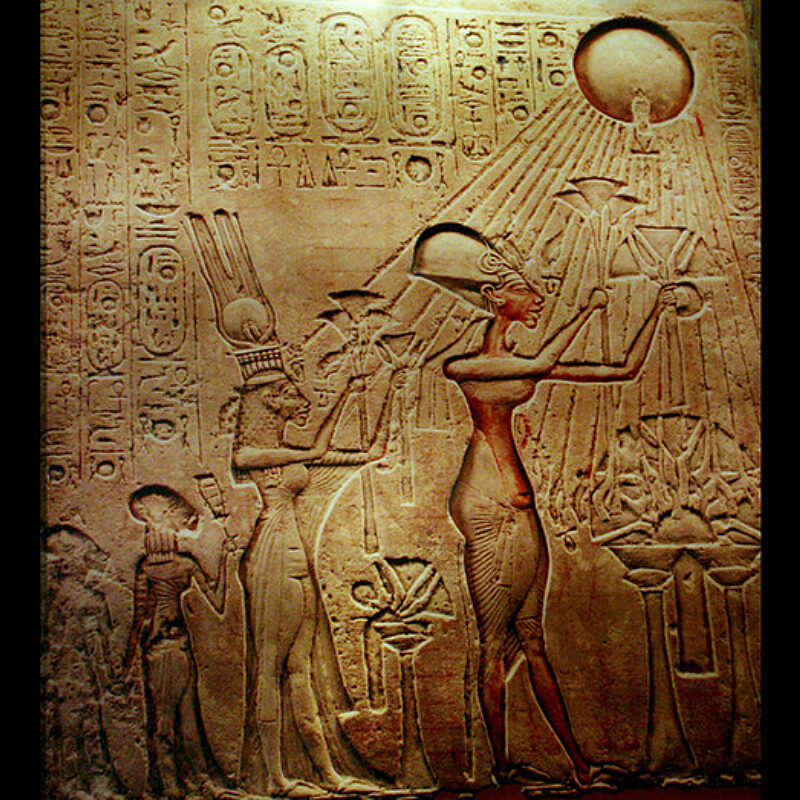
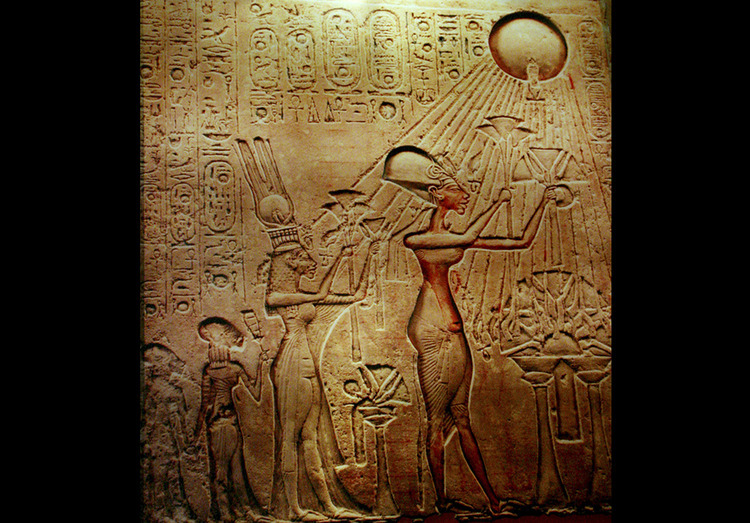
Meanwhile, Egypt’s queens had other business to take care of. These women lived with their children in mud brick buildings that faced an open courtyard. They were responsible to care for the palace. They also had to give the Pharaoh as many children as possible. In ancient Egypt, people usually had short life spans. Extra sons could replace those who died. The head queen had to be ready to rule Egypt in case her husband died before her son was old enough to act as king.
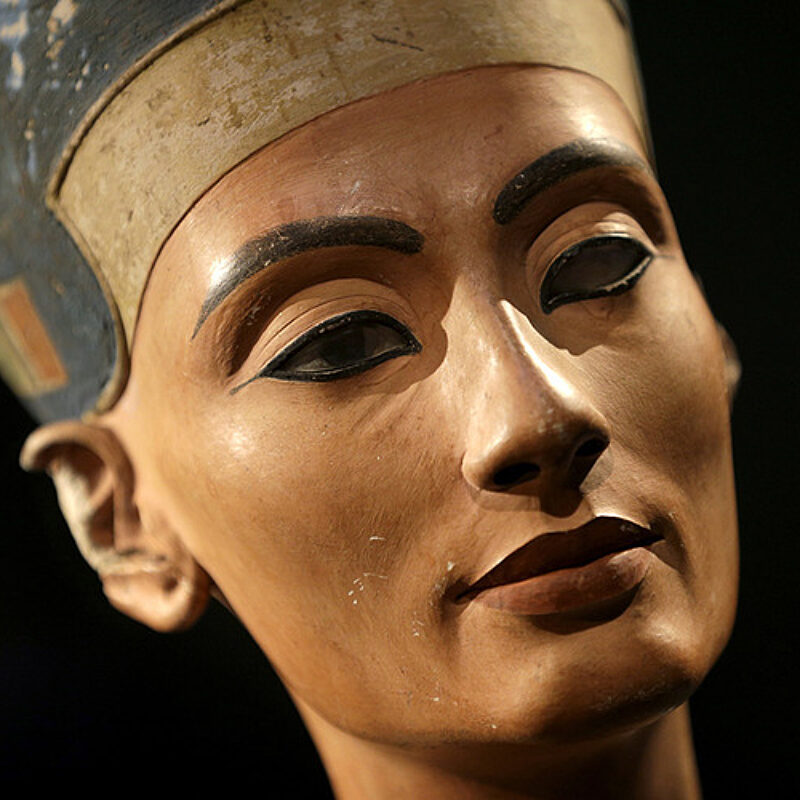
Some Egyptian women rose to positions of great authority. Hatshepsut was one of the few women who became pharaoh. When she did, she started to dress like a male pharaoh . . . fake beard and all! Some even wonder if even Nefertiti became a pharaoh too. Could the bearded images in Tut’s tomb actually be paintings of her?