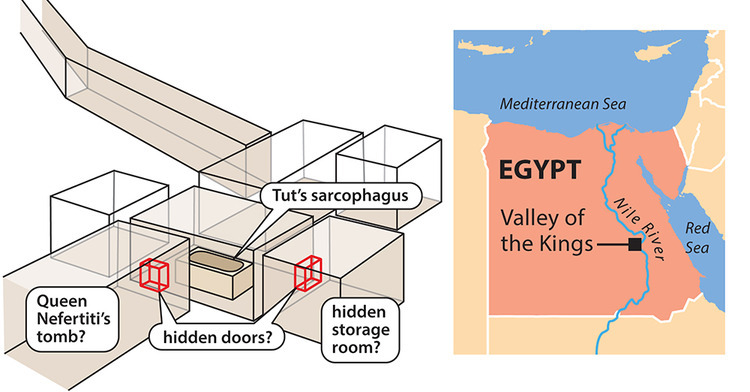
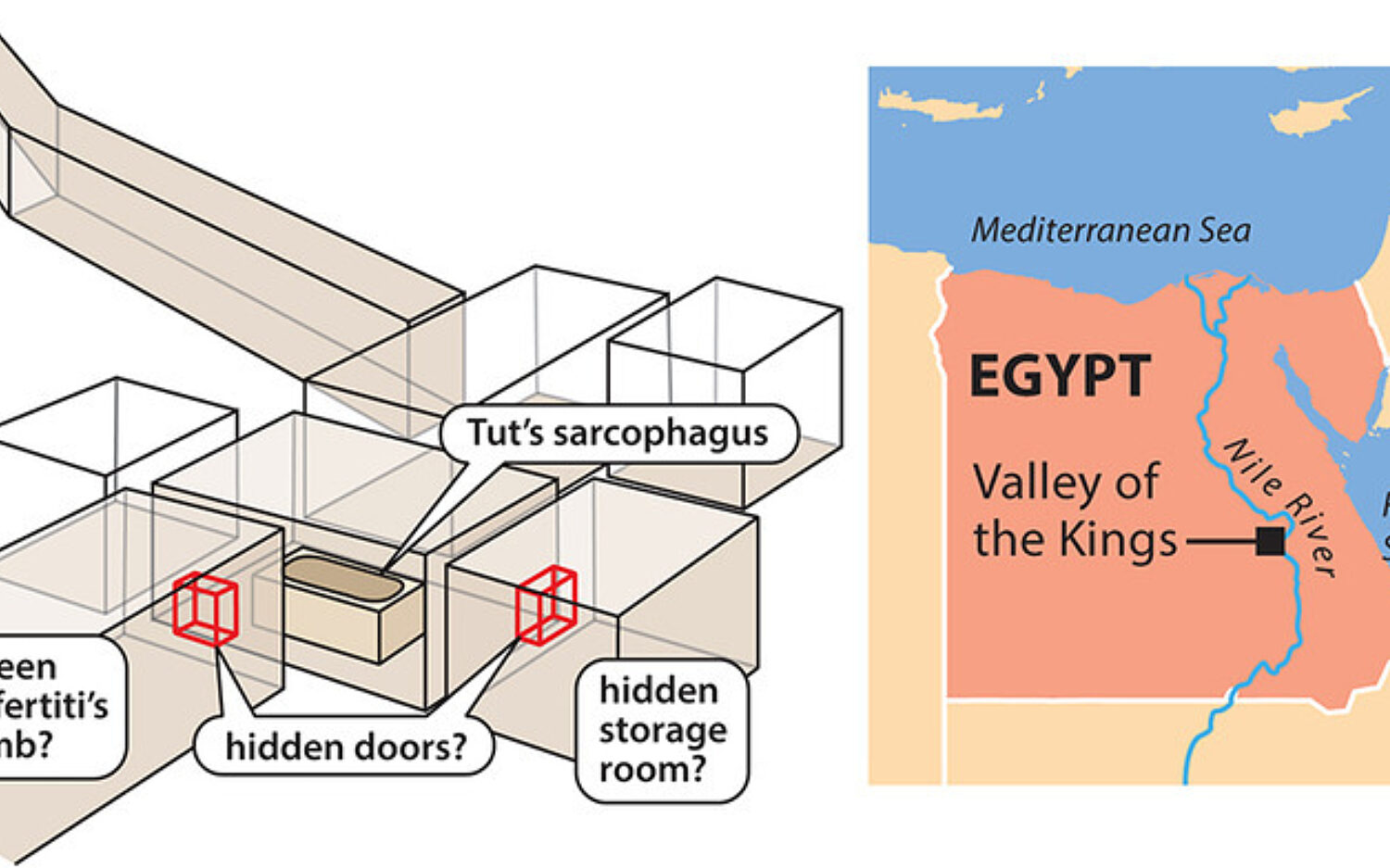
Scholar Nicholas Reeves has a hunch that might make history . . . or not. He thinks the ancient crypt of Queen Nefertiti might be stowed in a familiar spot: behind King Tut’s famous tomb in the Valley of the Kings.
Mr. Reeves’ theory developed while he stared at images of the inside of King Tut’s tomb. For months and months, he gazed at the pictures. Should he believe his eyes? To him, it looked like something hid behind the painted plaster. He saw two secret doorways.
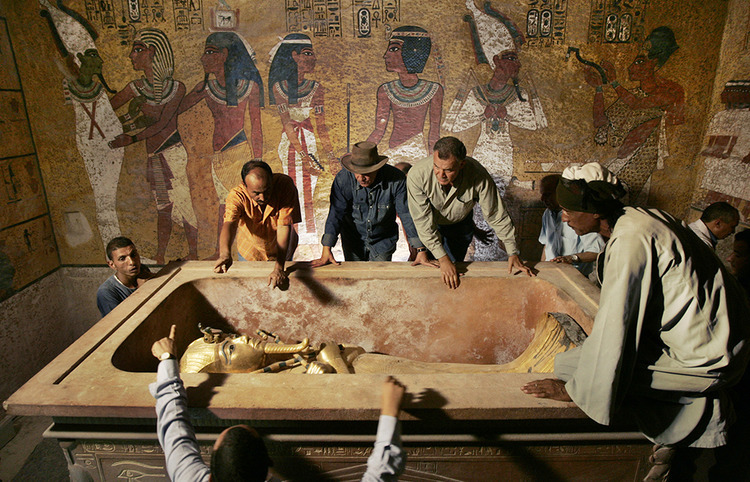
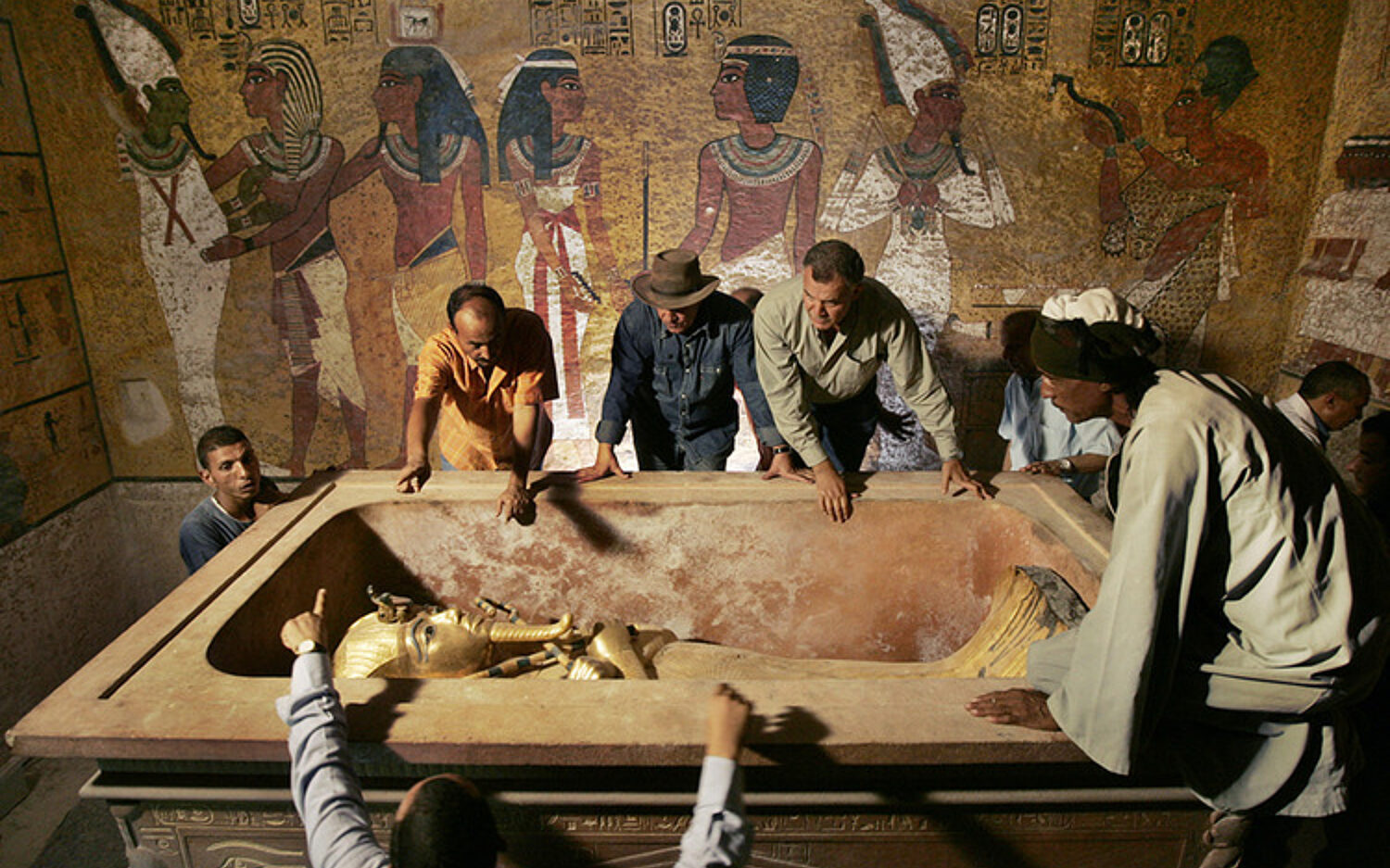
King Tut has a nickname: “the boy king.” He began to rule Egypt when he was just nine years old. But he died at the age of 19. His mummified body was placed in a tomb. That was 3,300 years ago. But in many ways, Tut’s tomb doesn’t look like the ones usually built for pharaohs. The tomb’s first room is unusually small. Some other rooms seem to be missing. Mr. Reeves believes Tut’s tomb was really built for the Egyptian queen, Nefertiti. He believes the queen’s mummy may rest just beyond the secret doors. King Tut died suddenly at a young age. The Egyptians might have been in a hurry to bury him. Why not in an outer room of Nefertiti’s tomb?
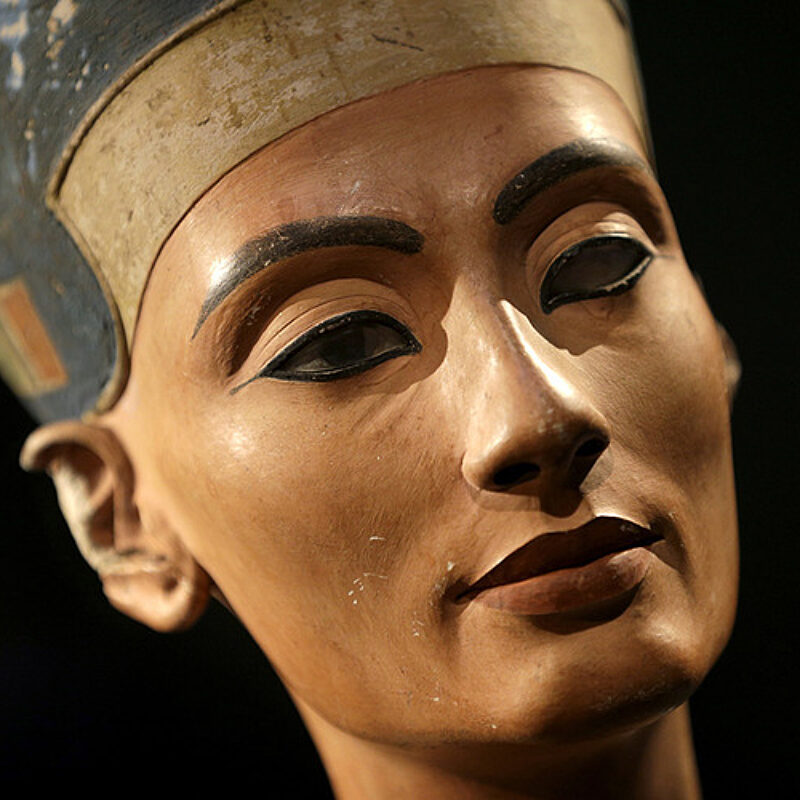
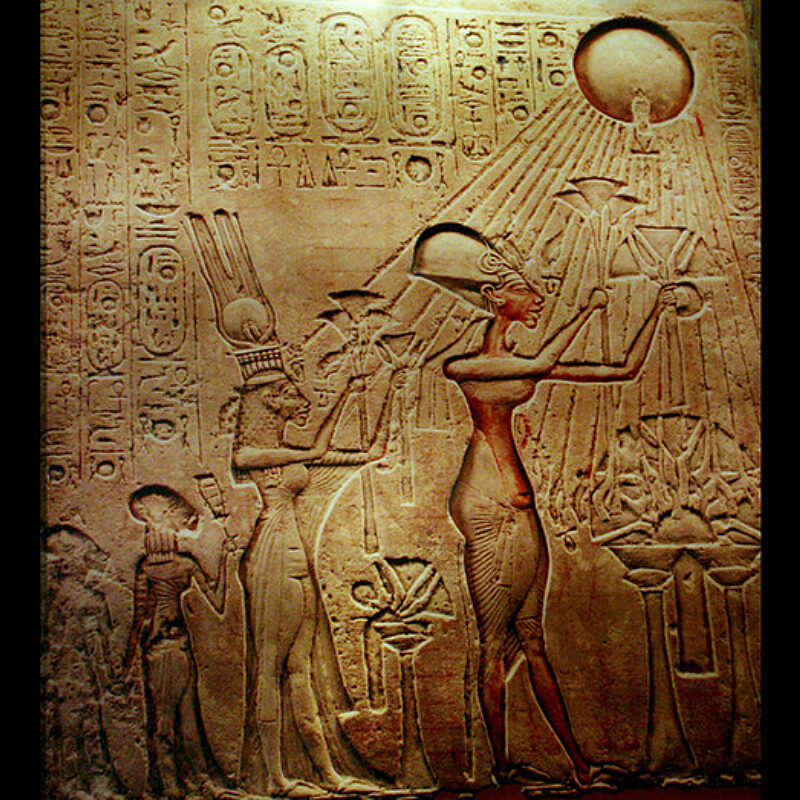
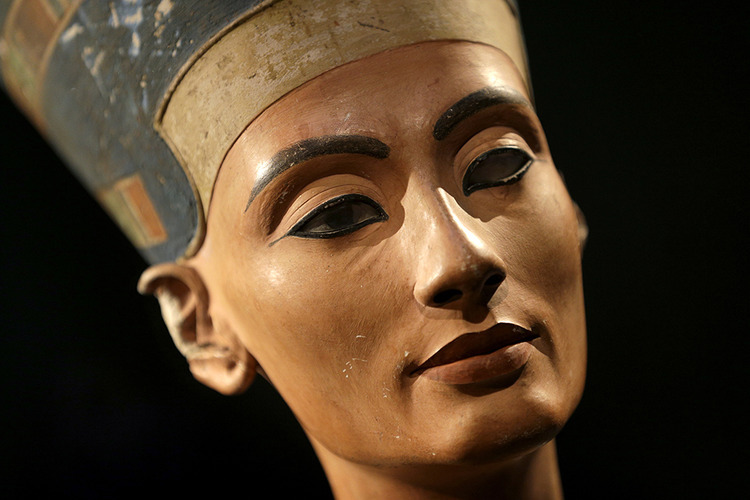
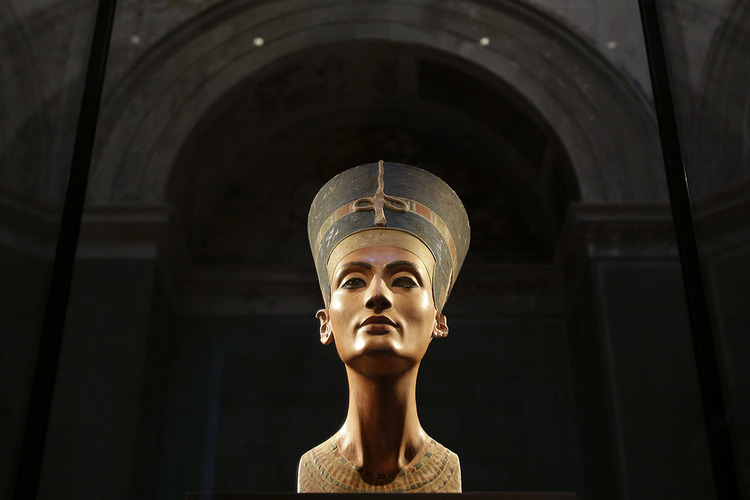
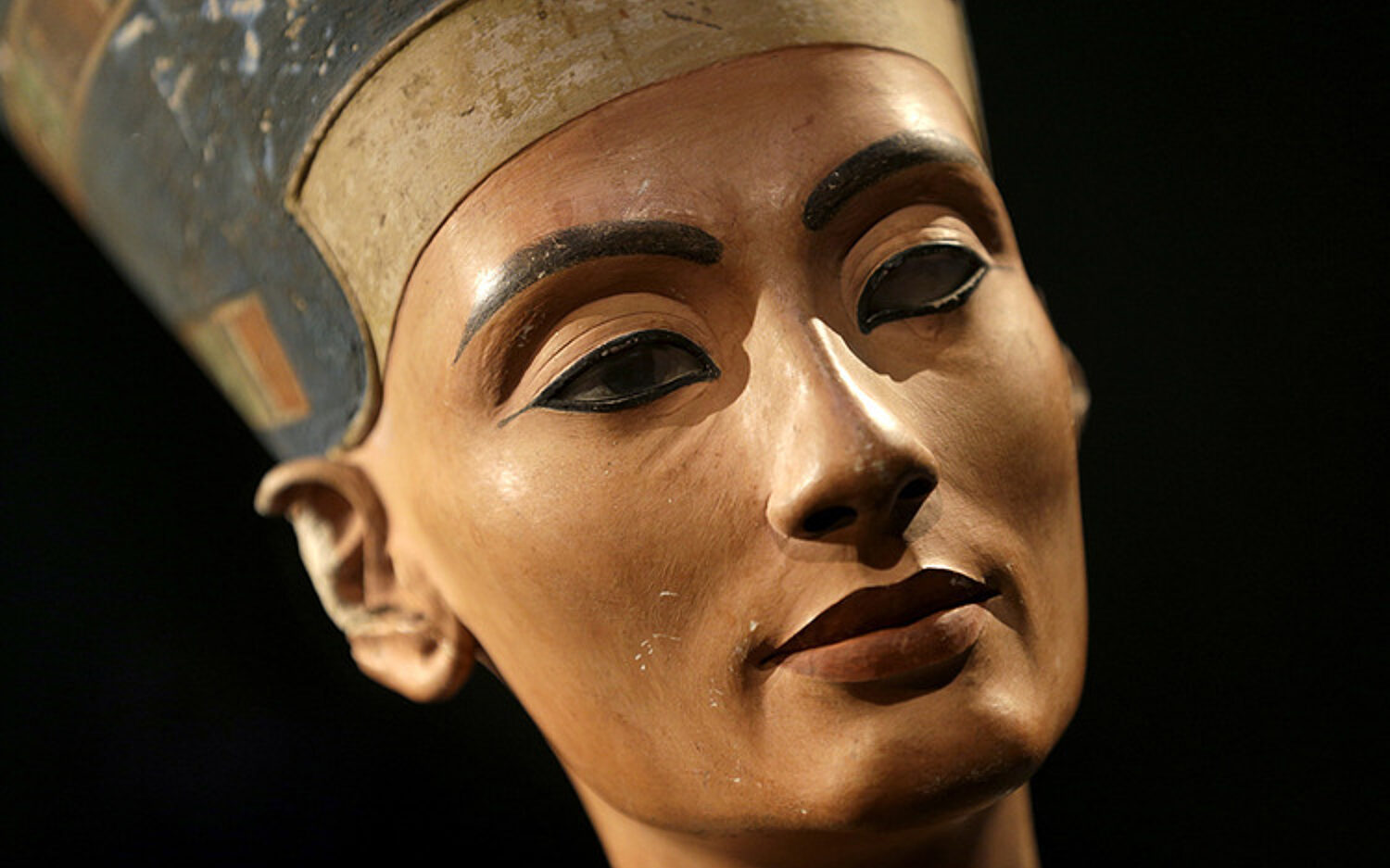
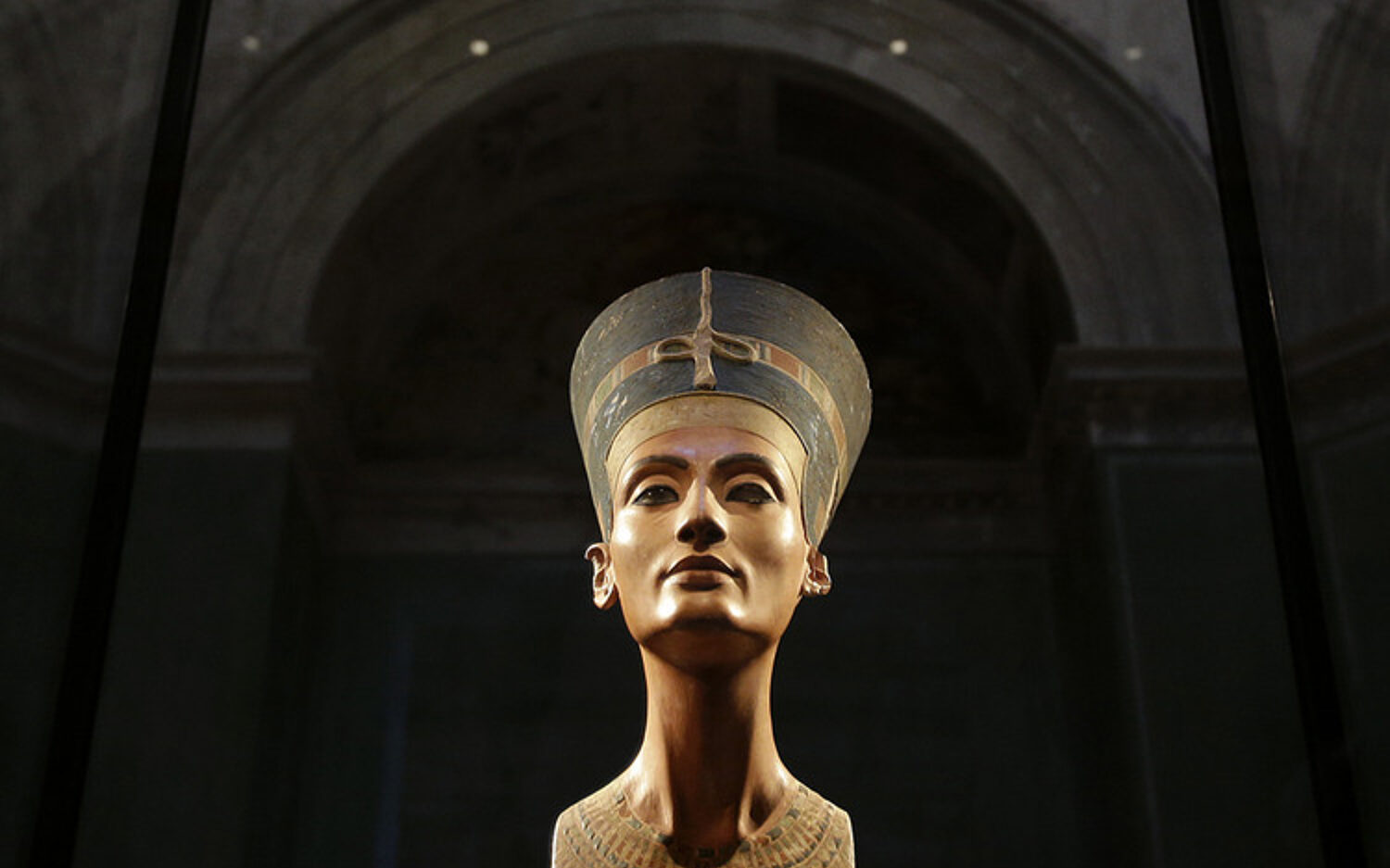
We don’t know much about Queen Nefertiti. But we do know that she ruled Egypt during the 14th century. Her name means "a beautiful woman has come.” Nefertiti was married to Pharaoh Akhenaten. Scholars have searched for Nefertiti’s burial place for centuries. Has Mr. Reeves found the clue they have waited for?
Some scholars find Mr. Reeve’s theory far-fetched. Even if there are secret doors, they ask, why should we assume the tomb belongs to the queen? But Egyptian experts may give Mr. Reeves a chance to test his theory. It’s just too juicy to pass up!