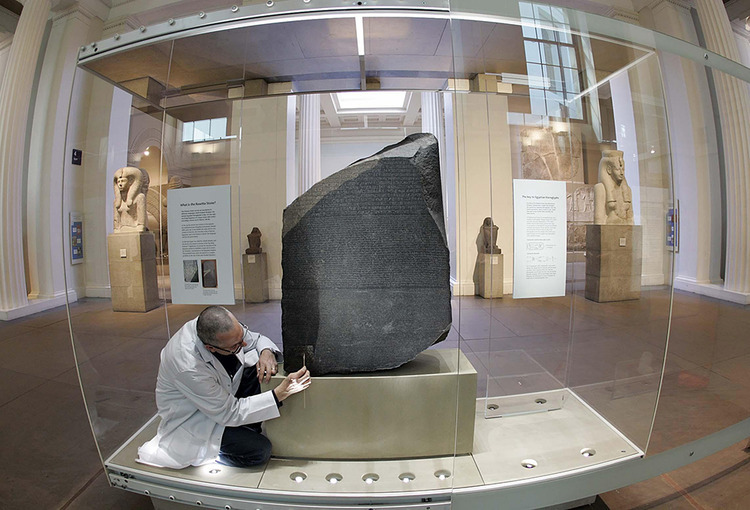
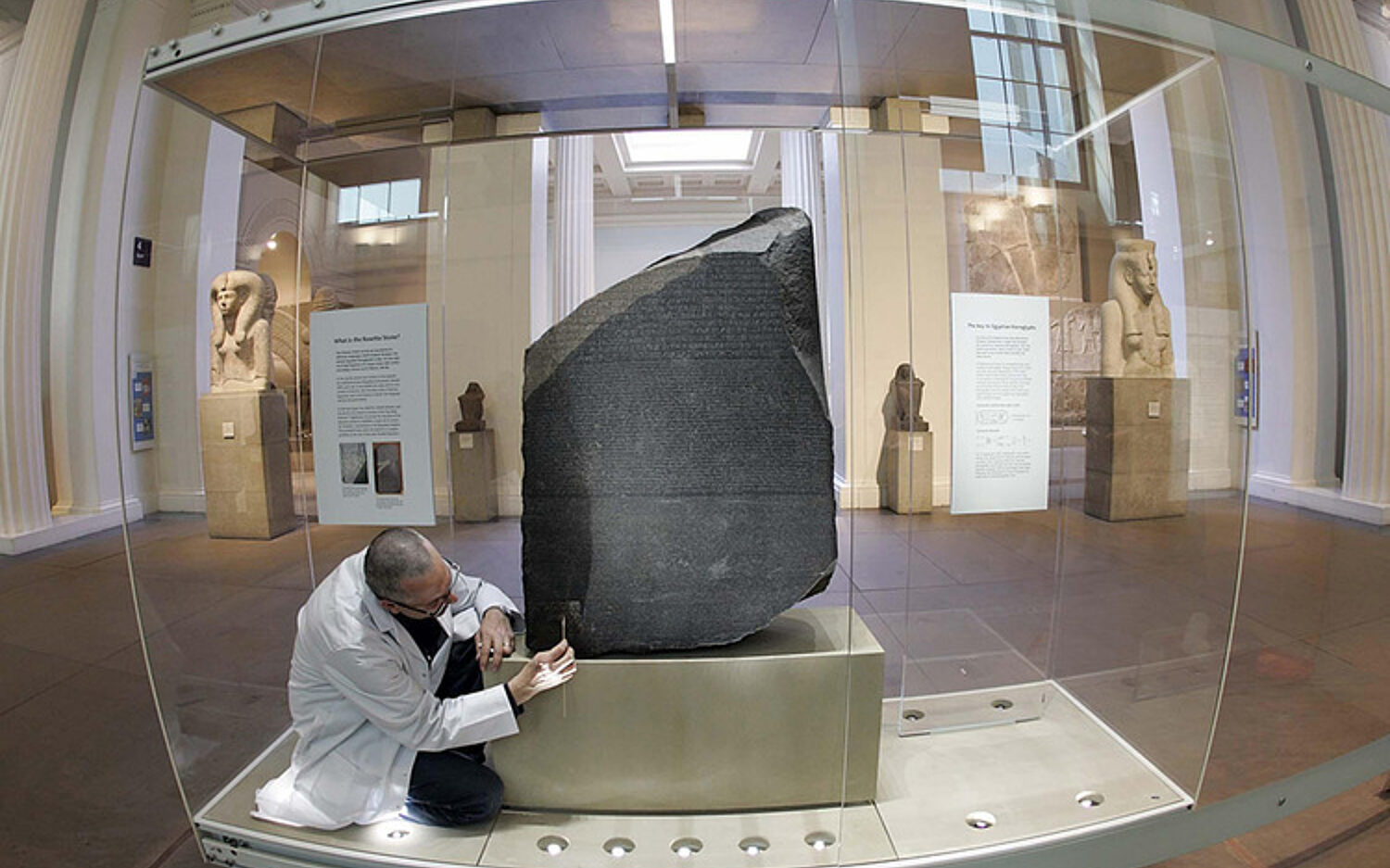
In the late 18th century, Napoleon hoped his army could take over Egypt for France. Instead, his army dug up a big, gray rock. But it wasn’t just any rock. It was the Rosetta Stone.
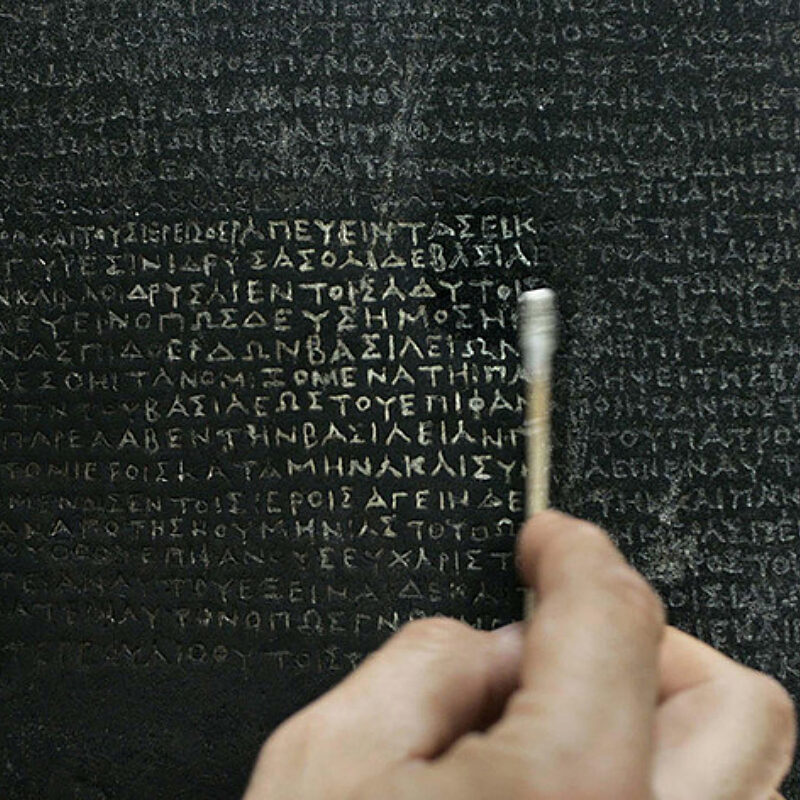
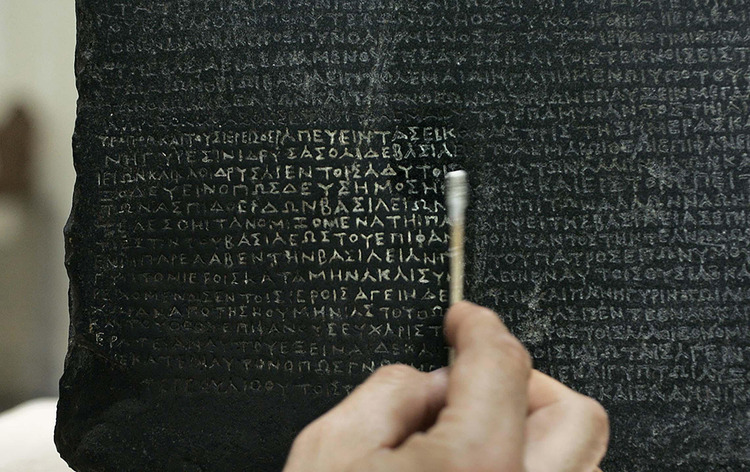
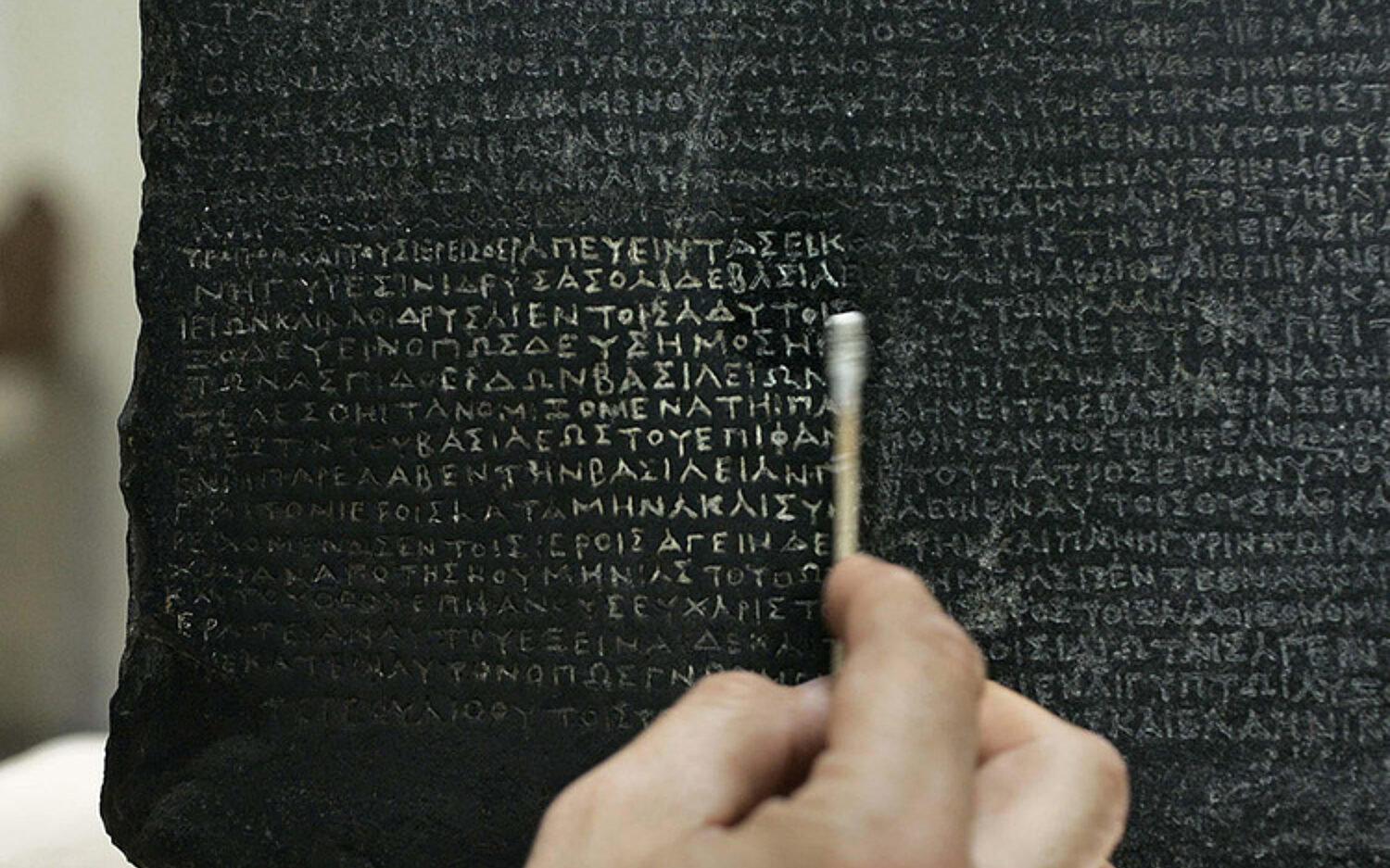
Without the Rosetta Stone, we would understand very little about ancient Egypt today. The stone gets its name from the town of Rosetta. It was built into an old wall there. Napoleon’s army found the stone while tearing the wall down. Its surface shows a carved message. But the message on the stone isn’t the important part. The stone matters because of the languages it is written in.
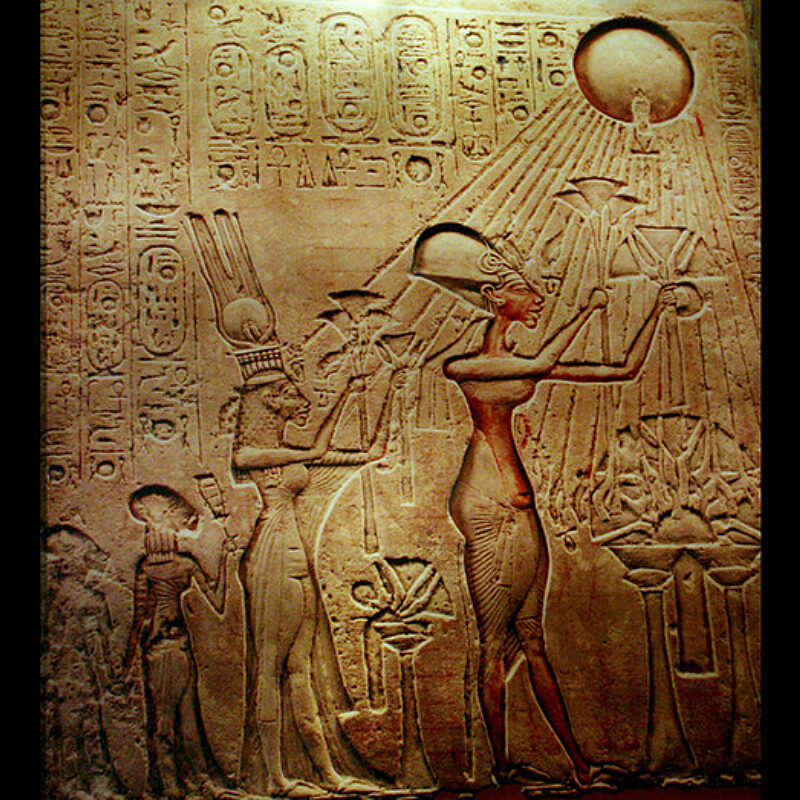
Egyptian priests carved the stone in 196 B.C. Back then, Egyptians wrote in three different languages. Priests wrote in hieroglyphics. Those are the funny picture-letters you probably think of when you imagine ancient Egypt. Egyptian rulers wrote in Greek. Most other people wrote in a script called demotic. The stone was designed so that everyone in Egypt could read it.
As years passed, more and more people forgot how to read hieroglyphics. By the time the stone was found, no one knew how. Scholars puzzled over the stone. In 1822, French scholar Jean-François Champollion cracked the code. He used the demotic and Greek letters to make sense of hieroglyphics. Suddenly, scholars could read thousands of years’ worth of written Egyptian history.
Egyptians seemed to want to keep their culture alive. They embalmed the bodies of their dead carefully. They buried them with their earthly treasure. But just think of this. We came close to never knowing much about Egypt’s culture at all!
And the dust returns to the Earth as it was, and the spirit returns to God who gave it. — Ecclesiastes 12:7