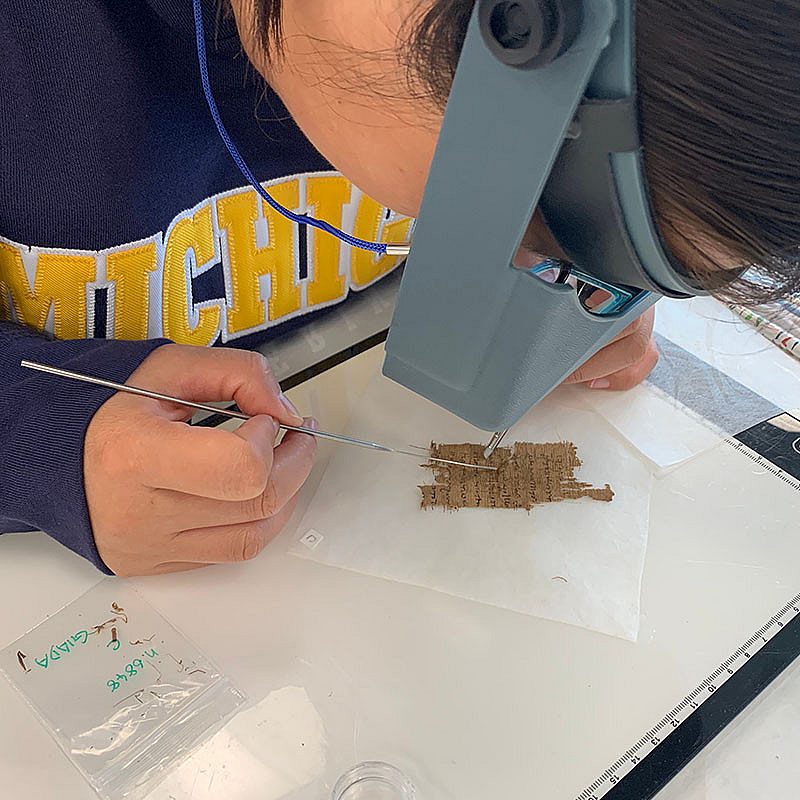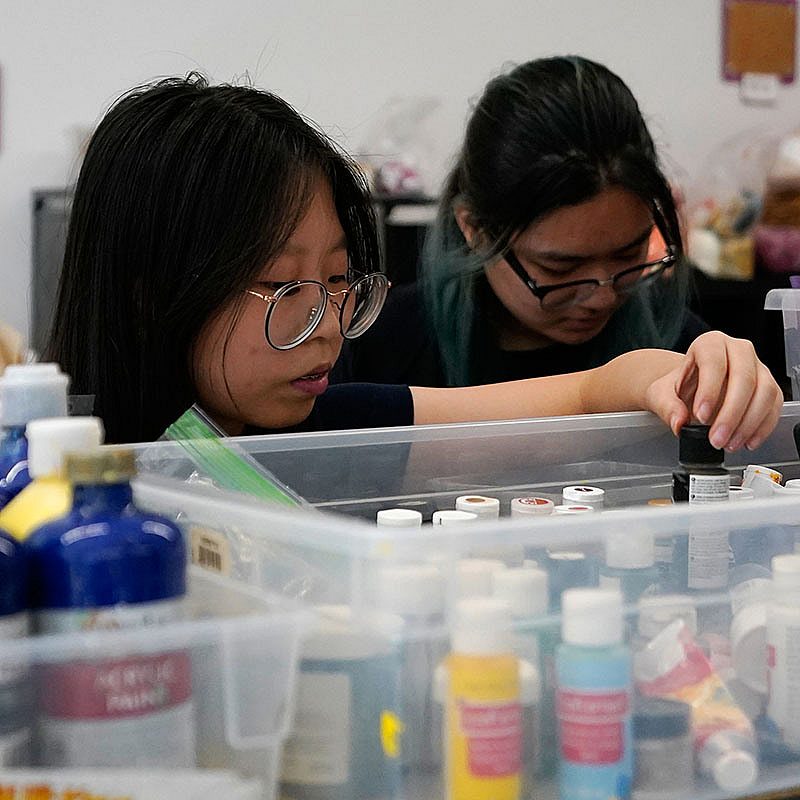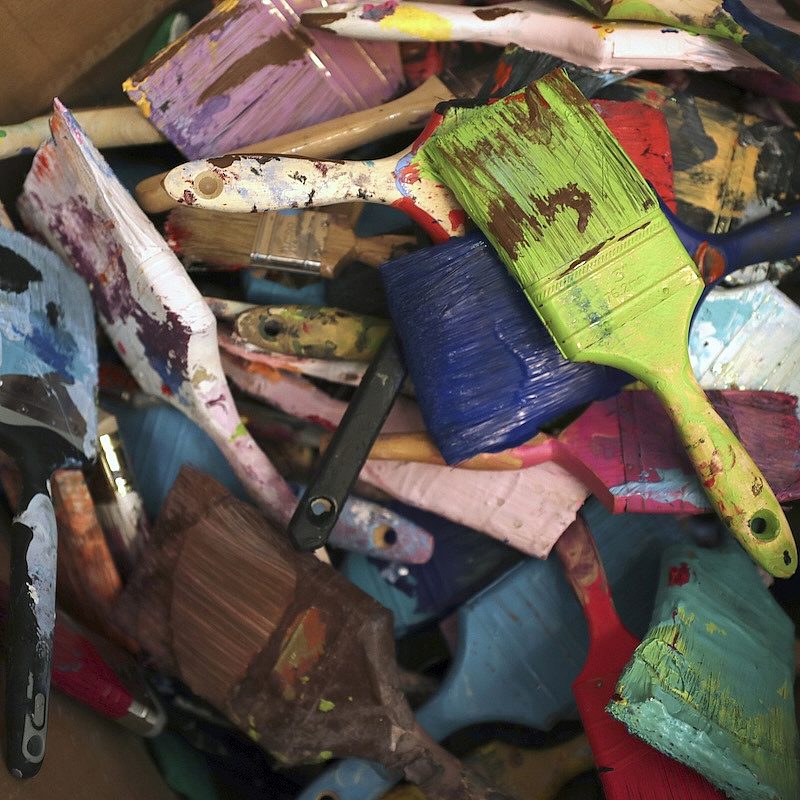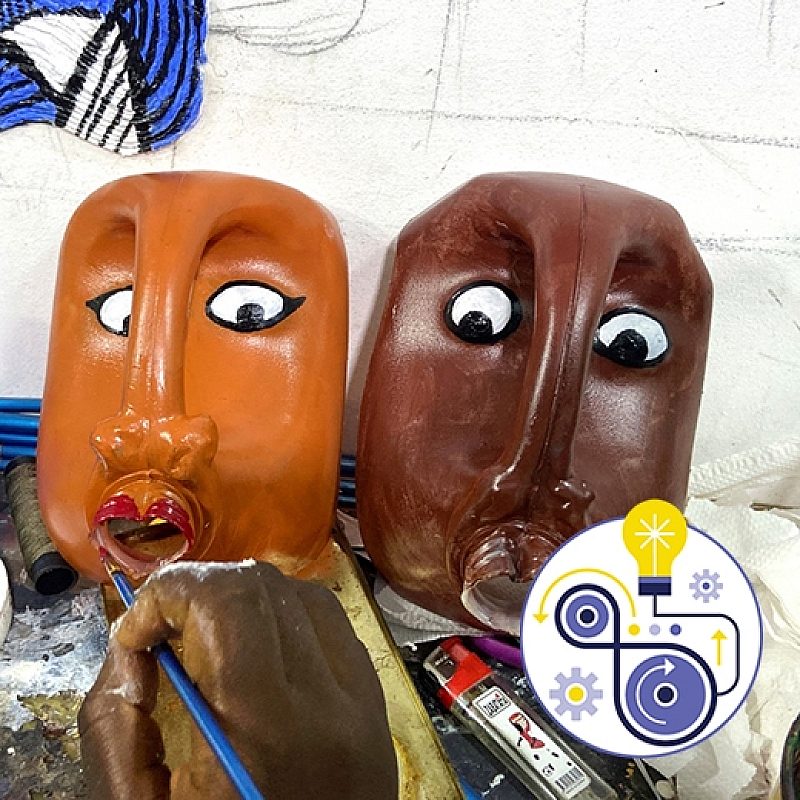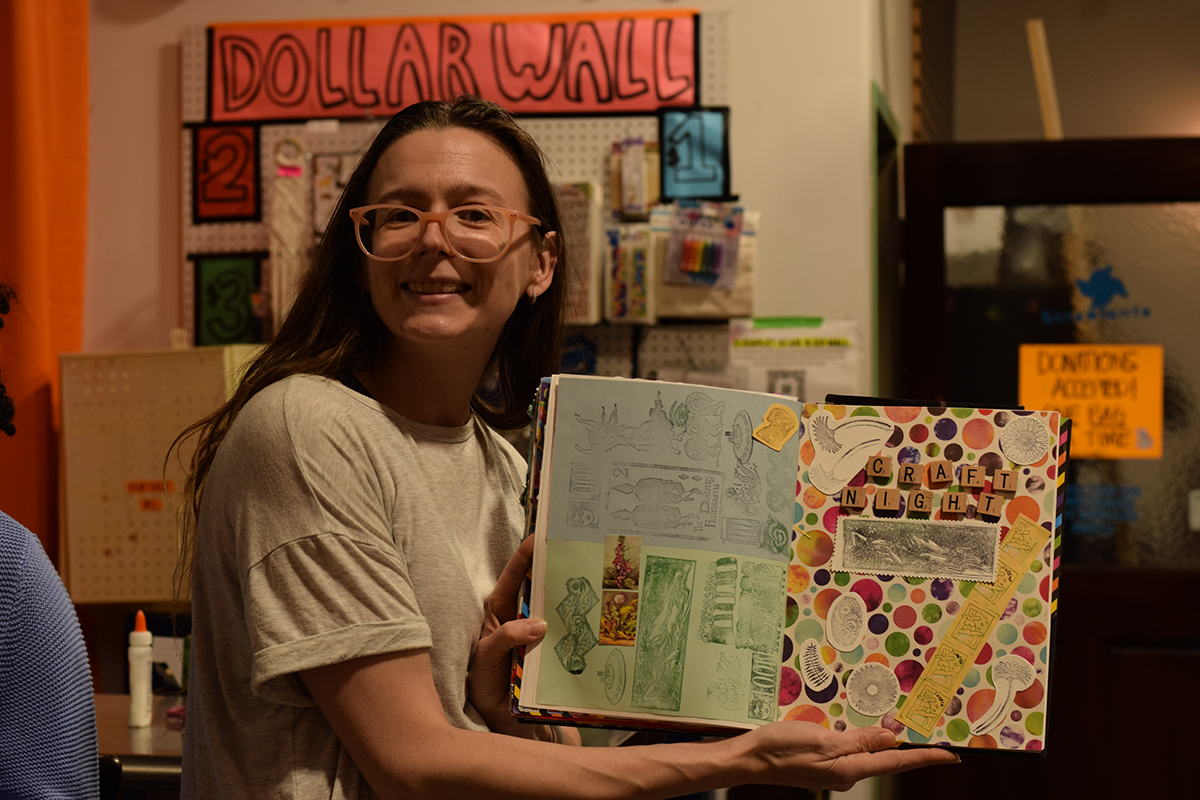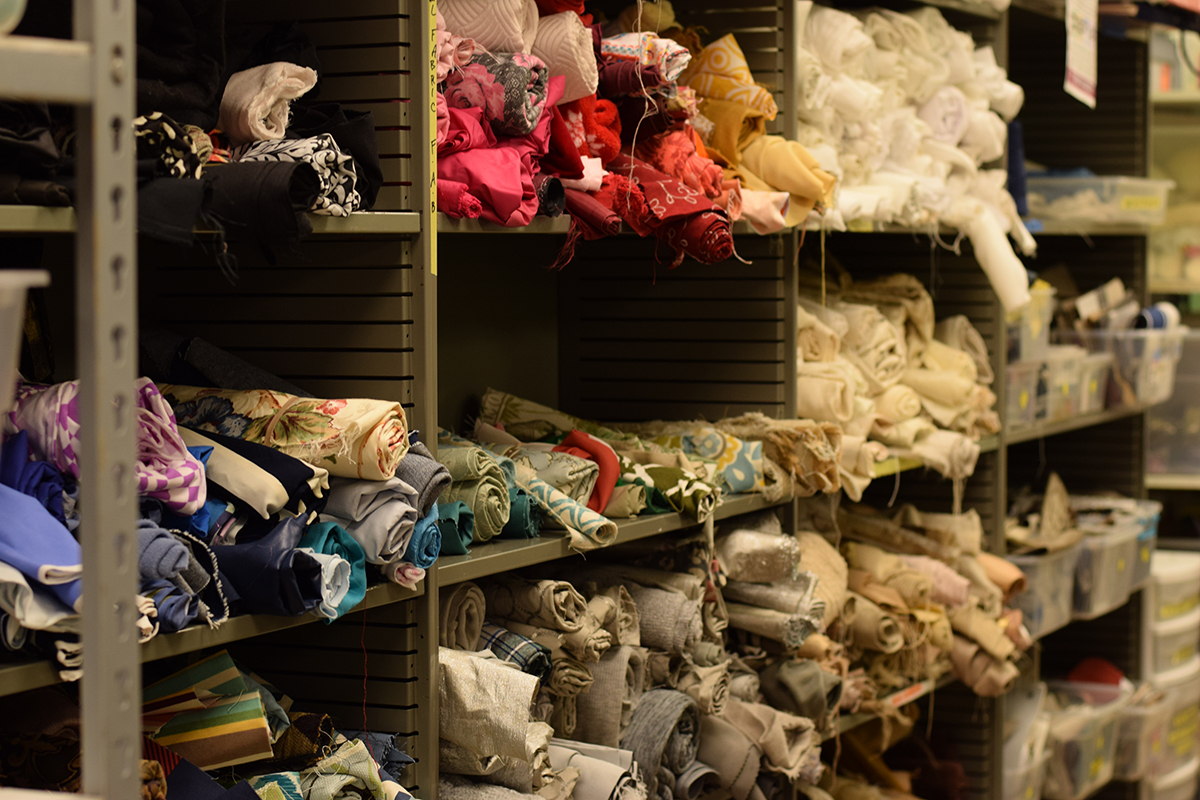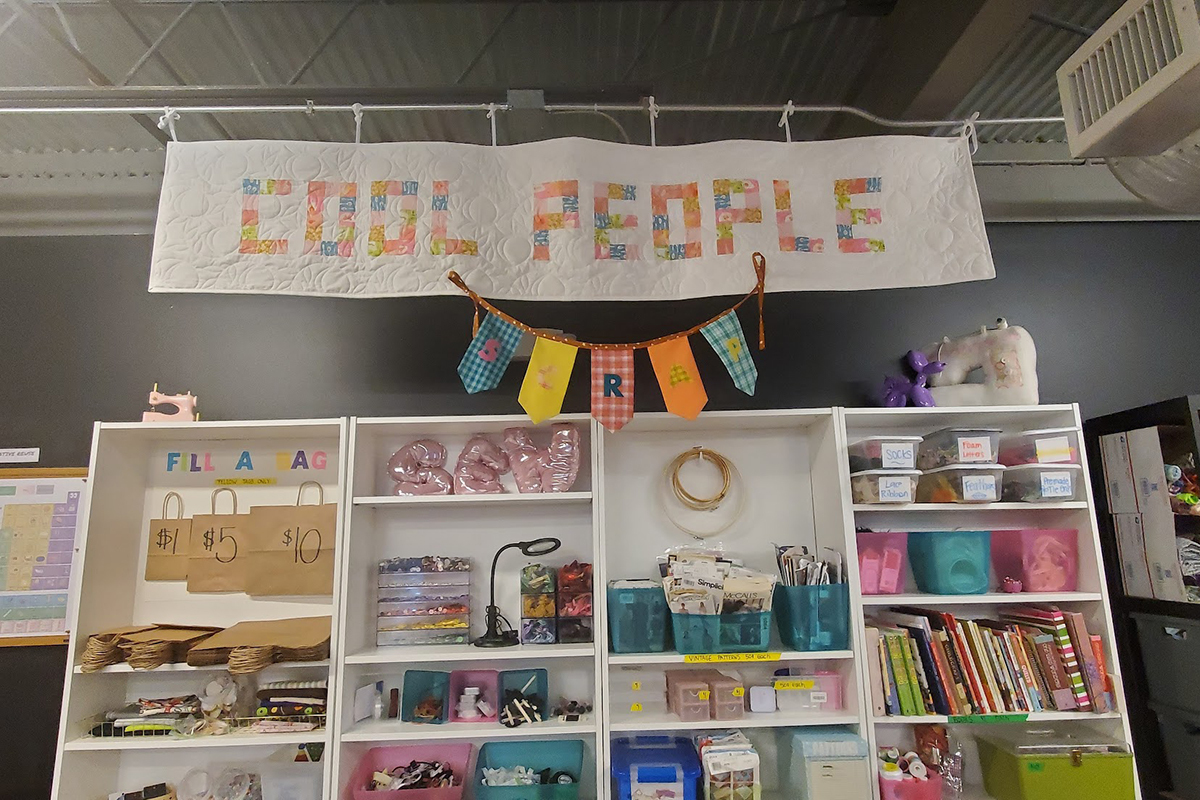
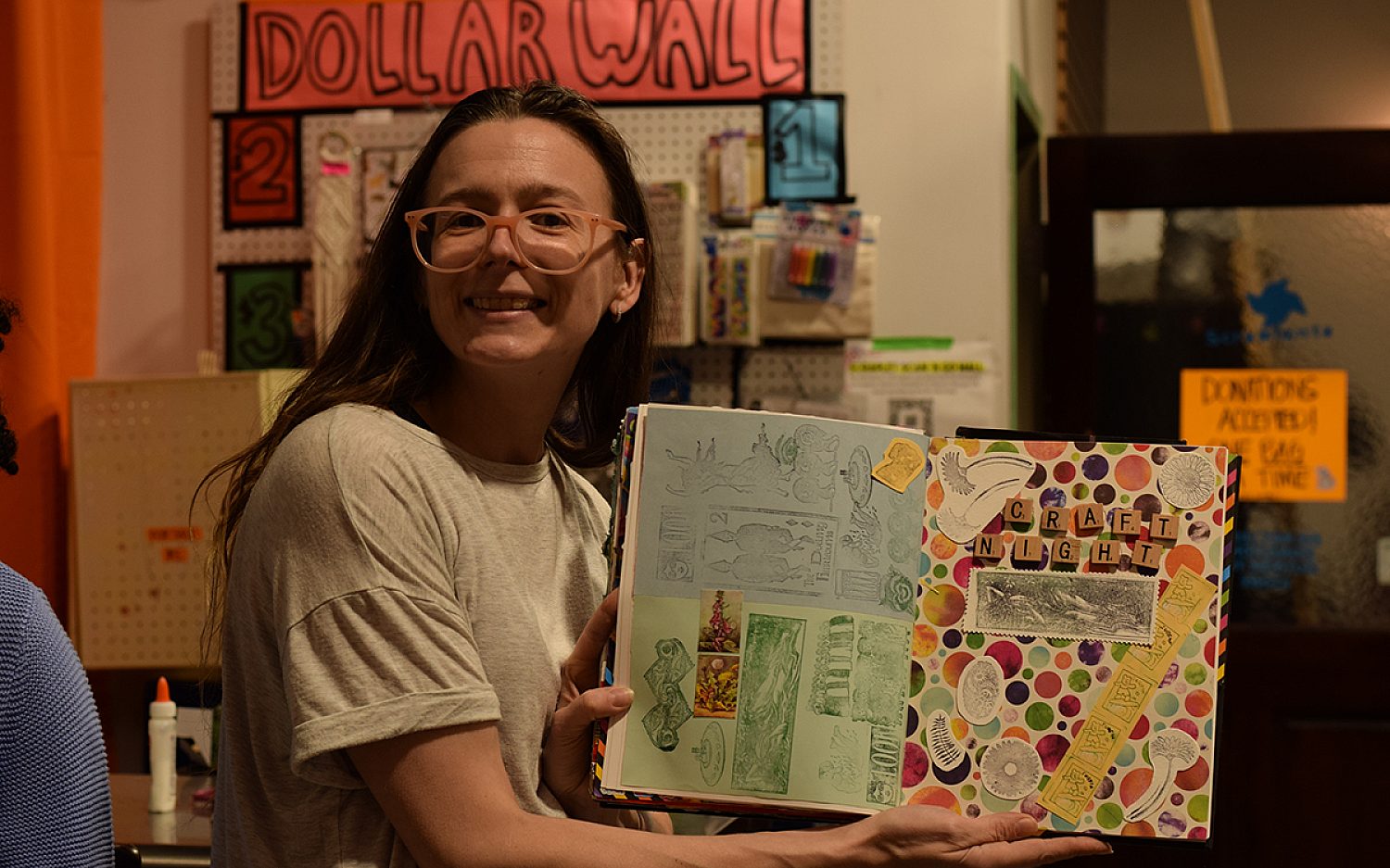
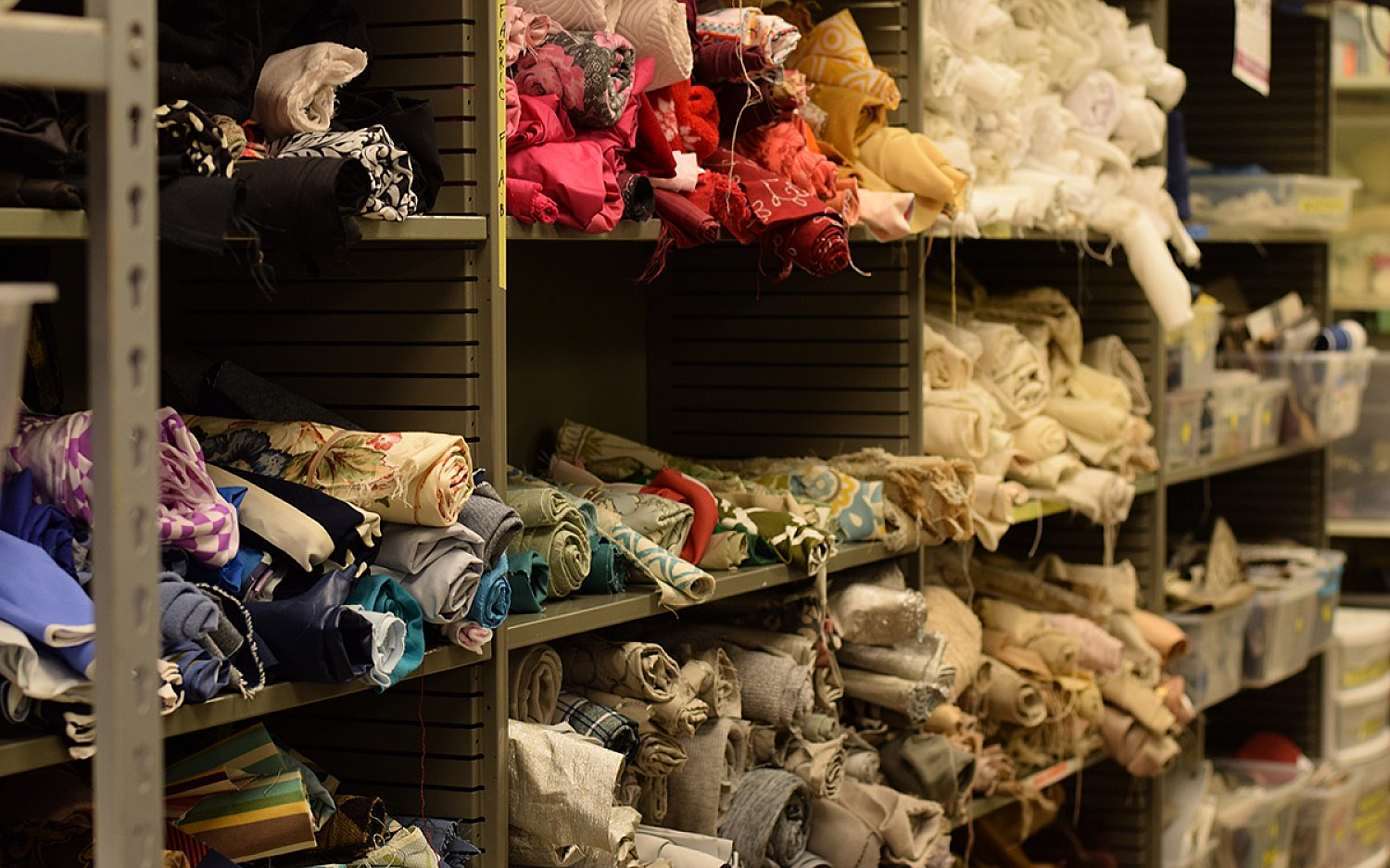
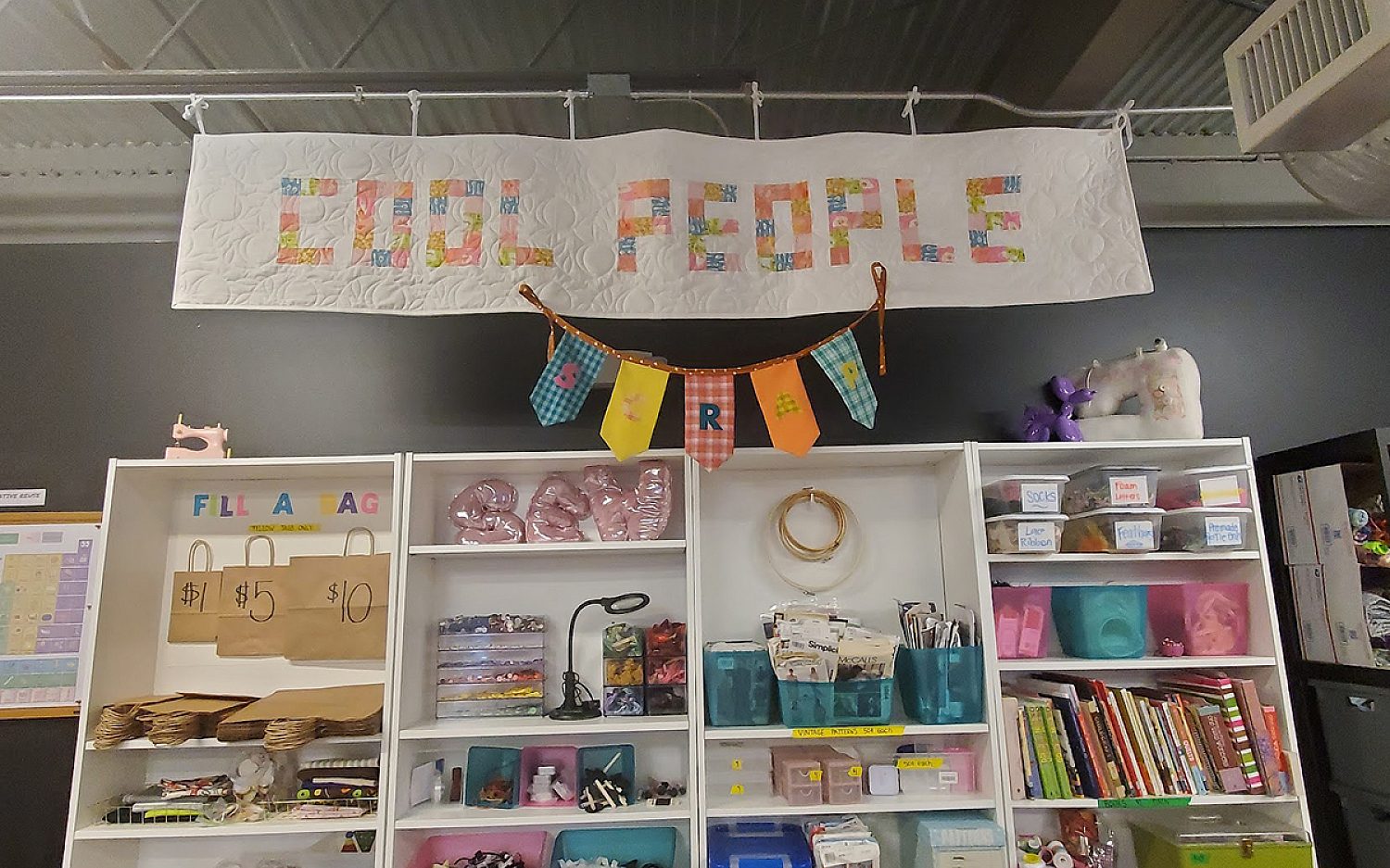

Let’s head over to Scraplanta Creative Reuse in Atlanta, Georgia. Here, folks compile art supplies. A lot of art supplies—nearly 7,000 pounds each month. Then they sell them. To whom? Just about everyone. Teachers. Parents. Teenagers. College professors.
“We see the value in that half bottle of paint or glue because if it’s still usable, there’s someone who just needs that for their project,” says Jonelle Dawkins. She is the executive director of Scraplanta.
The bits and pieces get used. They also stay out of the garbage! And that’s important when so many plastics are landing in landfills already.
“Basically, our paint is plastic,” says environmental scientist Zoie Diana.
Did You Know?
- It takes energy and water to make, pack, and ship art supplies. It takes about 13 gallons of water to make just one gallon of paint.
- Supplies come wrapped in a lot of packaging. Plastic. Cardboard. Paper. Extra packaging gets added to products that need to be protected from light. (Such as paint.)
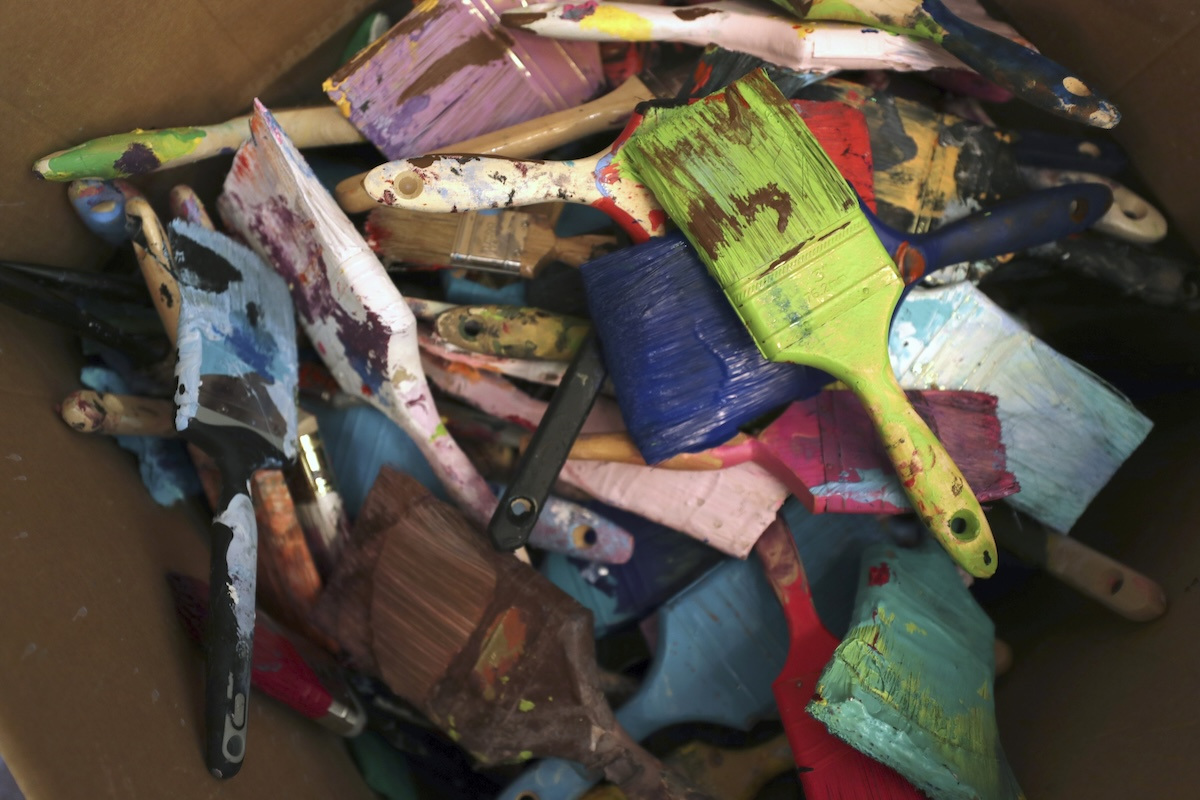
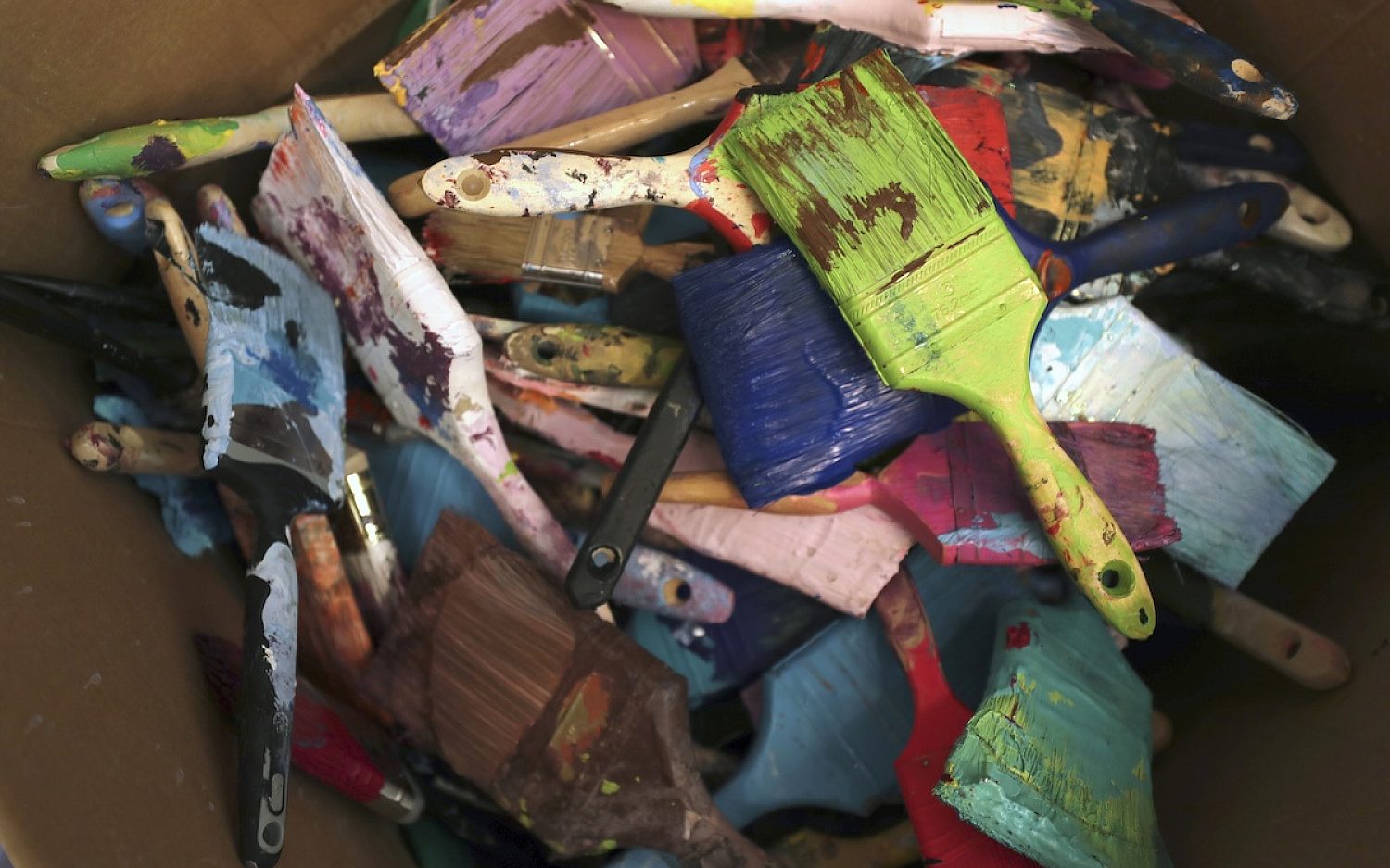
- In landfills, synthetic (man-made) bristles on paintbrushes can take hundreds of years to break down. Their plastic handles take up to a thousand years. When paints break down, they can release microplastics and heavy metals like cadmium and cobalt into soil.
- Paint used for artmaking does cause pollution. But it’s far less pollution than the paint that flakes off roads, buildings, and boats.
How To Clean a Brush
Wipe used brushes. Peel off old paint instead of washing it down the drain. This step keeps microplastics in paint from being pumped to wastewater treatment facilities. (From these facilities, they can leak into lakes and rivers.)
How To Recycle Paint
Don’t want to flush plastic down the drain? You can look for a drop-off program that recycles paint.