

What was the ancient Egyptian paper called? Papyrus.
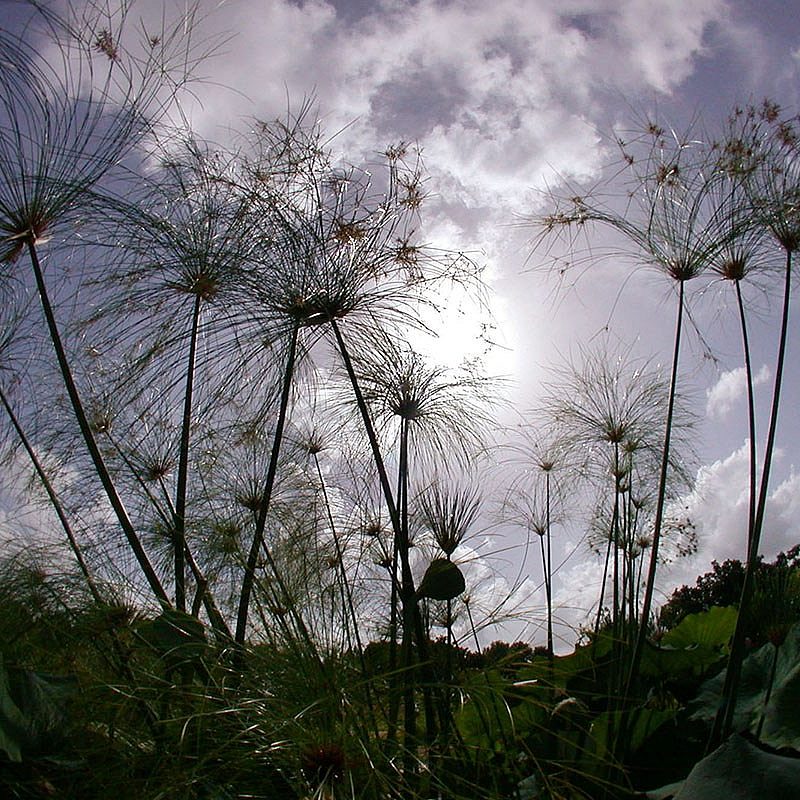
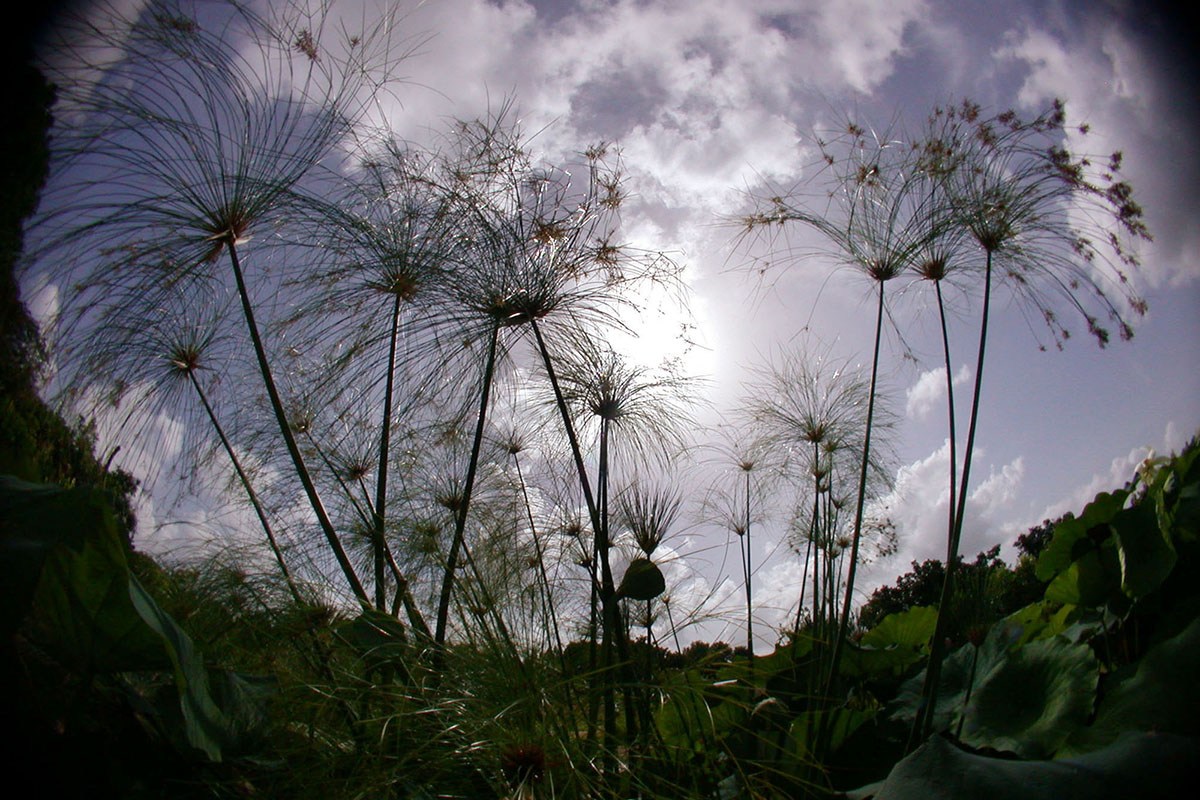
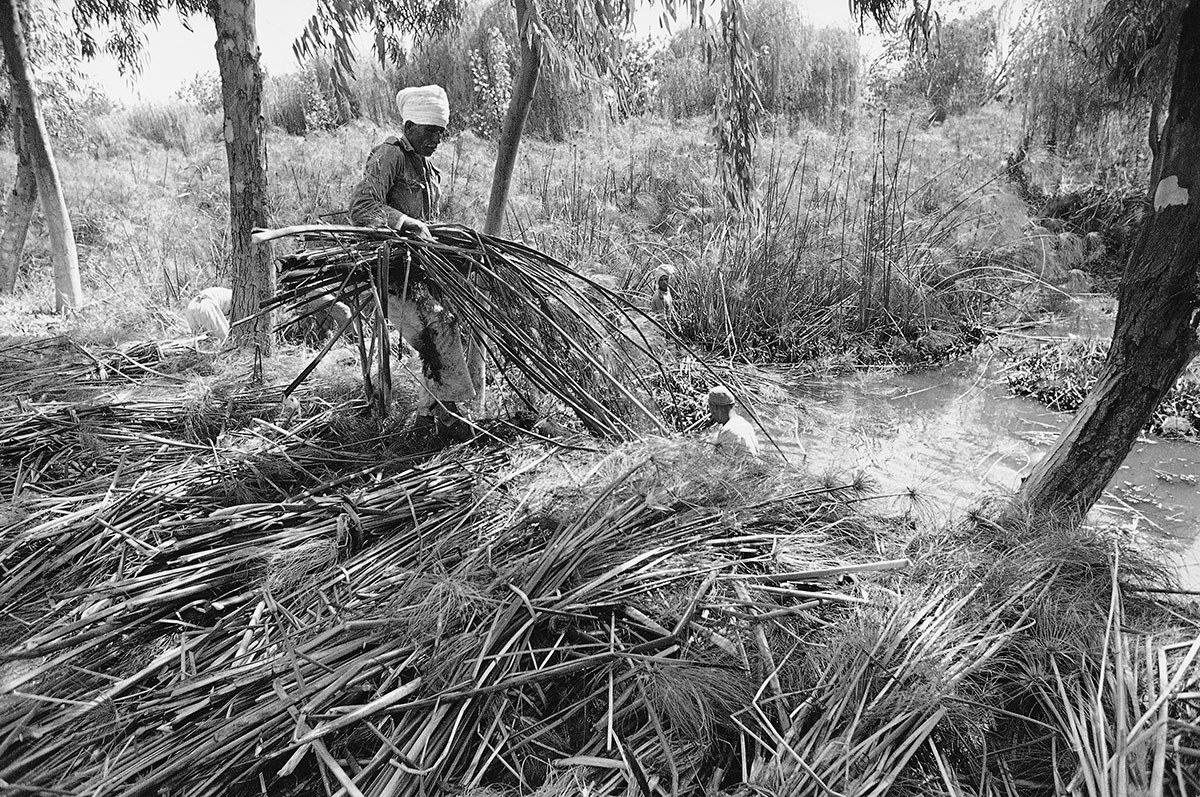
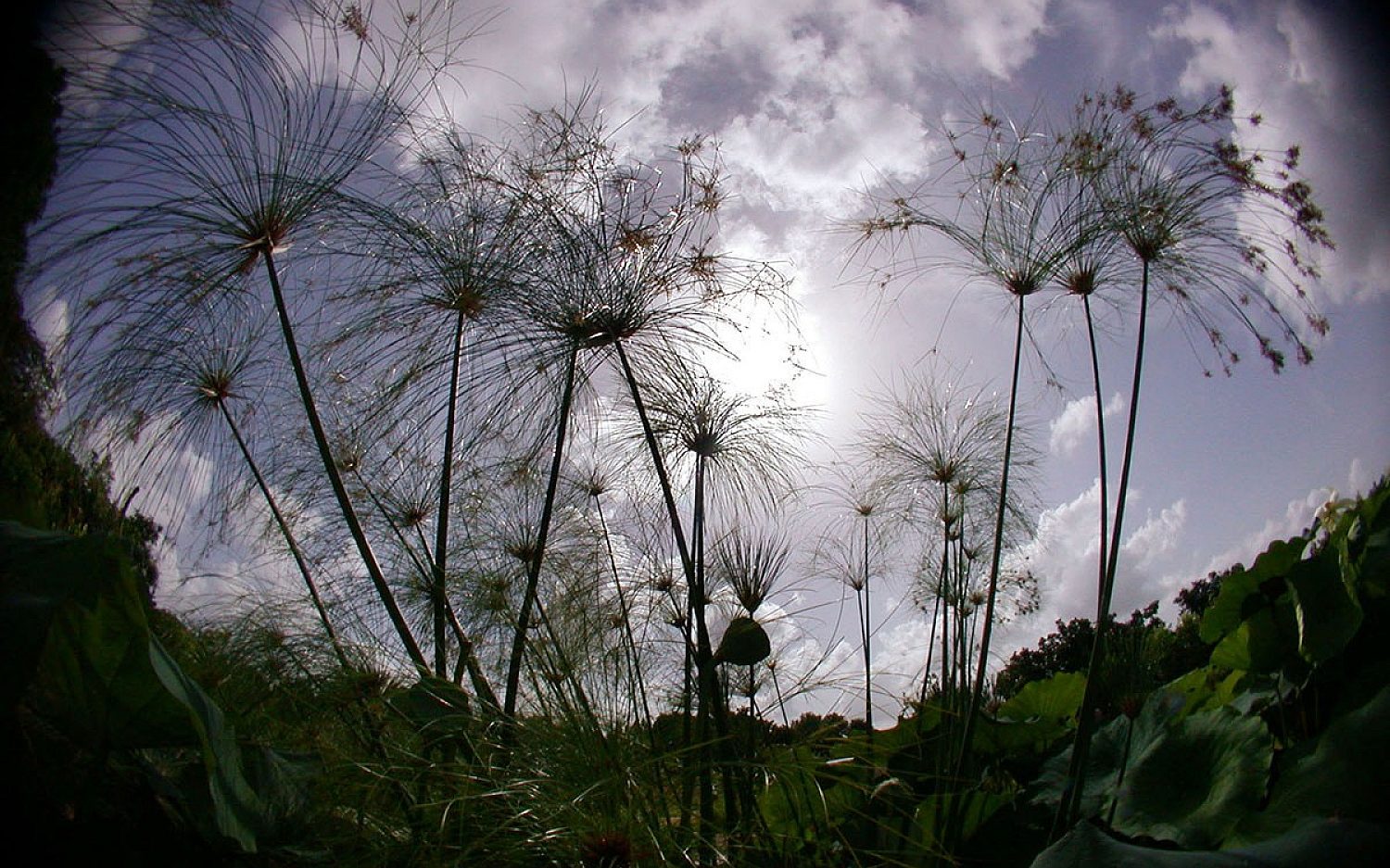
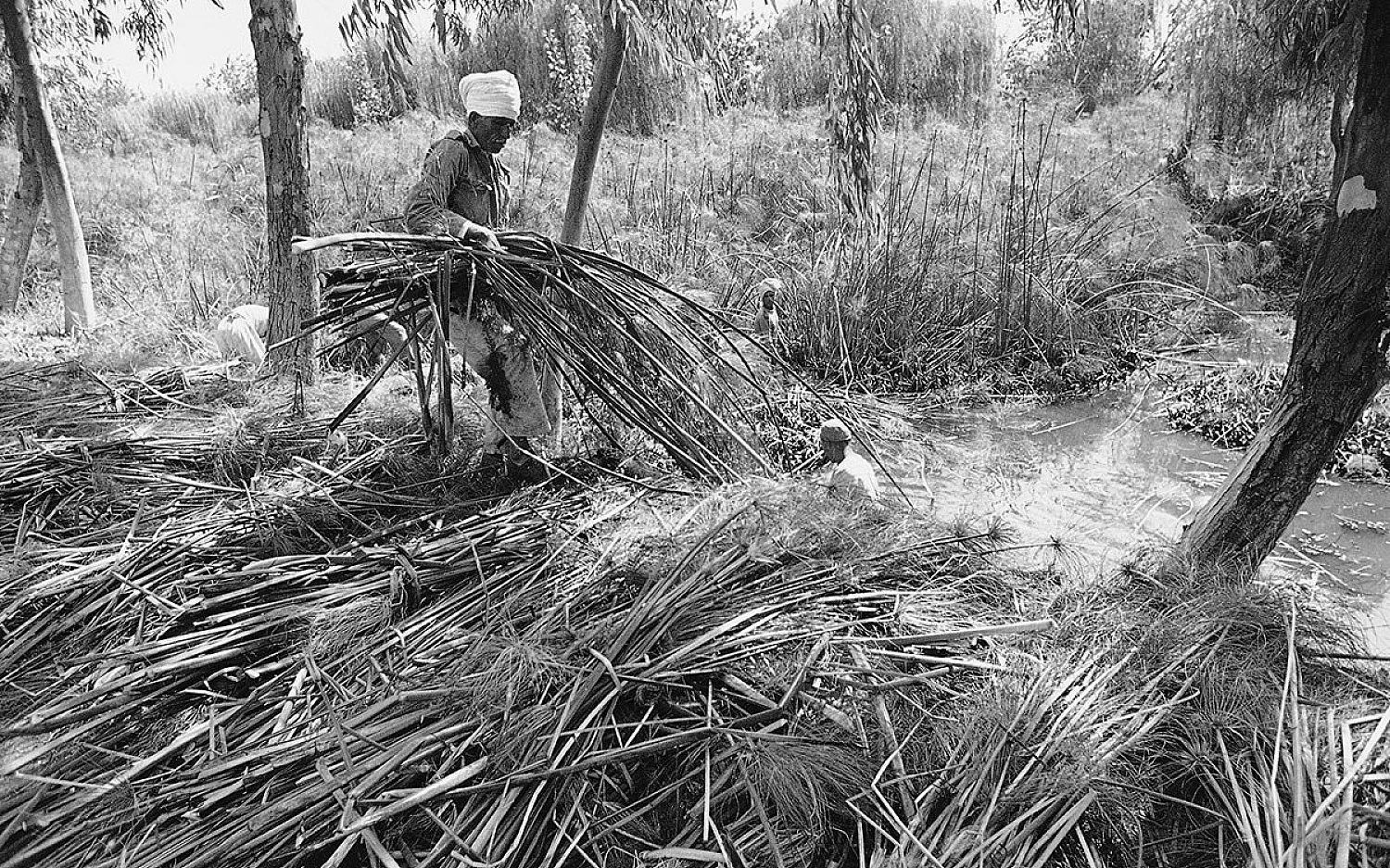
And what plant did it come from? Well, the plant is also called papyrus. (Egyptians also used the plant to make rope, baskets, and sandals.)
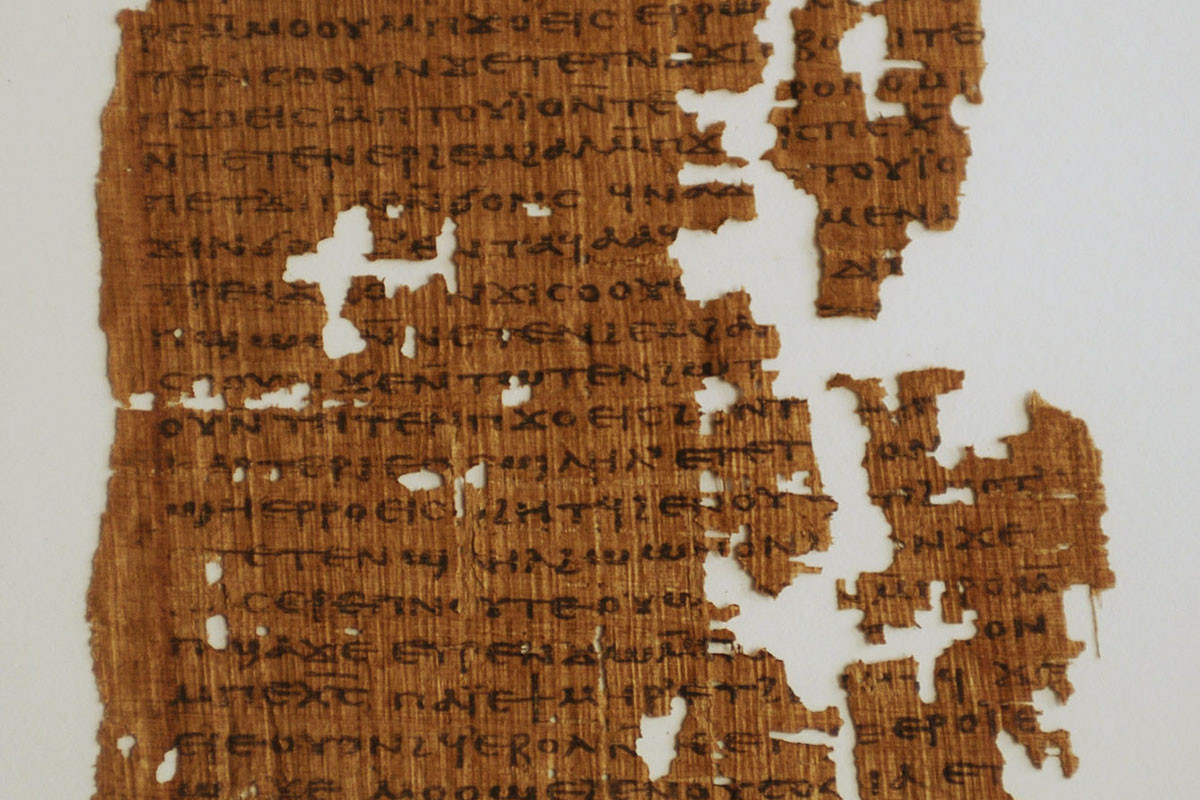
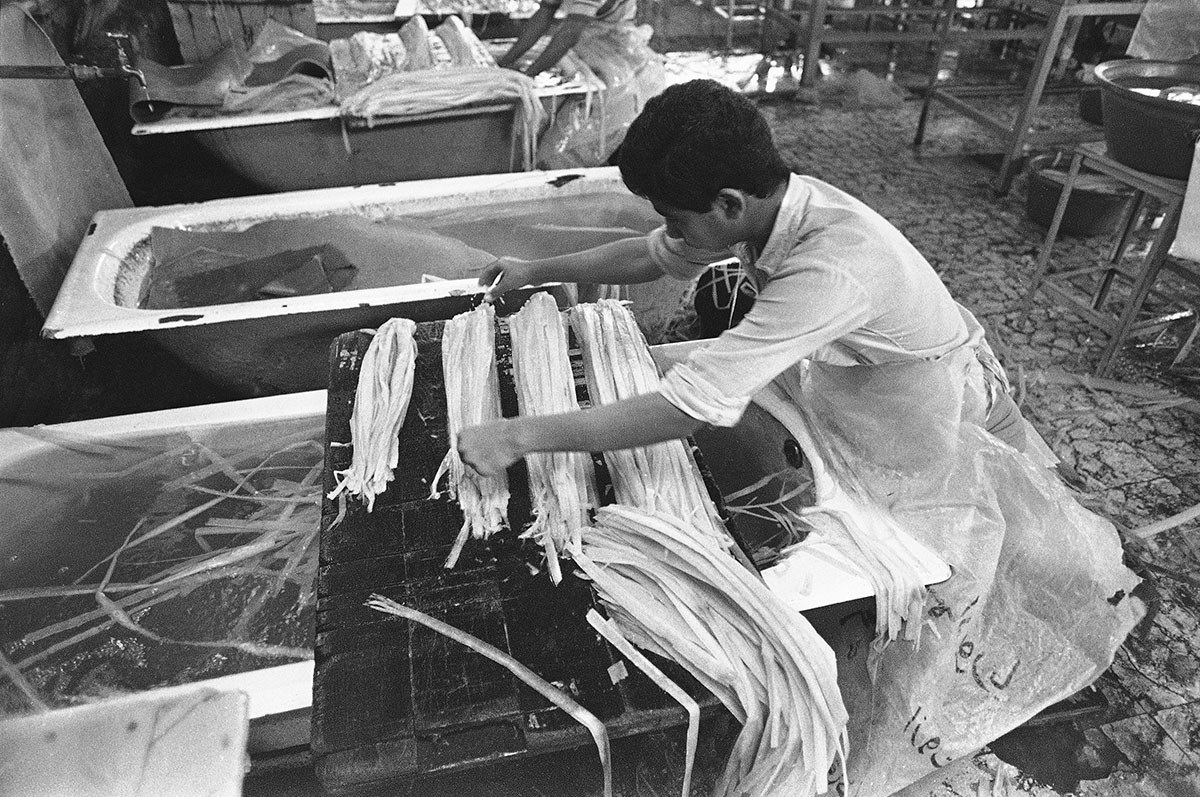
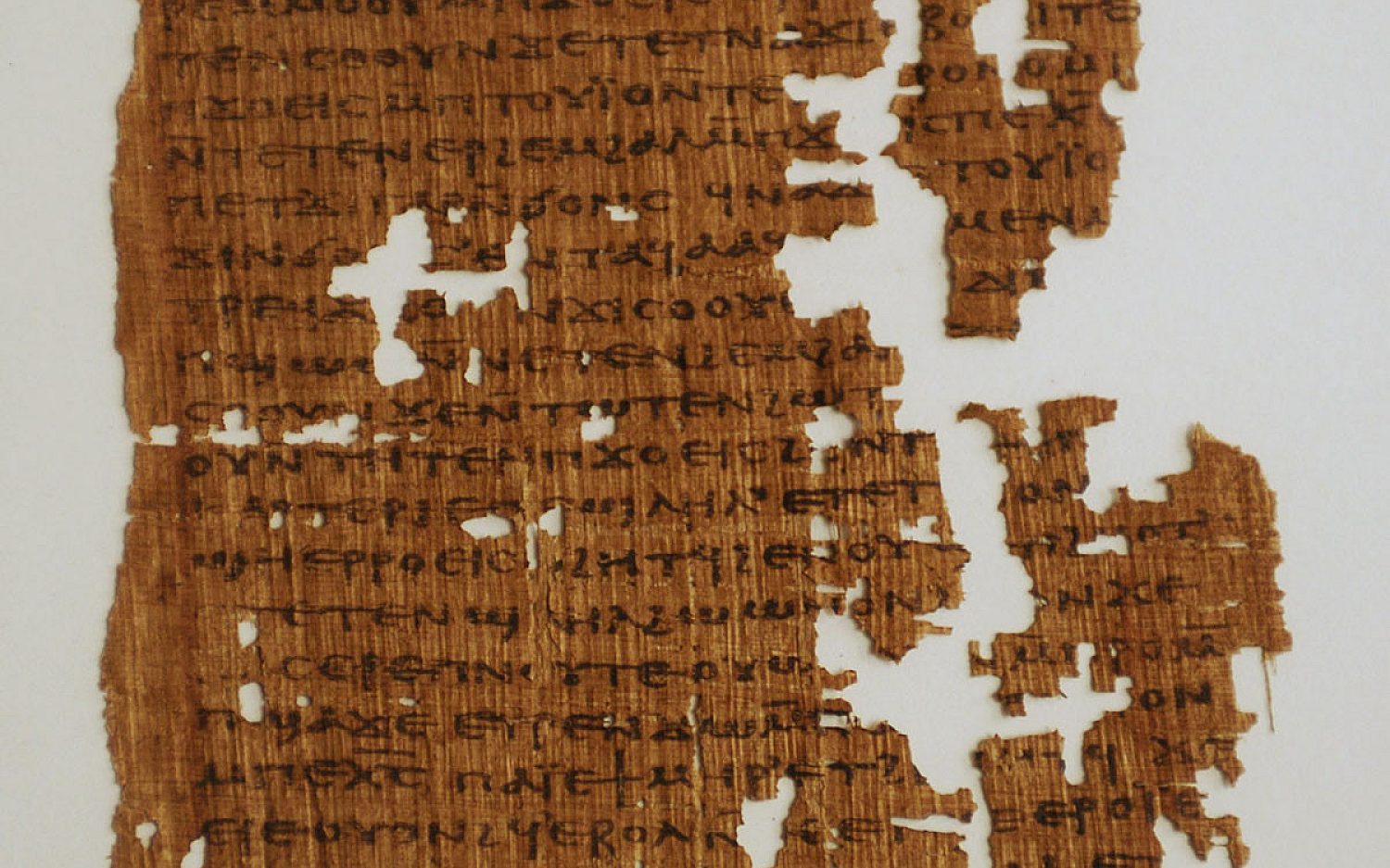
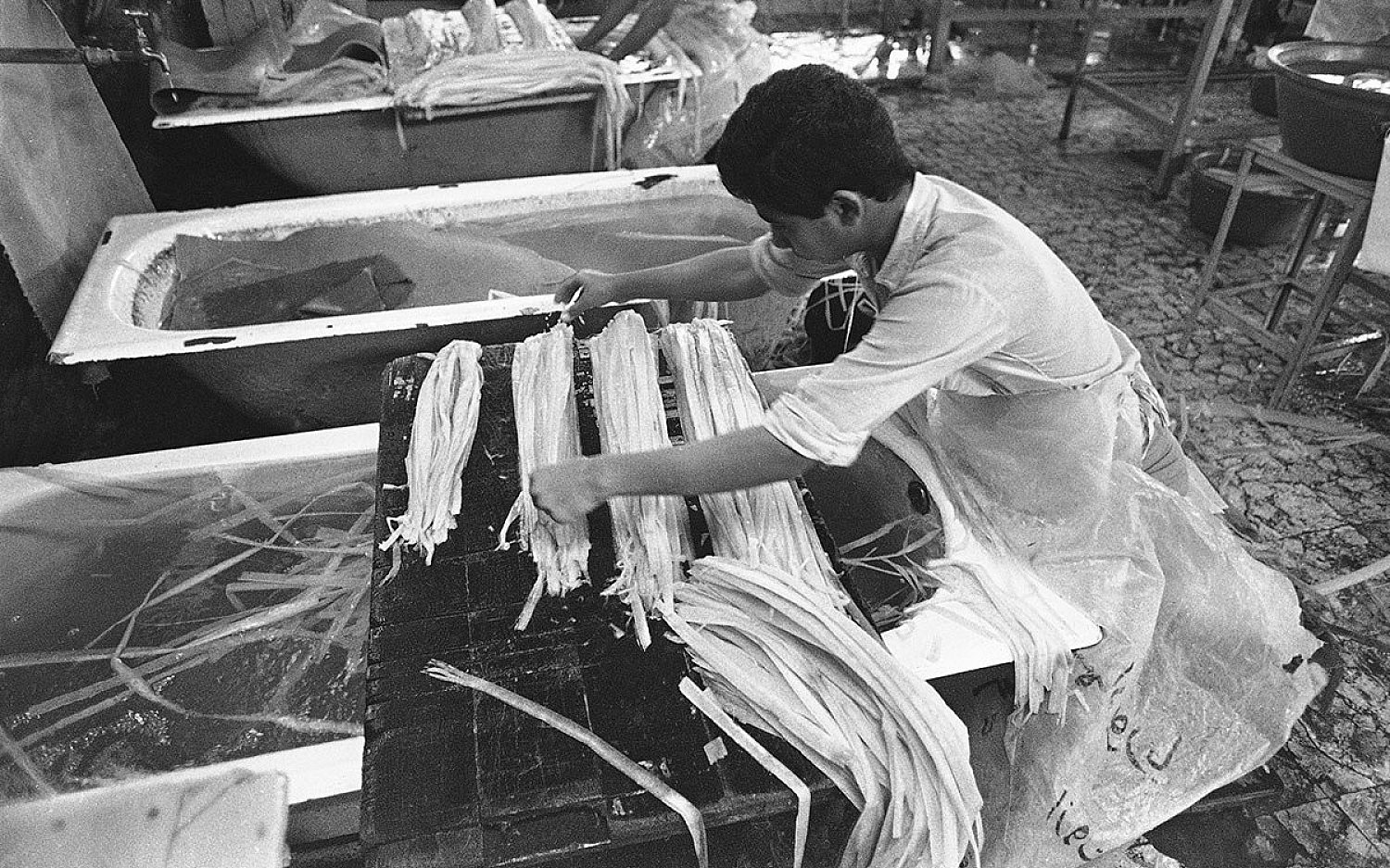
Ancient people wrote on papyrus for about 4,000 years. The papyrus material comes from inside the plant’s green stalk. The white, pithy interior gives the finished paper a crisscross pattern.
Egyptians wrote a lot down. But guess what they didn’t write down? Exactly how they made papyrus! Maybe one of the new papyrus sleuths will solve that mystery.
What Could Go Wrong?
What could go wrong while handling ancient papyrus?
Plenty.
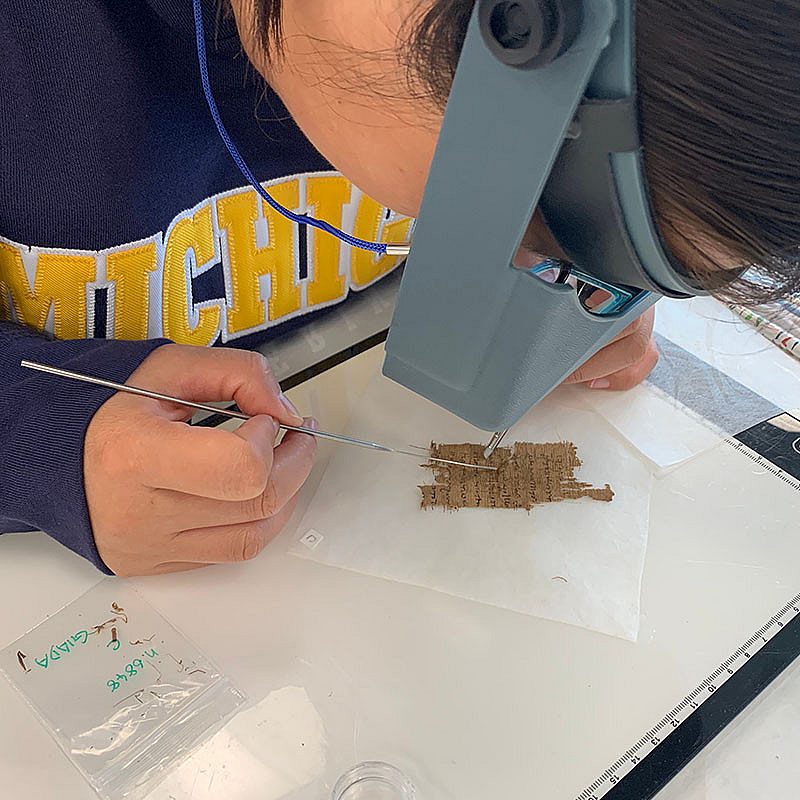
Papyrus can break and crumble. Its ink can smear. So students learn to remove dirt, sand, salt, and debris with great care. They use moisture to soften folds in the material. This may help prevent tearing. They dry the papyrus slowly under light weight. This keeps the pages from curling.
“If we don’t train the next generations of conservators, this is a craft that is going to be lost,” says Giuliano Sidro. He is the curator of Michigan’s Papyrology Collection.
“This is a place where you make discoveries, potentially every day, if you just go into the vault, pick out a box and open something up, and you start reading,” he says.
Of course, a papyrus won’t mean much to you if you don’t know how to read the language it’s written in. Can you decipher Arabic? Ancient Greek? Latin? Or how about one of the earliest known written languages—hieroglyphics? Some of the papyrus students can.