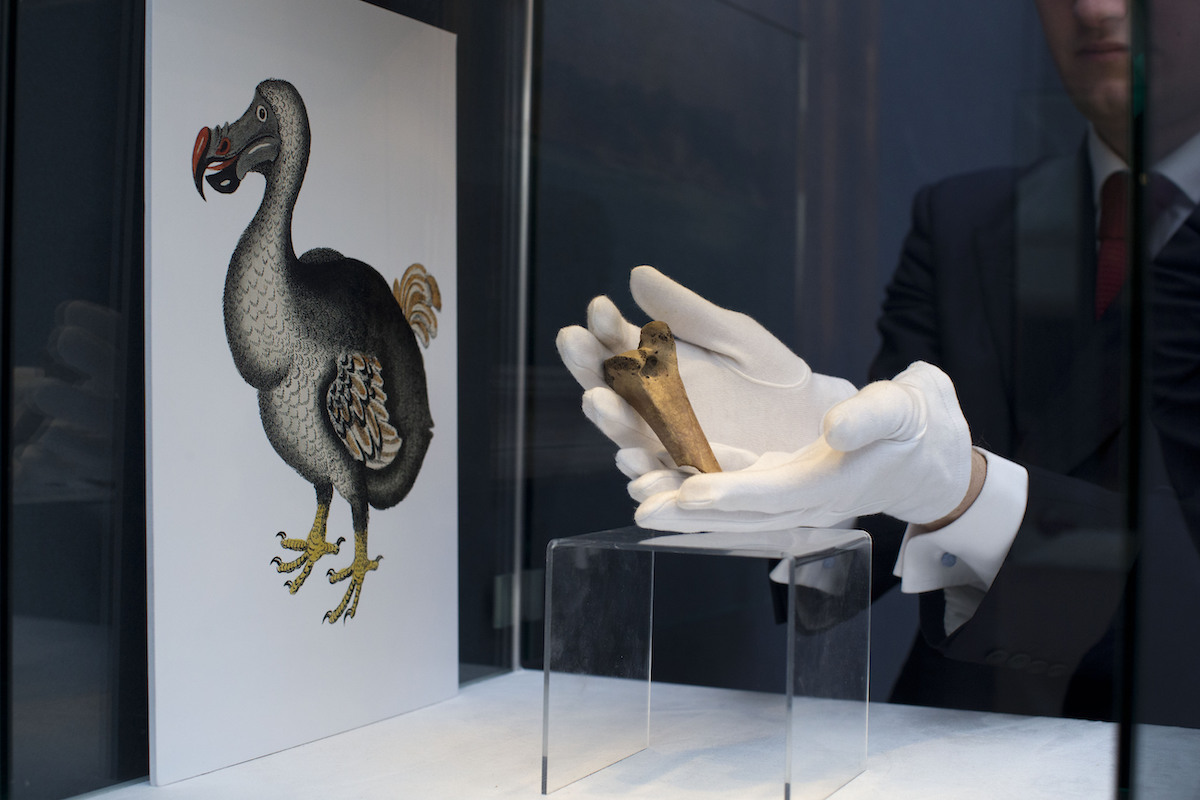
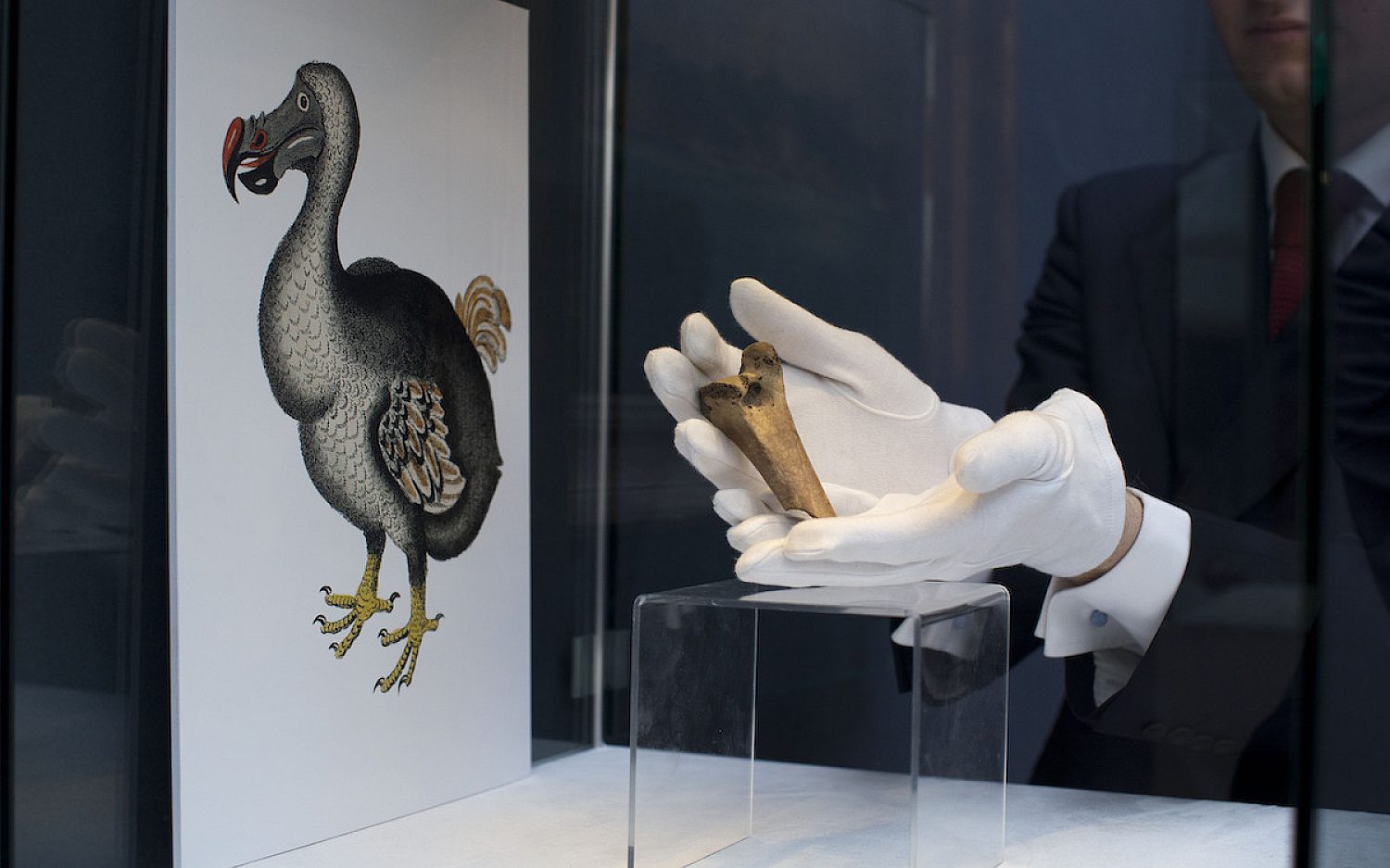
The dodo bird. The woolly mammoth. The saber-toothed cat. What do these creatures have in common? All are extinct.
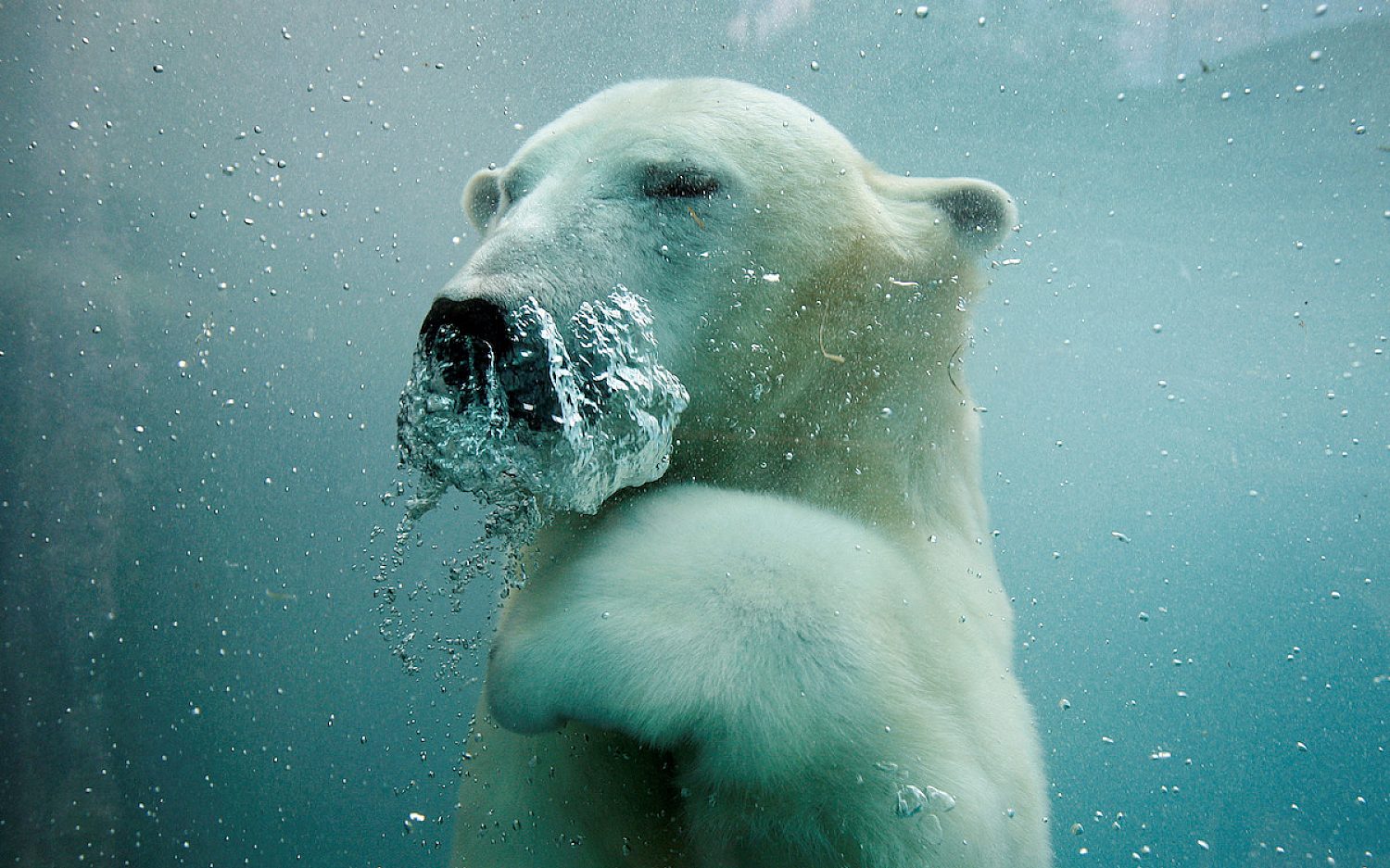
Thousands of species face the threat of a similar end. But a company called Colossal Biosciences has a plan to help.
To protect creatures from the great flood, Noah listened to God. He built a wooden ark. To combat extinction, Colossal plans a different sort of “ark.” Noah’s ark held two of each animal. Colossal’s ark will hold genes from many animals.
“We’re not loading two of every animal onto a boat,” says Colossal CEO Ben Lamm. “We’re preserving the . . . building blocks that define what an entire population is.”
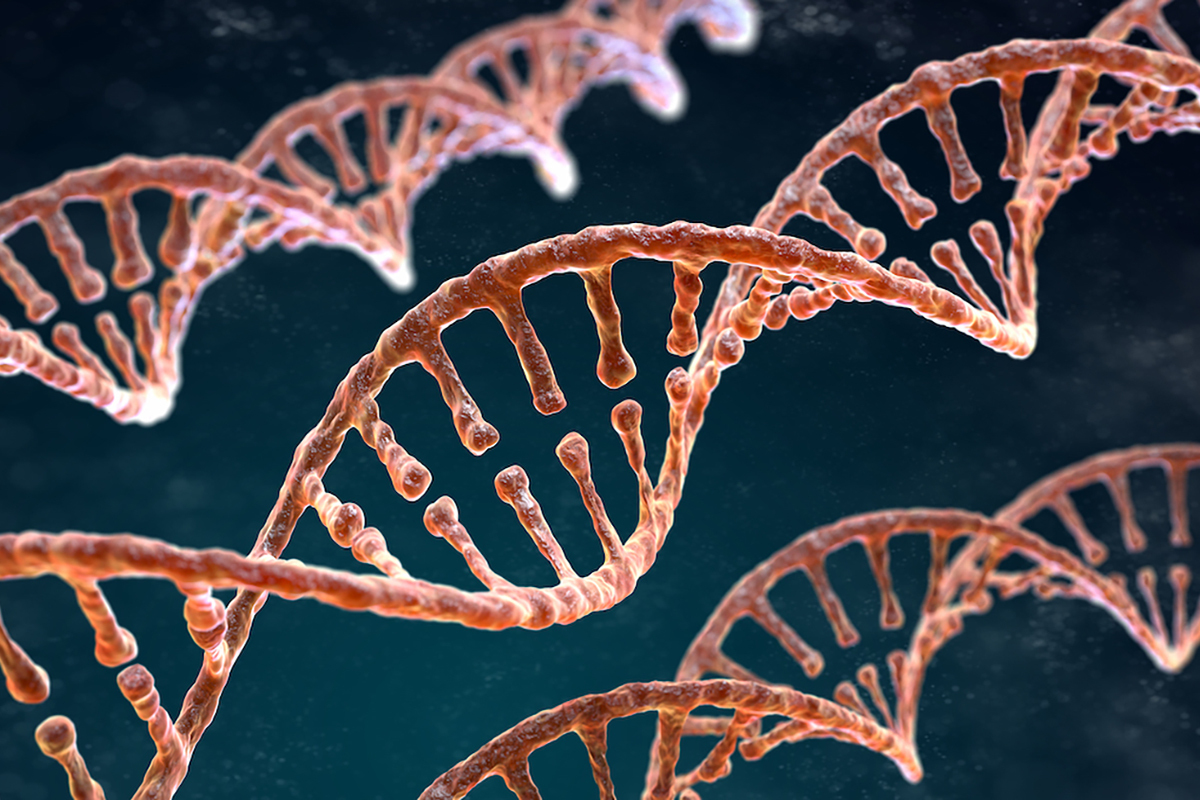
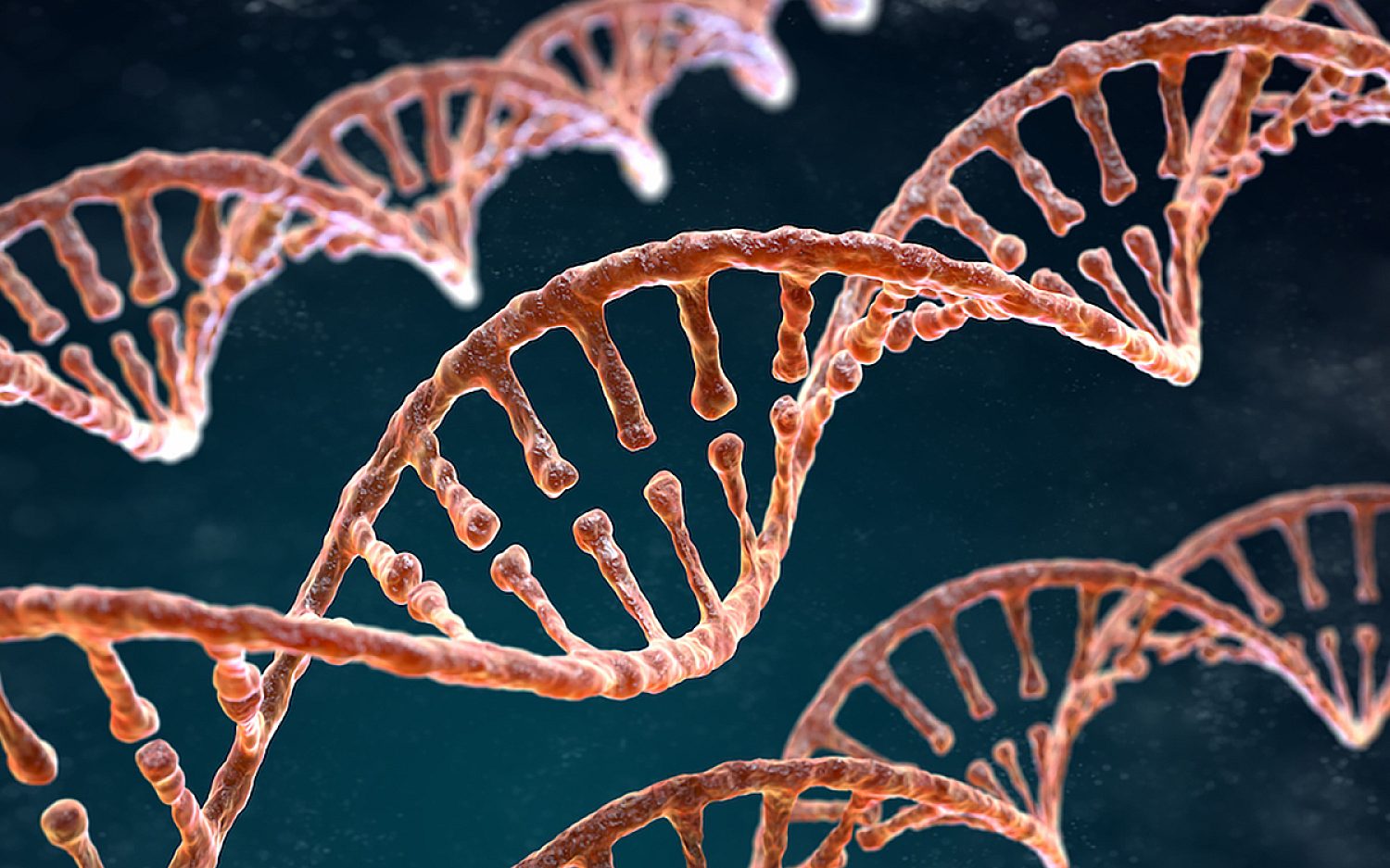
Nearly every cell of a living body contains a chain of material called DNA. Bits of DNA called genes work as “blueprints” (or plans) for the body. Every creature has unique genes. Scientists can learn about whole animals from the DNA in tiny cells.
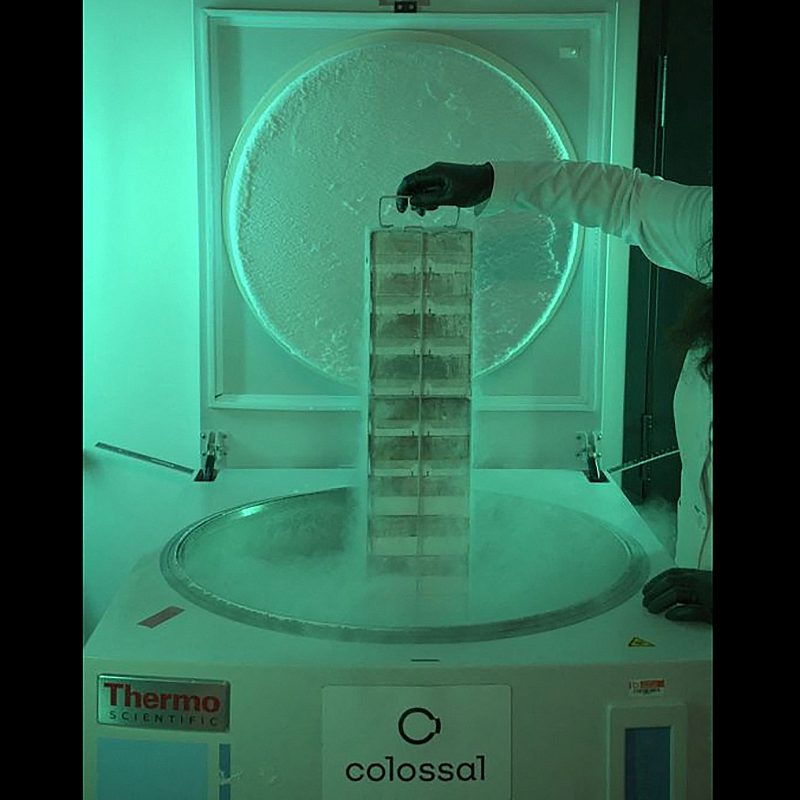
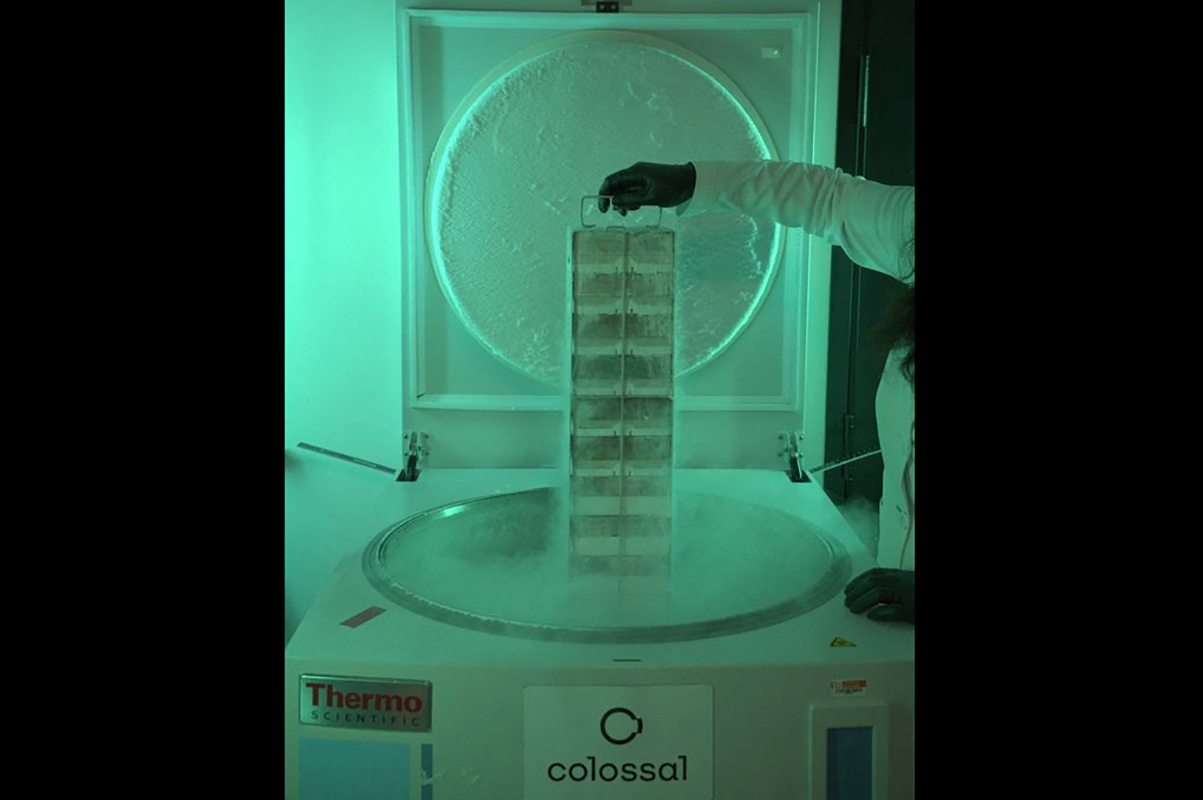
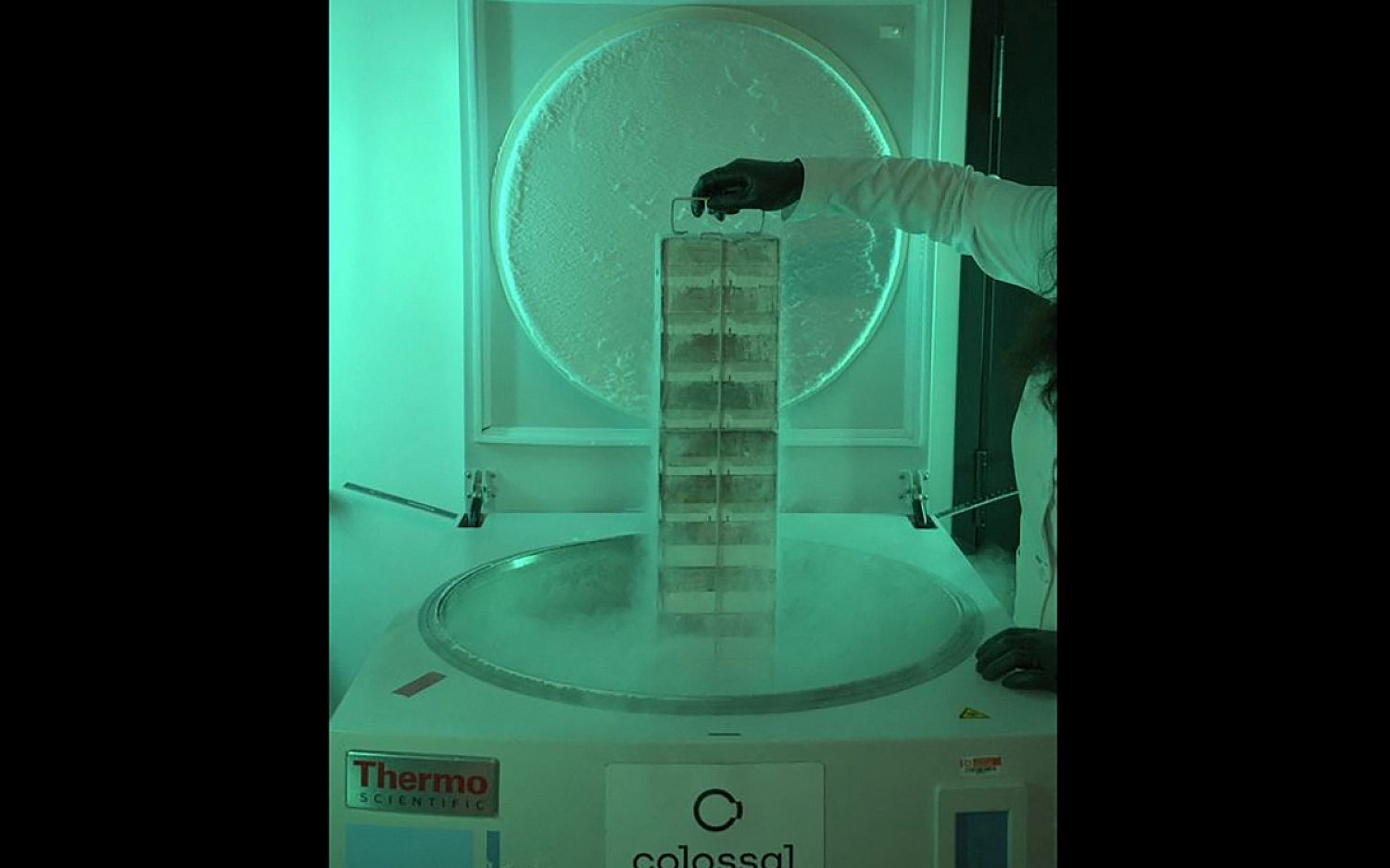
Colossal calls its ark a “BioVault.” It won’t need animal enclosures. It won’t even need to float. It will hold an archive of living cells. The cells will stay frozen in liquid nitrogen. (At room temperature, nitrogen is a gas. It makes up most of the air we breathe. To turn into liquid, it must get super cold—about -320 degrees Fahrenheit!)
The BioVault will hold samples from about 2,300 types of animals and plants. These samples could help future studies. They could even help scientists restore species before they vanish forever. Some officials at Colossal even believe in restoring species after they vanish. They call this idea “de-extinction.” But not everyone agrees true “de-extinction” is possible.
The U.S. Fish and Wildlife Service supports the BioVault project. The agency will help make it possible for researchers to collect the cell and DNA samples.
God protects and cares for His creatures. But we live in a fallen world. Even animals and plants die and decay. God calls us to help care for creation. Will the BioVault help?
Why? Science is a powerful tool. Used poorly, it can harm creation. Used wisely, it can help humans steward creation well.