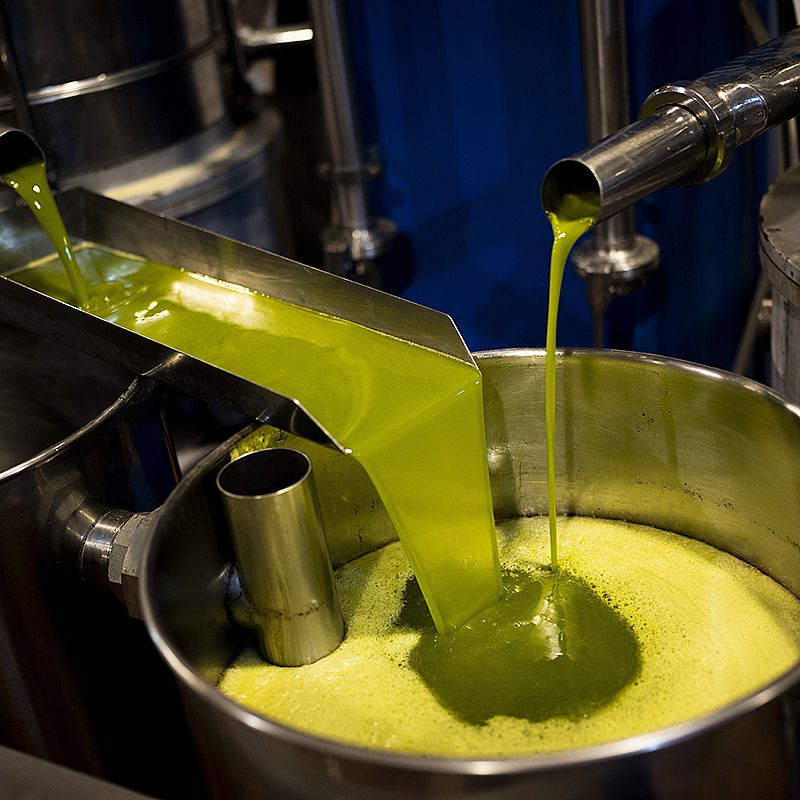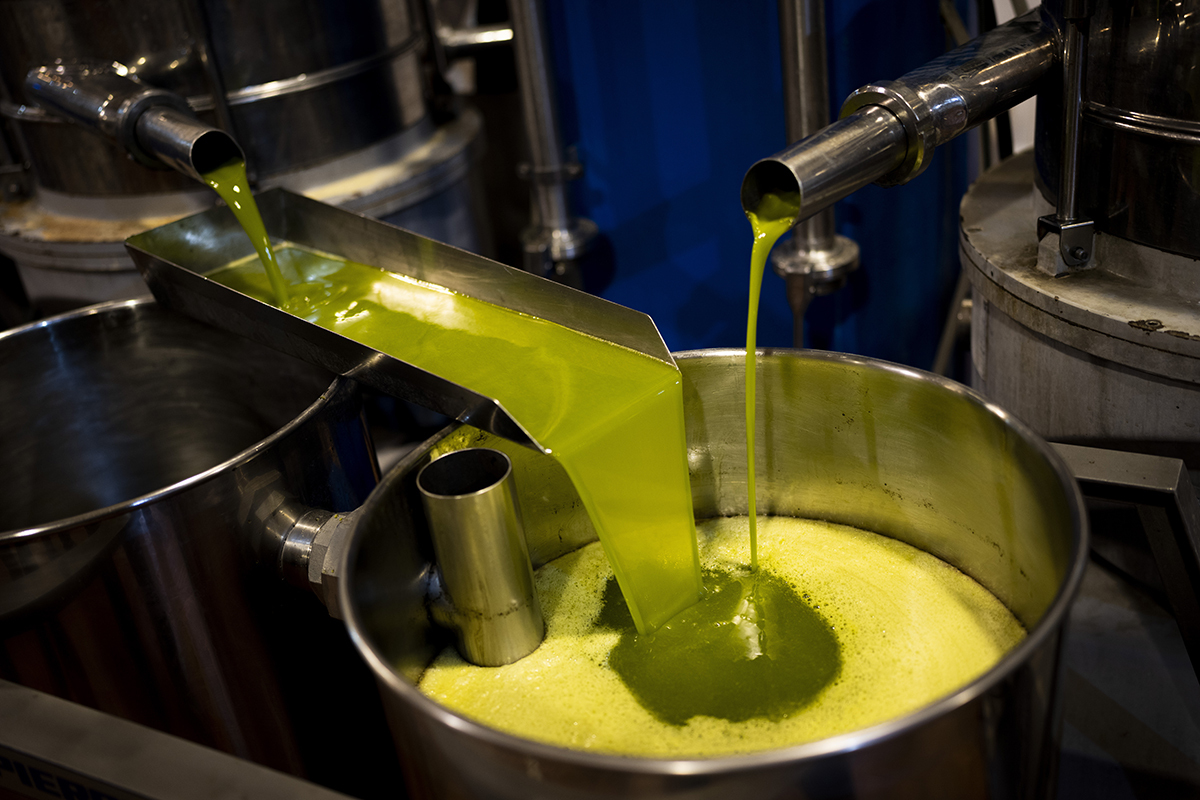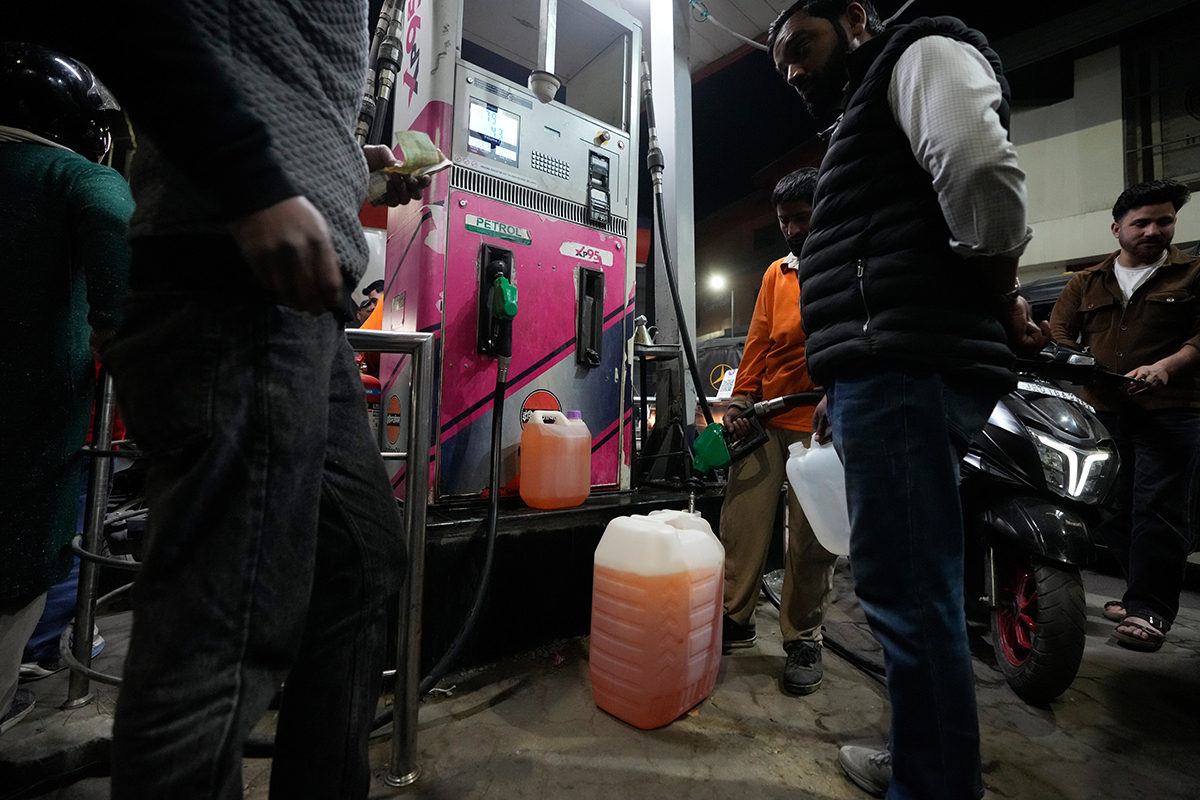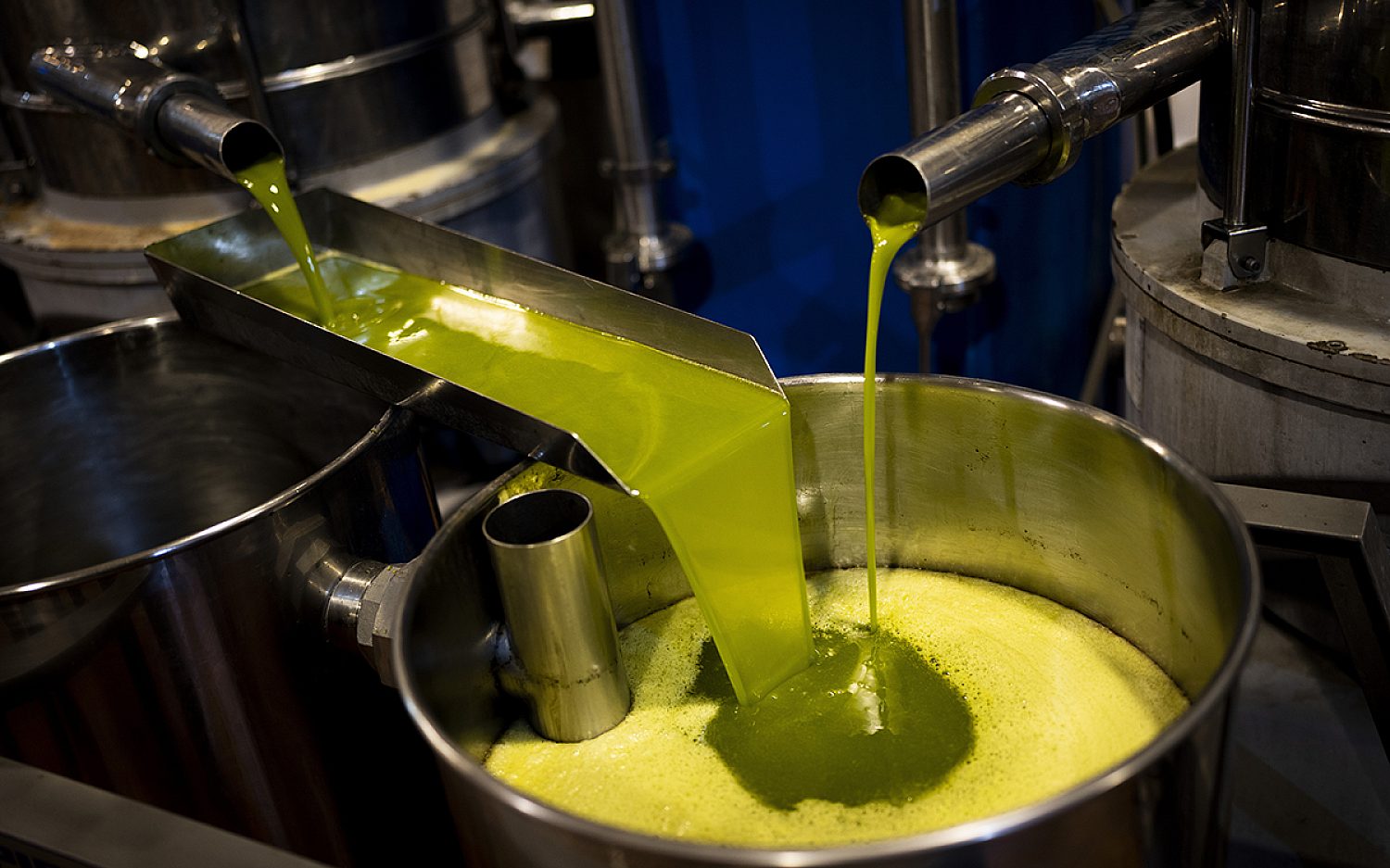


Oil made from food ingredients—vegetable, coconut, olive, avocado, sesame—is edible.
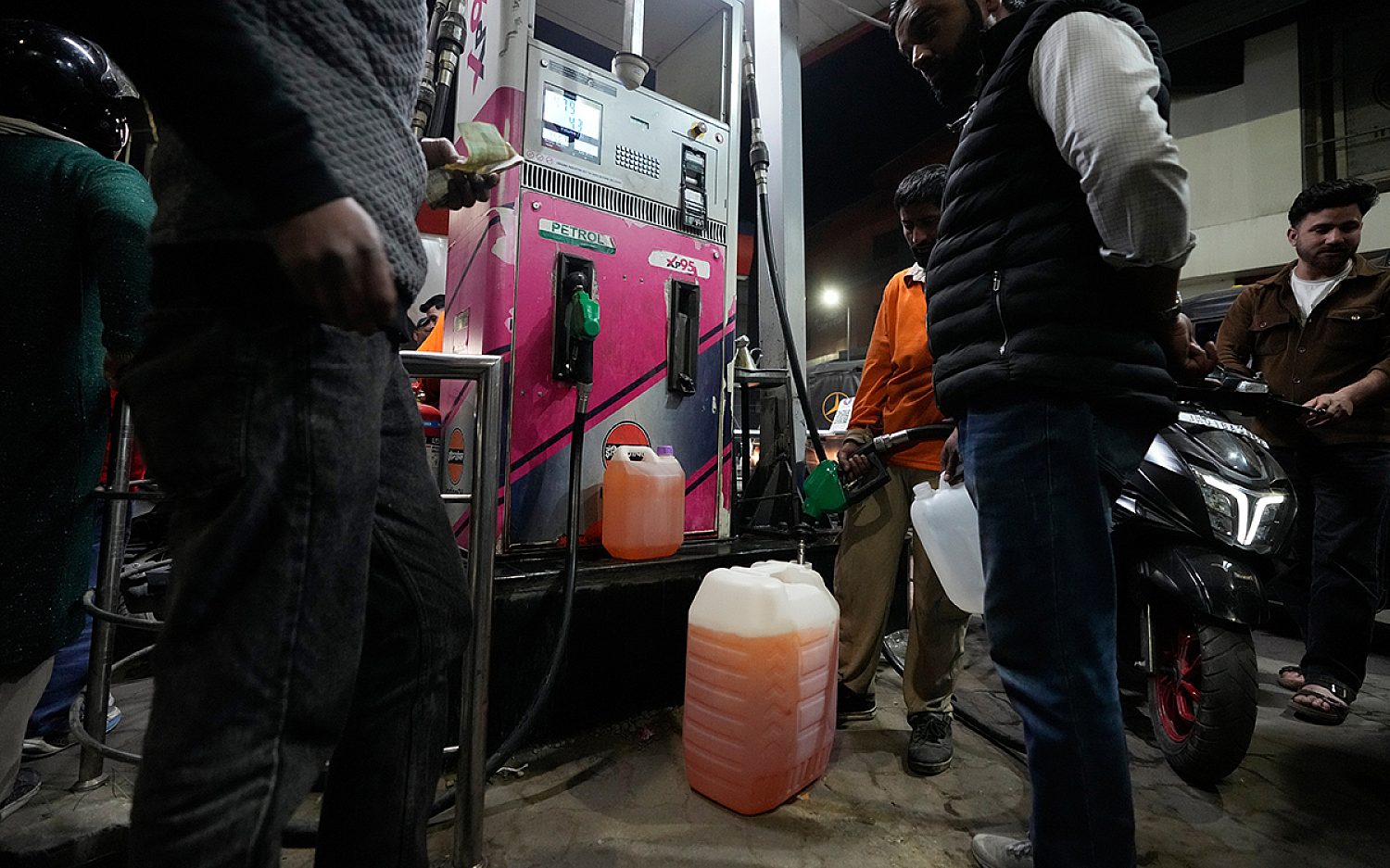
The petroleum that powers cars and planes? Not so much!
They’re not the same.
So what makes oil . . . oil?
Let’s check the Oxford English Dictionary for help. It defines oil as “any of a number of liquids of natural or artificial origin which have a smooth, sticky, unctuous feel and are insoluble in water.”
What?
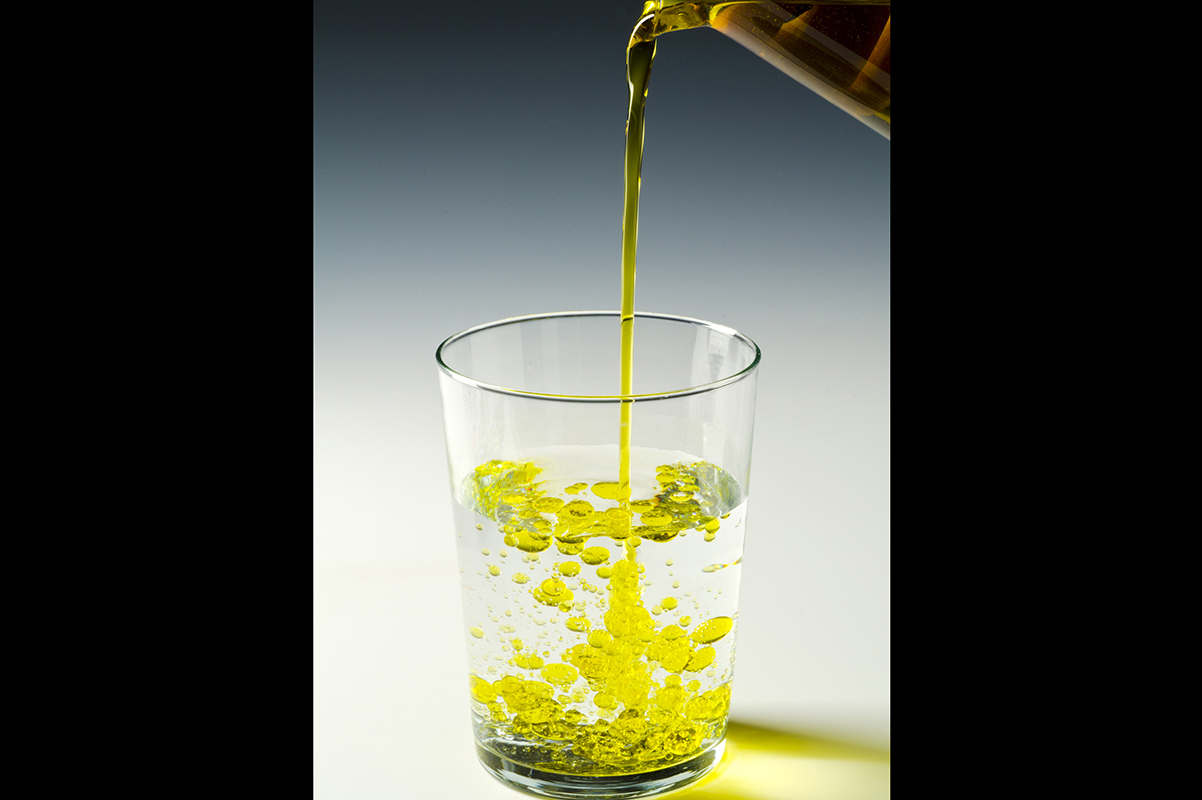
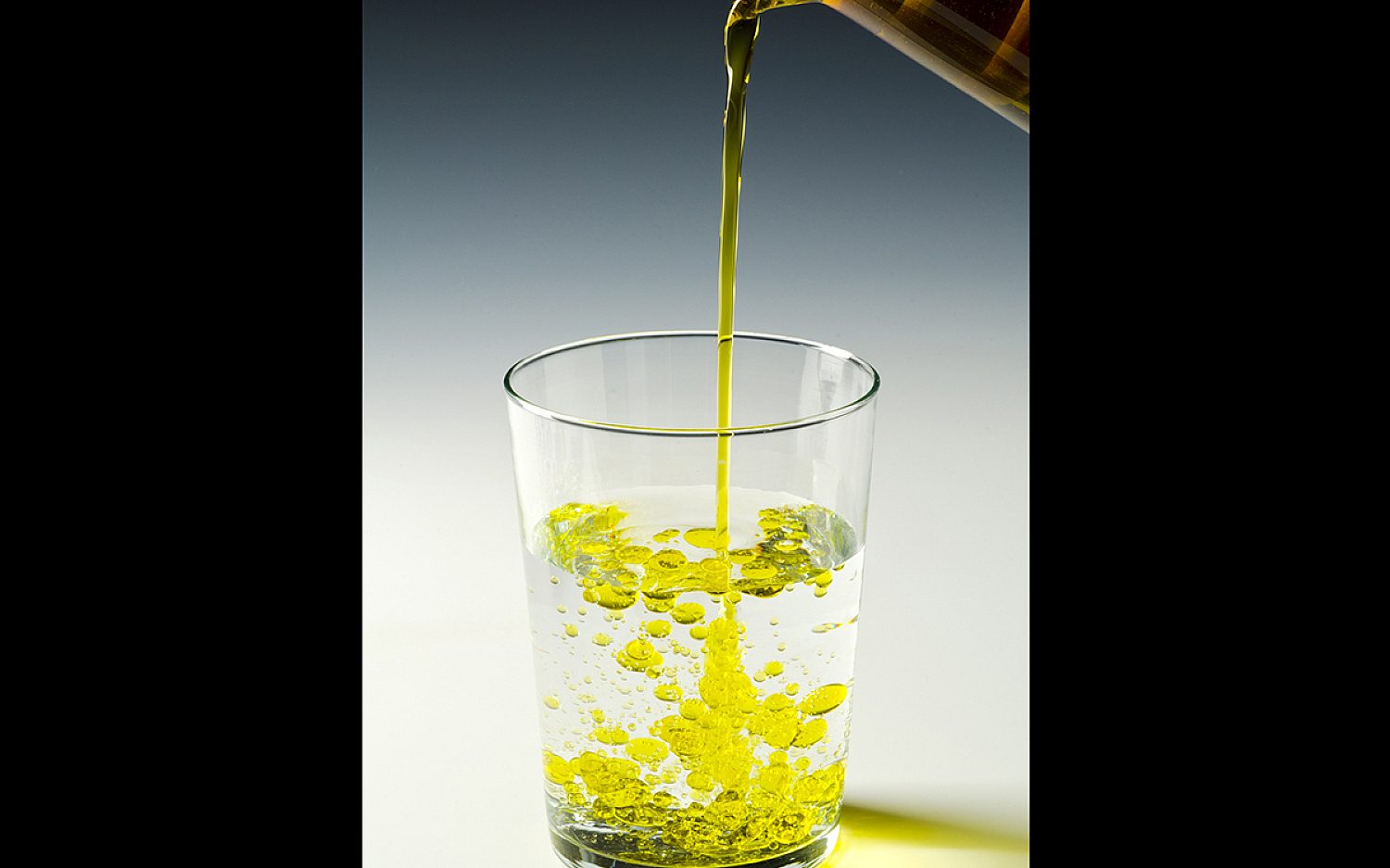
Let’s break it down . . . which is what oil won’t do in water. Oil and water don’t mix. Olive oil doesn’t mix into salad dressing unless you shake it hard. Then get it onto your leafy greens quickly—because it will separate again!
Here’s a checklist to help you decide whether something is oil:
Is the substance . . .
- liquid?
- natural OR artificial?
- smooth yet sticky?
- unctuous?
- flammable?
This last quality is what makes cooking oil useful for flying planes. Oil burns. It releases energy. This can power a car . . . or a plane! (Edible oil can also power a human body!)
Organic oils can come from trees. They can come from whales or corn or seeds or cows. Their byproducts are used in soap, paint, cooking oil, and food.
Crude oil and petroleum oil, meanwhile, come from a different part of creation—deep underground. (“Petroleum” means “rock oil.”) The oils form from what’s left of ancient animals and plants that lived long, long ago. As time passed, sand, silt, and rock covered these living things. Heat and pressure turned them into petroleum.