The International Union for Conservation of Nature (IUCN) keeps a “Red List” of animals and plants. This list is a record of conservation status. How close to extinction has a species come?
You may know some of these terms. But how do researchers actually define them? Let’s find out.
Least Concern (LC)
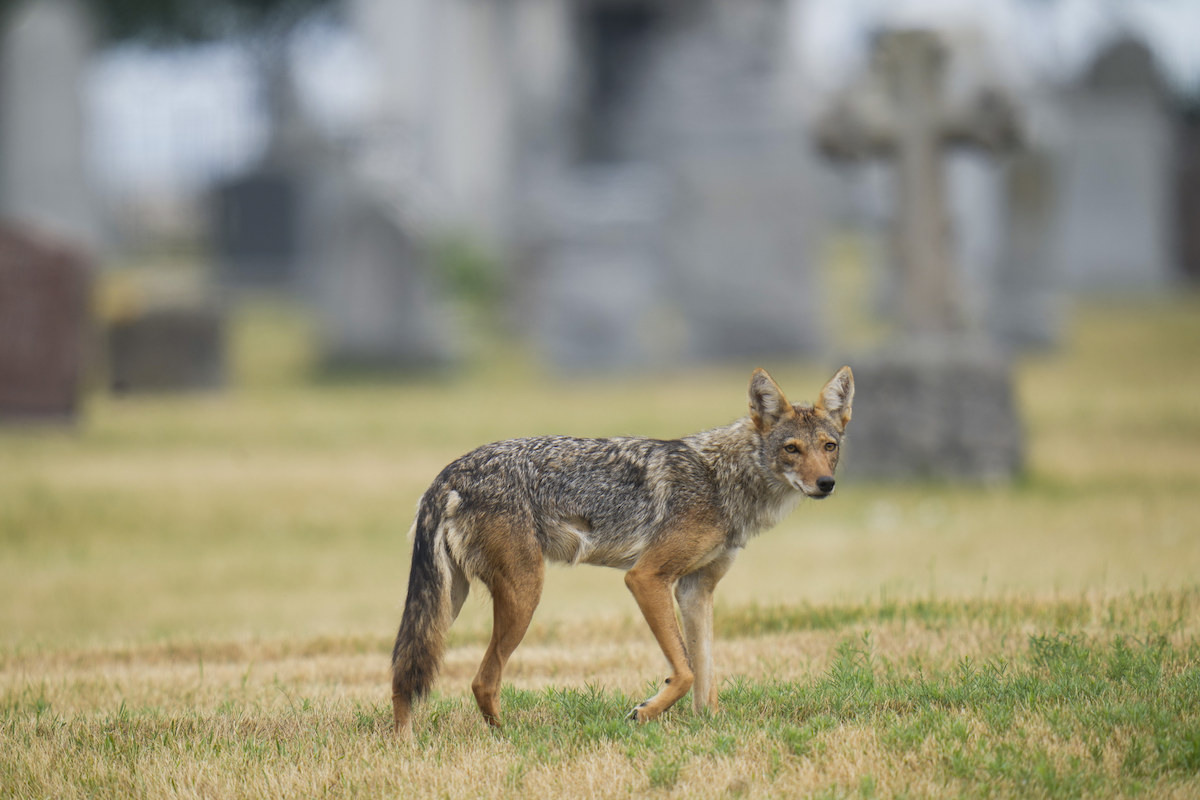
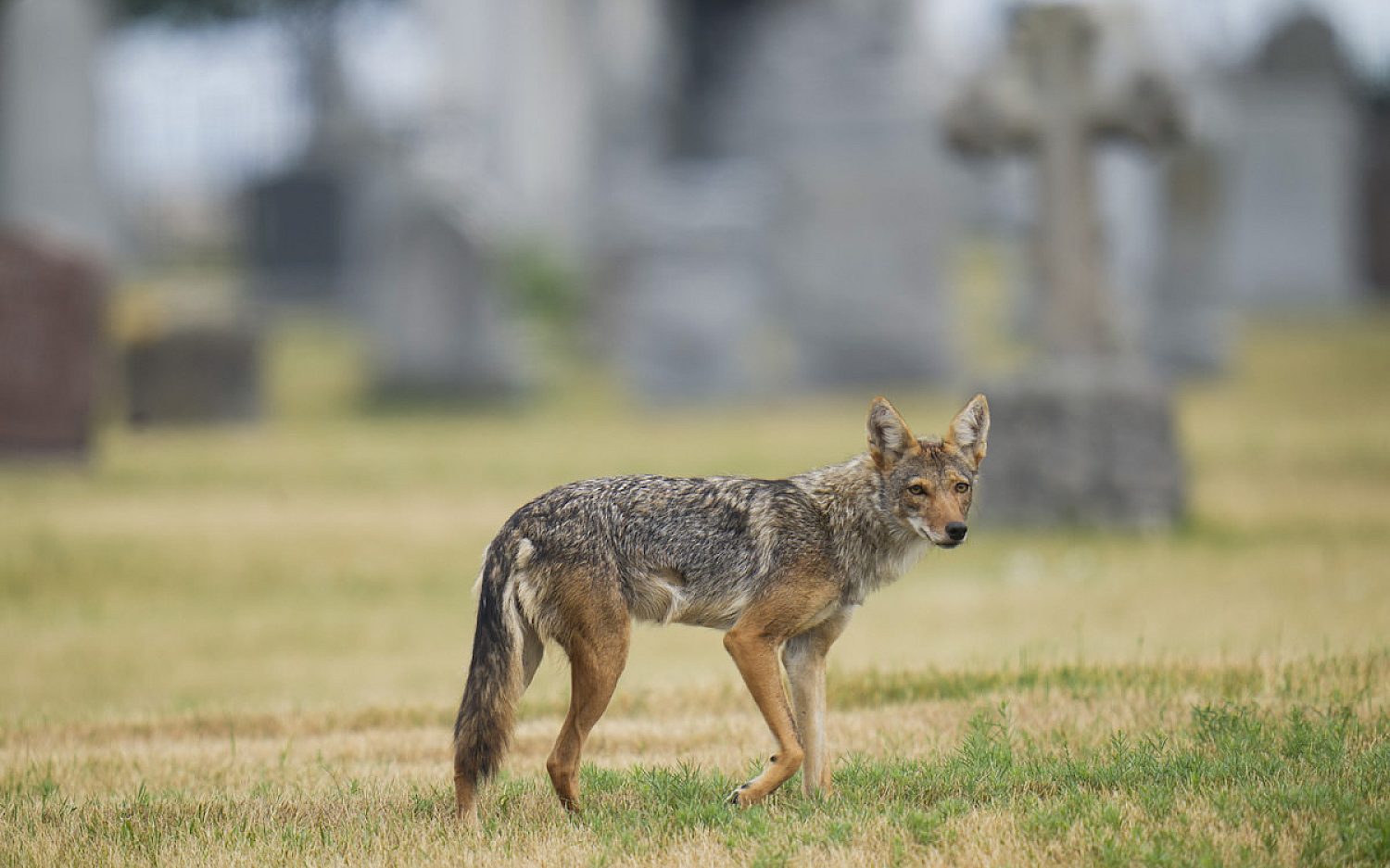
These species face a very low risk of extinction. They exist in great numbers. Current examples include the American alligator and the coyote.
Near Threatened (NT)
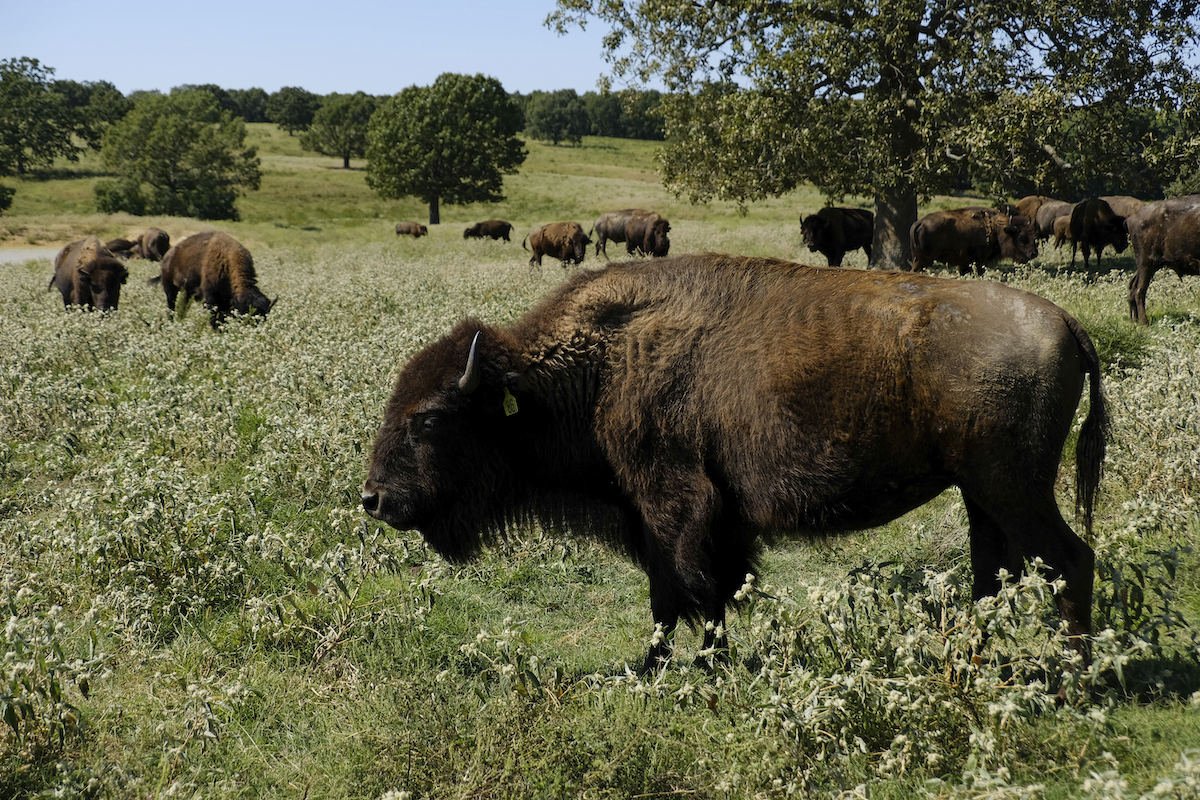
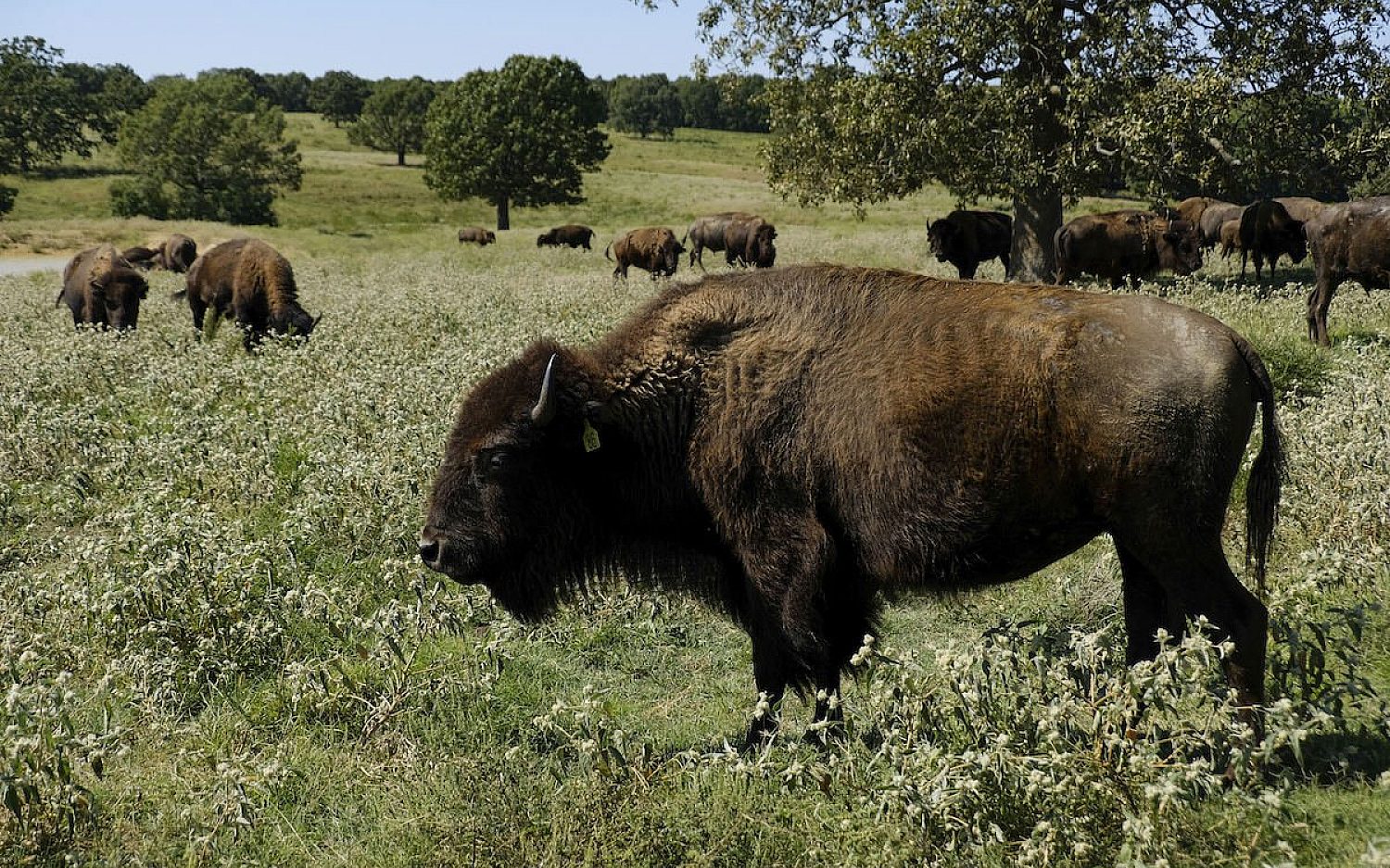
Scientists watch these species for changes. These plants or animals may soon face endangerment—or they may have had low numbers not so long ago but are doing better now. Current examples include the emperor penguin and the American bison.
Vulnerable (VU)
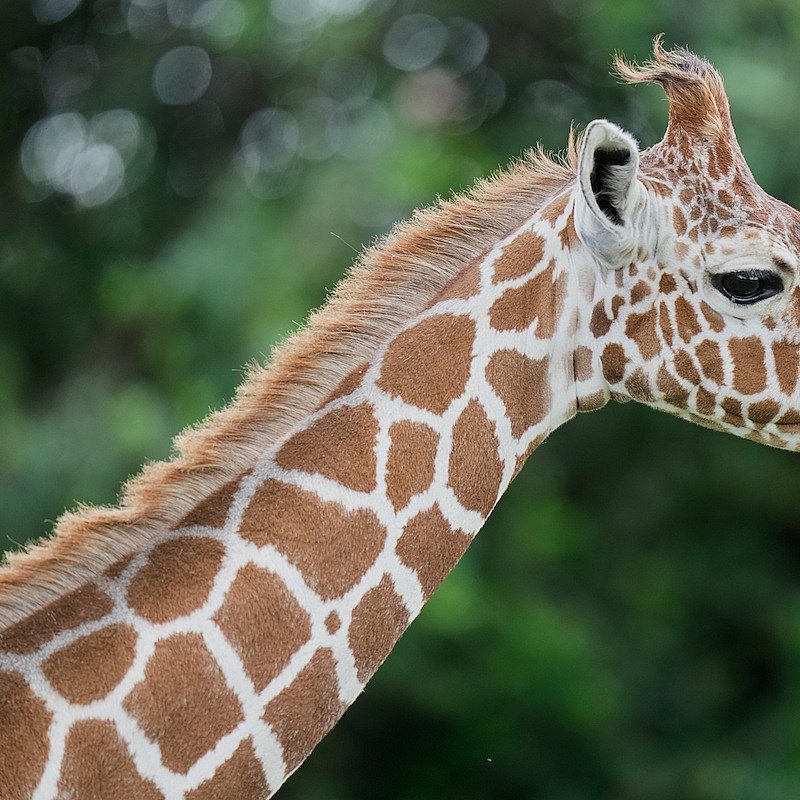
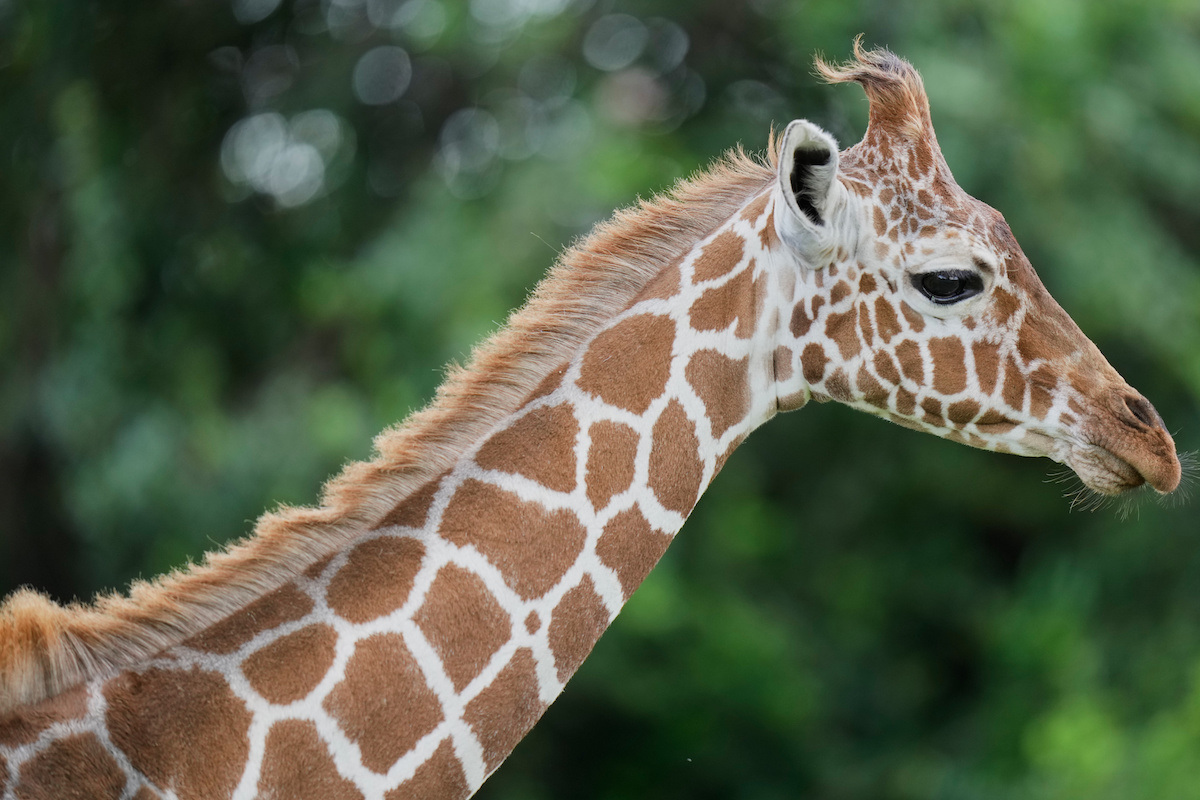
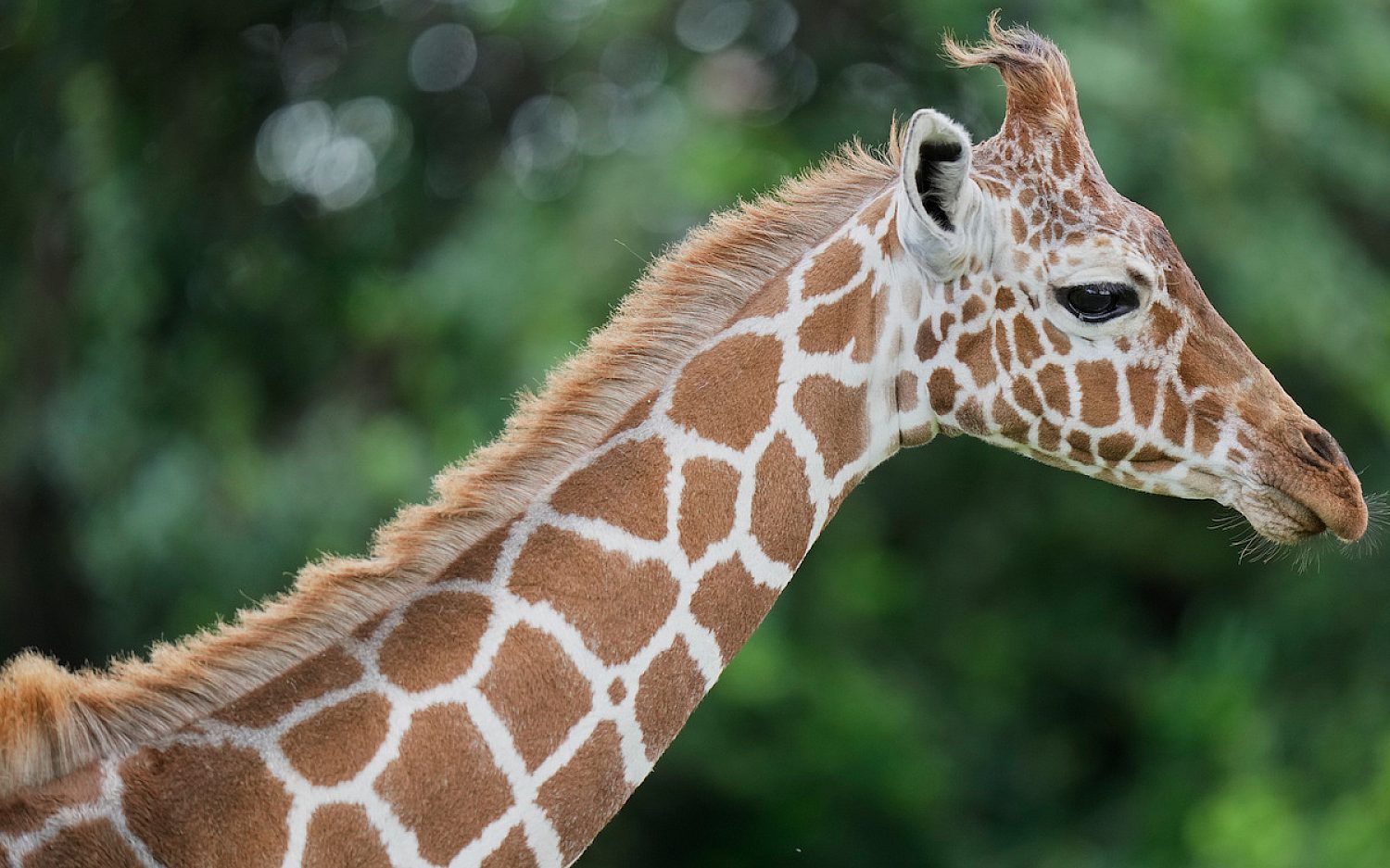
Vulnerable species face a high risk of extinction. Their population numbers have declined. Researchers may also look at how much a species’ territory has decreased. Current examples include the giraffe and the snowy owl.
Endangered (EN)
These species face a very high extinction risk. Their populations have dropped even more than those of vulnerable species. Examples include the wild camel and the sea otter.
Critically Endangered (CR)
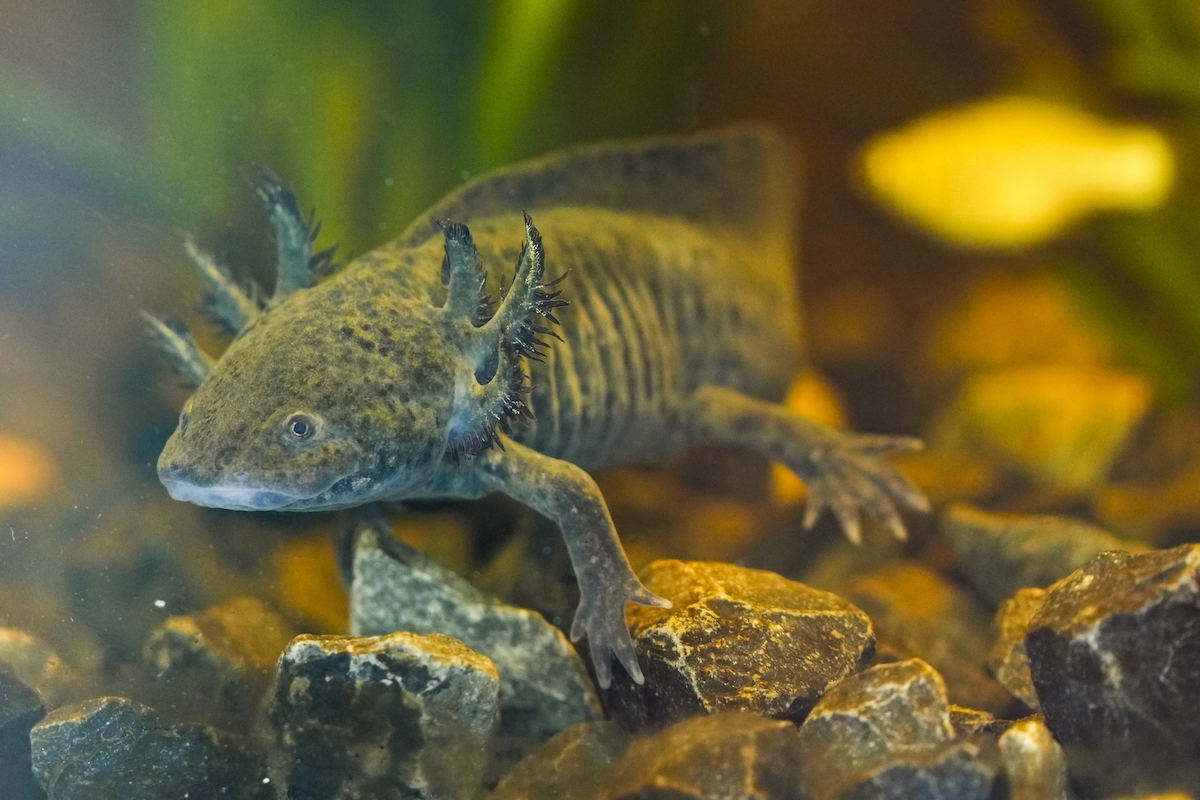
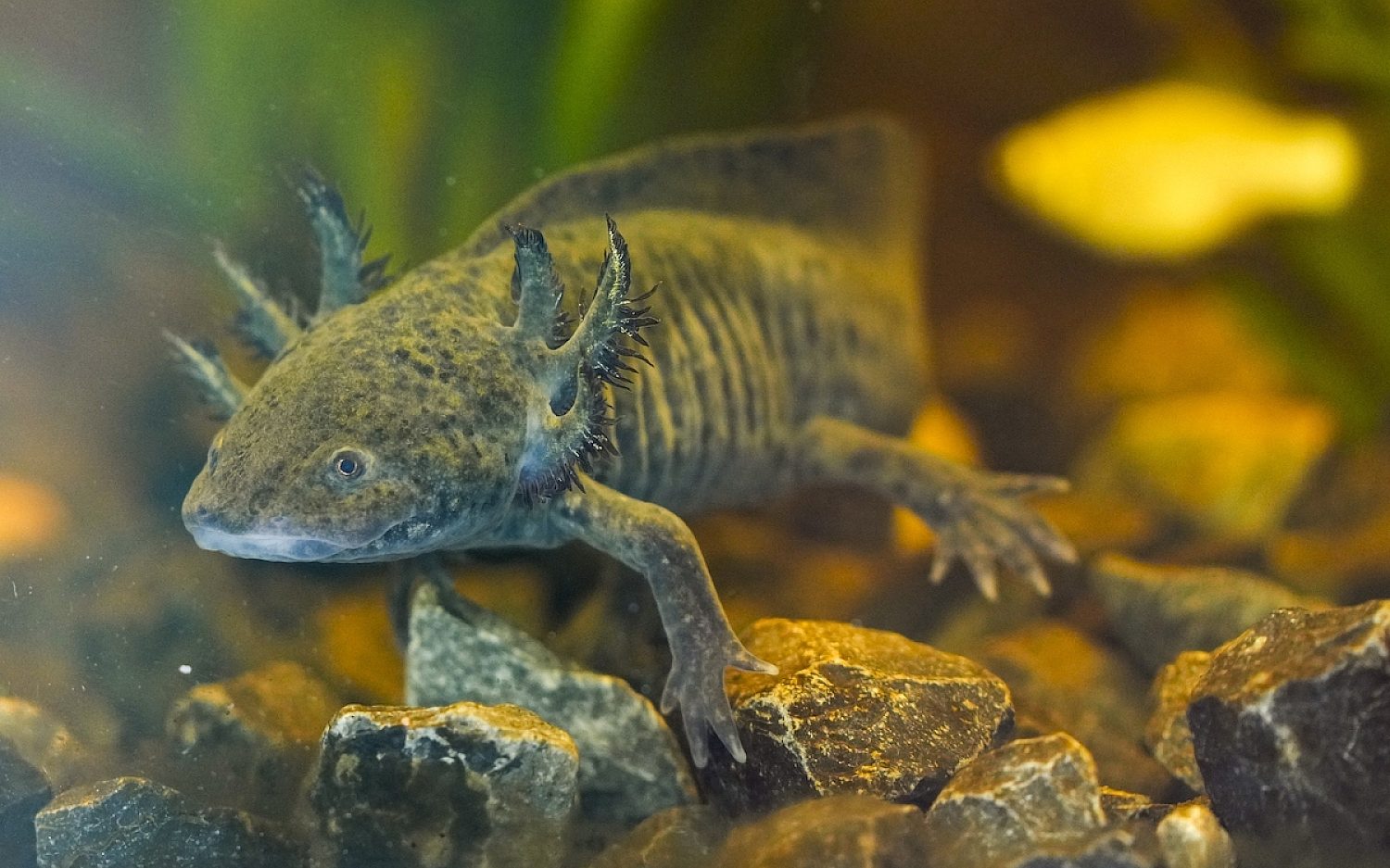
Critically endangered species face an extremely high extinction risk. In the wild, they’ve come as close to extinction as possible without completely disappearing. They require the most protection. Examples include the red wolf and the axolotl.
Extinct in the Wild (EW)
These species no longer live in the wild at all. But some still exist in captivity, such as at zoos. Examples include the Hawaiian crow and the La Palma pupfish.
Extinct (EX)
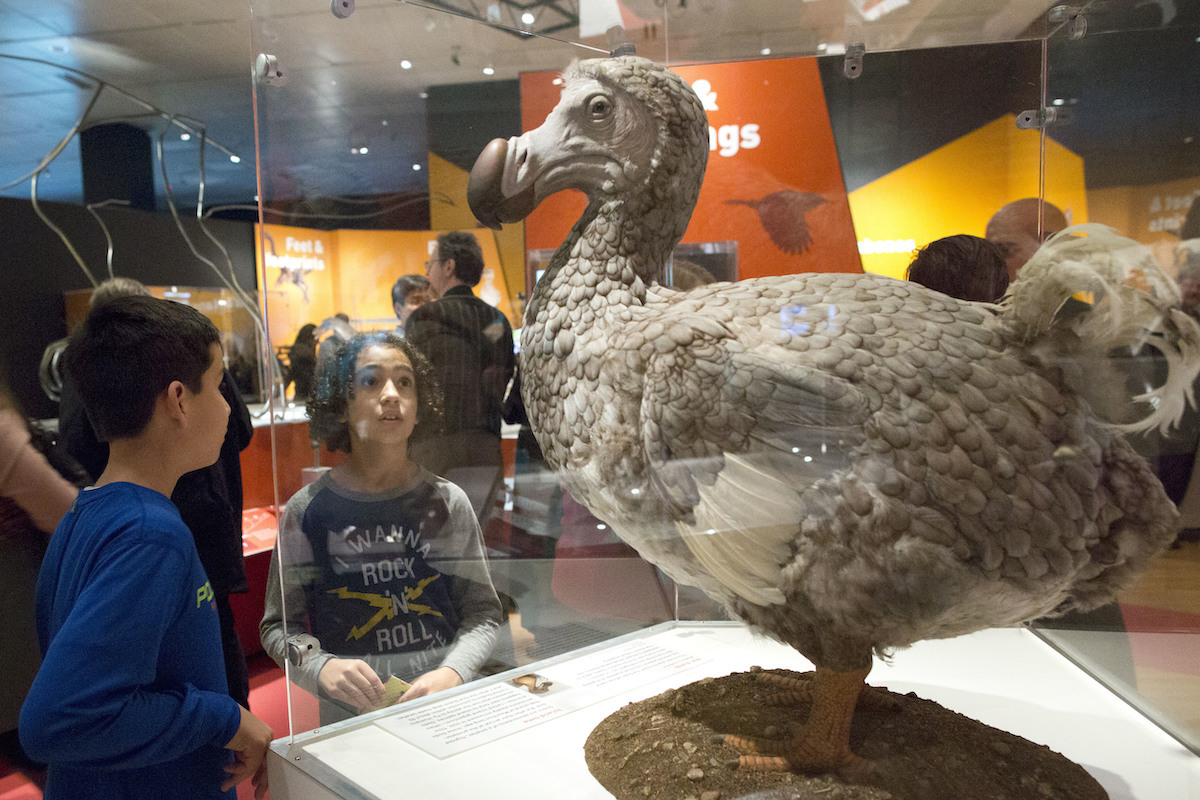
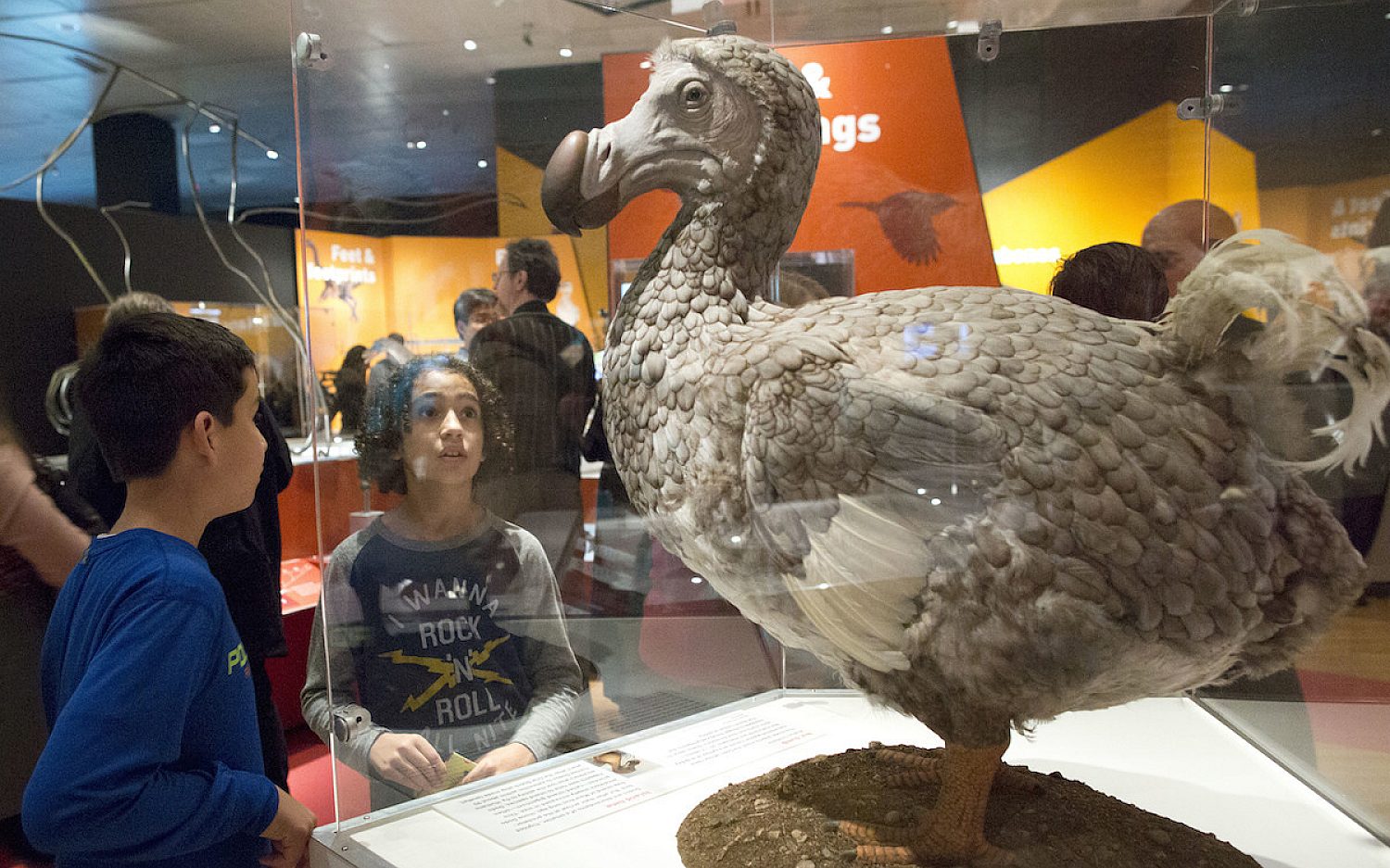
These species are believed to no longer exist. Their populations have died out, both in the wild and in captivity. Examples include the golden toad and the dodo bird.
Recommended Reading: For more about endangered animals, read There's an Owl in the Shower by Jean Craighead George.