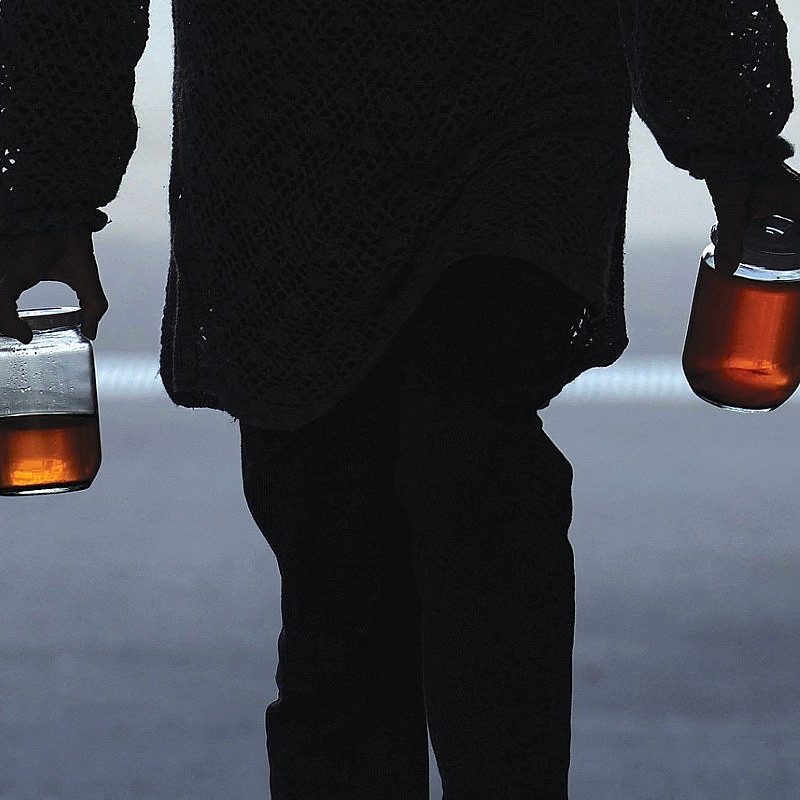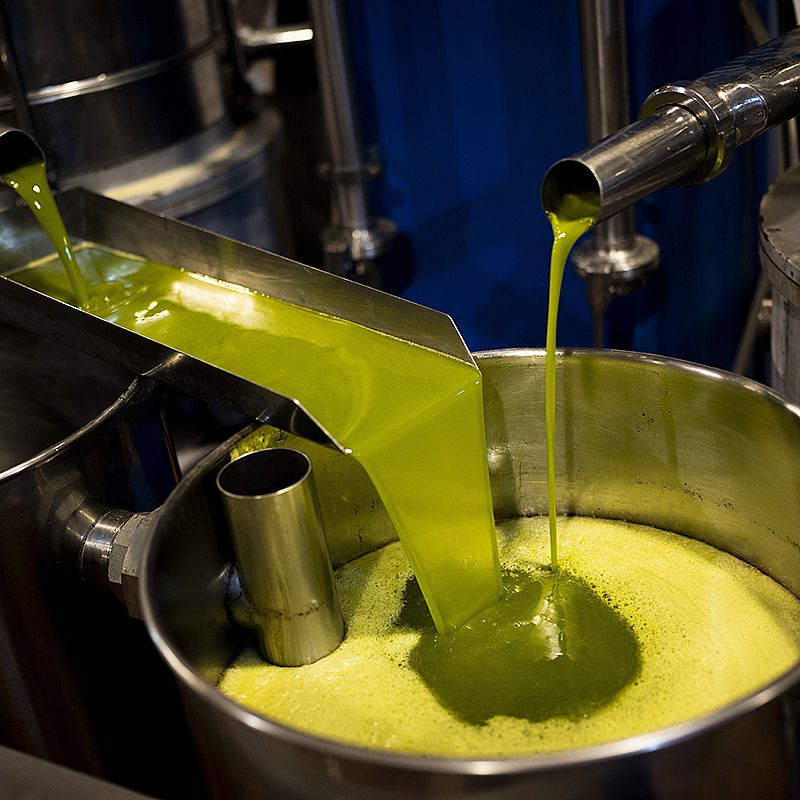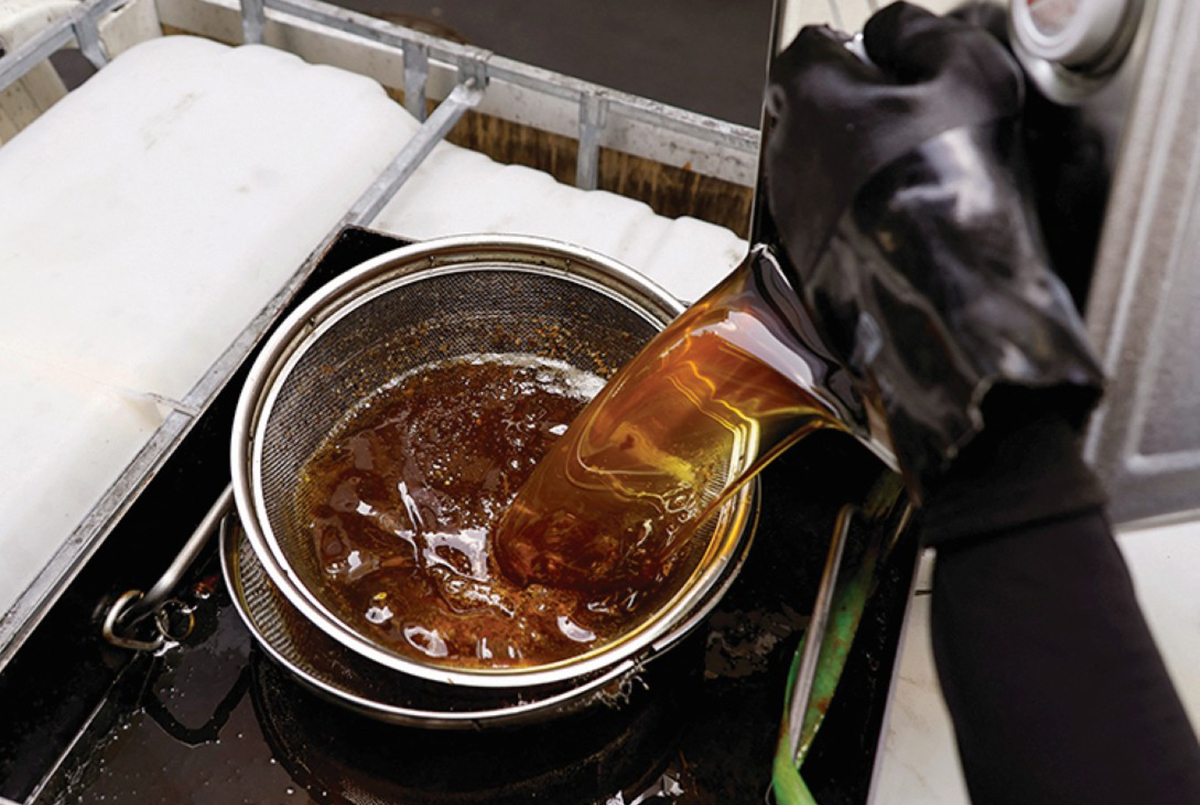
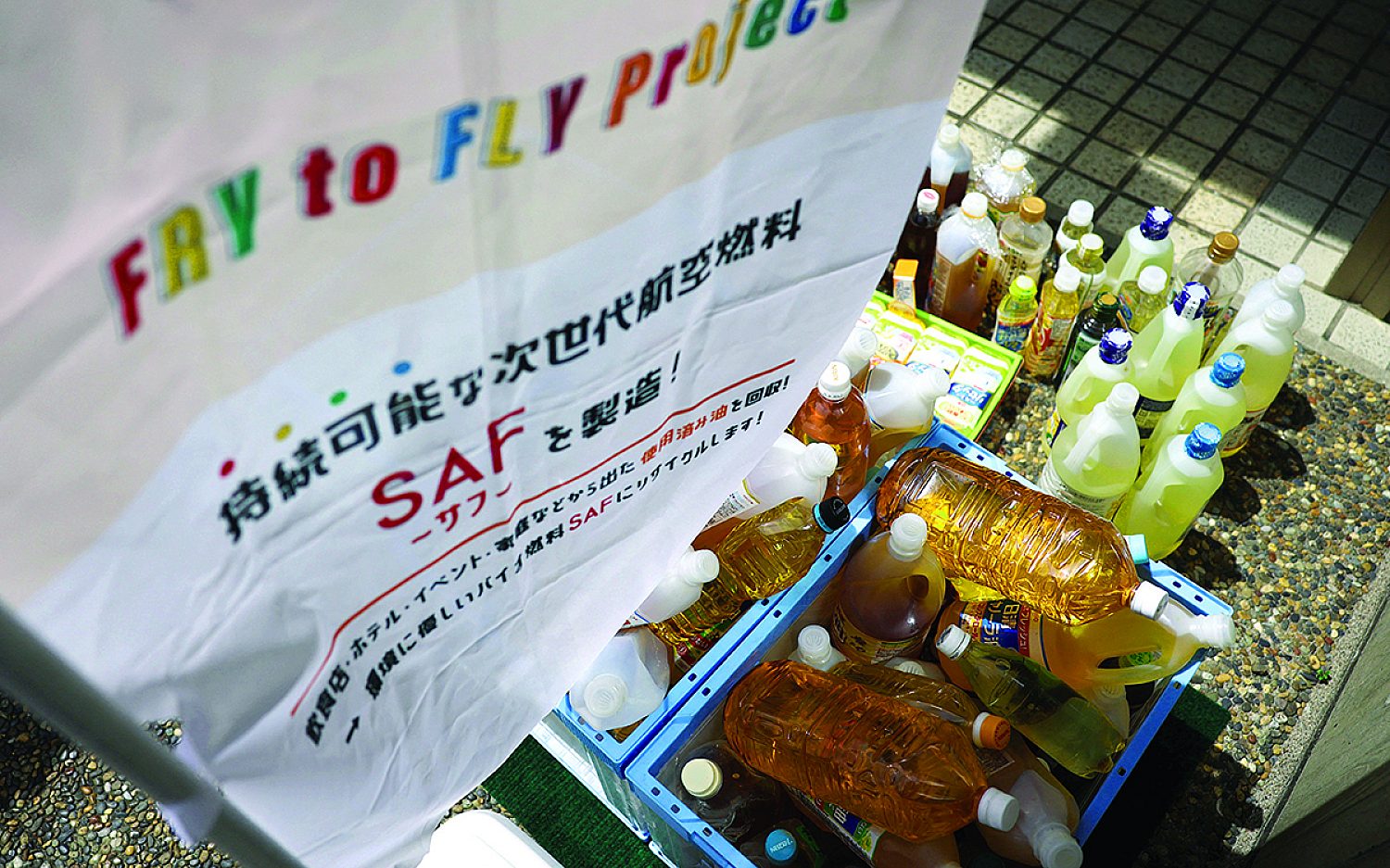
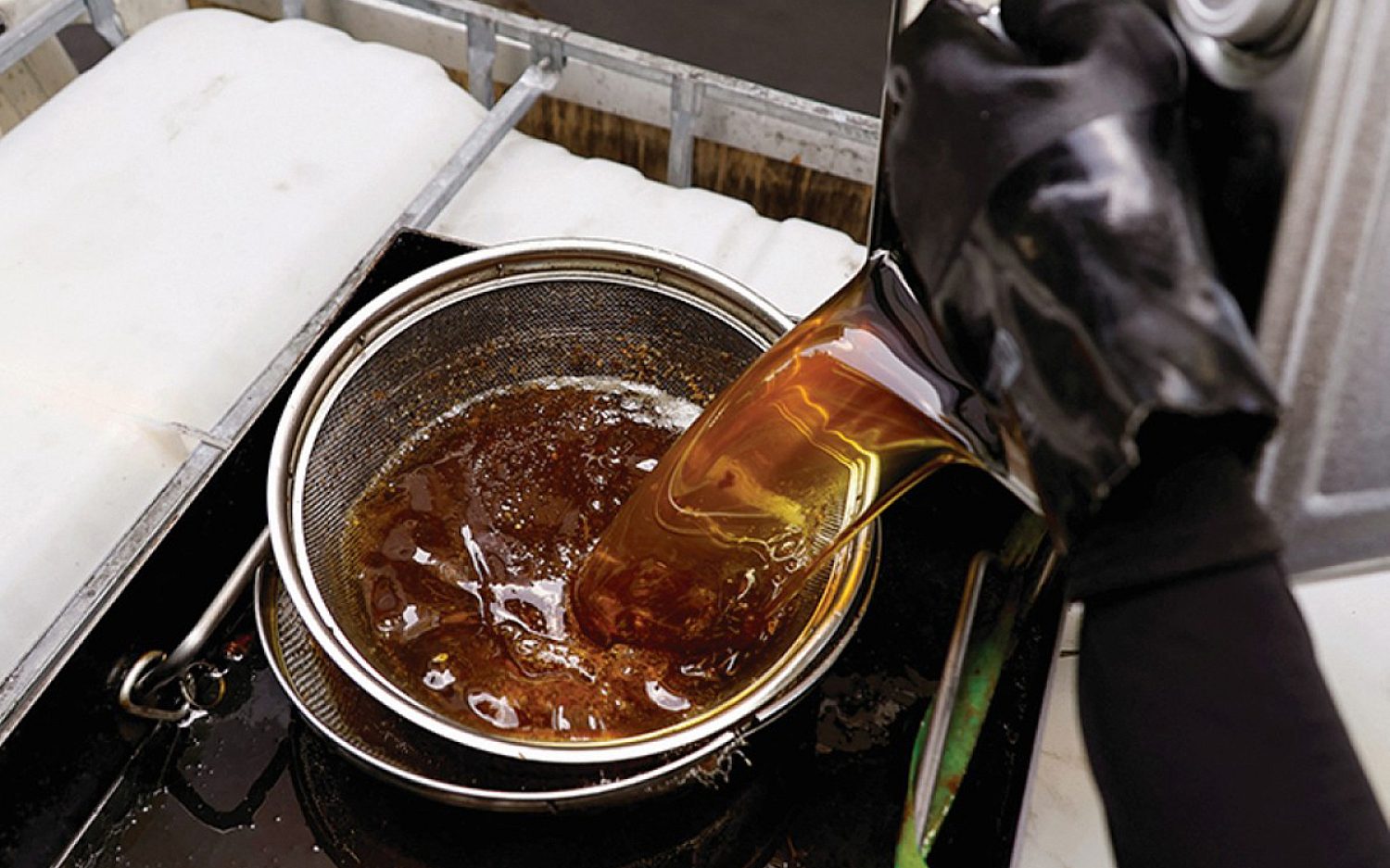


Maki Watanabe finishes frying eggplant in her kitchen in Tokyo, Japan. Then she carefully pours her used cooking oil into a plastic bottle. She’s saving it . . . for jet fuel!
Many others across Japan do the same.
“It would take a tremendous amount to make an aircraft fly, so I hope we can collect more,” she says. Ms. Watanabe cooks quite a bit. She can donate about 10 gallons of used oil each year.
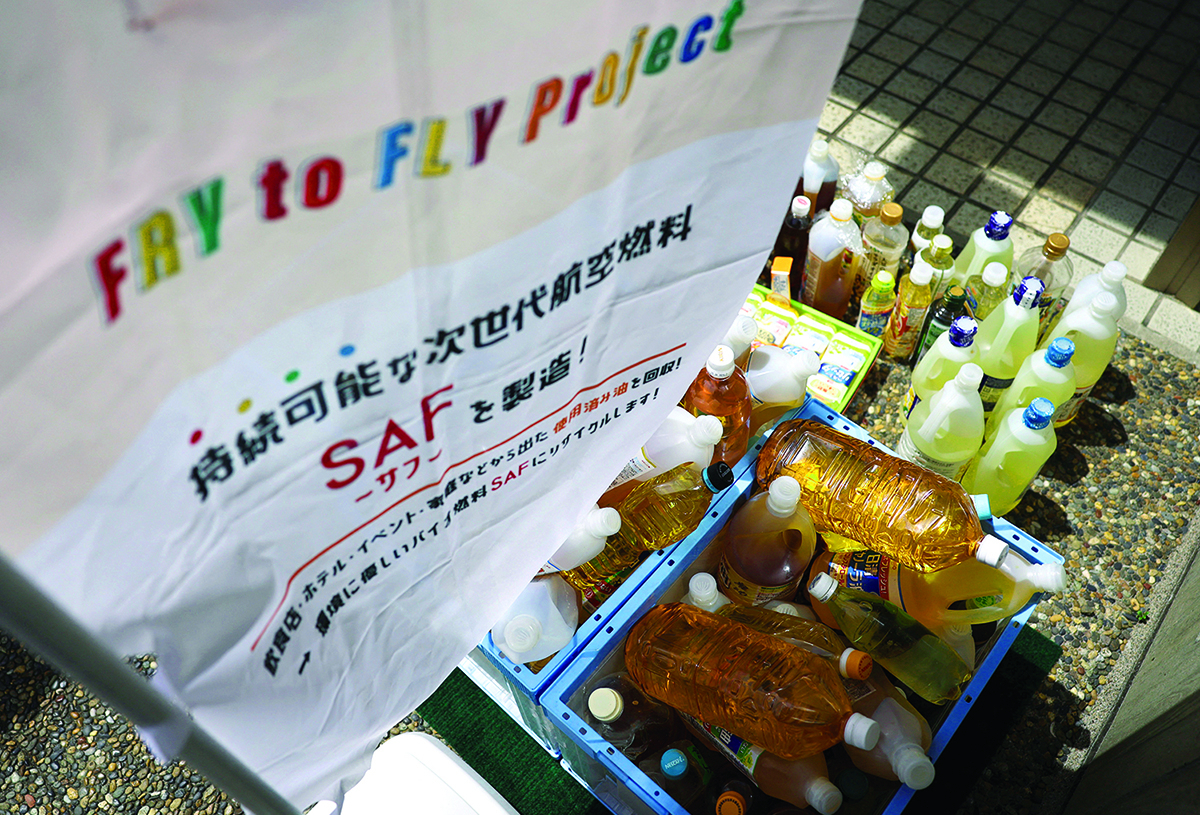
The oil goes to a nearby supermarket. Roughly 300 other spots participate in the “Fry to Fly” project as well.
Here’s the reason. The Iran war squeezes the gas supply. Costs in Japan (and many other nations) rise. Japan scrambles for oil donations. Leaders hope to get a tenth of airline fuel from sustainable sources by 2030.
Let’s unpack that last sentence a bit. Sustainable means the resource can replenish its supply before we use it all up. That’s what we want—fuel sources that keep refilling without running out. But almost every fuel source has limits or drawbacks. “Sustainable” isn’t so simple.
In 2024, cooking oil collection didn’t go so well. Japan gathered around 42,000 gallons of fuel. That sounds like a lot. But it’s not nearly big enough. That much gas would keep one big plane—a Boeing 787 Dreamliner, to be precise—in the air for just 17 hours.
Last year, officials gave out 13,000 plastic funnels to Japanese homes. Each came with instructions for how to collect the oil.
“If we don’t start now, we simply won’t make it by 2030,” says Tokyo official Yasushi Sato.
Businesses joined in too. Fujifilm collects oil from employee cafeterias. Other companies set up oil collection boxes.
Imagine every drop of used cooking oil in Japan gets collected. Even that wouldn’t be enough. It would yield about a quarter of the needed oil.
Why? Reusing resources when possible shows care for Earth and future generations of people.