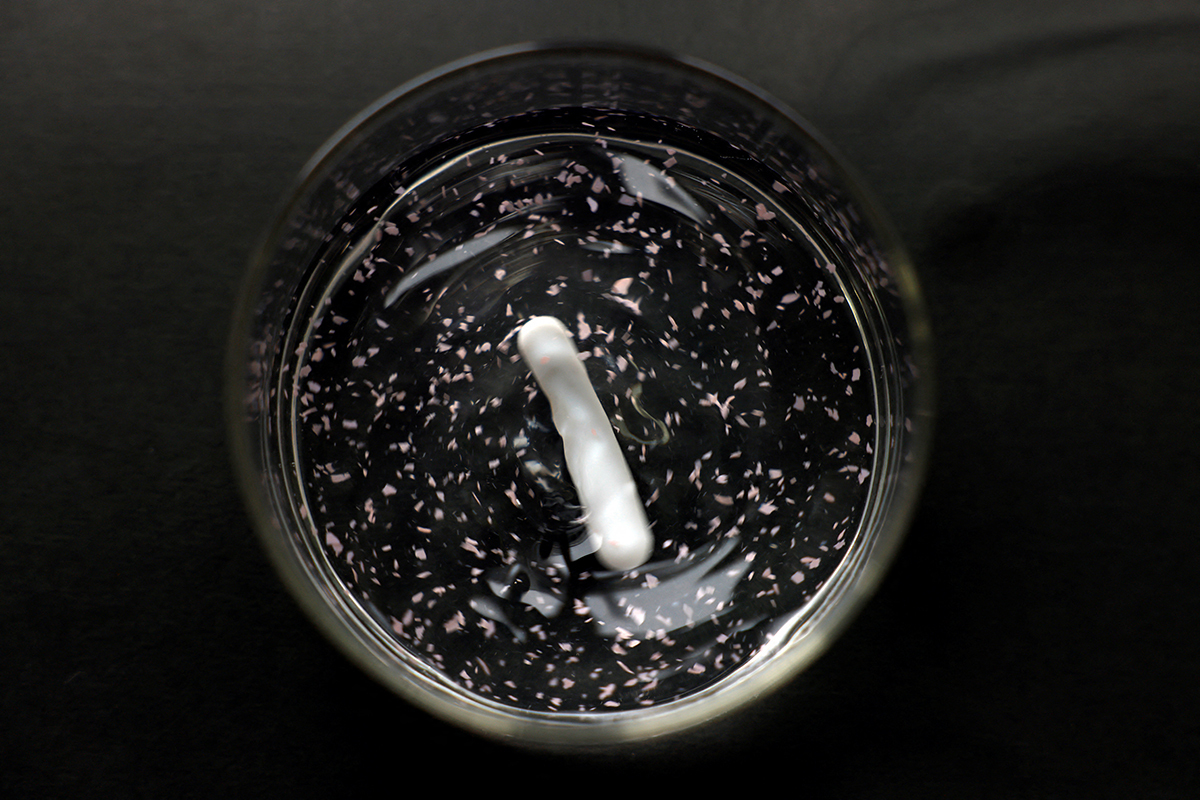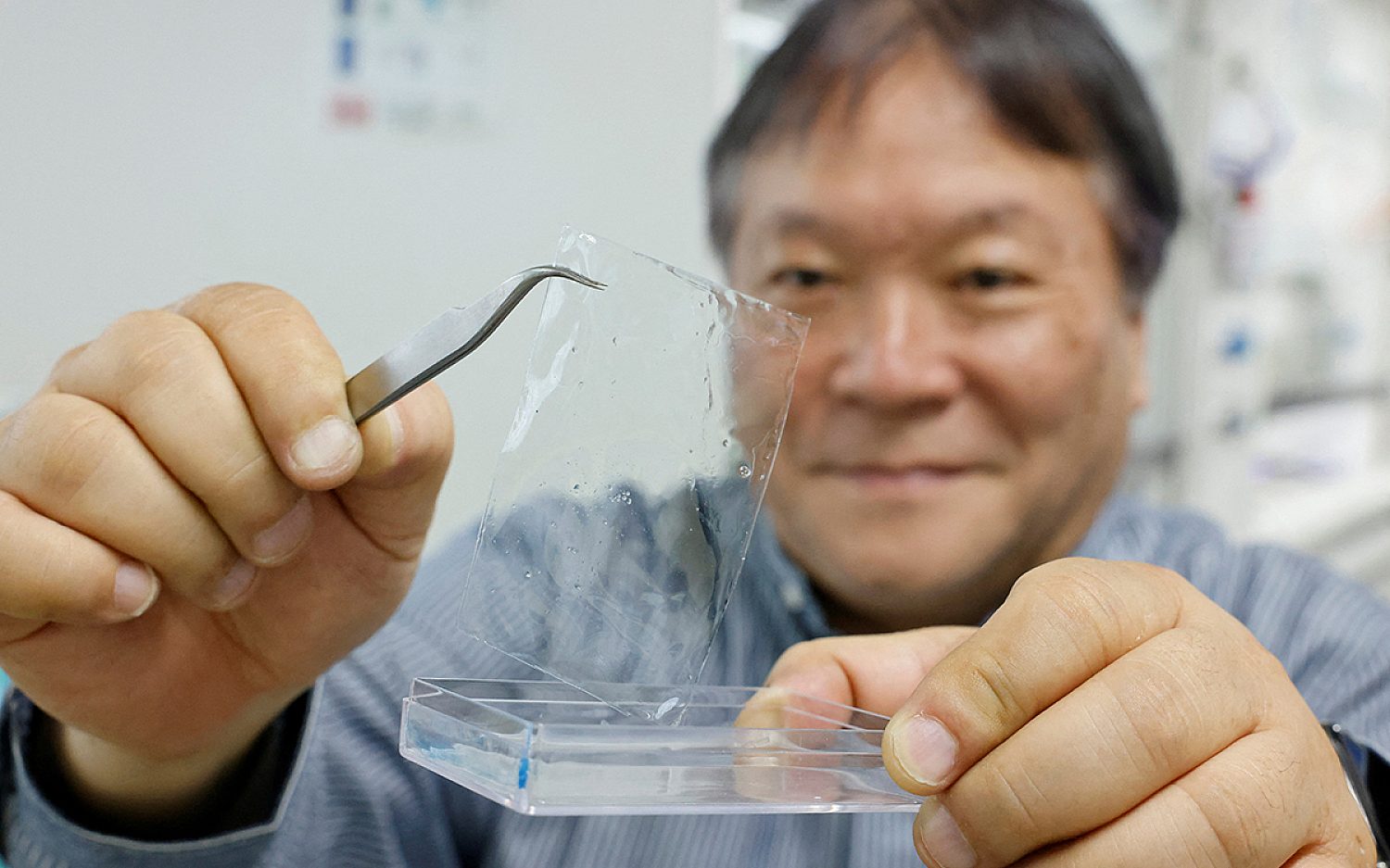
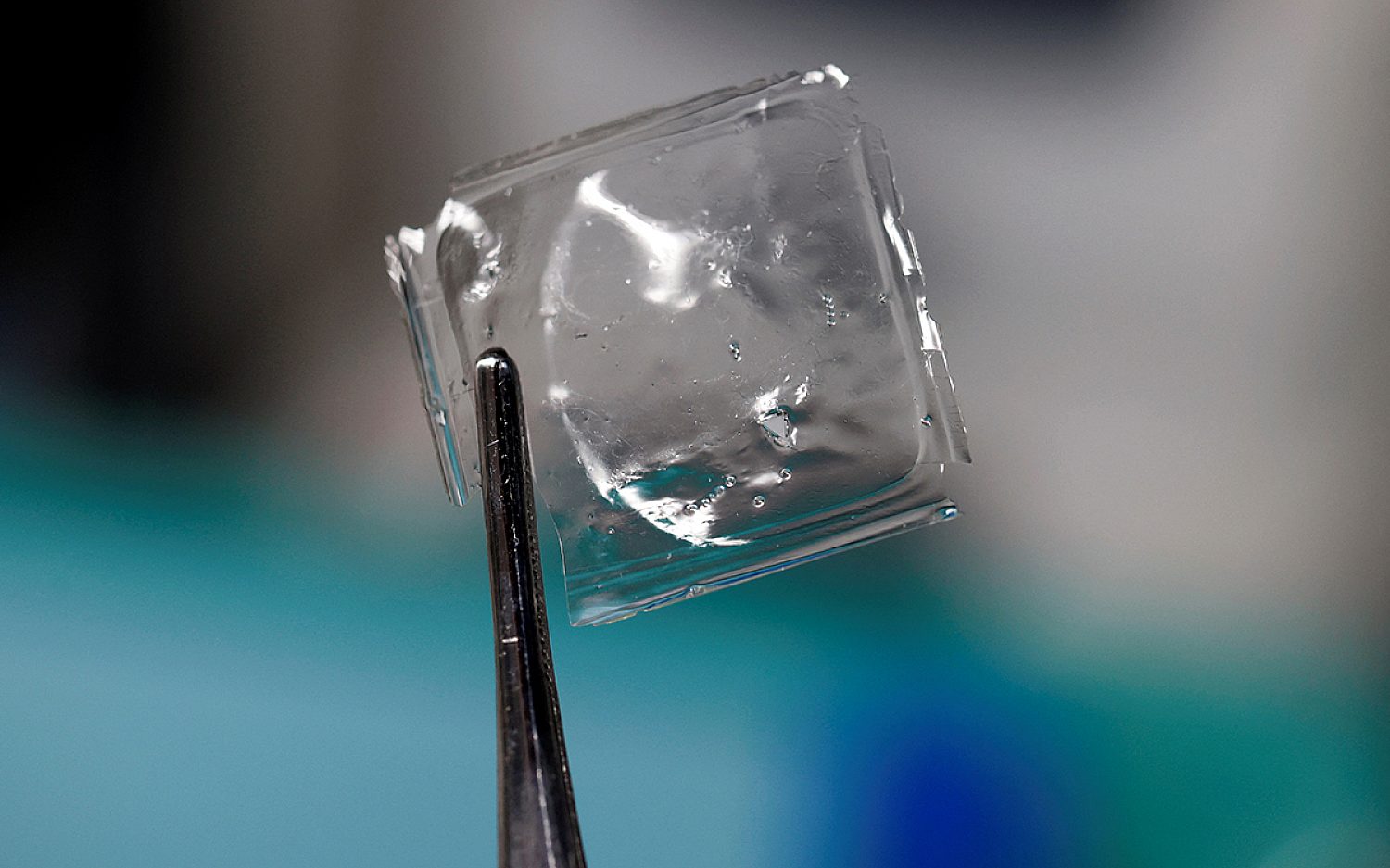
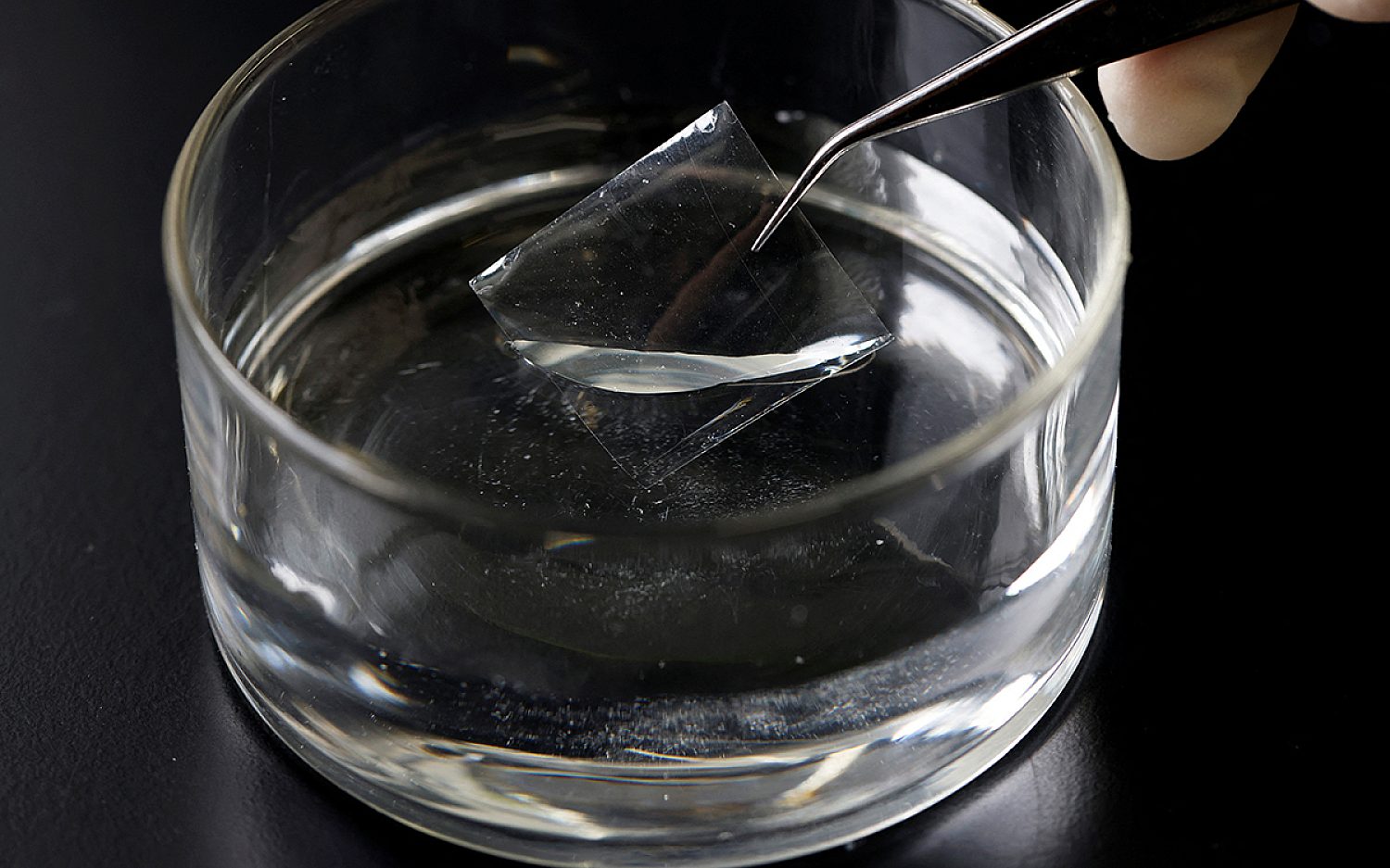
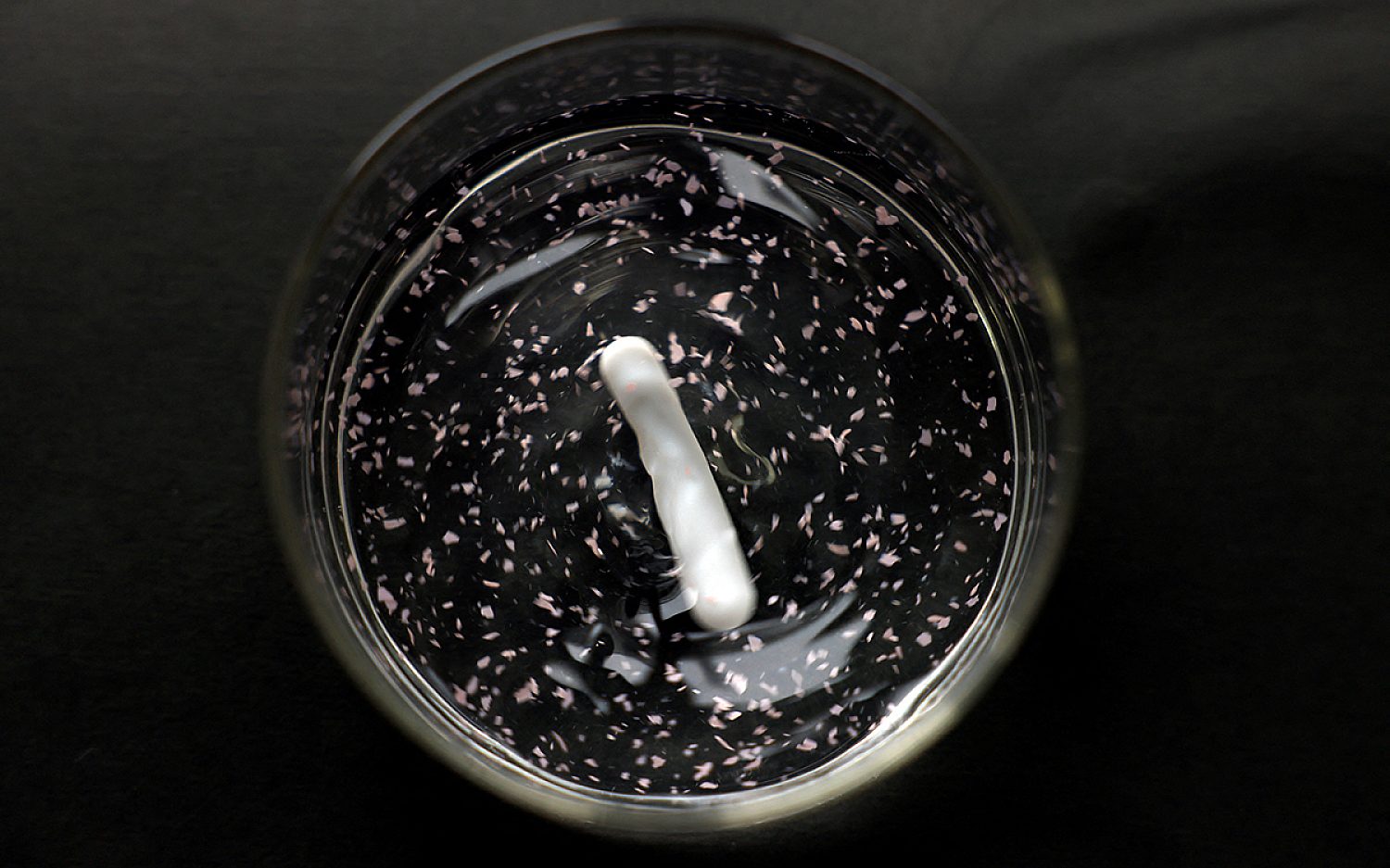

This plastic disappears. It dissolves. It vanishes into . . . salt water.
Researchers in Japan invented it. Could the disappearing plastic help solve the world’s plastic pollution problem?
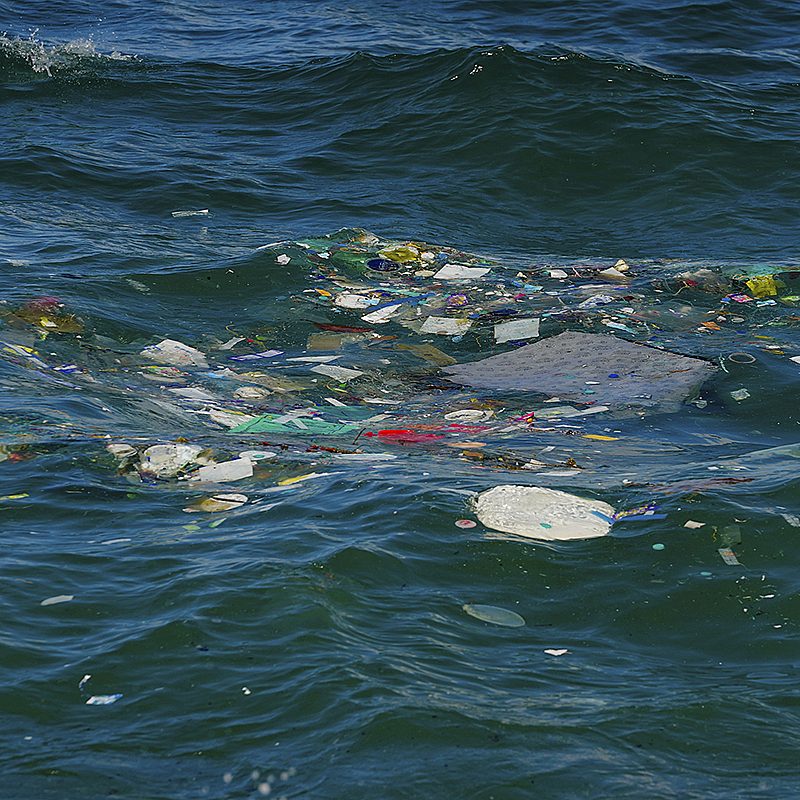
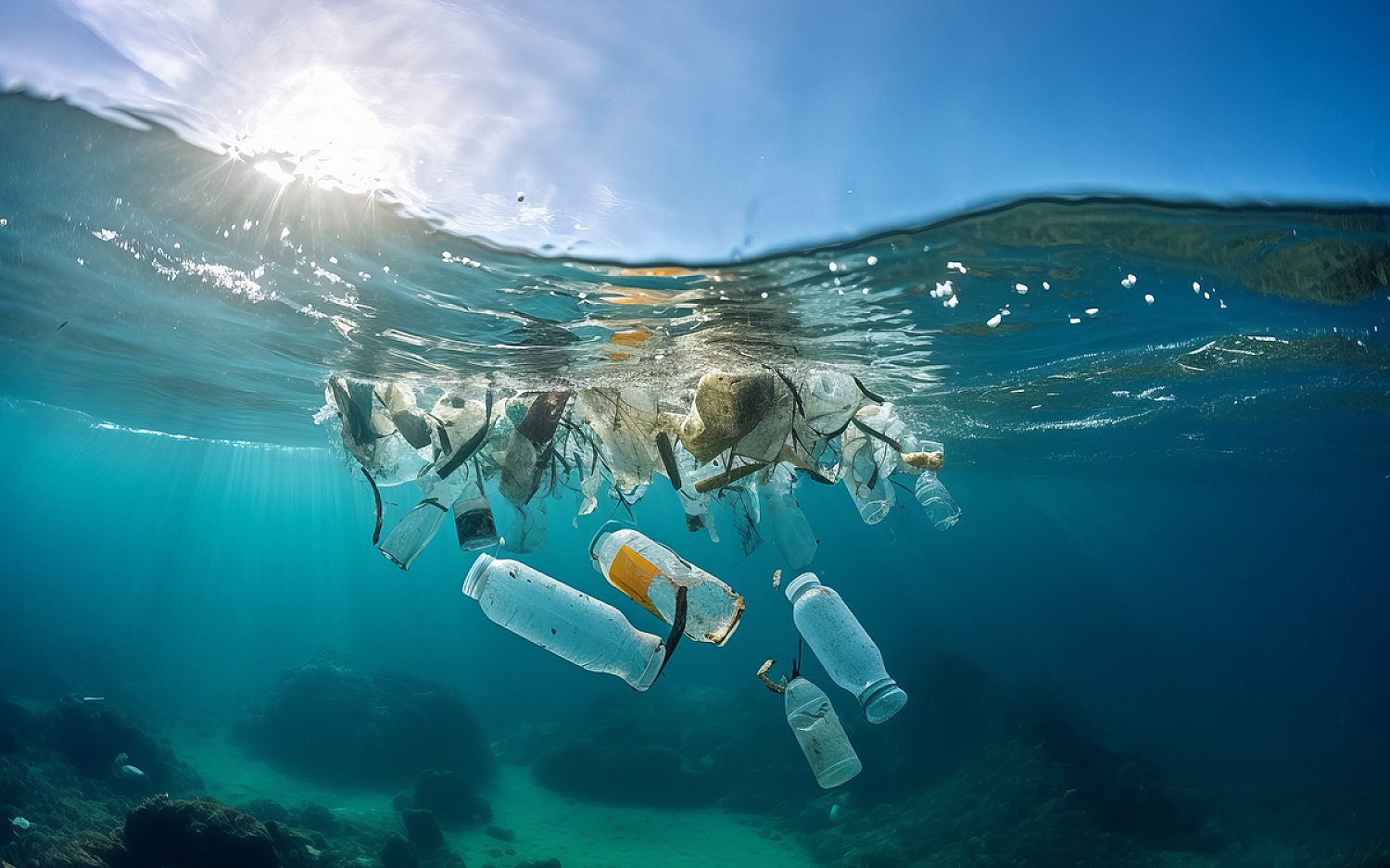
Because it is a problem. A big one. Today, less than nine percent of global plastic waste gets successfully recycled. That means millions of pounds of plastics enter the oceans each year. God made the ocean to teem with creatures, not trash!
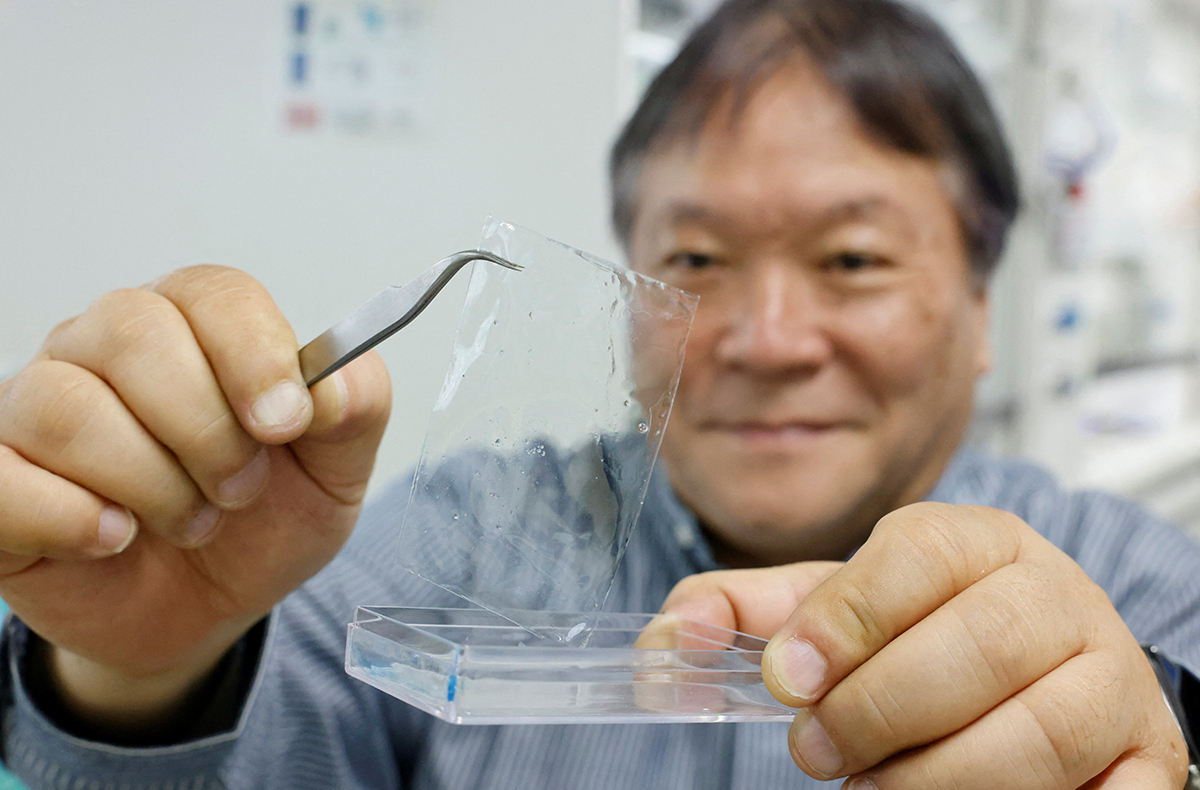
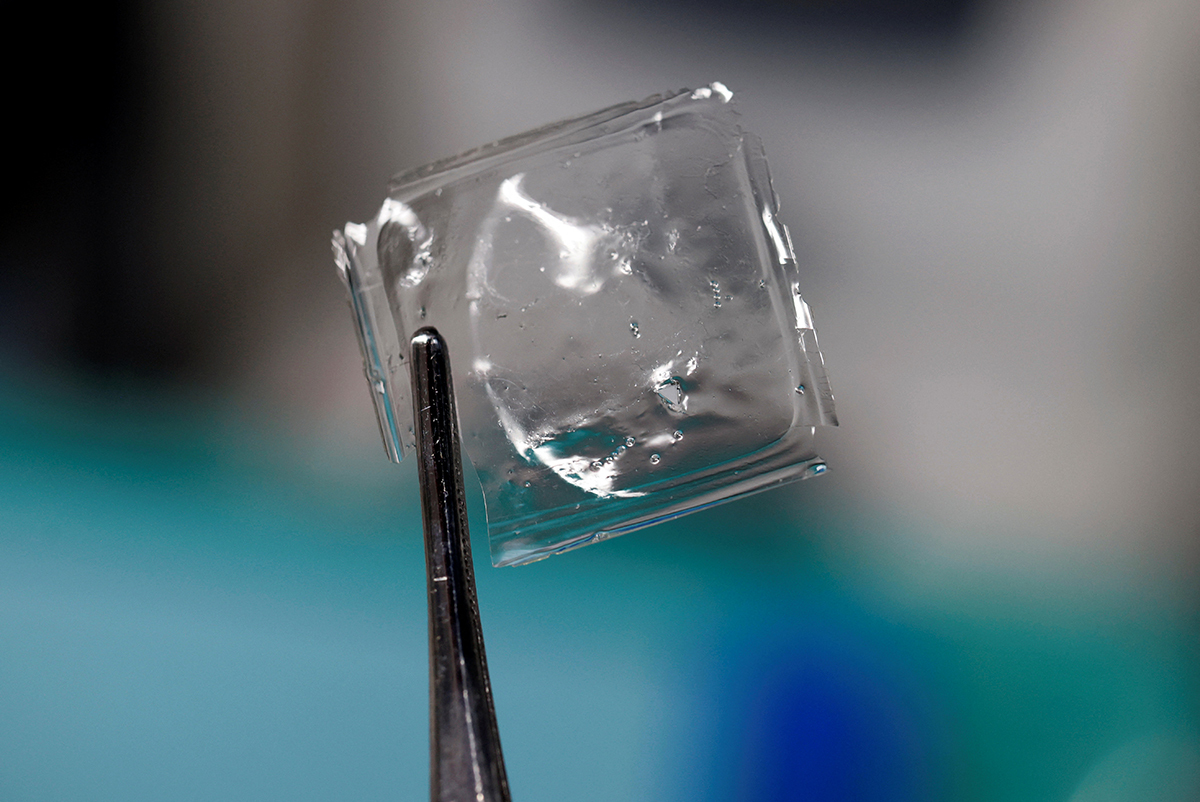
To combat the problem, scientists in Japan invented a new material. It’s strong. It’s flexible. It’s non-toxic. It won’t burn. And what happens if somebody throws it into the ocean? The minerals in seawater break it down into components that don’t pollute.
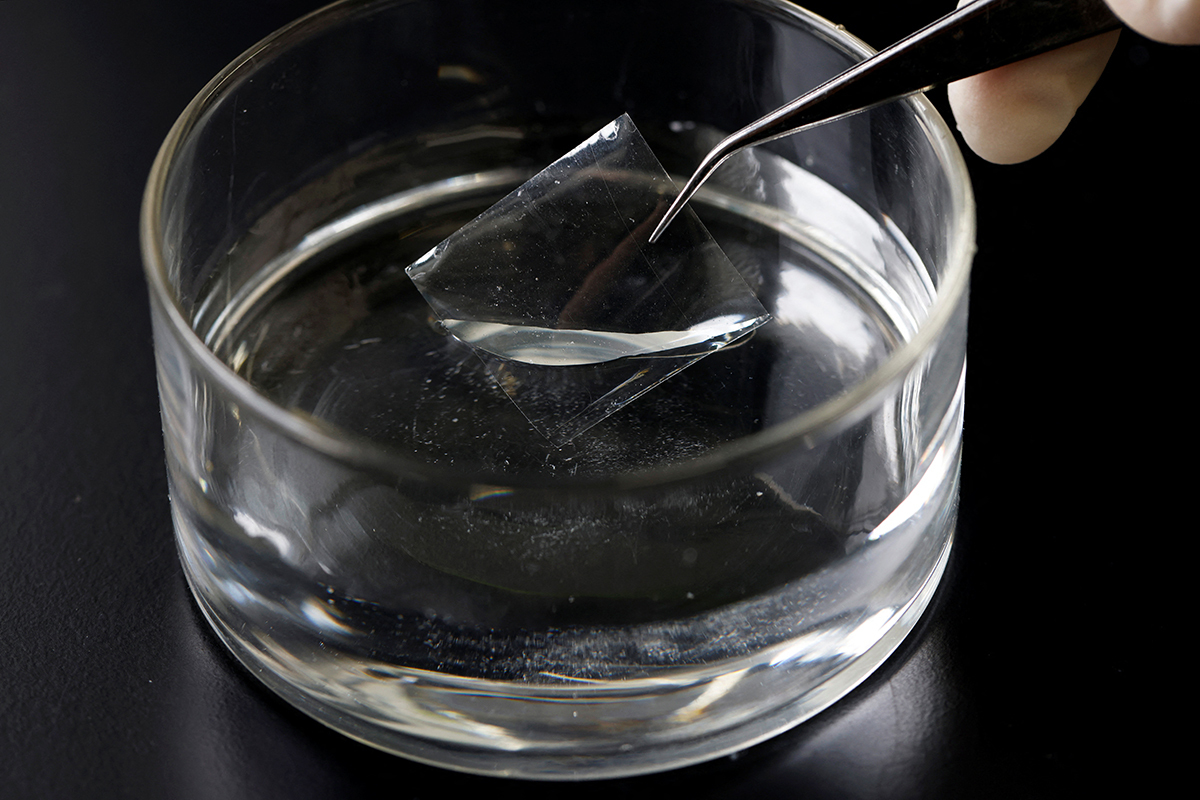
Researcher Takuzo Aida says the new plastic dissolves “in about two to three hours depending on its thickness and size” in a saltwater-like liquid. Bacteria in the water can help break the material down too.
The plastic is made from some ingredients also found in food additives and in soil enrichers. Some say the new material could even be used as a fertilizer. What if you could compost your plastic?
A member of Dr. Aida’s team demonstrated the material at work. That person put a piece of the plastic into a container of salt water. Someone stirred the mixture for about an hour. Gradually, the plastic vanished.
Regular plastics don’t dissolve well, if at all. They leave pieces behind. Itty bitty bits of plastic—called microplastics—harm animals and people. Researchers have even found microplastics in people’s brains and in mothers’ milk!
Some experts say that plastic pollution will get three times worse by 2040. Scientists worldwide race to solve the plastic problem.
Someday, plastic bags and bottles accidentally left on the beach may melt away. Imagine that.
Why? Good stewards think of creative ways to make ordinary products safer. But they also take care not to trash God’s Earth in the first place!