Galactic Collision?
Science Soup
Posted: September 01, 2025
  • 1 galaxycollision NASAJPL Caltech
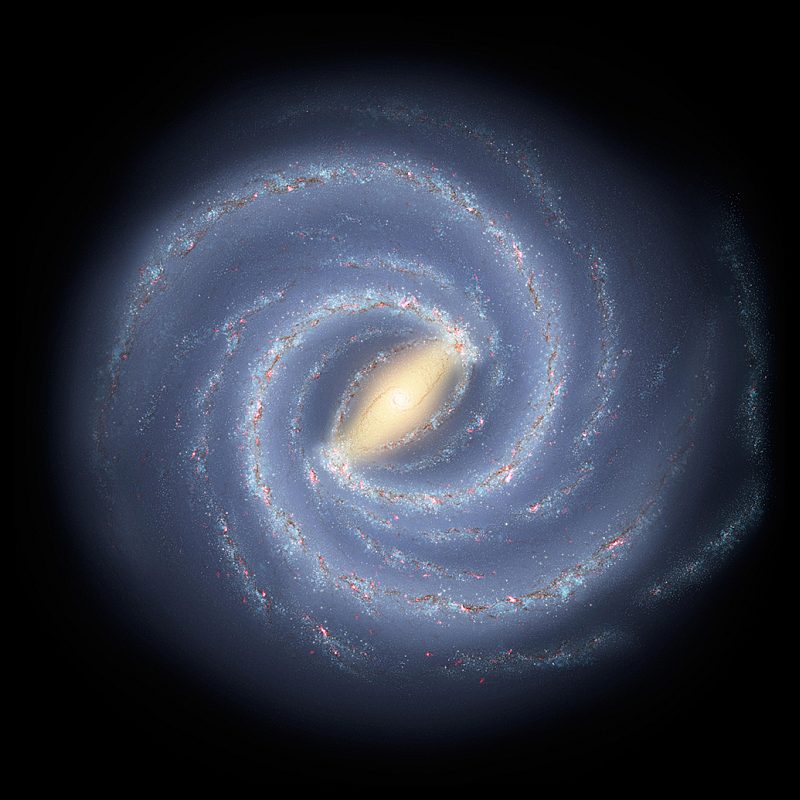
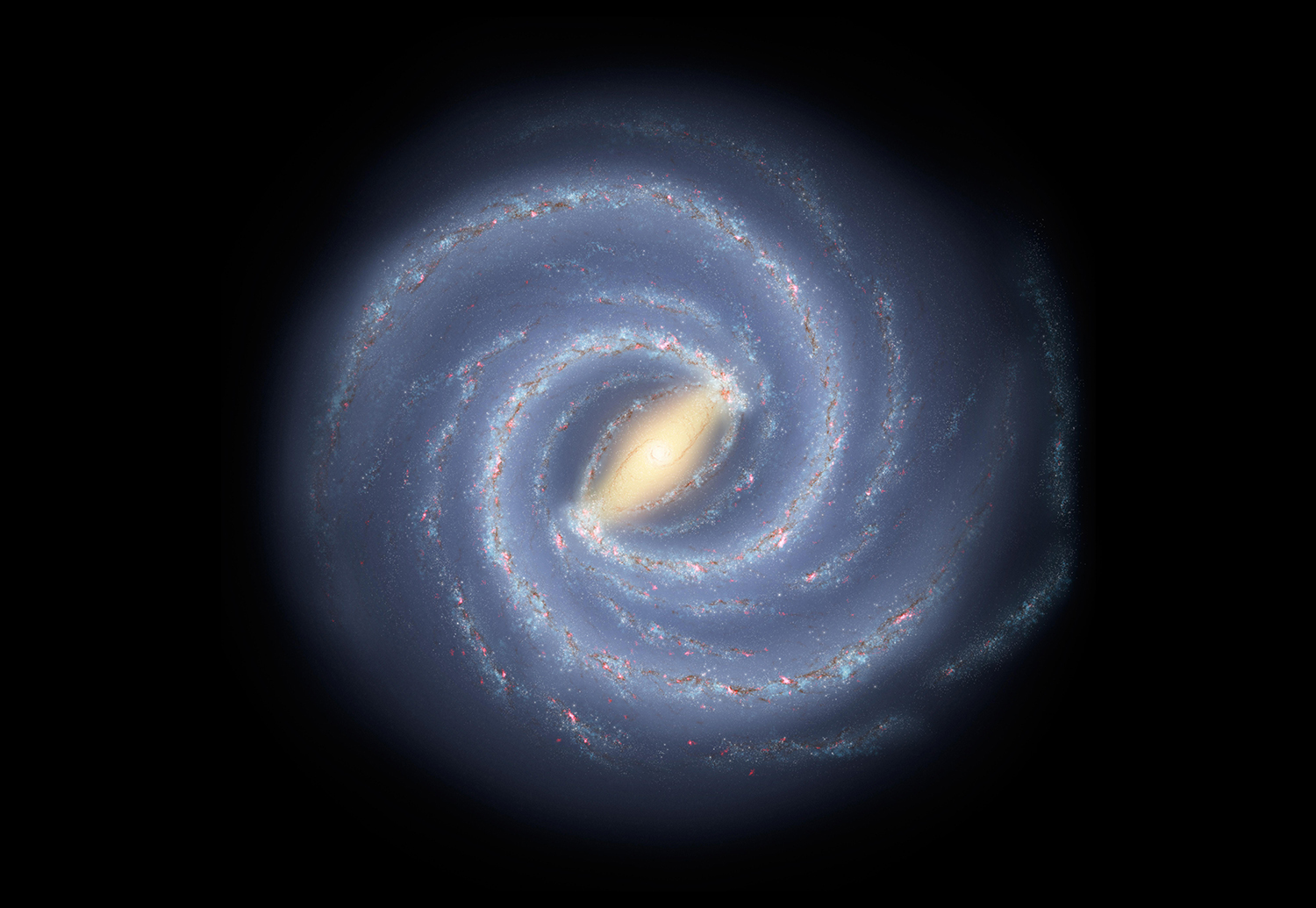
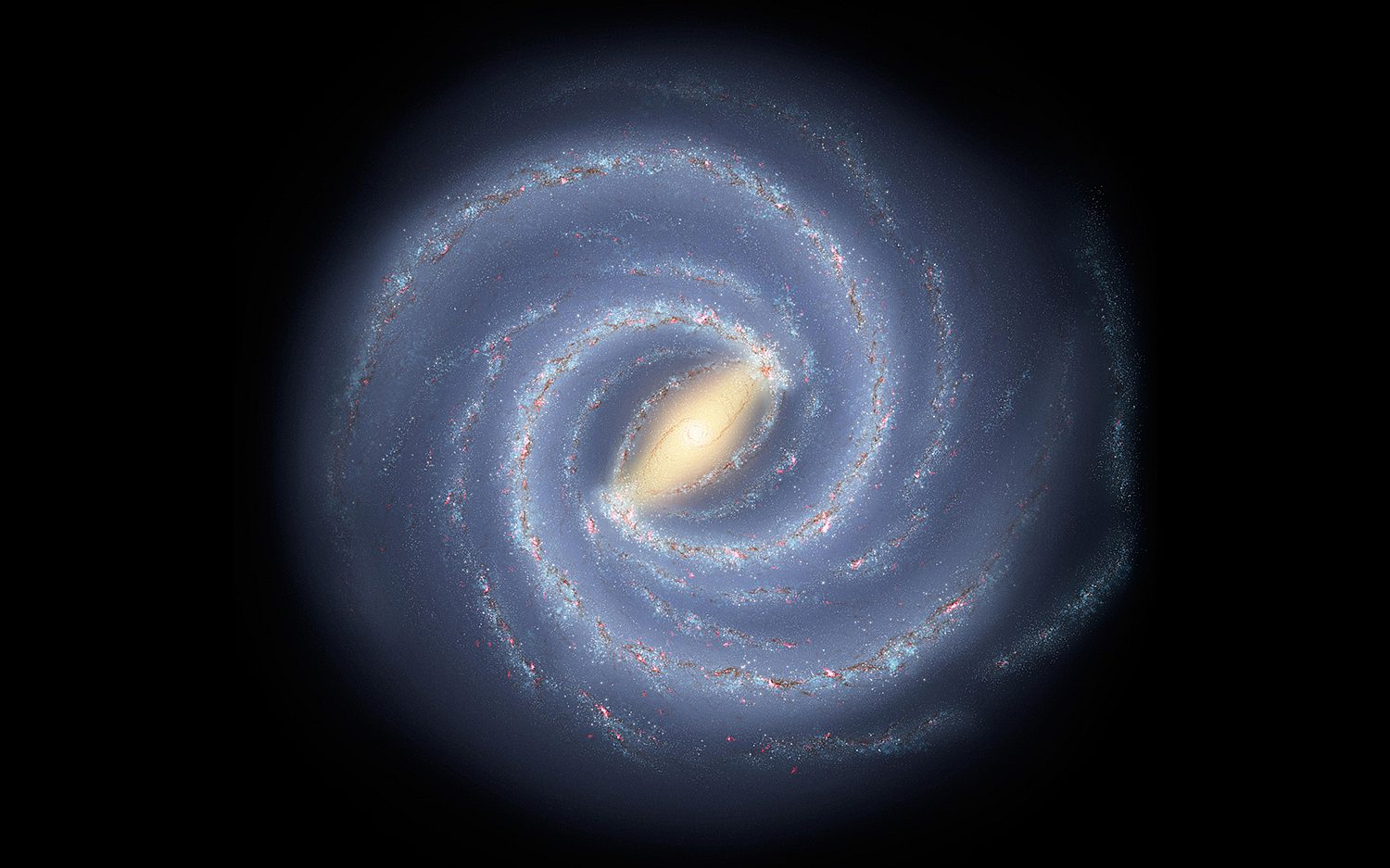
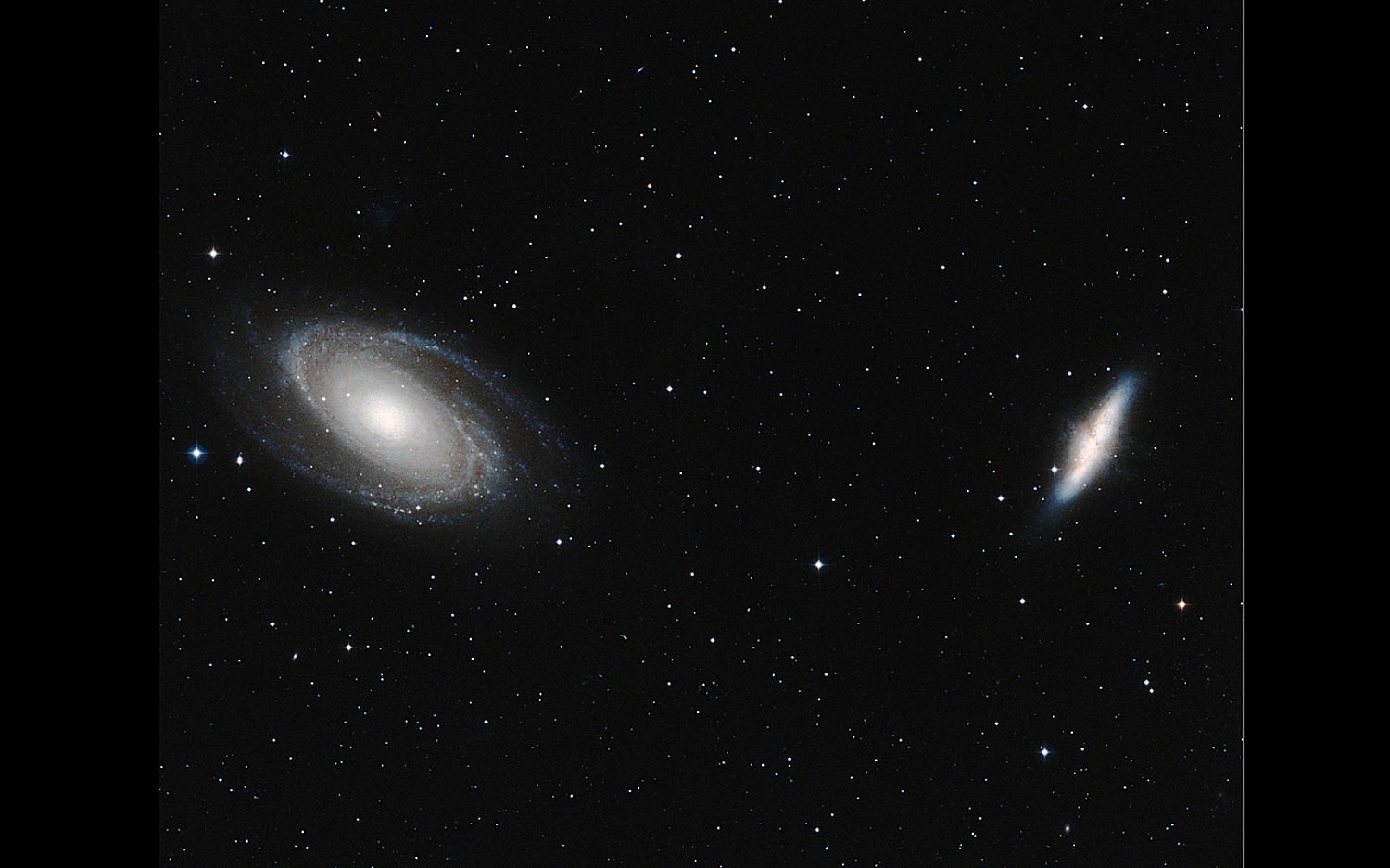
    This illustration shows the Milky Way. No spacecraft has traveled far enough to photograph our galaxy. (NASA/JPL-Caltech)
  • 2 galaxycollision NASAJPL Caltech
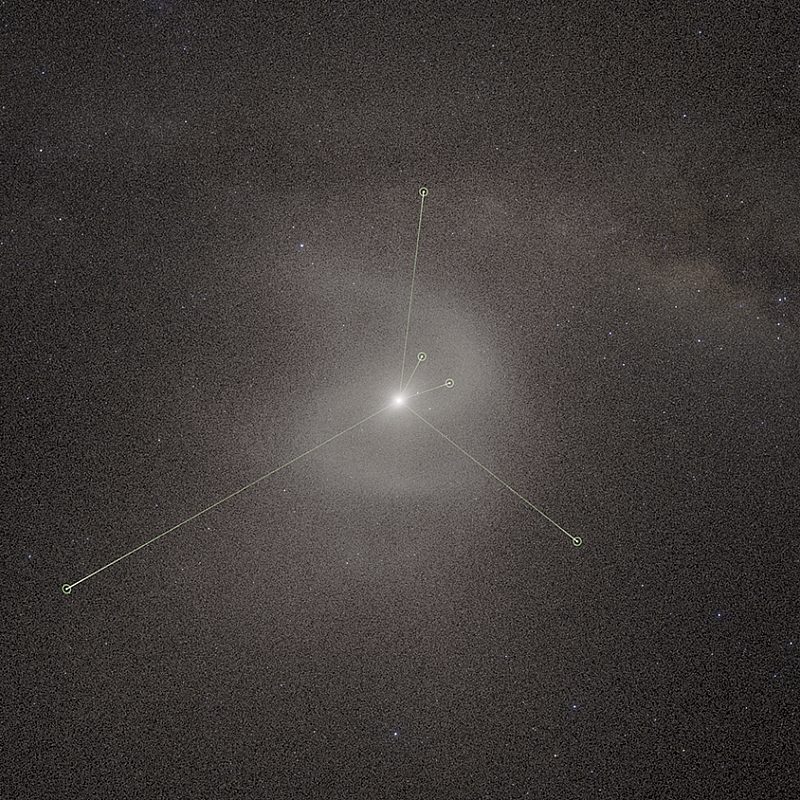
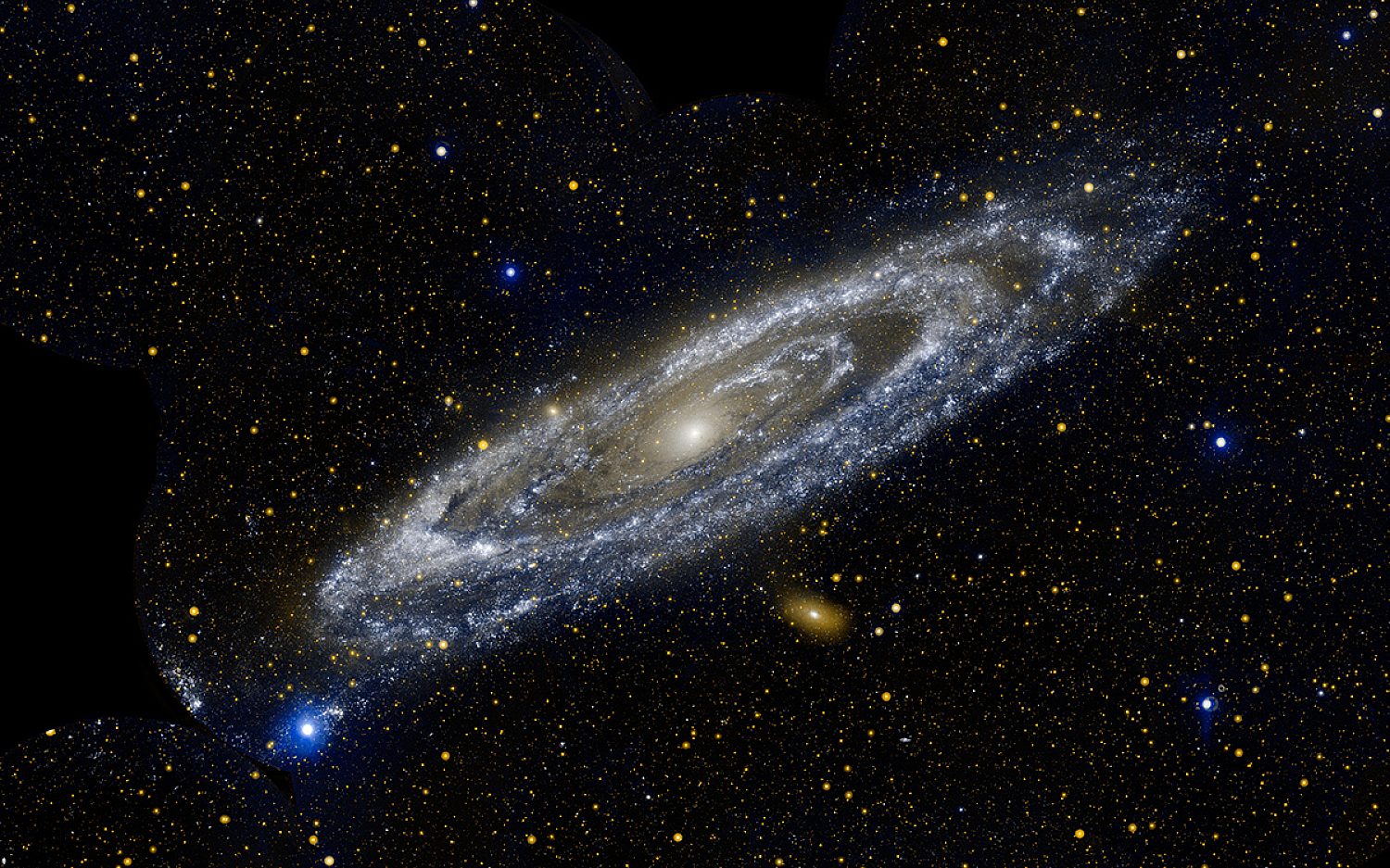
    Andromeda is a spiral galaxy similar to the Milky Way. It is the closest major galaxy. (NASA/JPL-Caltech)
  • 3 galaxycollision Science NASA ESA ST Sc I DSS Till Sawala University of Helsinki Image Processing Joseph De Pasquale ST Sc I
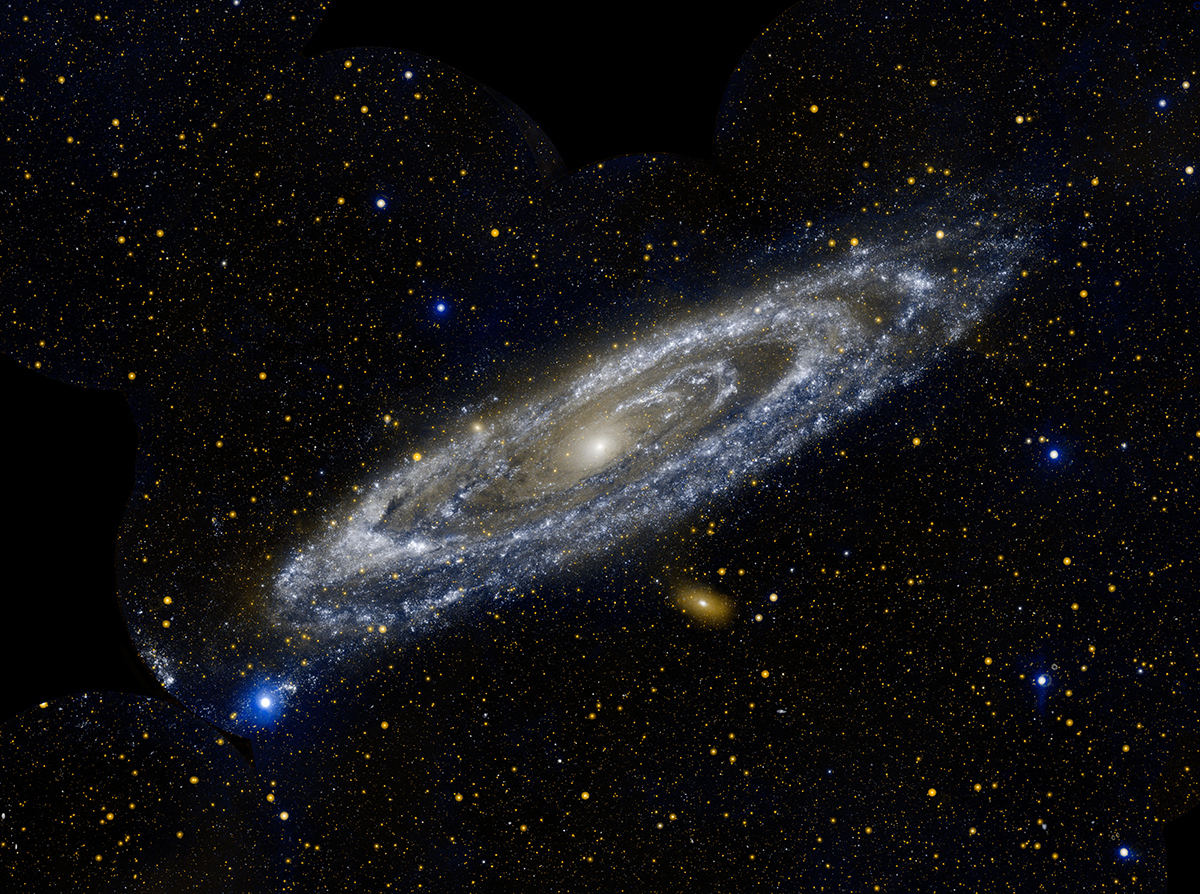
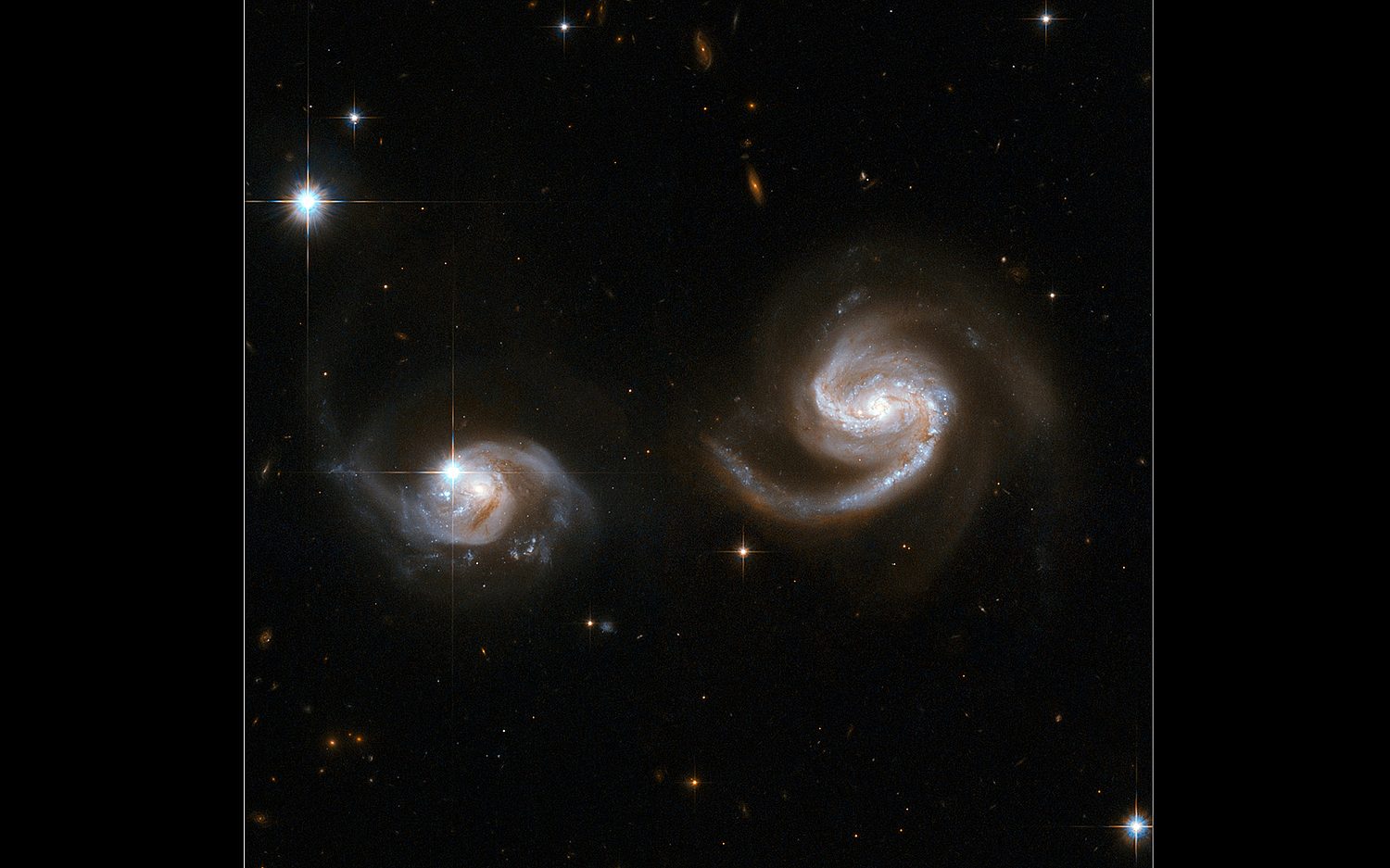
    Scientists have lots of ideas about how the Milky Way and Andromeda galaxies might interact with each other billions of years from now. (Science: NASA, ESA, STScI, DSS, Till Sawala (University of Helsinki); Image Processing: Joseph DePasquale (STScI))
  • 4 galaxycollision Science NASA ESA ST Sc I DSS Till Sawala University of Helsinki Image Processing Joseph De Pasquale ST Sc I
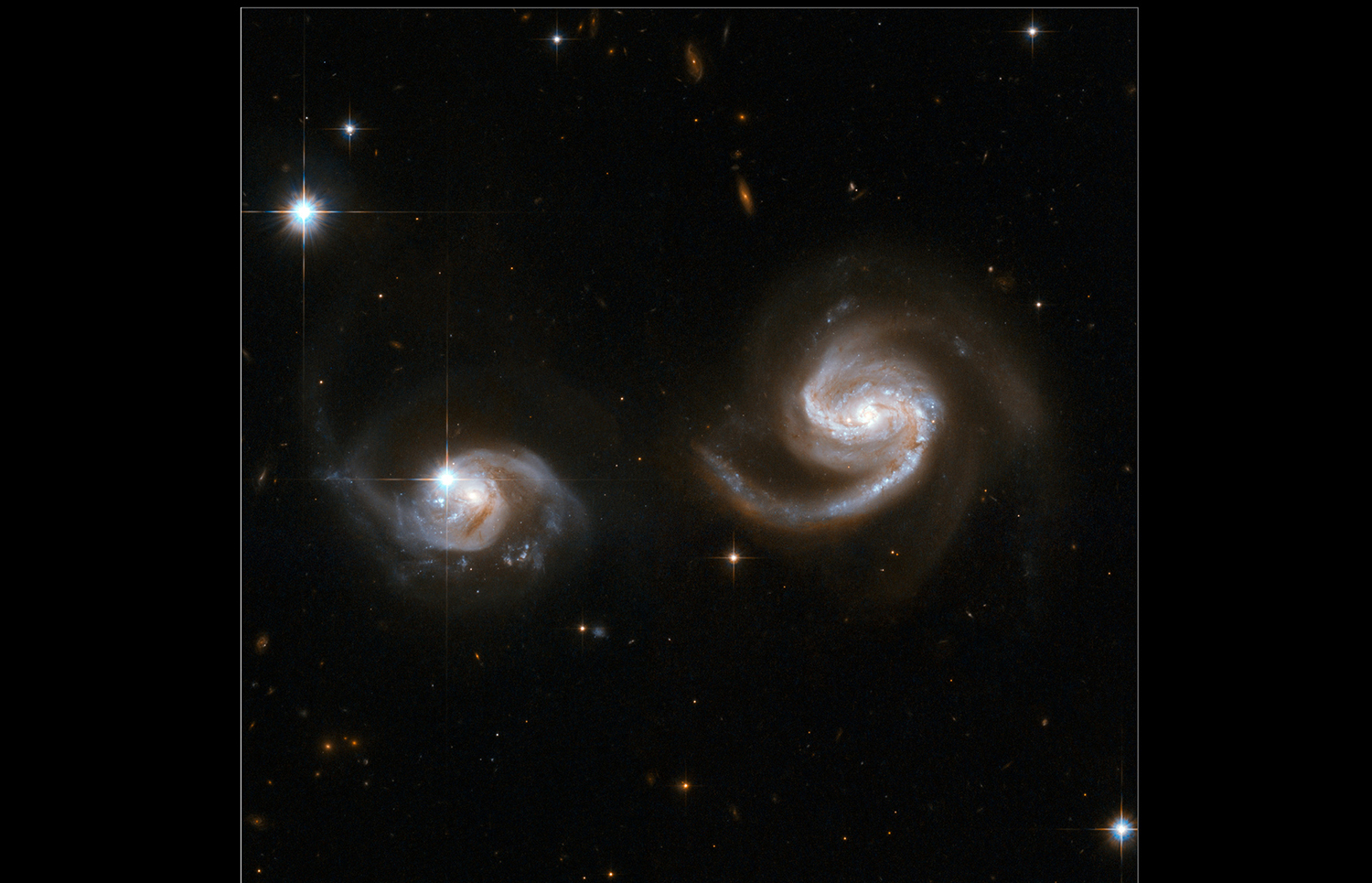
    This image shows two galaxies coming close to each other without colliding. (Science: NASA, ESA, STScI, DSS, Till Sawala (University of Helsinki); Image Processing: Joseph DePasquale (STScI))
  • 5 galaxycollision Science NASA ESA ST Sc I DSS Till Sawala University of Helsinki Image Processing Joseph De Pasquale ST Sc I
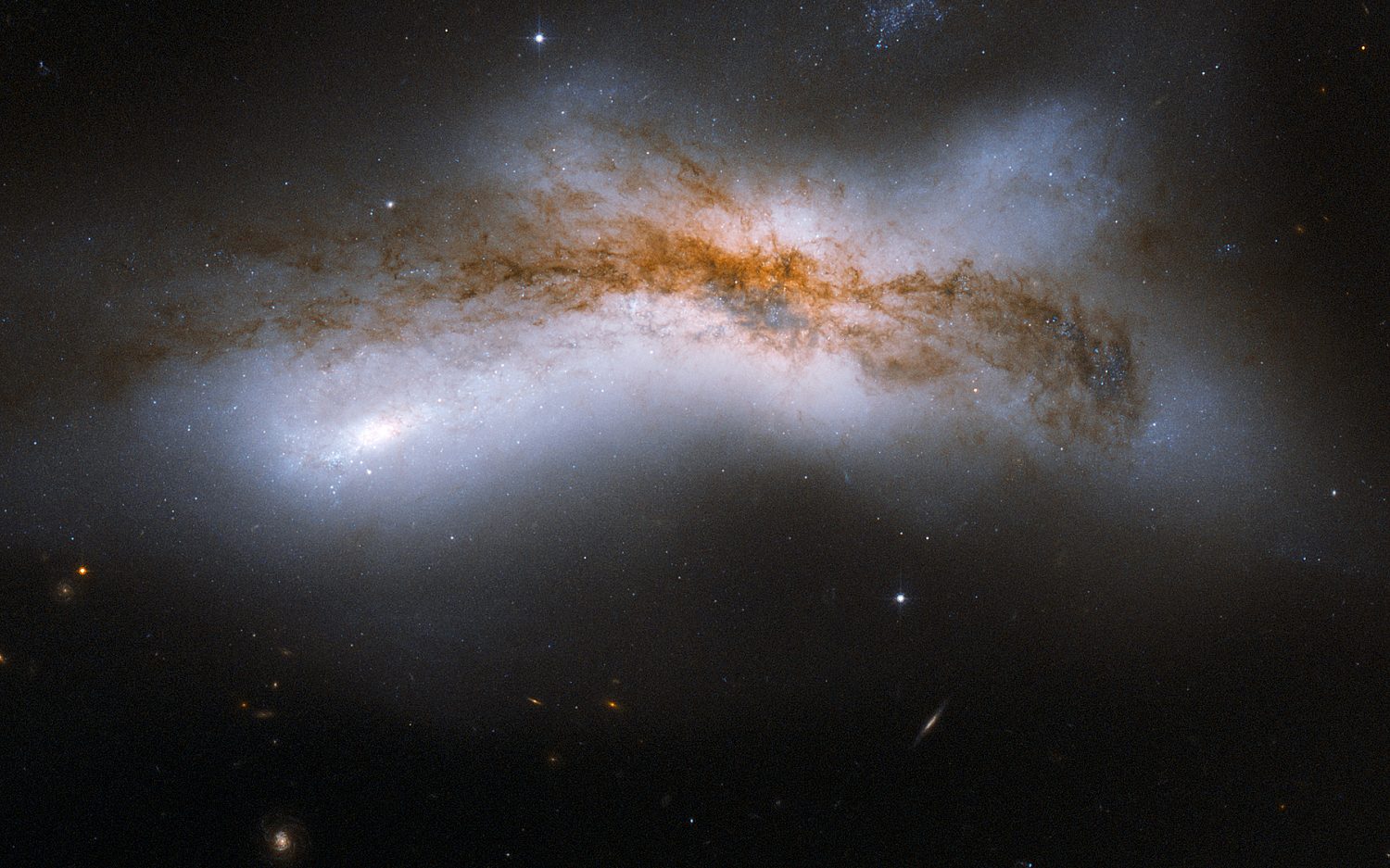
    This image shows two galaxies merging. (Science: NASA, ESA, STScI, DSS, Till Sawala (University of Helsinki); Image Processing: Joseph DePasquale (STScI))
  • 1 galaxycollision NASAJPL Caltech
  • 2 galaxycollision NASAJPL Caltech
  • 3 galaxycollision Science NASA ESA ST Sc I DSS Till Sawala University of Helsinki Image Processing Joseph De Pasquale ST Sc I
  • 4 galaxycollision Science NASA ESA ST Sc I DSS Till Sawala University of Helsinki Image Processing Joseph De Pasquale ST Sc I
  • 5 galaxycollision Science NASA ESA ST Sc I DSS Till Sawala University of Helsinki Image Processing Joseph De Pasquale ST Sc I

THIS JUST IN

You have {{ remainingArticles }} free {{ counterWords }} remaining.

The bad news: You've hit your limit of free articles.
The good news: You can receive full access below.
WORLDkids | Ages 7-10 | $35.88 per year

SIGN UP
Already a member? Sign in.

Don’t worry. Our Milky Way galaxy and the Andromeda galaxy might not run into each other after all.

Oh, you weren’t worried? You’re right. There’s no need. Even if a collision does happen, scientists say it won’t be for billions of years. 

Many astronomers think the Milky Way and Andromeda galaxies might have collided with (or run into) other galaxies very long ago. What if they one day cross cosmic paths with each other? Scientists looked at information from space telescopes. They came up with theories. Perhaps a collision would create a new galaxy called Milkomeda. (Hmmm . . .) 

A team of scientists from Finland has a new idea. The probability (that’s a math term for how likely something is) of the two galaxies smashing into each other? The astronomers say that’s less than they thought. They now believe it’s just a 50-50 chance within the next 10 billion years.

Scientific theories often change. That’s especially true for theories about space. Scientists keep learning new things about the universe. Sometimes they figure out that old ideas were wrong. The universe is huge. No human can see all of it. Not even with a strong telescope.

But there is someone who does know everything about the universe. That’s its Creator. God knows exactly how long His creation will last. We don’t need to be concerned about galaxies colliding. God can and will take care of us.

Heaven and Earth will pass away, but my words will not pass away. But concerning that day and hour no one knows, not even the angels of heaven, nor the Son, but the Father only. — Matthew 24:35-36