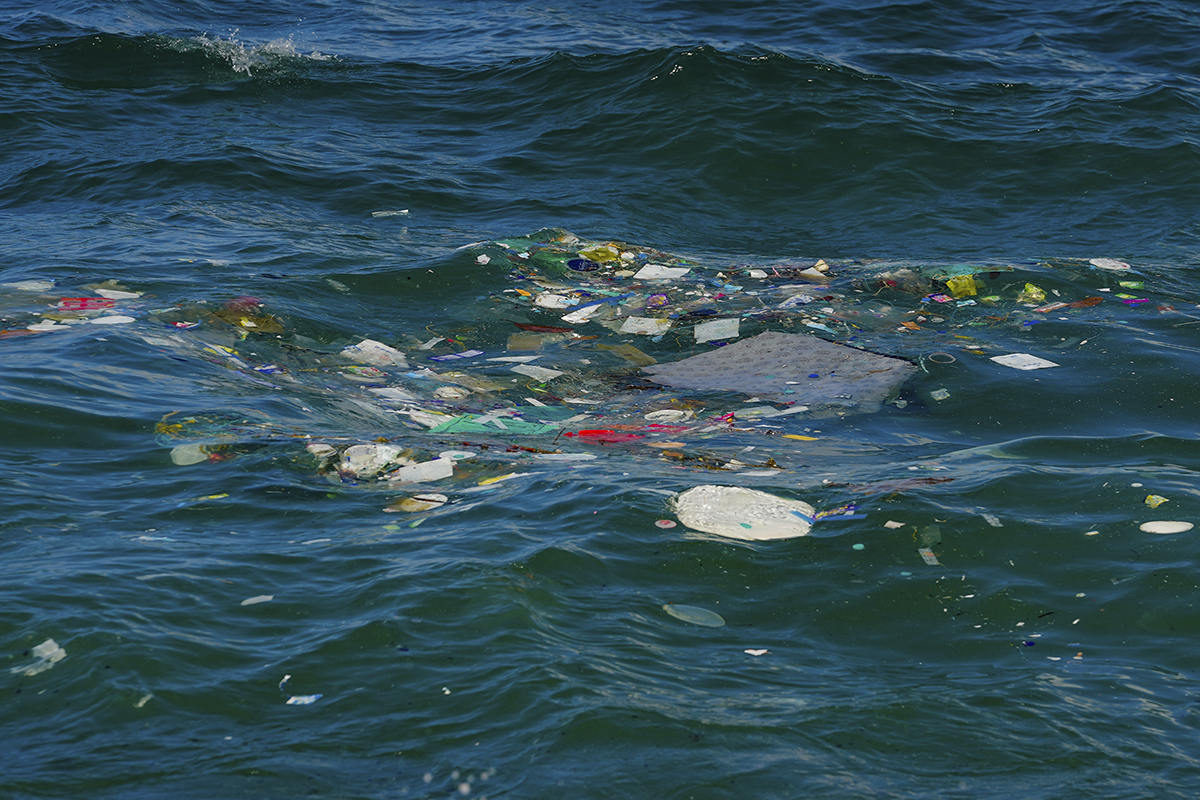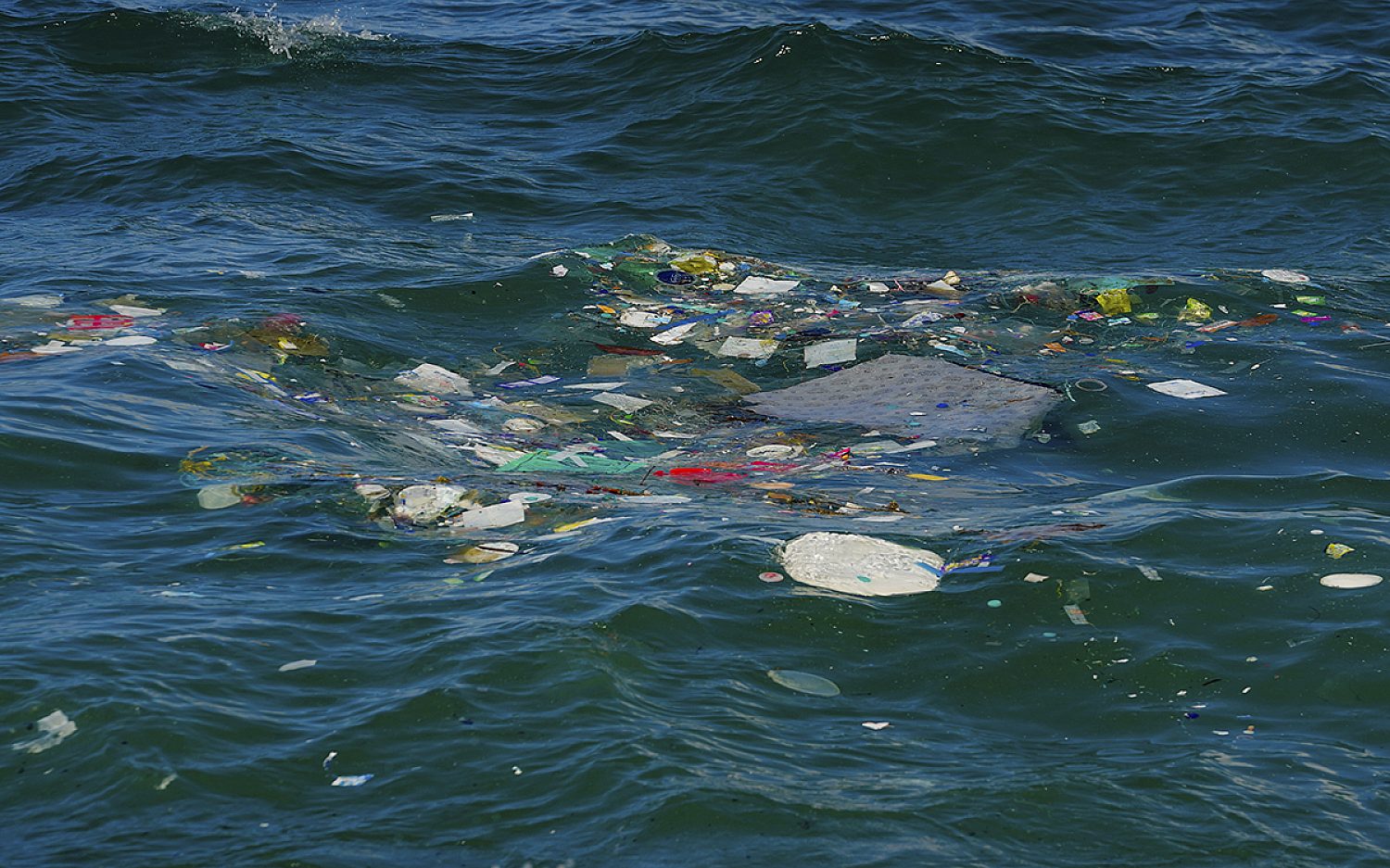
Scientists in Australia find a fungus that grows in marine habitats. It eats plastic. That’s good news!
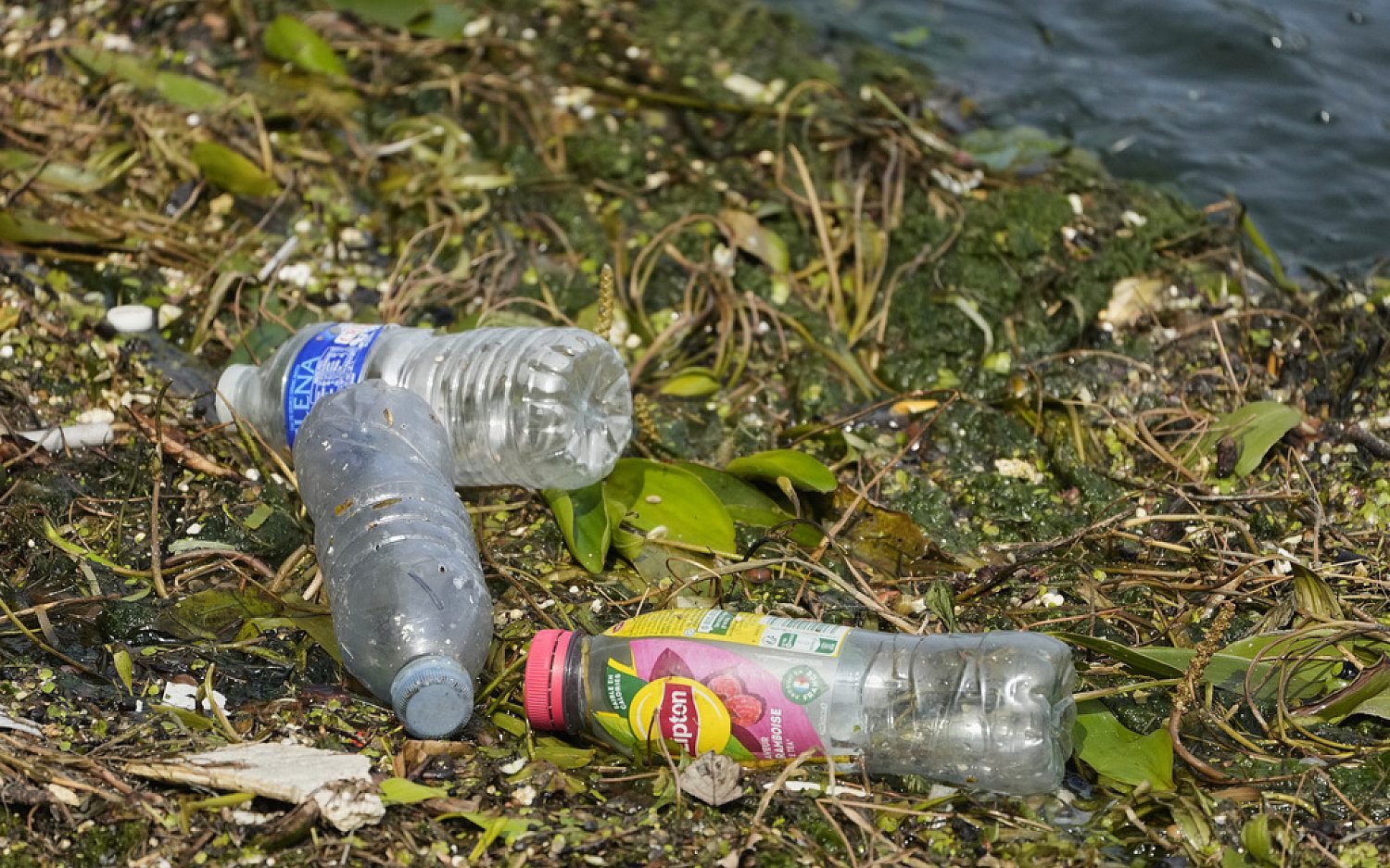
Professor Ali Abbas led a team that found two other plastic-eating types of fungi. These grow on land. He says people believe that most plastics take “many, many years and even decades” to degrade, or break down in soil or water.
But that may not always be the case, thanks to the plastic-eating fungi. Professor Abbas says the “fungi are able to degrade plastics much faster.”
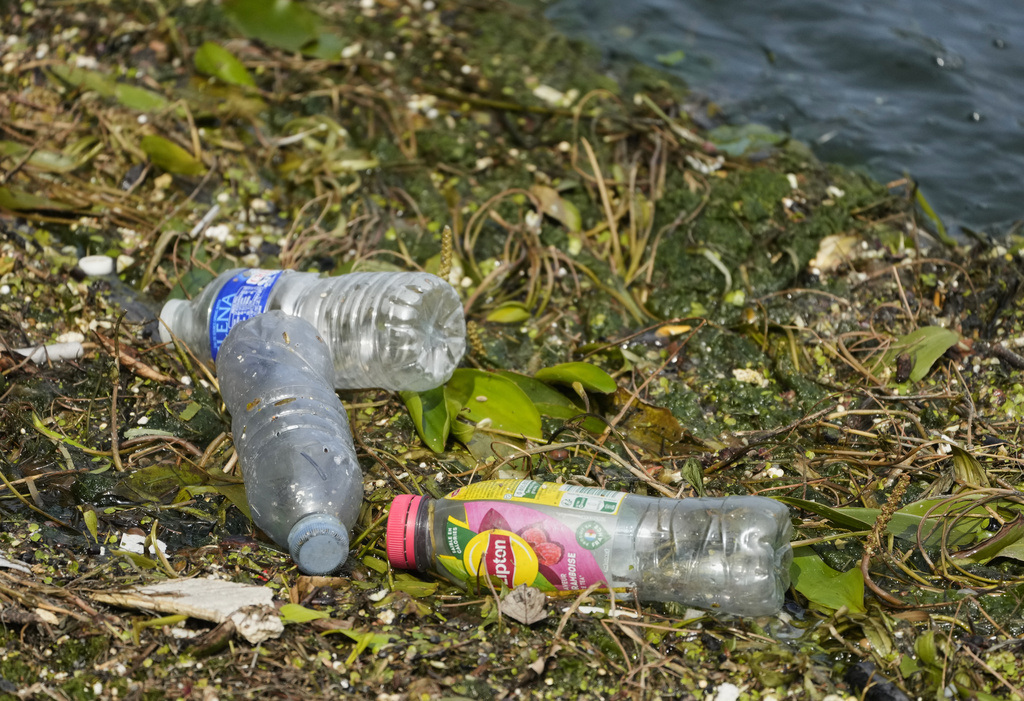
All three types eat polypropylene. Polypropylene is in many products we use regularly. Food packaging. Bottle tops. Car parts. Coat hangers. And much, much more.
In the lab, scientists first treated a polypropylene sample with heat or ultraviolet light. (This mimics what happens to plastics after use. They get weathered.) Next, they added the plastic and some of the terrestrial (land) fungi together in a liquid solution. After 30 days with the plastic, the fungi ate 21% of it.
Well, not exactly “ate.” The fungi produced enzymes. They naturally broke down the plastic.
Now the scientists test the marine fungus. It may break down plastic even faster!
Diaper Fungus?!
“Diaper fungus” sounds like a bad thing. But it could be very, very good.
Americans threw away about four million tons of diapers just in 2018. It takes hundreds of years for diapers to break down in landfills. You know what that means? The first disposable diaper ever used is still in a dump somewhere!
Diaper makers in Austin, Texas, got a stinky but bright idea. They thought baby poop and fungi could work together to tackle landfill waste.
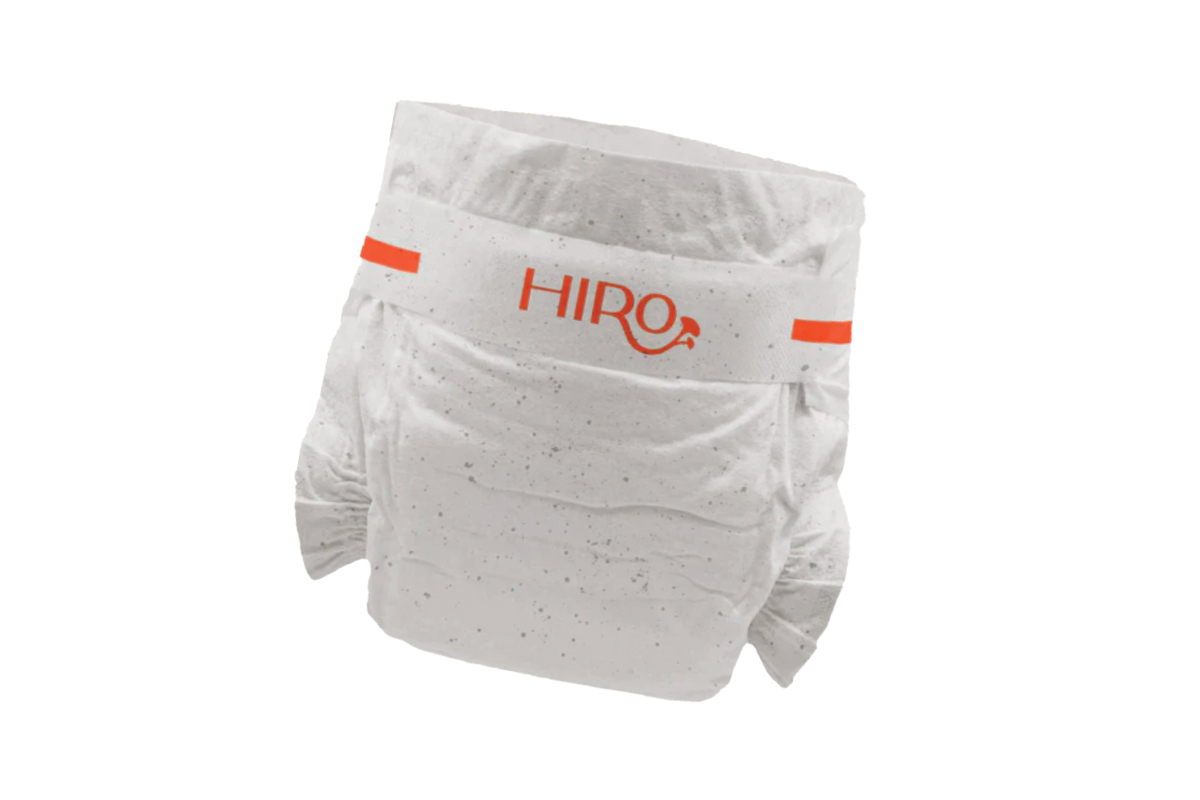
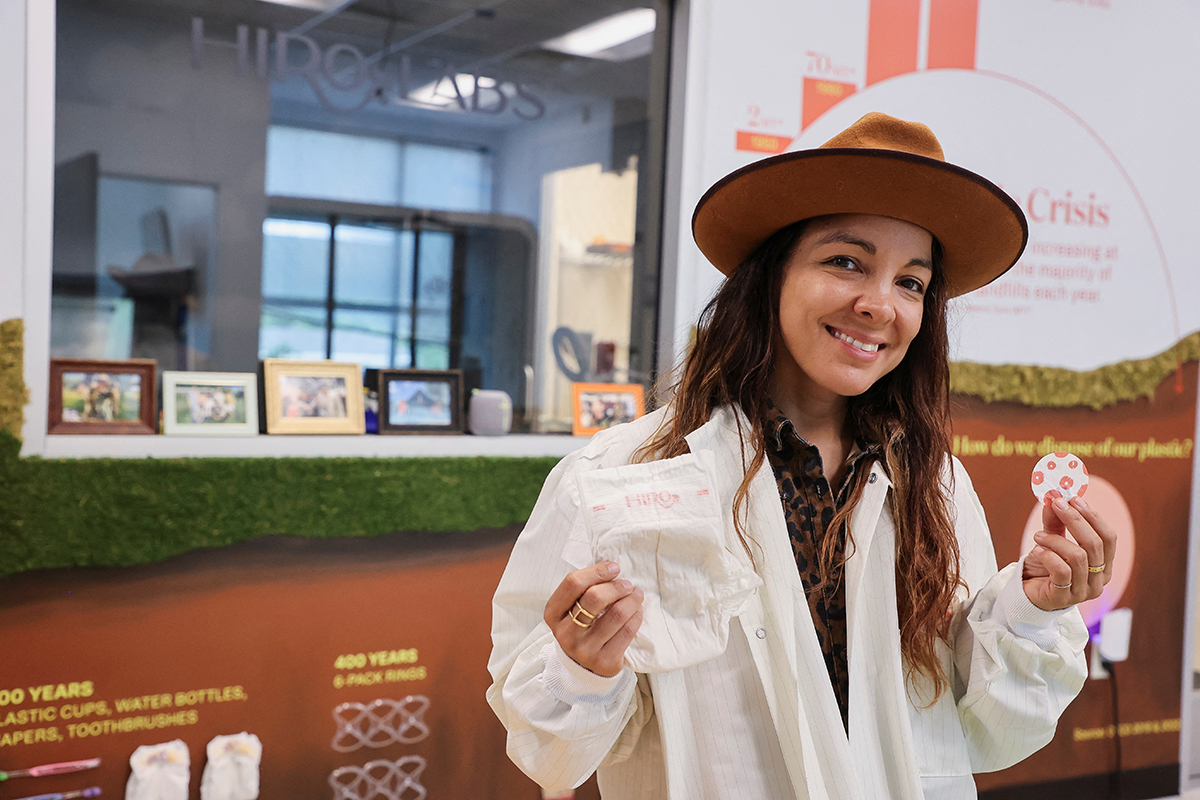
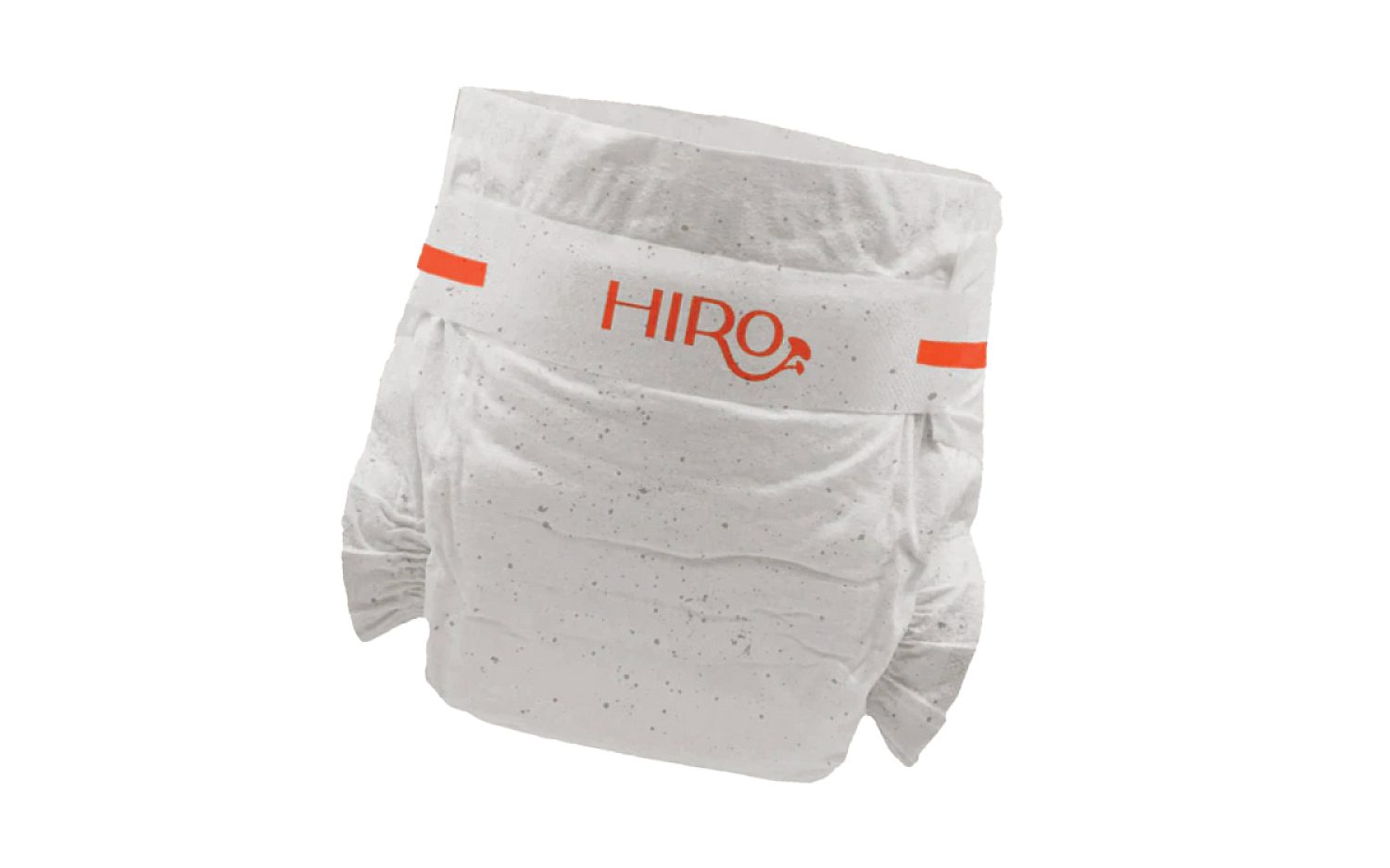
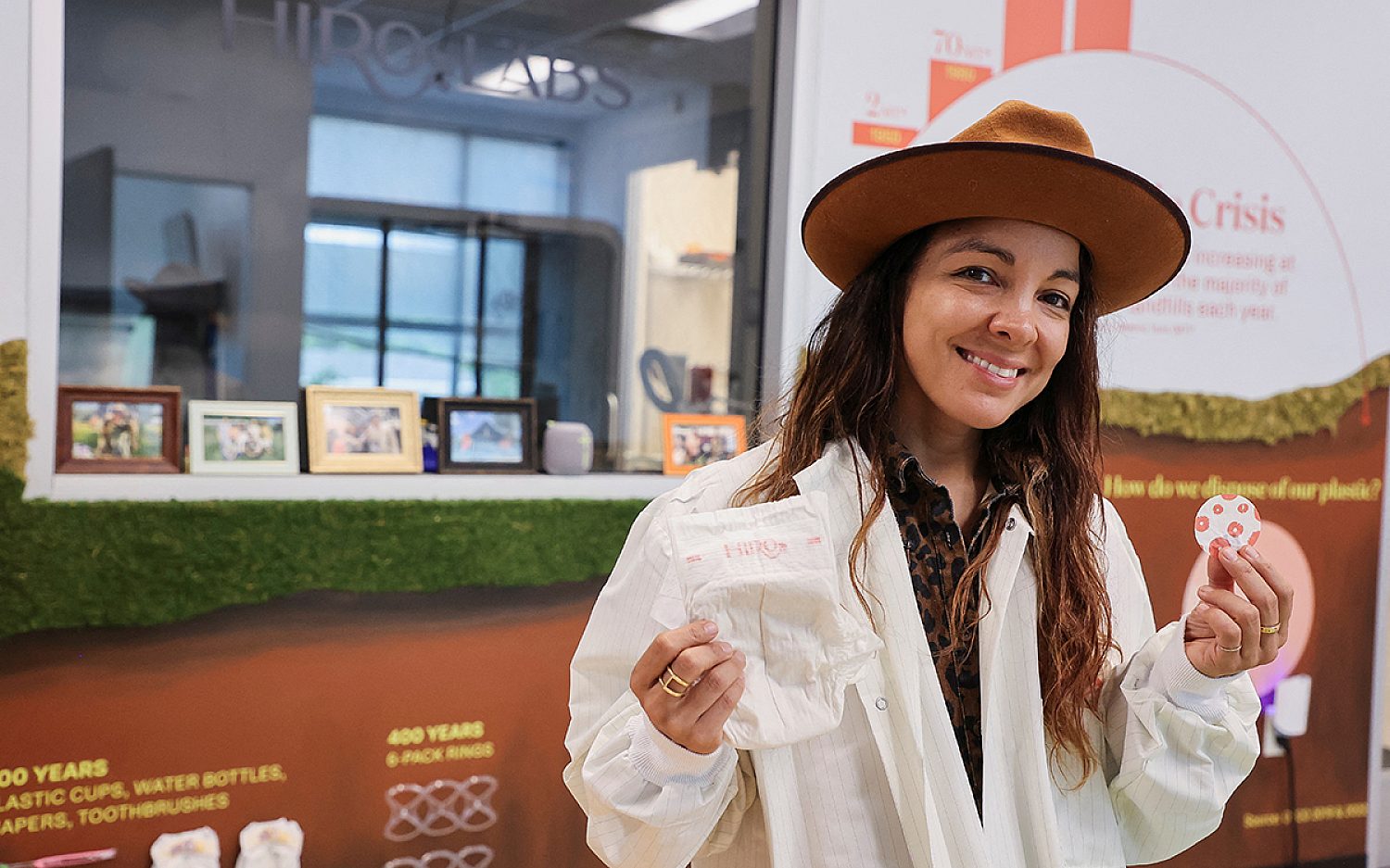
Meet Hiro Technologies’ MycoDigestible Diapers. Each one comes with a packet holding a combination of fungi. Add the packet to the dirty diaper before you throw it away. After a week or two, moisture in the diaper activates the fungi. Breakdown begins.
The fungi combination has superpowers. It turns an icky diaper into black soil. It takes just nine months.