
Scientists learned something new about our Milky Way galaxy . . . from a planetarium show.
The American Museum of Natural History is showing a new film. It’s called Encounters in the Milky Way. The filmmakers used computer animation. They made visuals from scientific data. The data described how stars and other celestial objects move.
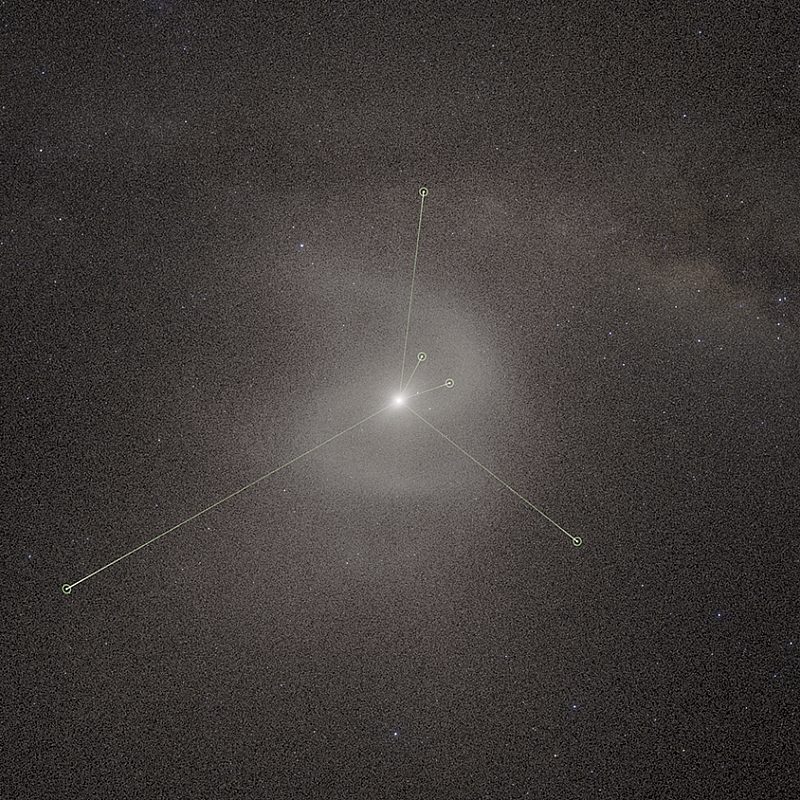
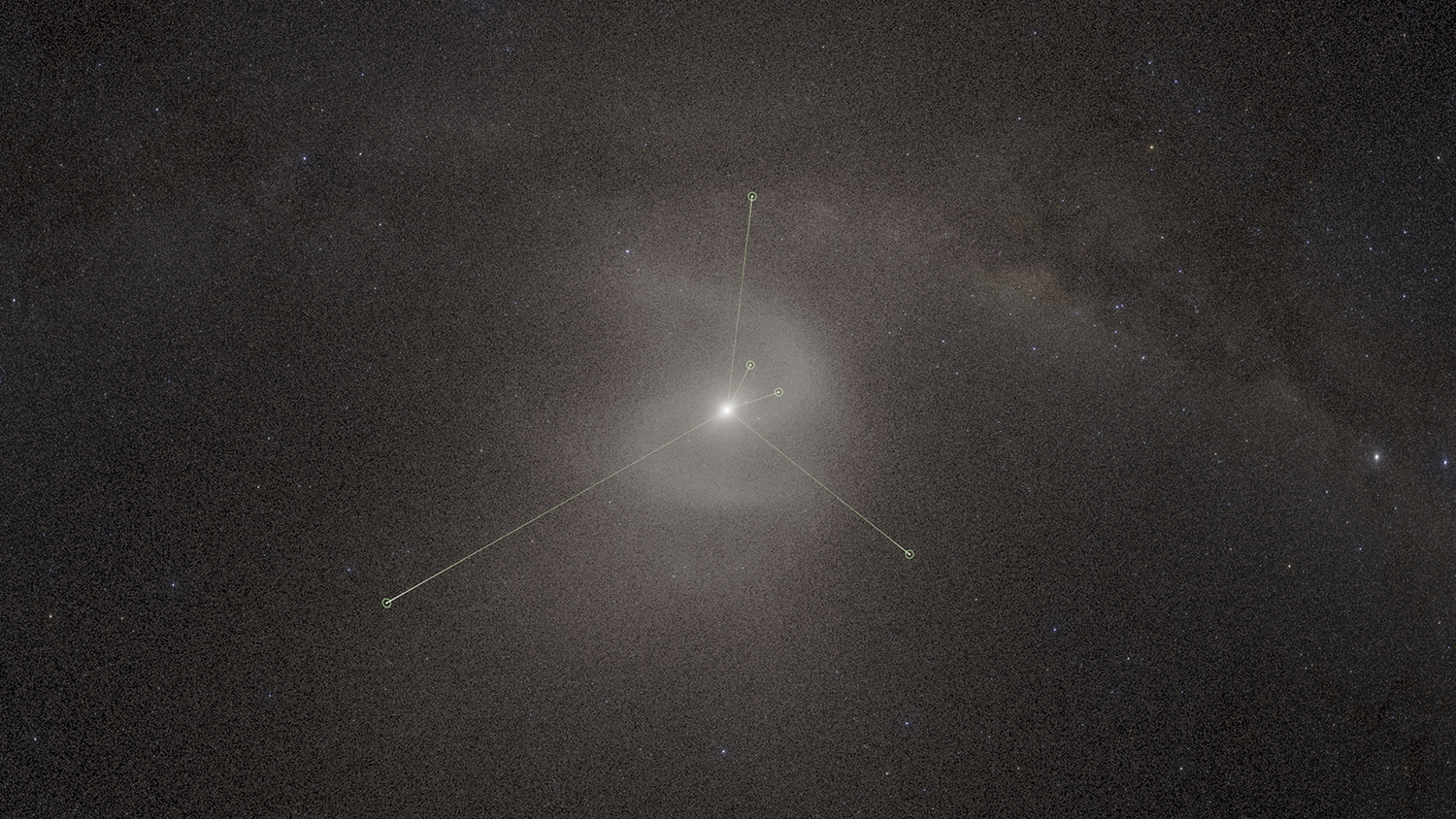
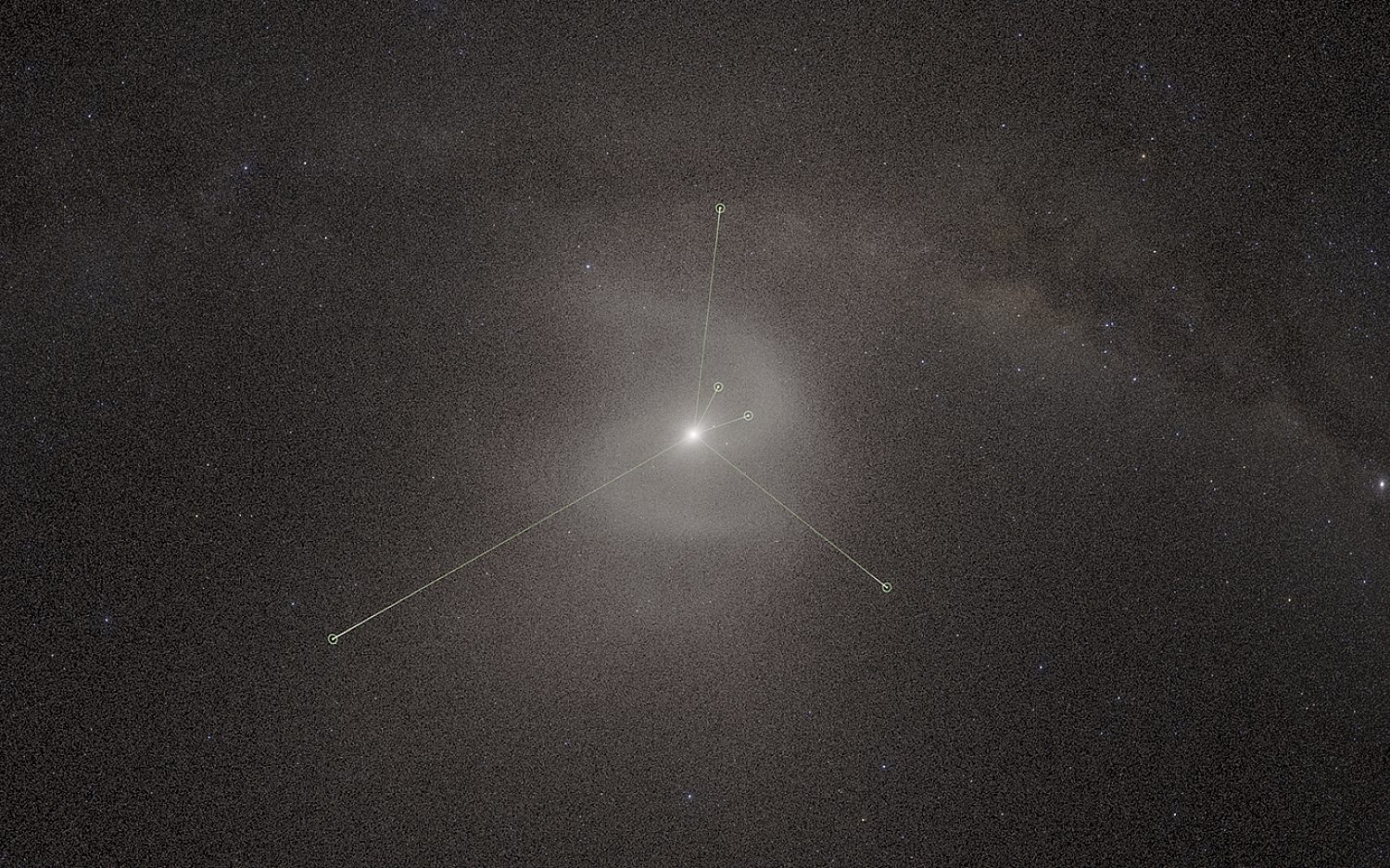
Scientists and animators watched a scene about the Oort Cloud. That’s a region at the far ends of our galaxy. According to NASA, it’s “like a big, thick bubble around our Solar System.” It’s filled with icy objects. Comets sometimes hurtle toward Earth from the cloud.
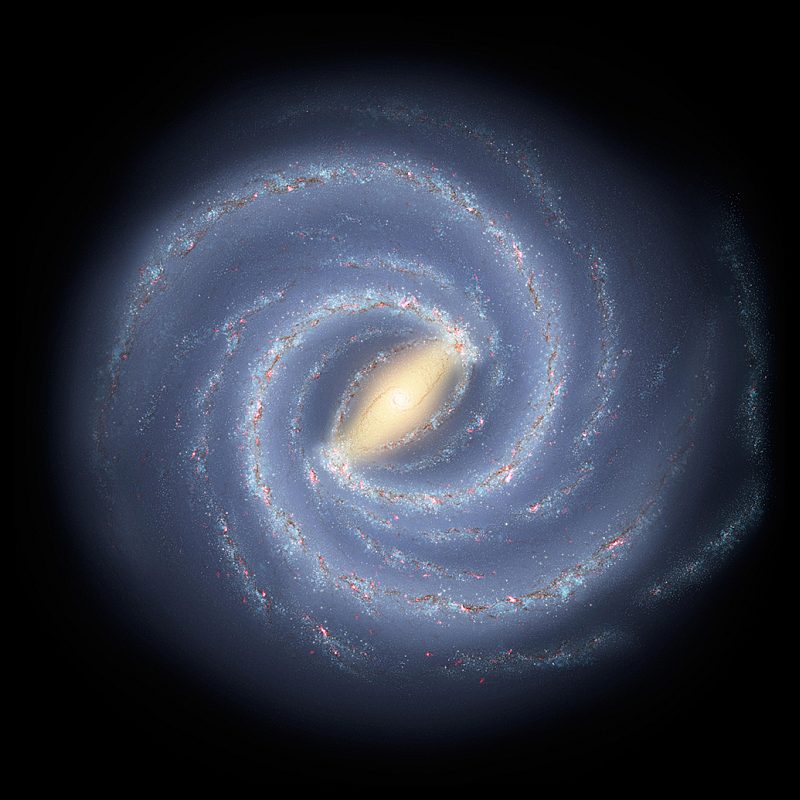
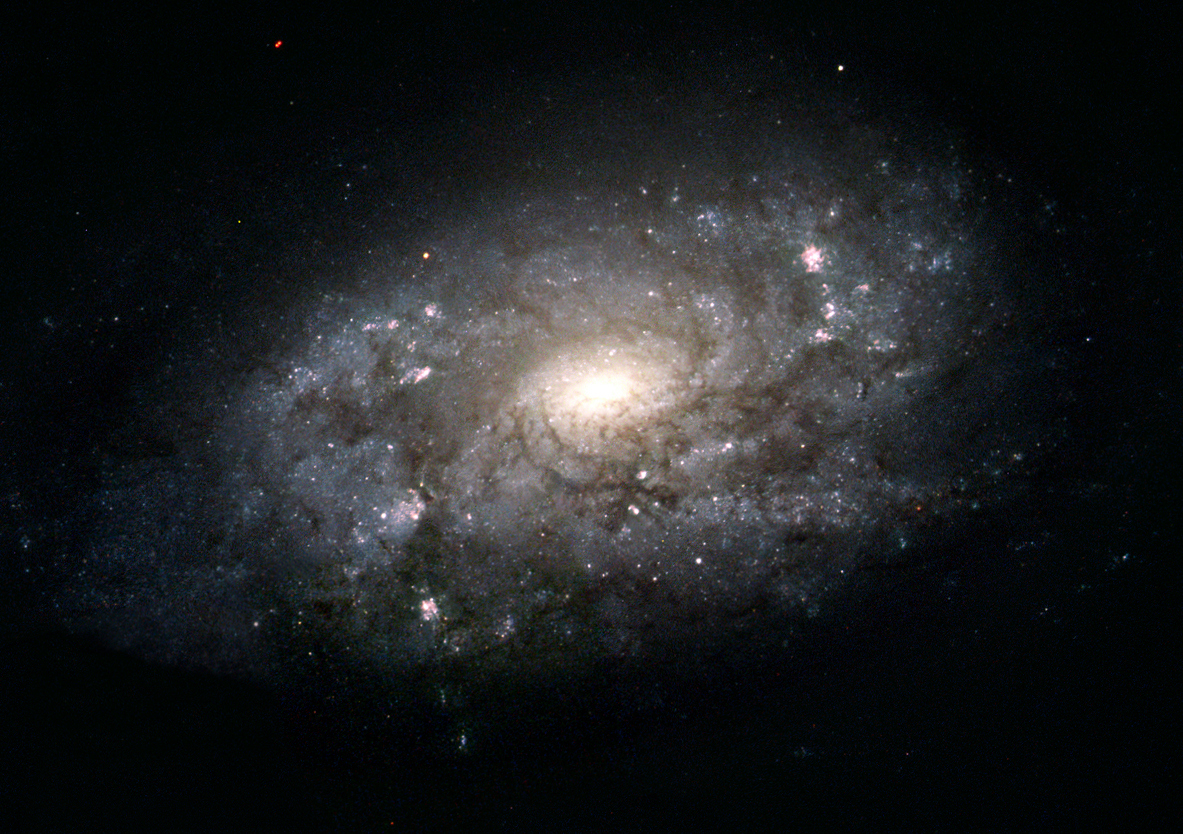
The scientists noticed something strange in the film. They had thought the Oort cloud was shaped like a sphere. But the film told another story. The inside of the Oort Cloud looked like a spiral! That’s similar to the shape of the Milky Way.
The museum used researcher David Nesvorny’s data. He also was surprised to see the spiral.
Dr. Nesvorny looked at his data again. He tried making other models. They all showed the spiral.
The discovery will be difficult to prove by looking. Scientists have never glimpsed the Oort Cloud’s true shape. It’s too far away. But studying the orbits of distant comets could give scientists more clues.
Museum workers wanted to make the film scientifically accurate. Good thing they did! Their work helped scientists stumble upon something new.
By faith we understand that the universe was created by the word of God, so that what is seen was not made out of things that are visible. — Hebrews 11:3
Why? There’s still a lot to explore about the universe we live in. As scientists learn more, they update previous theories.
Recommended Reading: For more about space and constellations, read The Stars: A New Way To See Them by H.A. Rey.