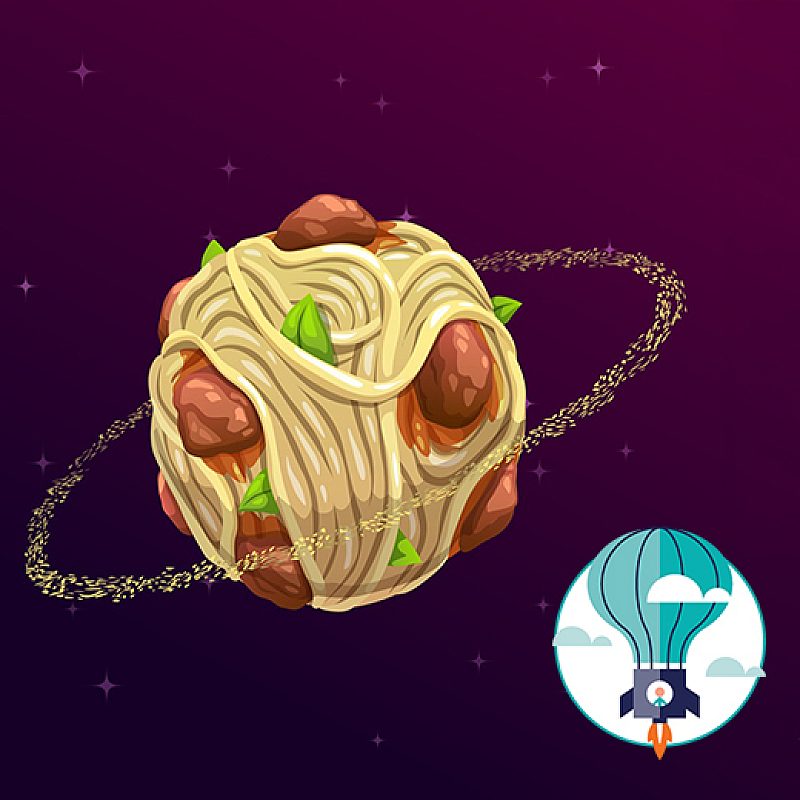

Hurrah! Spaghetti and pizza have a place on the list. Not just the grocery list. The BIG list. The UNESCO list.
UNESCO stands for United Nations Educational, Scientific, and Cultural Organization. It tracks the world’s “traditional practices and expressions.” In other words, it takes note of what people have been doing for a long, long time.
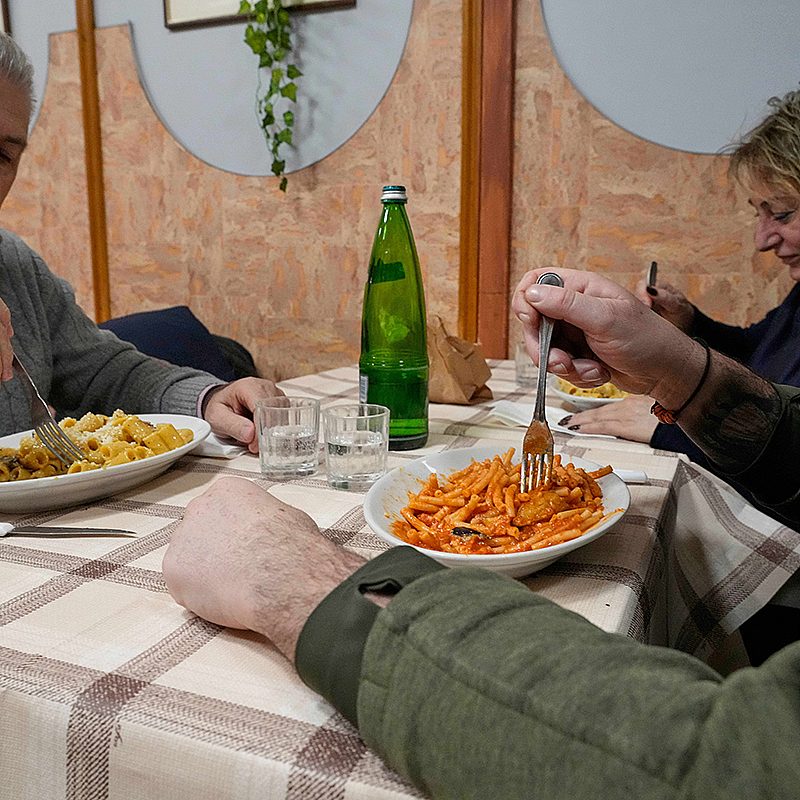
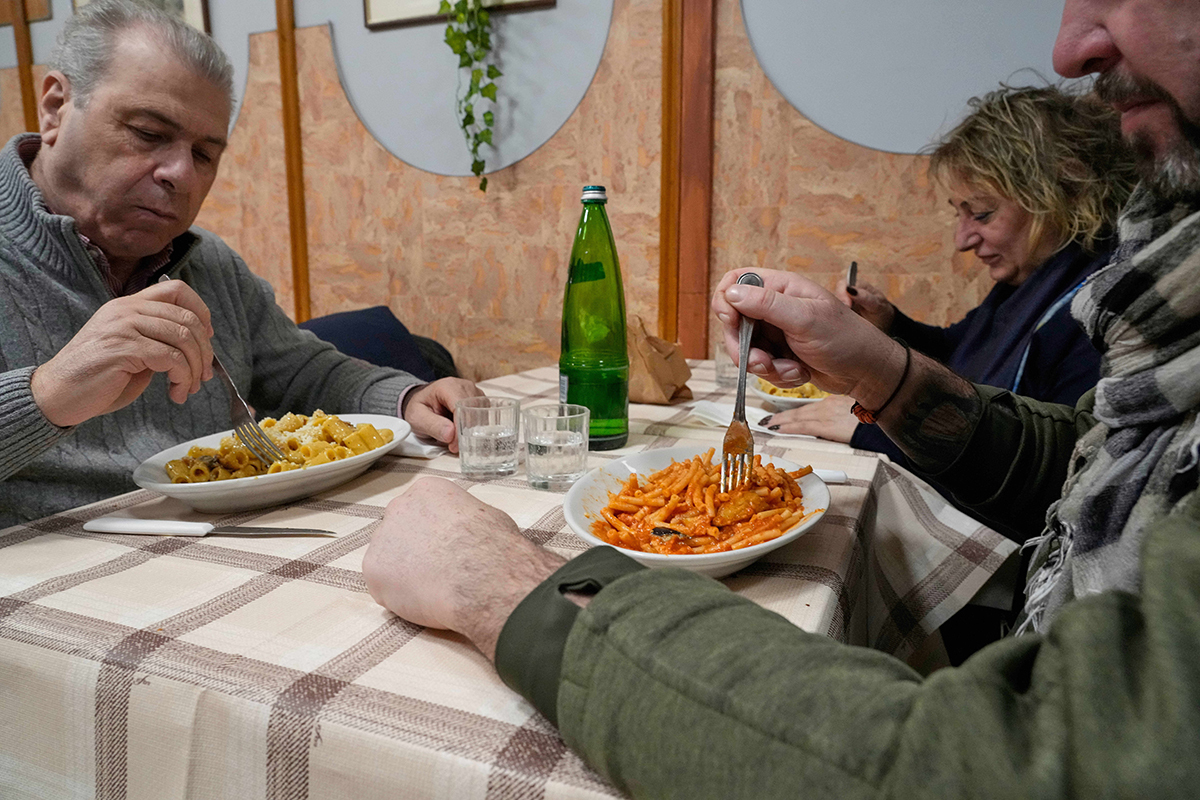
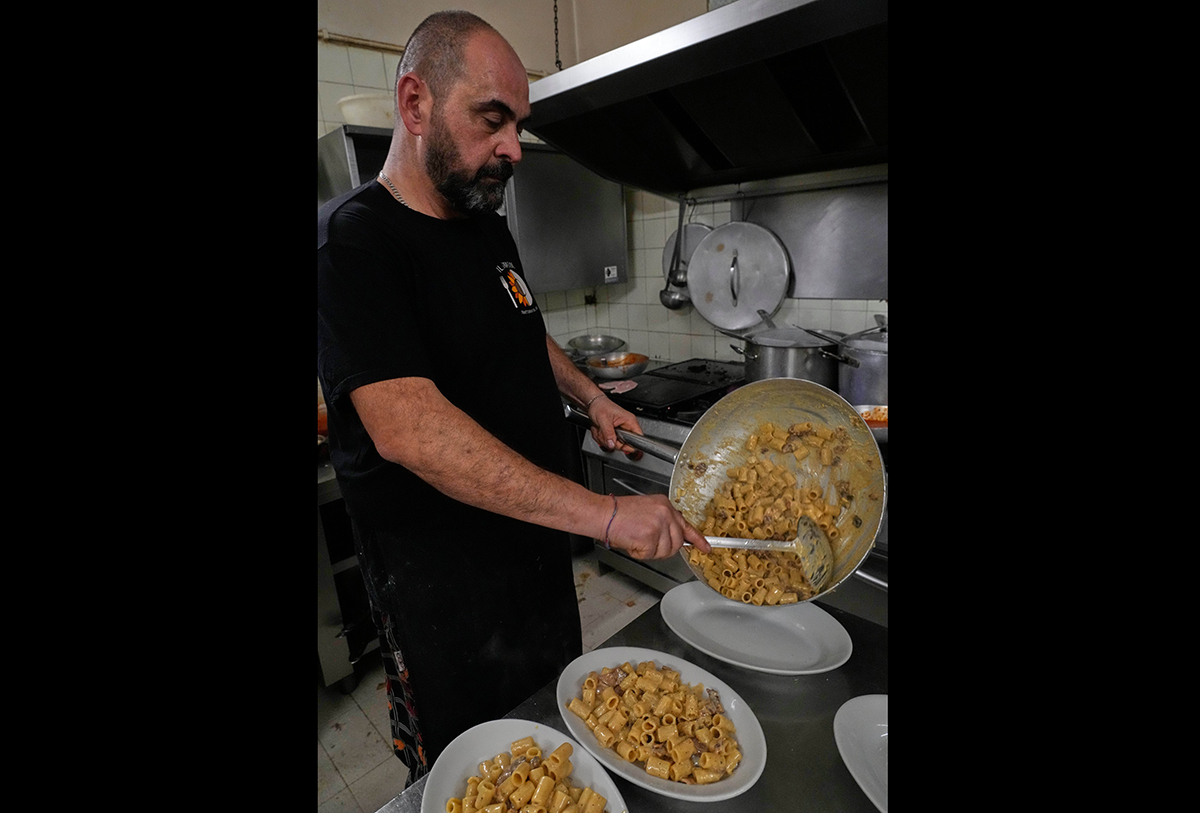
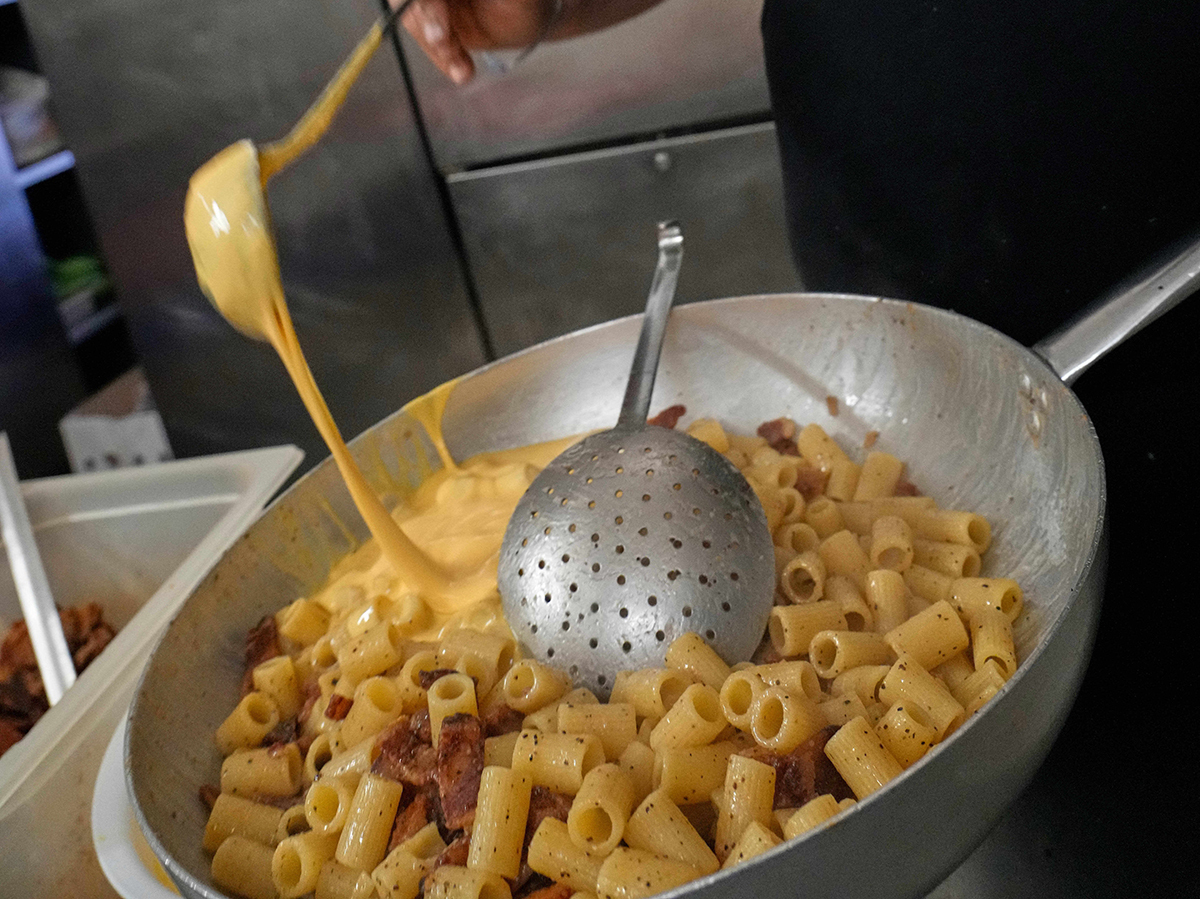
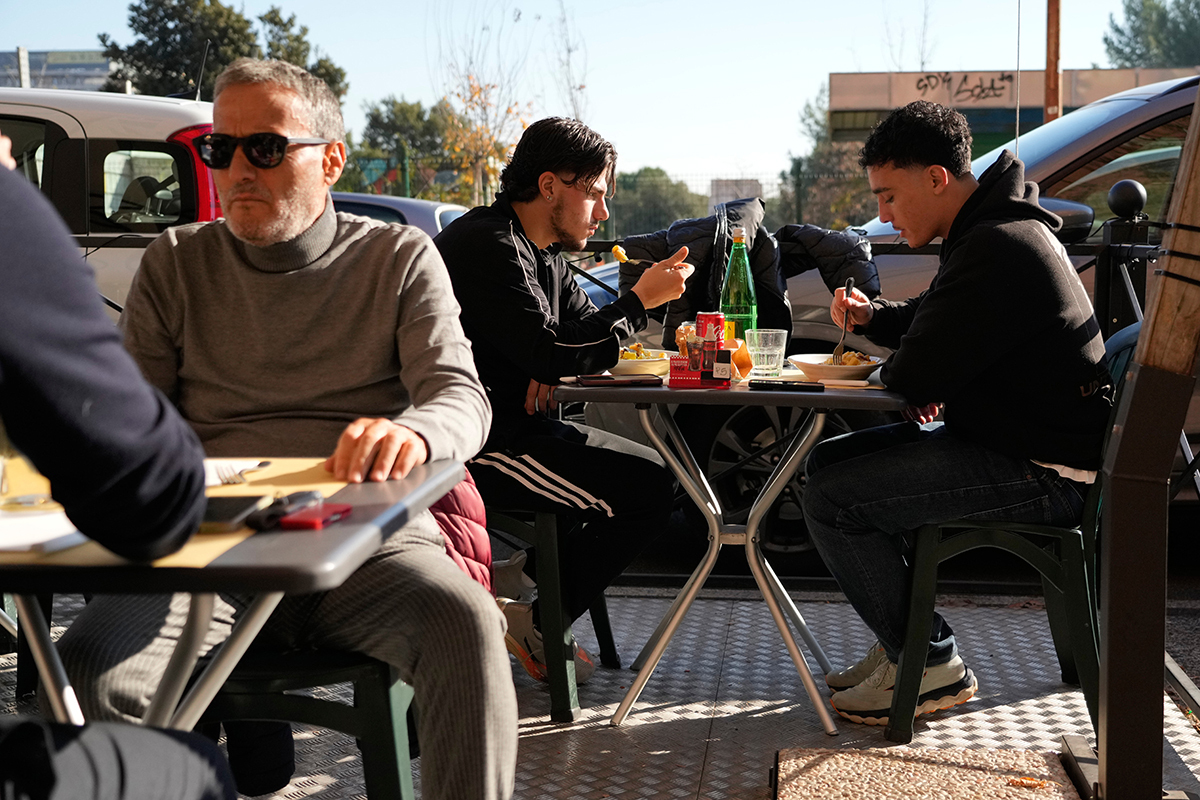
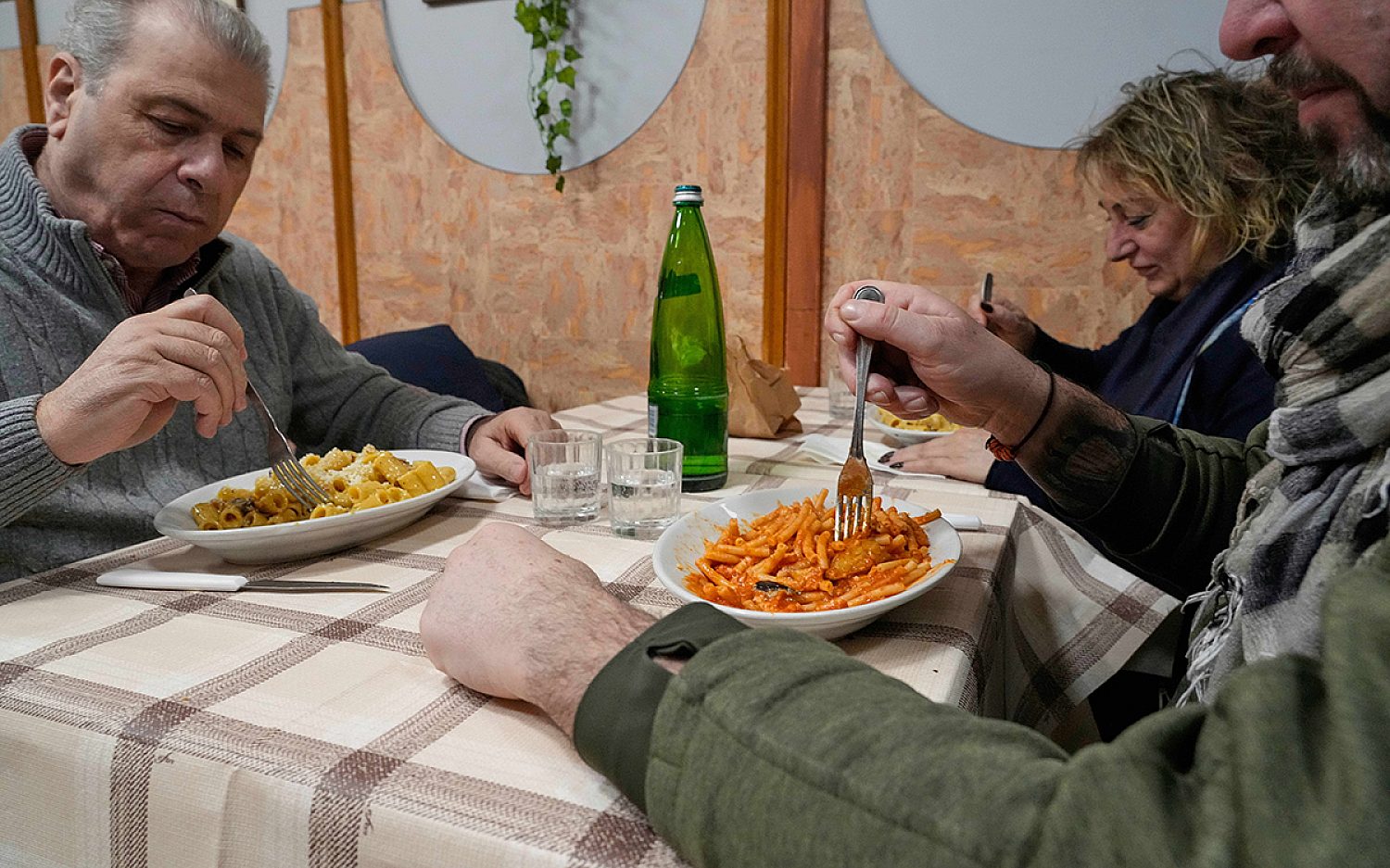
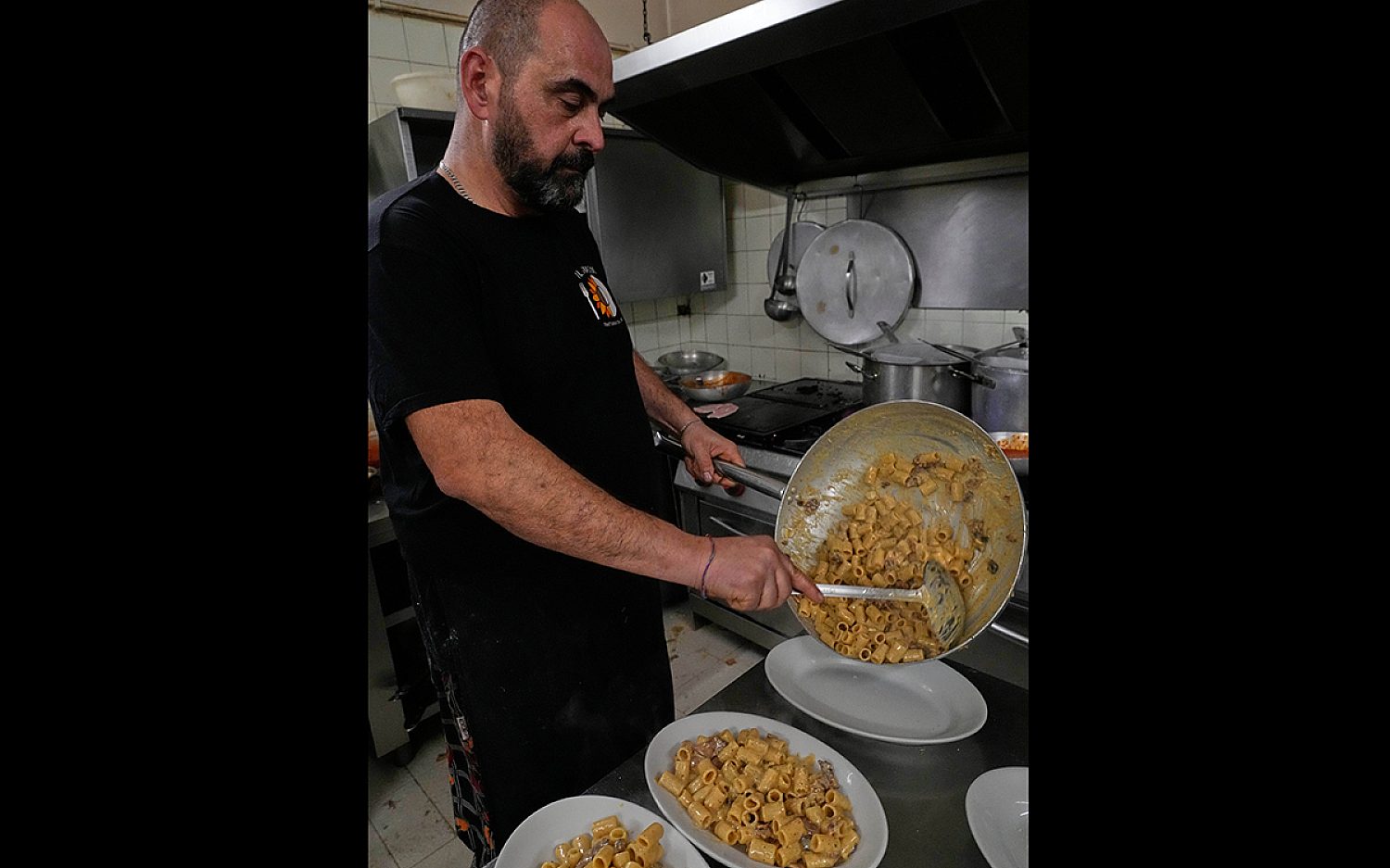
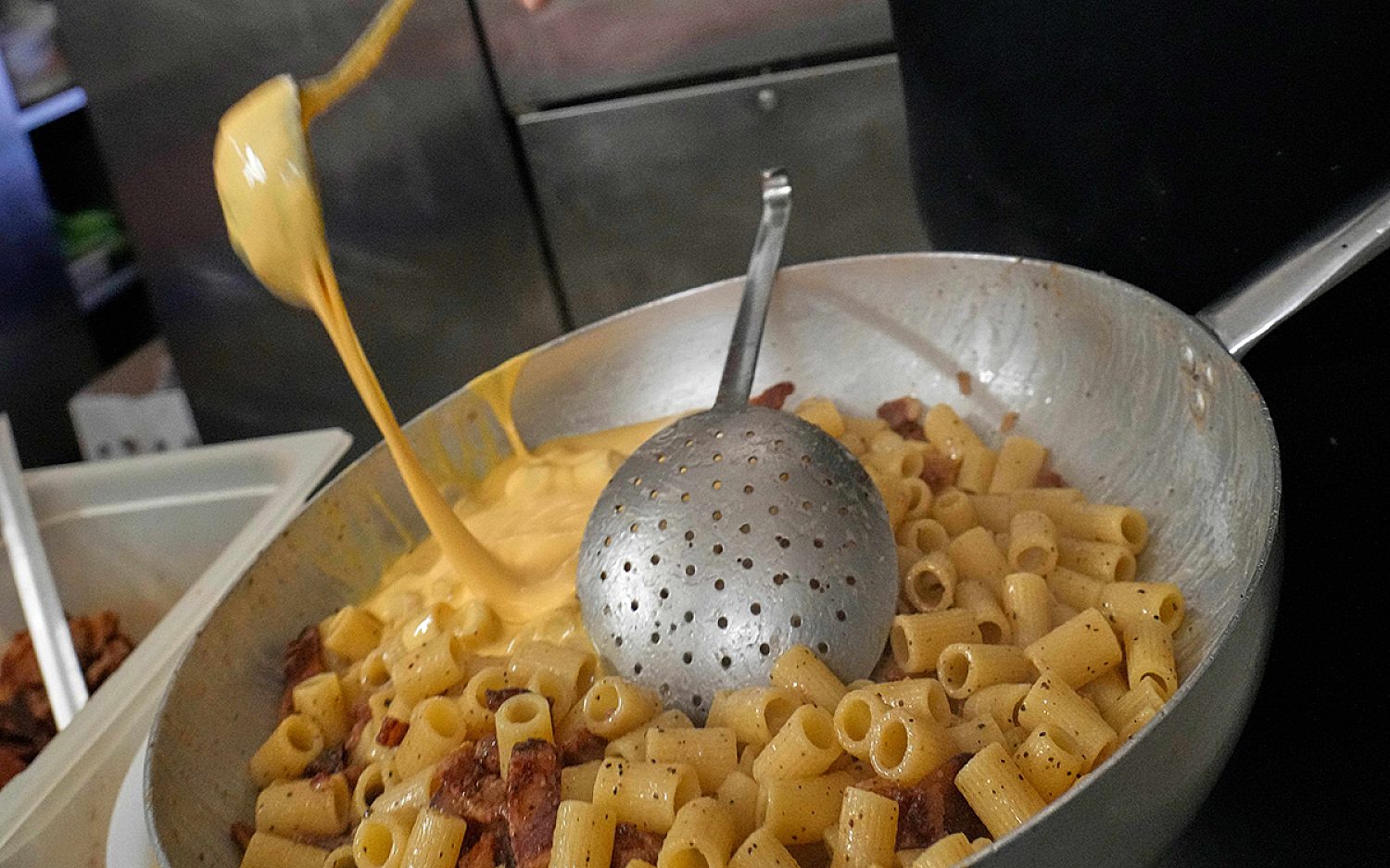
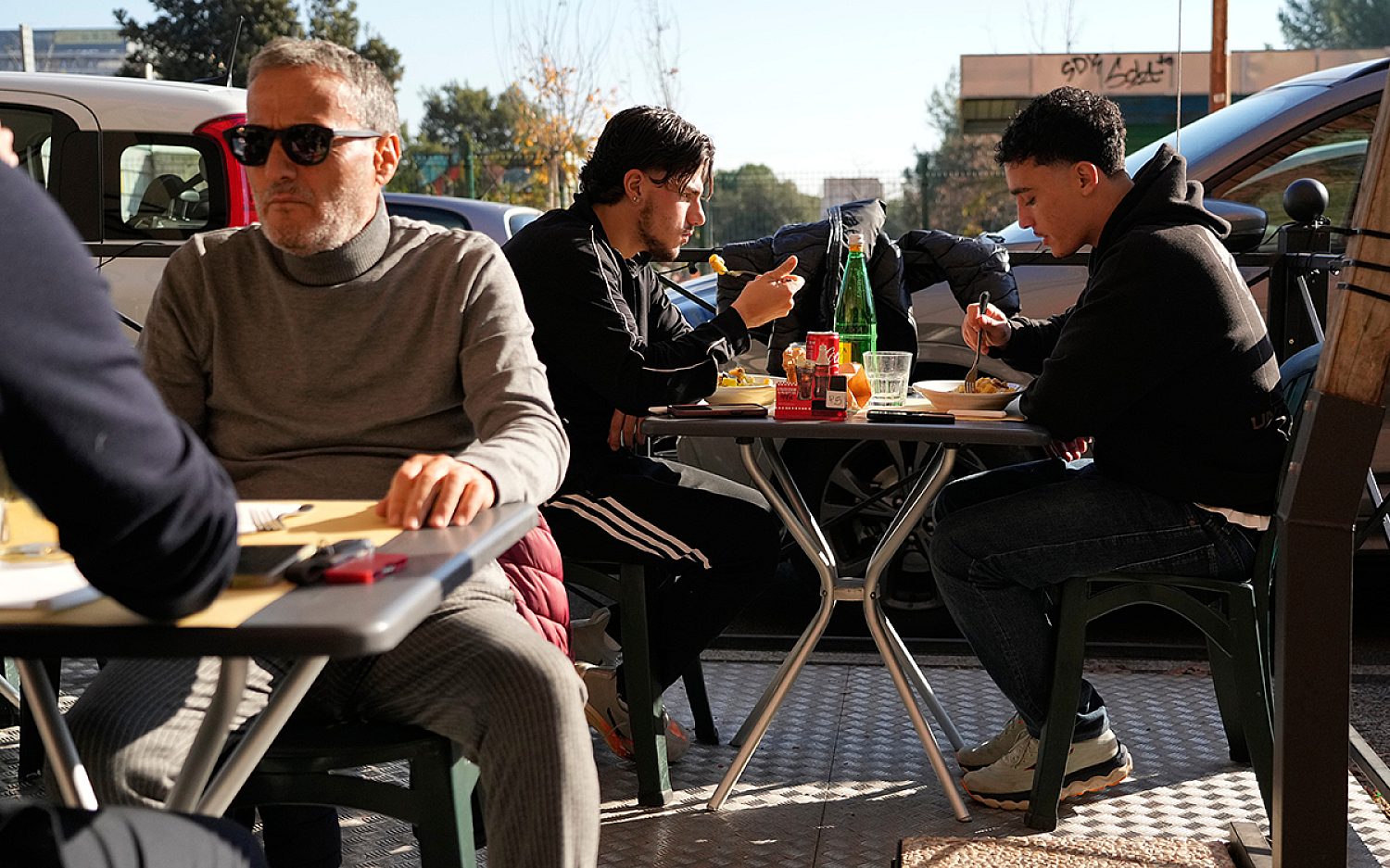
Italian food is one of those things. What’s going on UNESCO’s list isn’t a specific food, exactly. It’s the rituals surrounding cooking and eating in Italy. In Italy, families eat lunch together on Sunday. Grandmas teach kids to fold tortellini dough. The country has many more food traditions too.
“Cooking is a gesture of love, a way in which we tell something about ourselves to others and how we take care of others,” says Pier Luigi Petrillo. He is a member of the Italian UNESCO campaign. “This tradition of being at the table, of stopping for a while at lunch, a bit longer at dinner, and even longer for big occasions, it’s not very common around the world,” he says of the way Italians don’t rush through their meals
Giorgia Meloni is the prime minister of Italy. (A prime minister is like a president.) She is glad Italian cooking made it to the list. She says Italian food is not just “a collection of recipes.” She says, “It is culture, tradition, work, wealth.”
Does Italian food deserve this big honor? Let’s ask pasta maker Francesco Lenzi. “For me, Italian cuisine is the best, top of the range,” he says. “Number one. Nothing comes close. . . . We have turned noodles into a global phenomenon. Today, wherever you go in the world, everyone knows the word spaghetti. Everyone knows pizza.”
Why? UNESCO’s list helps us understand and celebrate God-given life more fully. Also, seeing through the eyes of people from other cultures can help believers minister to people everywhere.
Recommended Reading: For more about Italian food, read Stick Dog Slurps Spaghetti by Tom Watson.