
Italian food isn’t the only newbie on the UNESCO list. Sixty-six other traditions joined the list too. These include . . .
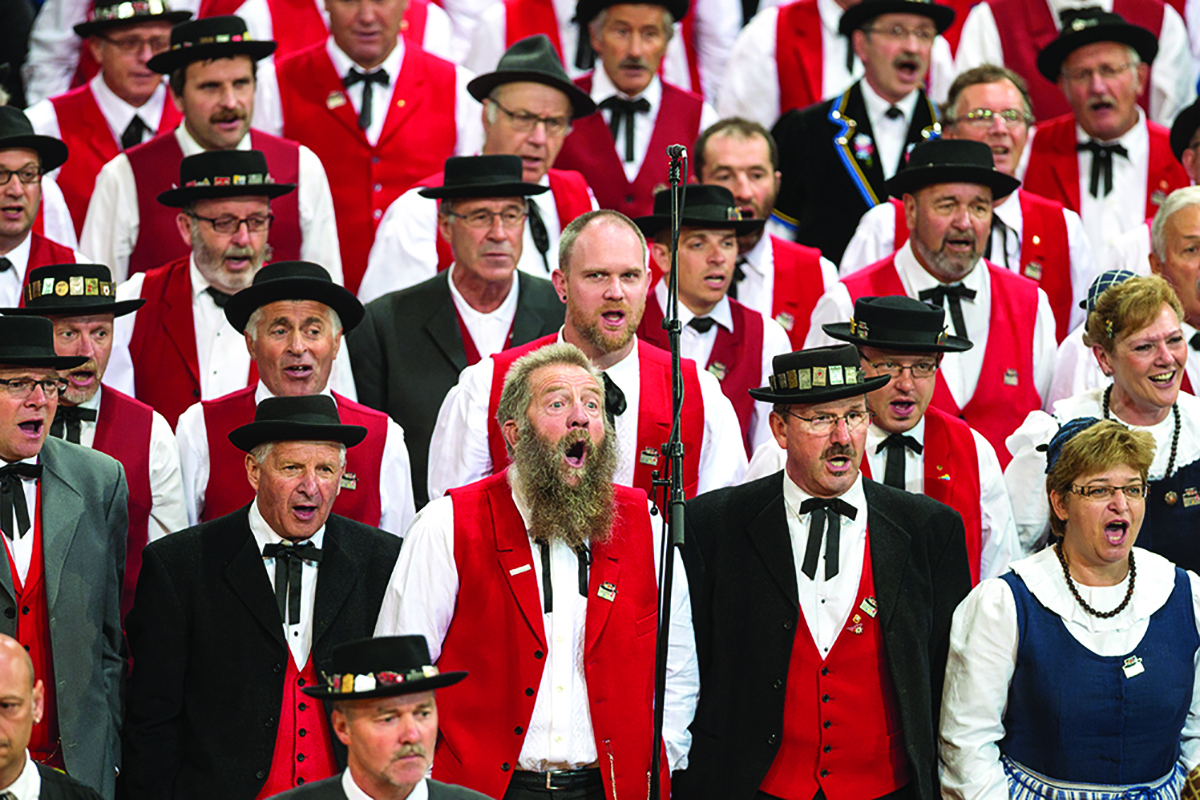
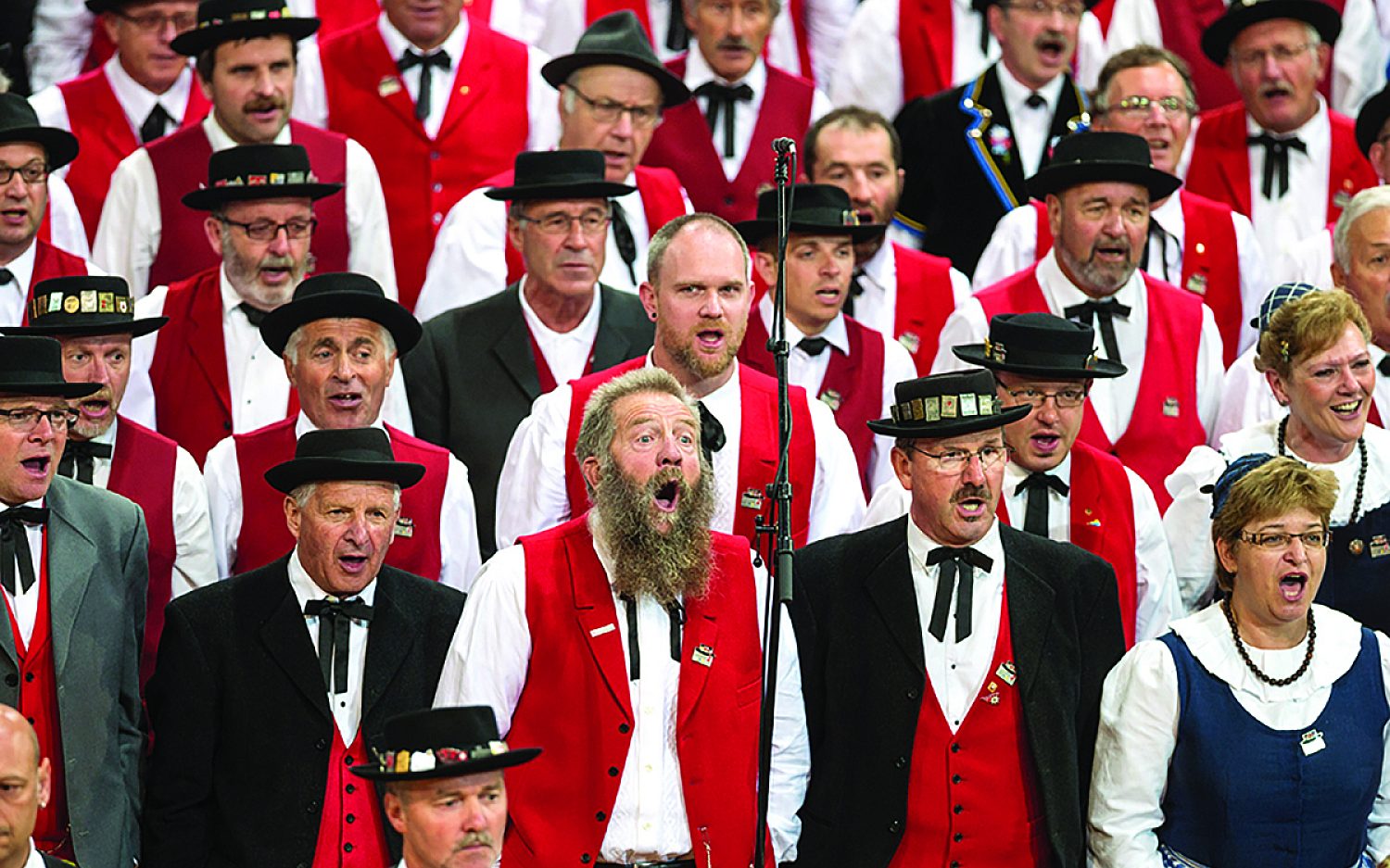
Yodeling—Switzerland
Livestock herders in wool jackets bellow in high voices. Yodel-ay-HEE-hooo!
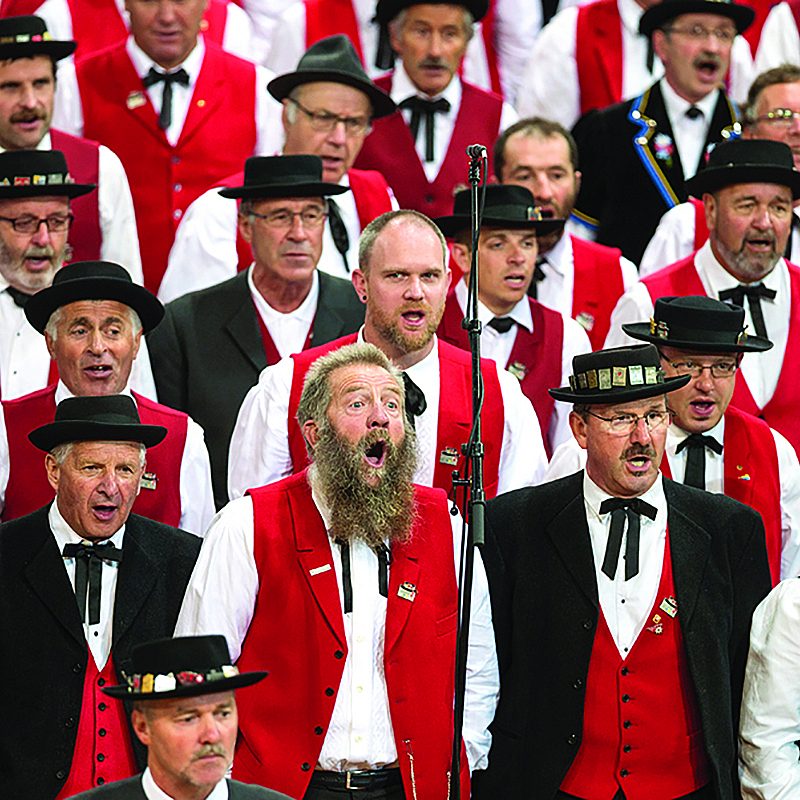
But yodeling isn’t just for shepherds. It’s also a popular form of singing.
“Yodeling can be performed by individuals, small groups or choirs, and sometimes with instruments like the accordion,” say representatives from UNESCO.
Swiss folk yodel in harmony. They yodel in concerts and at parties and competitions. The Swiss Yodeling Association has about 780 groups of yodelers. At least 12,000 yodelers take part. No wonder yodeling gets a UNESCO shout-out!
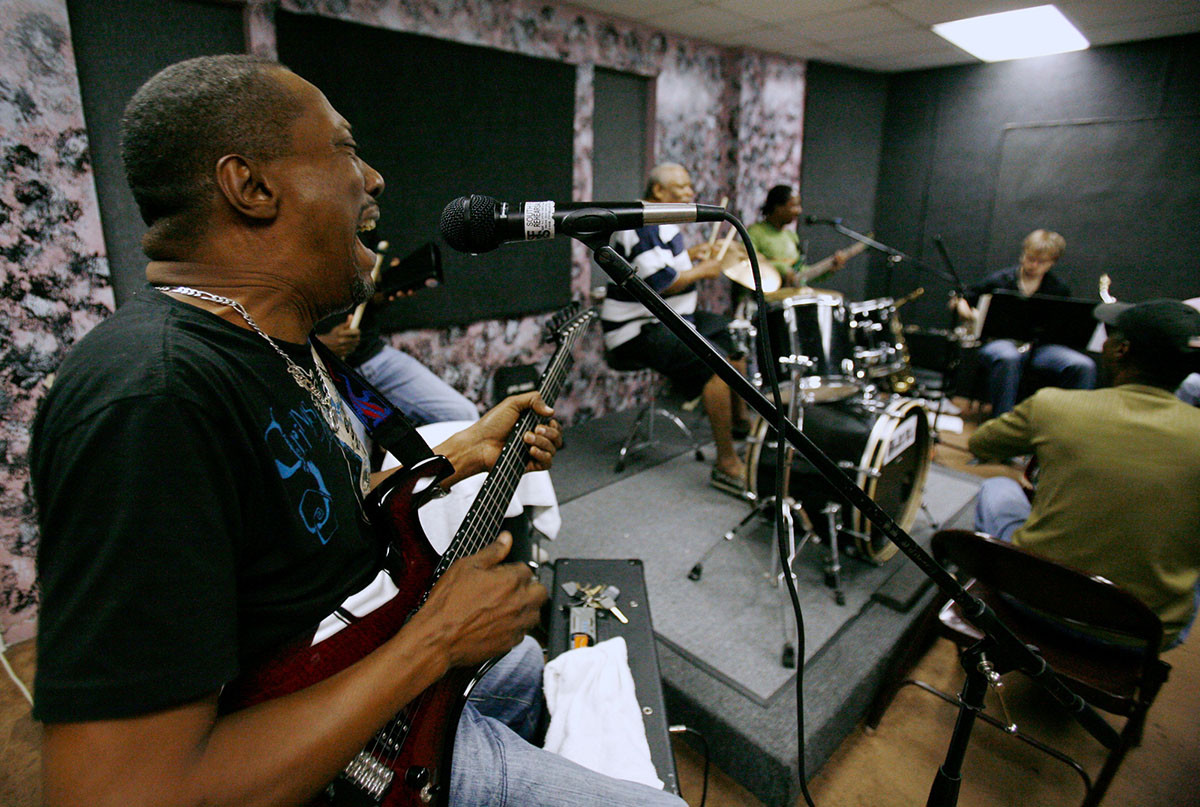
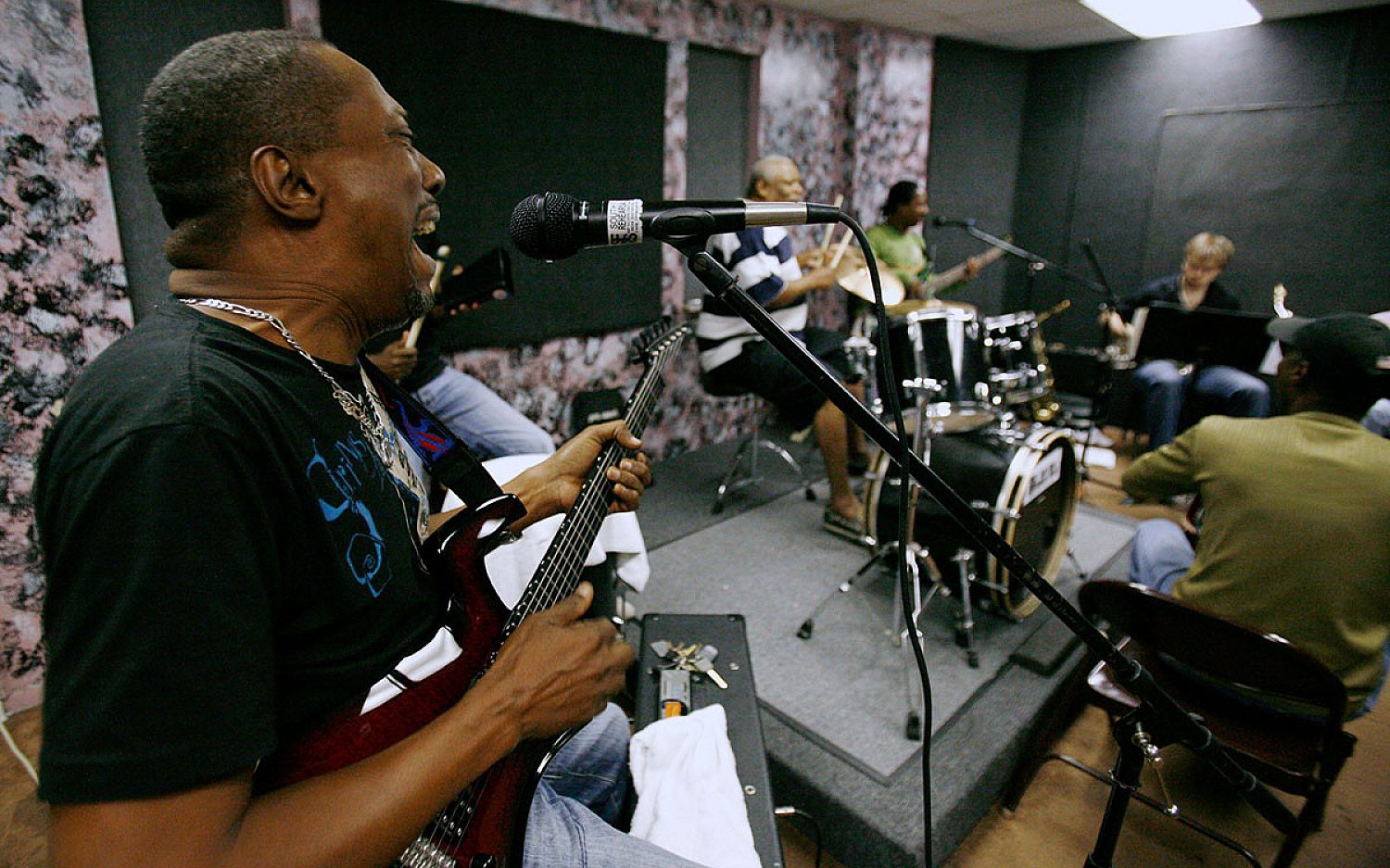
Compas—Haiti
Compas music wafts through windows across Haiti. It brings comfort in a country troubled by poverty and violence. Haiti’s former foreign affairs minister calls the inclusion of compas on UNESCO’s list “an ode to joy.”
The music style was created in the 1950s. It has syncopated rhythms. (In syncopated rhythm, beats feel out of place in a fun, funky way.) Compas lyrics come from regular daily life. Haitians teach the songs to their kids, who teach them to their kids. People play compas with a barrel drum called tanbou, congas, electric guitar, and trumpets.
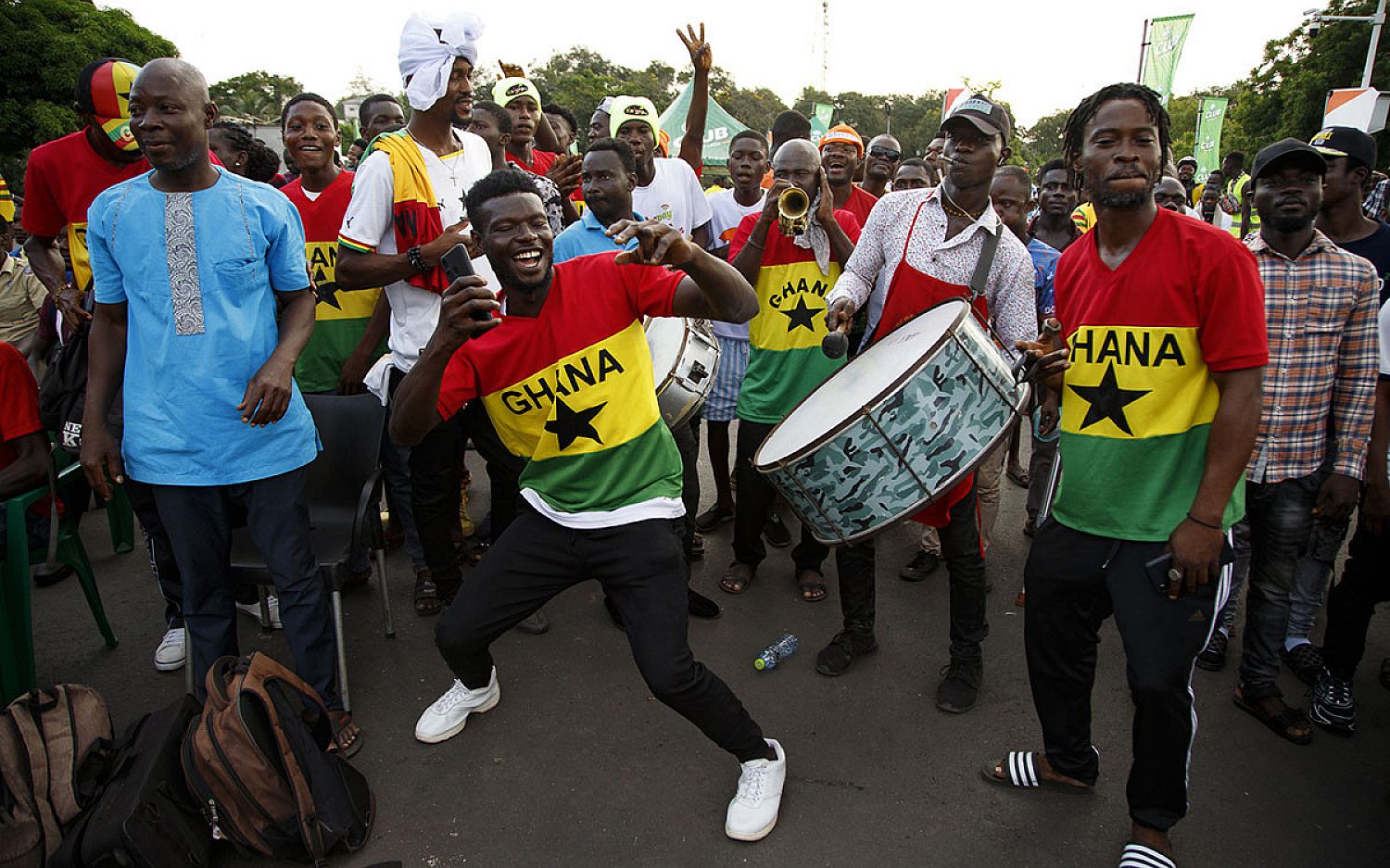
Highlife Music and Dance—Ghana
Like compas, highlife music has lively rhythms. It takes its lyrics from everyday life. Highlife musicians play guitars, horns, drums, and xylophones. Highlife also uses “call and response.” This means the lead singer sings, and then backup singers answer.
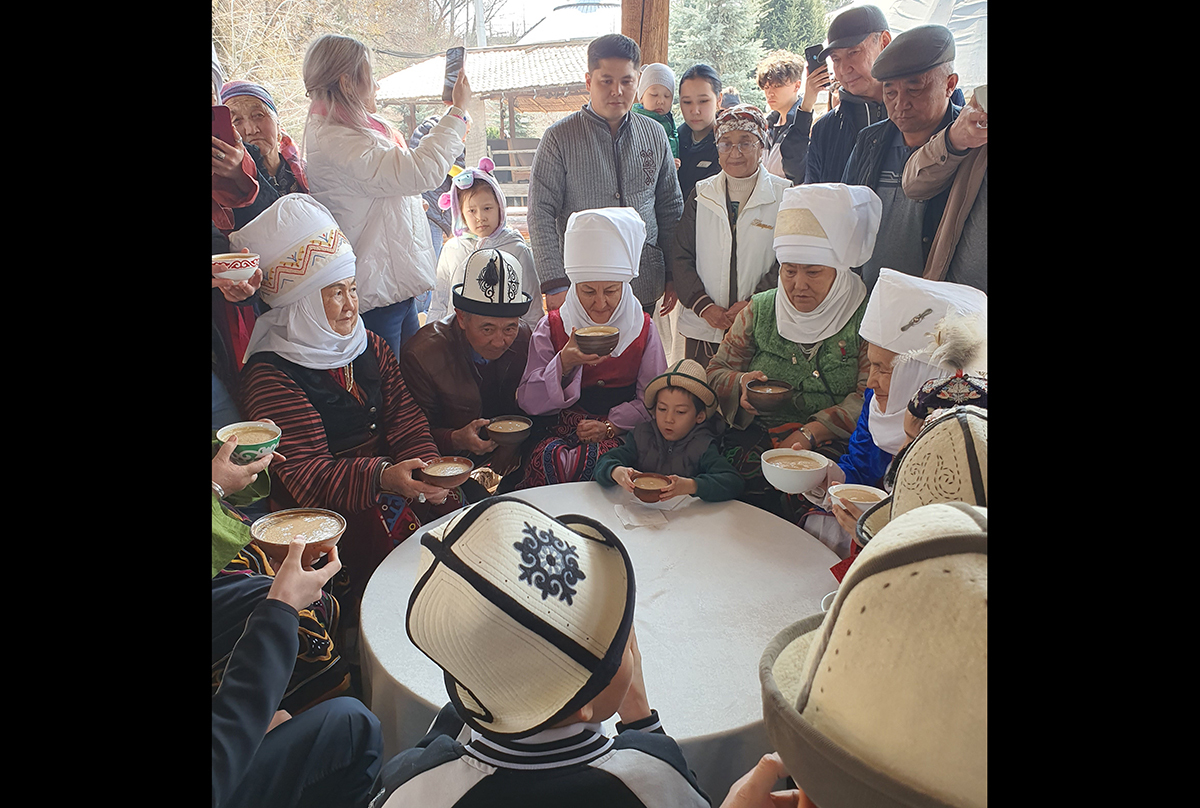
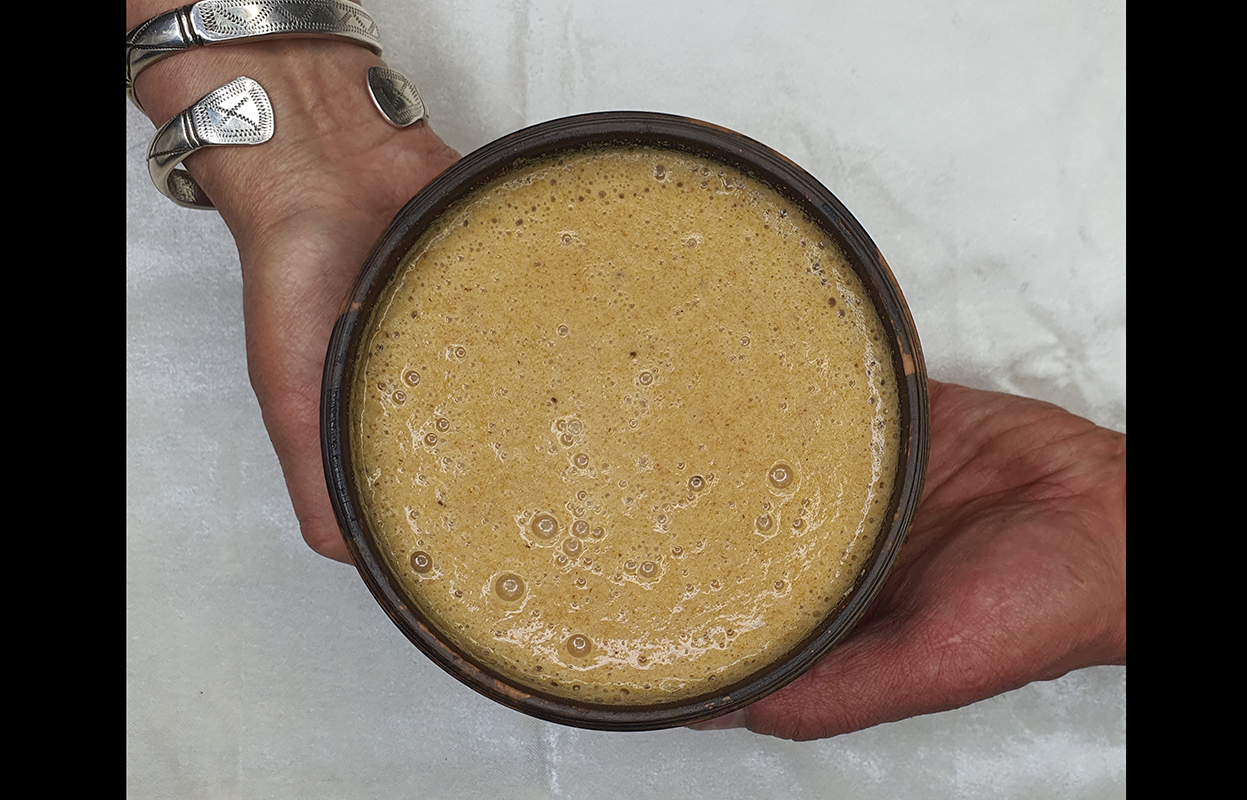
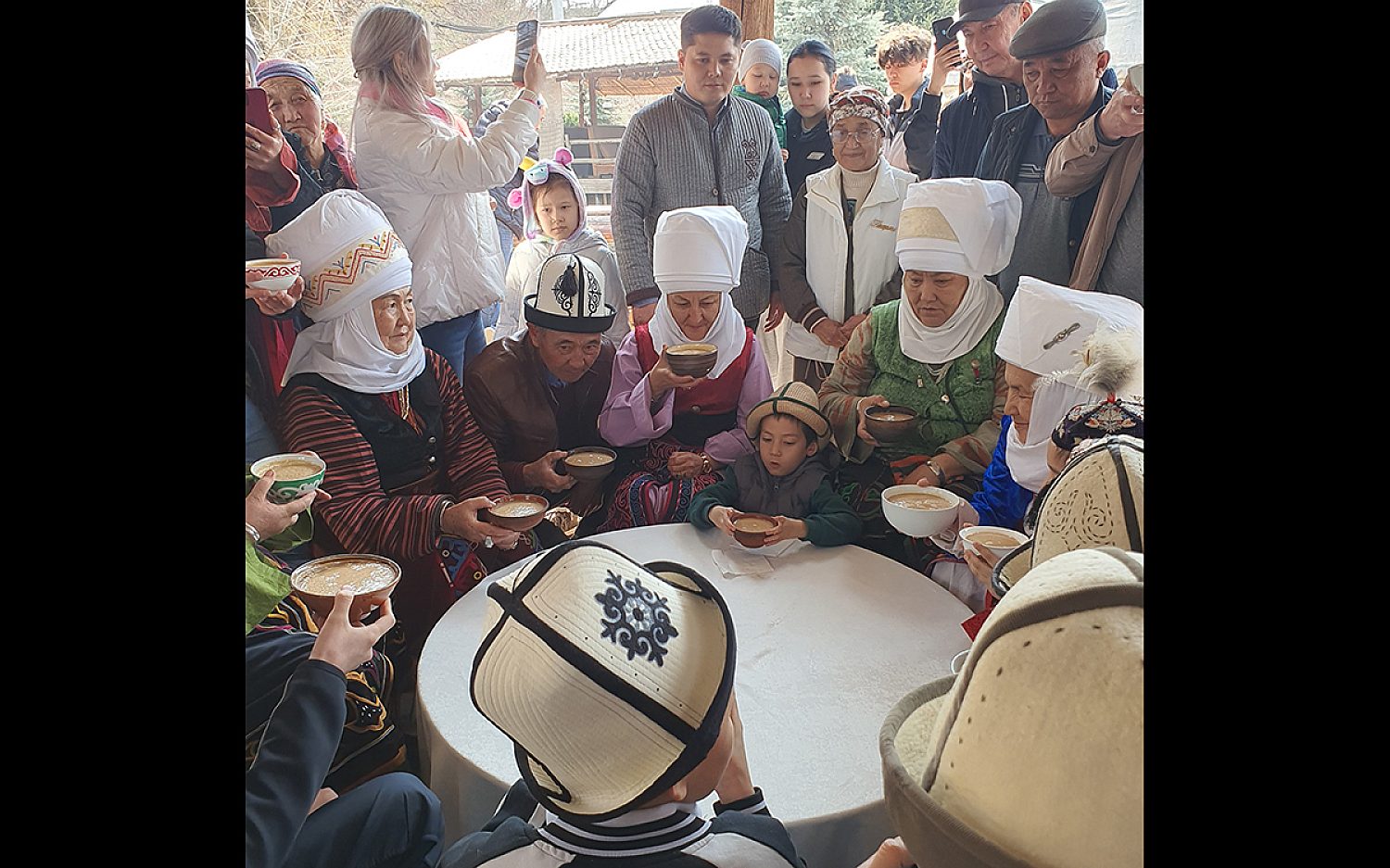
Maksym—Kyrgyzstan
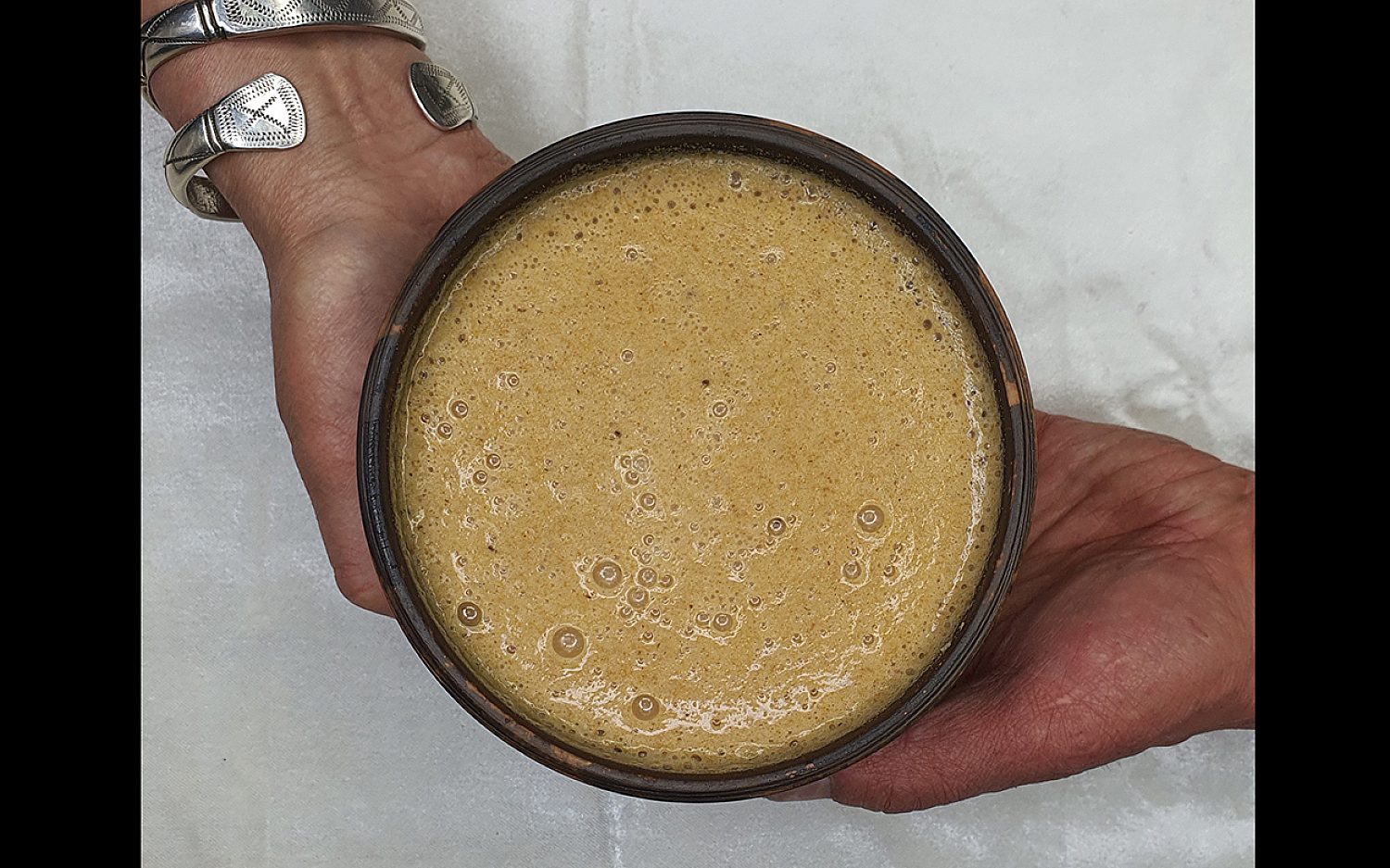
Grandmas teach younger people to make this thick drink. They start like this: Roast flour in sheep fat. Mix it with water and salt. Ferment. A cup of maksym can welcome someone into your home. It can mean, “I care about you.” Like yogurt and sourdough, maskym is a cultured food. It is loaded with probiotics—good bacteria needed for a healthy gut. While crafting the drink, people often say this blessing: “May you never run out of culture.”