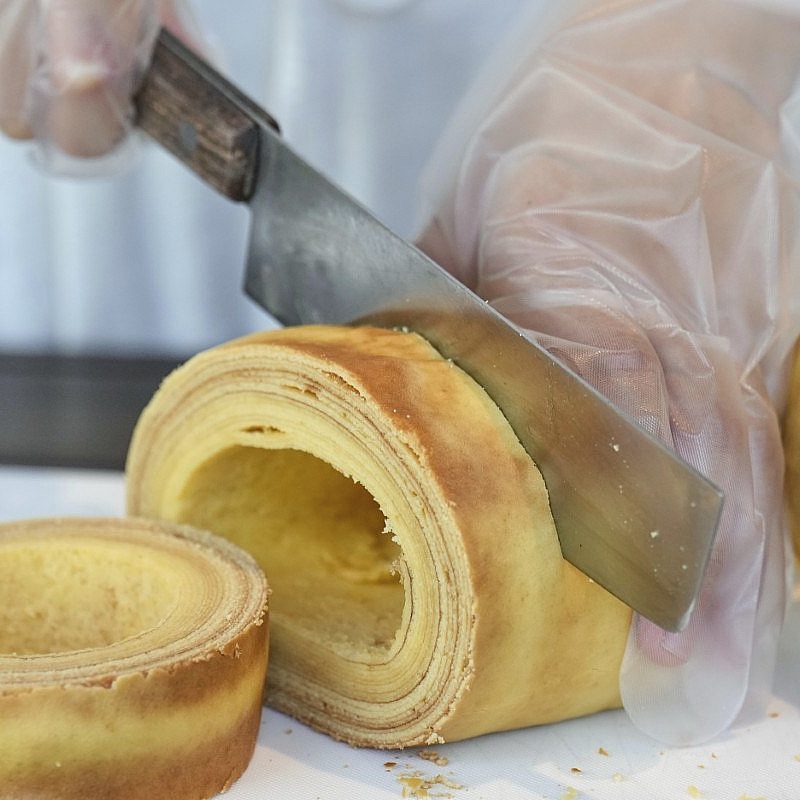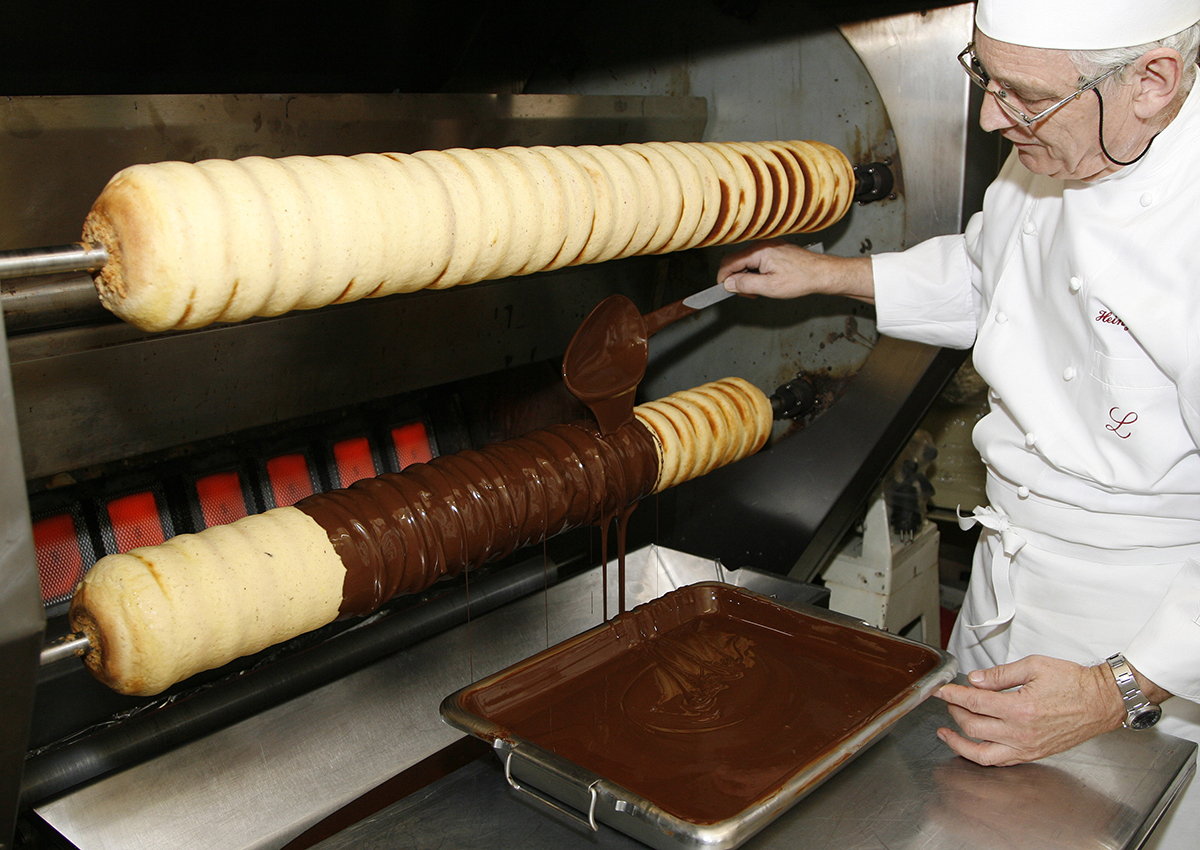
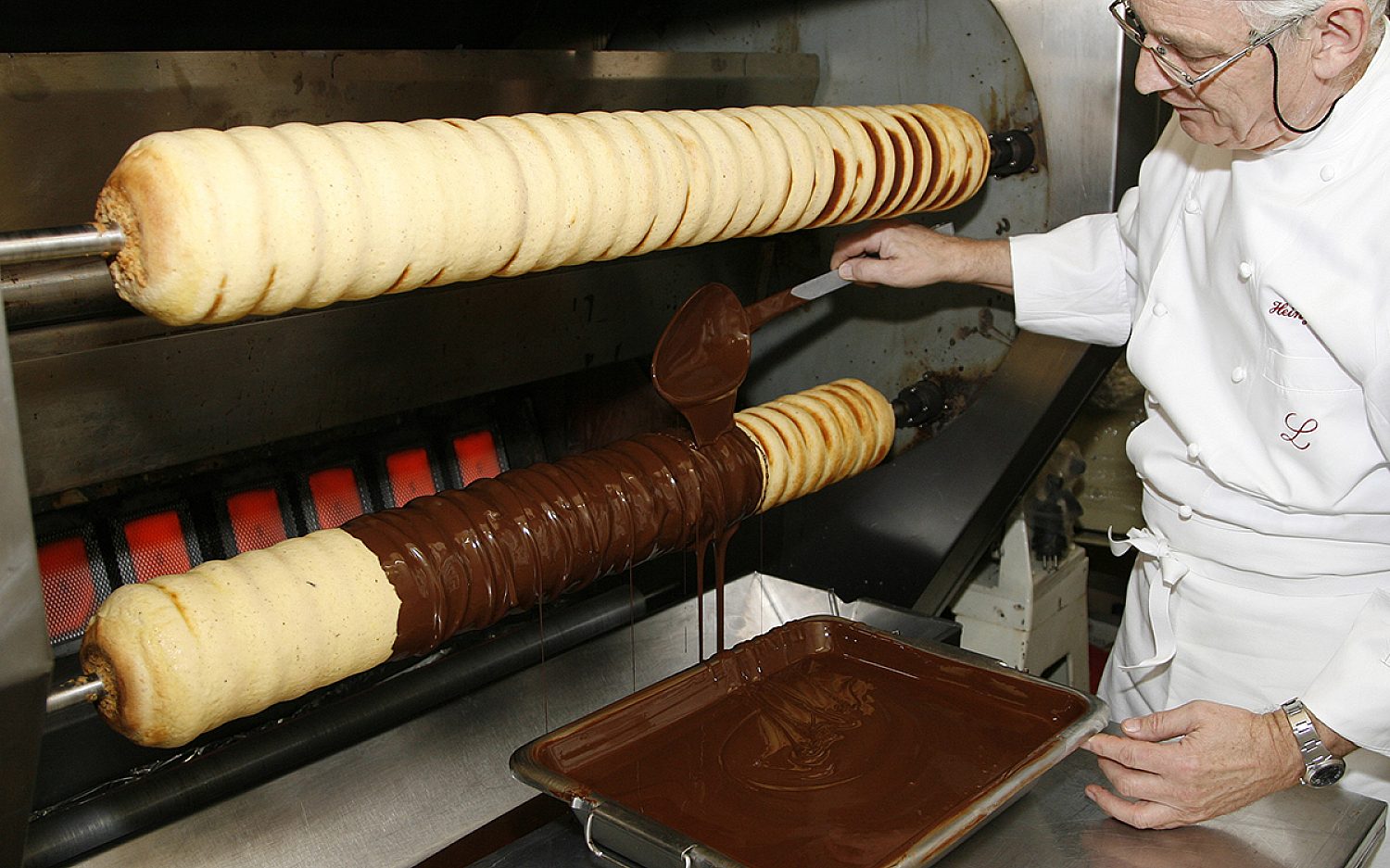

Karl Juchheim, Baumkuchen maker, died in 1945, the day before Japan announced its surrender in World War II. Now Kazuaki Otani is the head of the Juchheim Ninoshima Welcome Center. “His baking was an expression of his wish for peace,” he says.
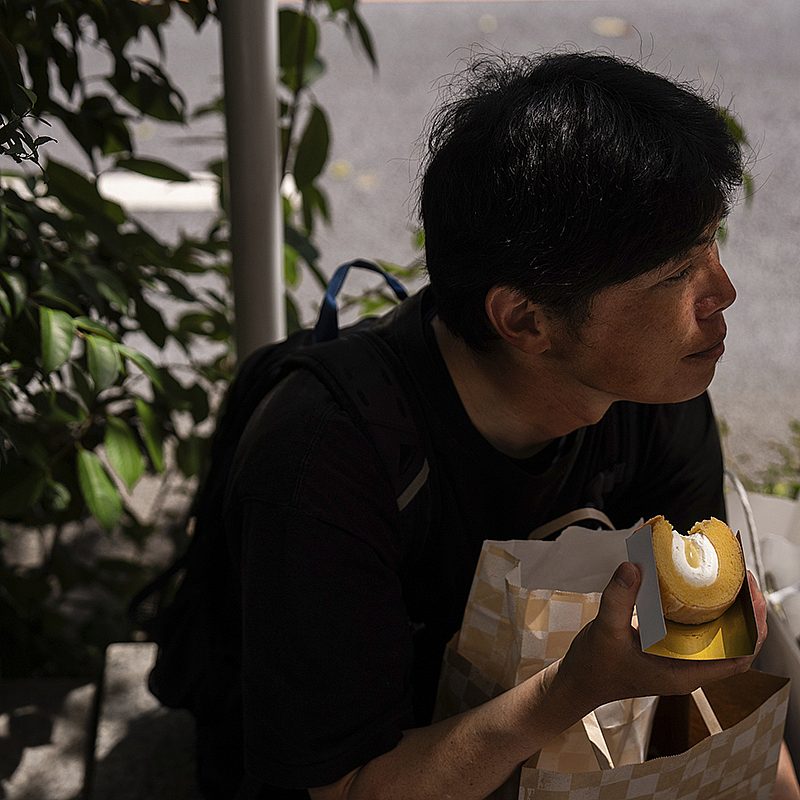
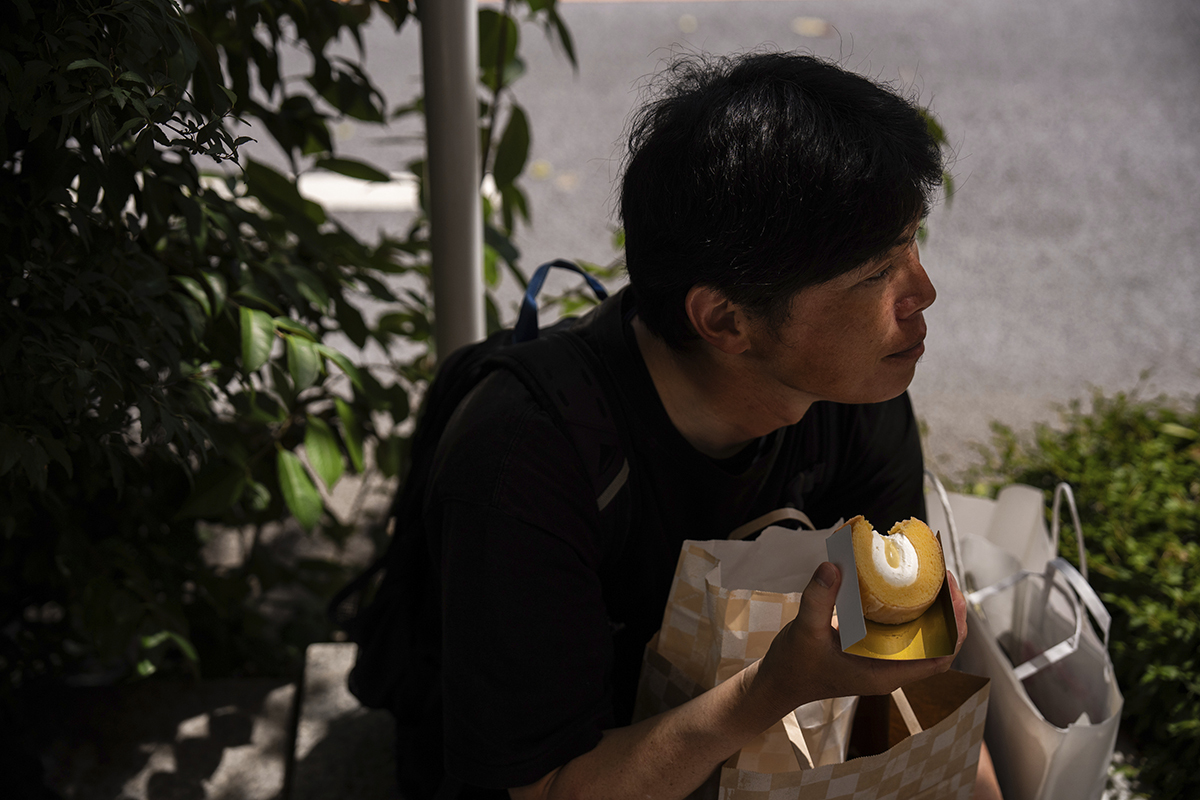
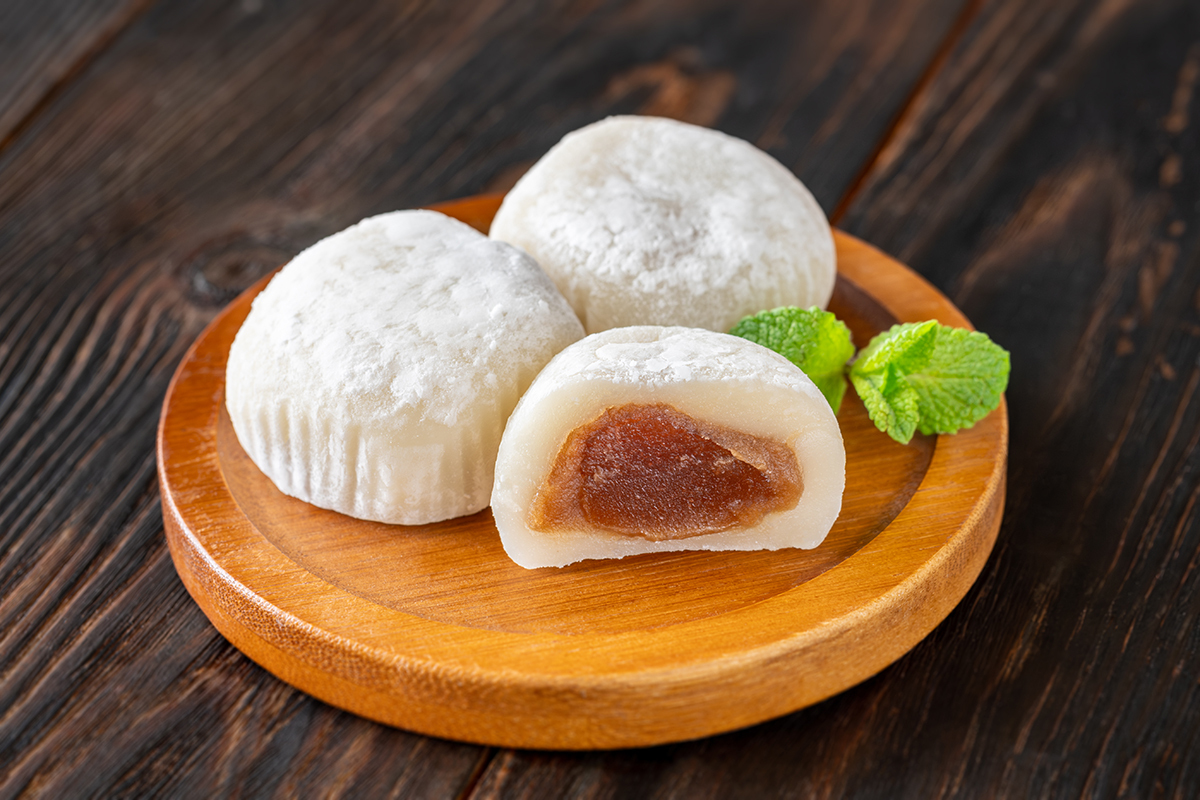
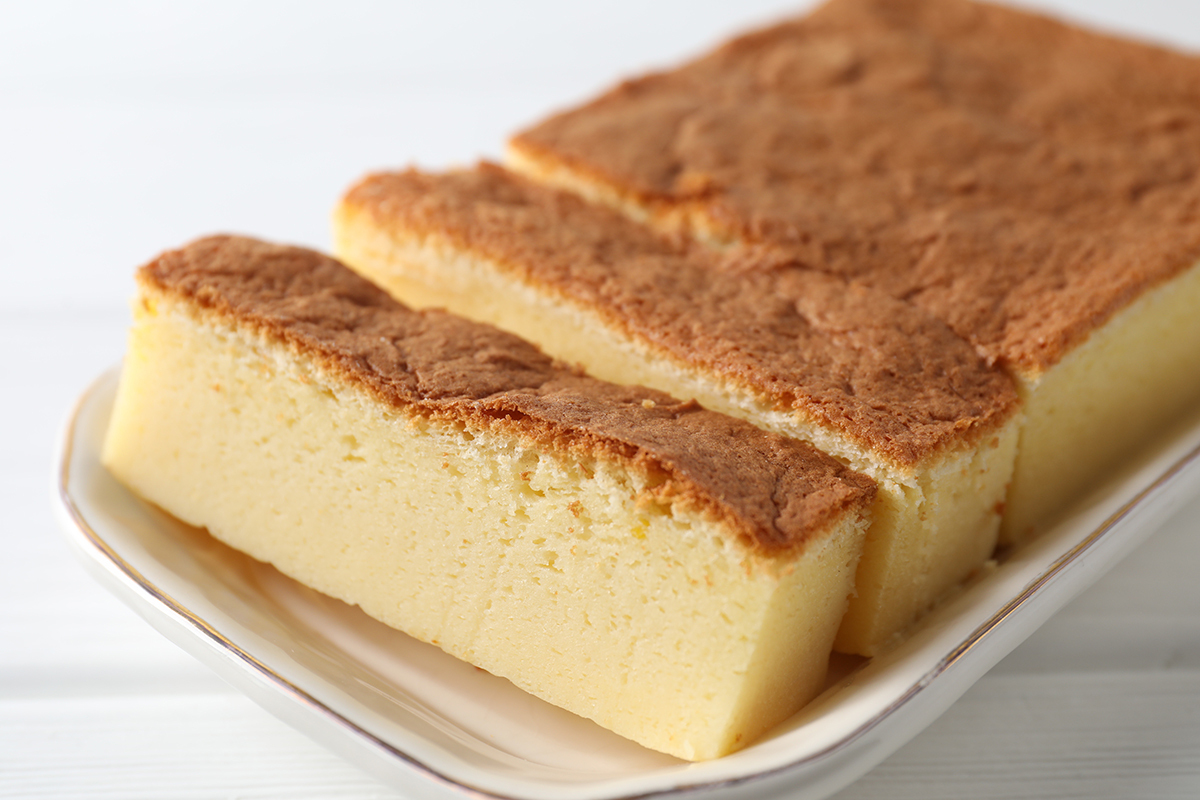
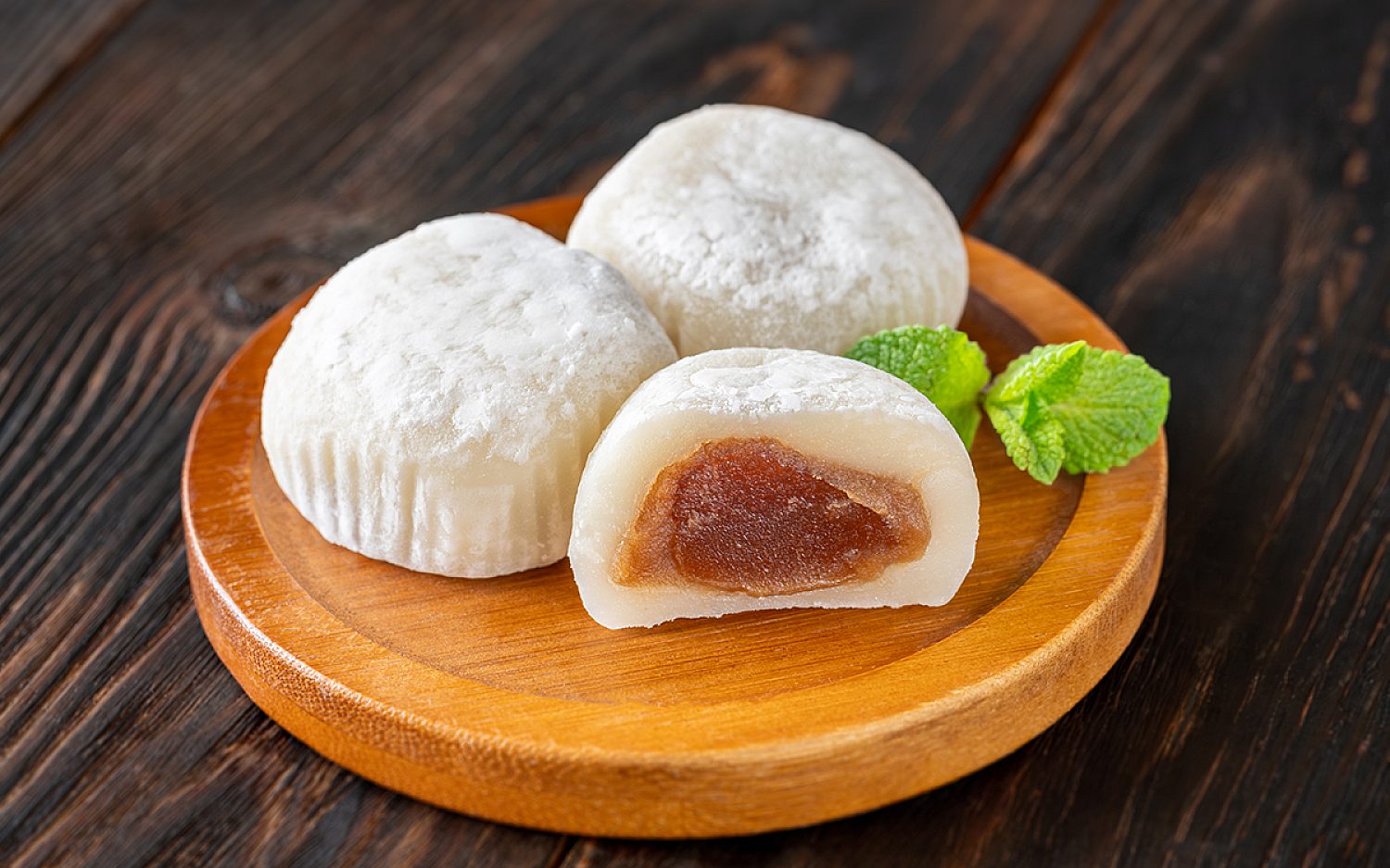
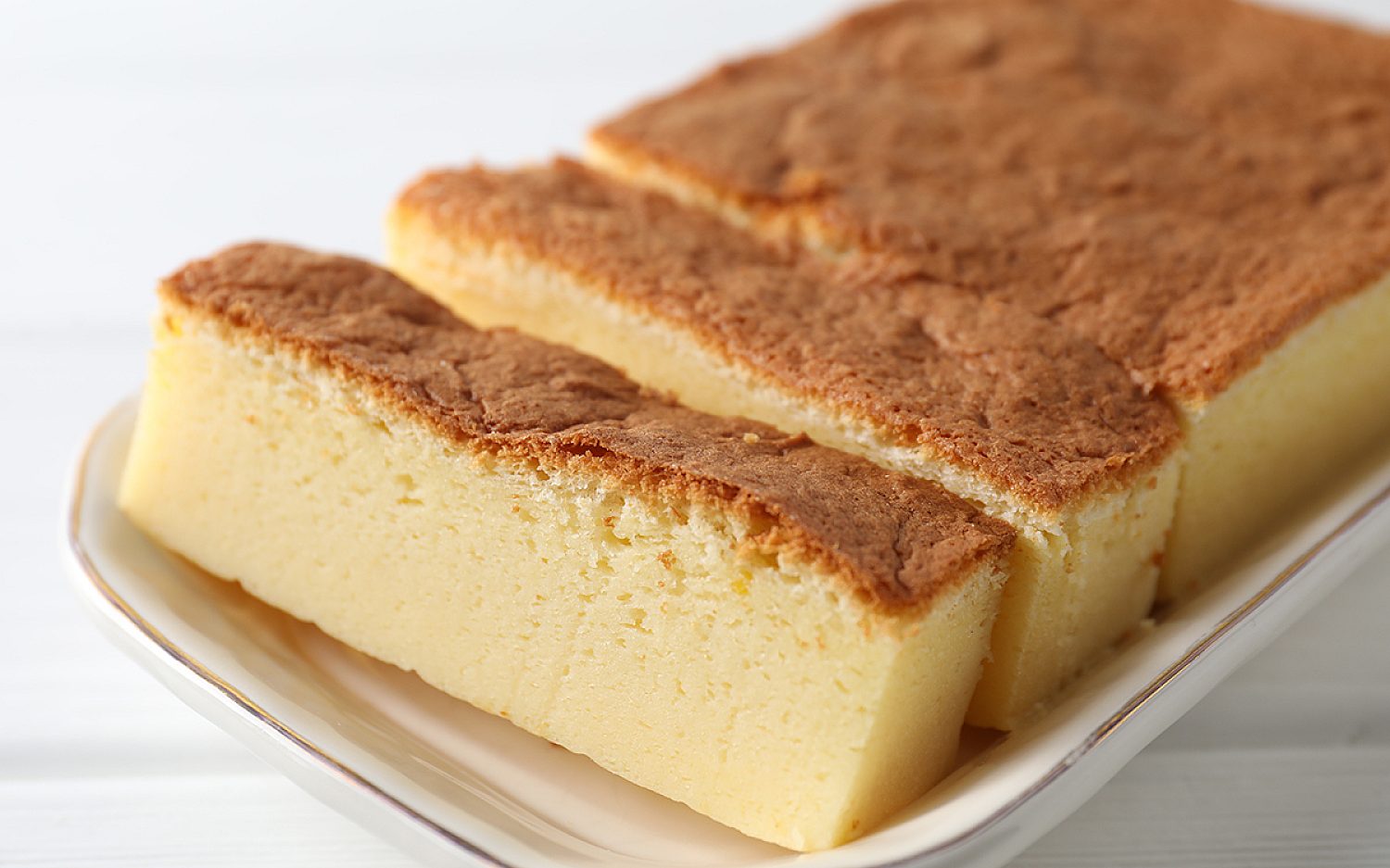
If you find yourself in Japan for oyatsu—afternoon snack time—you might try a piece of this “peace cake.” Or maybe you’ll reach for a cute little morsel of mochi. (Chewy rice cakes, sometimes stuffed with sweet red bean paste or even ice cream.) Or would you choose castella cake? Portuguese missionaries and merchants brought that moist, bouncy, honey-flavored cake to Japan nearly 500 years ago.
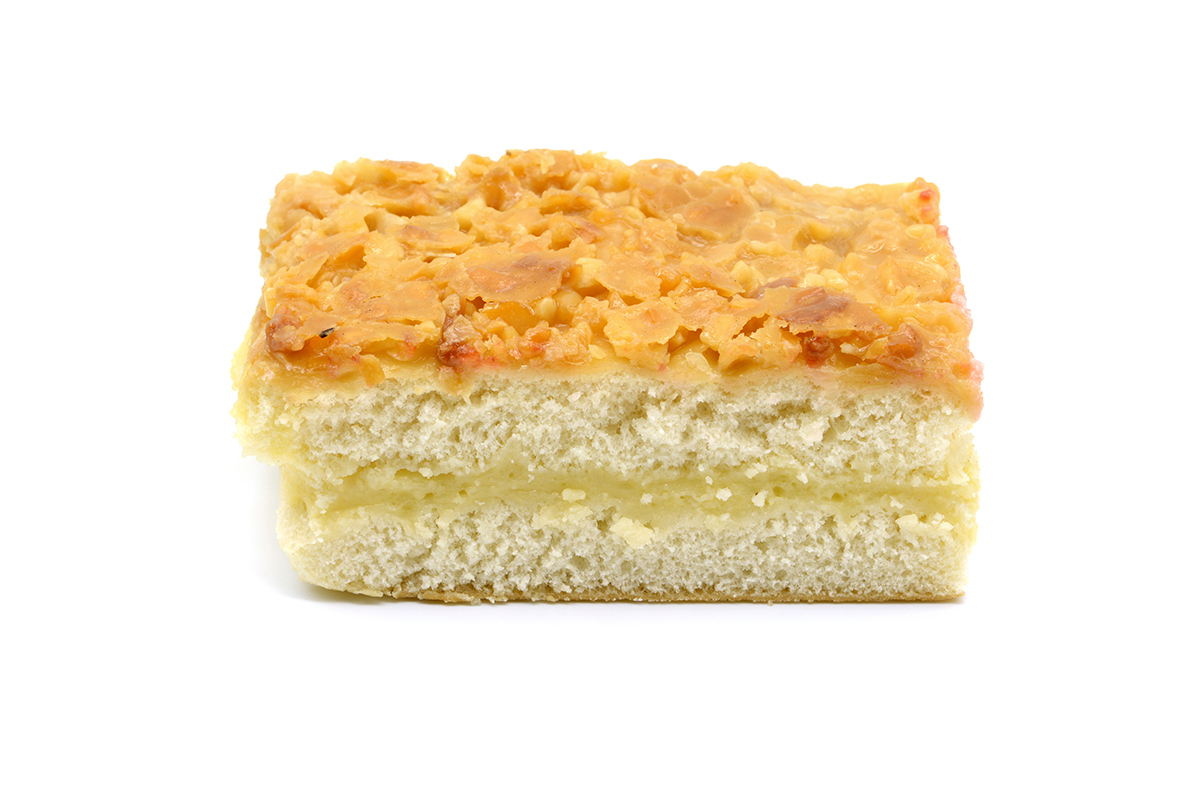
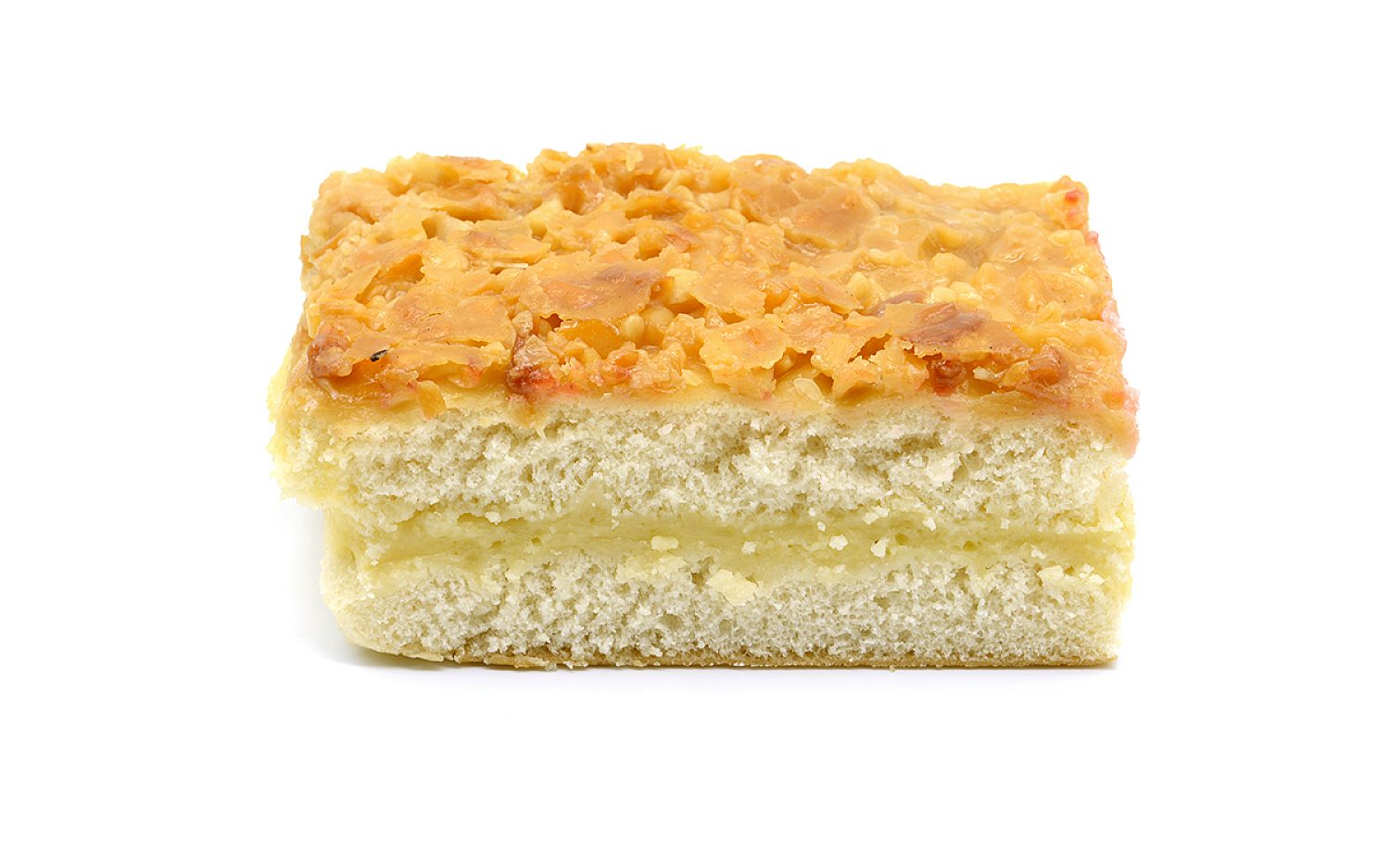
Germany, Mr. Juchheim’s home country, doesn’t have oyatsu. It has kaffee und kuchen—afternoon coffee and cake. It’s not really a snack time. It’s more of a cake/coffee/conversation meal. Which will you reach for: chocolate cherry black forest cake (Schwarzwälder Kirschtorte) or honey and almond “bee sting” cake (Bienenstich)? Germans eat dinner late. Kaffee and kuchen holds them over through the afternoon.
Food on the Go
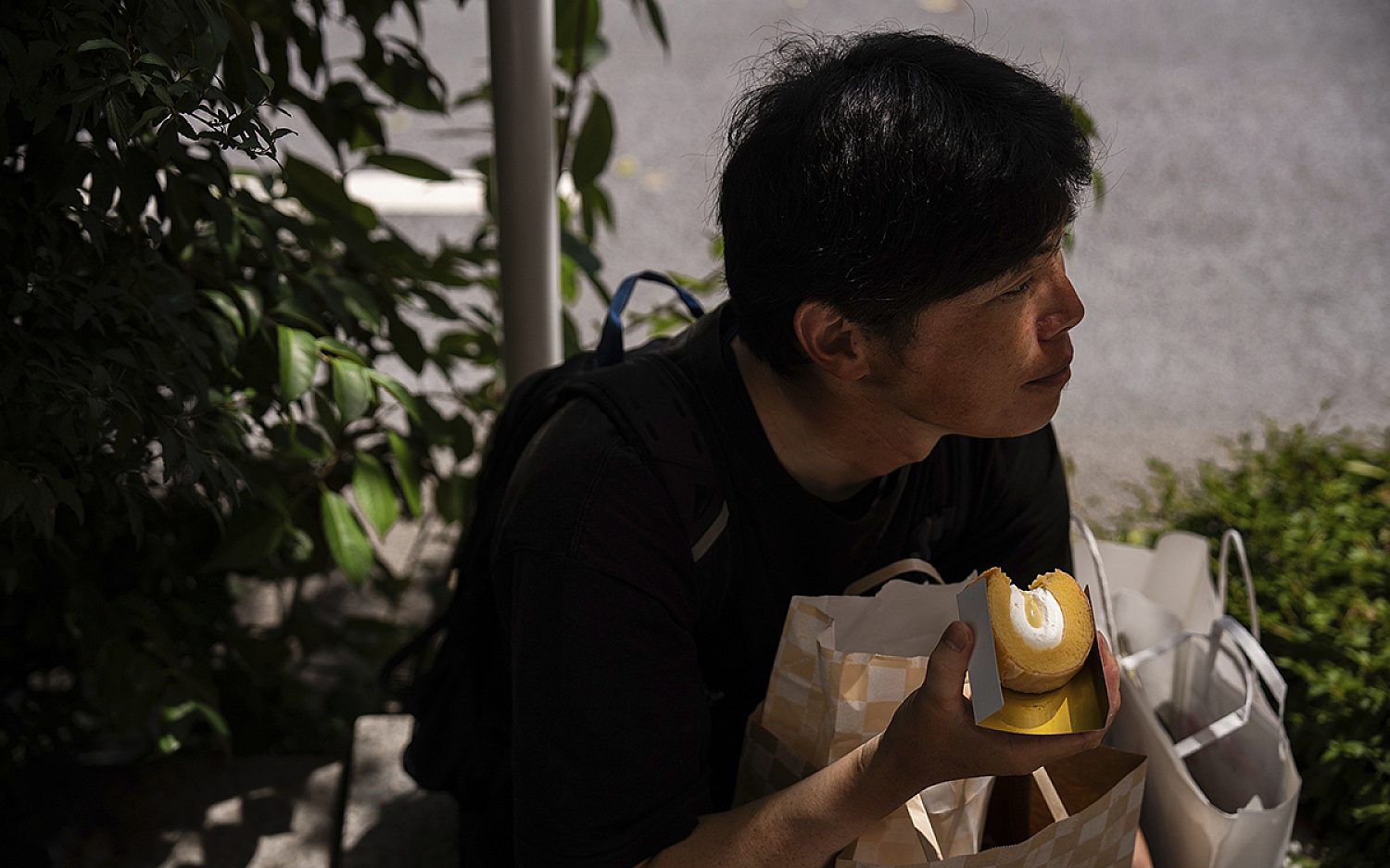
Food traditions travel when people travel. In Japan, people think of Baumkuchen as a symbol for wealth and long life. They regularly hold Baumkuchen festivals. They switch up the recipe too, adding matcha and sweet potatoes. In Japan, Baumkuchen is given as birthday gifts. Fancy department stores sell it in gift boxes. Convenience stores offer smaller, individually wrapped versions.
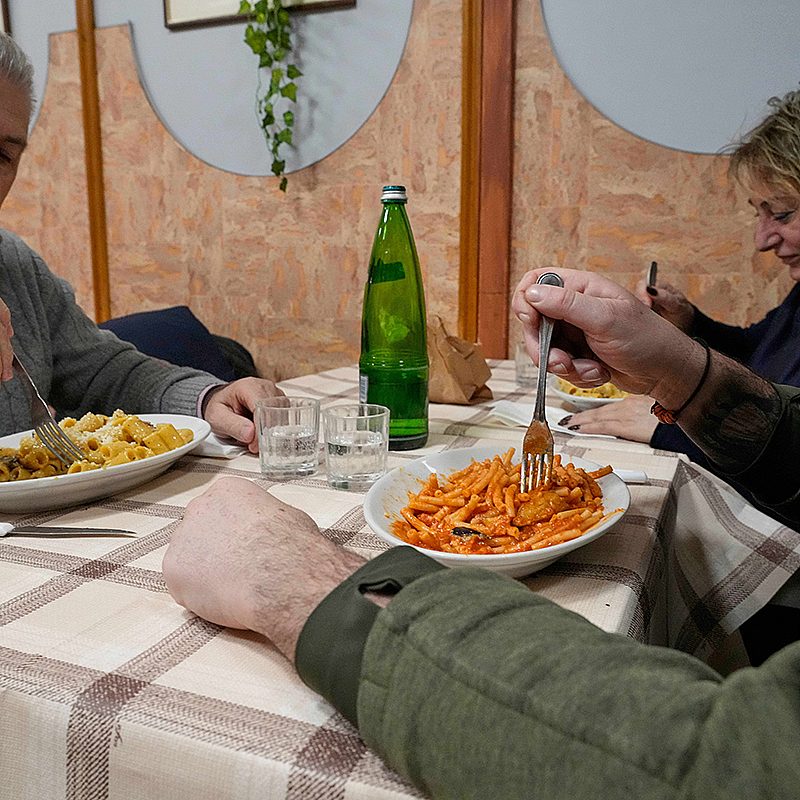
Do you have favorite foods that come from a country far away? We at WORLDkids are big fans of pasta (Italy), croissants and macarons (France), and tacos (Mexico).