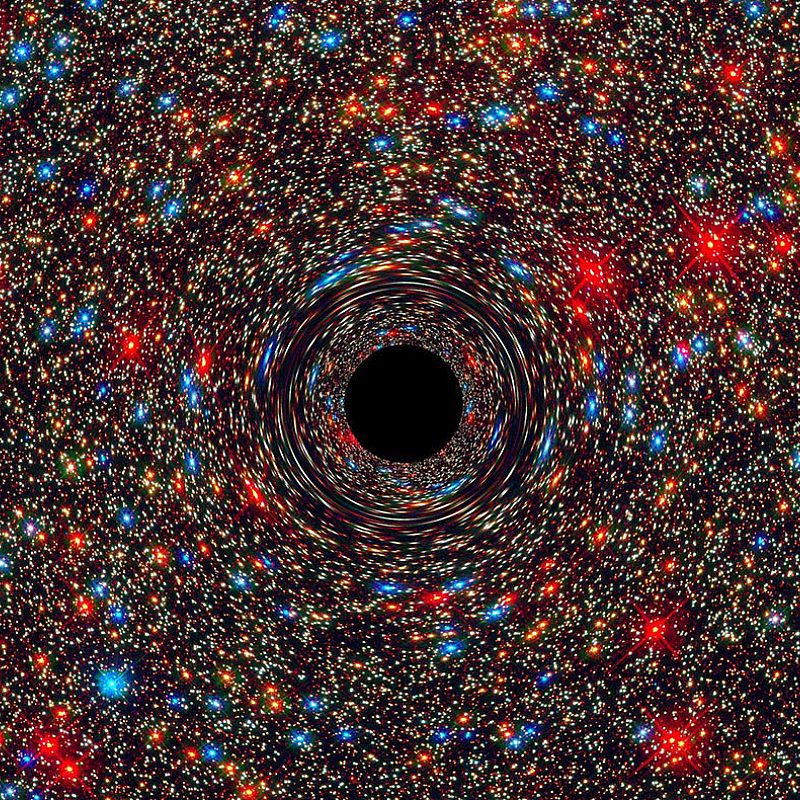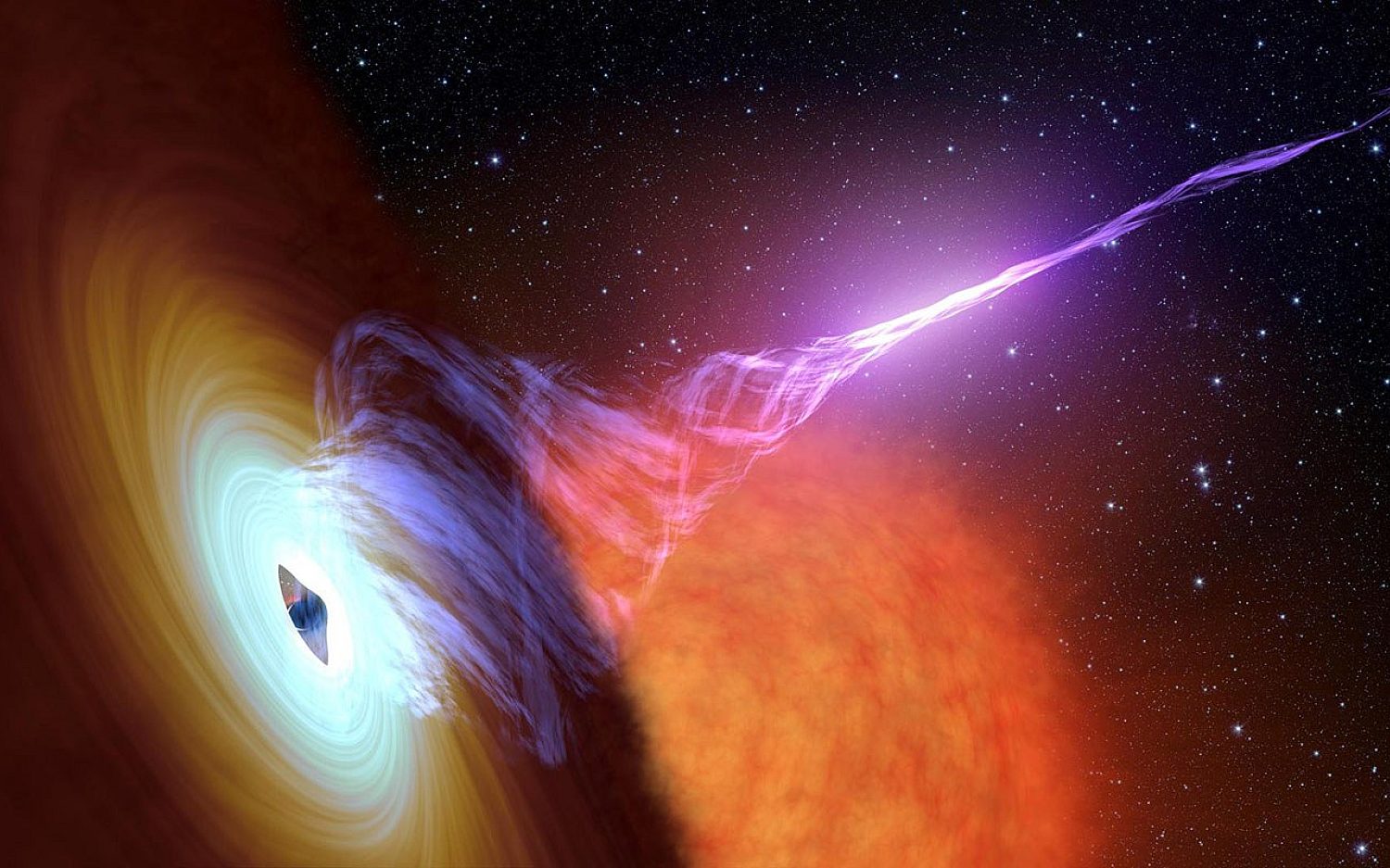
Black holes suck things in. They gobble up matter and even light. But did you know they also shoot things back out? Black holes shoot “jets” of plasma. It’s one of the most powerful known processes in the universe. For the first time, scientists measured how powerful.
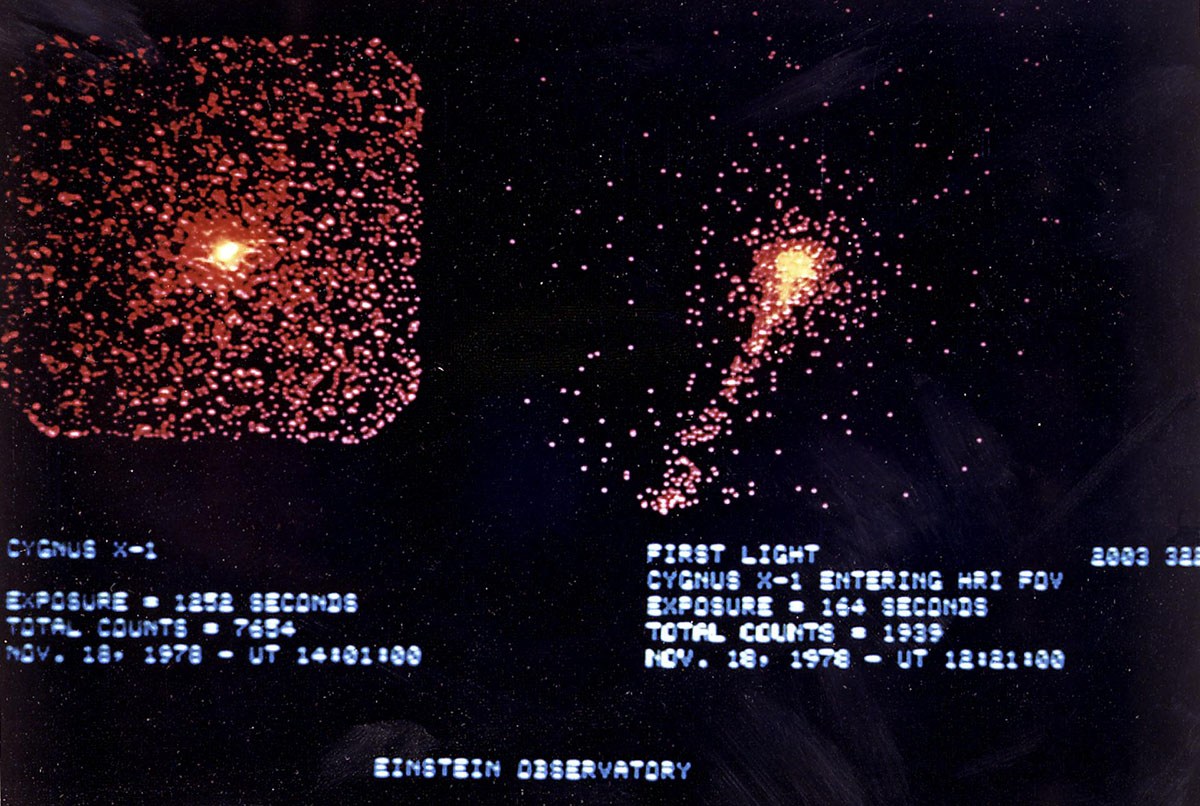
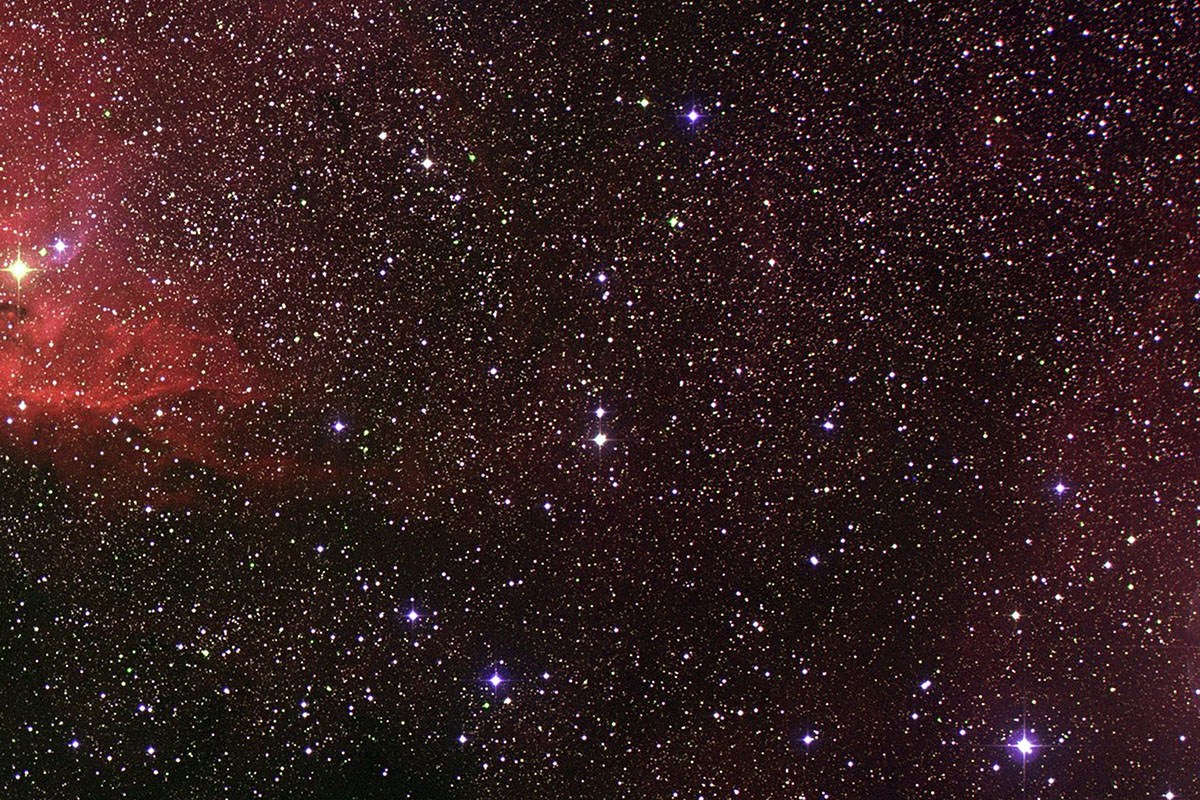
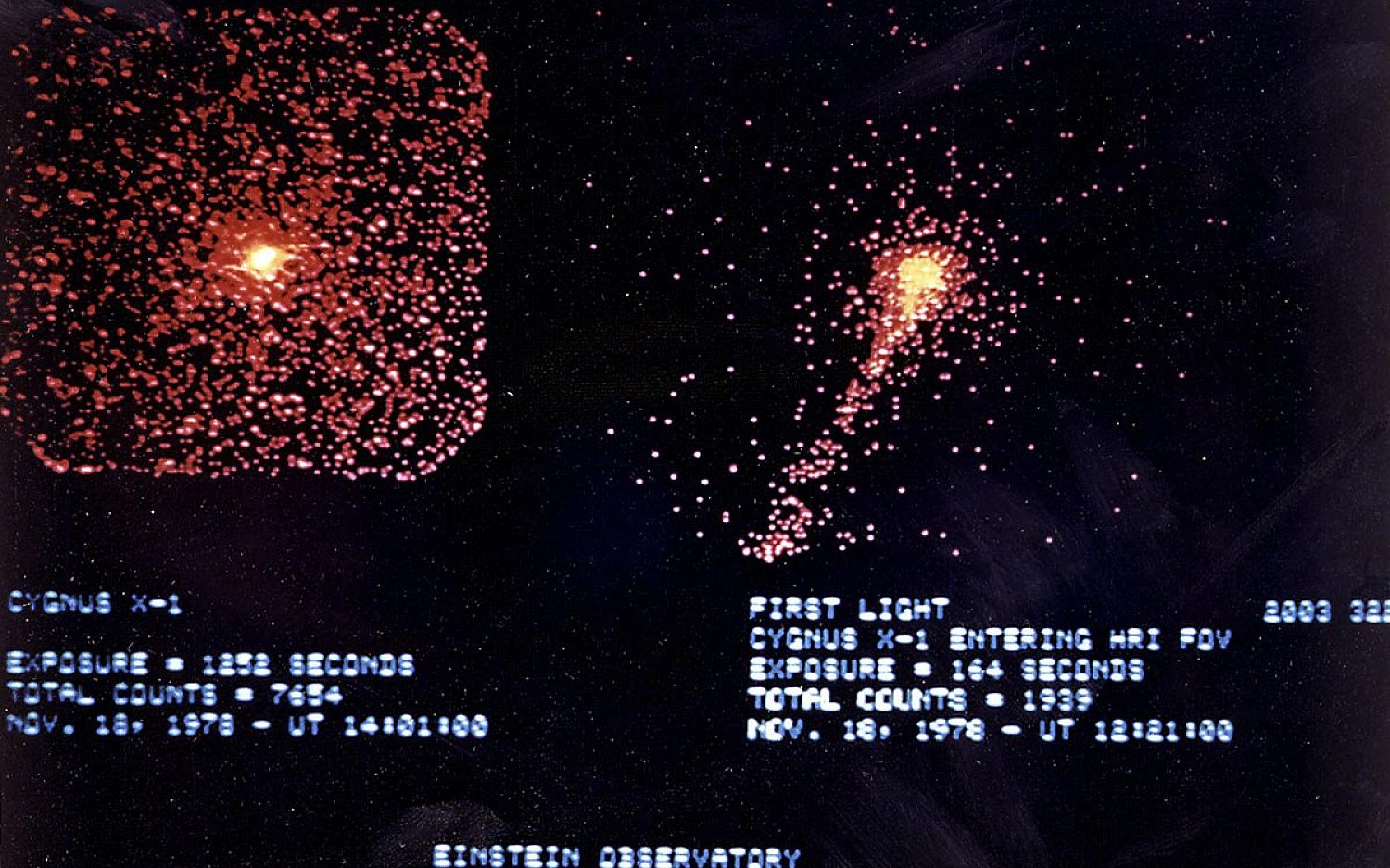
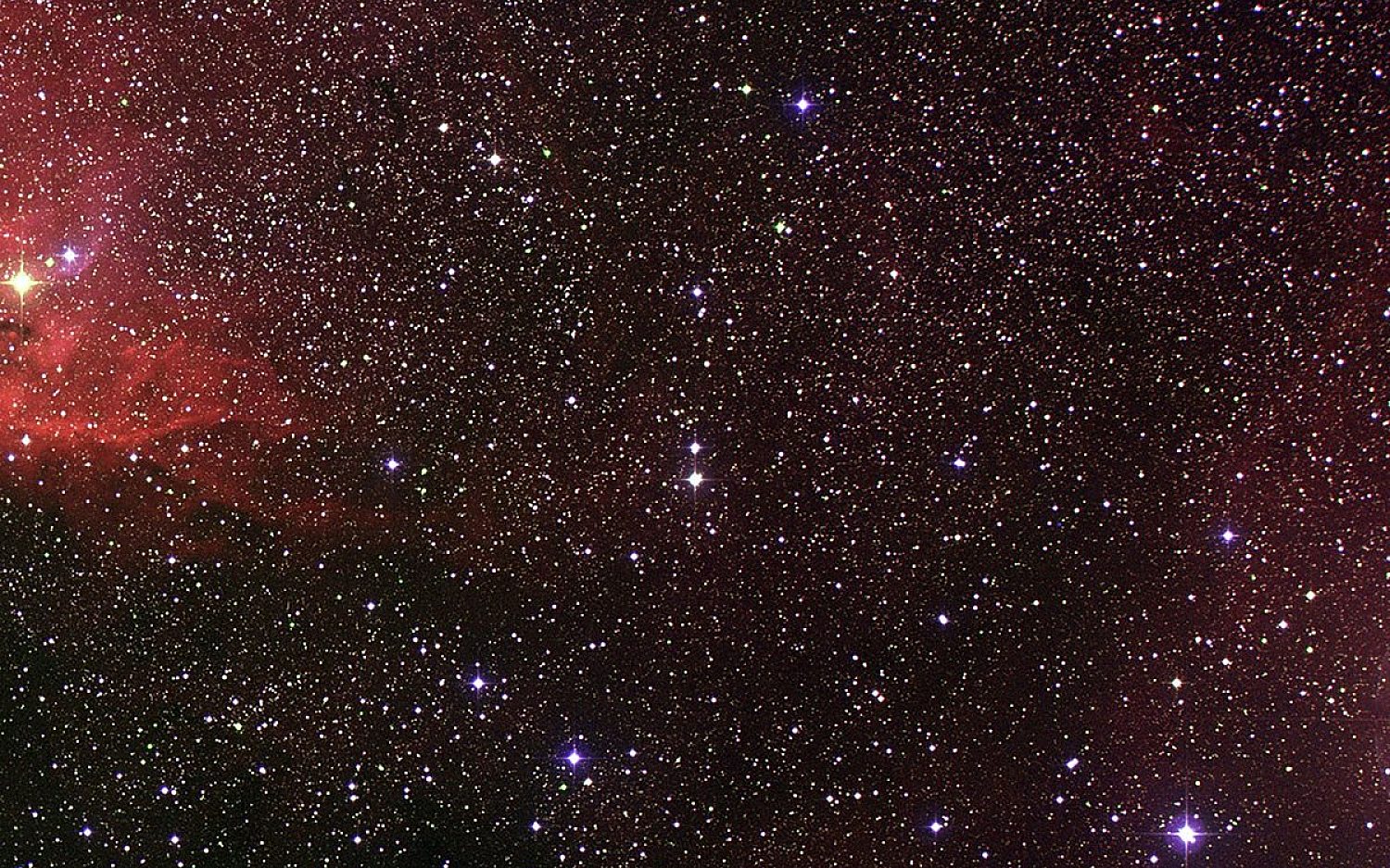
Researchers studied Cygnus X-1. This system, which contains a black hole, sits 7,200 light-years away. How far is that? A single light-year is 5.88 trillion miles. It’s hard to image one light-year, let alone thousands of them. But believe it or not, Cygnus X-1 still lies within our galaxy. That’s one big galaxy!
Scientists studied images of Cygnus X-1 from radio telescopes. They sorted through 18 years of data. What did they find? They could measure the power and speed of plasma coming from black hole jets. The jet power from this black hole equals the energy output of 10,000 Suns. The jets traveled at 335 million miles per hour. That’s half the speed of light.
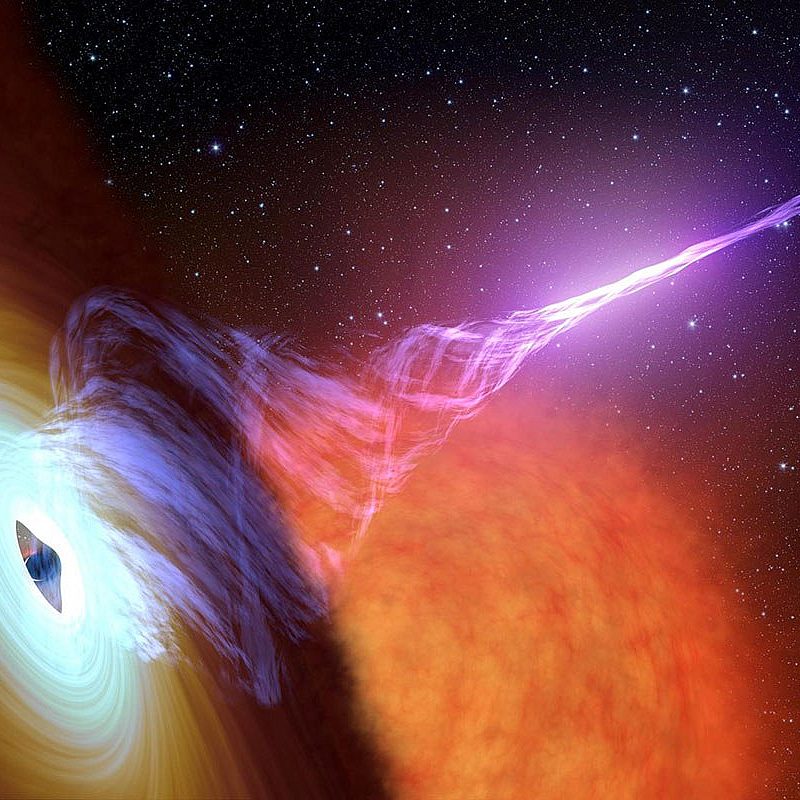
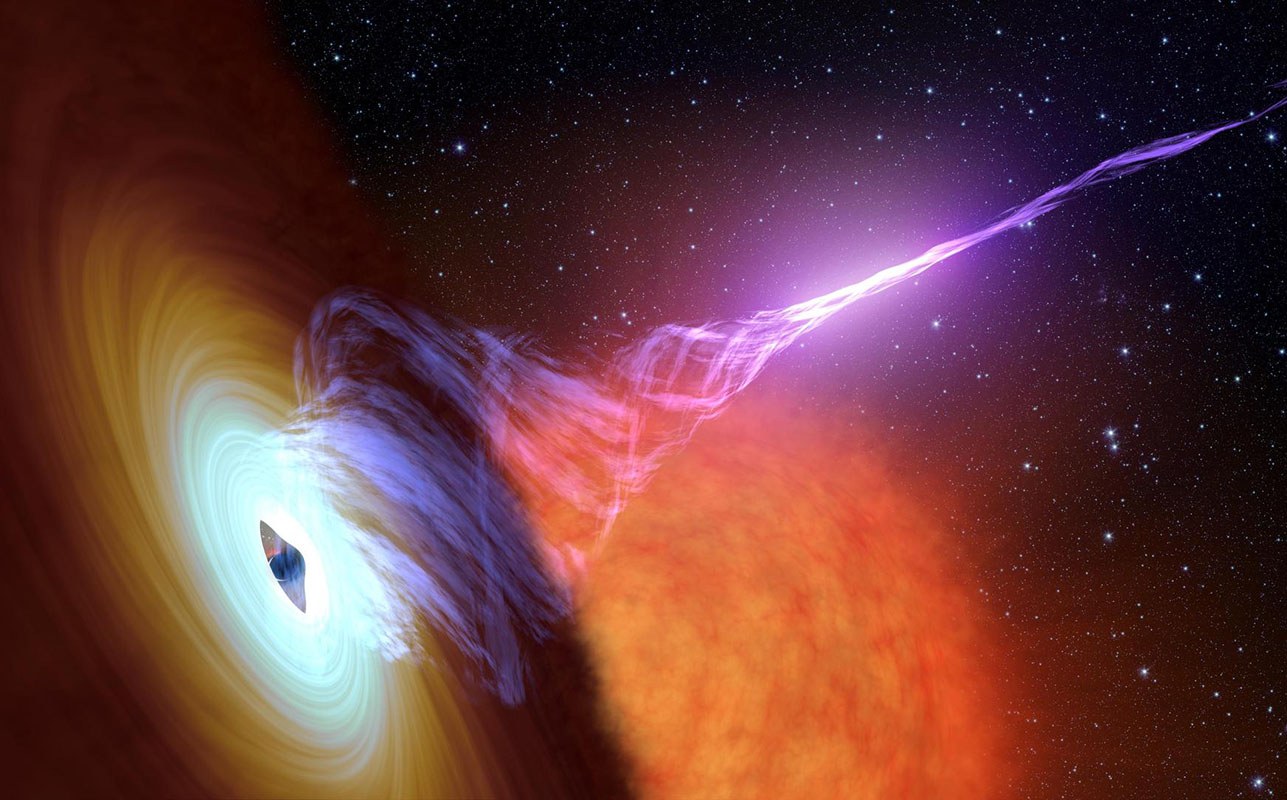
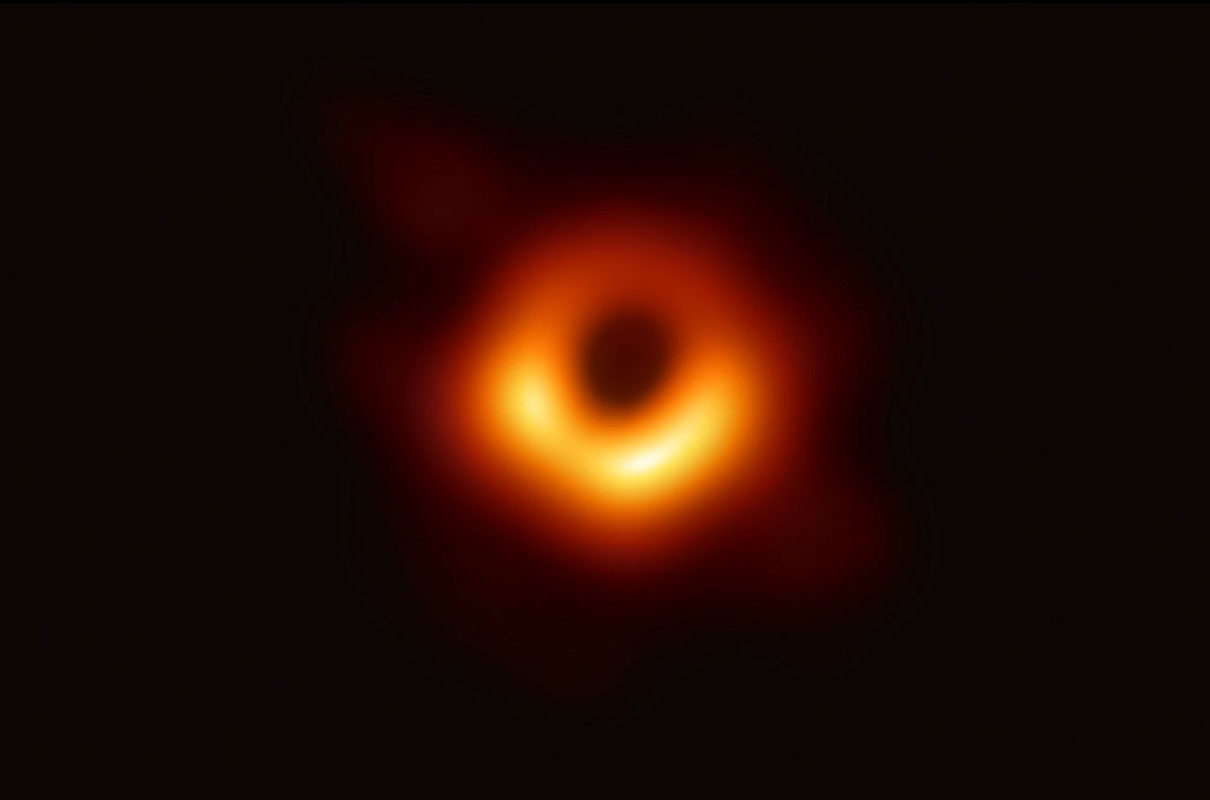
Black hole jets remain something of a mystery. What are they, and why do they occur? Scientists have theories. As black holes spin, they gather gas, plasma, and dust. For the black hole in Cygnus X-1, much of that matter comes from its neighbor—a blue supergiant star. This creates a glowing ring called an “accretion disk.” The particles bump into each other. They heat up. A magnetic field forms. The spinning motion winds this field like a coil. It springs out as a jet.
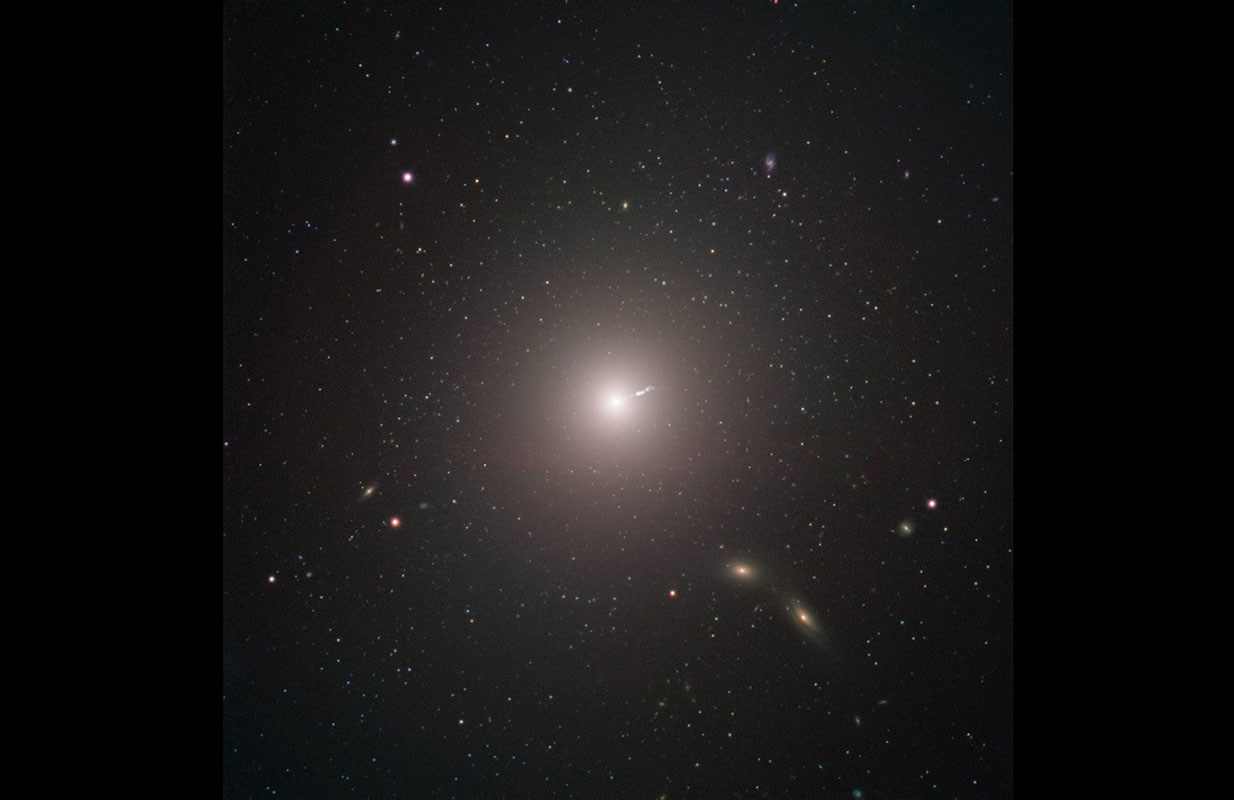
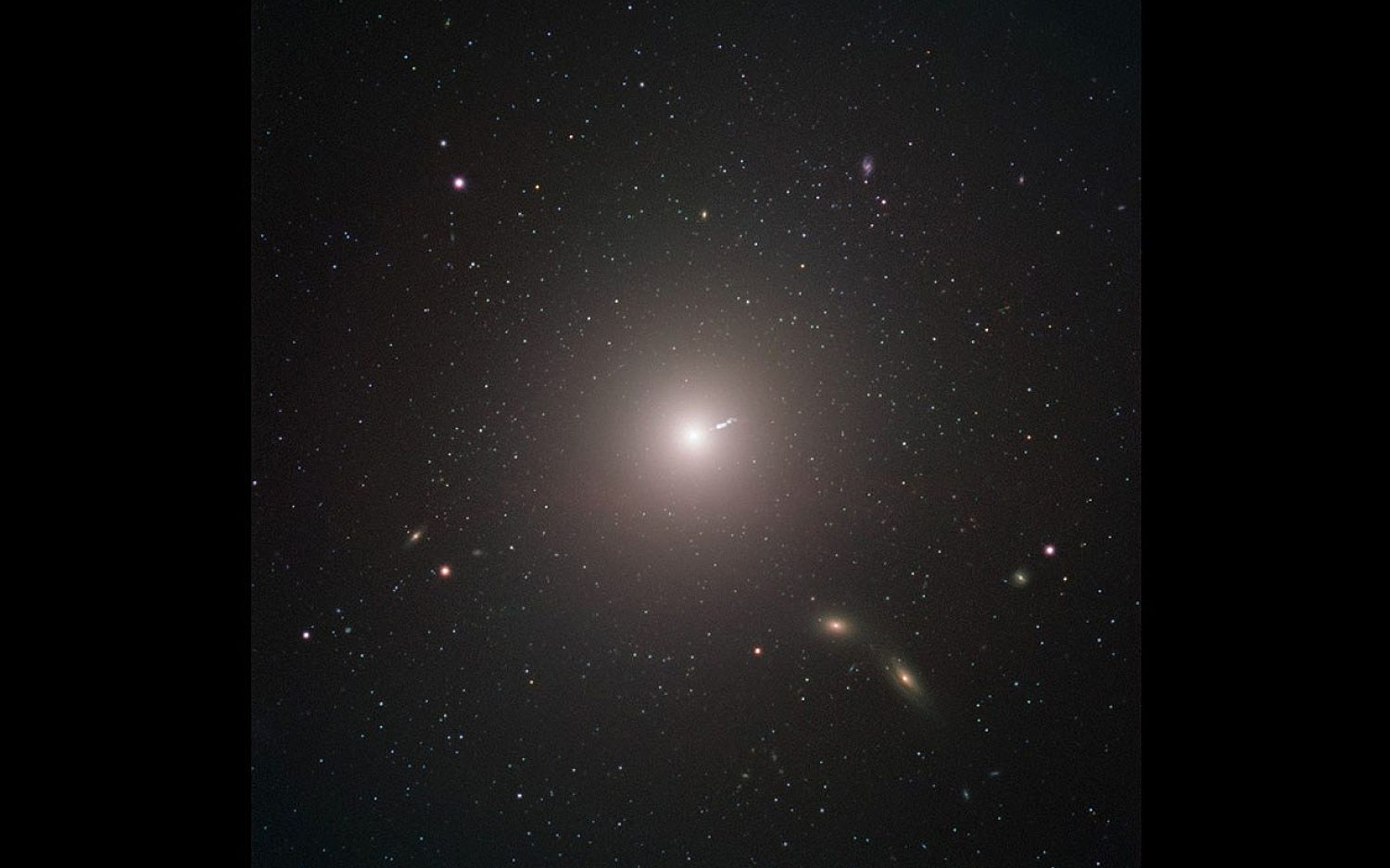
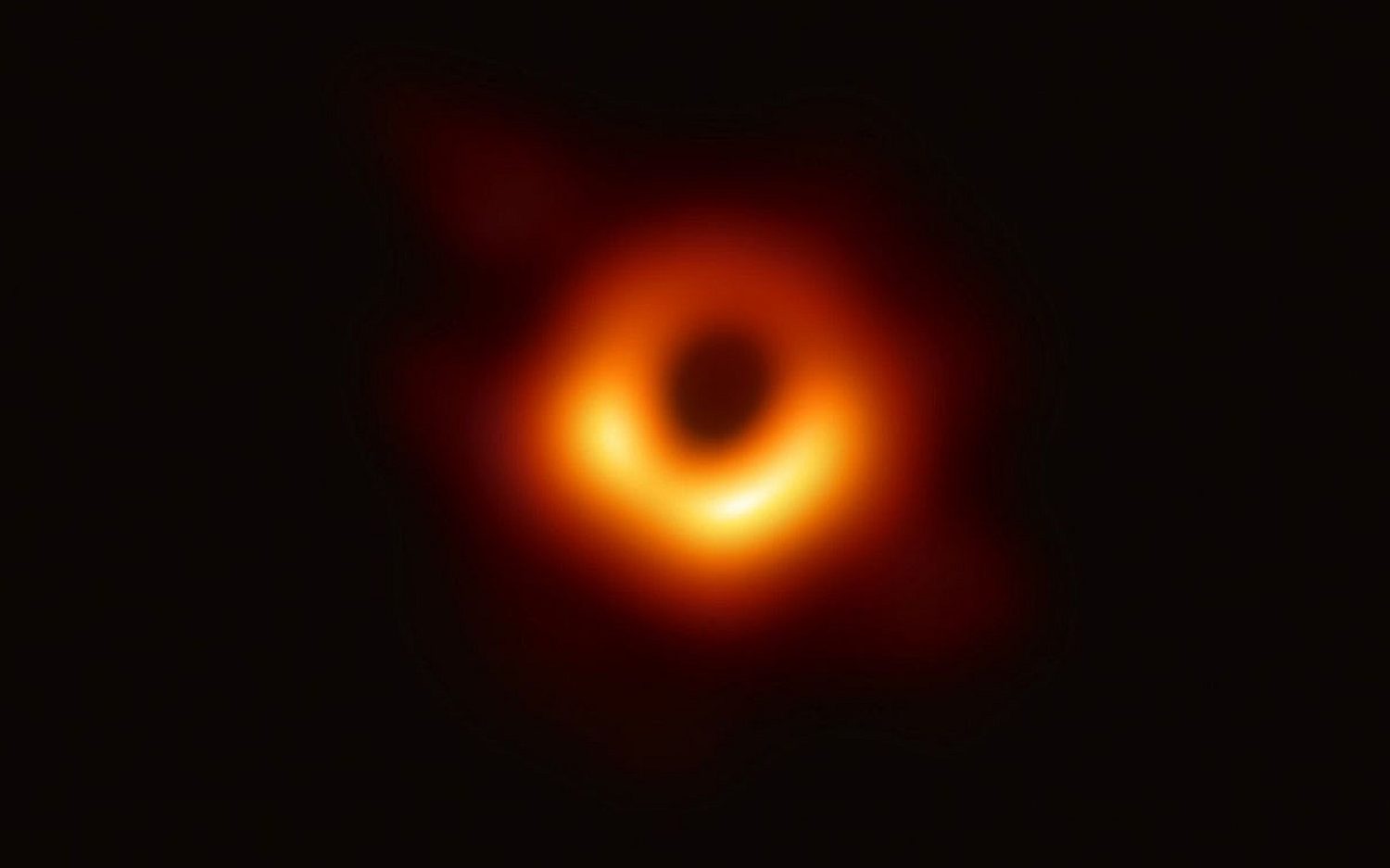
Those jets can travel for thousands of light-years. Scientists spotted them before they ever identified an actual black hole. In 1918, Heber Curtis noticed a “curious straight ray” in space. Years later, scientists would find its source—the M87 black hole.
Black holes can teach scientists about how God shaped the universe. The power of black holes boggles our minds. Think how much more powerful their Maker must be!
Why? The more we learn about creation, the more we learn about our Creator God.