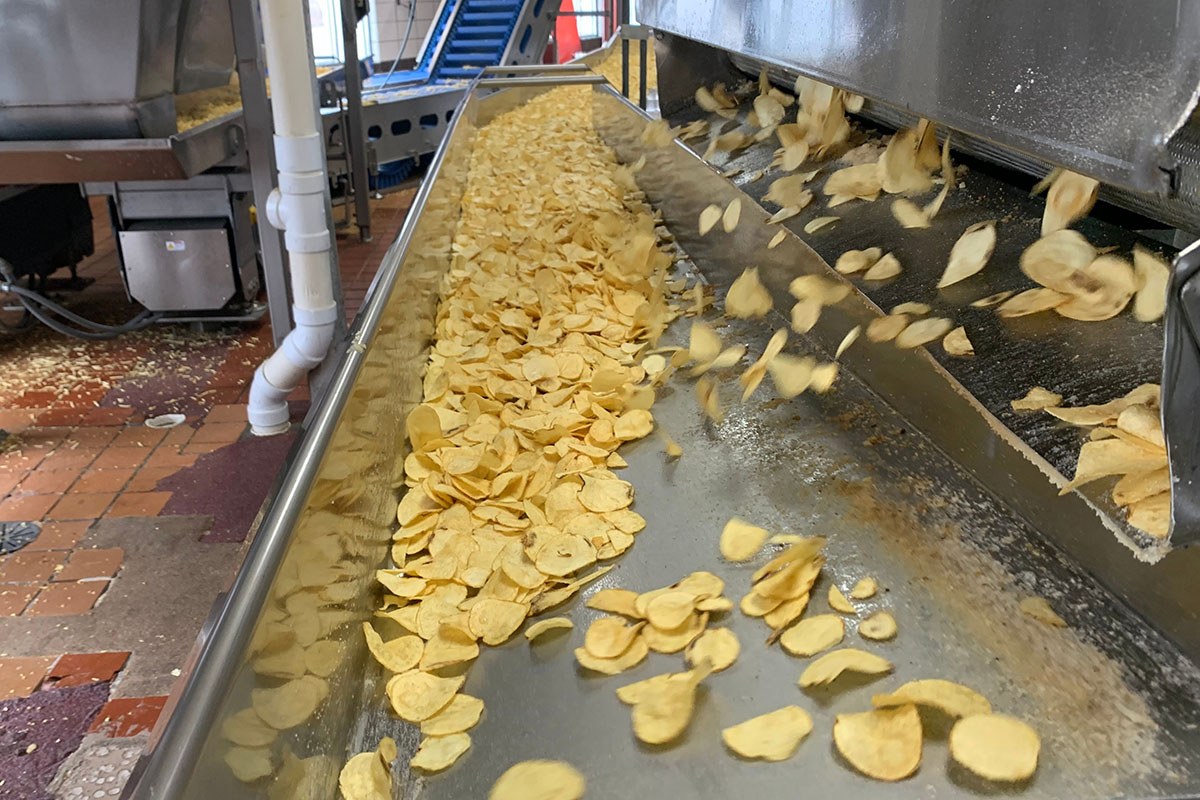
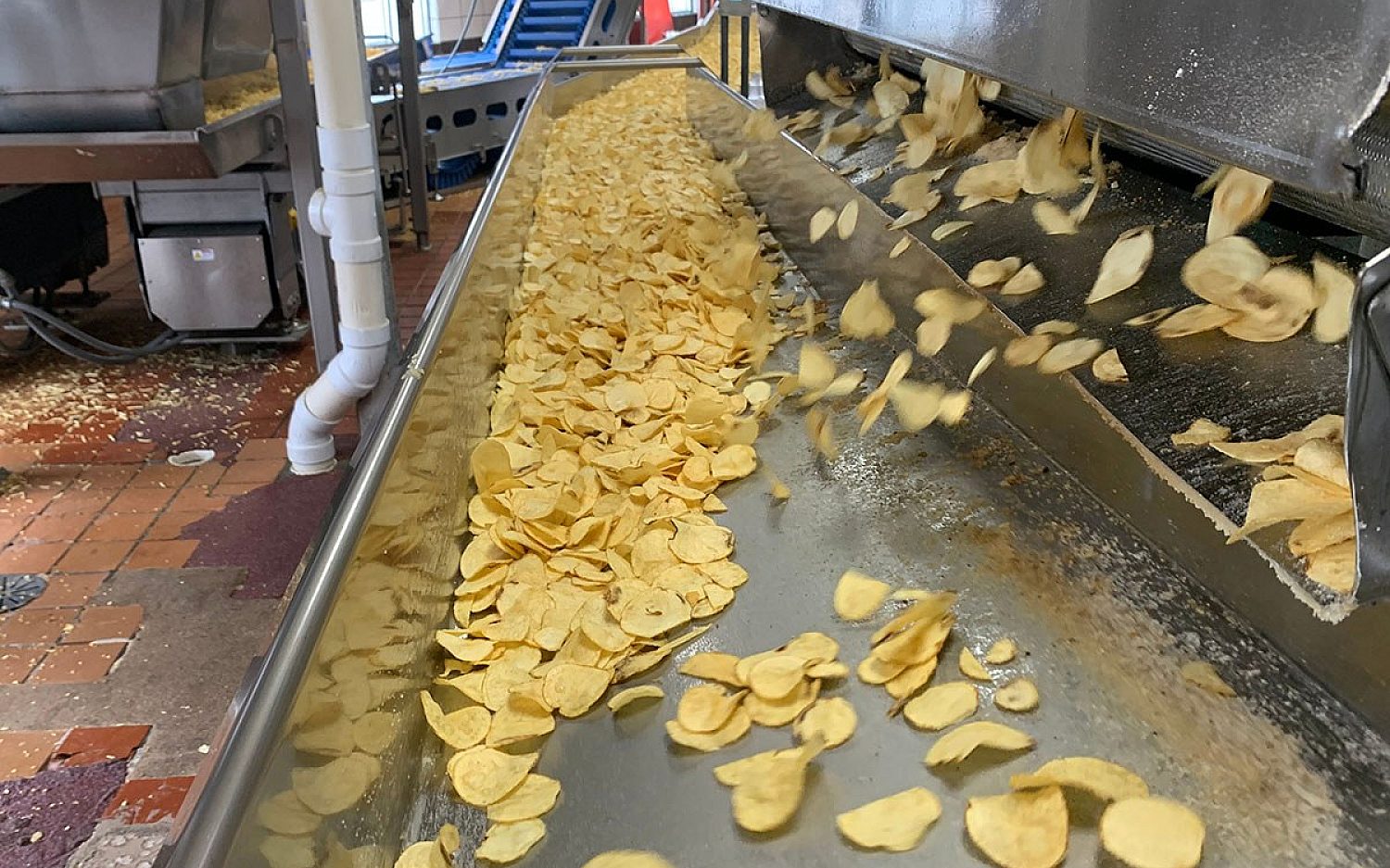

What do you taste when you bite into a potato chip?
Salt?
Potato?
Science?
Scientists have spent decades working on potato chips. Their task? Develop potatoes for chip makers. The best chip potato can . . .
- grow in all kinds of climates.
- avoid diseases and pests.
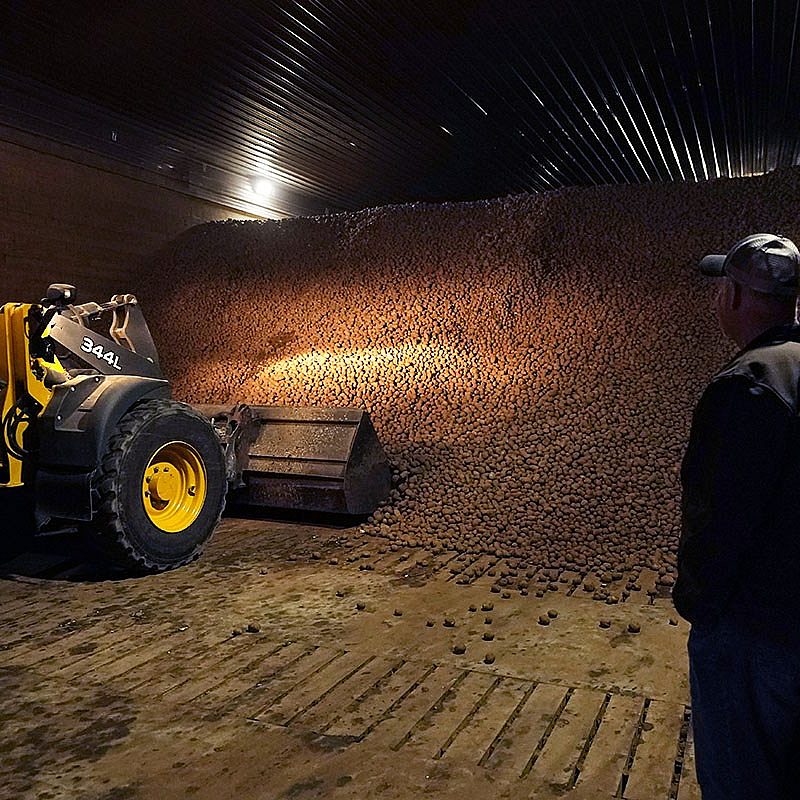
- sit in storage for months . . . and stay crunchy.
Scientists also study what chip buyers want. Lately, consumers seem to like smaller portions. That means snack-sized bags, and that means smaller potatoes!
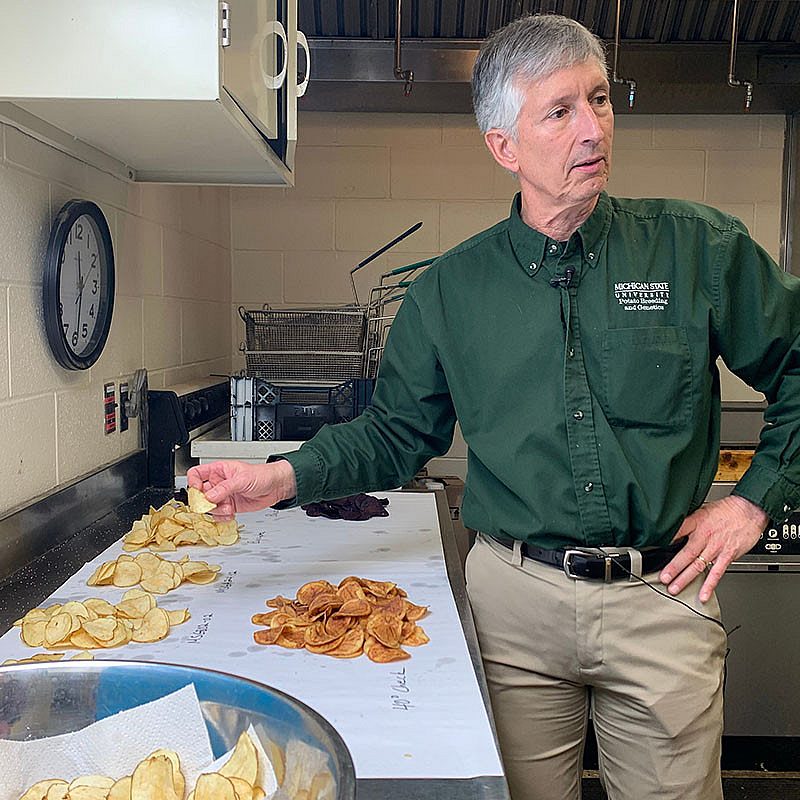
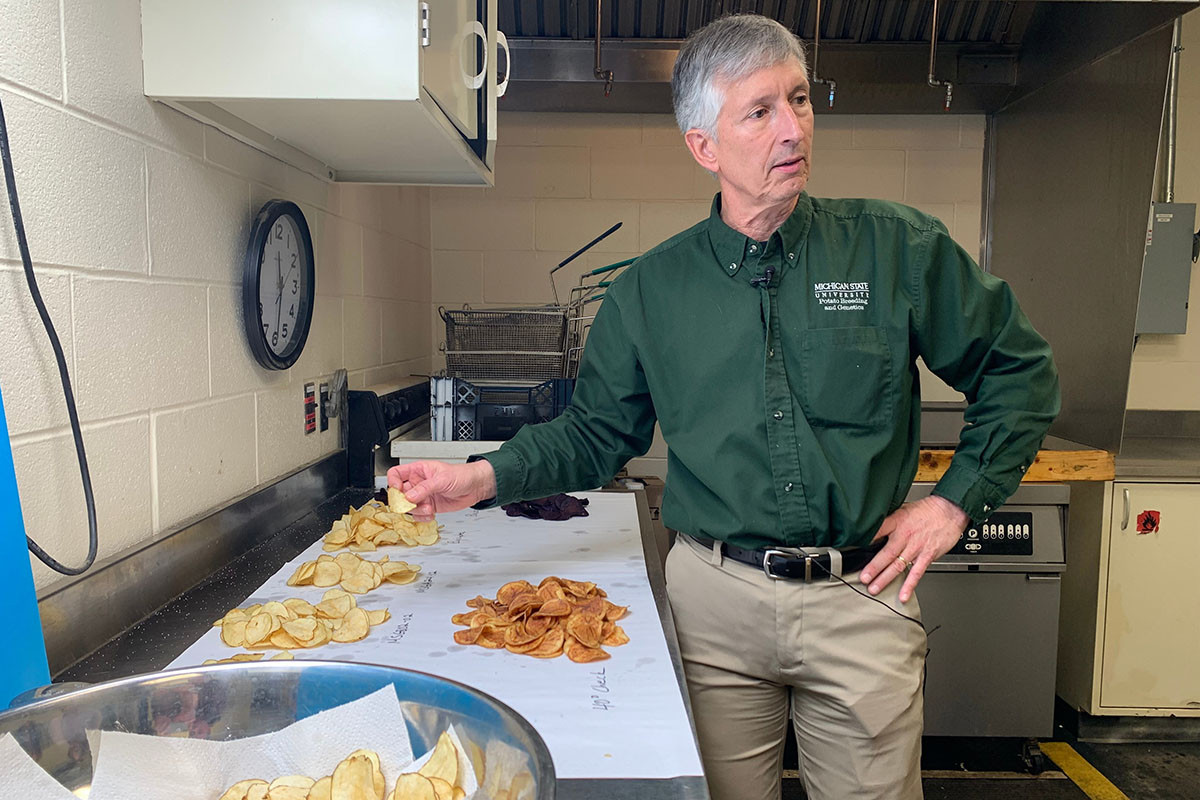
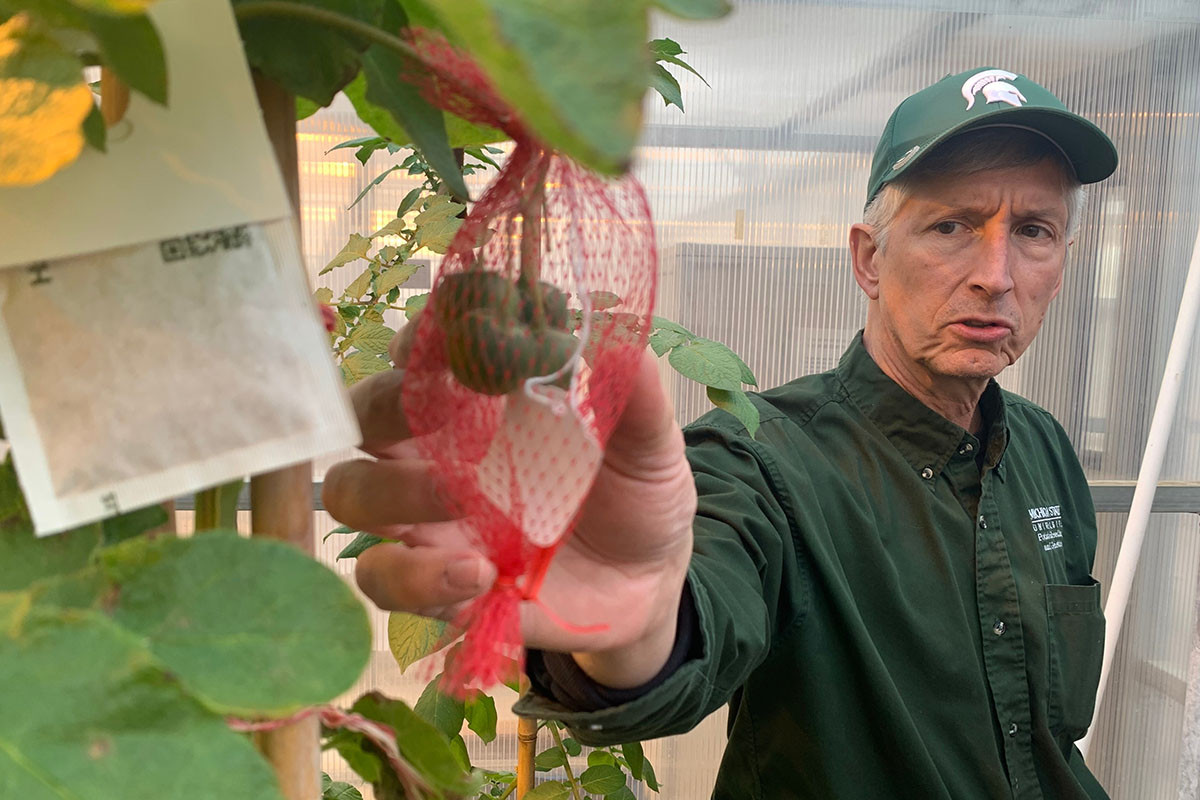
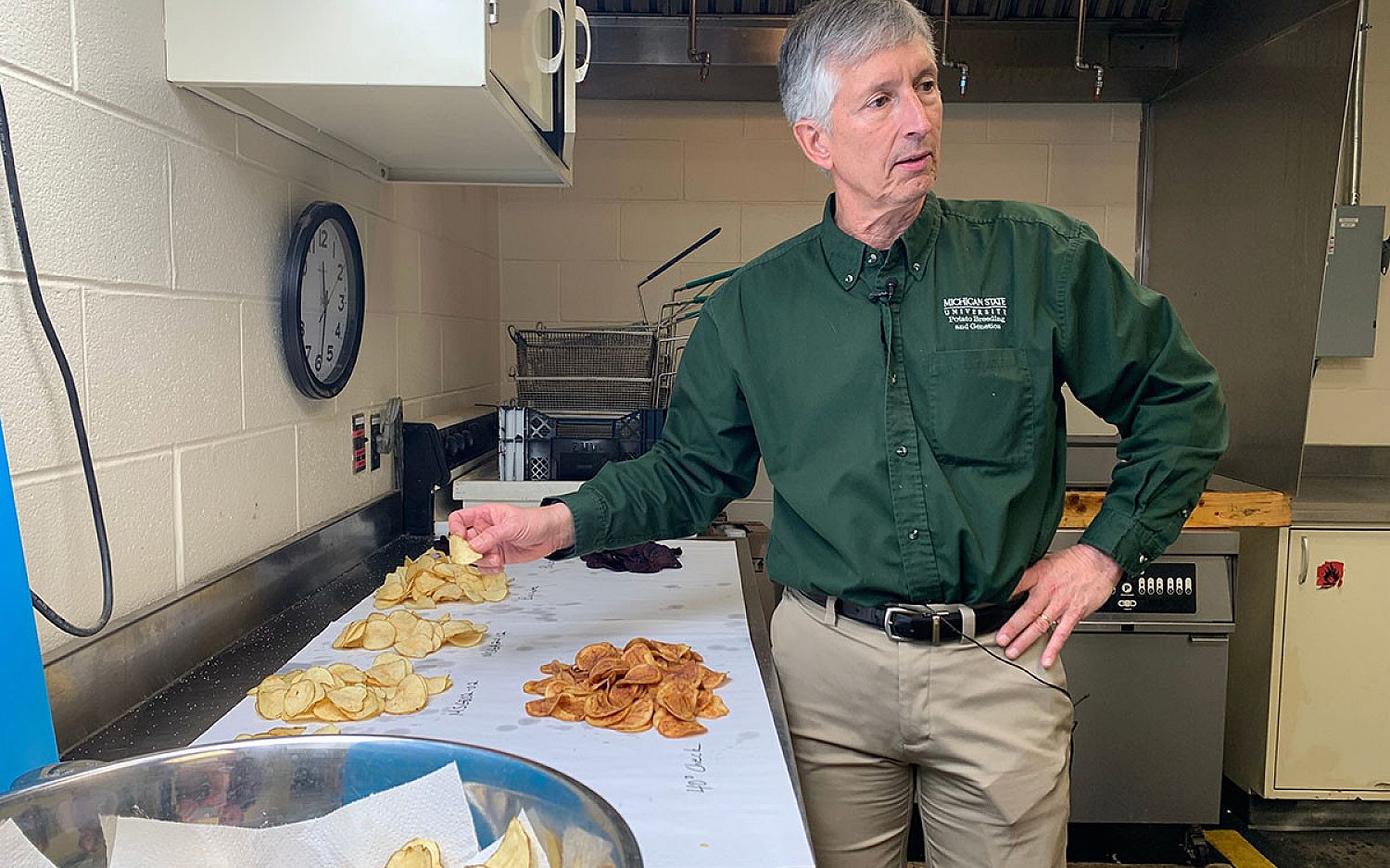
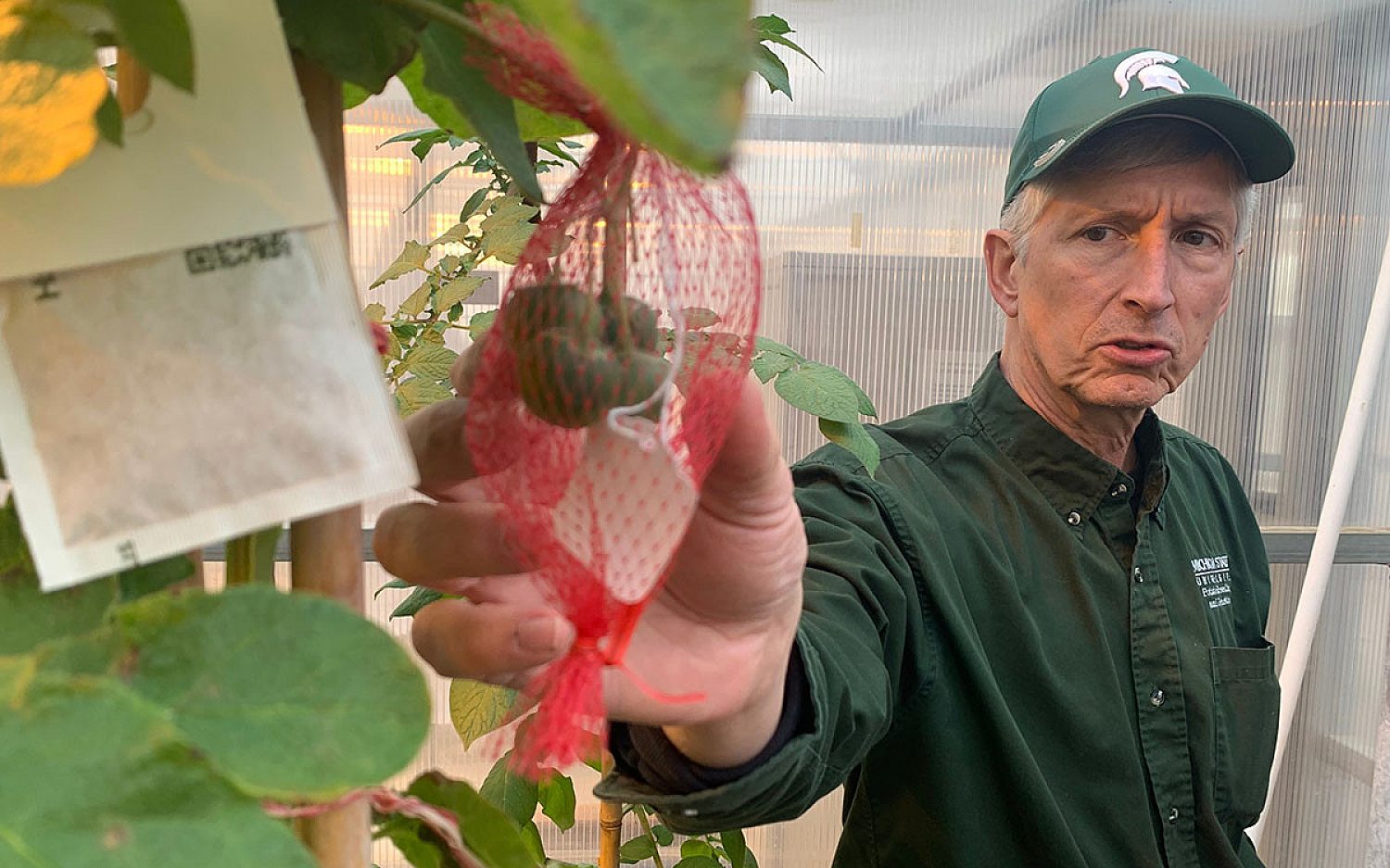
David Douches leads the Potato Breeding and Genetics Program at Michigan State University. (When you think “potatoes,” what U.S. state comes to mind? Is it Idaho? It’s no accident that Idaho is also called the Potato State. Idaho produces more of the country’s potatoes than any other state. But many of America’s chip potatoes come from Michigan. Soil around the Great Lakes grows potatoes that fry up crispy.)
In the last 15 years, Dr. Douches has developed five new potato varieties for chips. His latest breakthrough: A bioengineered potato. (Bioengineered means people have changed the genetics of a food.) Dr. Douches’ potato has sugars that stay balanced when stored at colder temperatures. This helps keep potatoes from rotting. Now he’s growing seeds for commercial testing of the potato.
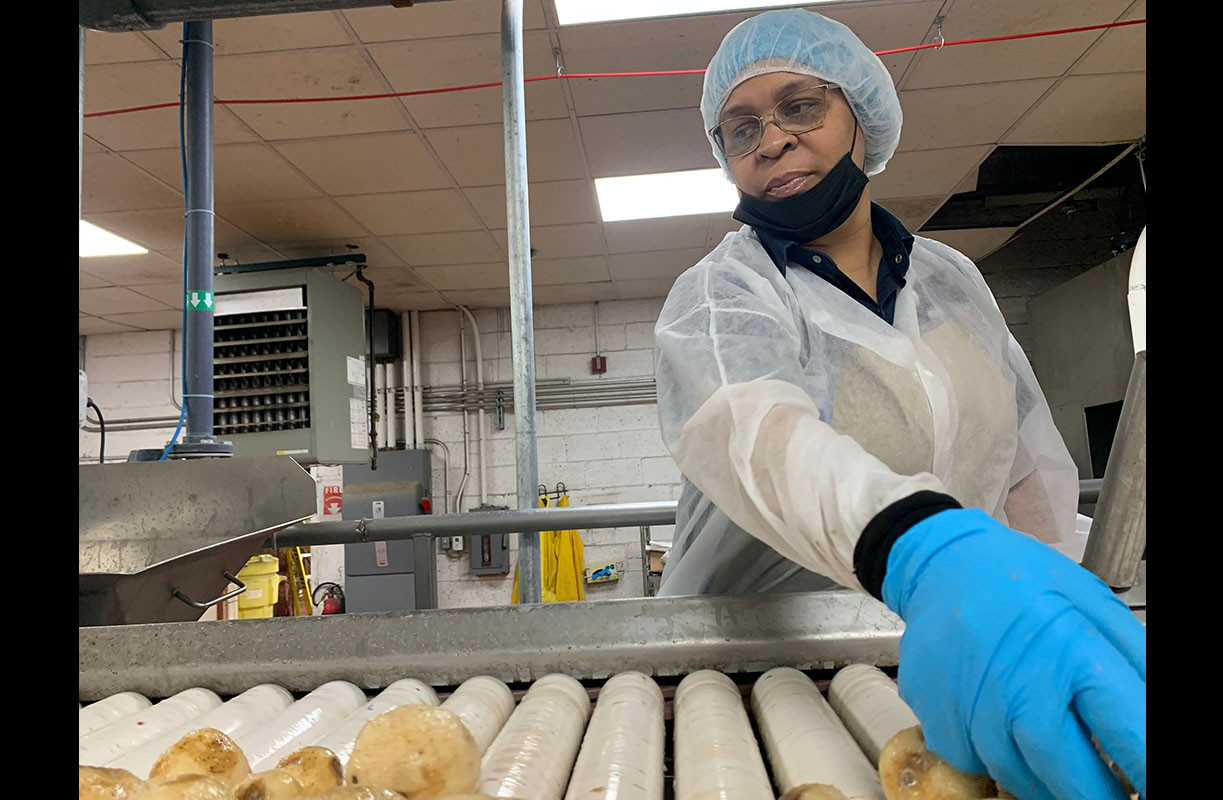
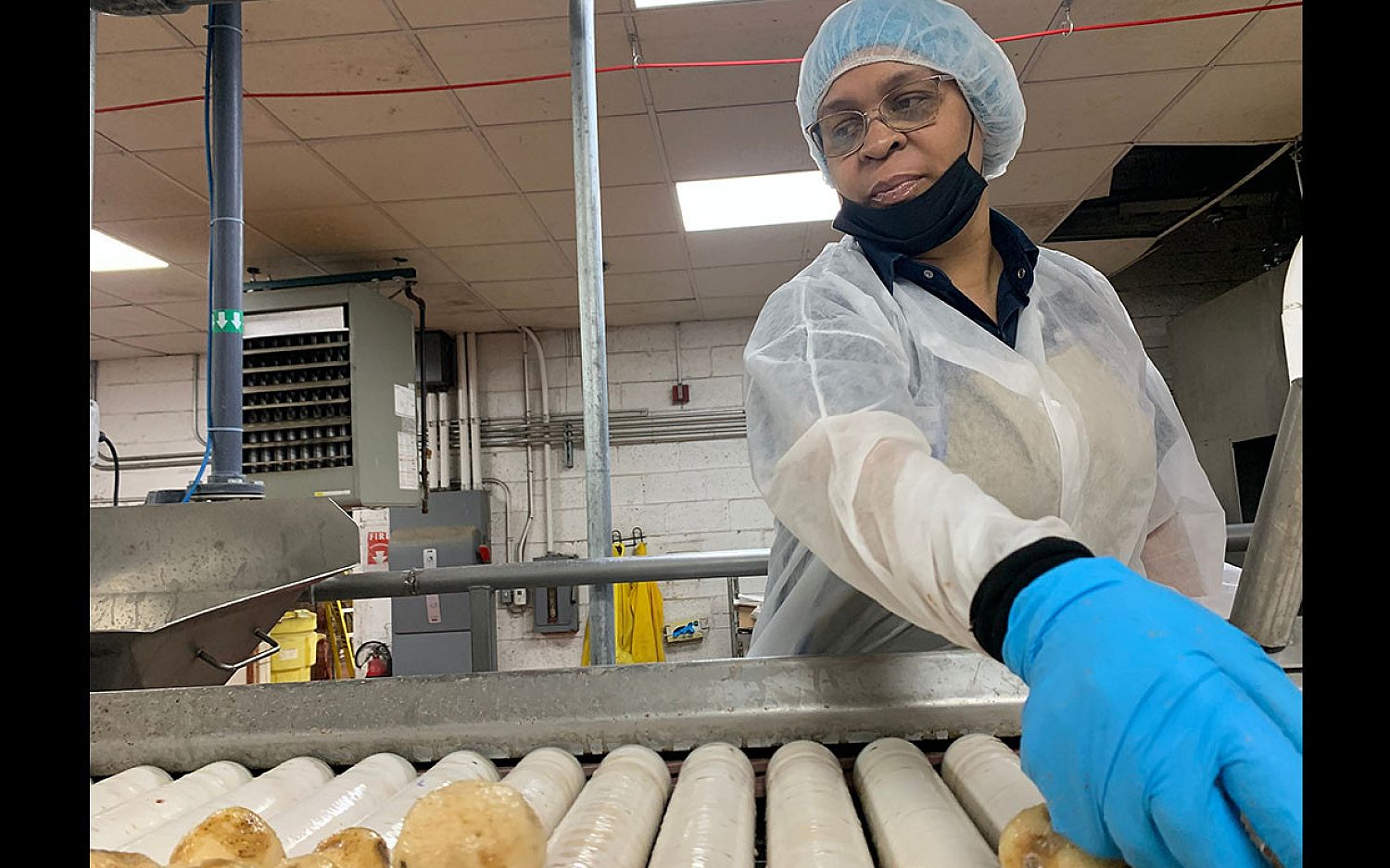
Right now, U.S. farmers produce around 50 potato varieties for chips. People work constantly to improve them. Scientists come up with new varieties every year. Workers at the National Chip Program choose the best ones.
And God said, “Behold, I have given you every plant yielding seed that is on the face of all the Earth, and every tree with seed in its fruit. You shall have them for food. — Genesis 1:29
Why? Creative farming can supply more people with better food. God uses farmers to care for people and land.