Some call them “gravity wells.” Some call them “singularities.” Whatever term you use, they remain one of space’s great mysteries. What are black holes, exactly?
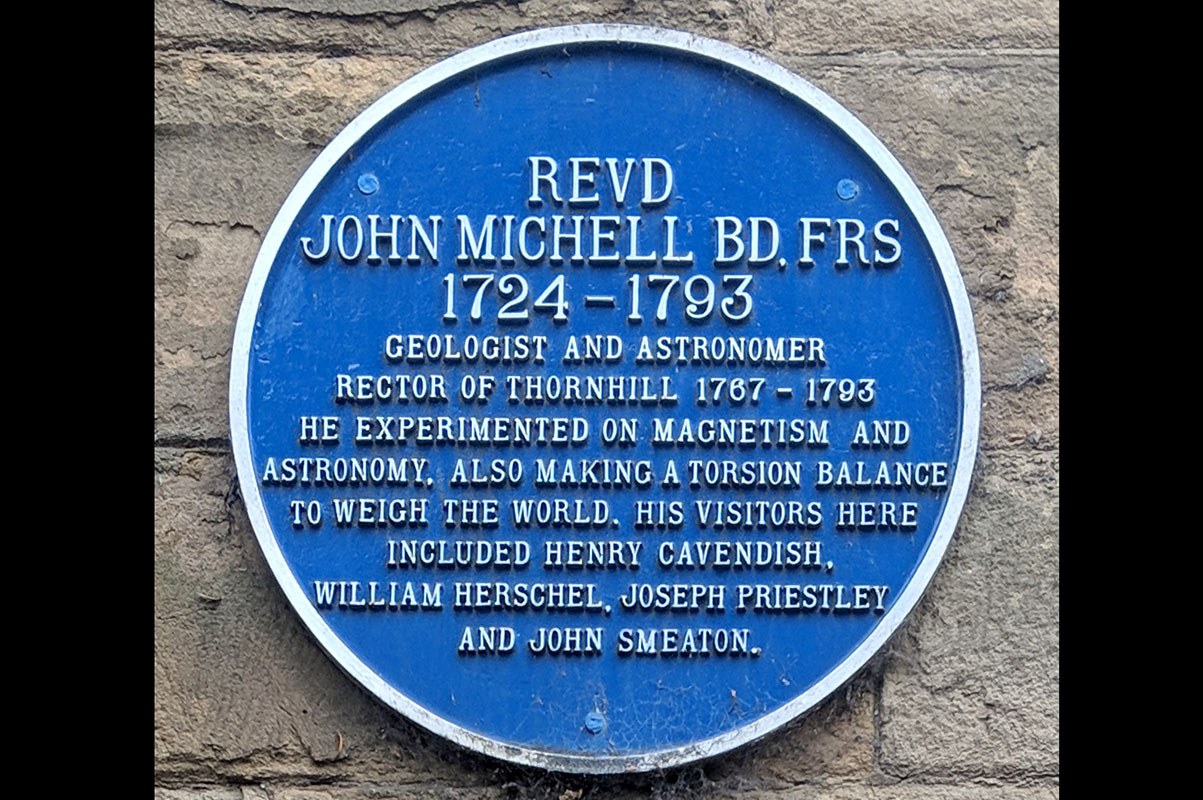
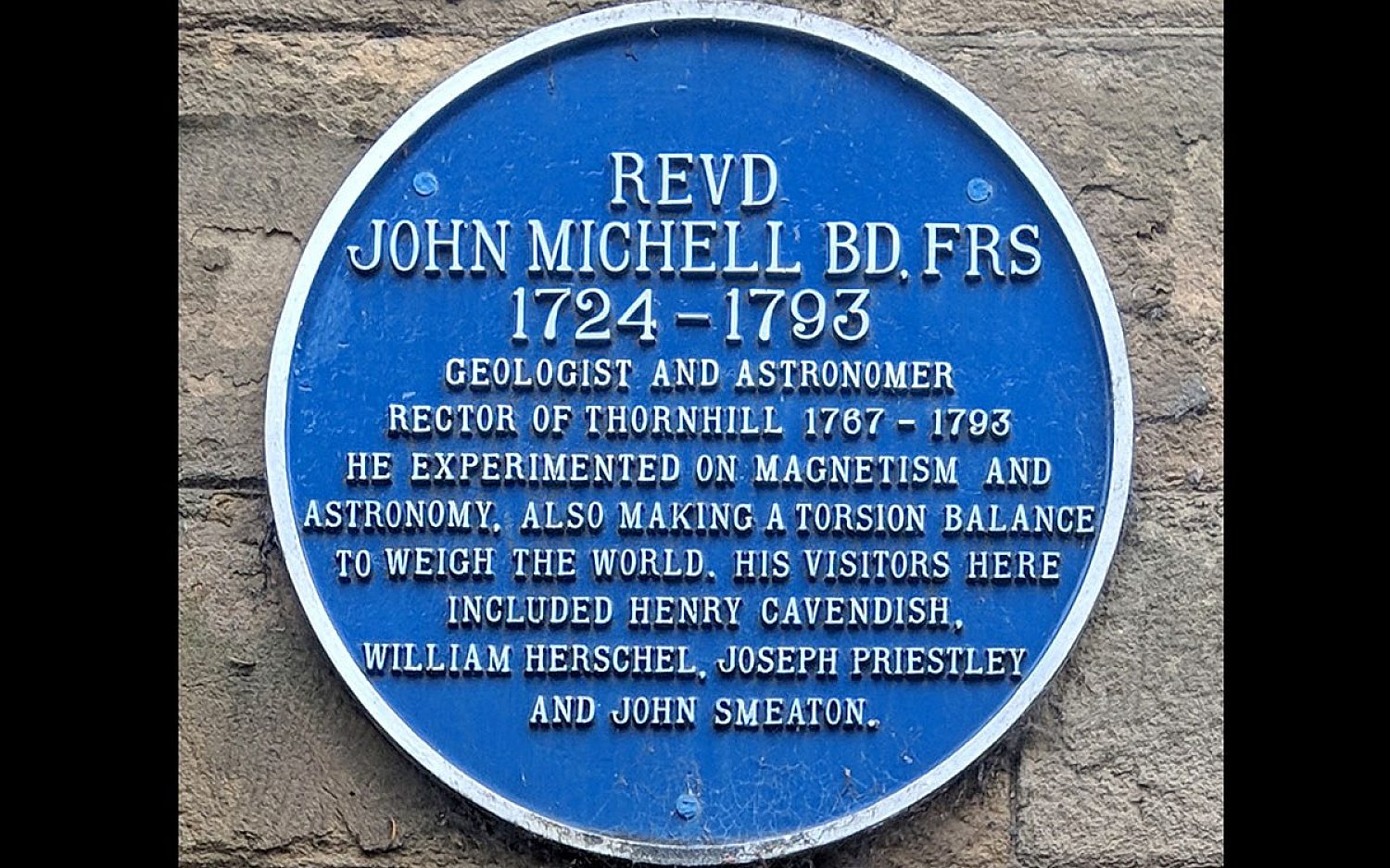
Scientists predicted the existence of black holes before they discovered one. In the 1700s, an English priest named John Michell theorized about “dark stars.” He suggested that a dense enough star could trap its own light. Planets would still revolve around it. But the human eye couldn’t see it.
That’s not far from what modern science has discovered.
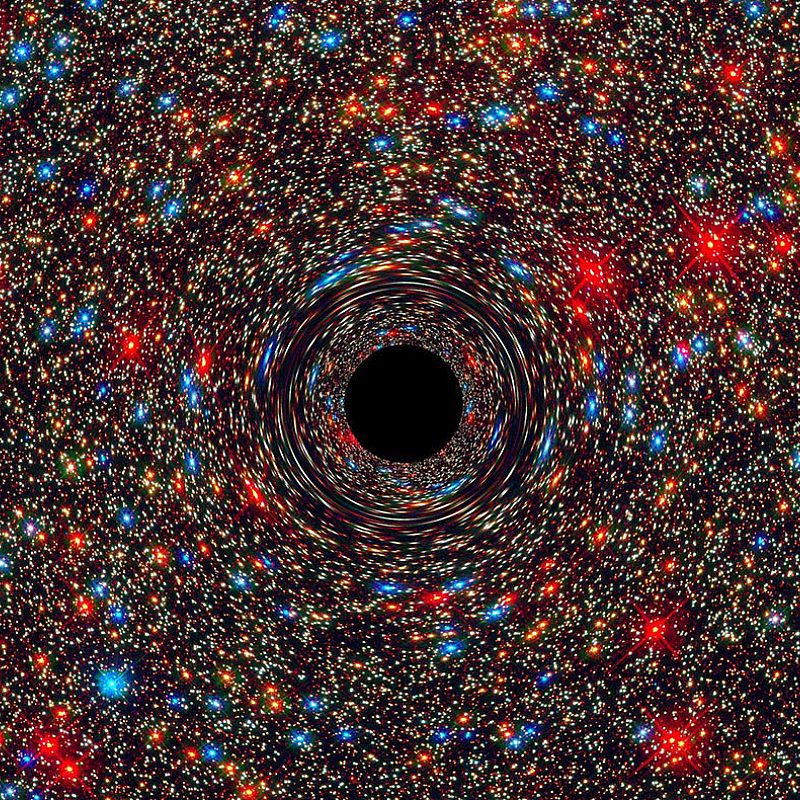
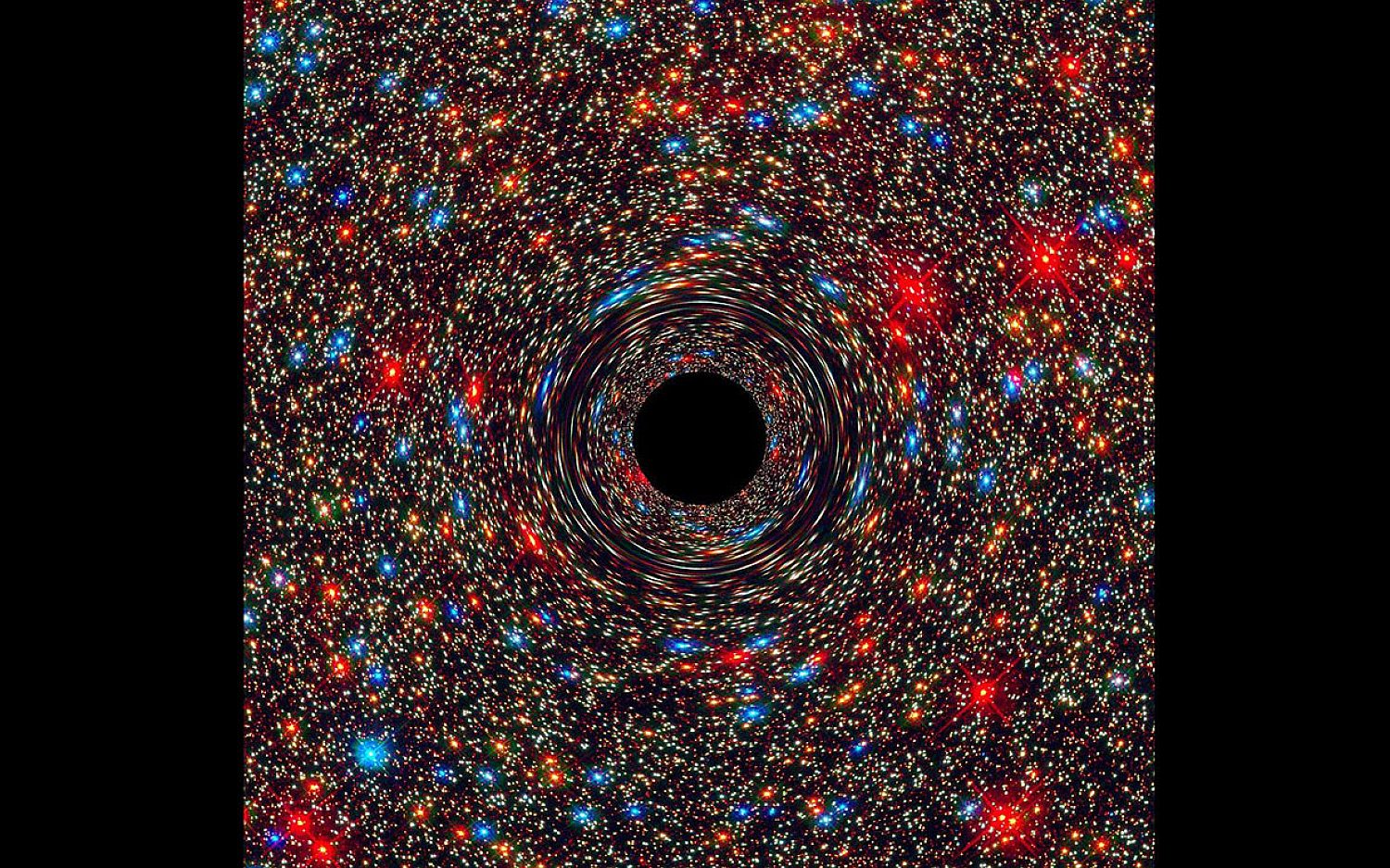
Black holes have such strong gravity that they suck in everything nearby—even light. Once something passes a black hole’s “event horizon,” it can never leave. It would need to travel faster than light. That’s the absolute speed limit of the universe—as far as we know.
So how do you spot something that gives off no light? You don’t look for the hole itself. You study the space around it.
Scientists found their first black hole, Cygnus X-1, in 1971. They studied the stars. They discovered a star that seemed to orbit empty space. What was it circling? They did the math. They realized it must be circling a black hole.
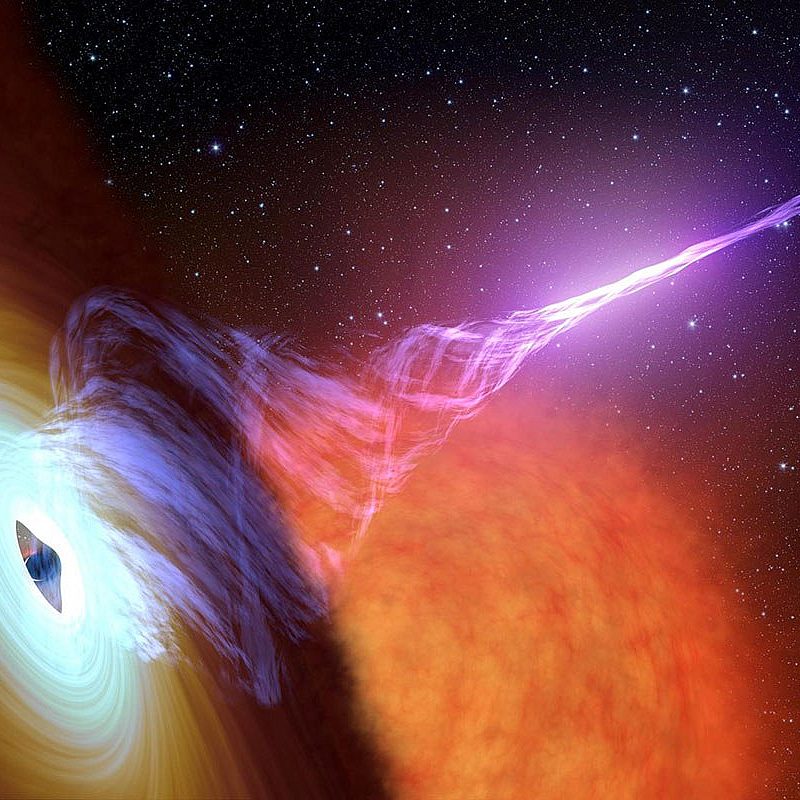
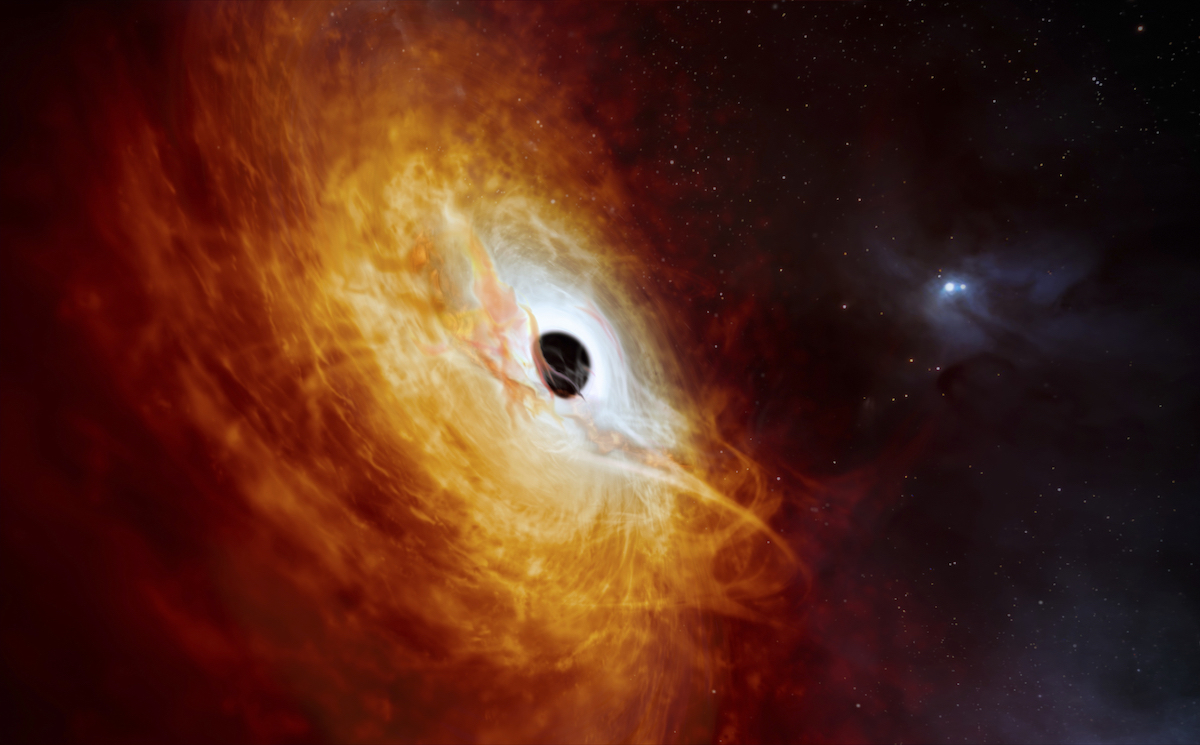
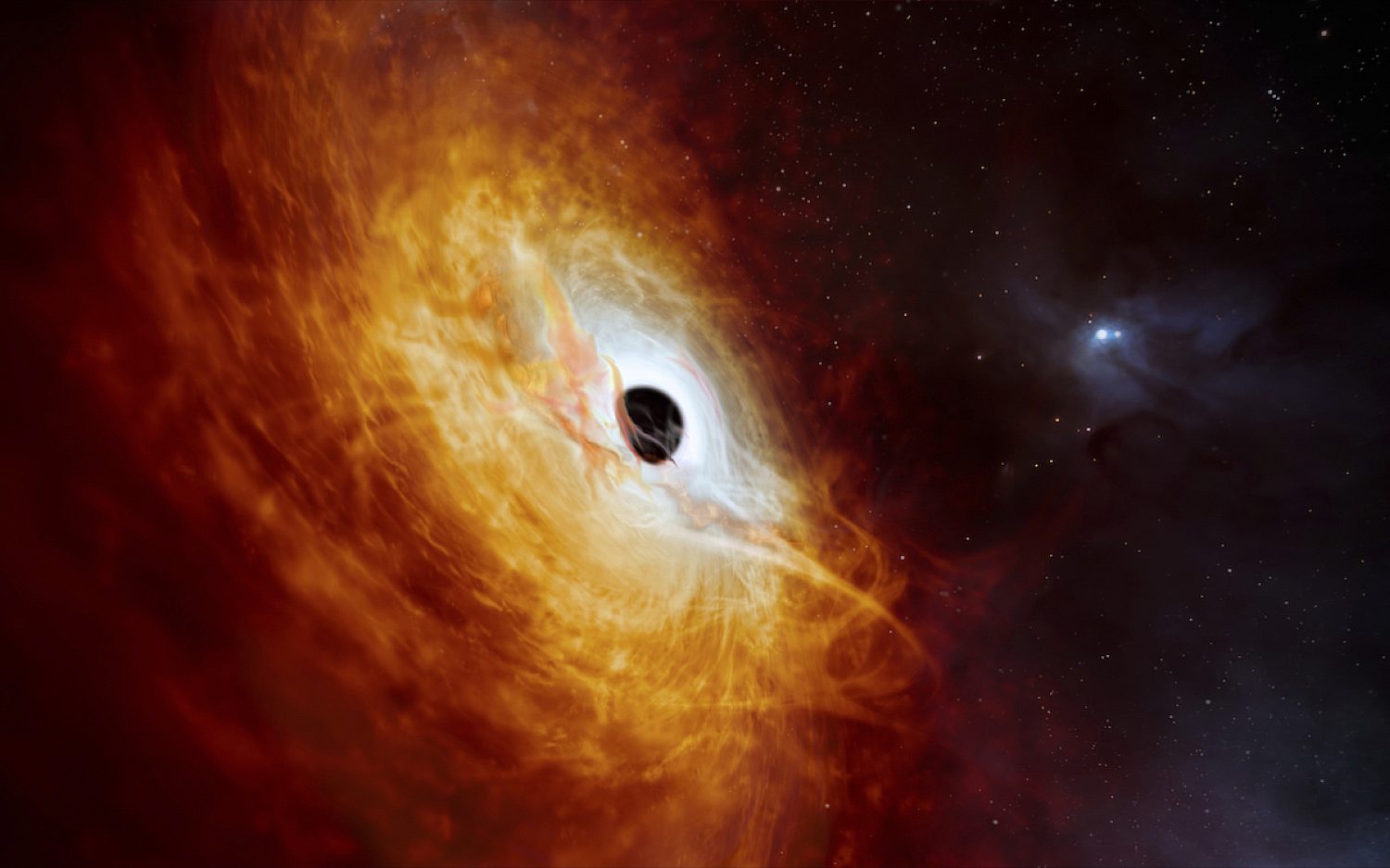
In 2019, researchers finally photographed a black hole. But how do you photograph something invisible? The photo shows the black hole’s bright, orange accretion disk. The black hole itself forms a dark spot in the center.
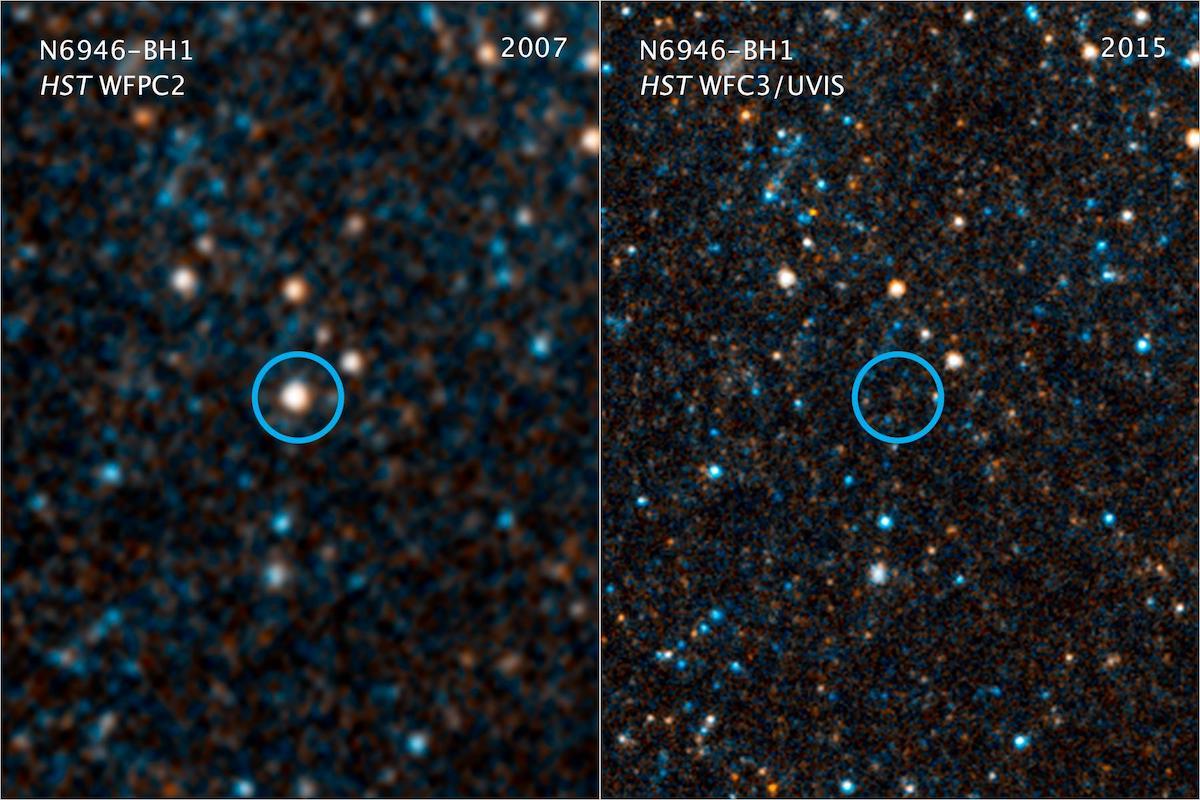
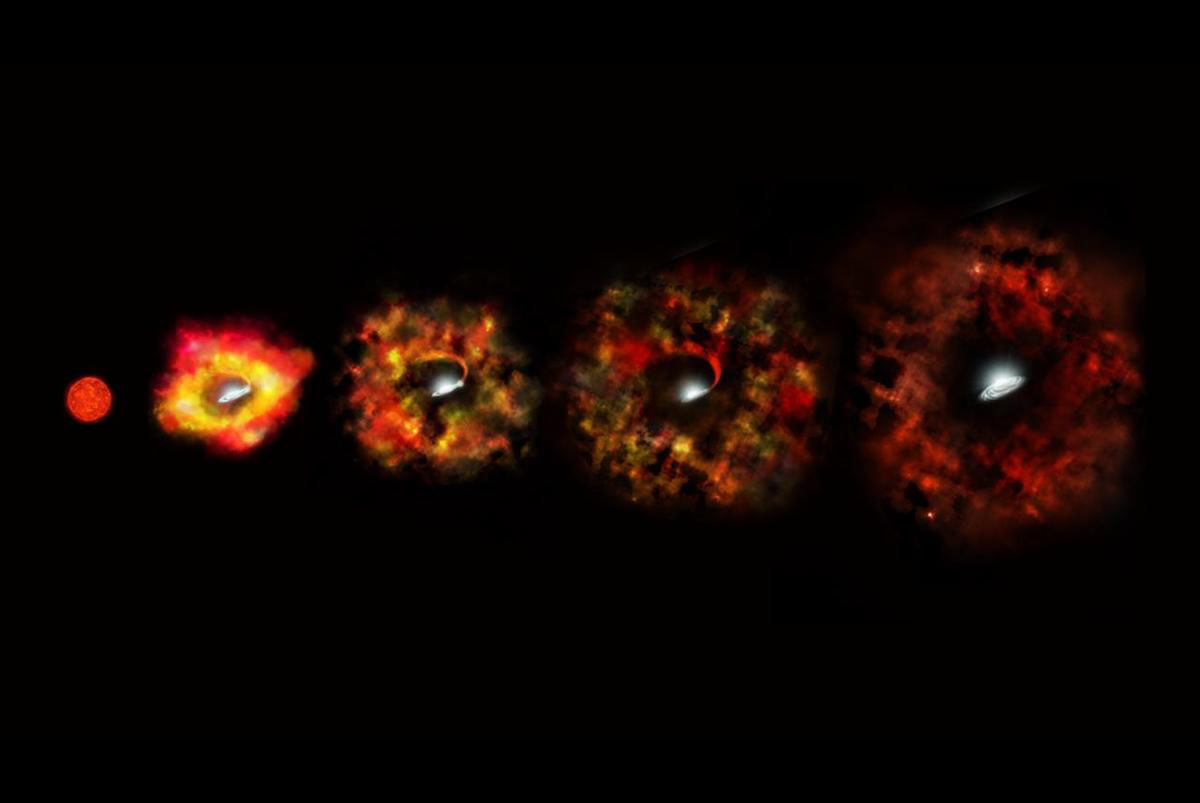
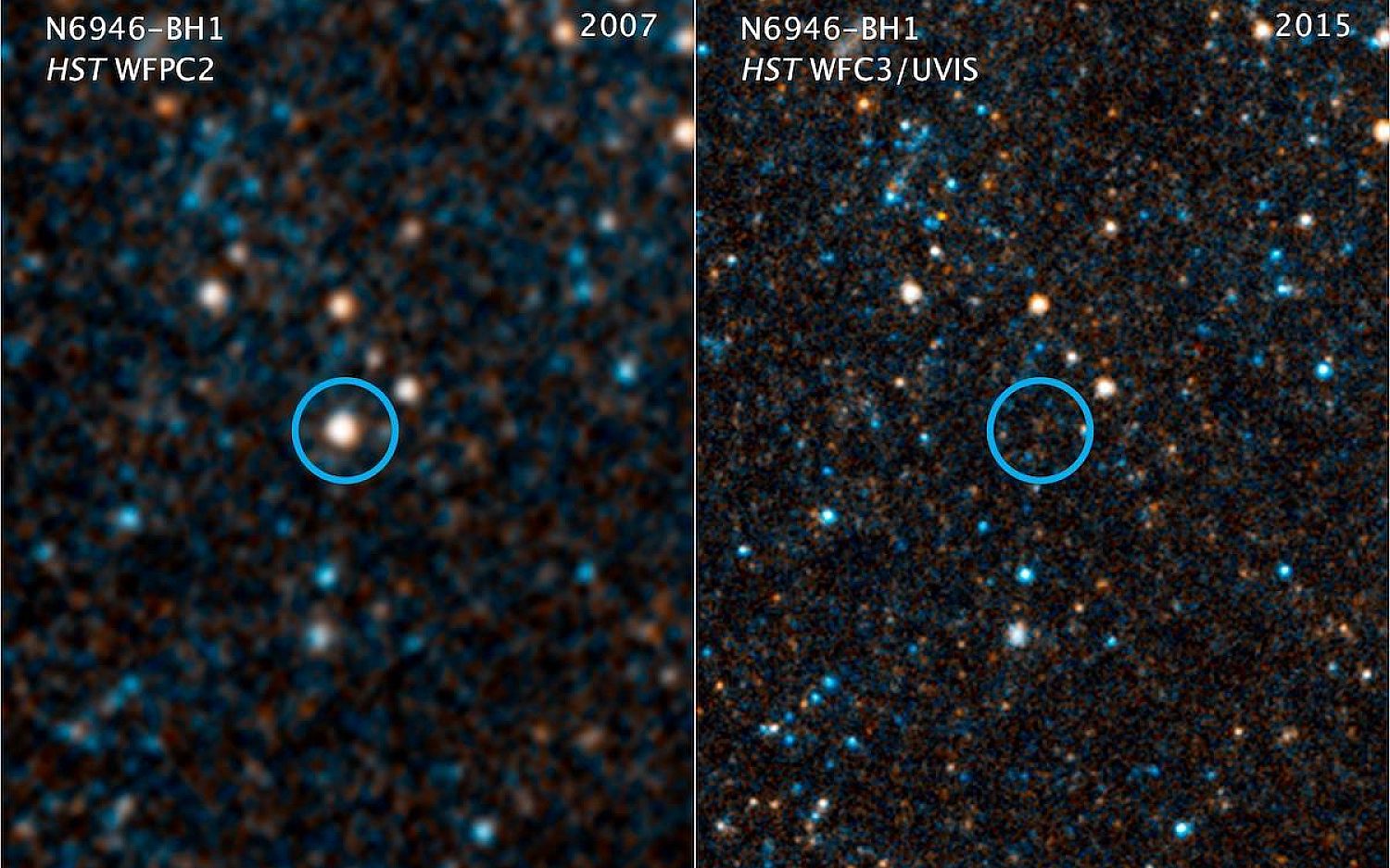
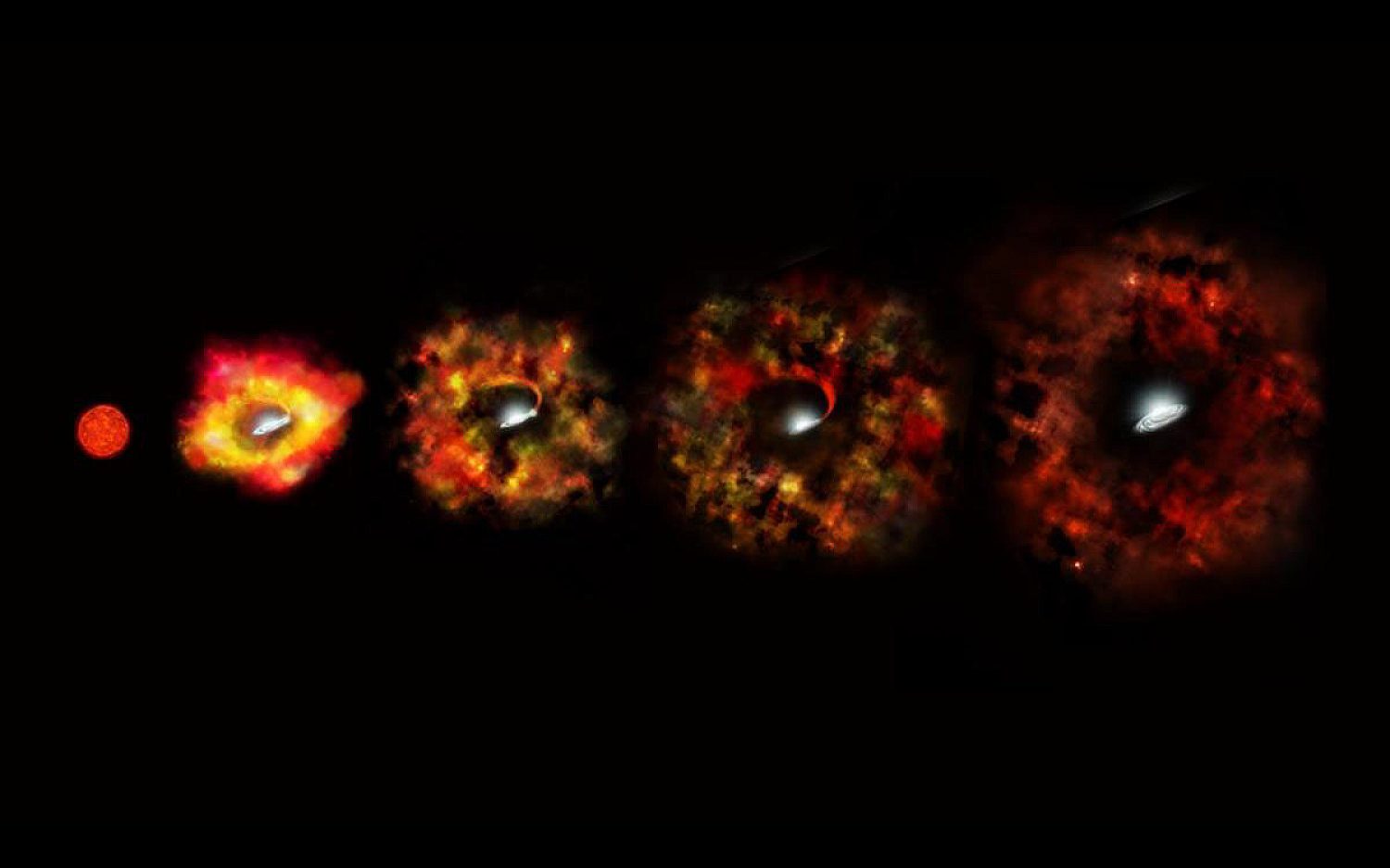
Scientists think many black holes come from collapsing stars. They believe gravity comes from an object’s mass. The more mass, the stronger the gravity. Denser objects can create even more gravity. When a star collapses, its mass shrinks down. It compacts into one dense point. Its gravity grows strong enough to form a black hole.
At least, that’s the theory. Scientists still have much to learn about black holes.