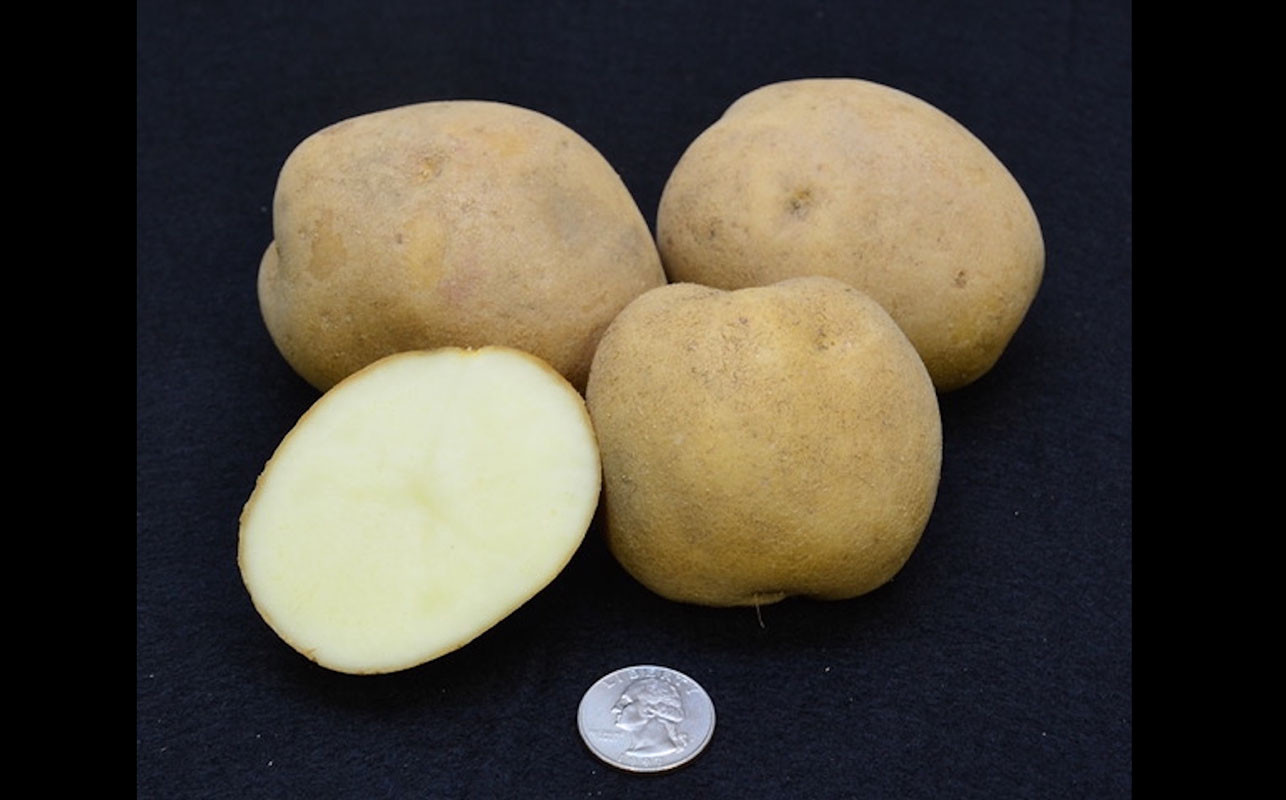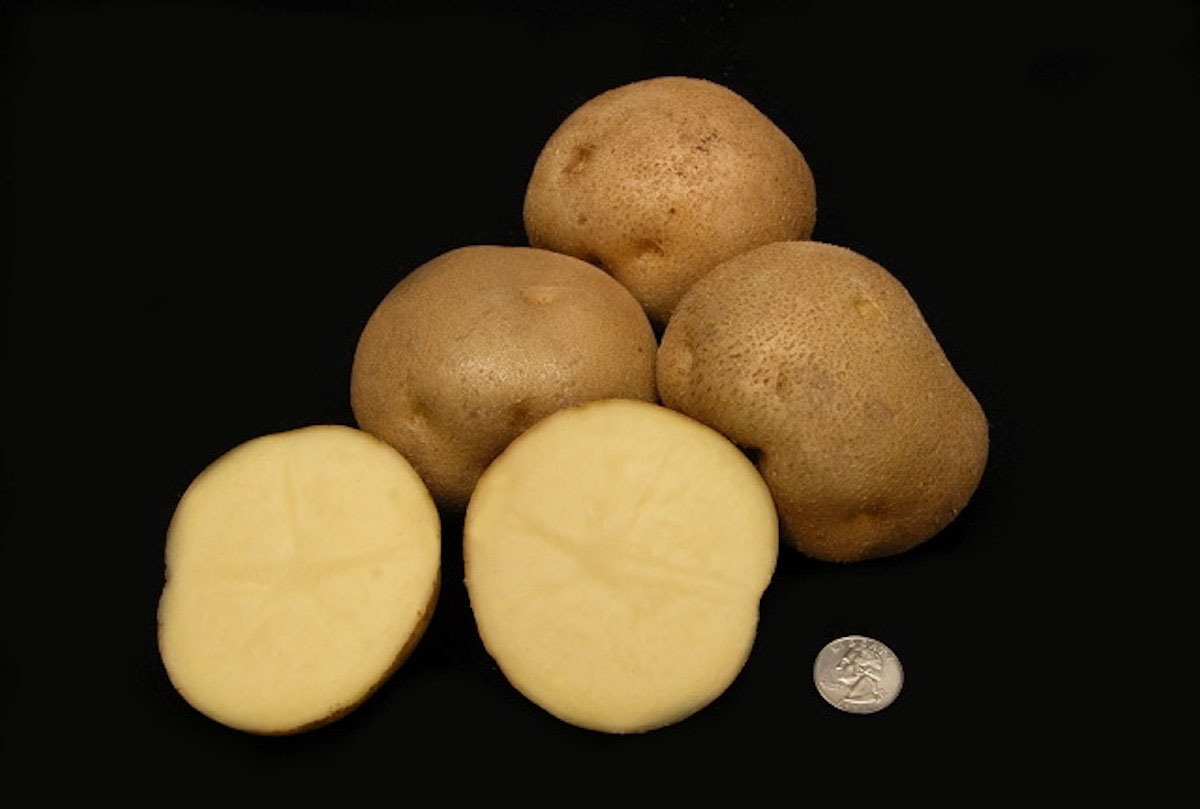

Spuds seem simple. Two parts: Flesh and skin. But think again. Potatoes are actually quite complex.
A single potato has four copies of each chromosome in each cell. (Chromosomes are long strands of DNA. That genetic material determines what a potato is like.) Most creatures and plants (including you!) have just two chromosome copies per cell. Which traits will each cross-bred potato inherit? The extra chromosomes make it extra hard to guess.
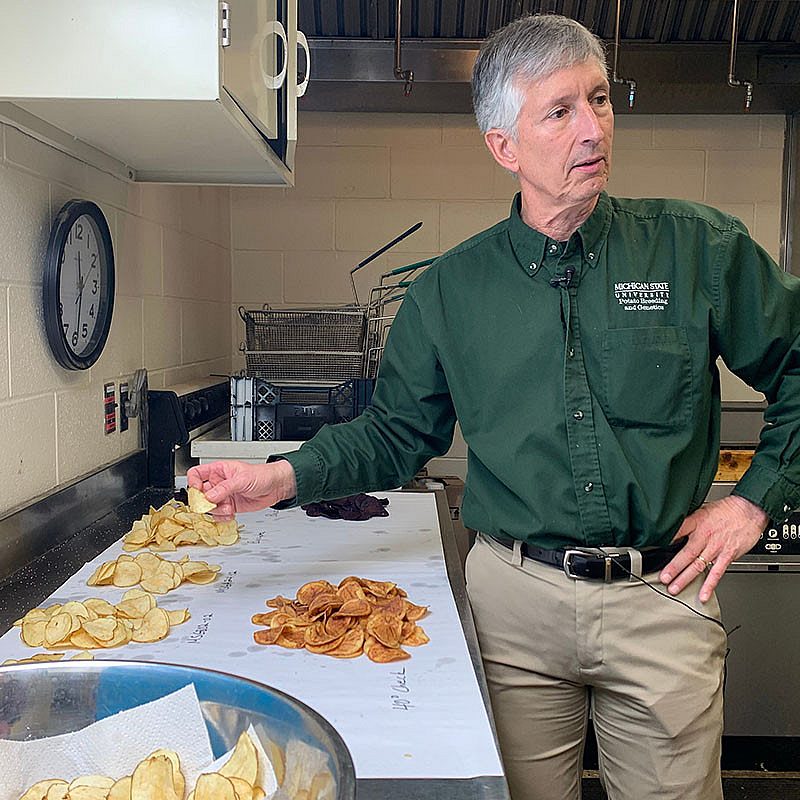
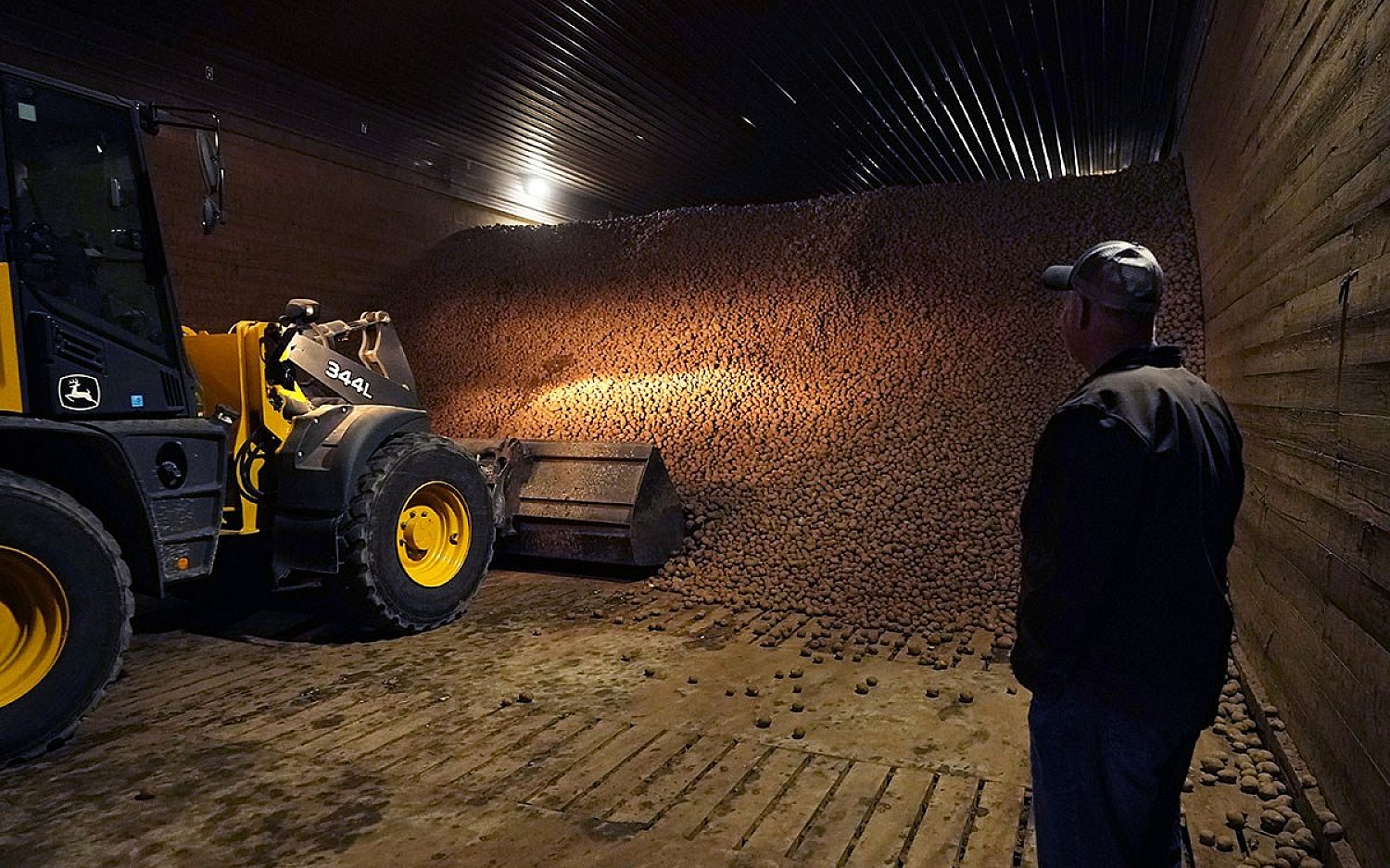
Figuring out how to produce a new potato breed can take up to 15 years. “We’re never able to fix a trait and carry that over to the next generation,” says Dr. David Douches. “So it’s very difficult to find a potato that has all the traits that we want.” Dr. Douches’ job isn’t easy. The toughest part: breeding potatoes that can sit in storage for a long time without rotting. Even for a whole year.
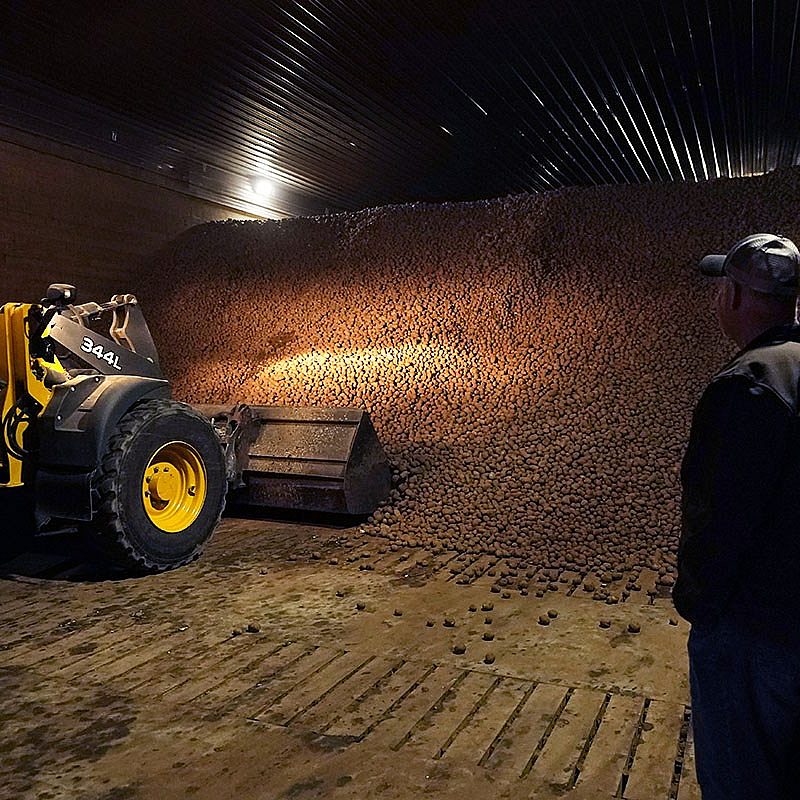
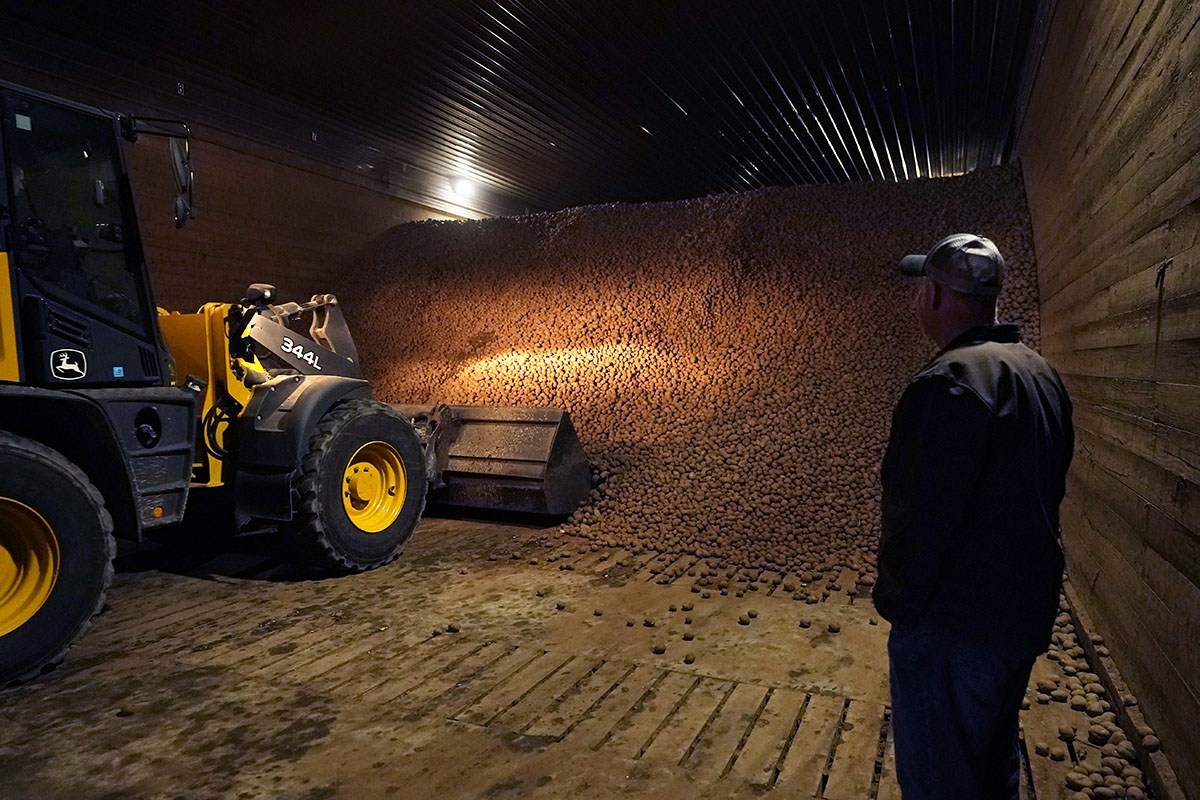
Farmers think about storing potatoes even before they pick them. Starting in mid-August, they water potatoes less and less. Next, they allow the vines to die away. Lower moisture will help potatoes last.
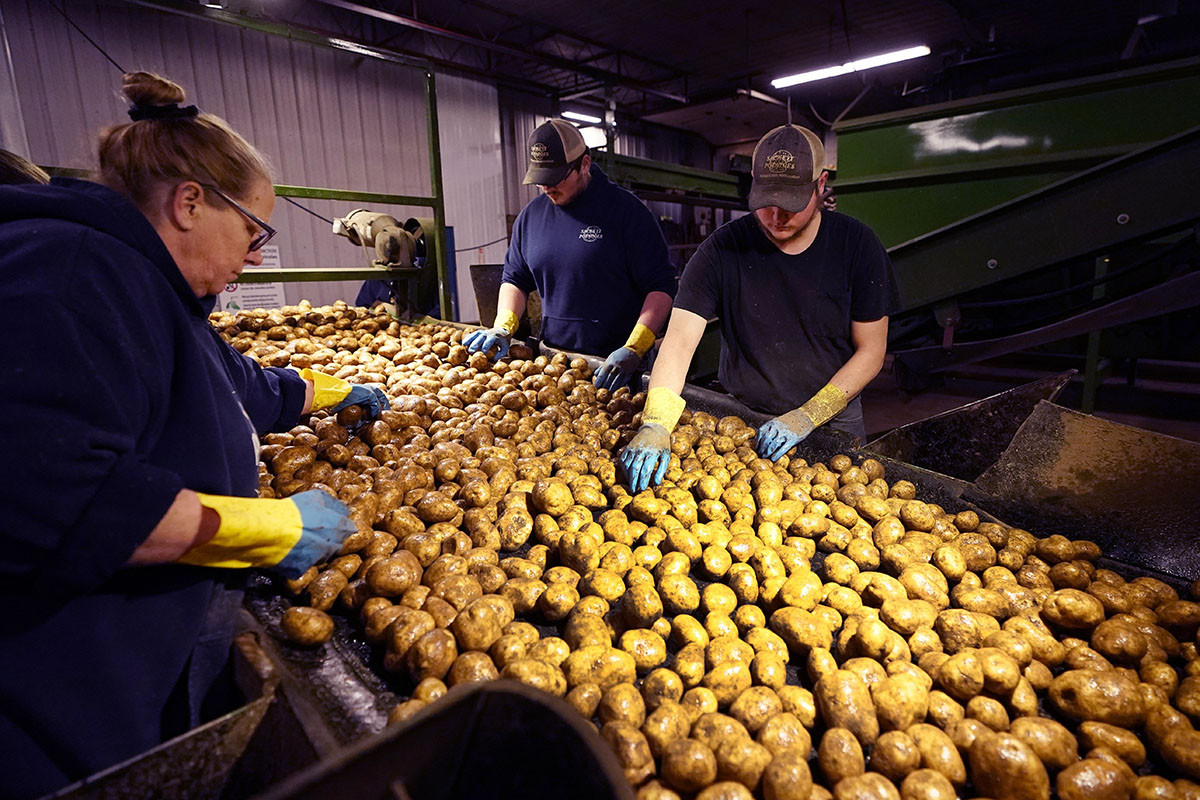
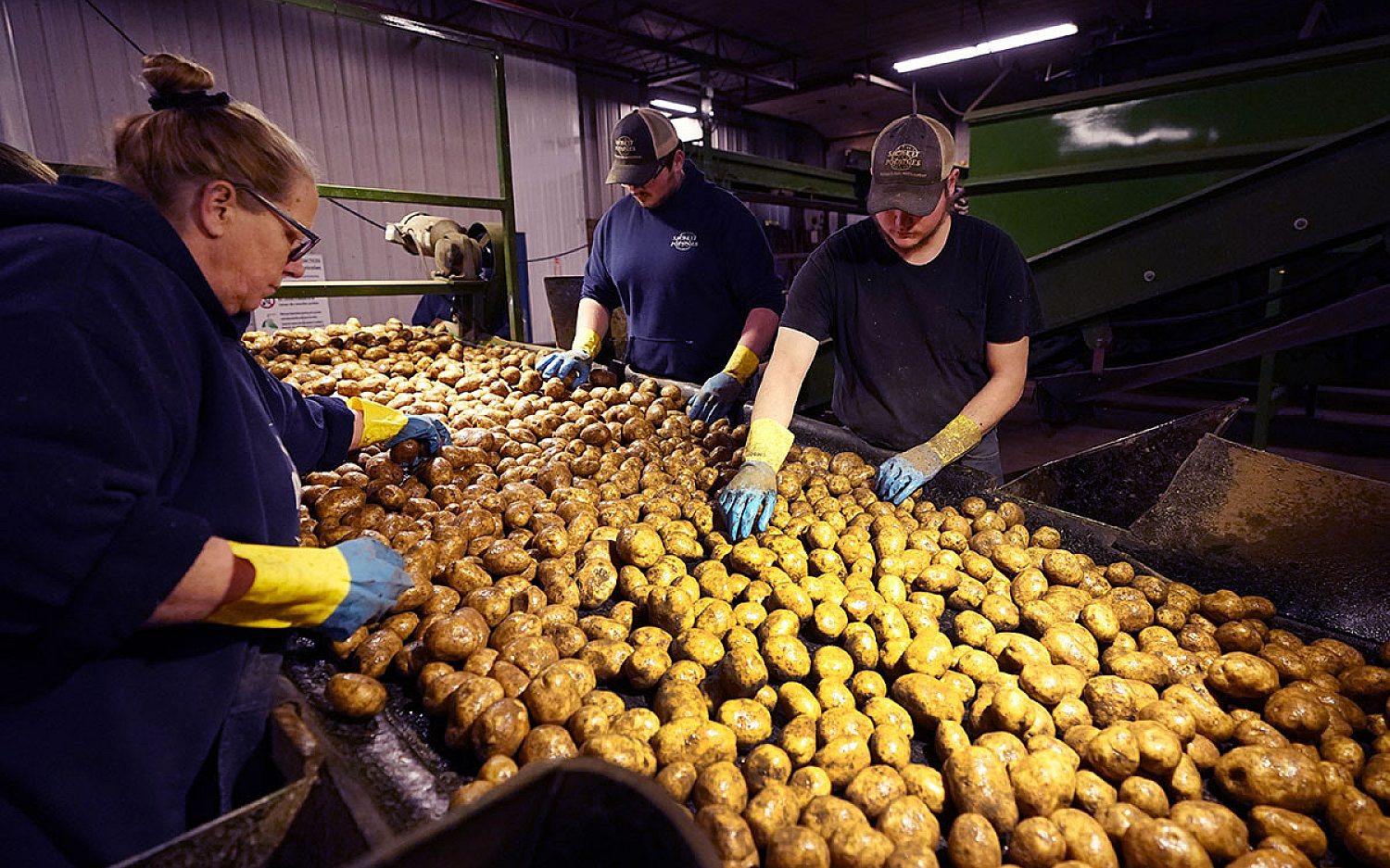
After that, they pick the potatoes and clean them—all while exposing them to as little light as possible. (Sunlight would turn them green!) Next, they need to cure them. The potatoes lie in a dim room. Their skins dry. New layers of skin grow in spots the potatoes were wounded, nicked, or peeled. Curing makes potatoes last longer in storage.
When you bring a bag of potatoes home, do you store it indoors? Most people keep their houses between 65 and 75 degrees. Potatoes don’t last long in those warm temperatures. Bacteria grow. Potatoes sprout. Ever found a sprouted potato in a corner of the pantry? You can still eat a sprouted potato . . . at first. Trim the sprout off before cooking. But if the sprout grows large, the potato gets limp and less appetizing.
Farmers don’t want potatoes to get too cold either. Colder temperatures cause sugar levels to rise in potatoes. More sugar means darker chips.
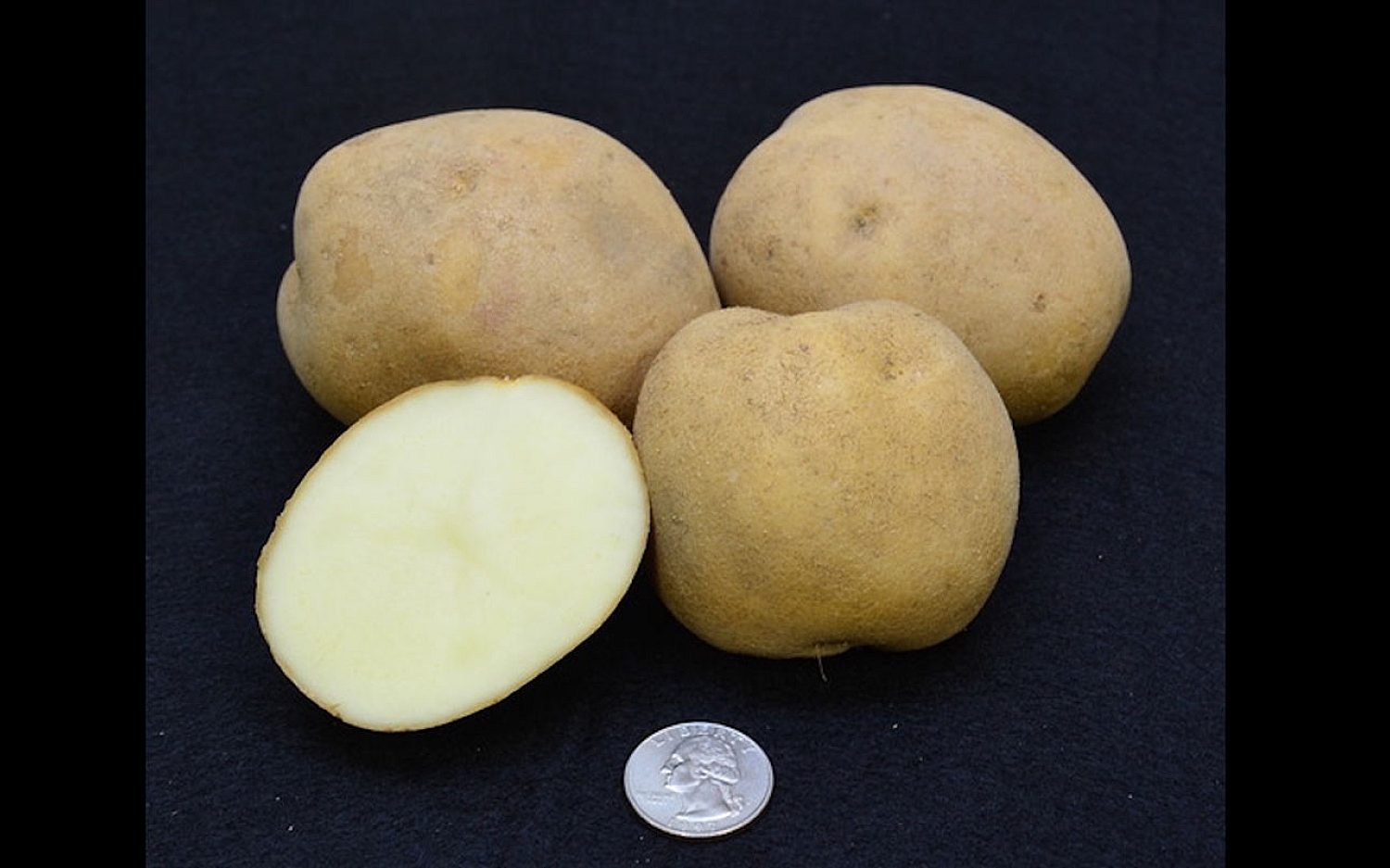
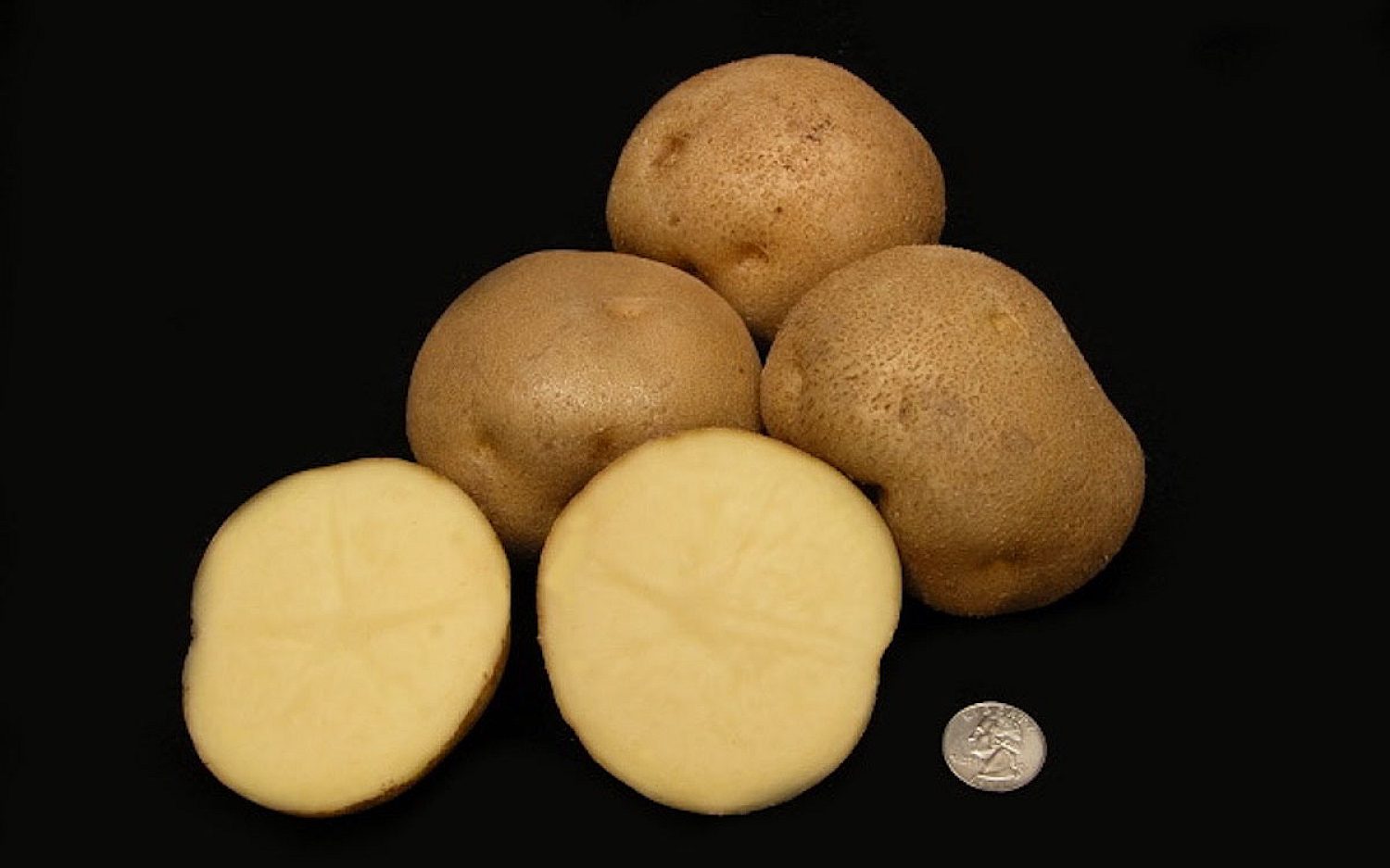
Dr. Douches helped. He invented the Manistee potato variety. It can be stored until July at 45 degrees Fahrenheit, staying cool without getting sugary. His newer bioengineered potato is even better. It can be stored at 40 degrees.
And his work goes well beyond snacks. Dr. Douches’ potatoes help fight hunger. He designs potatoes for farmers in Nigeria, Kenya, Rwanda, and Bangladesh. These tubers resist plant disease.
Recommended Reading: To learn more about tubers, read No Small Potatoes by Tonya Bolden.