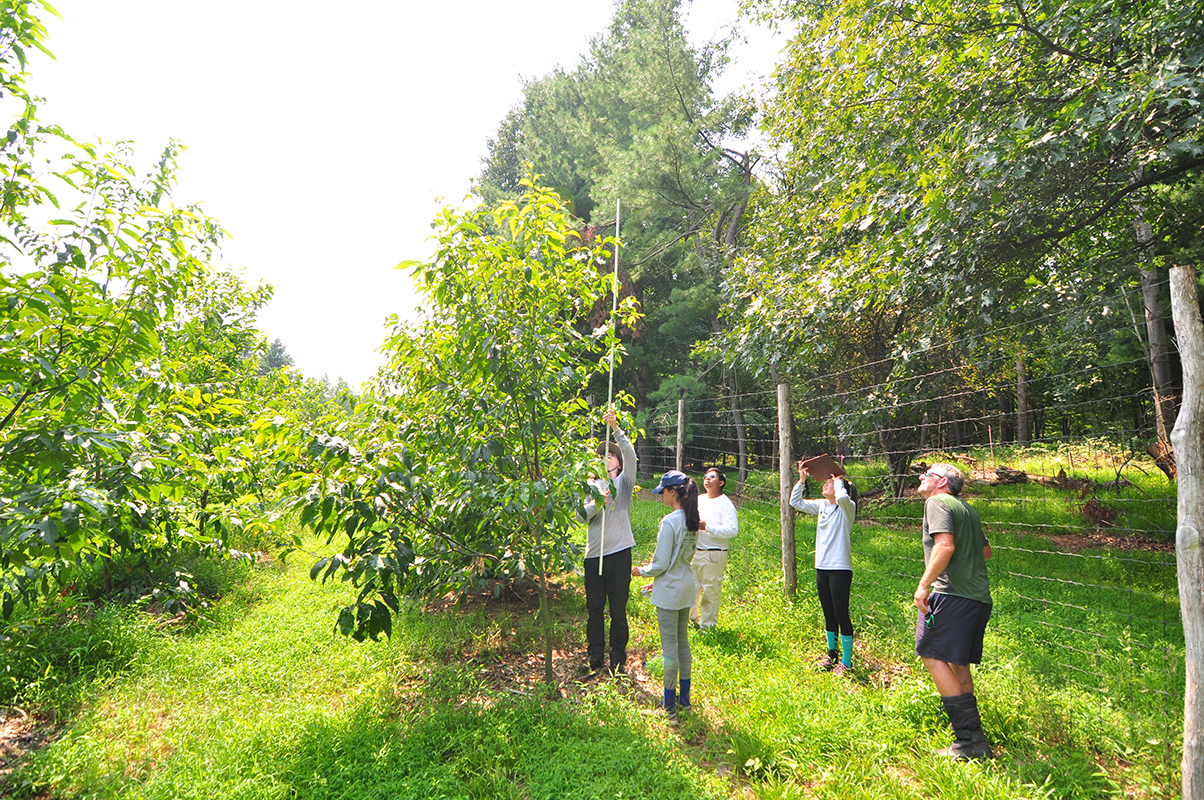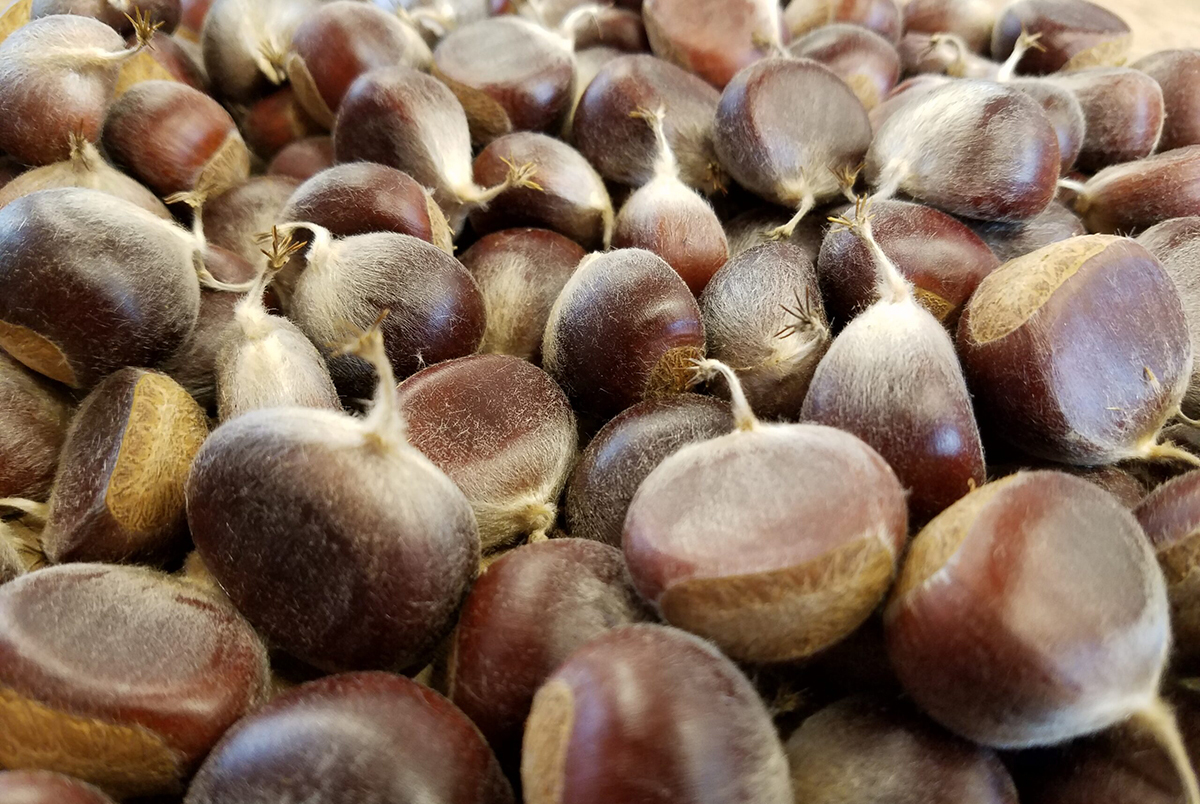
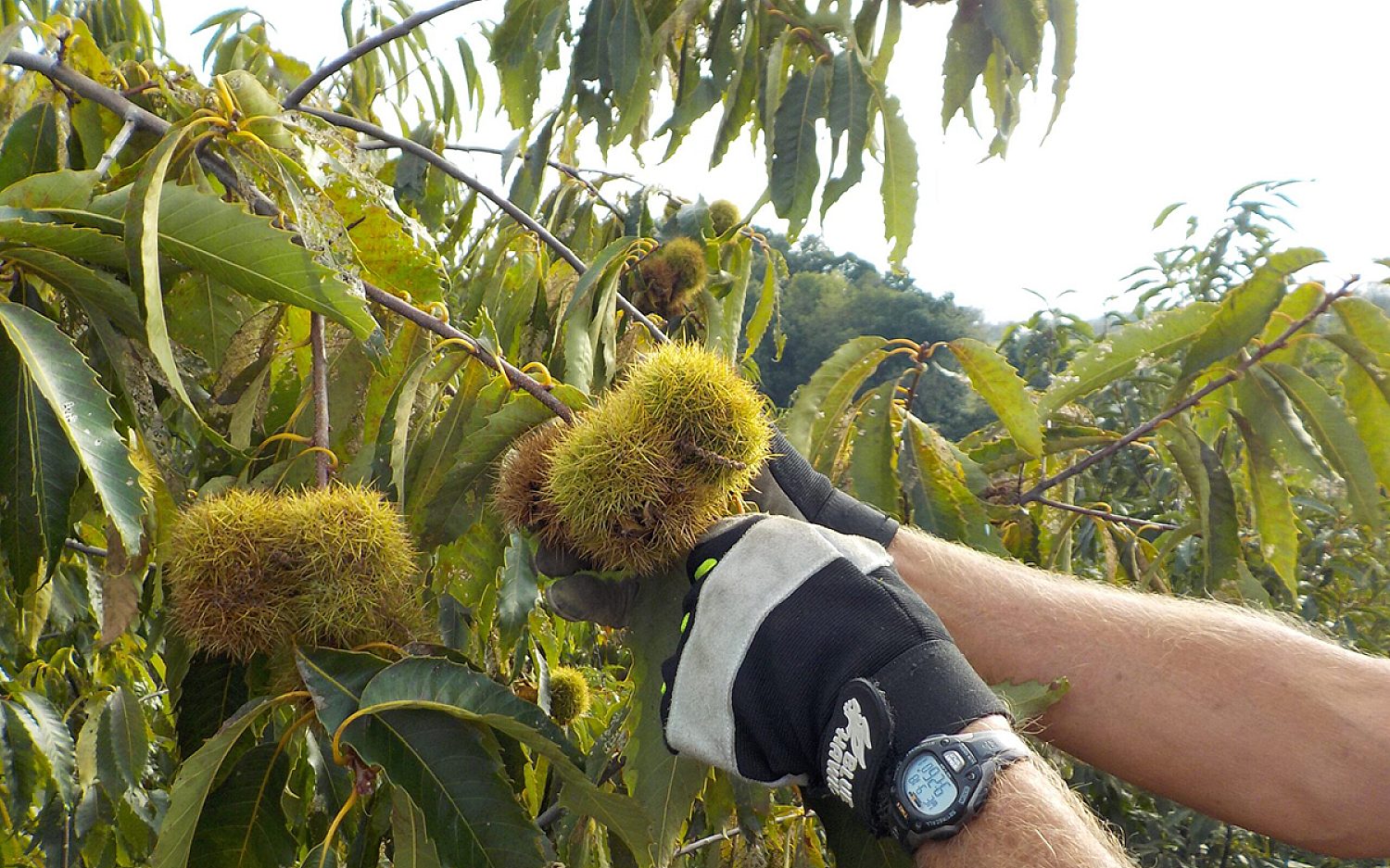
TACF’s goal is to produce 7,000 seeds per year from the trees it breeds. That’s a LOT of work! The group needs many helpers.
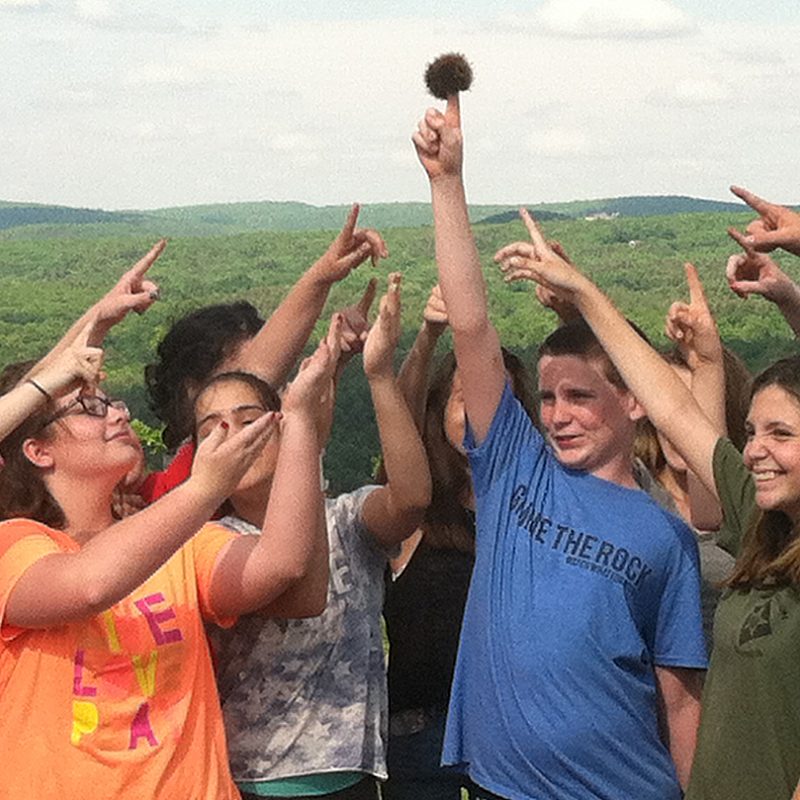
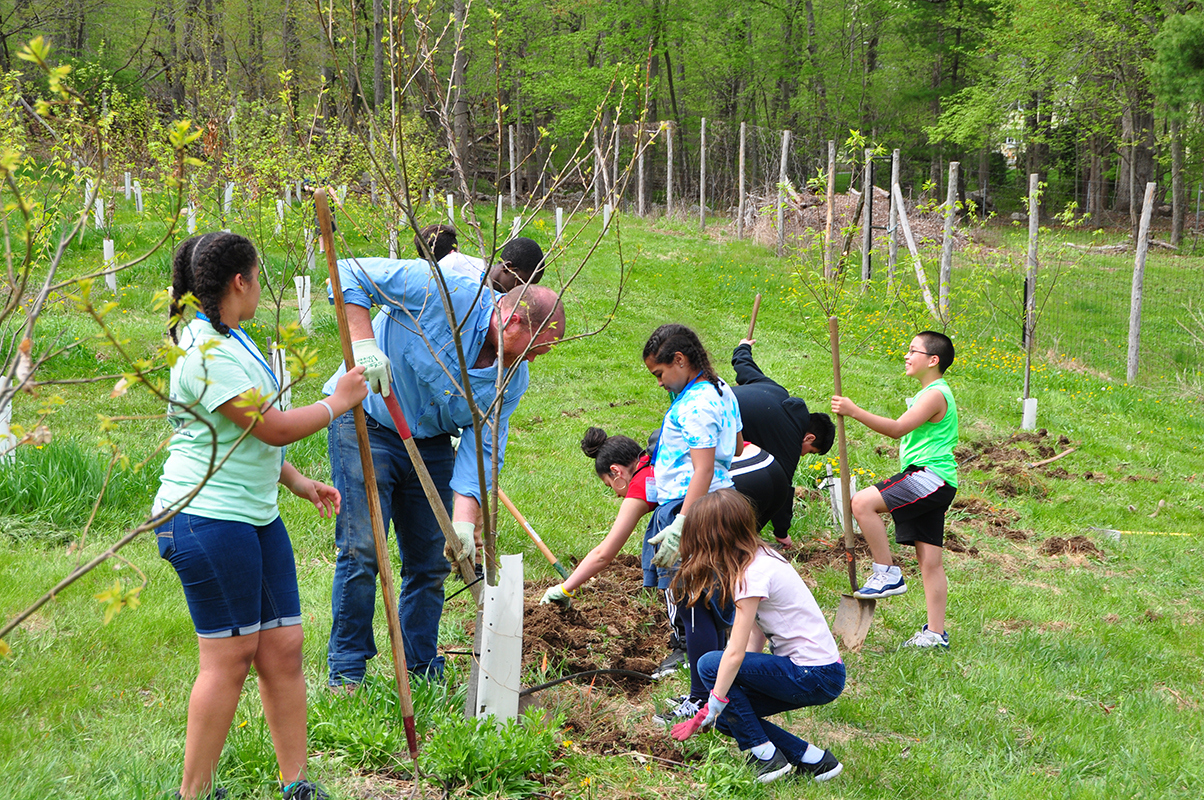
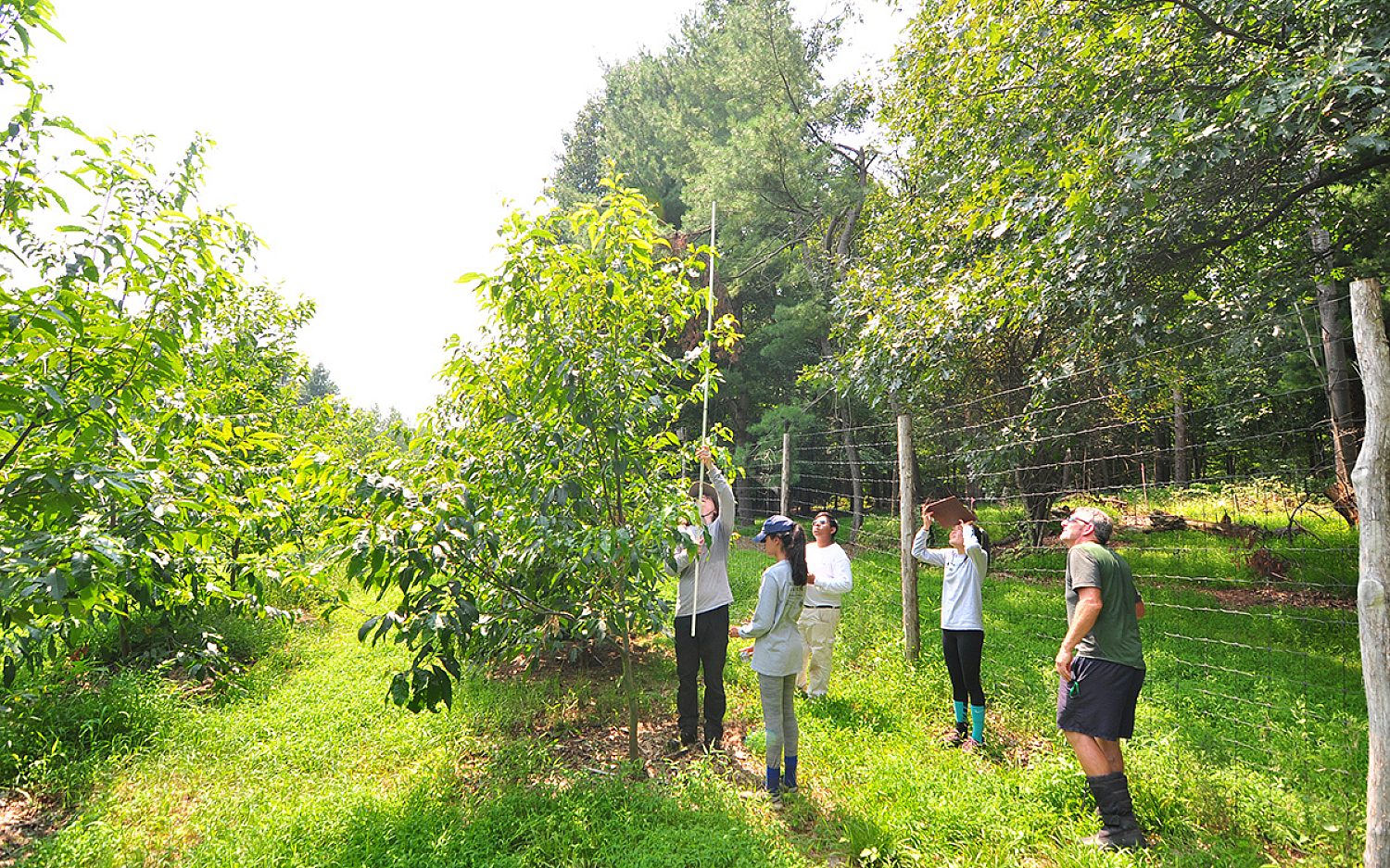
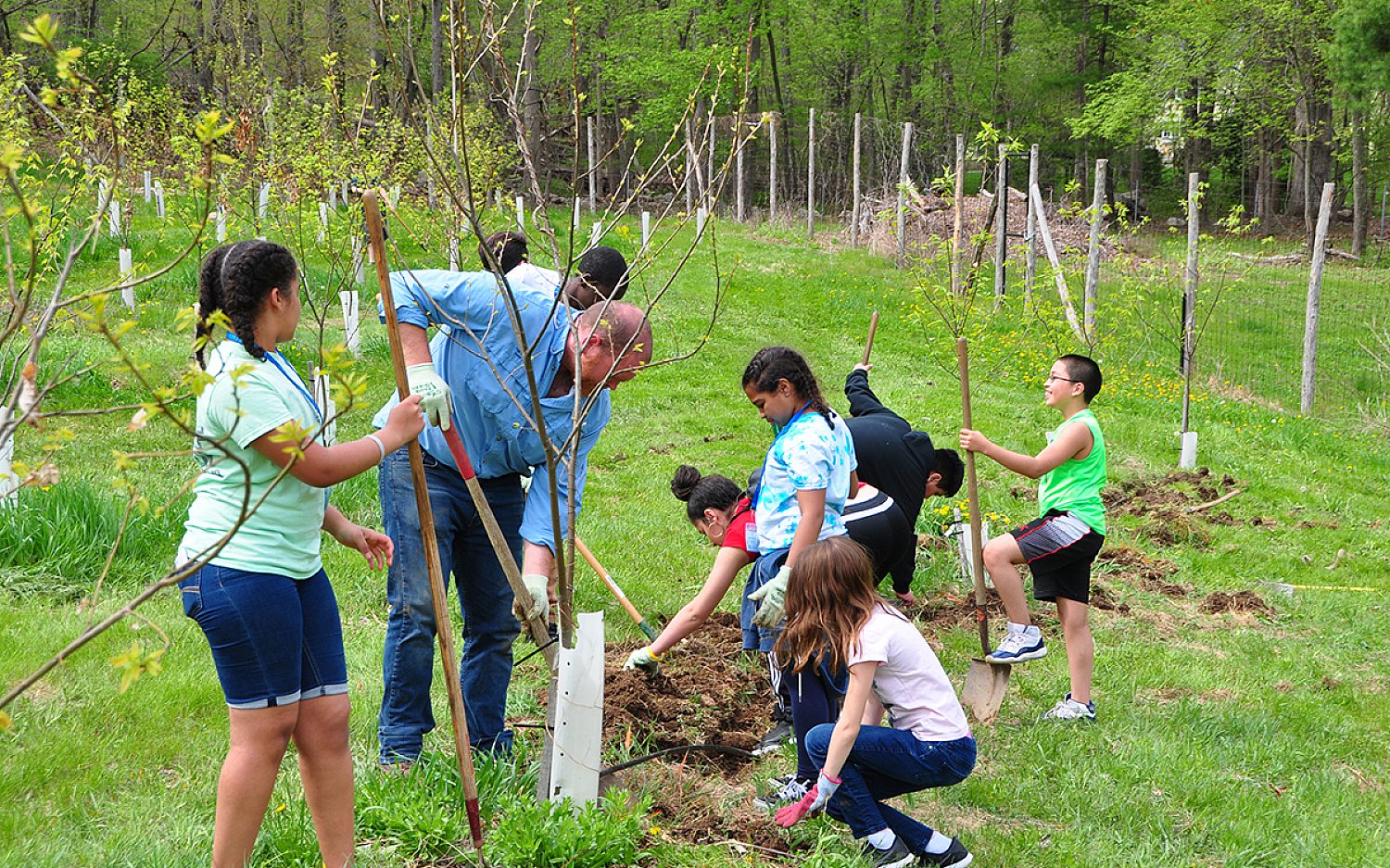
“We really rely on our volunteer program,” says Cassie Stark. She is a science director for TACF. “There’s not that many of us on staff.”
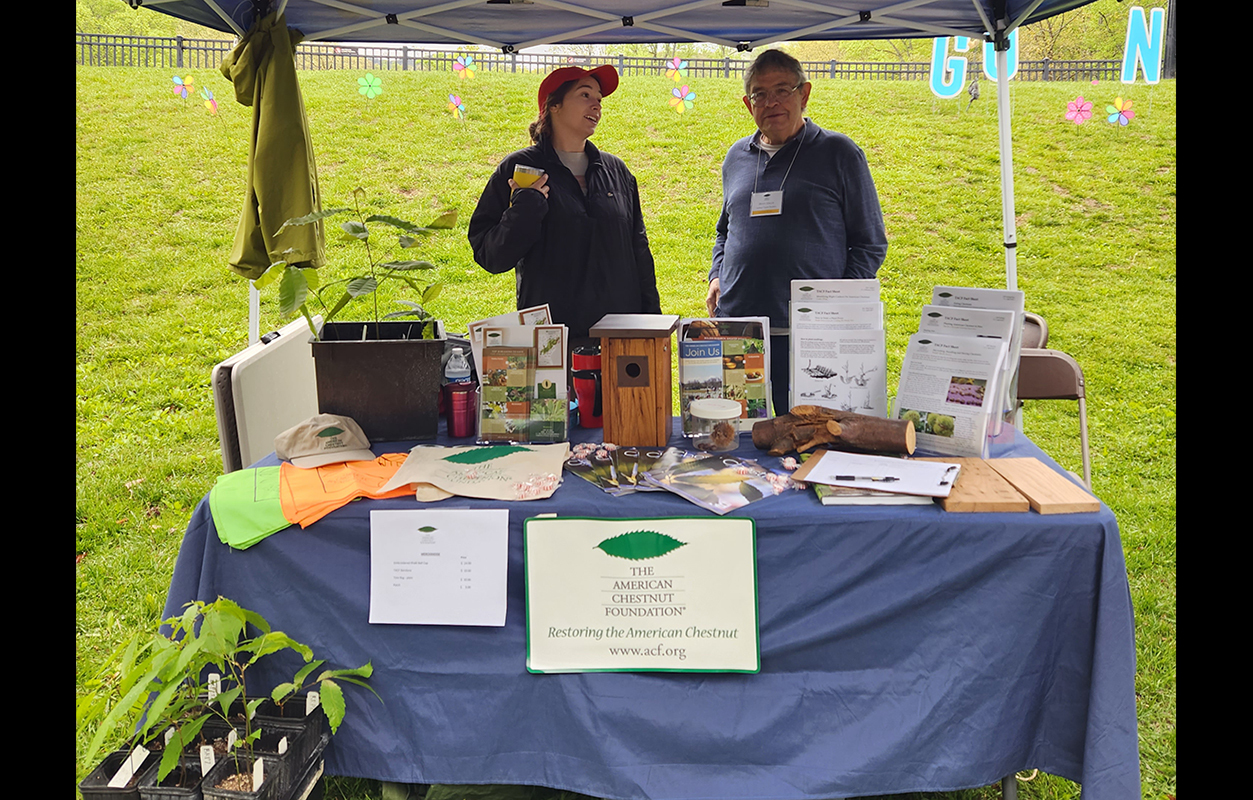
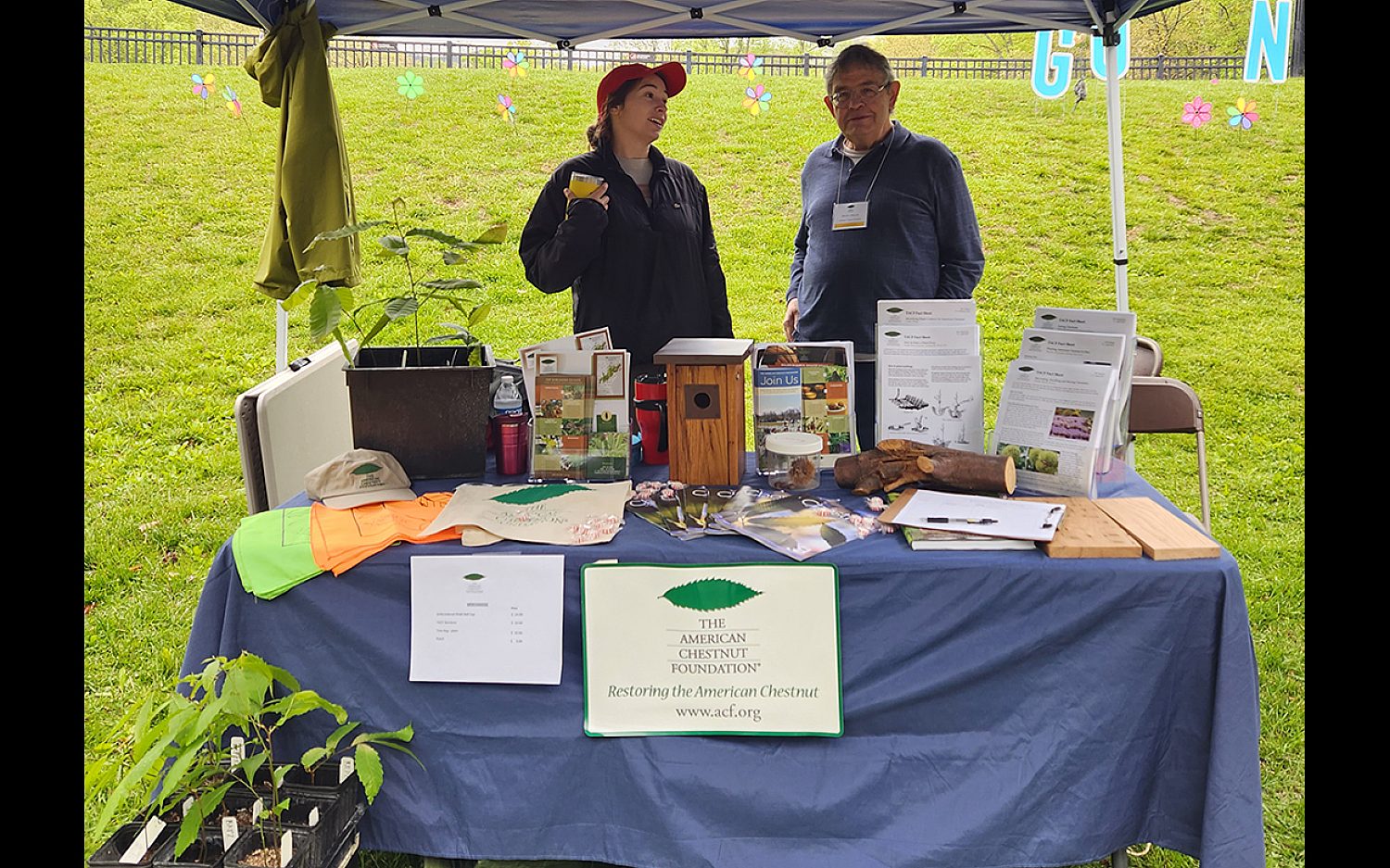
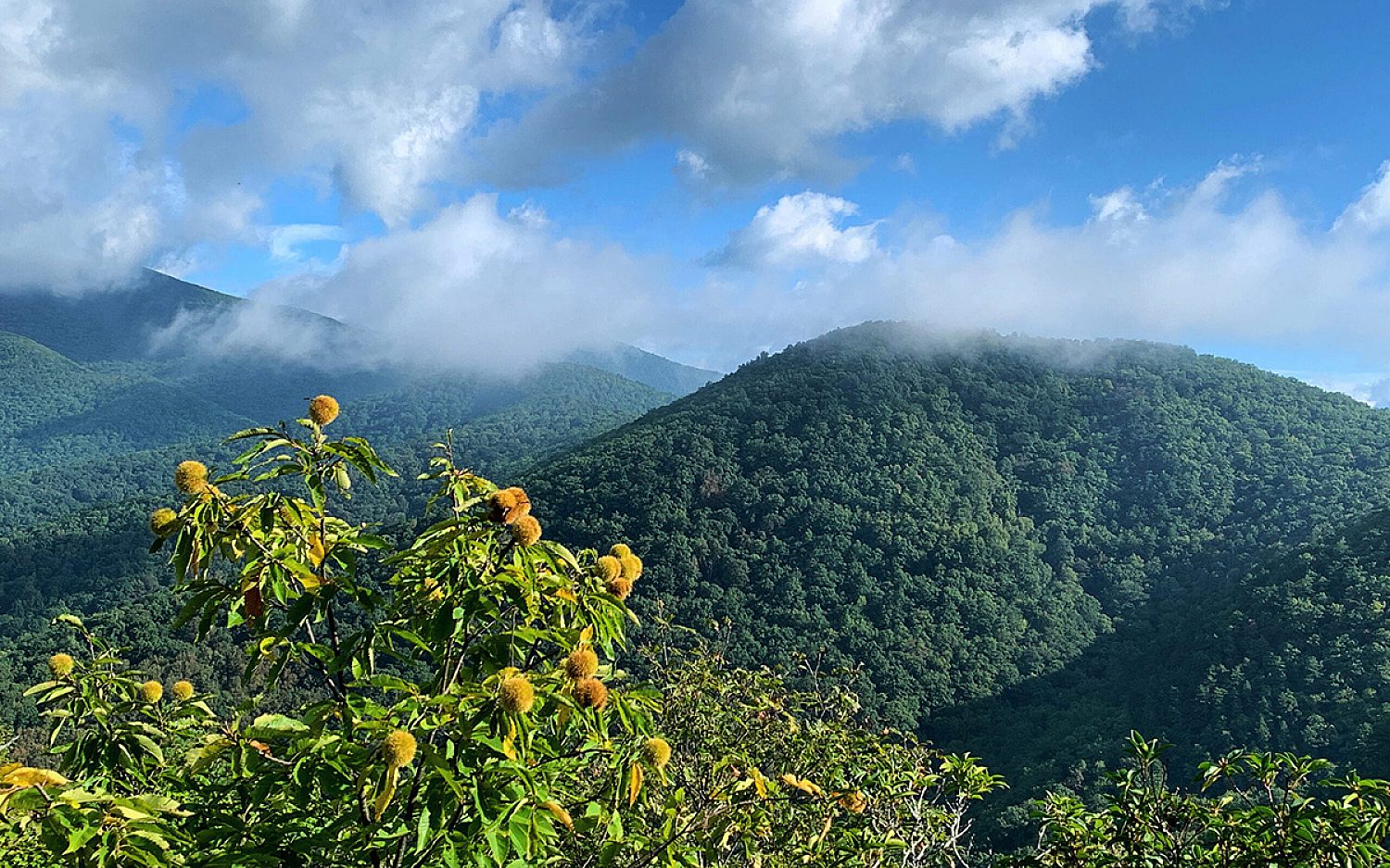
State chapters can help. There’s one in every state across the tree’s native range—from Maine to Georgia. These groups recruit volunteers.
Chapter members have many projects. They:
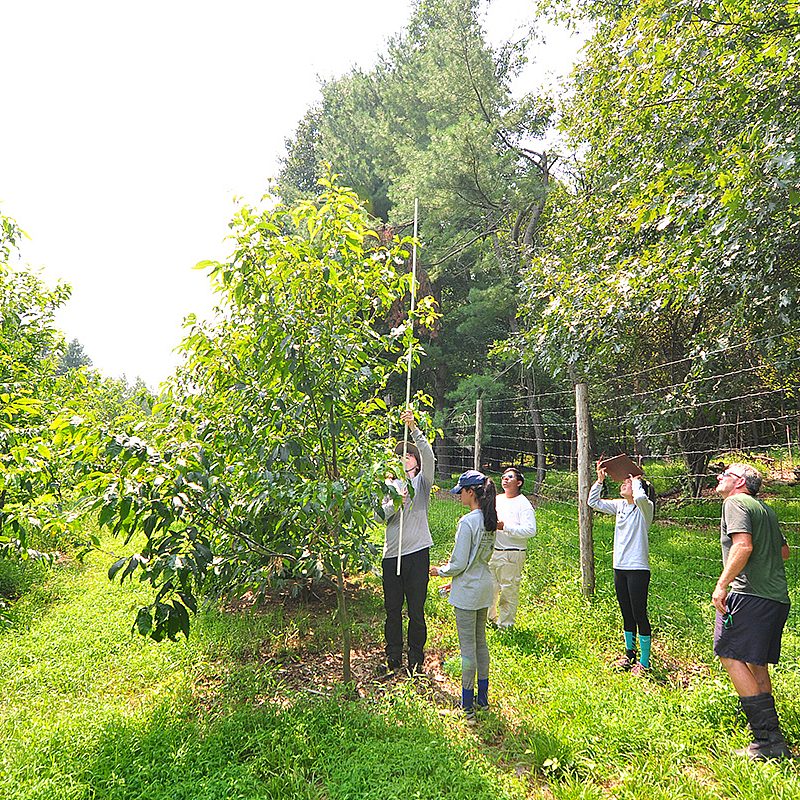
- tend research trees.
- track down wild trees that are still alive.
- raise money.
- spread the word about the importance of American chestnuts.
They also sell seeds. Most of their customers plant the seeds in their yards.
“We tell them if you have white pine trees, oaks, or beech growing—those trees like the same conditions that chestnuts do,” says Maine chapter Vice President and Volunteer Coordinator Eva Butler. She recommends that people buy at least two so that the trees can pollinate each other and produce nuts.
“There’s a saying, you know, that the best time to plant a tree was yesterday, but the second best time is to plant one today,” Ms. Butler says. “You typically do that not for yourself, but for people you might never meet and children that are coming in the future.”
The Gene Pathway
Invasive diseases and pests cause problems for other plants too. People often move them to different parts of the world without realizing that they will harm native species.
Ash and hemlock trees are two other species in trouble. Emerald ash borer and woolly adelgid have killed millions of them. Ms. Stark hopes that the DNA research can “be a pathway” that people can use to restore those and other species.
—by Anna Smith