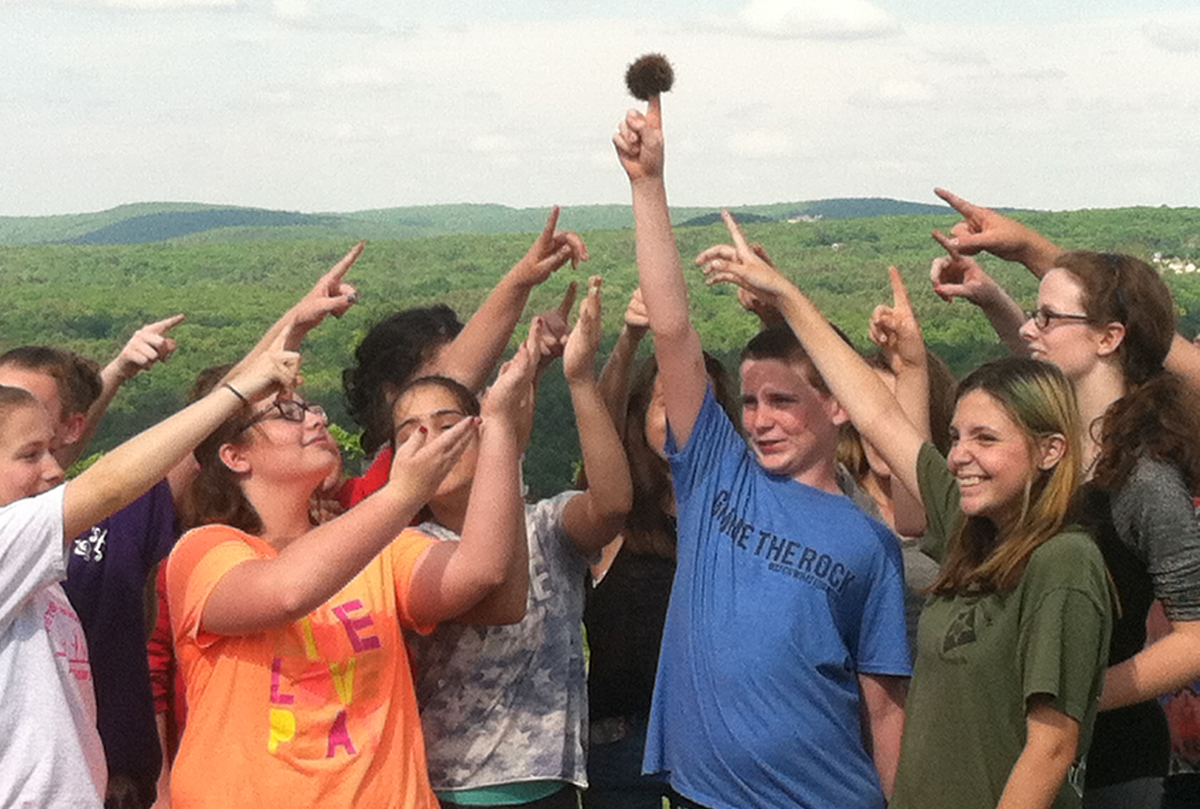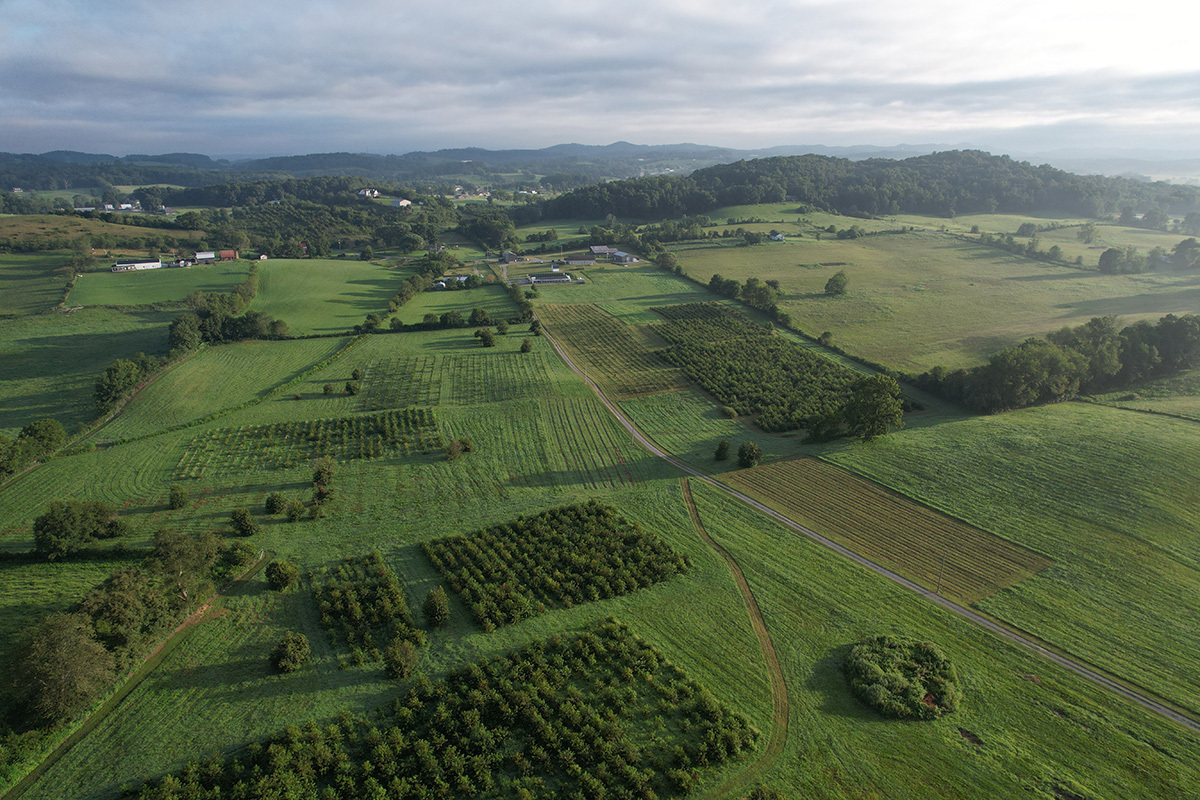
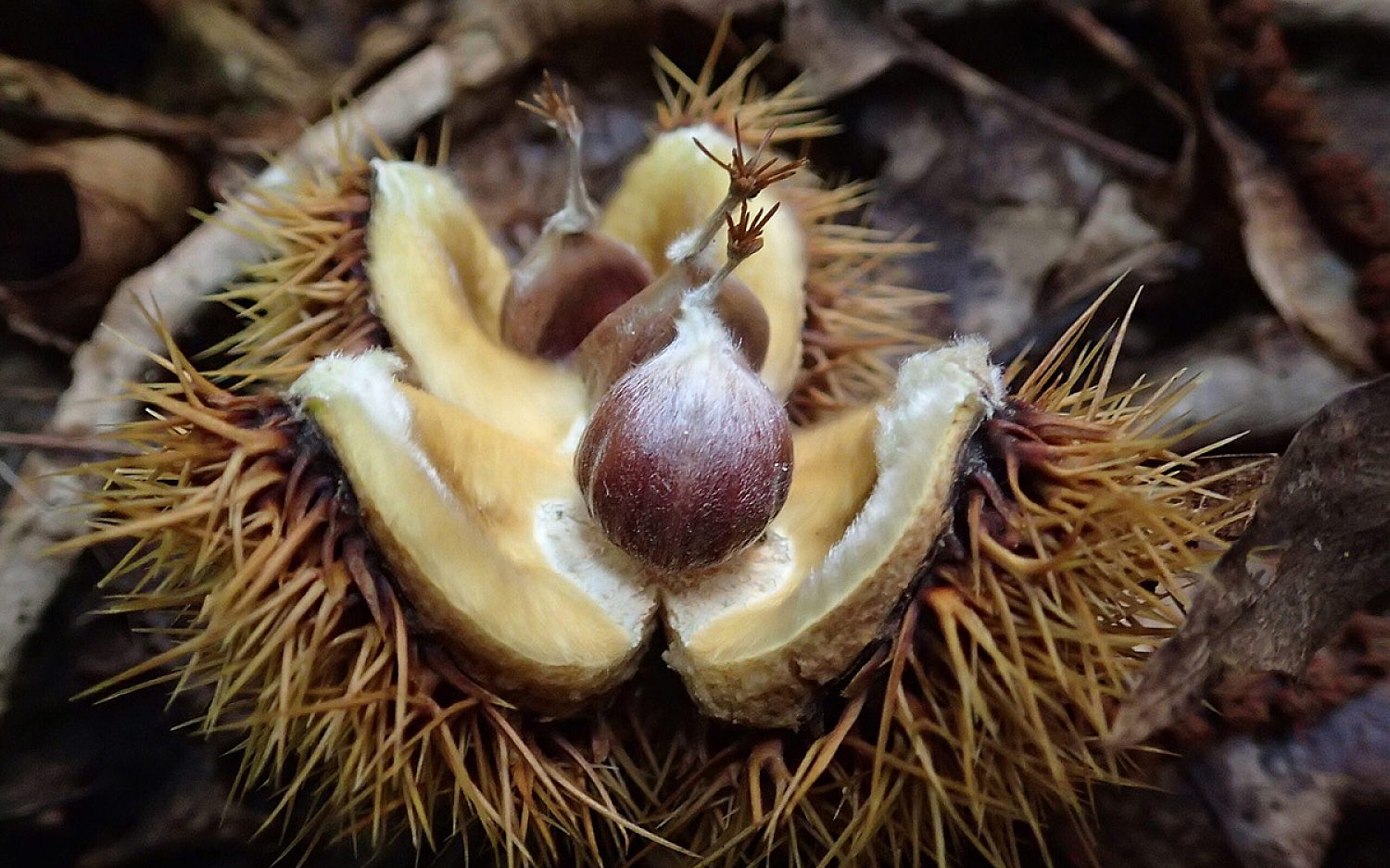
The American chestnut tree was once the king of the forest in much of the eastern United States. Then a fungal blight killed most of the trees. But researchers and volunteers at The American Chestnut Foundation (TACF) haven’t given up on the species.
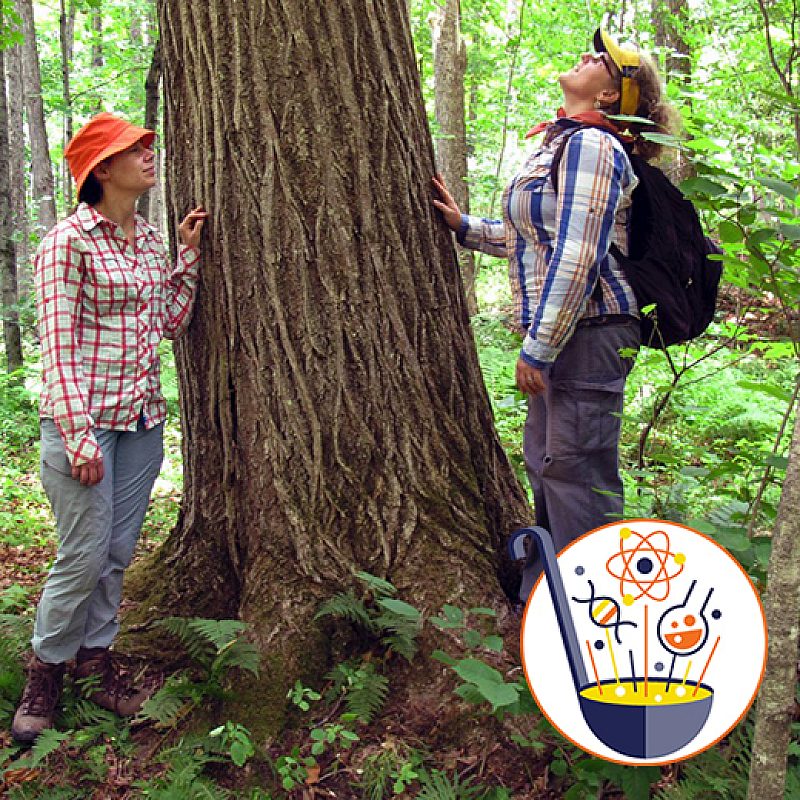
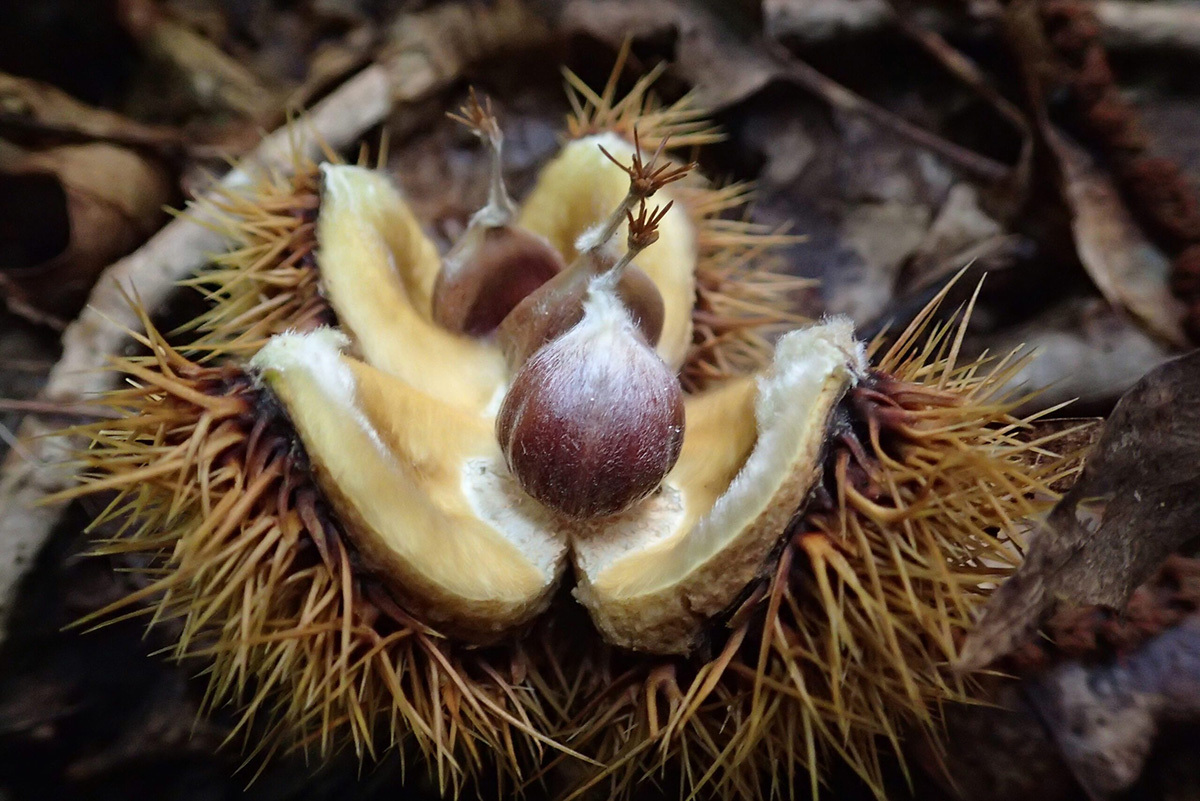
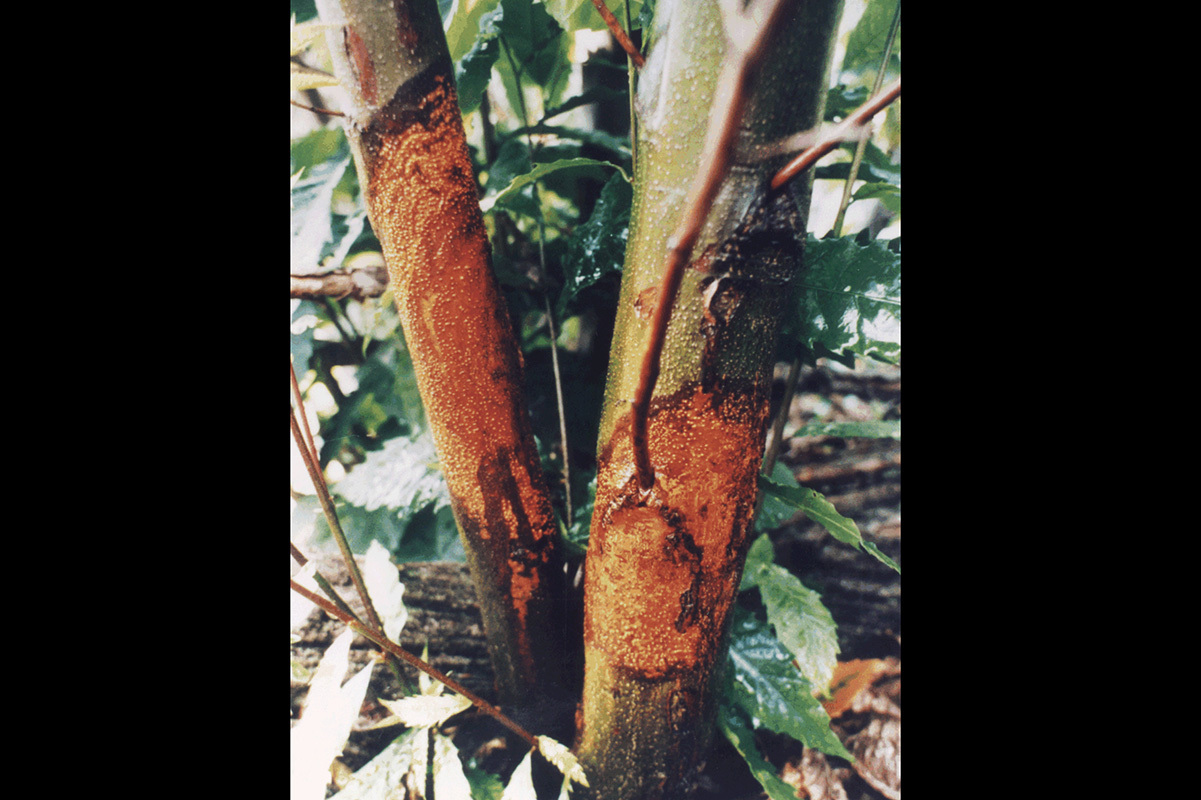
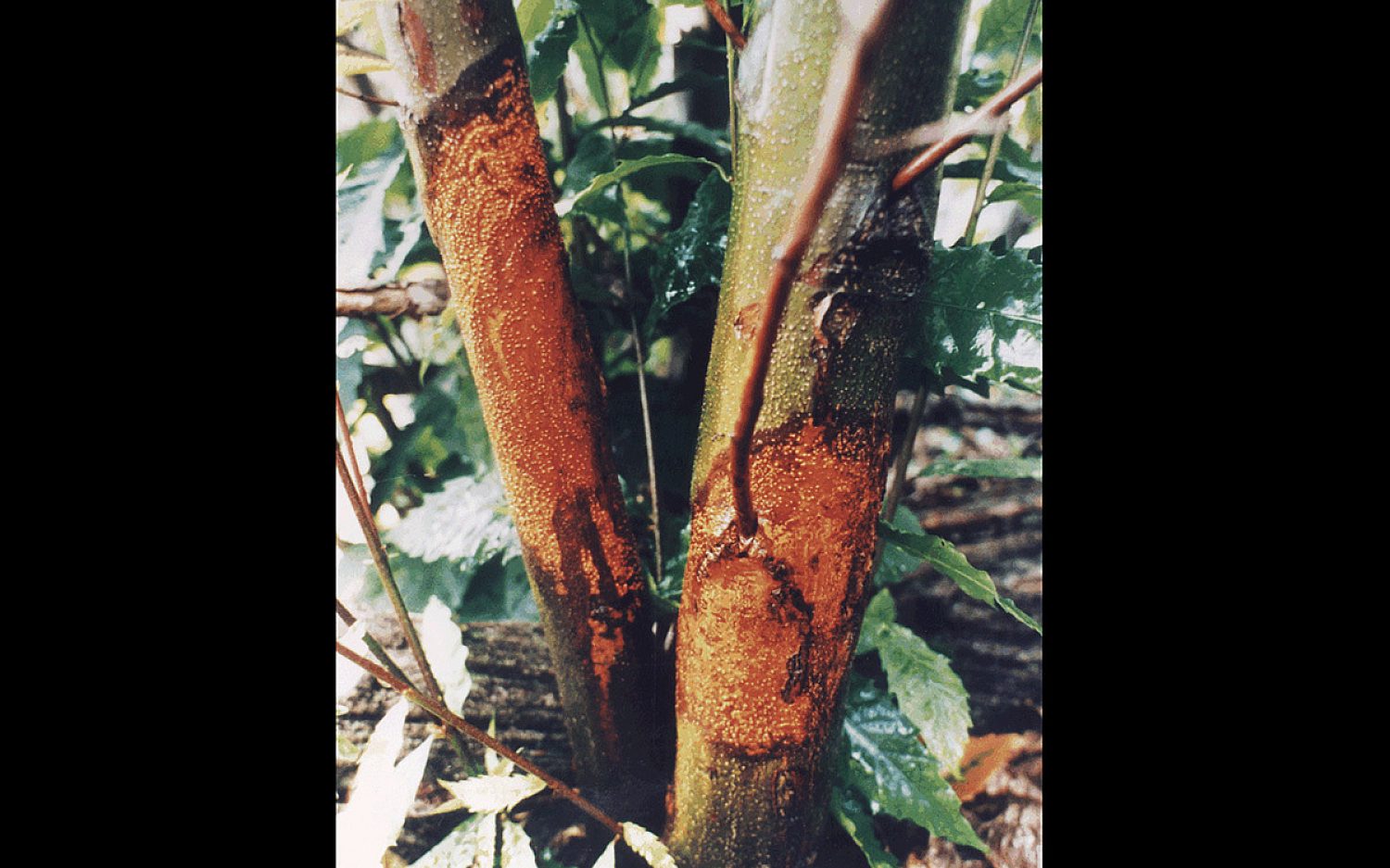
Researchers say that in these forests, one out of every four trees was an American chestnut. Humans and animals loved the sweet nuts. The strong wood made solid homes and furniture. But blight stunts these trees. It kills them before they grow old enough to produce seeds.
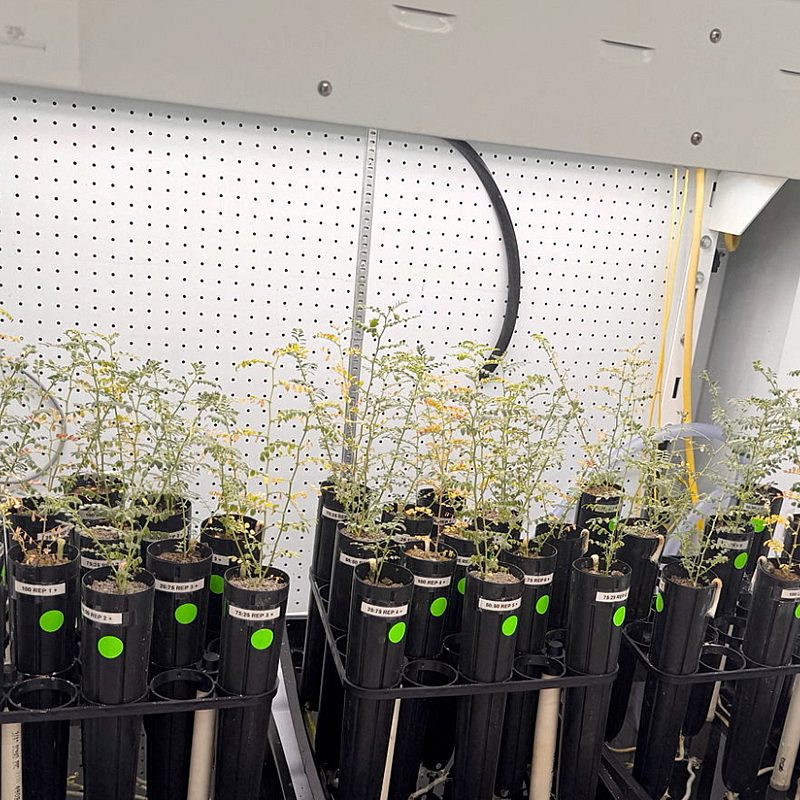
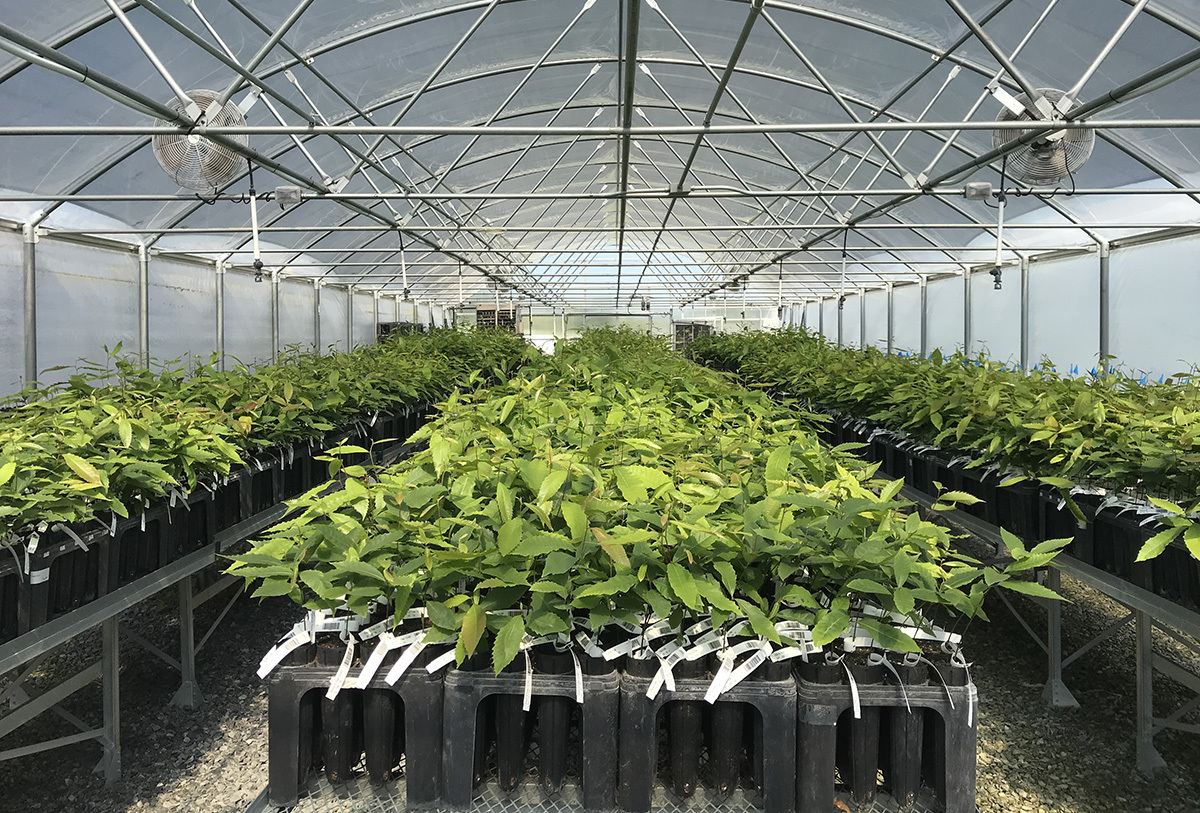
TACF scientists look very closely at a chestnut tree’s DNA. They predict which trees will resist the blight best.
Chinese chestnuts are related to the American species. They have resistance to the blight. (That means they can fight it off most of the time.) Scientists hope to breed trees with mostly American chestnut genes and the Chinese chestnut’s blight resistance.
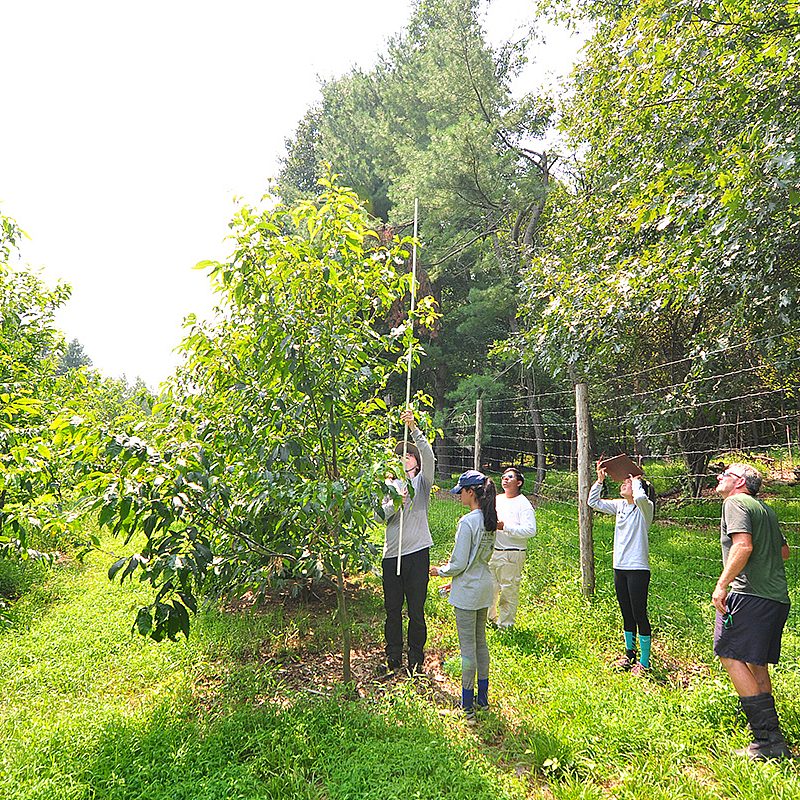
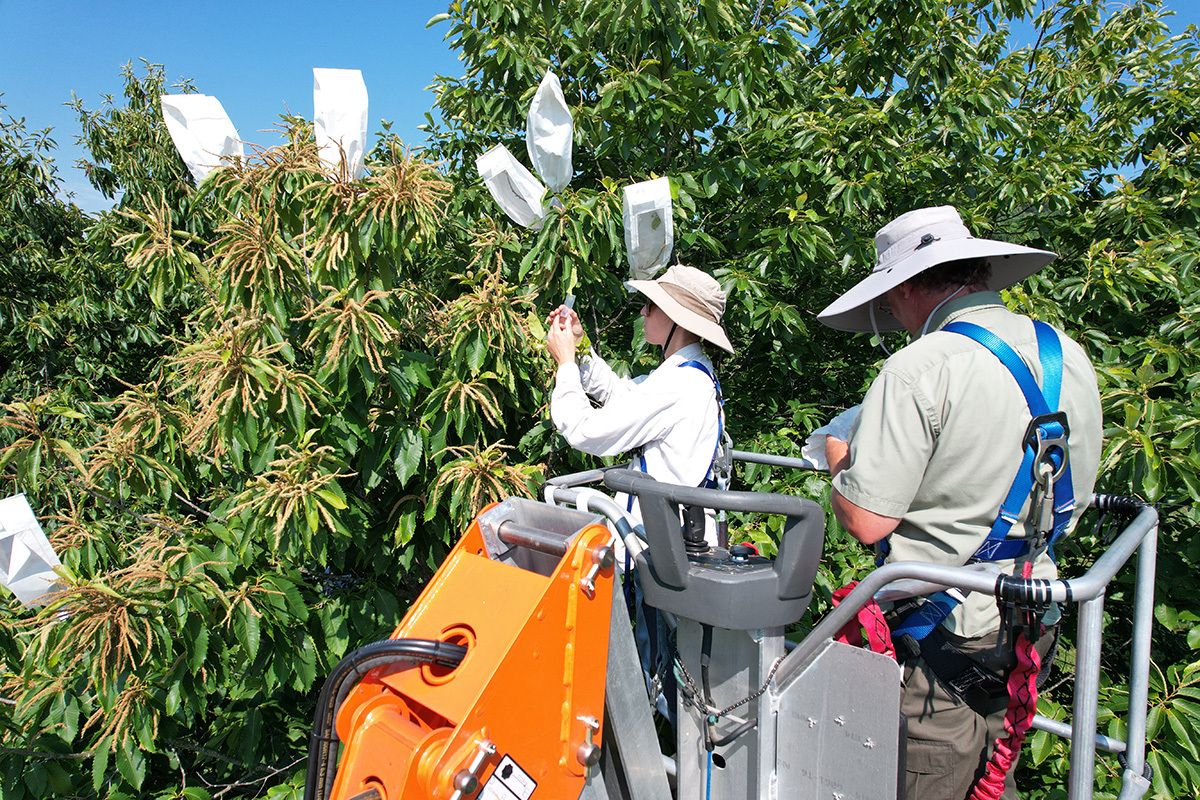
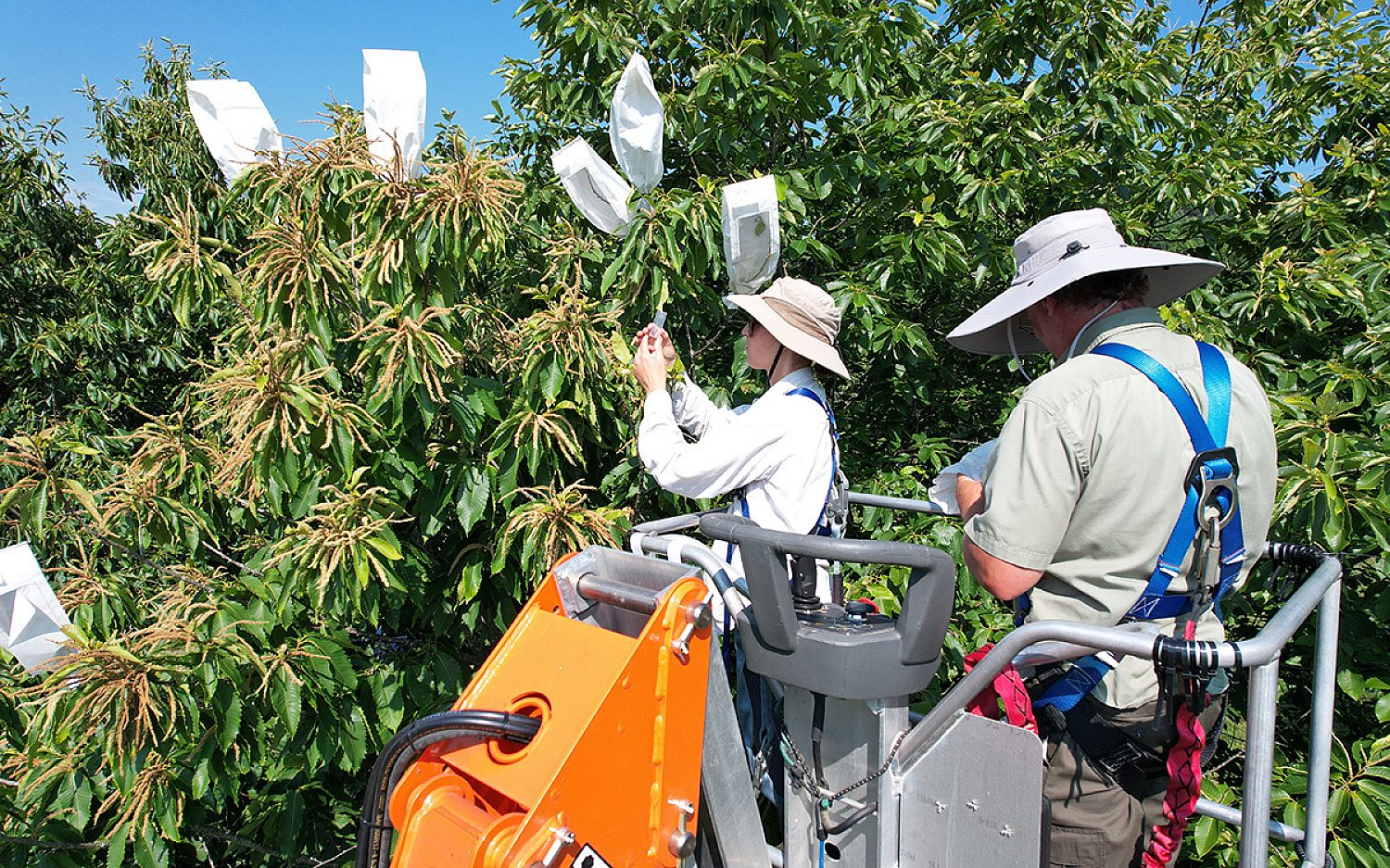
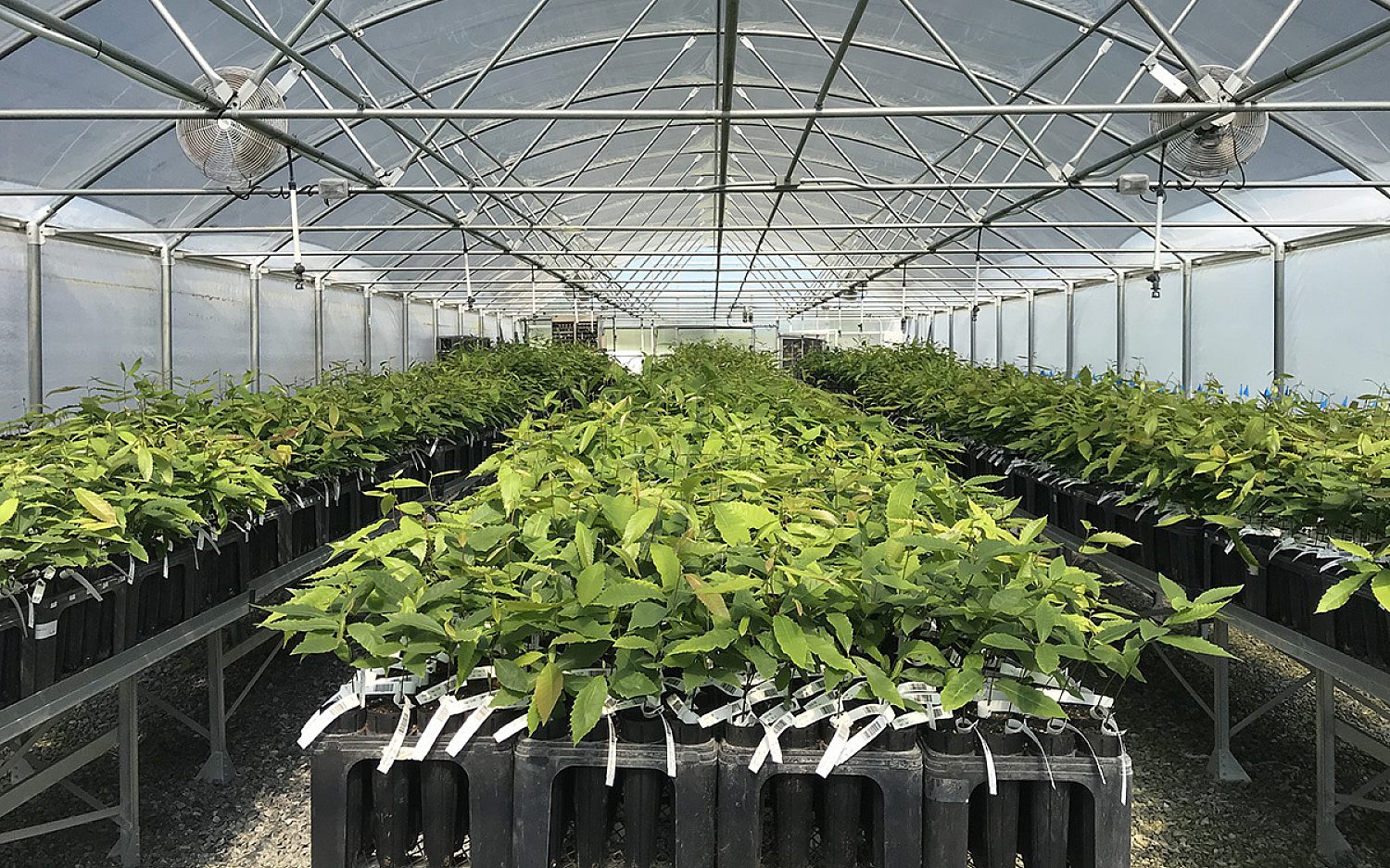
Researchers pick out the best performing trees and cross (breed) them. That means taking pollen from one tree’s flowers to pollinate another tree’s flowers. Those flowers produce seeds. The seeds grow into new trees with traits from both “parent” trees. The goal is for new generations to be better at resisting disease.
With genetic testing, scientists don’t have to wait until the trees are fully grown to tell which crosses are likely to do well. That speeds up the work.
Phytophthora root rot also kills chestnuts. Scientists say that the DNA method could also help people breed trees that are resistant to that disease too.
—by Anna Smith
Why? God is sovereign. But He also gives humans much ability to shape the world. That includes acts of restoration.
Recommended Reading: For more on trees, read The Man Who Planted Trees by Jean Giono.