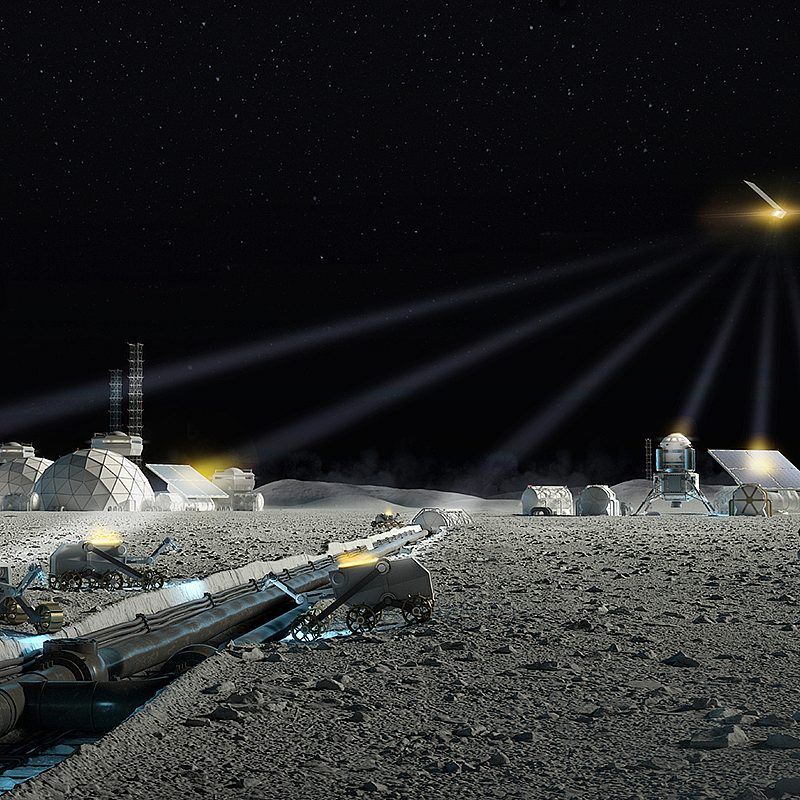

Scientists want to build a base on the Moon. That comes with some big questions. For starters—what will astronauts eat?
Can’t they just bring food from Earth? They could bring some, but not enough. It would take too many trips. A lasting Moon base must grow its own food. That’s no simple task.
Do you have a garden? Look at the soil. There’s a lot going on in there! Years’ worth of decomposing organic matter fills it with nutrients that plants need. Worms aerate the mixture and add more nutrients. A whole ecosystem of microscopic creatures is at work there too. The soil’s structure holds water, air, and minerals.
But there’s no water or air on the Moon. There aren’t any microscopic creatures either. Worms? Nope. A successful Moon garden takes more than a spade and some seeds.
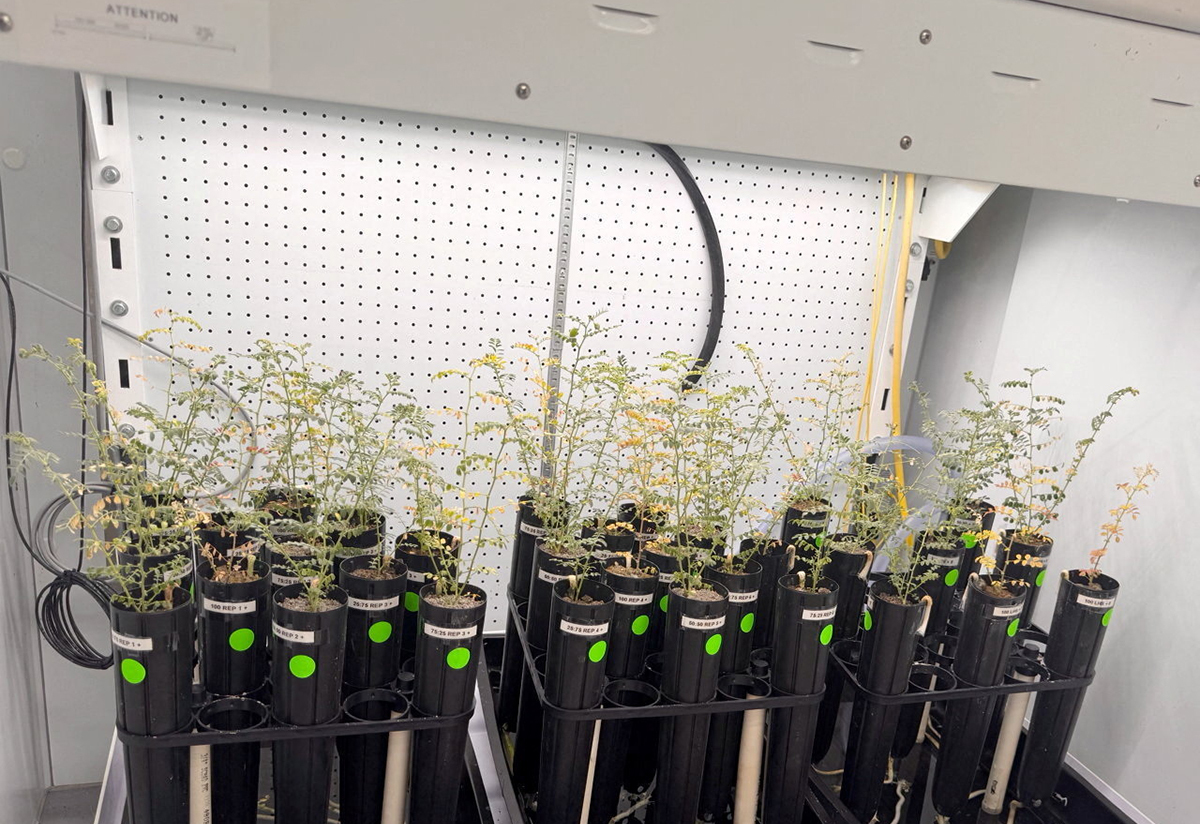
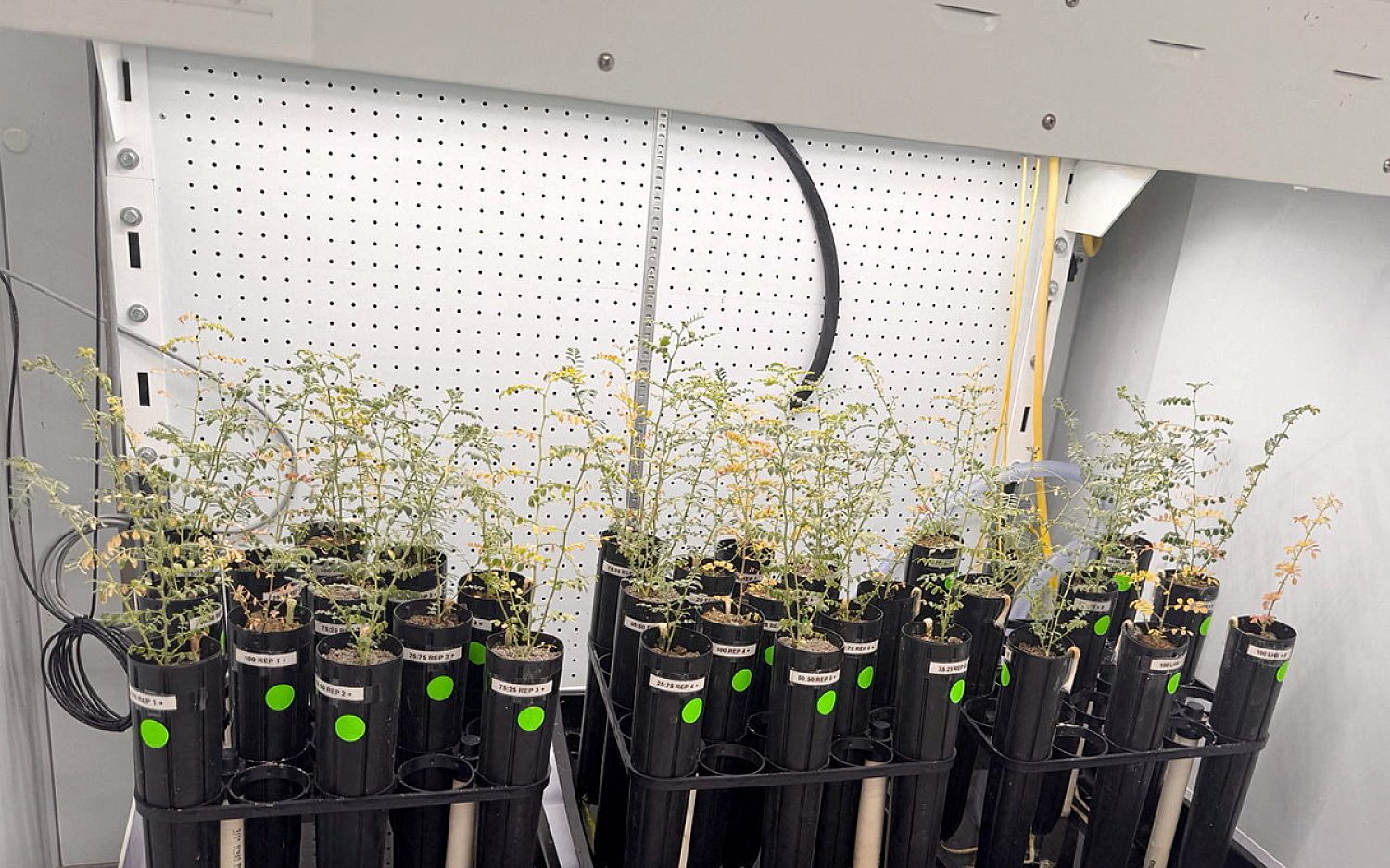
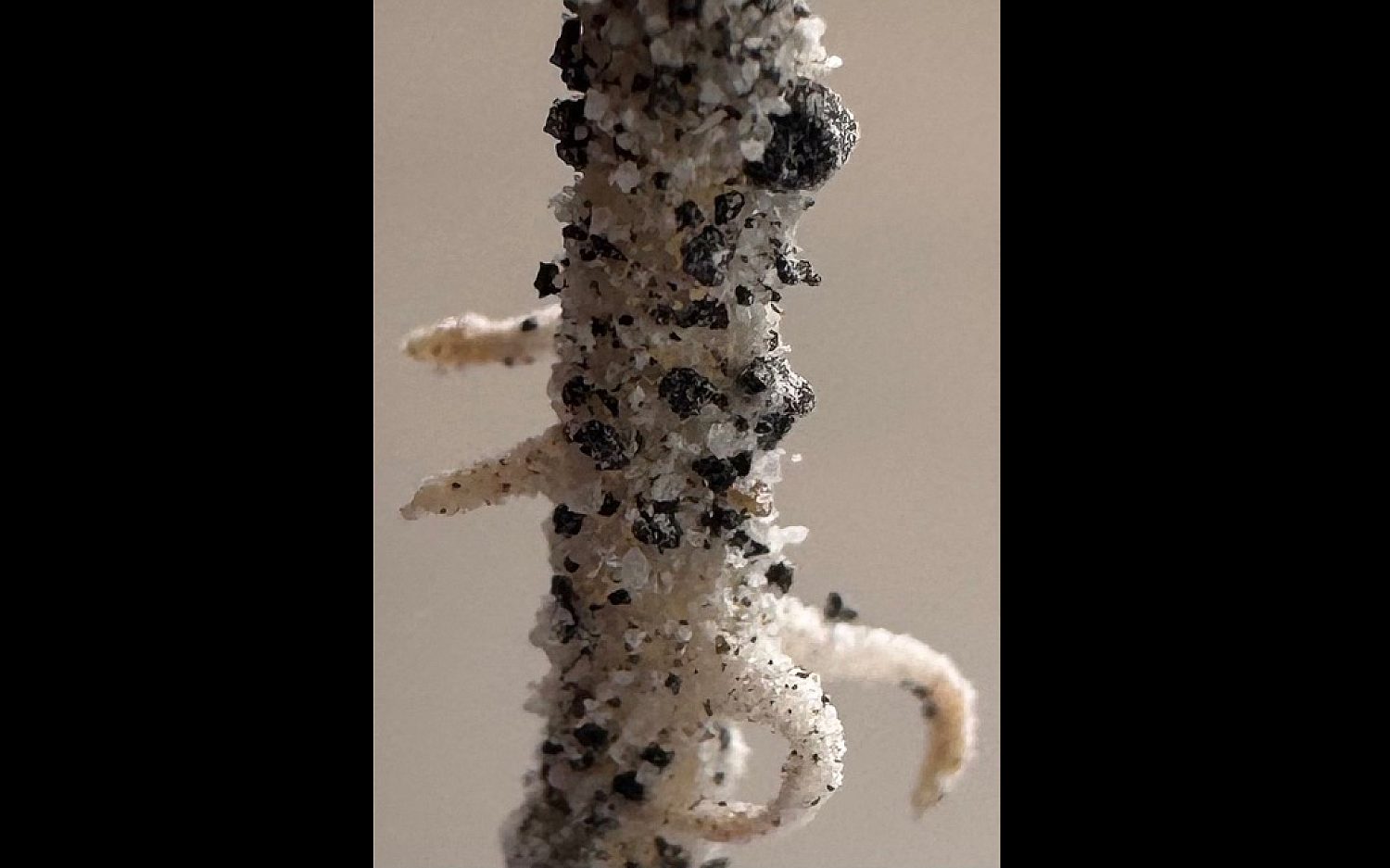
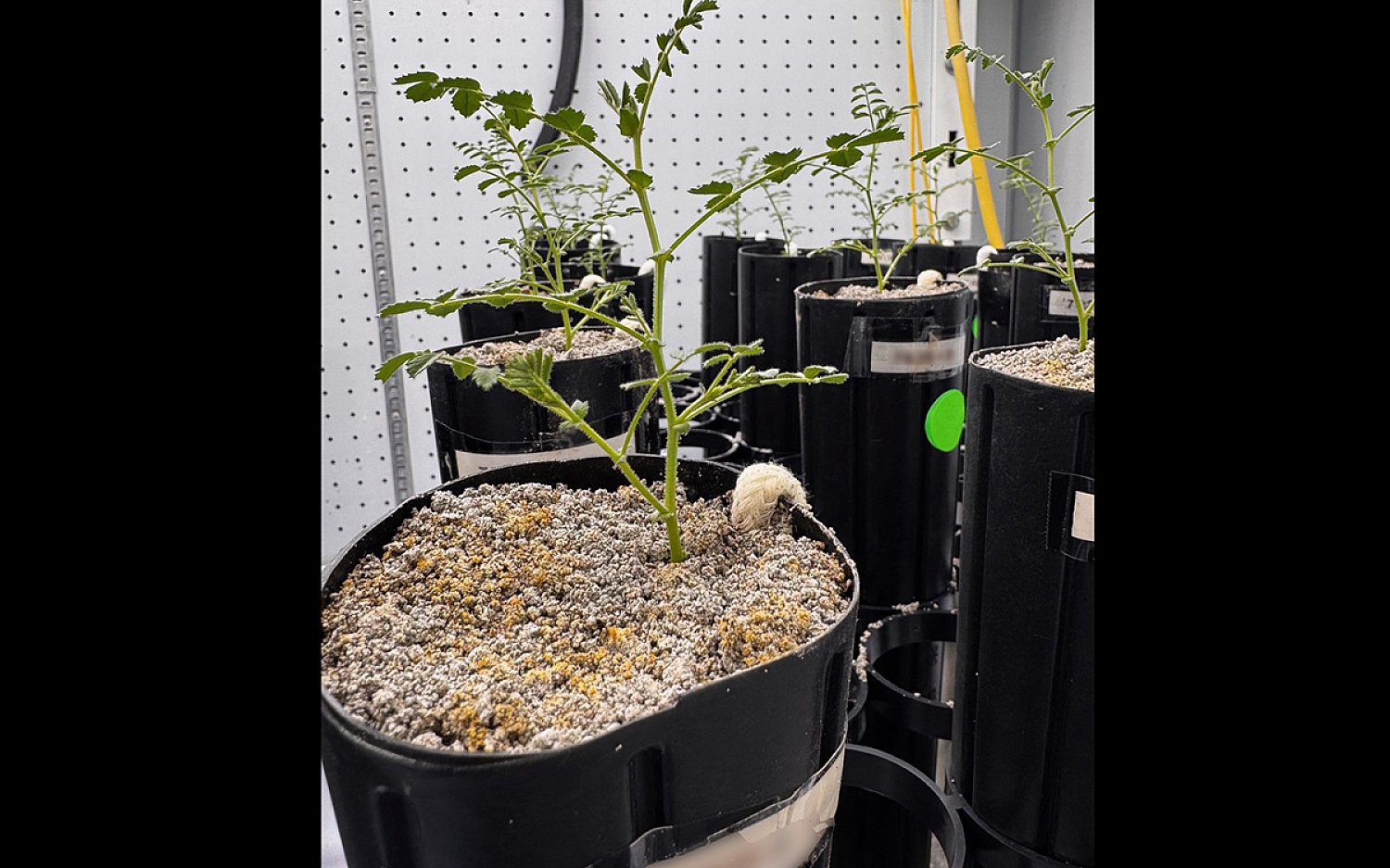
Scientists tried making a Moon garden on Earth. They used simulated (fake) Moon dirt. Moon dirt, or regolith, is coarse and dry. Not great for planting! Scientists mixed it with a nutrient-rich substance earthworms make. The worms break down organic waste that passes through their bodies as they squirm along, eating what they find in soil.
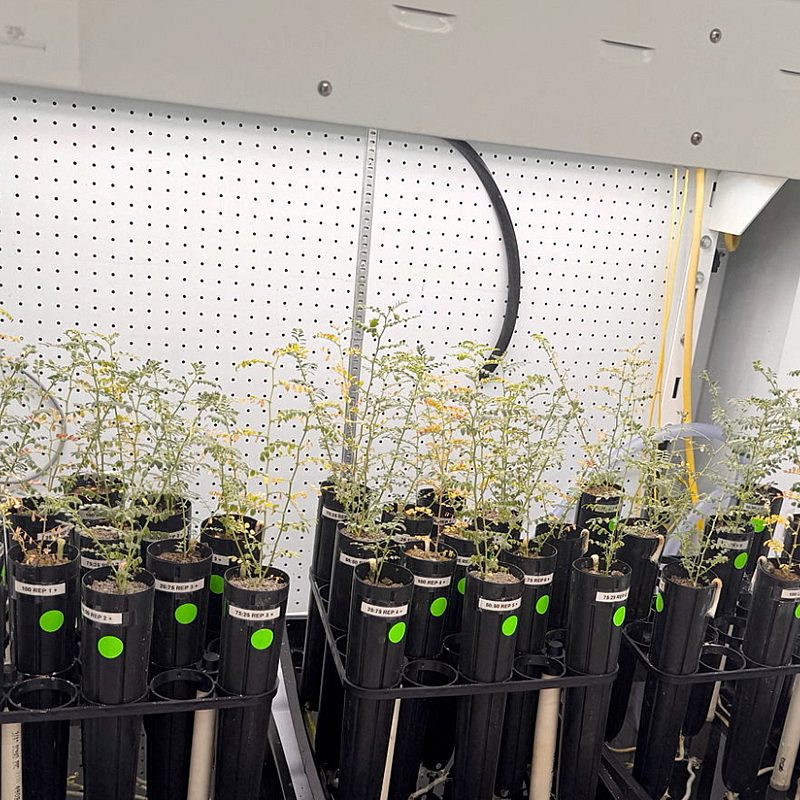
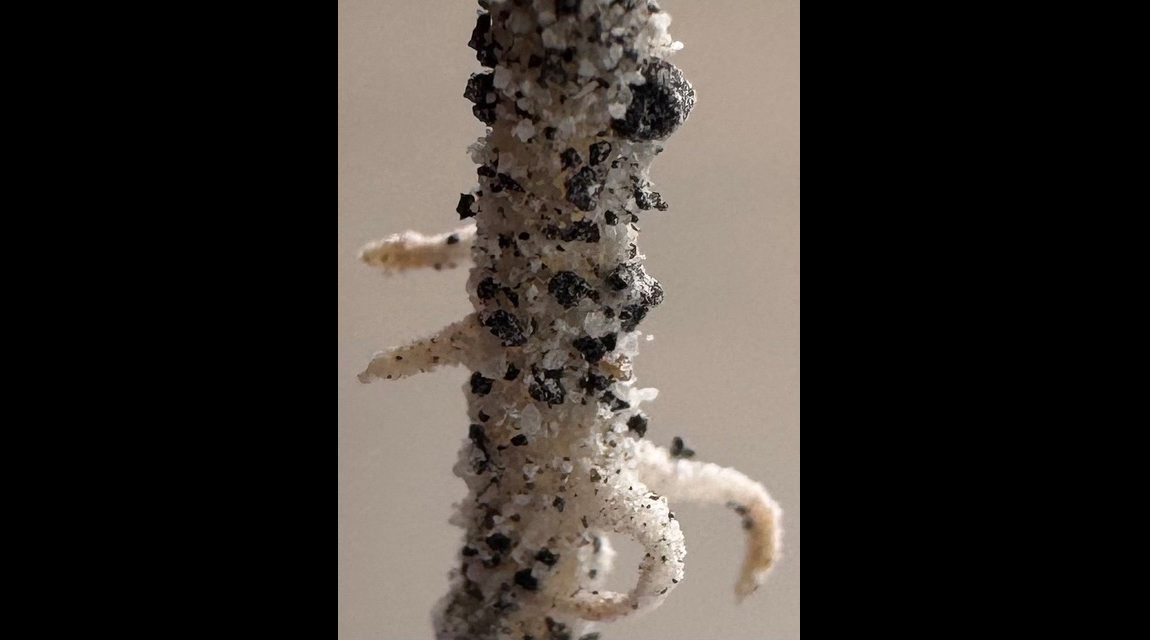
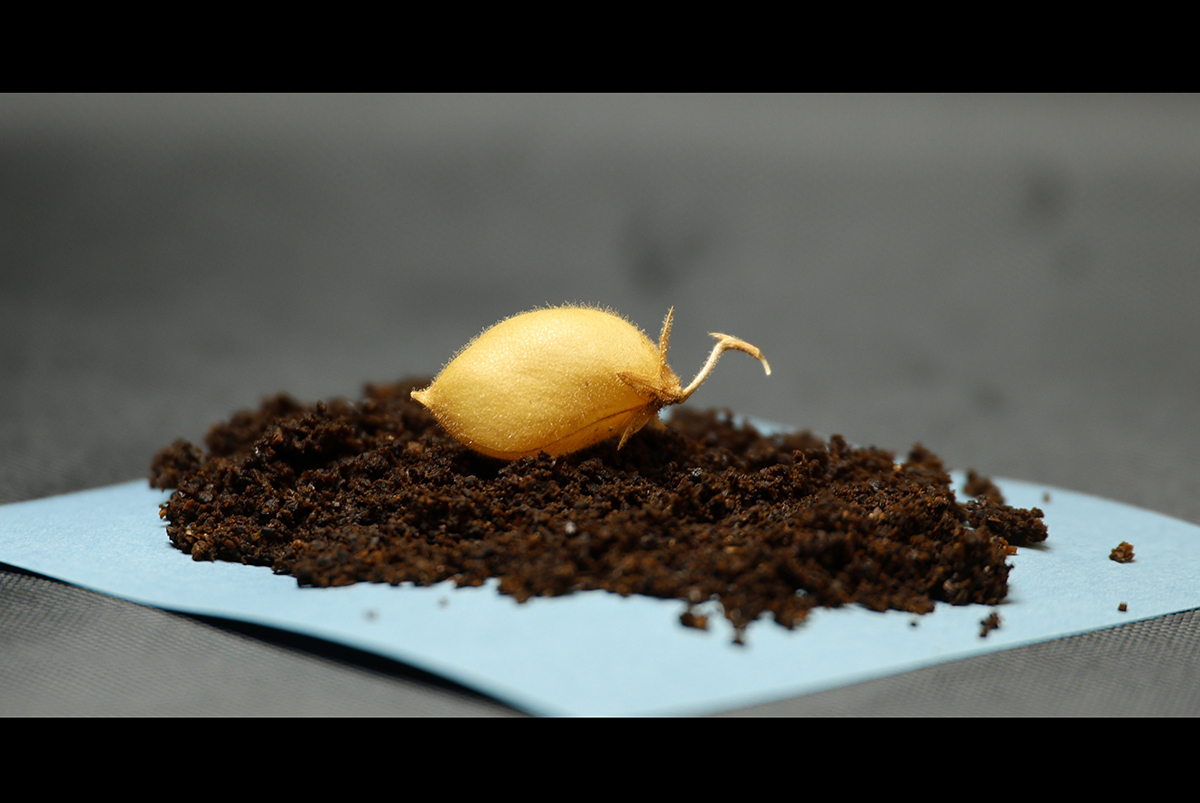
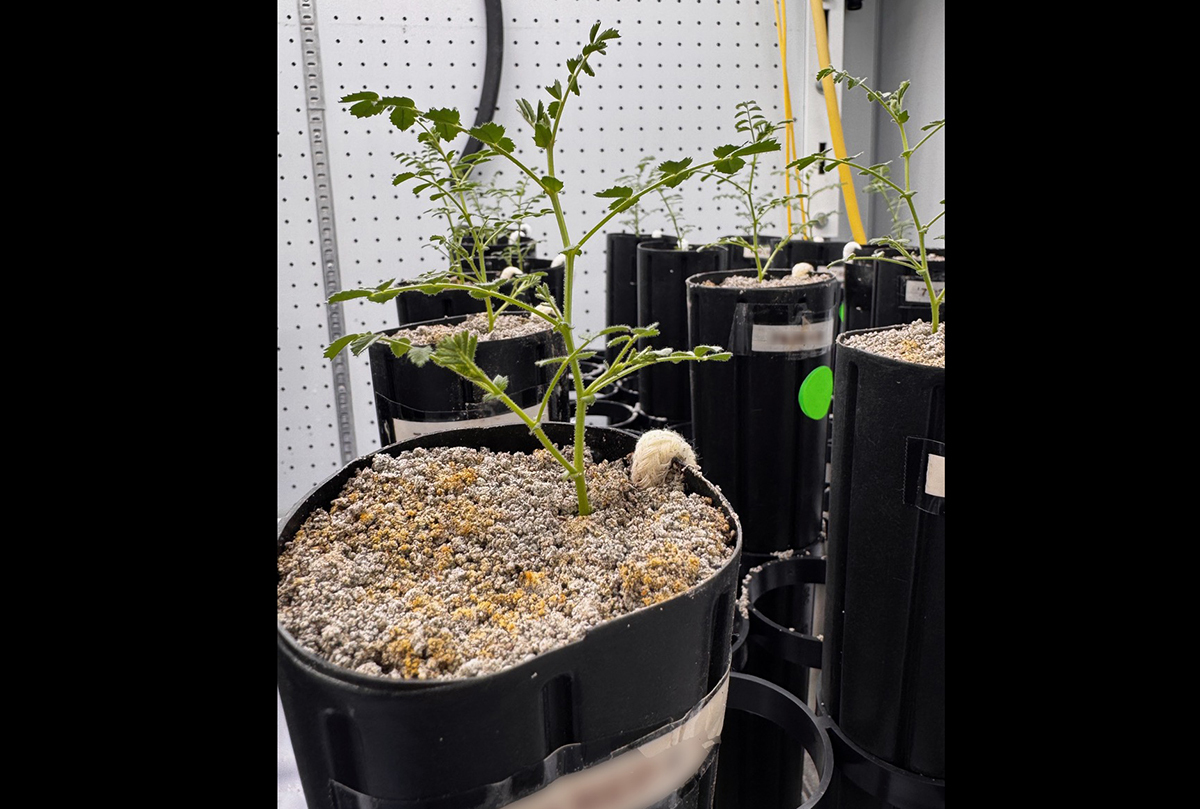
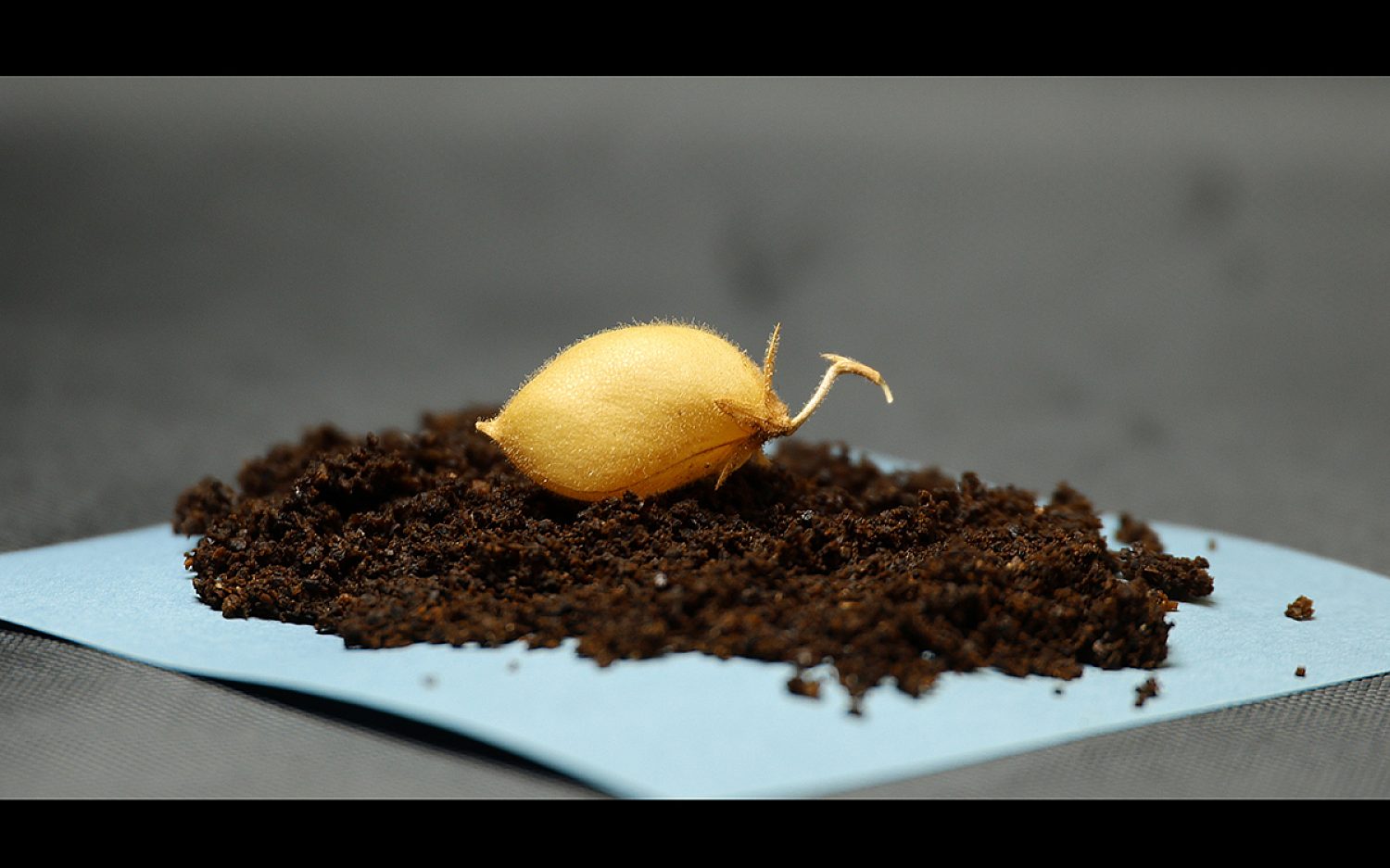
Researchers planted chickpeas in the Moon mix. They coated the seeds with fungi. These fungi help the seeds absorb nutrients.
The chickpeas grew! They could survive in a mixture of up to 75 percent Moon dirt.
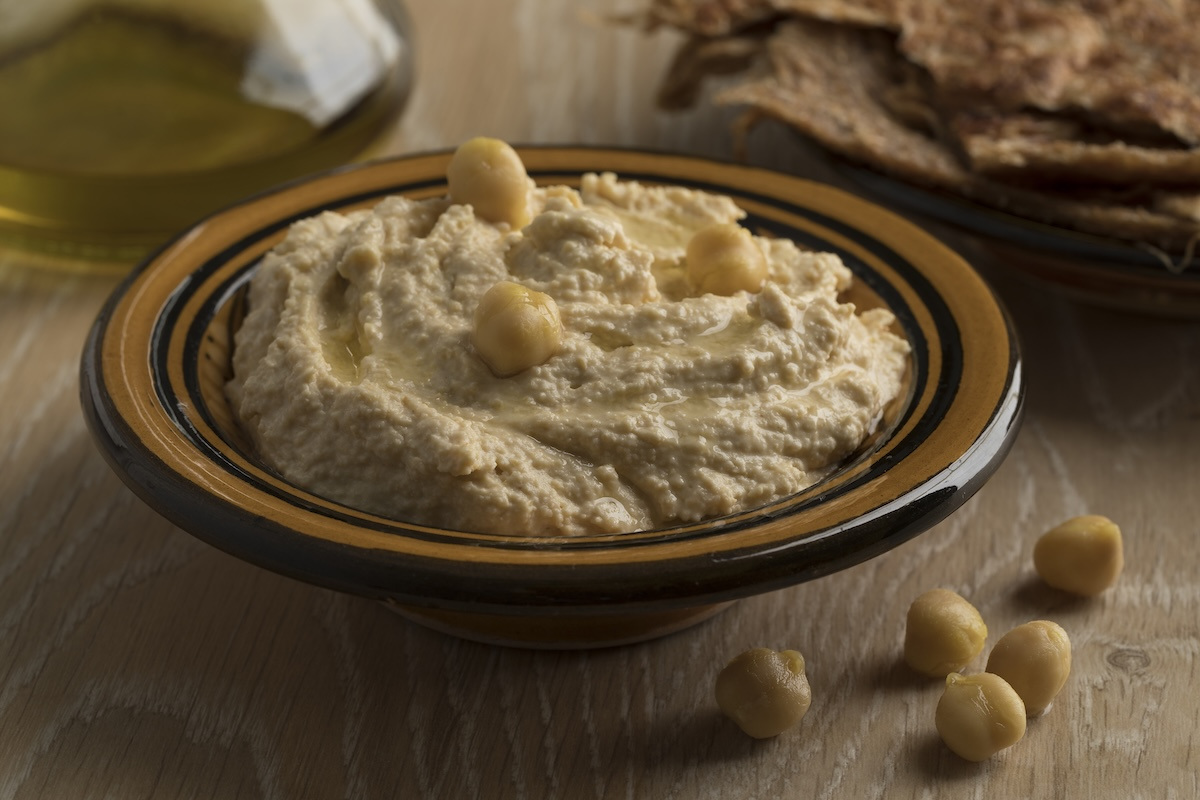
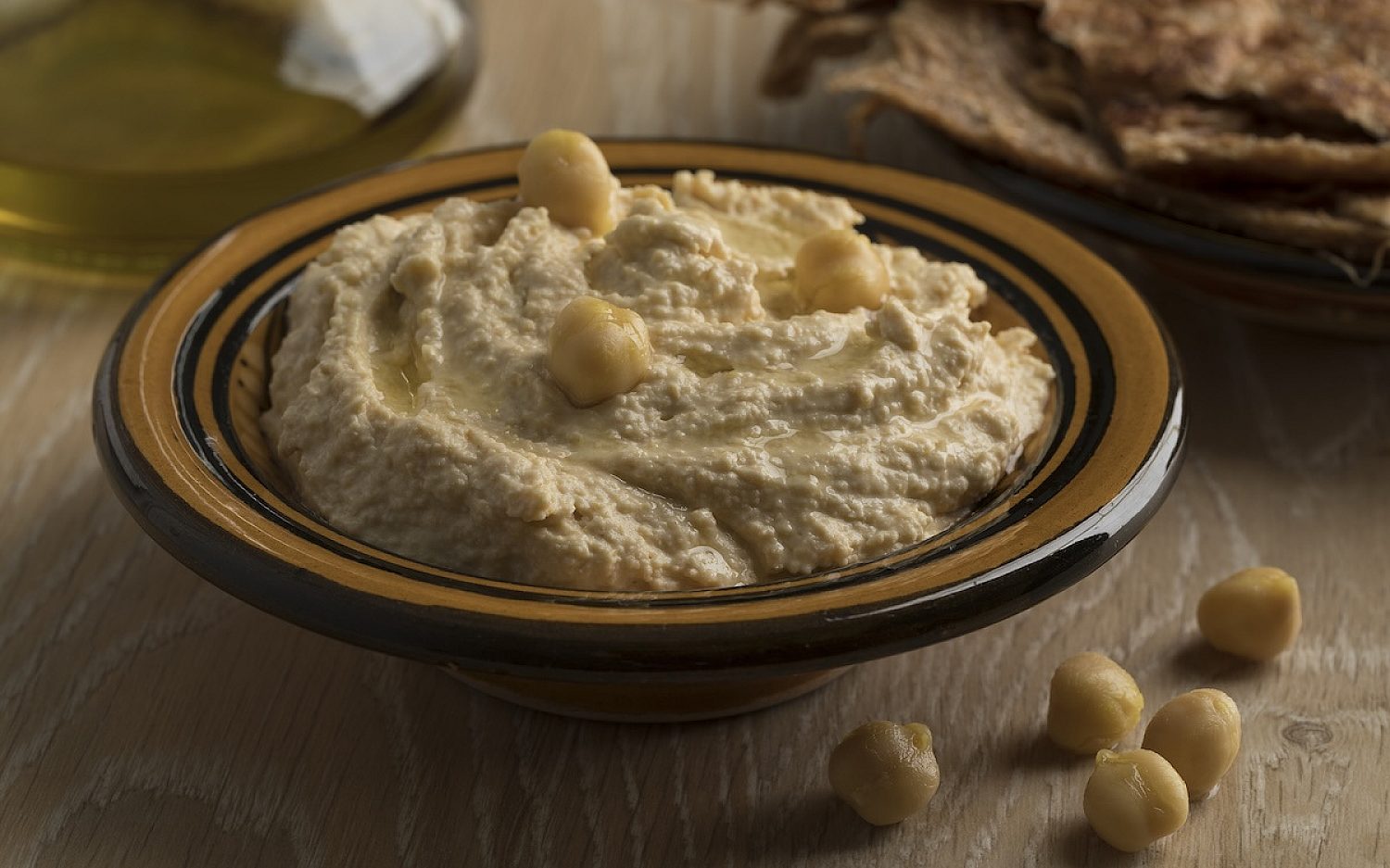
Chickpeas are a good source of protein and vitamins. That’s great for hungry astronauts. But researchers run more tests before taking a bite. Moon soil contains aluminum. If eaten, too much aluminum can make humans sick. Scientists want to know how much got into the Moon chickpeas.
Moon gardening is hard. It helps us appreciate how well God designed the Earth for us! We have breathable air, drinkable water, livable temperatures, and plant-growing soil. He knows what we need.
Why? The more we study the Moon, the more we discover how masterfully God designed Earth.