
When you hear the phrase “dead language,” what do you think of? For many people, dusty old languages like Latin or Greek come to mind. But that’s not the kind of “dead” we mean here. Greek and Latin didn’t really die. They just changed. Ancient Greek turned into modern Greek. Latin turned into languages like French and Italian.
When we say “dead languages,” we mean languages no one alive can speak anymore. Sometimes languages die because the people who speak them are wiped out. That happened in Tasmania, Australia. In 1803, British settlers sailed there. They brought diseases and violence with them. Within 73 years, every last native Tasmanian had died. No one remained who could speak a Tasmanian language. What a loss!
Languages can also die when a powerful nation takes over a smaller one. This almost happened to the Catalan language in Spain. It could also happen in places like Turkey, where Kurdish people are not allowed to teach their language. In recent years, even children’s cartoons that teach Kurdish were against the law.
When children do not learn the languages of their people, languages get into serious trouble. They can die in just one generation. That is happening now among some Alaskan natives. Kids in Alaska no longer learn the Yupik language. They learn only English. One day, their parents’ generation will die. Who will remember Yupik then?
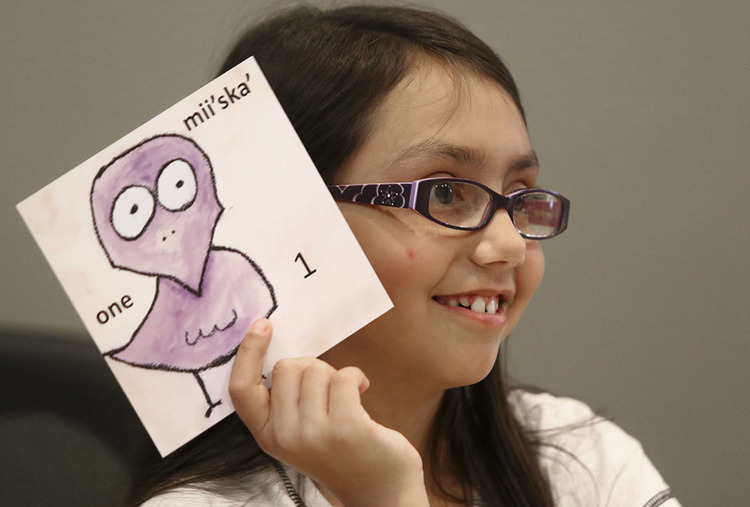
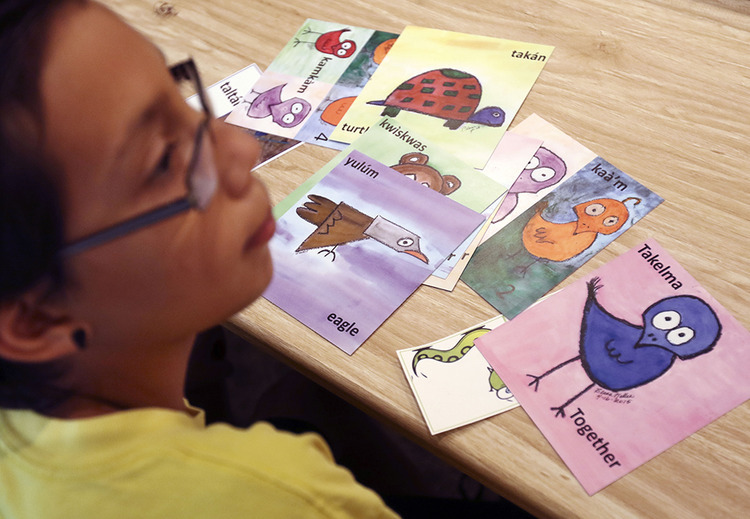
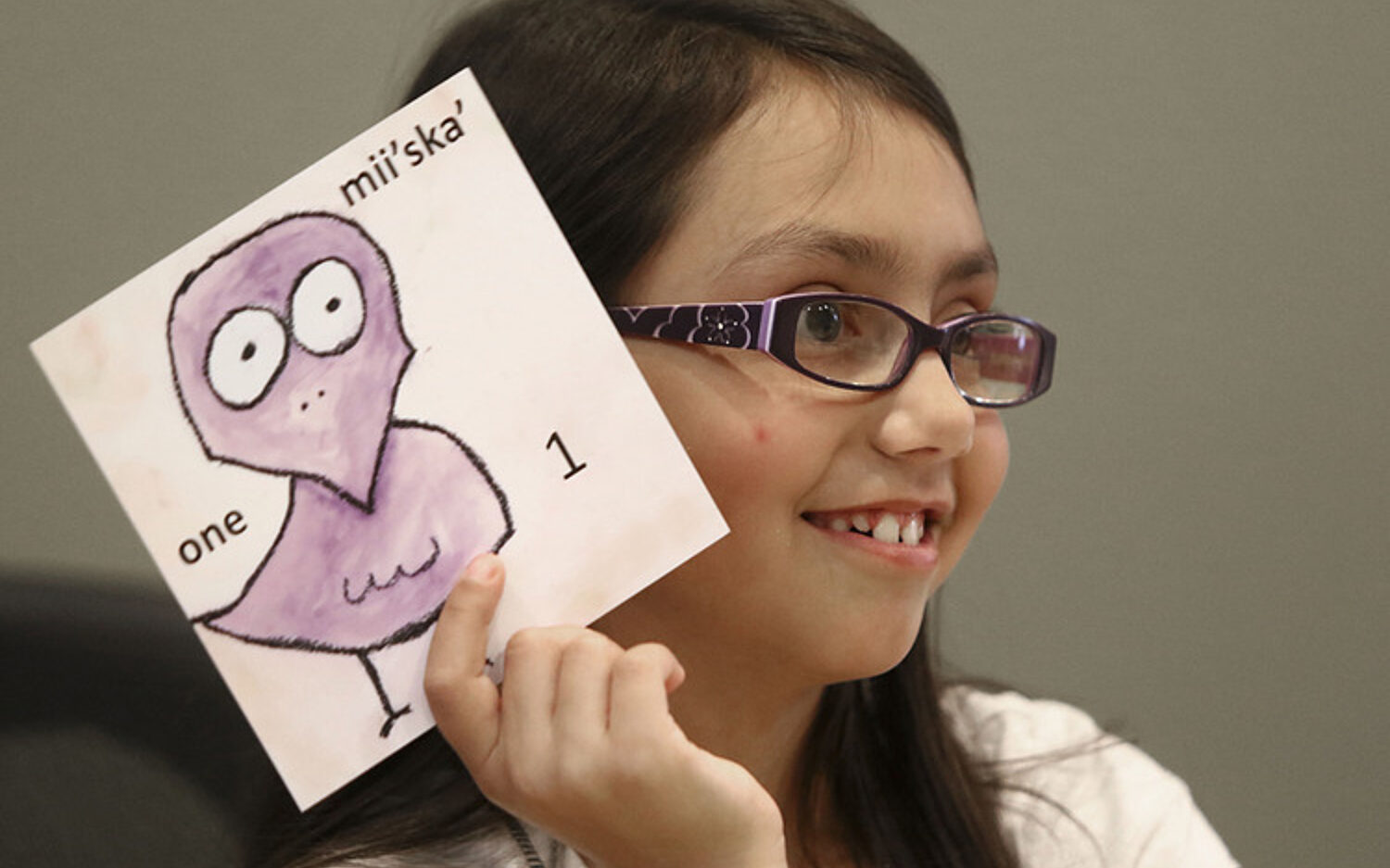
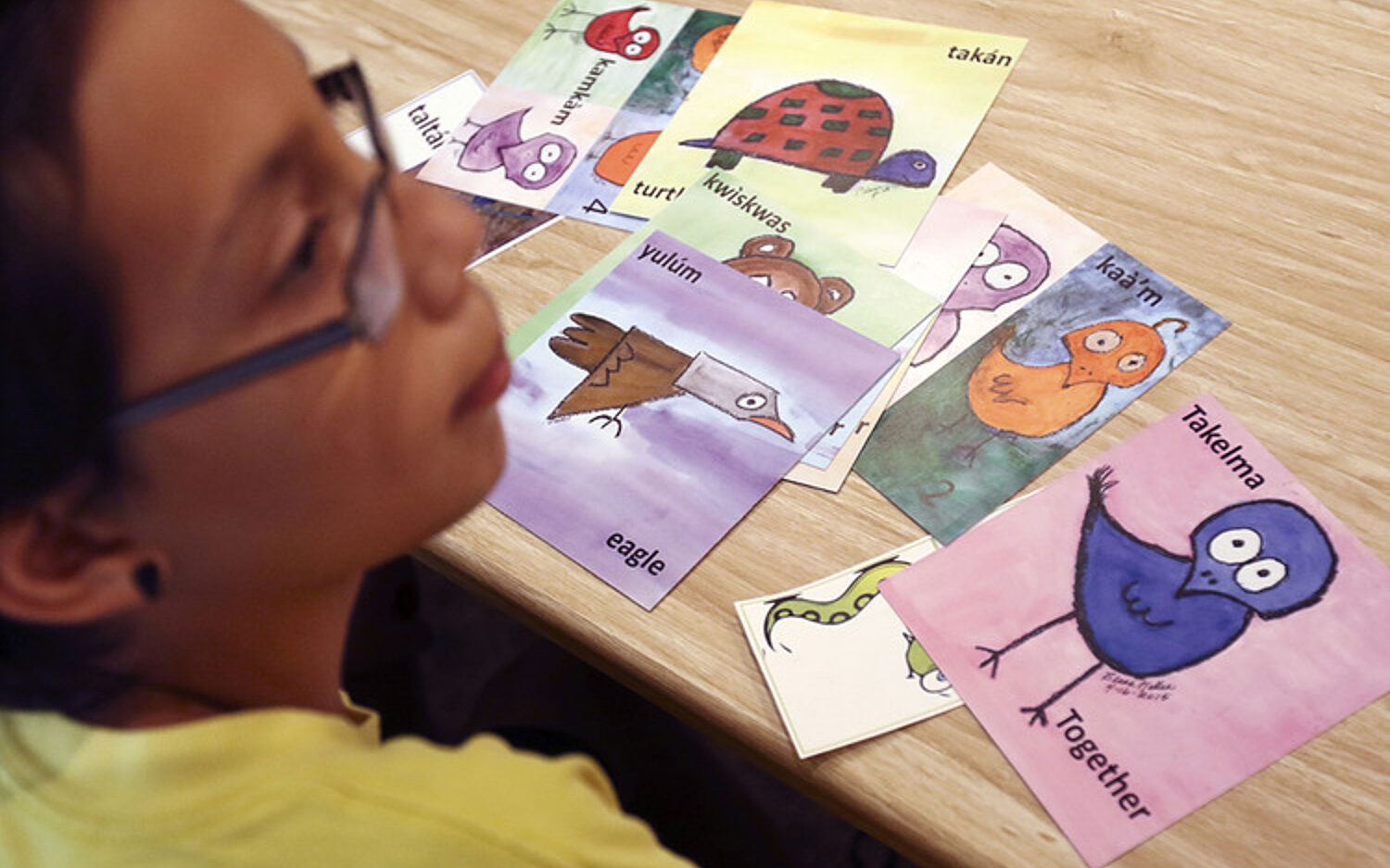
Kids in Tri-City, Oregon, work hard in school to save another language. It is called Takelma. The Cow Creek Tribe of Native Americans spoke this language. But now no one speaks it fluently. No one has for more than 75 years. Kids usually have brains that memorize well. They are the perfect people to bring a dead language back to life!