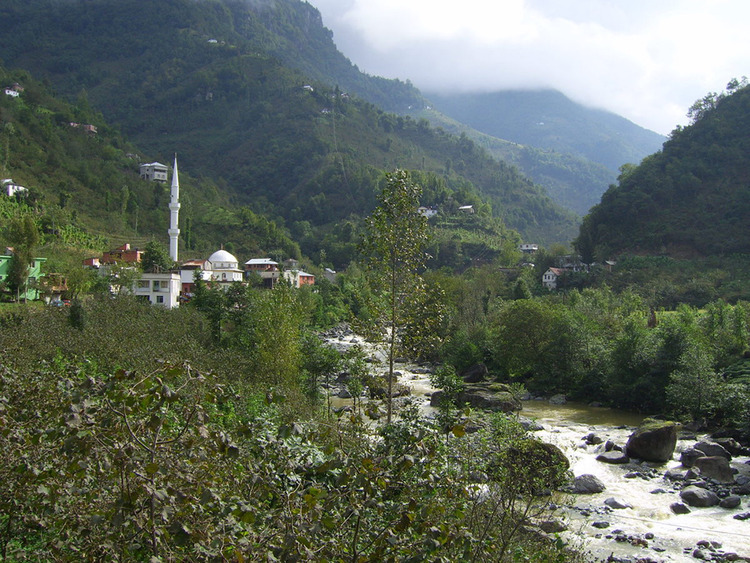


Deep in the mountains of Turkey, a piercing whistle sounds. The whistler makes the noise using his fingers, tongue, and teeth. To a non-native, the signal sounds like birdsong. But to a member of the village of Kuşköy, it means, “Do you have fresh bread?”
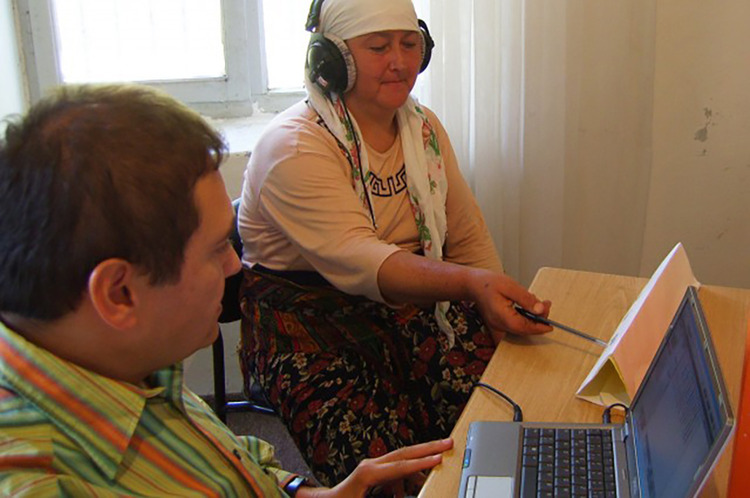
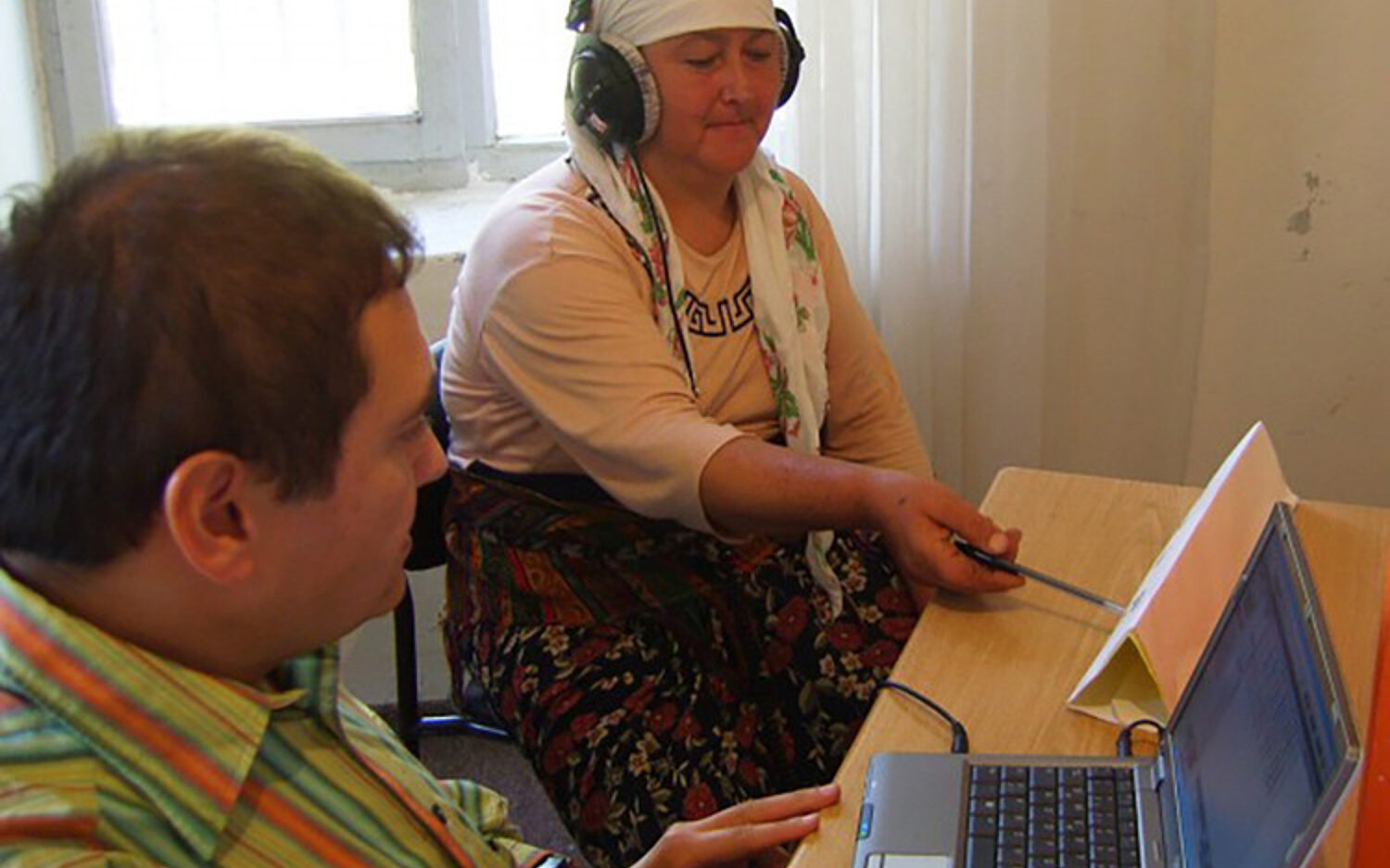
A scientist named Onur Güntürkün traveled to the village of Kuşköy to study the “bird language.” The language is based on Turkish words. That means the whistled tones don’t work like a code a computer could follow. Instead, they work like a real language. In a normal, spoken language, words can mean more than one thing. People can use the word bank to mean place where money is kept safe. But they can also use it to mean mound of land beside a river. Words can also be used to mean things that aren’t literal. If someone says, “It’s going to rain cats and dogs!” you wouldn’t expect cats and dogs to tumble from the sky. You’d just wait for rain to fall very hard. Most people can understand those difficulties of language. In fact, it’s usually easy for them! But if your computer’s code were written that way with one symbol that meant two very different things, you’d have a seriously confused machine on your hands.
Did you know that you use the left side of your brain when you use language? God made the left-brain to work with words that way. Usually the right half interprets music. But Mr. Güntürkün’s studies showed him something surprising. The natives of Kuşköy use both sides of their brain when they hear their whistled language.
Mr. Güntürkün’s discoveries showed him two things. First, the way our brains work is still a mystery! Second, learning more about whistled languages could teach us how to help people who have had strokes or other brain damage. In 1736, a doctor named Olaf Dalin treated a man who could no longer speak. But then the young man started singing hymns in church! His right brain worked even though his left brain didn’t. Singing songs helps some people learn how to speak again. Now scientists want to know: Can bird languages do the same thing?