
Un, dos, tres, quatre, cinc, sis. . .
If you can count in Spanish, you might know a few of the numbers on this list. But others sound more like French. What language is it? And if it isn’t Spanish, why are people speaking it in Spain?
Really this number list is written in Catalan. Catalan is a very old language. It comes from Latin. Did you know that Catalan has been fighting for its life—and winning?
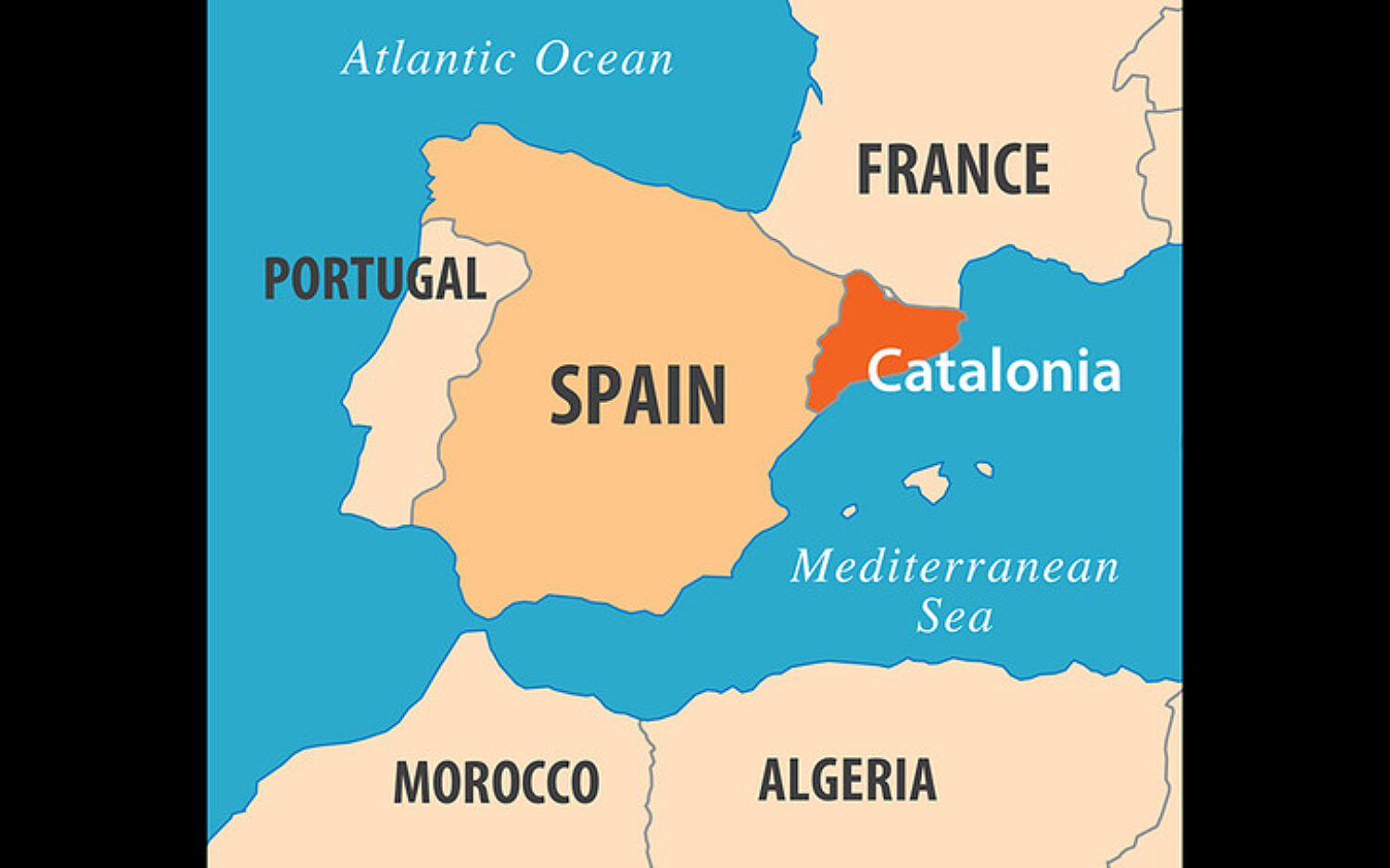
Many people do not know. When tourists visit certain parts of Spain and even France, they hear Catalan spoken in the streets. This usually comes as a big surprise. That’s because Catalan was once illegal in Catalonia—a triangle of land mostly in Spain. People did not hear it spoken in the open.
In 1939, a dictator named Francisco Franco ruled Spain. A dictator uses force to get his way. He tries to control a country as much as he can. Mr. Franco wanted to remove the old Catalan ways from Spain. He outlawed Catalan in public places. Mr. Franco’s reign lasted for more than 30 years. But did Mr. Franco’s rules stop Catalonians from speaking Catalan? No! Native Catalans wanted to keep their culture alive. Speaking Catalan at home became their secret weapon. It was their way of saying, “Will Spain get rid of our history? No way!”
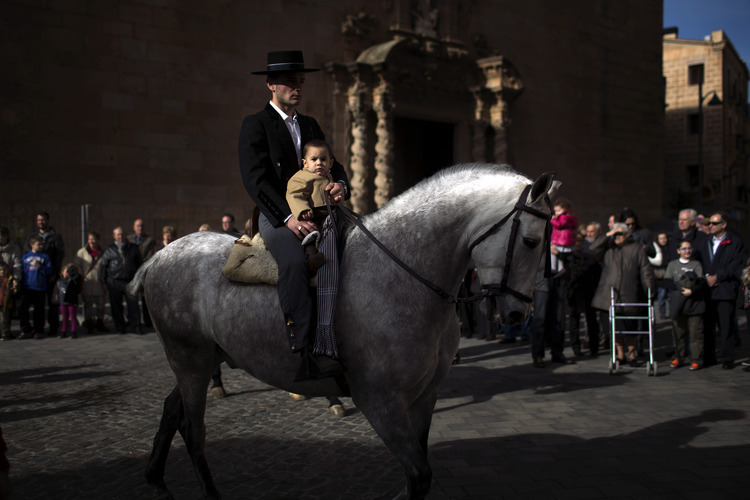
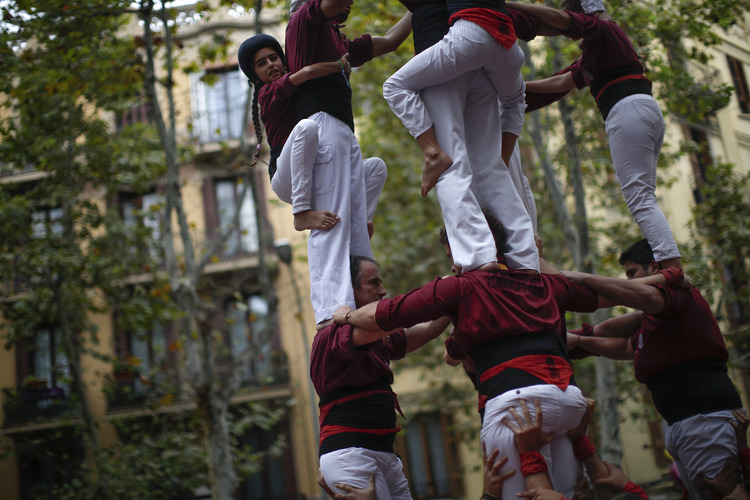
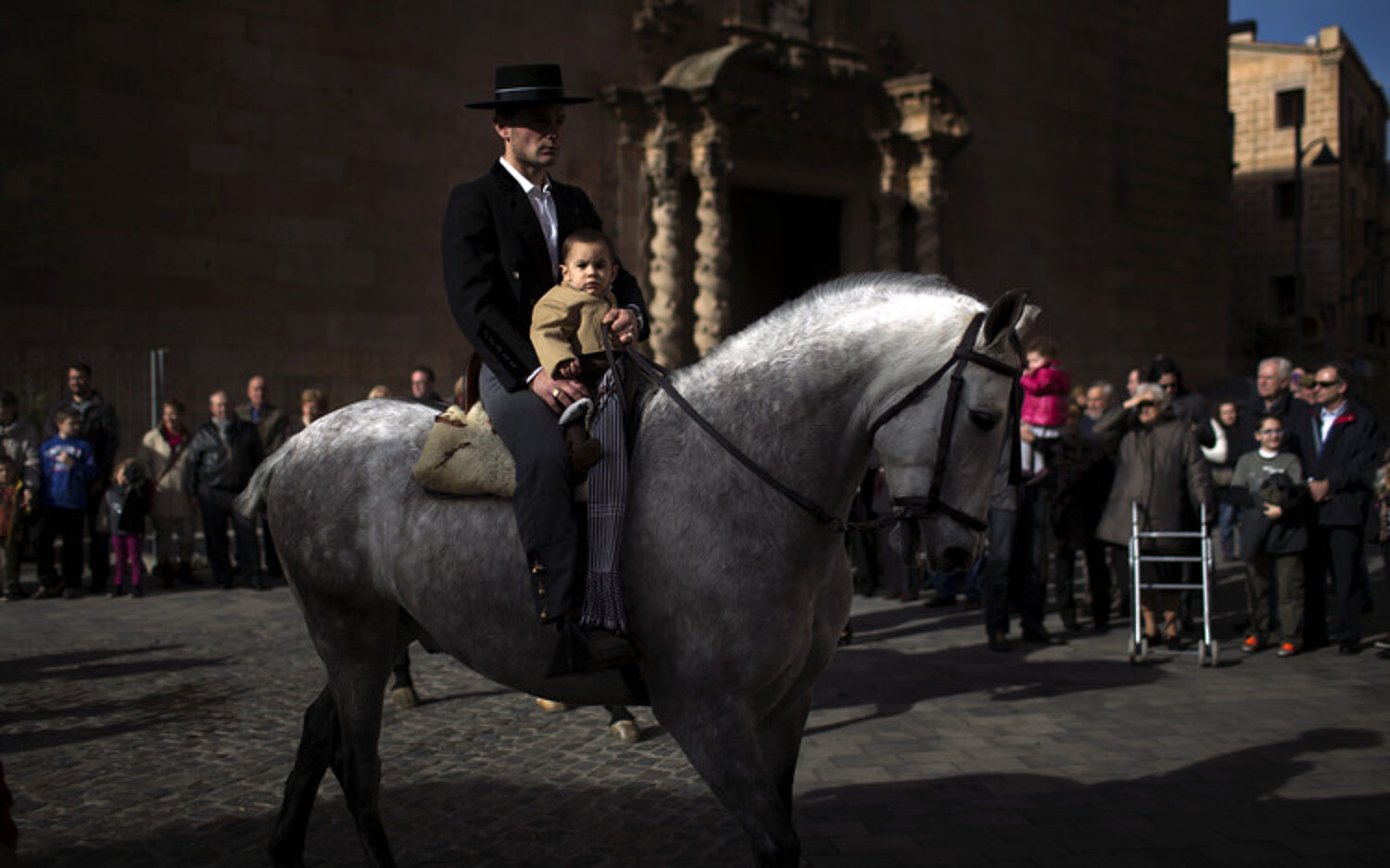
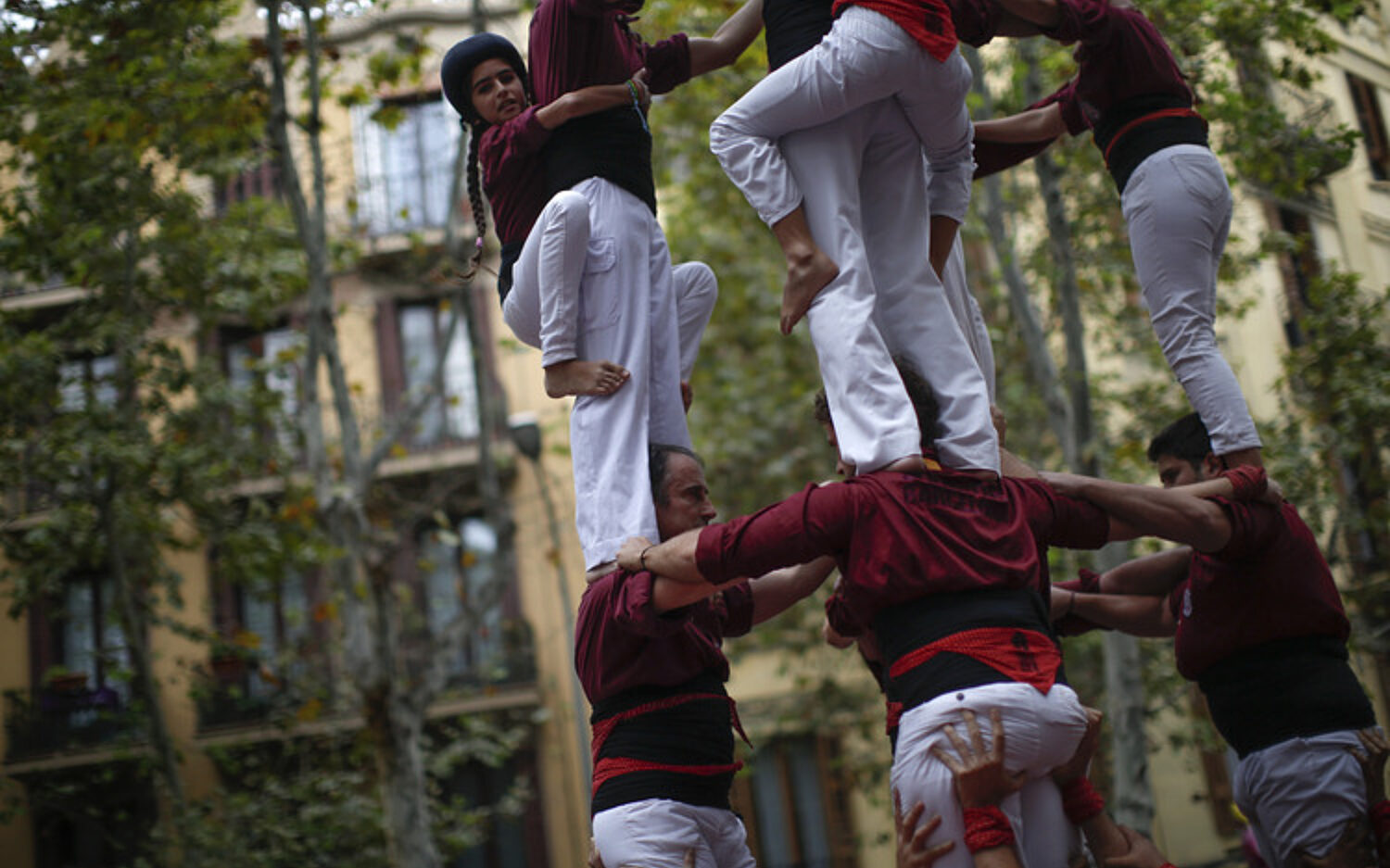
Are Catalonians really part of Spain? Many do not think so. Catalan history stretches all the way back to the Middle Ages. The region acts almost like a country of its own. Catalonia doesn’t just have its own language. It has its own foods. Its people celebrate their own festivals. They even have a Catalonian symbol—the donkey!
Because the Catalan people spoke their language at home, Catalan has survived. Kids in Catalonian schools now learn Catalan. Today more people speak Catalan than Swedish, Finnish, or Greek. Thousands of books are published in Catalan every year. How different from the many years when speaking Catalan in public was against the law!
Even now, many people want Catalonia to become its own nation. Will the language they love be the key to their independence?