God made up the first languages at the Tower of Babel. (Genesis 11) Since then, languages have grown and changed—and some people have even made up new ones. Have you ever done that?
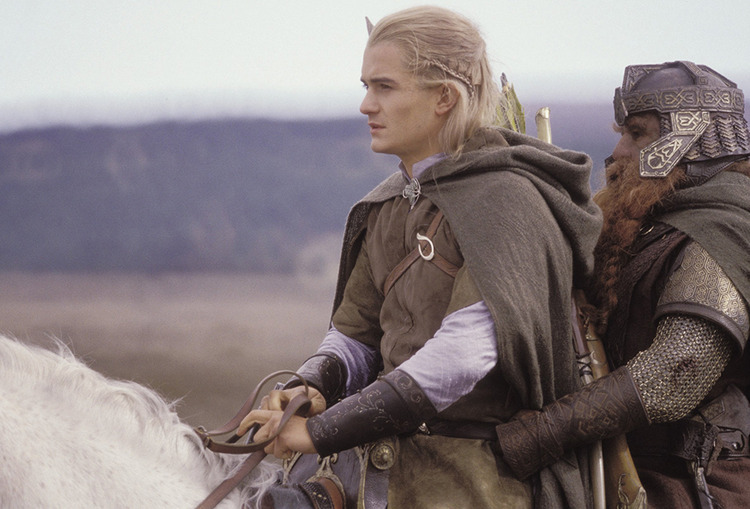
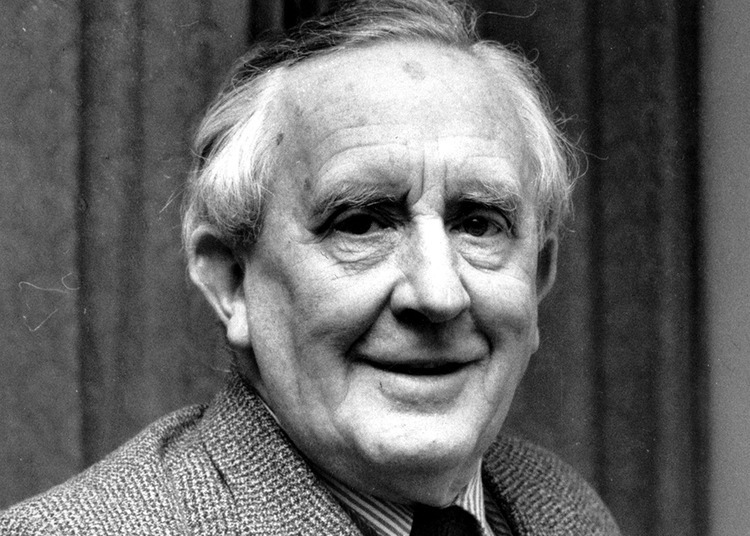
If you have, you’re in good company. J.R.R. Tolkien wrote The Hobbit and The Lord of the Rings. When he was a little boy, his mother taught him Latin and French. That marked the beginning of Mr. Tolkien’s love for languages. When he grew up, he made up languages of his own: Qenya and Sindarin. These are the languages spoken by the elves in Mr. Tolkien’s books. In fact, Mr. Tolkien said he wrote his books just to have an excuse for spending so many years making up languages!
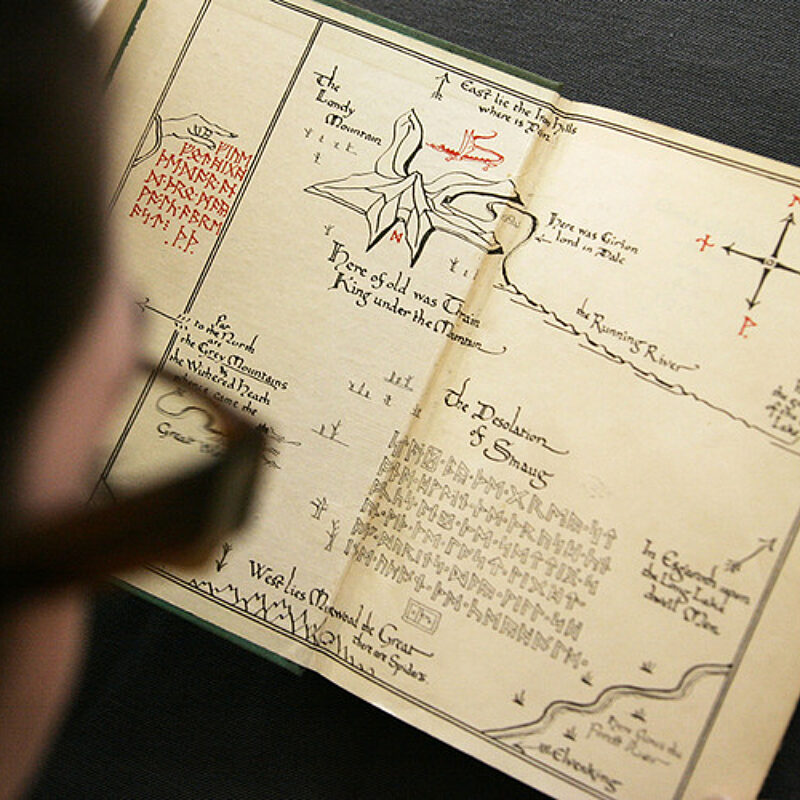
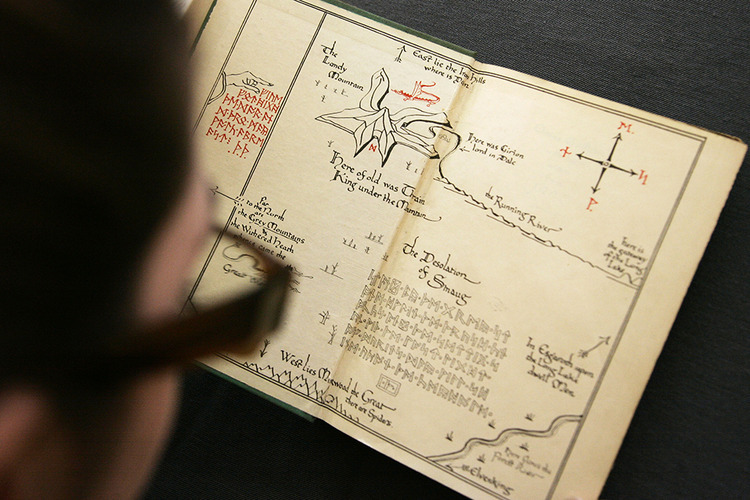
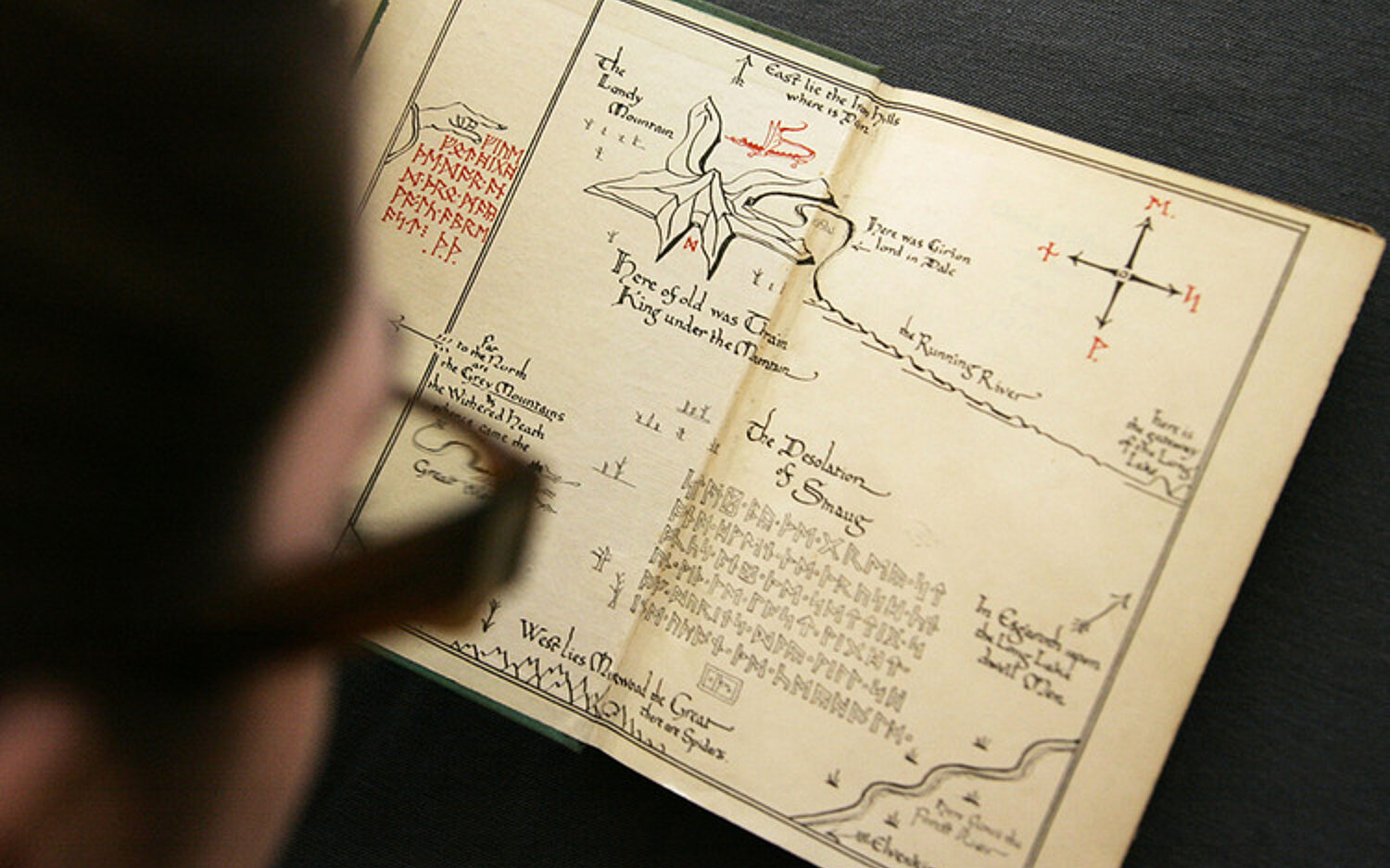
When Mr. Tolkien made up languages, he was being creative like God. But just like every other creative person, he had to use the materials God had already made. Mr. Tolkien based his languages on other languages he knew. These languages had already changed over long periods of time. On paper, Quenya looks like Finnish. Little dots above the words show how they should be pronounced. The other Elvish language, Sindarin, comes mostly from Welsh. You can tell that by the way it sounds.
Mr. Tolkien used his languages for very specific purposes. Usually, he wrote poems and songs in them. Tolkien’s languages took a lot of work to invent. But they still don’t have many of the ordinary words we use every day. So if you learn to speak Elvish—and many people do!—you will be able to use it to write beautiful verses. But it might be trickier to ask to go to the bathroom or order food off a menu!