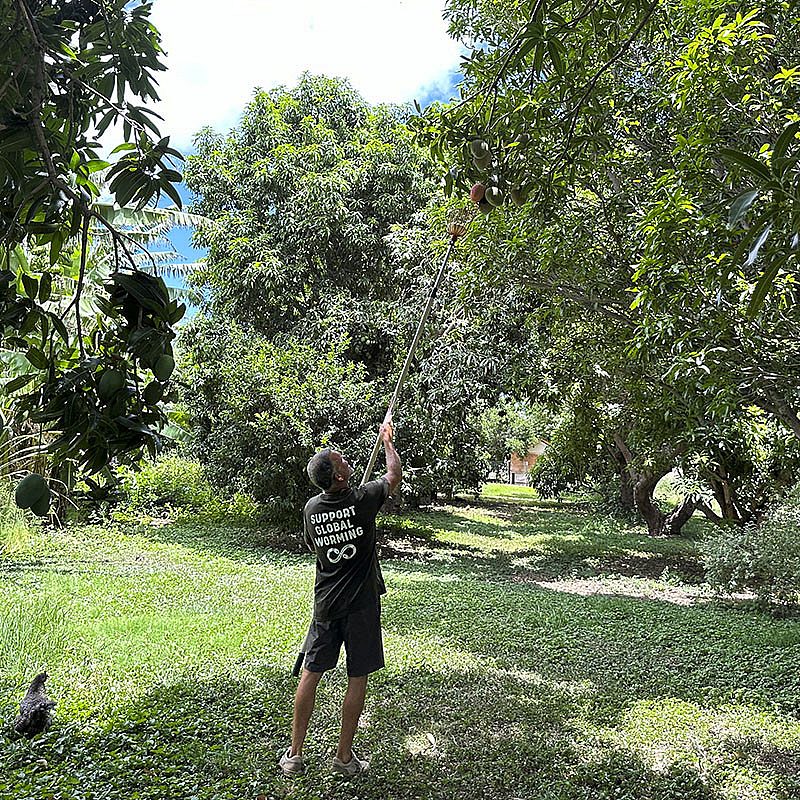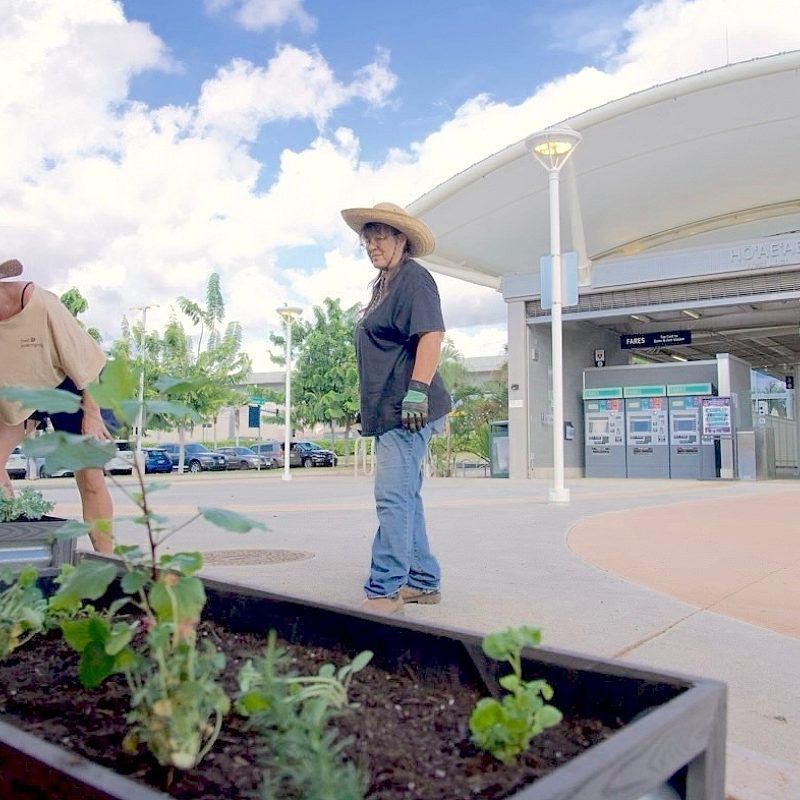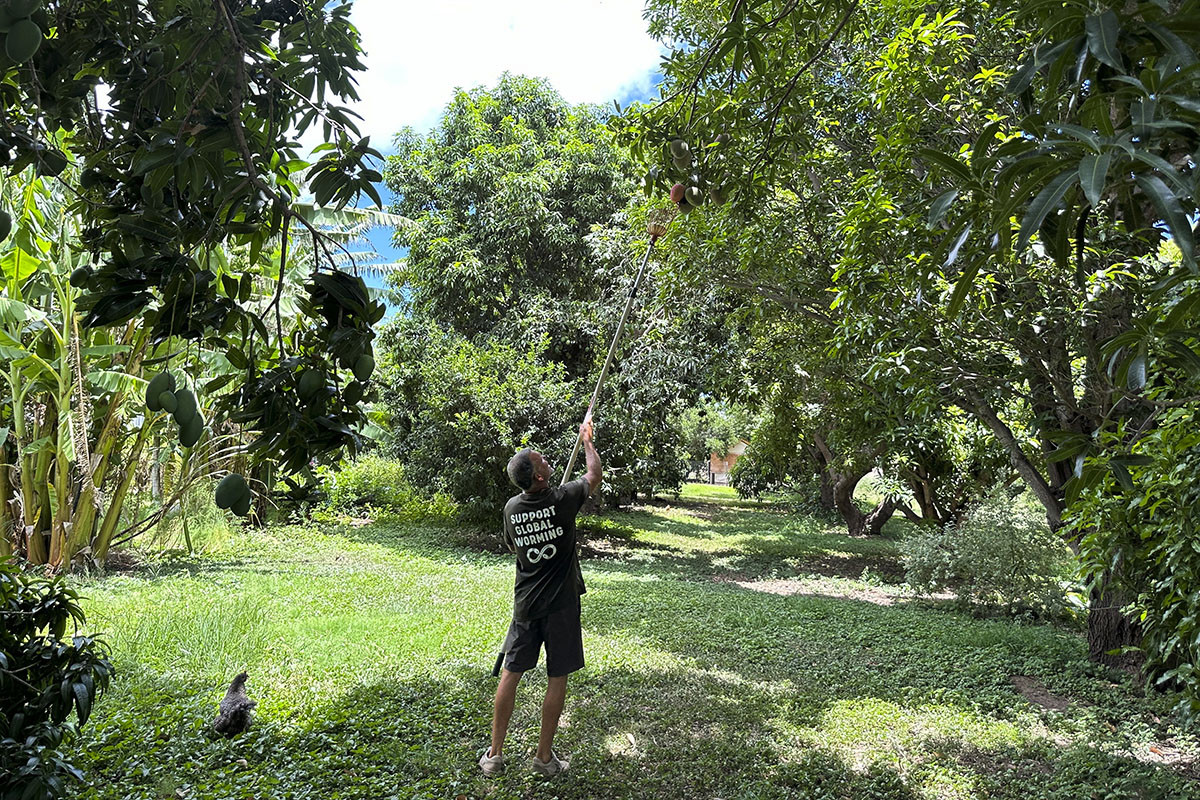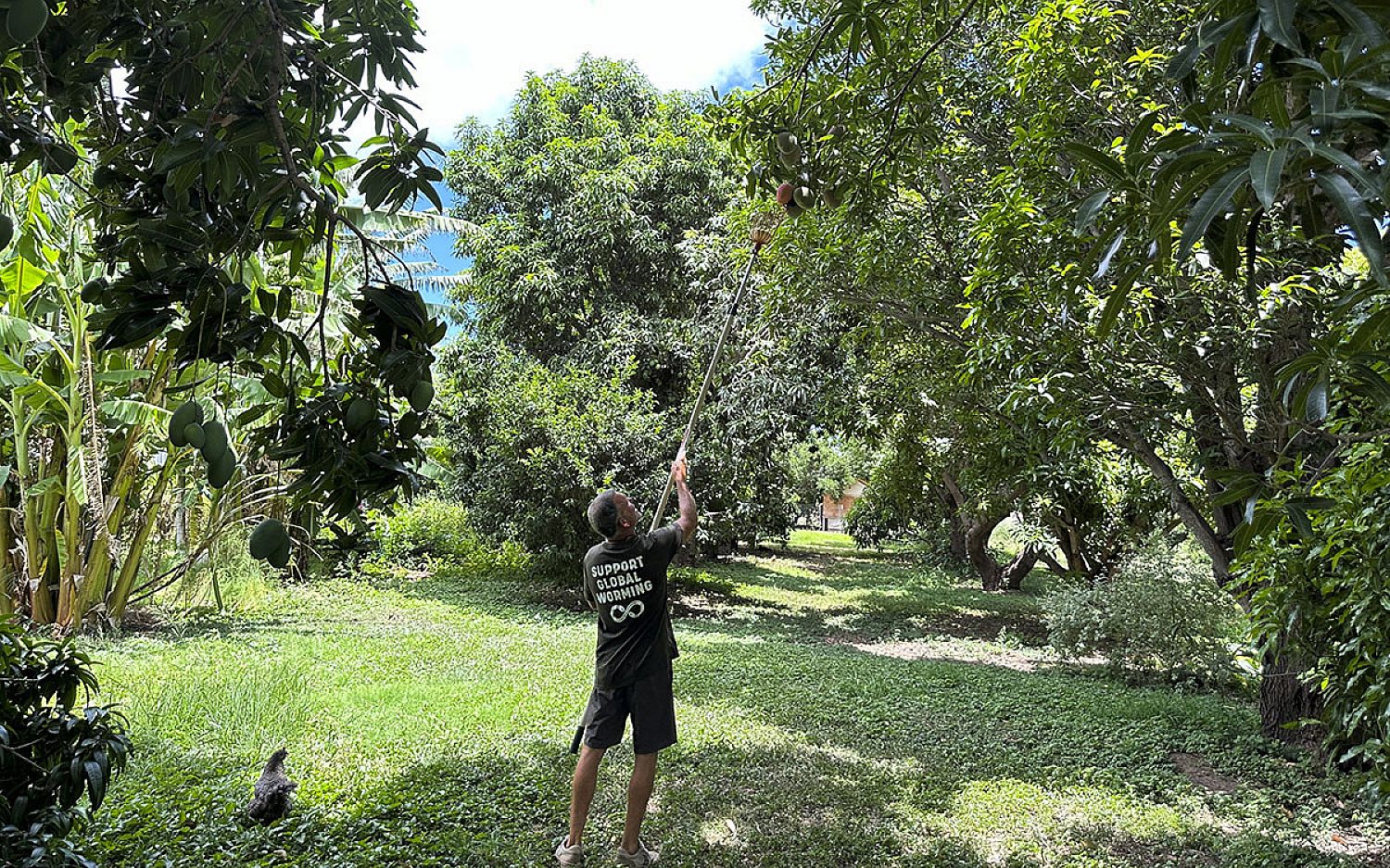

Hawaiians have tried for years to plant food in public spaces. But officials thought food trees would be “an attractive nuisance.”
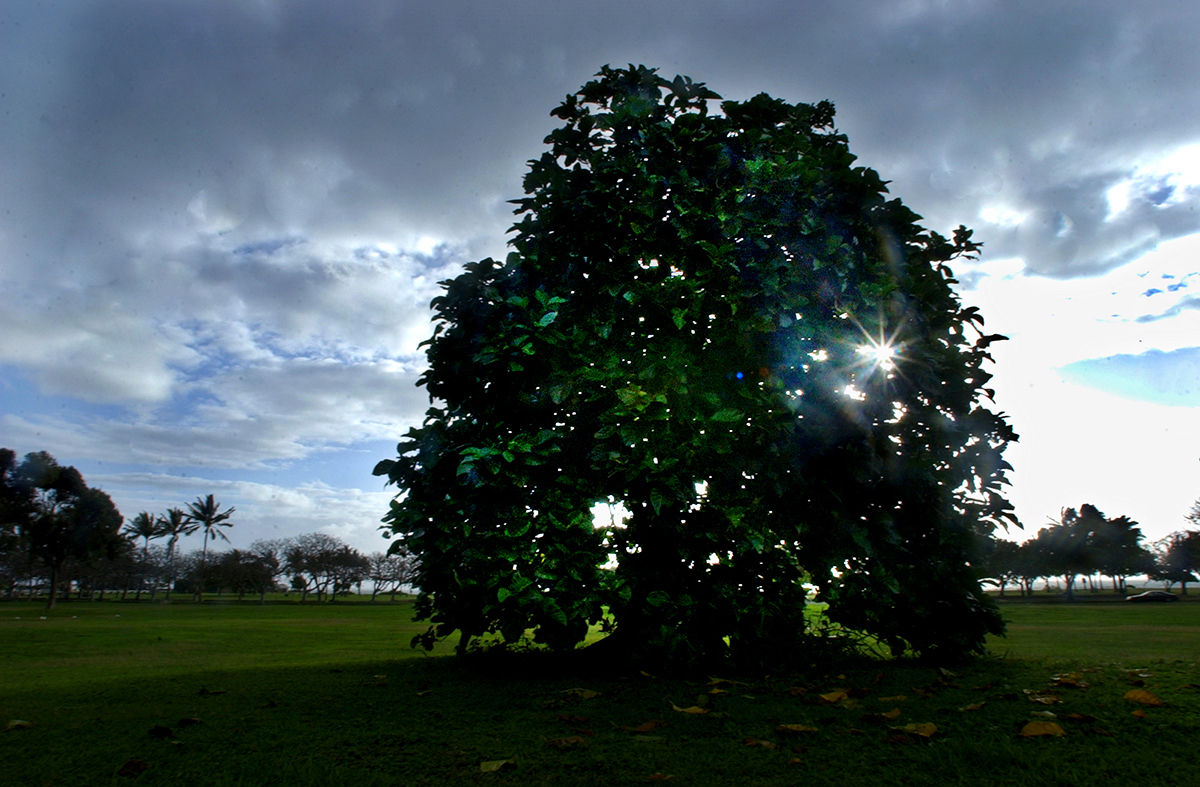
But are trees mainly bothersome? Members of a group called Kaulunani Urban and Community Forestry Program say, “No!” They studied the benefits of public food trees.
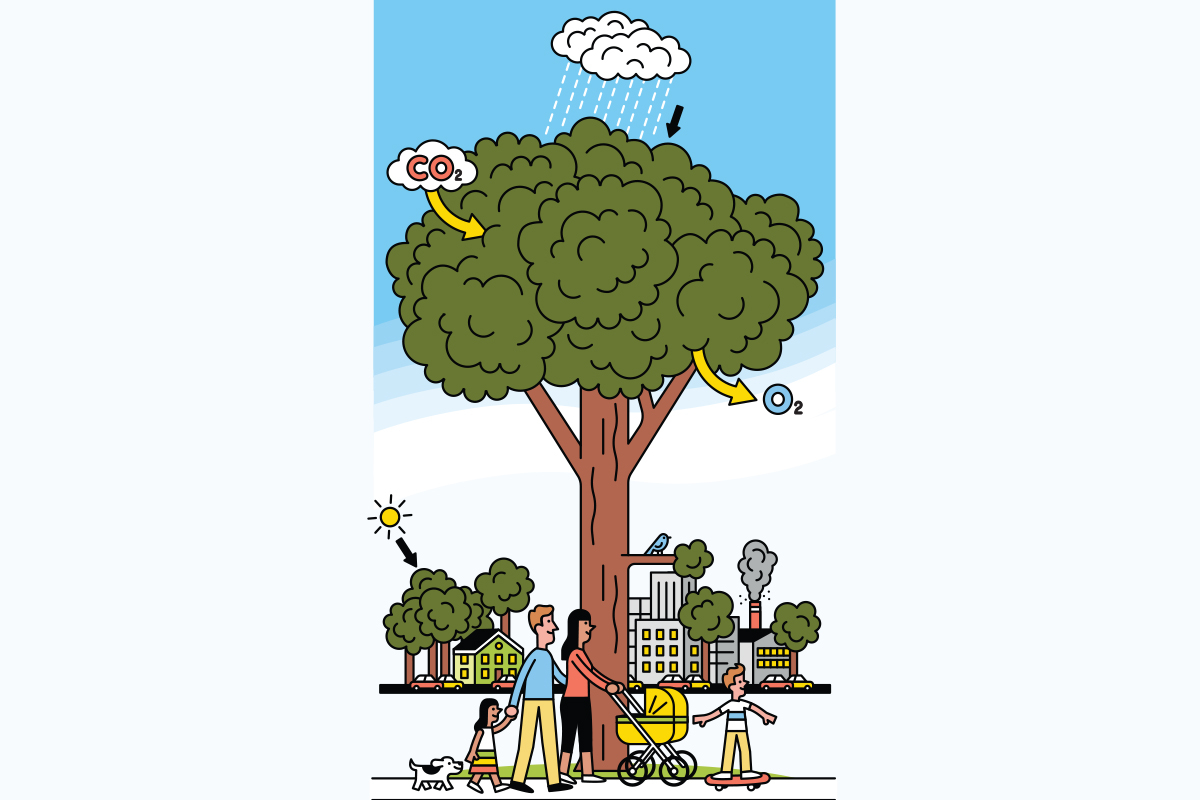
As of 2023, the Kaulunani program has spent $4.6 million on more than 450 forestry projects. But they did the math before spending the big bucks. Each city tree provides $90 worth of good to the surrounding area. For every dollar spent on tree care, they say, the tree provides about $3 in benefits. Those benefits are:
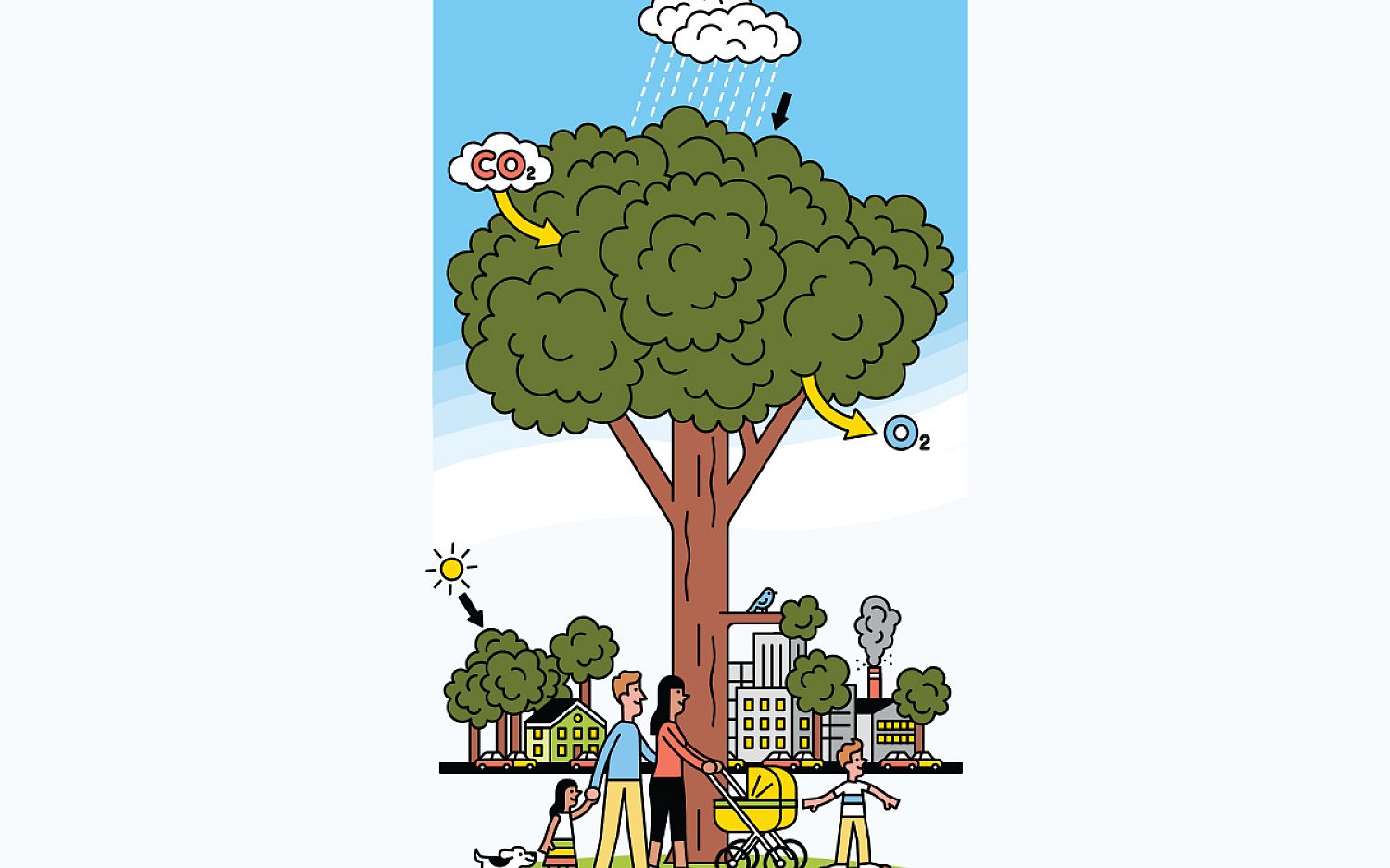
- pollution removal. Leaves take in polluted air. They release clean oxygen.
- catching rain. This means less water hits the ground, which means less dirt washes away. Tree roots also hold soil in place.
- storing carbon. Stored carbon might help keep the Earth from getting too hot.
- saving electricity. More trees mean more shade. Shade protects people from heat. The more shade, the less air conditioning required. The less AC, the less electricity used.
Across the Hawaiian islands, city trees store over 25,000 tons of carbon dioxide. They remove 3,340 tons of carbon dioxide each year. They keep 35 million gallons of stormwater from running off the land. All the while, they help cool the city.
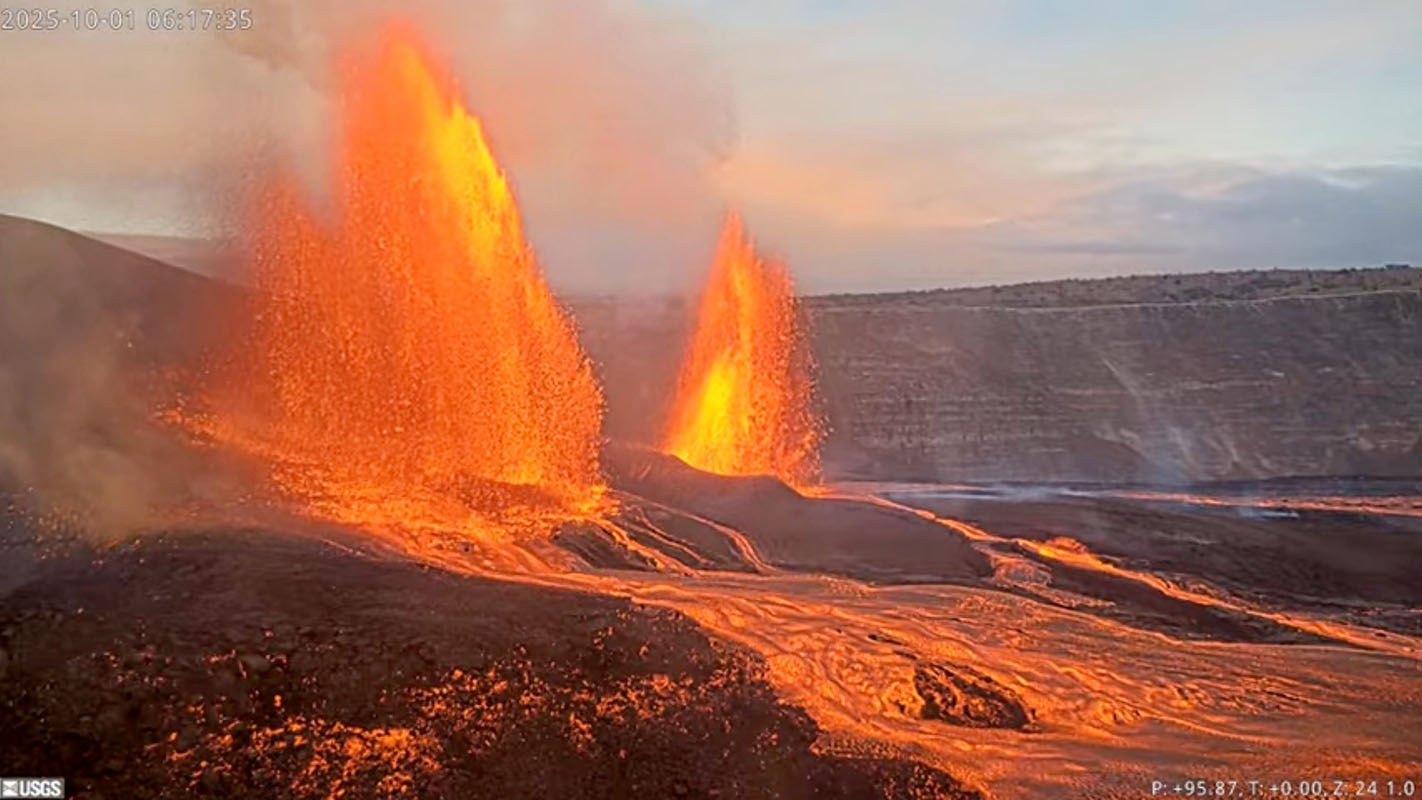
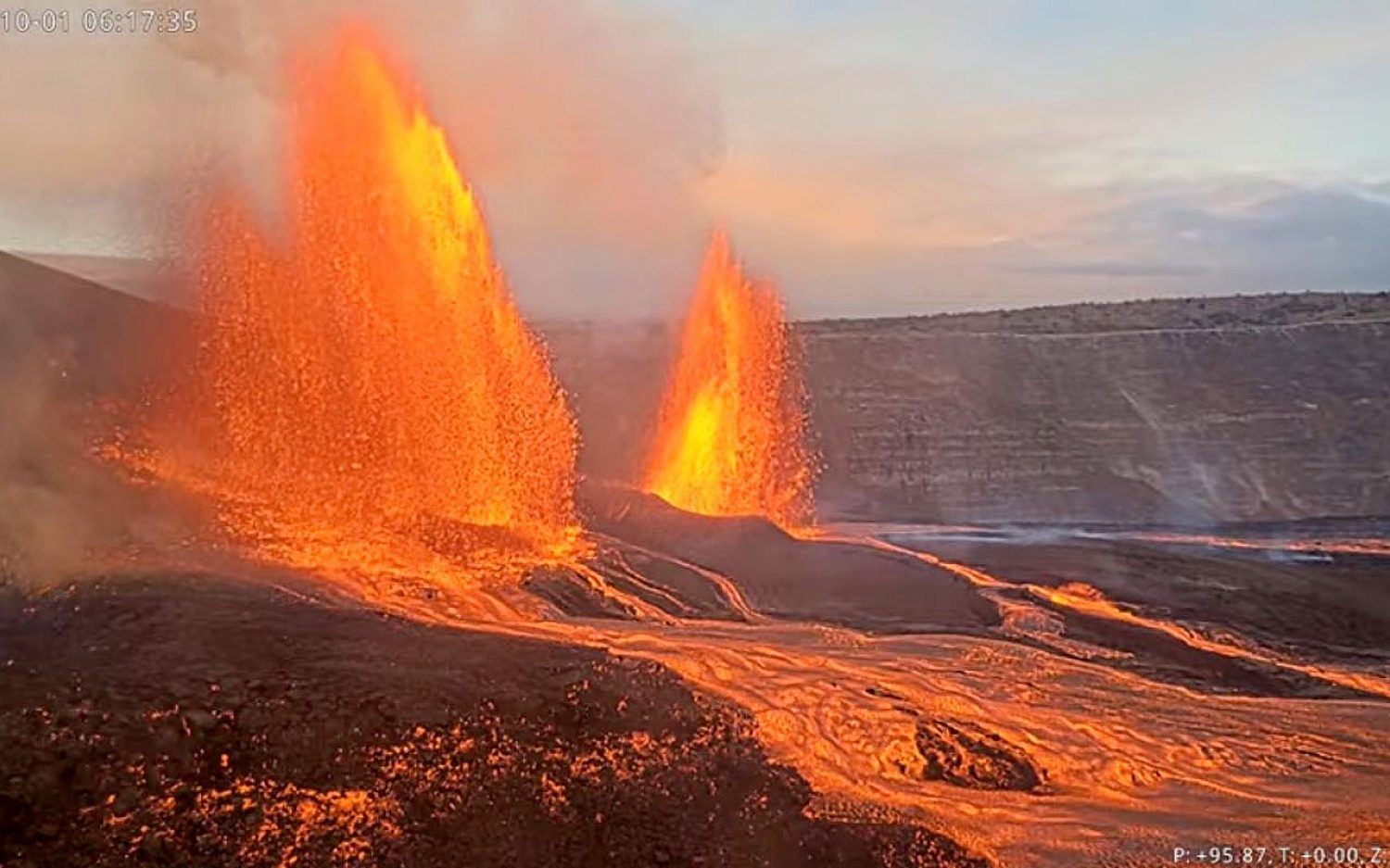
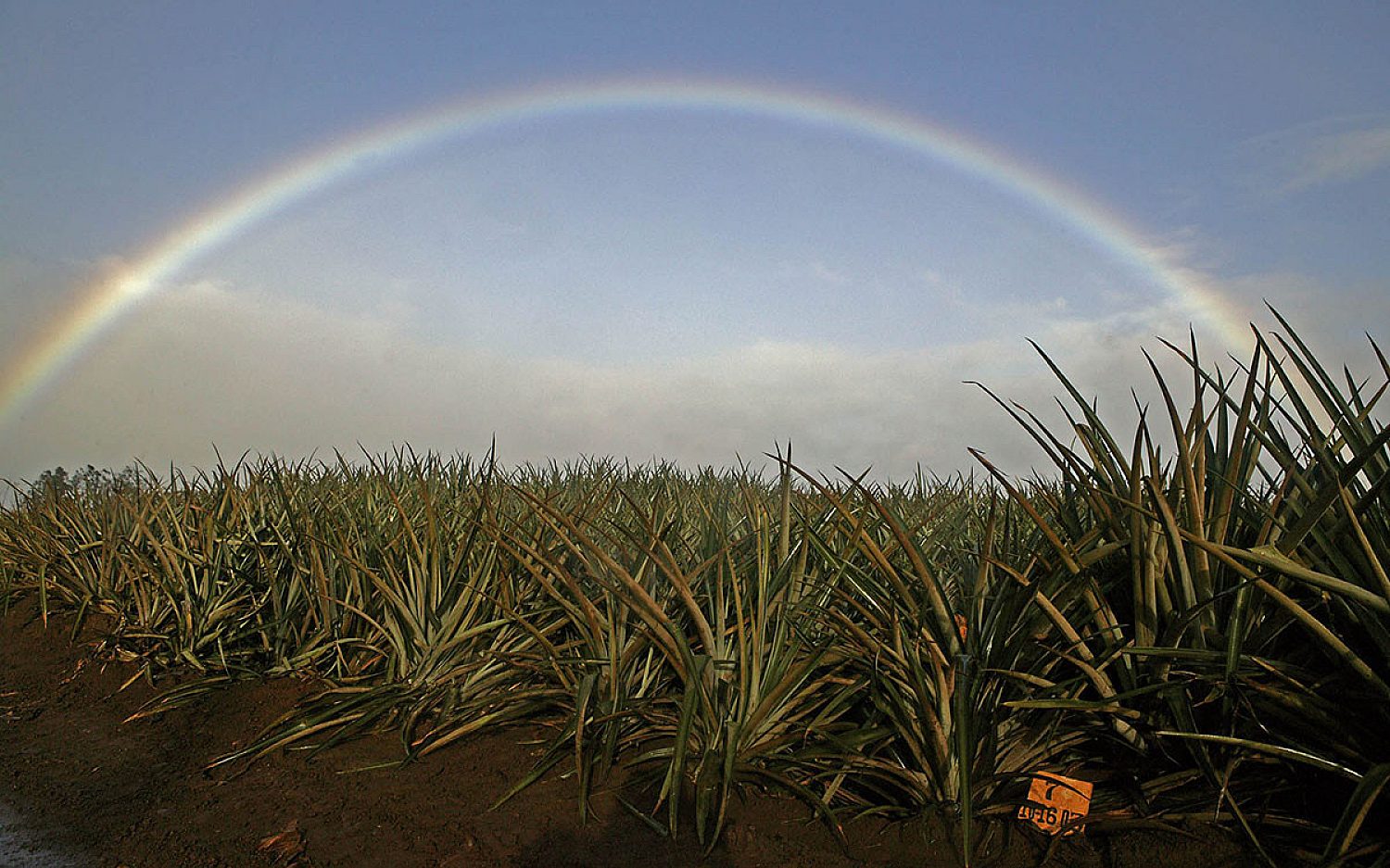
Hawaii is the 50th U.S. state. It is actually a group of islands—volcanic islands. (Mount Kilauea, one of the state’s 15 volcanos, still regularly spews lava. Lava hardens, making new land. The state grows by more than 40 acres each year.) Volcanic ash makes Hawaiian soil rich. Urban Honolulu has up to 10,000 acres of usable land for growing food.
People from the Kaulunani project hope even more money will go toward urban forests. To them, the math is clear.