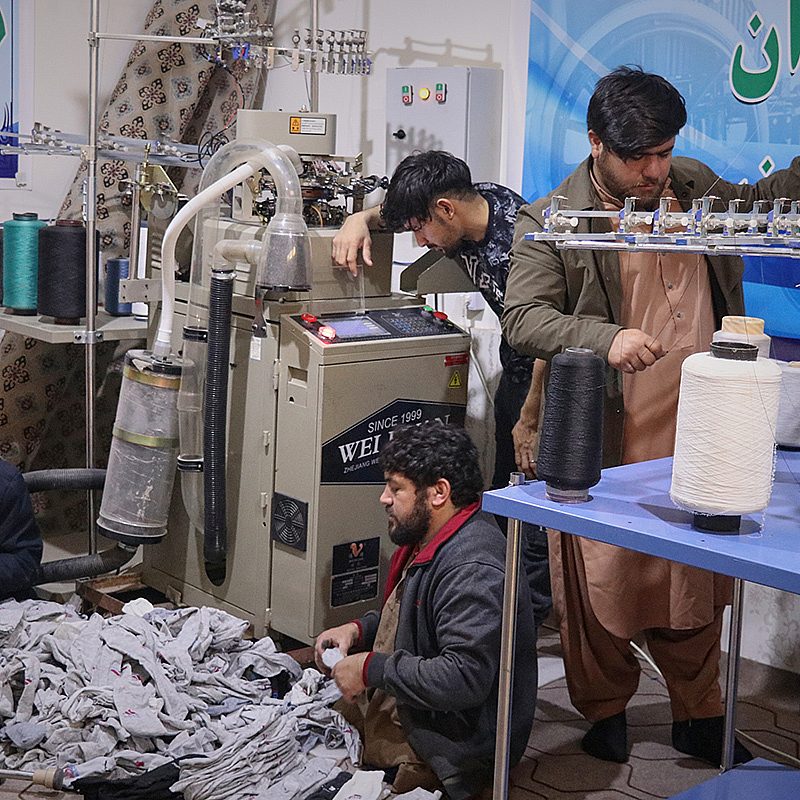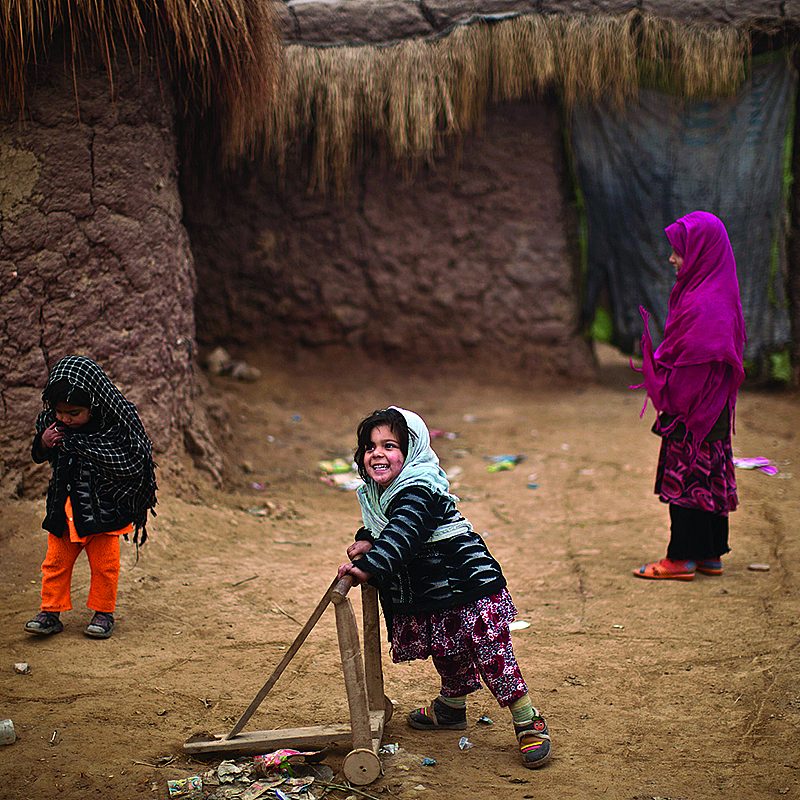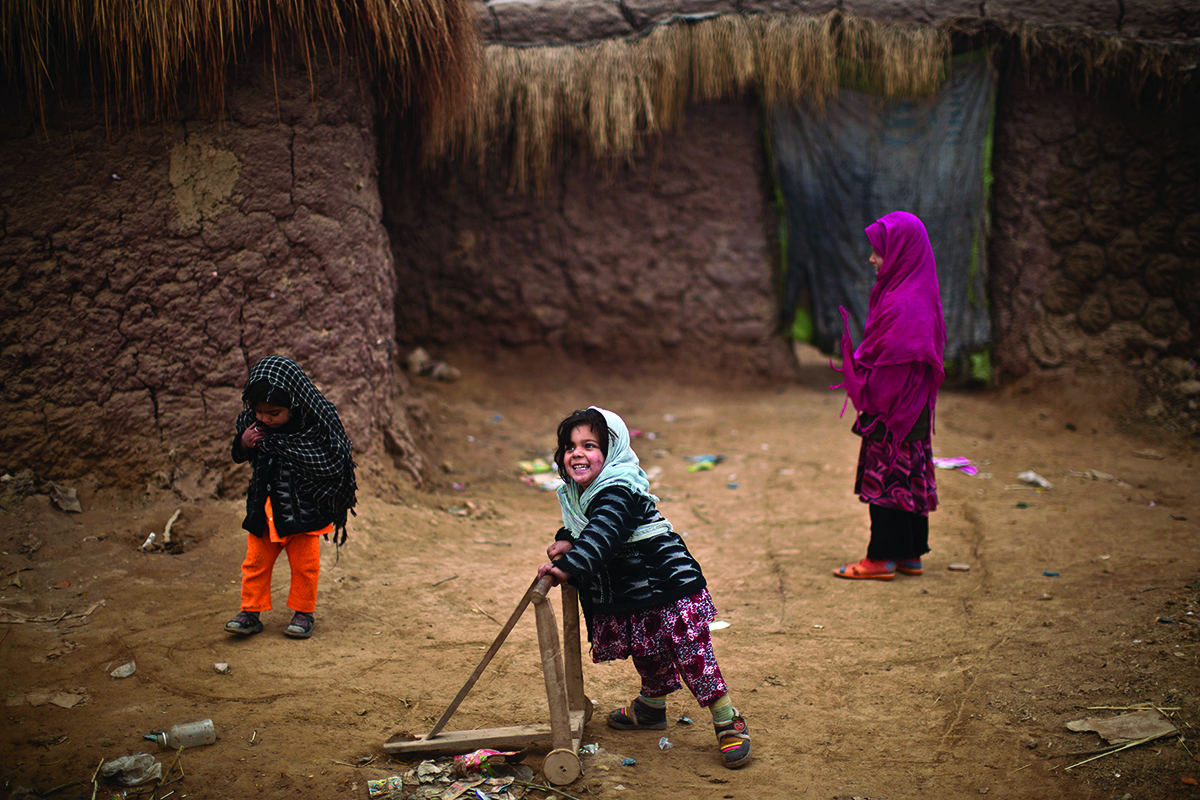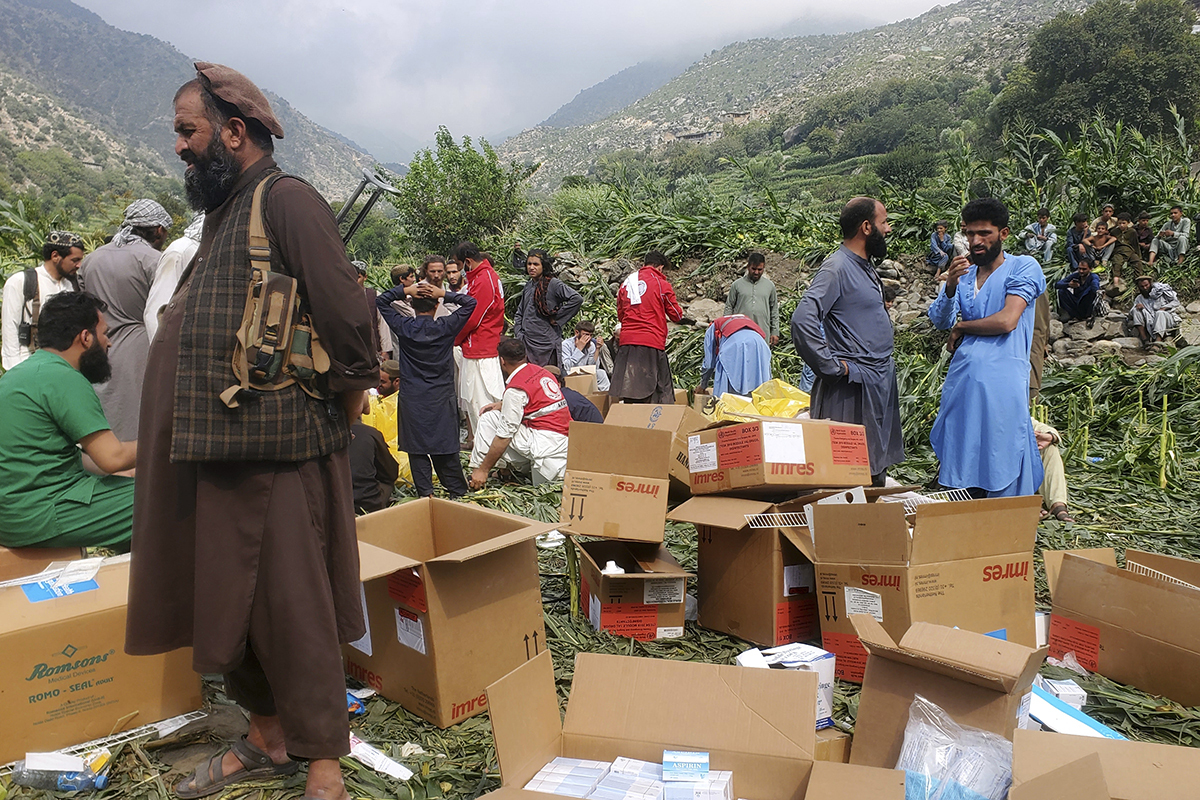
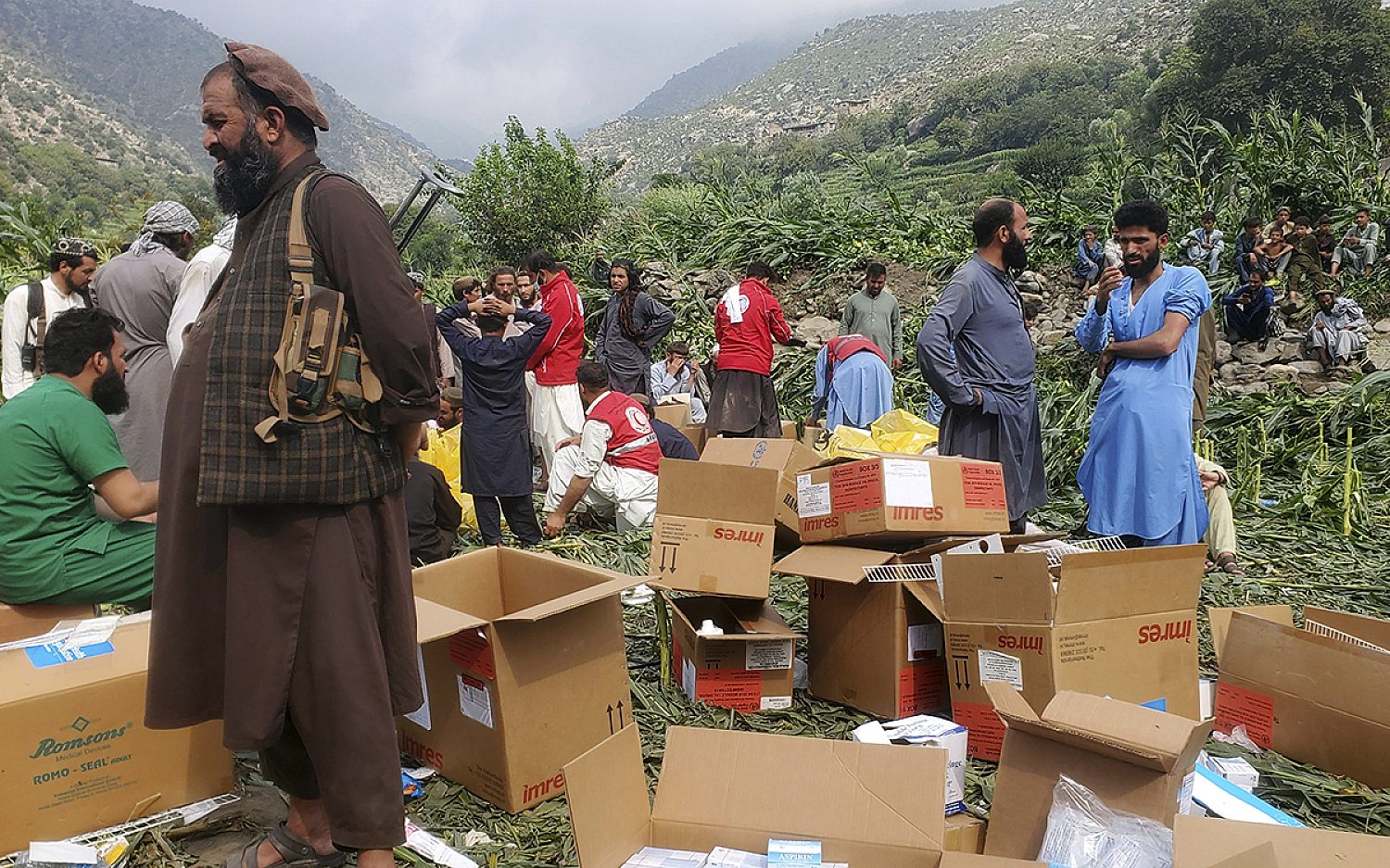

Imagine 100 adults in Afghanistan in a row. About 14 of these will have a severe disability. That’s a lot! Even more have milder disabilities.
The United Nations (UN) has a department that helps these folks. It’s called the UN Assistance Mission in Afghanistan. Representatives from that group say this: “Persons with disabilities must not be treated as an afterthought; they must be fully integrated into every stage of planning, decision-making, and service delivery.”
Integrated means added in. The UN Assistance Mission wants disabled people to be added in as deciders when choices are made.
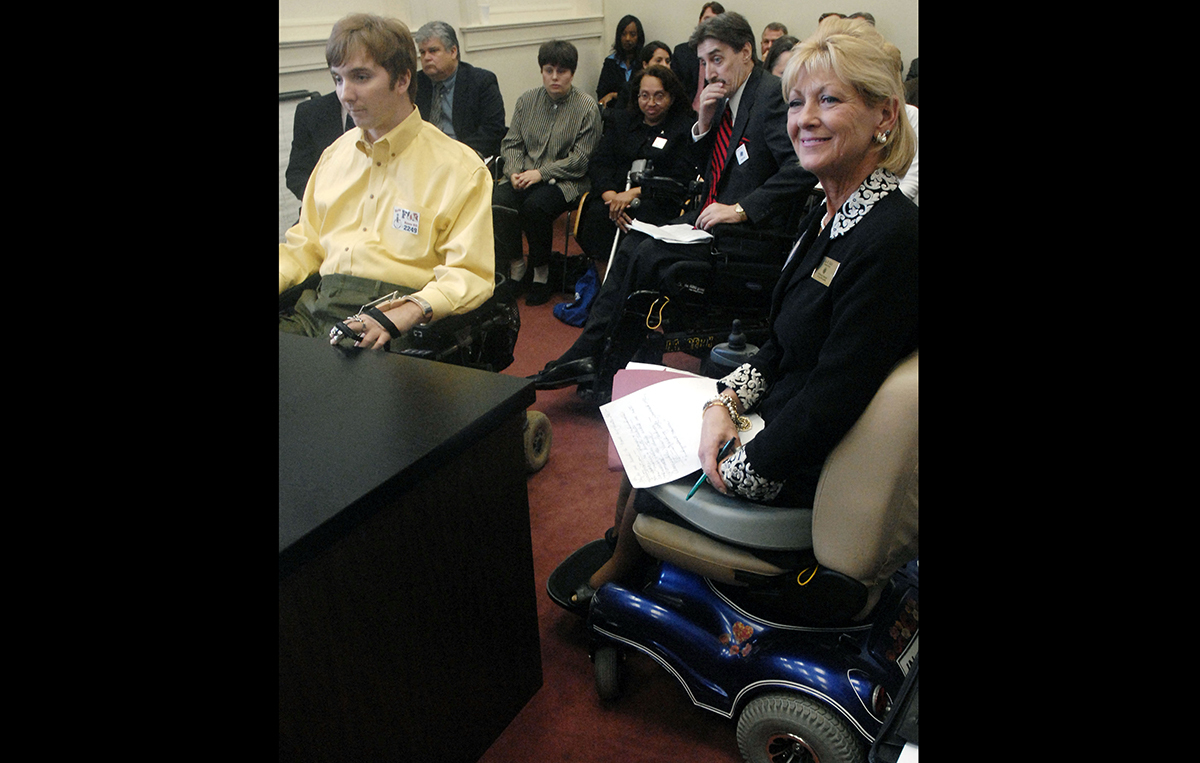
Here’s why. Who might know best how to help a person with disabilities? A person with disabilities! Mr. Amiri understands what people with disabilities need. Many polio survivors suffer joint pain and muscle weakness.
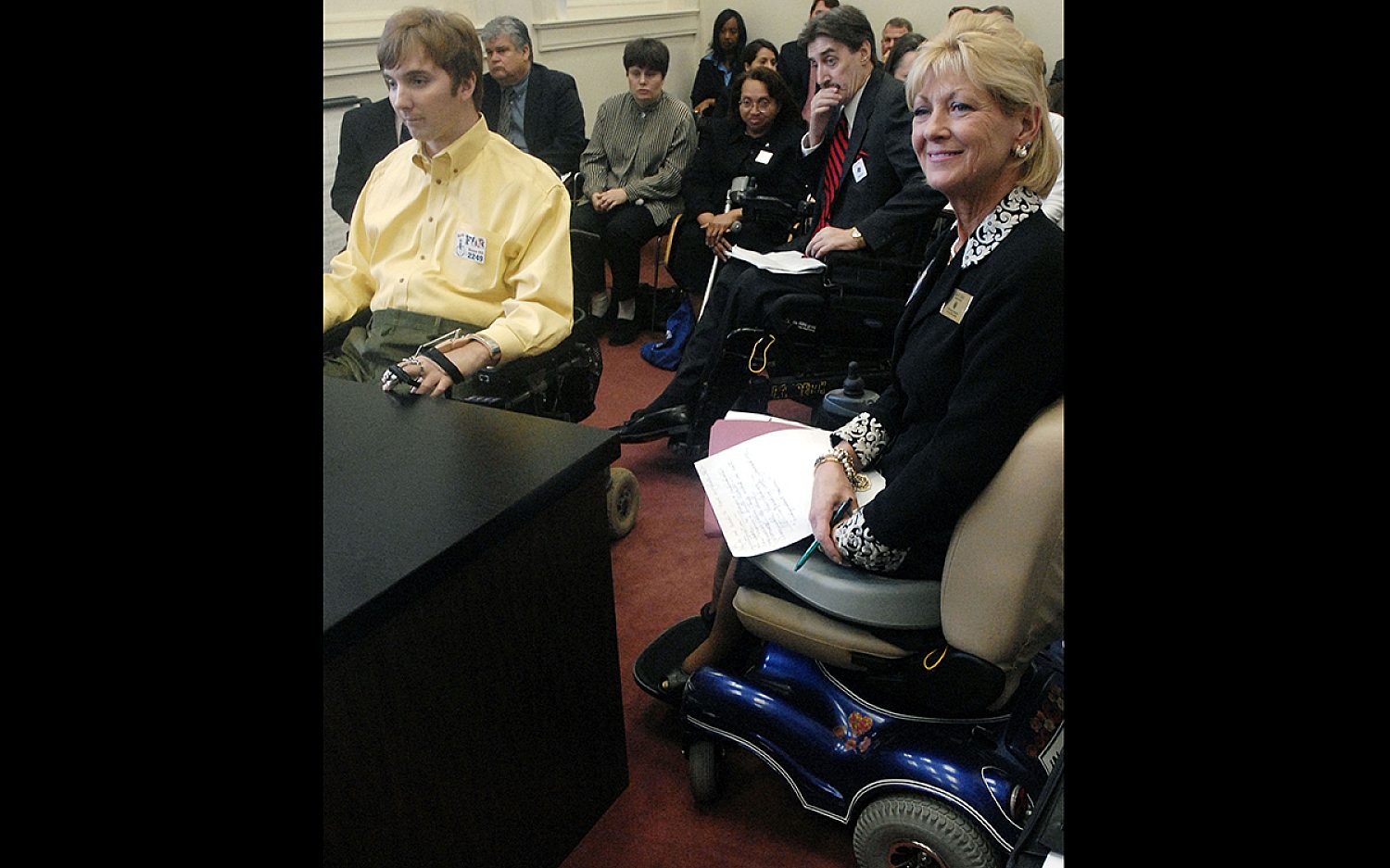
In disability communities, people often share this motto: “Nothing about us without us.” Good policies and programs can help disabled people live well. But disabled people should be included in the process.
The Bible says that we have a great sympathizer—Jesus. He has been where we are. He lived on Earth, like us. He knows what it’s like to fall and scrape a knee, be tempted to sin, get hungry, and even die. He knows exactly how to help in every way.
For we do not have a high priest who is unable to sympathize with our weaknesses, but one who in every respect has been tempted as we are, yet without sin. — Hebrews 4:15
Recommended Reading: For more about the contributions of people with special needs, read Fanny Crosby by Lucille Travis.