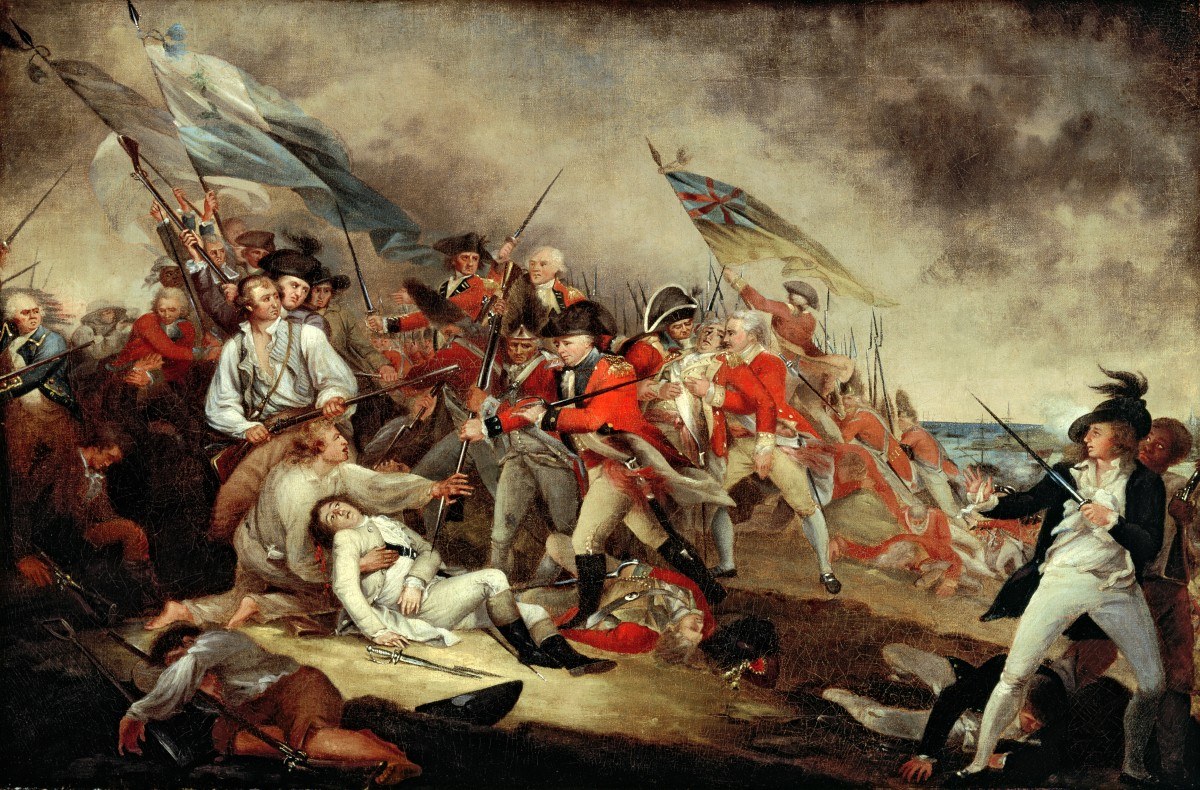

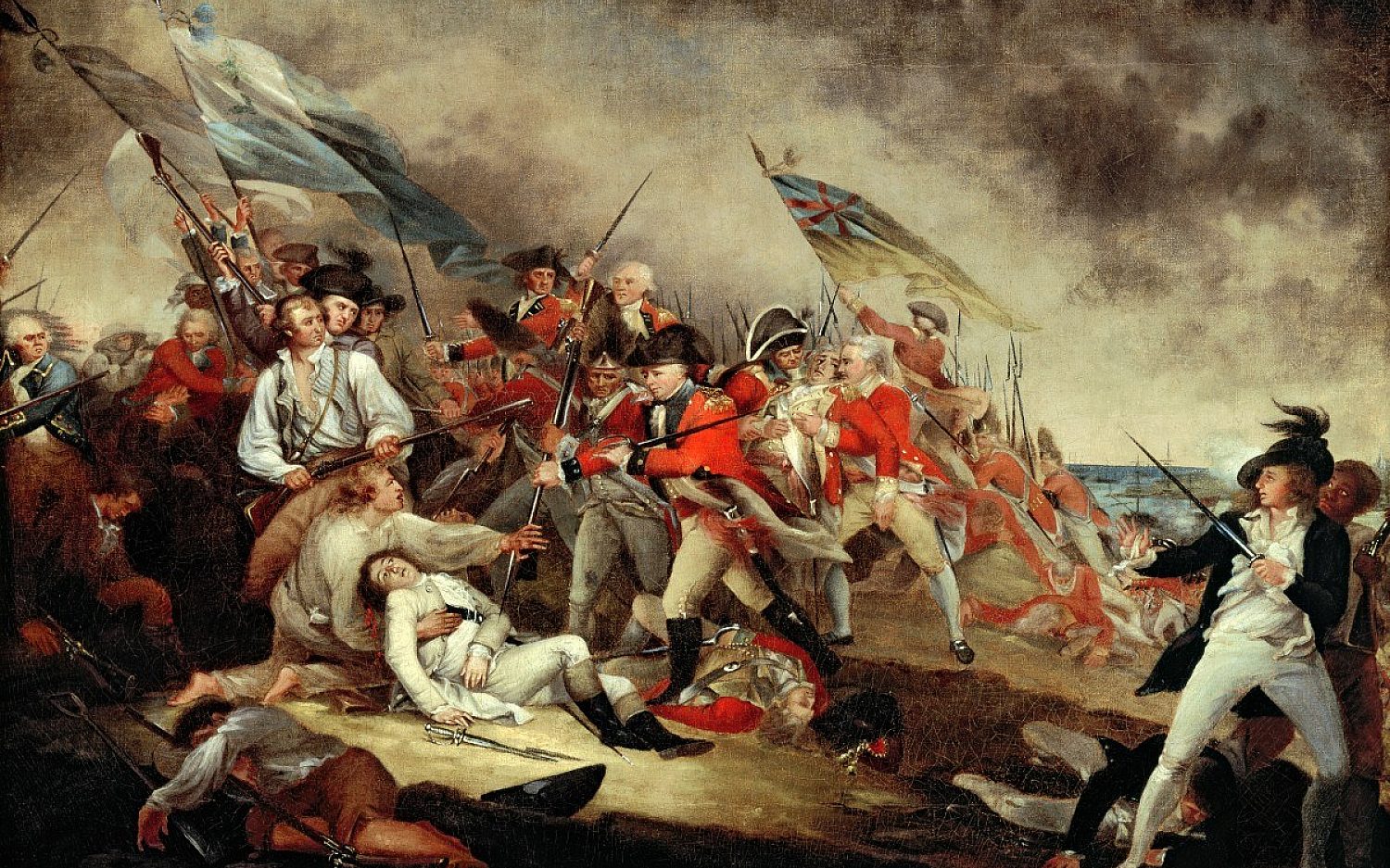
So . . . about the Battle of Bunker Hill. The fight ended with American rebels retreating. But many still think of the battle as an American victory. More than 1,000 Brits died. And since the Brits didn’t exactly win, Americans came away from the battle believing they had a chance to triumph in the war. (Which turned out to be true.)
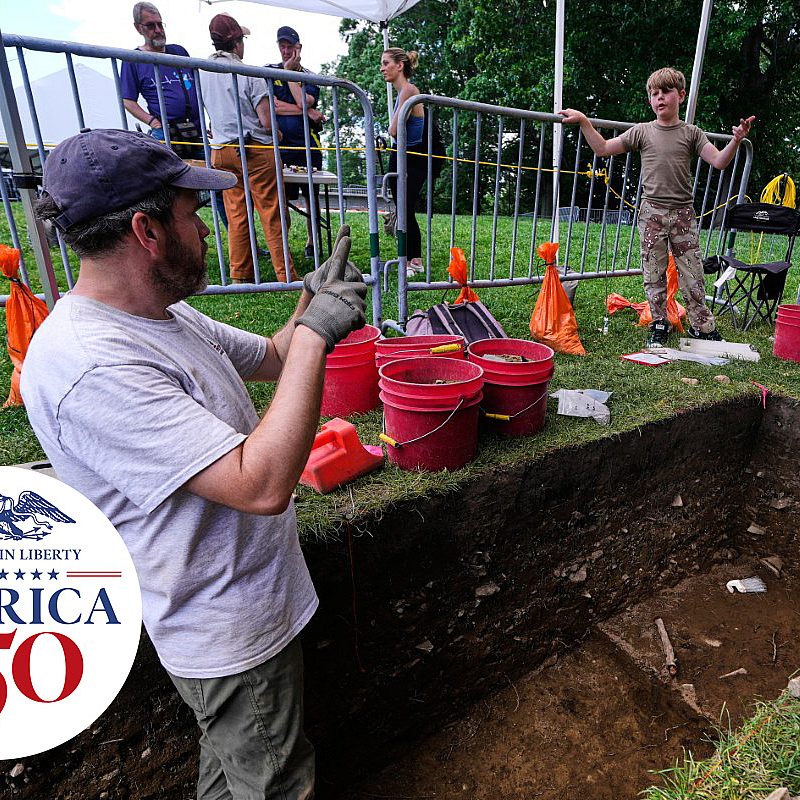
Joel Bohy is a battlefield archaeologist. His specialty? Identifying weapons from the American Revolution. He marvels at what people pull from the dirt.
One volunteer holds two jagged stones. The gray one is an English gun flint. The beige one is a French gun flint. In the war, when someone pulled the musket trigger, a bit of flint struck the steel. That made sparks. They lit the gunpowder on fire. BOOM!
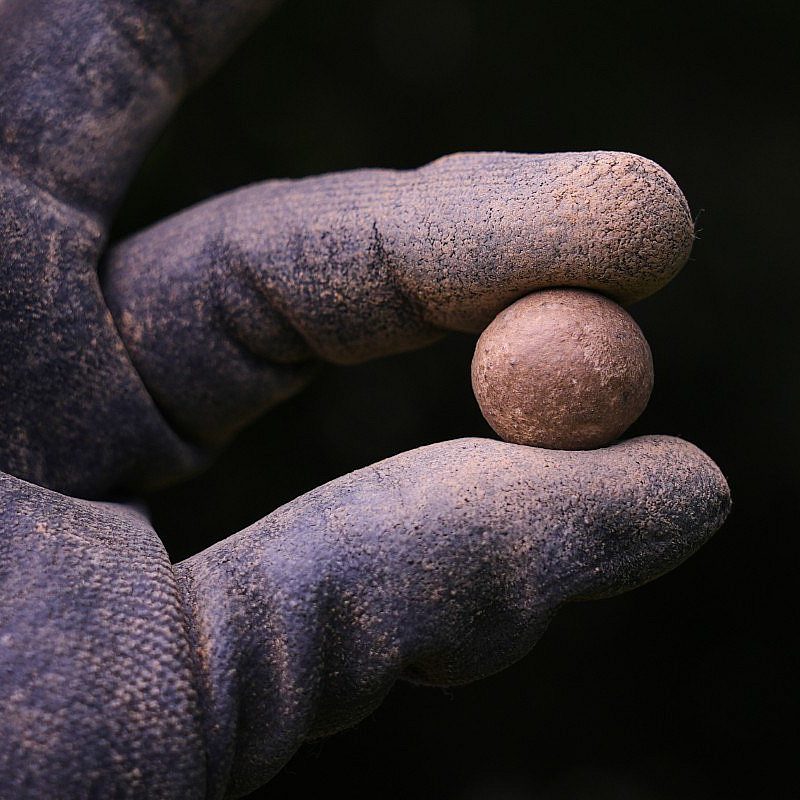
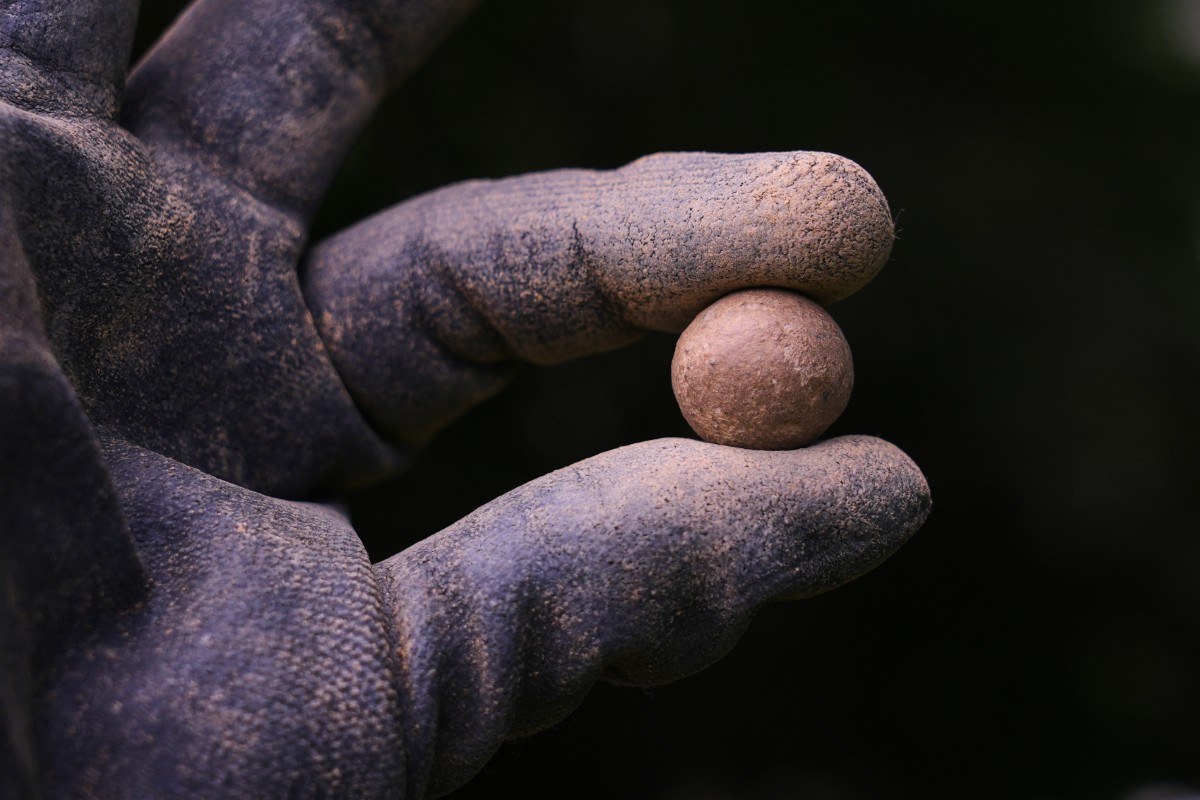
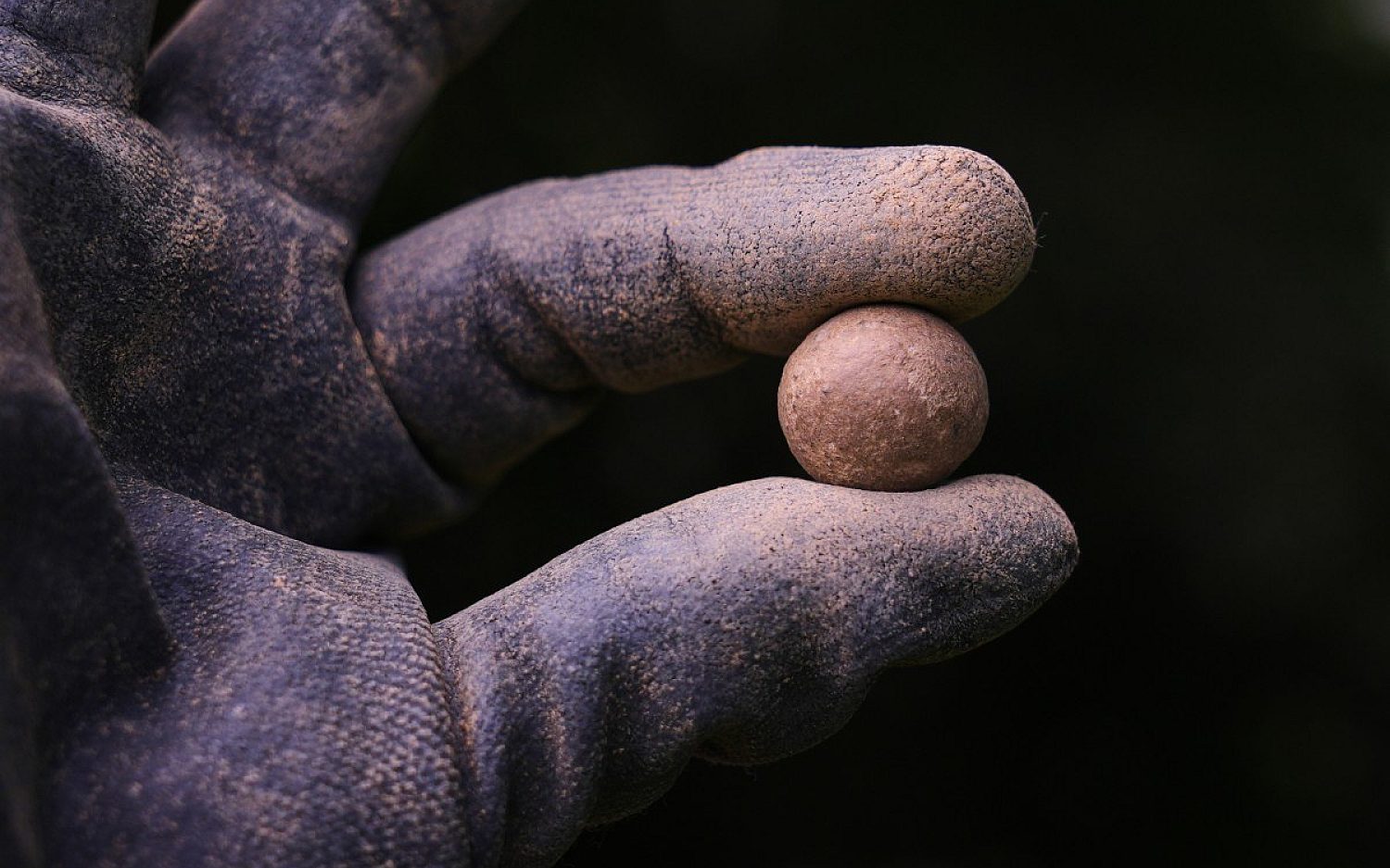
Diggers also found eight marble-sized musket balls from both sides in the battle. The balls were fired from a distance. But they didn’t hit anyone. If they had, they would be deformed.
But What Did They Wear?
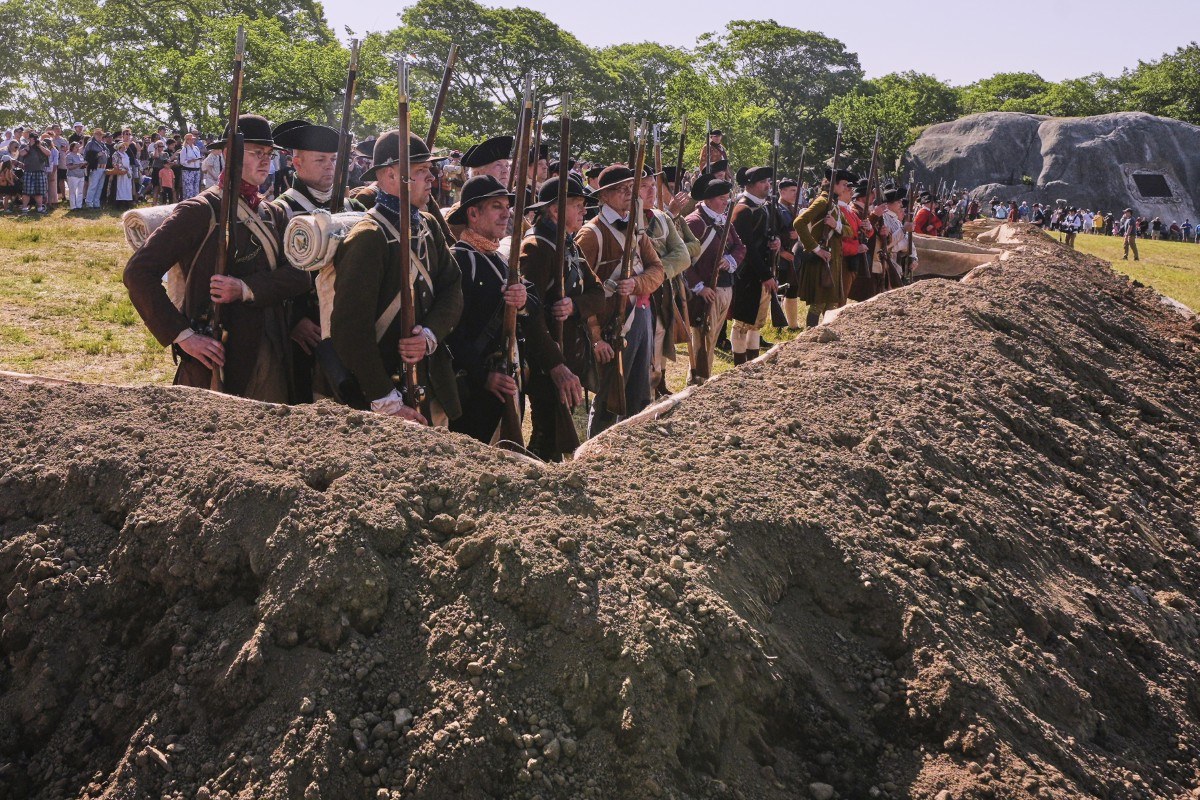
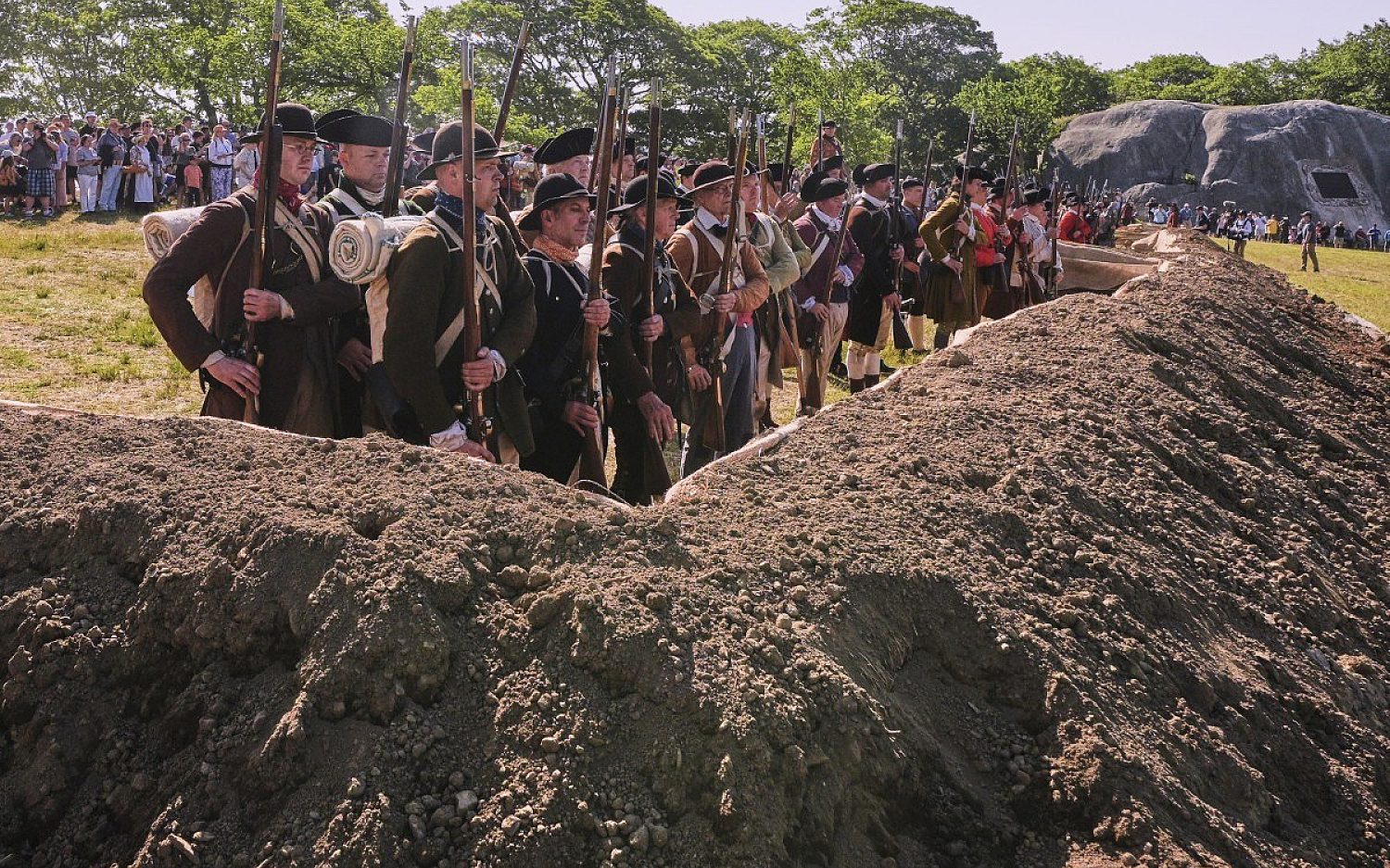
At the beginning of the war, American Continental soldiers just wore regular, civilian clothes in many colors. The army faced shortages of ammunition, food, and clothes.
When they were available, uniforms* for Continental soldiers may have included:
- black, three-cornered hats
- long-sleeved hunting shirts
- waistcoats
- brown or cream-colored breeches
- leather shoes.
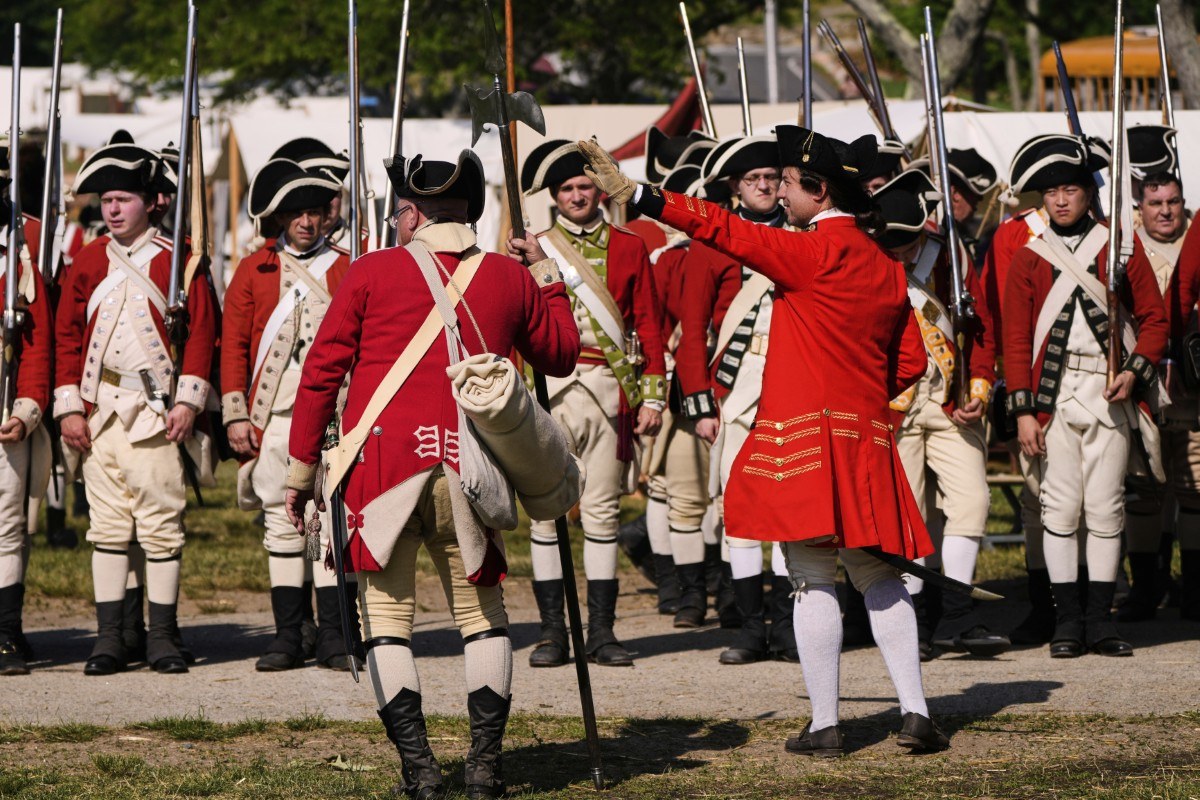
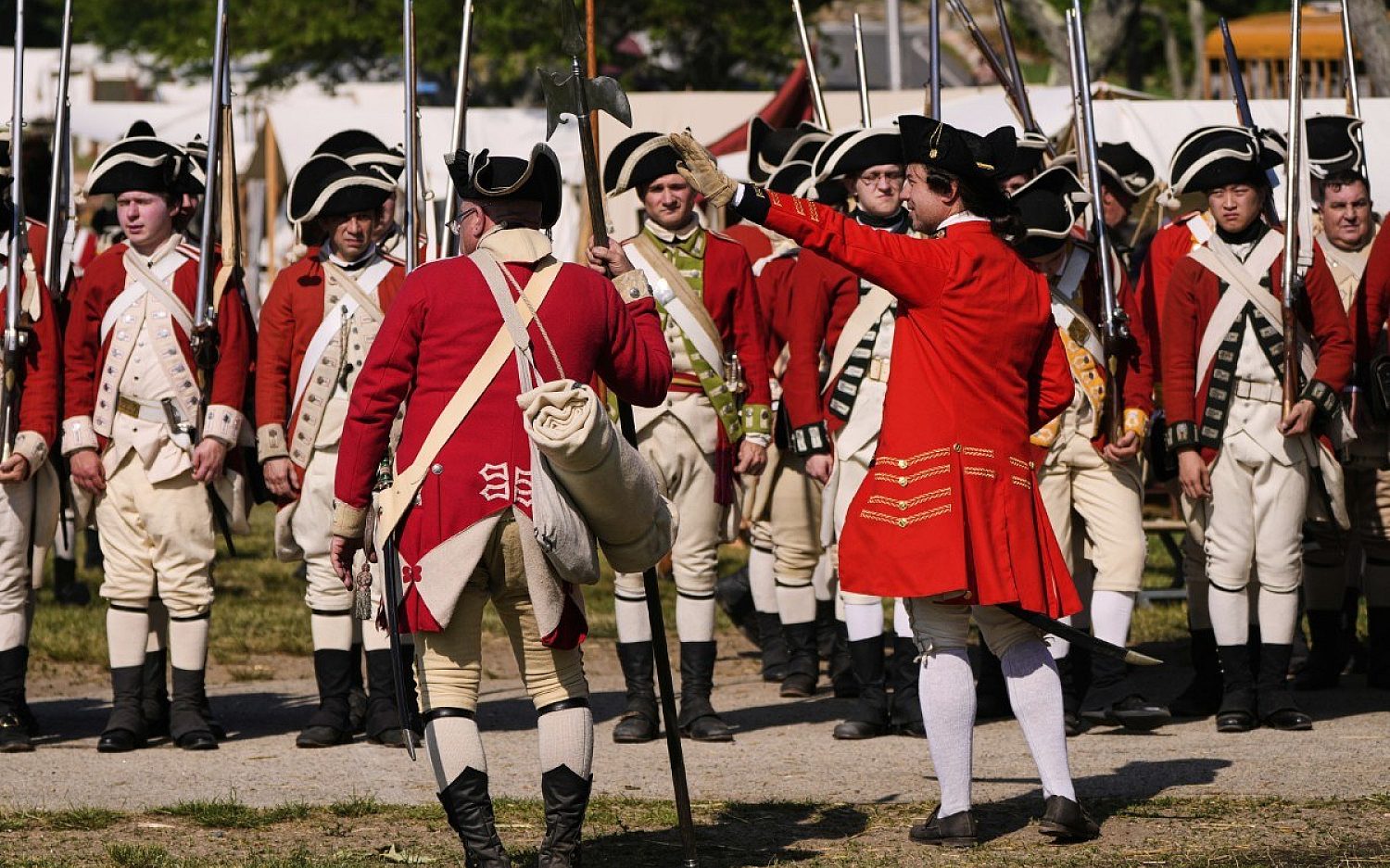
Brits, on the other hand, had a rigid plan for their matching uniforms. They included:
- black, three-cornered hats
- long-sleeved shirts with stiff collars
- bright red wool coats
- white or cream-colored breeches
- black leather shoes.
And what about wigs? Somebody at Bunker Hill must have worn a wig—because the archaeologists found a wig curler! Here’s the scoop. British military officers sometimes wore wigs—but only small ones. Big wigs were heavy, expensive, and often full of bugs!
*“Uniform” means “having one form,” or being all the same. So calling the Continental soldiers’ mismatched garb a “uniform” is a bit of a stretch.