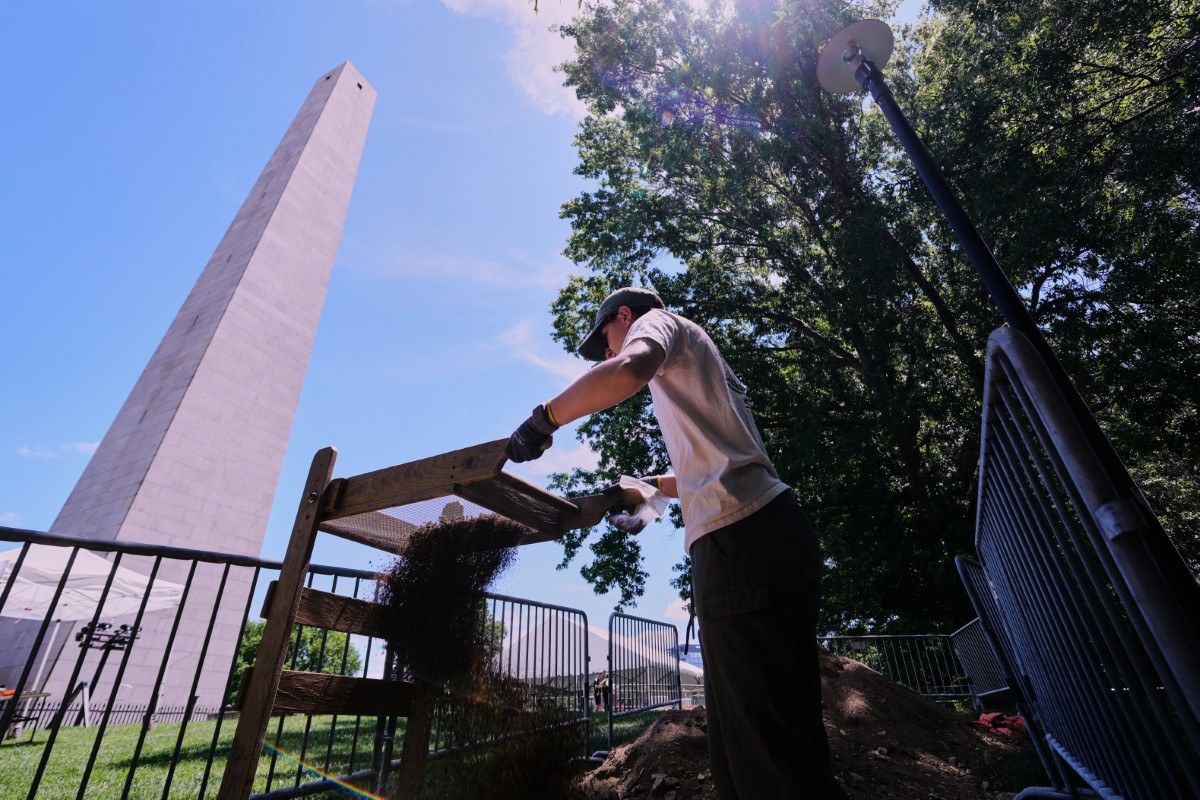

A kid eats a sandwich on the sloping lawn of the Bunker Hill Monument in Boston, Massachusetts. Her mom did the same when she was a kid. And so did her mom. Generations of Boston families have played and picnicked on the grassy spot. Turns out, bits of American history were buried just below their feet the whole time.
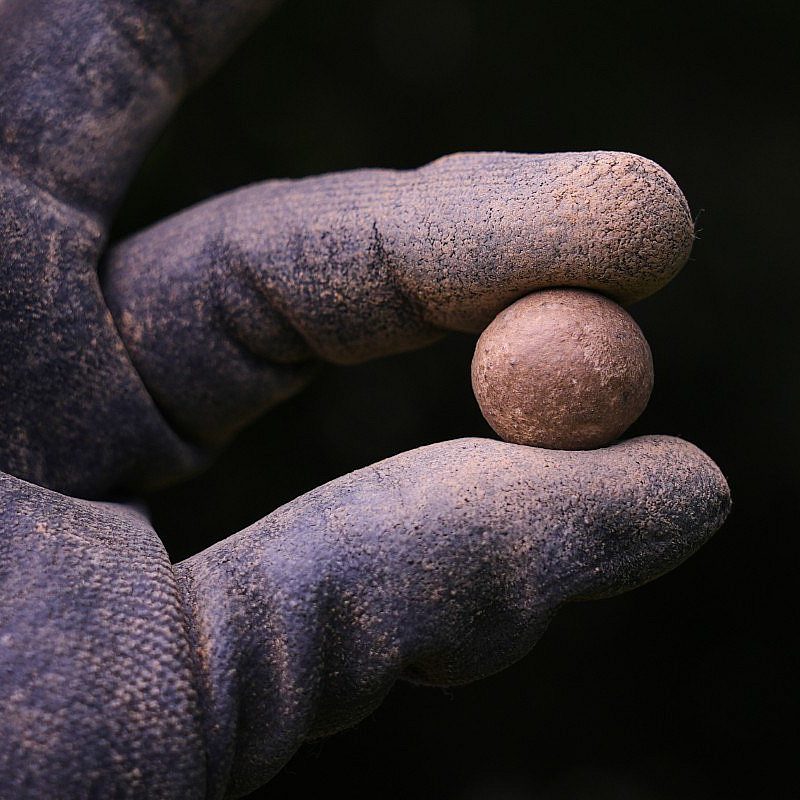
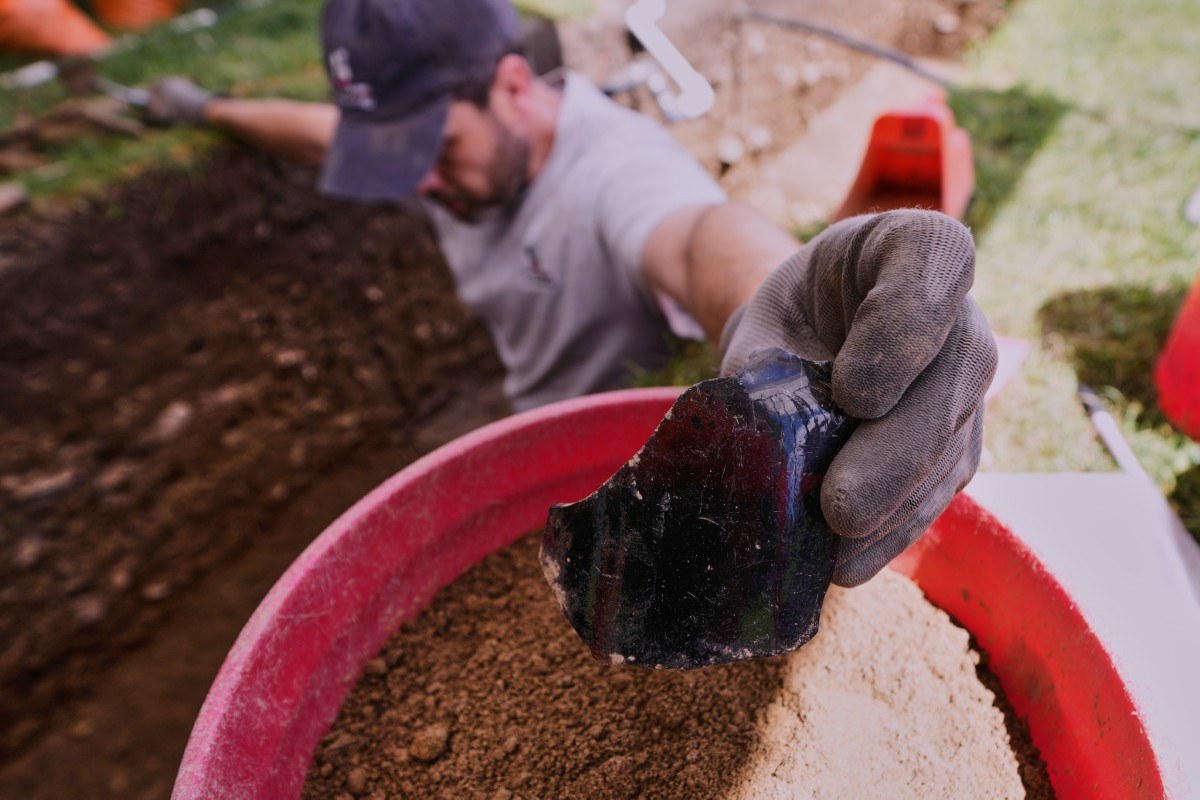
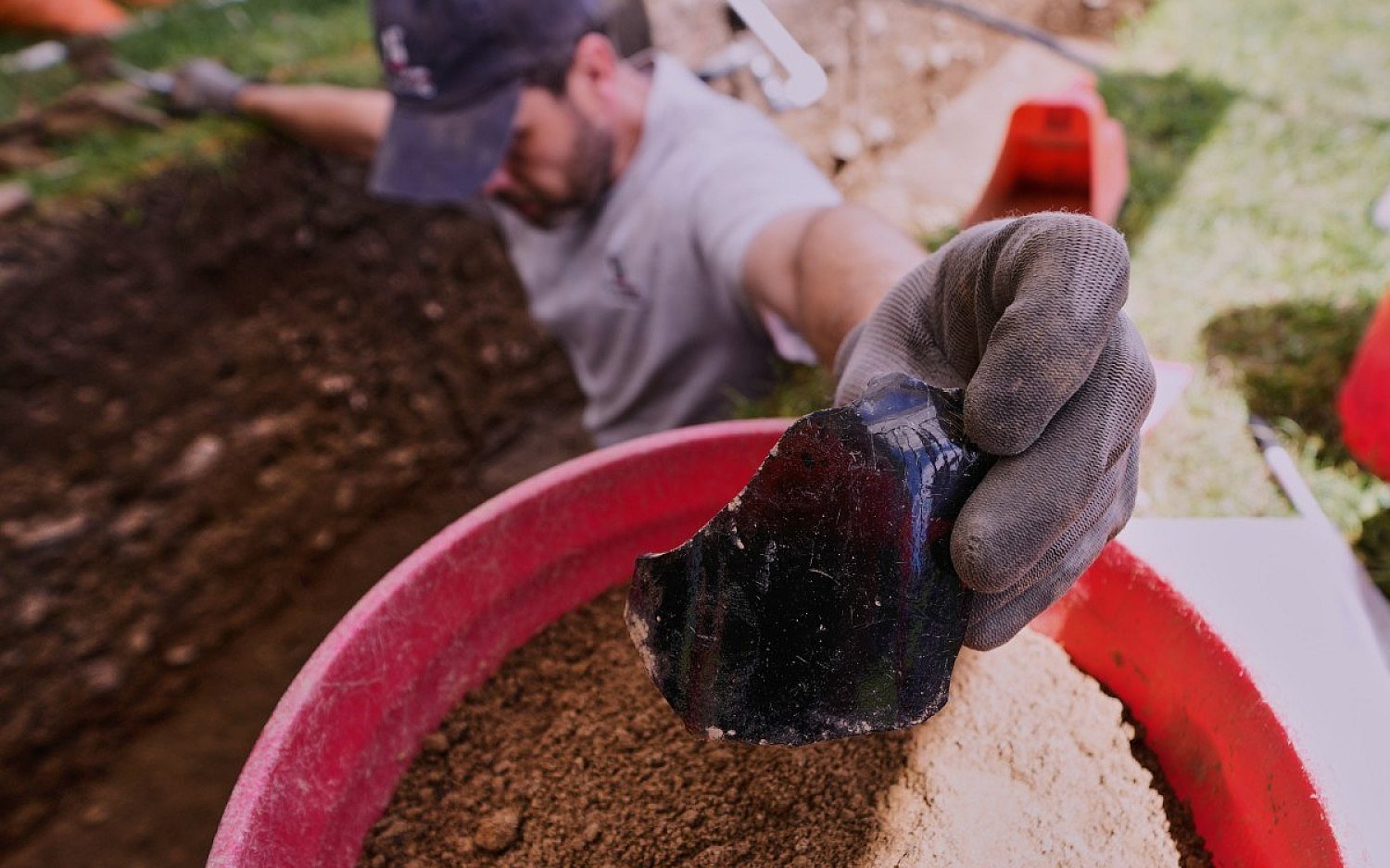
Musket balls. Tea cups. A wig curler.
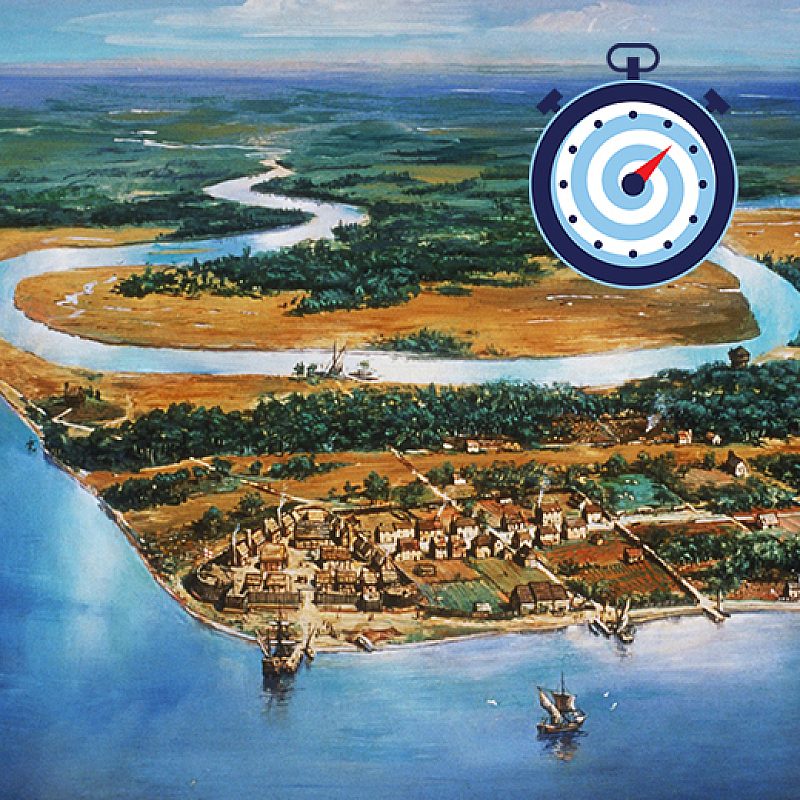
The Battle of Bunker Hill happened on June 17, 1775. It was one of the first major battles of the Revolutionary War.
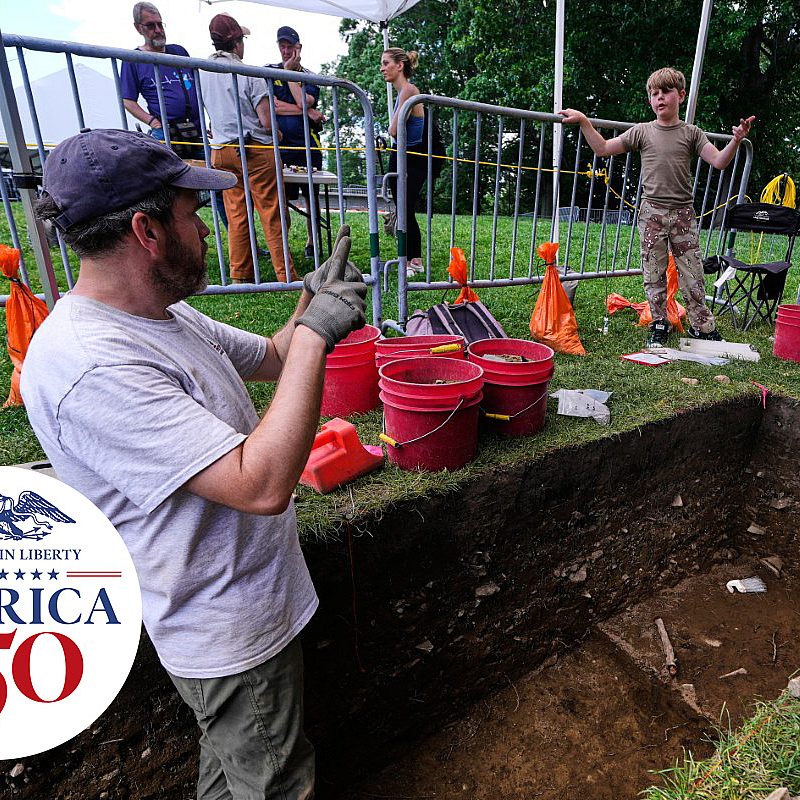
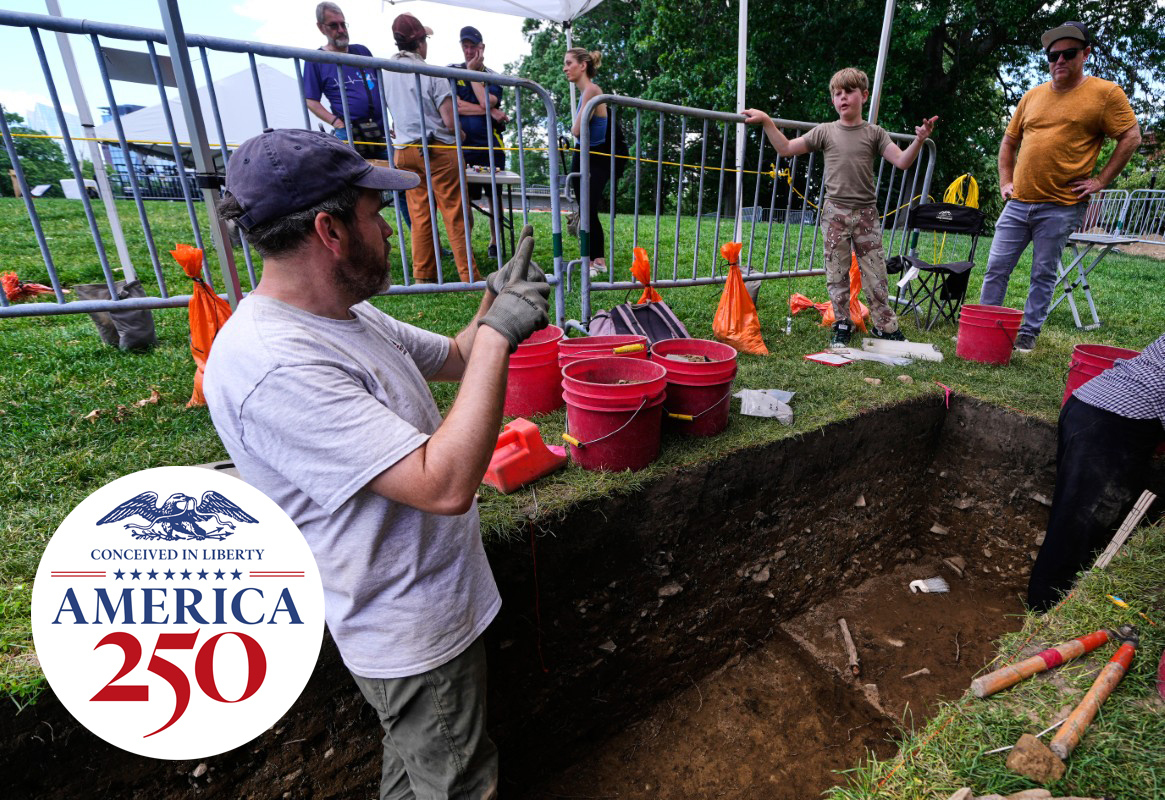
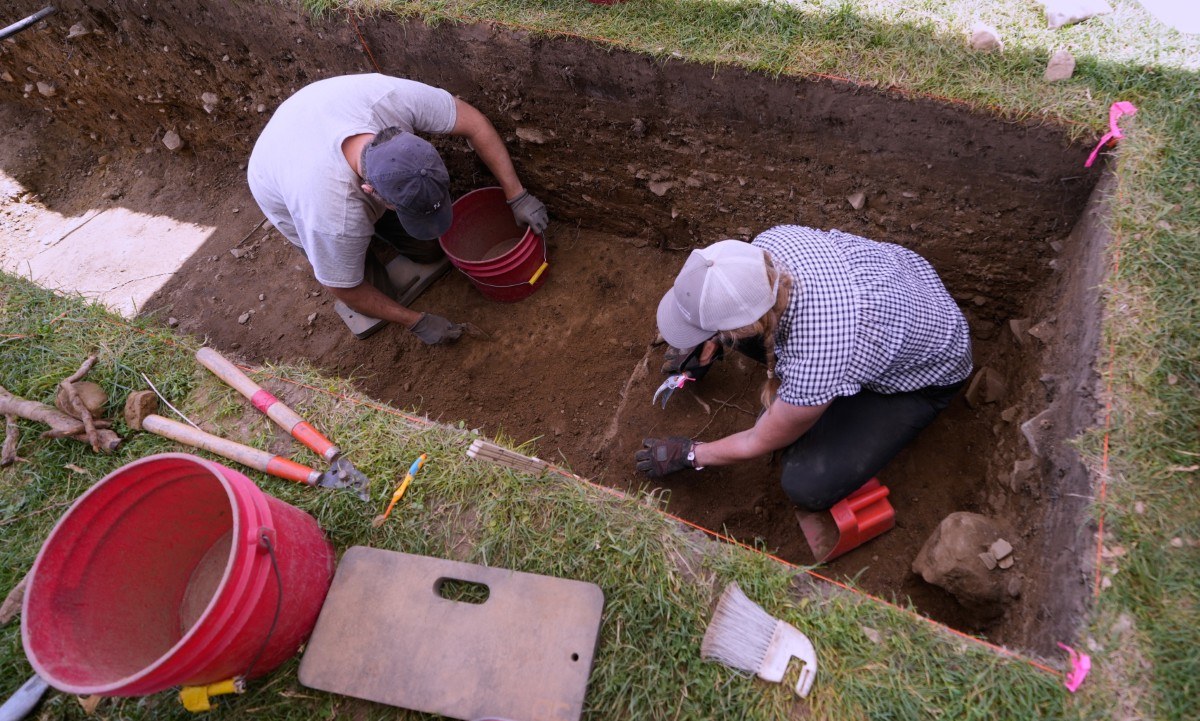
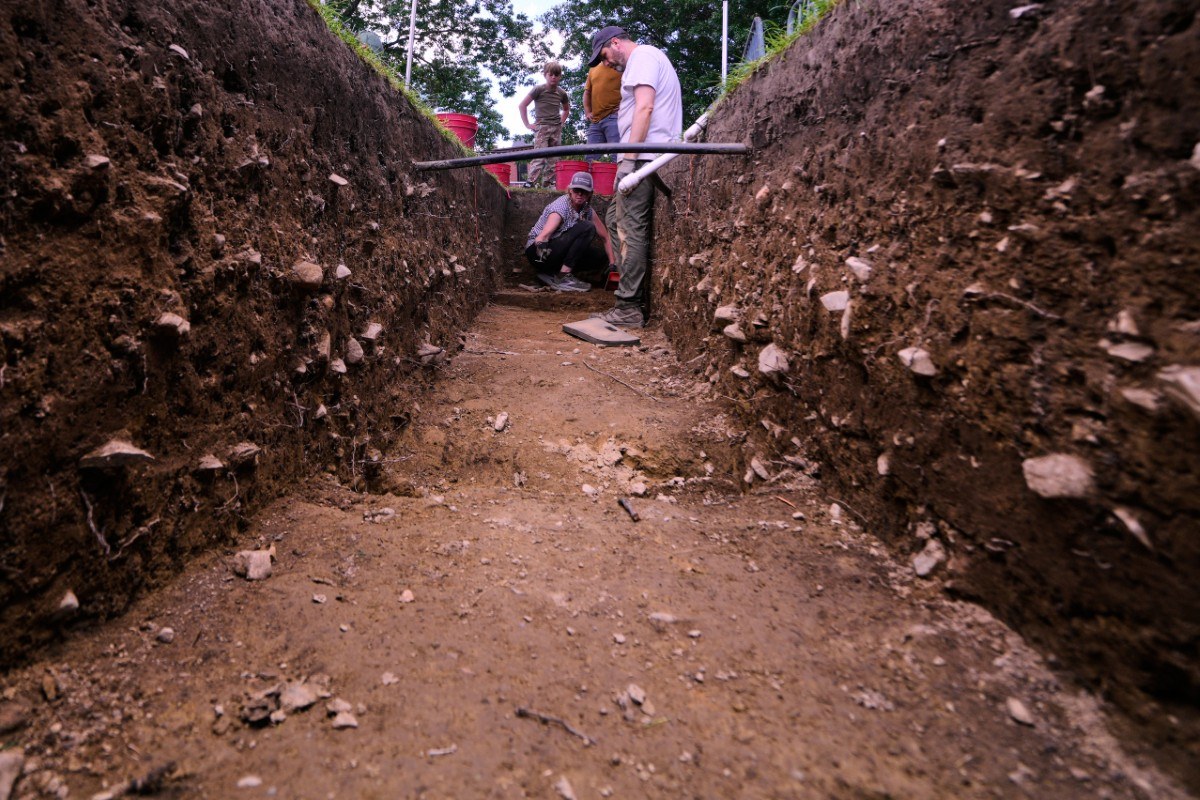
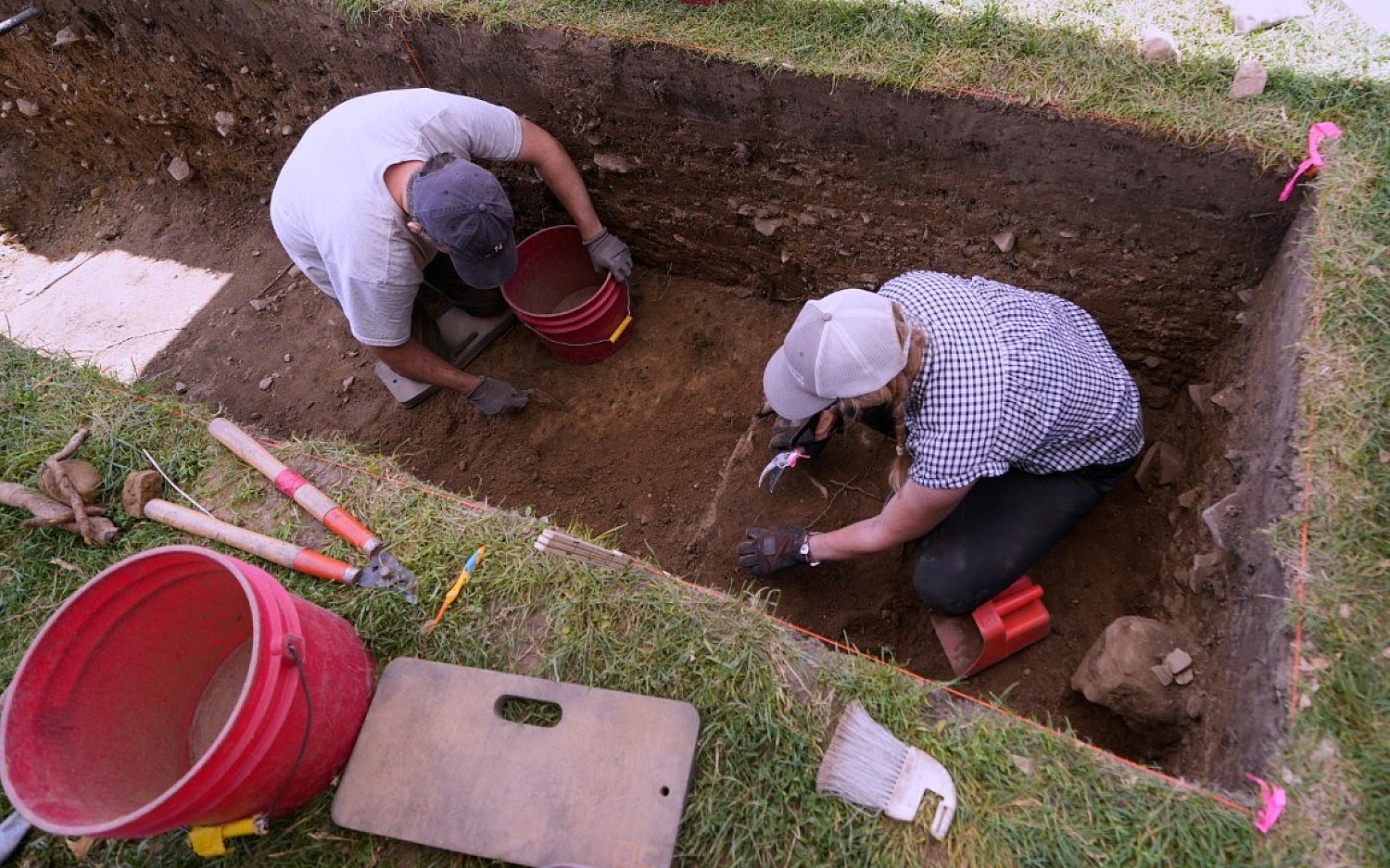
Archaeologists used a centuries-old map of this site. They started digging in the park—right where American patriots hastily built a fort from dirt to slow the advancing British.
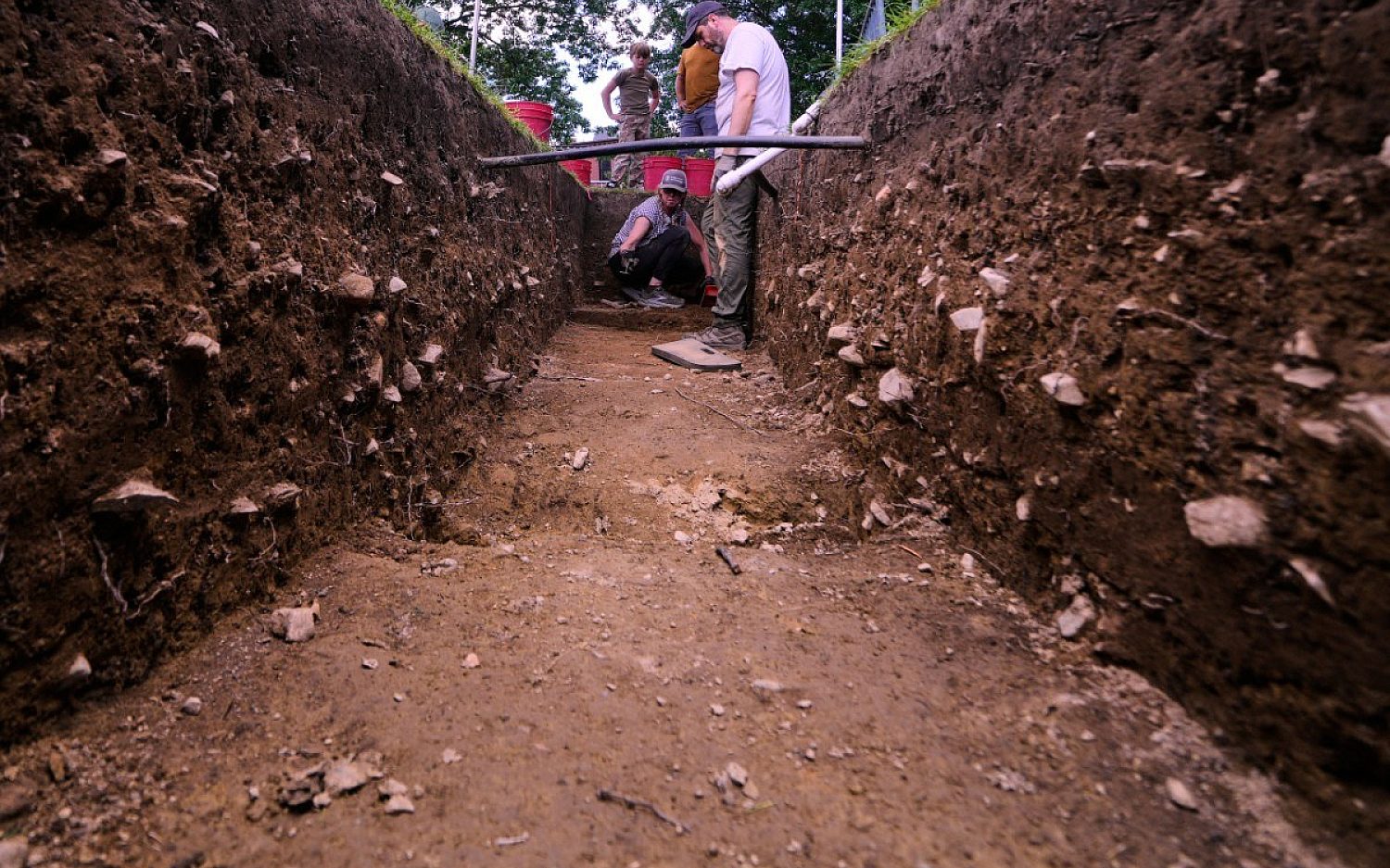
Joe Bagley is the city of Boston’s archaeologist. His team used radar to find a ditch built hours before the battle.
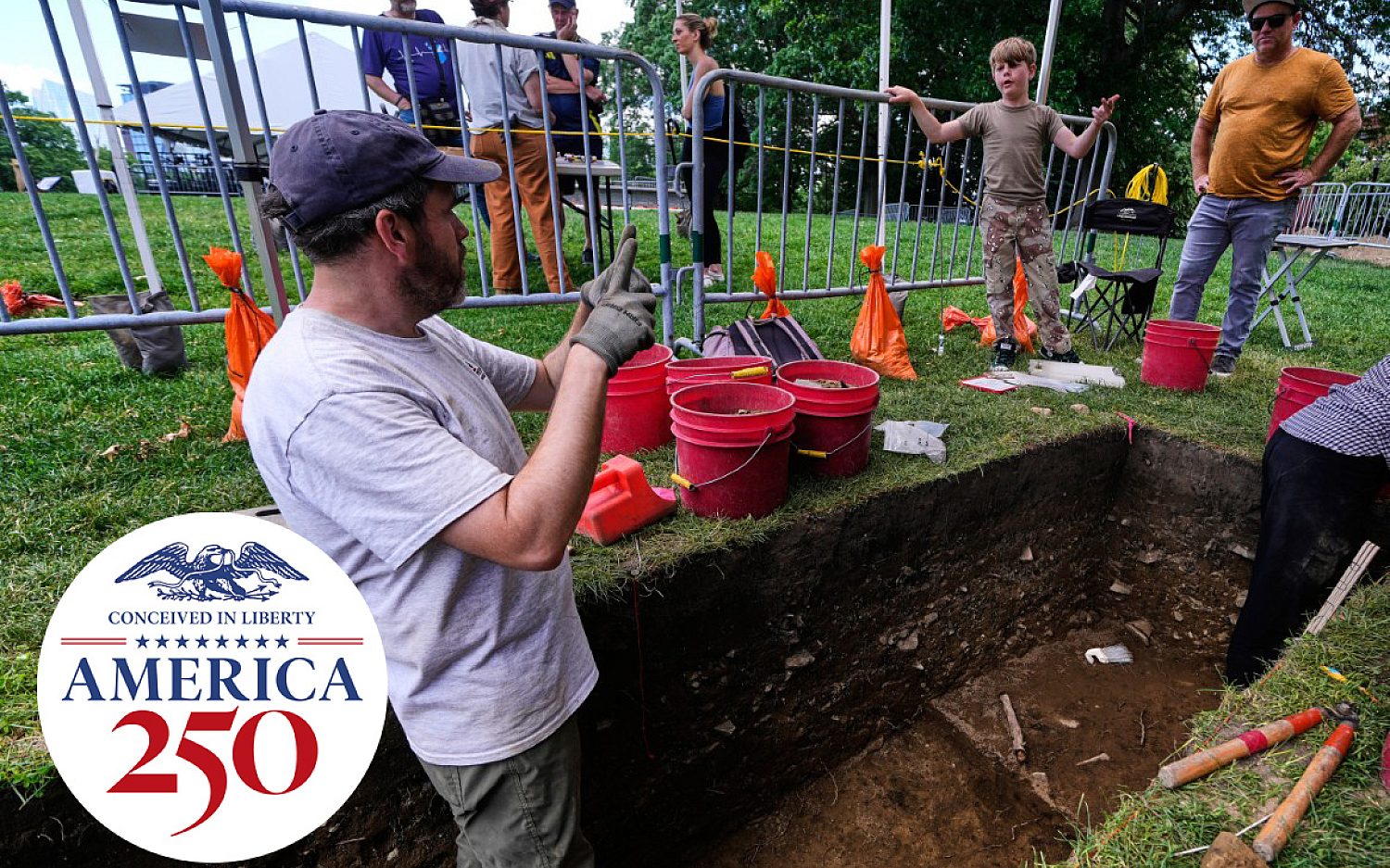
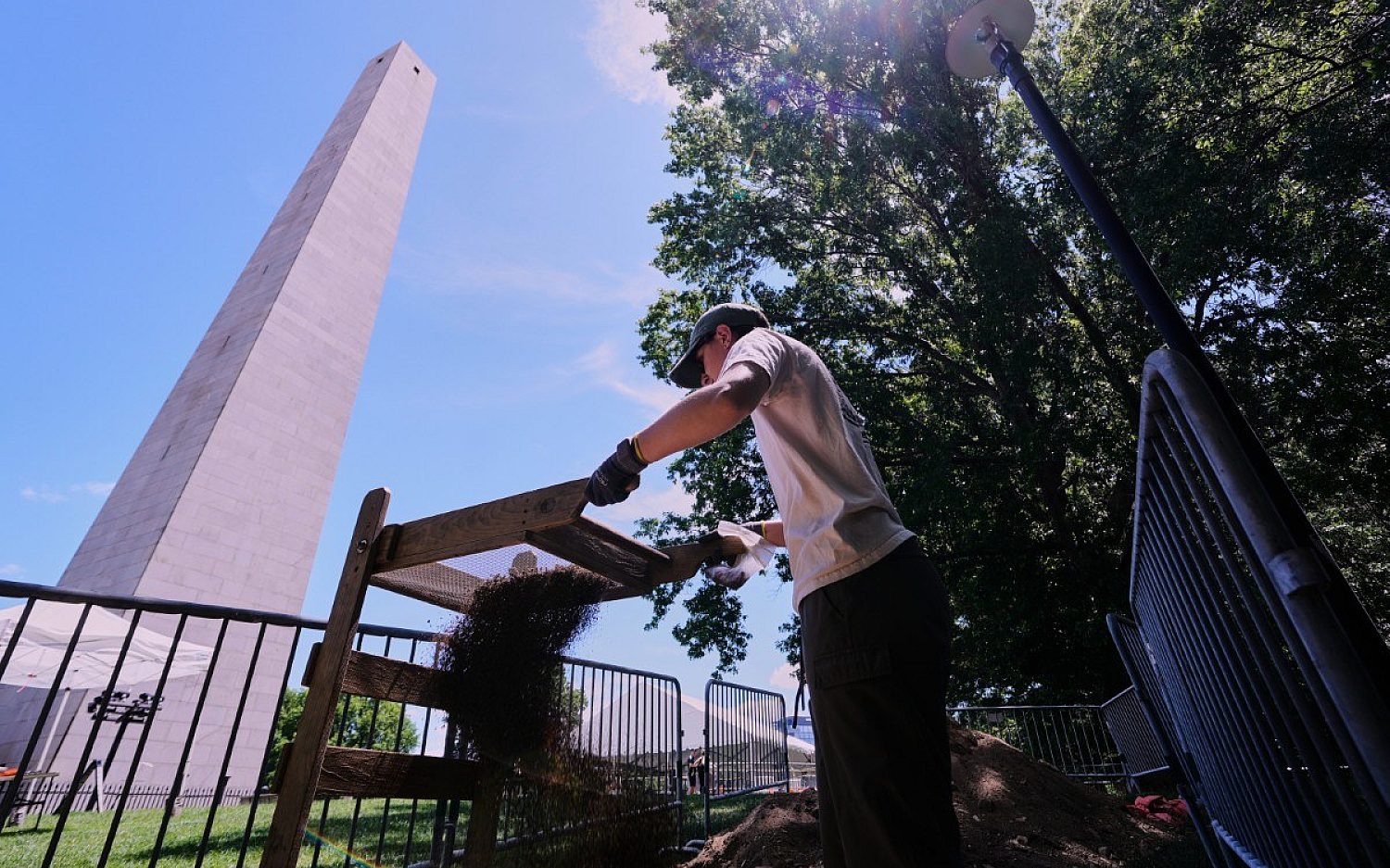
“The part that’s really crazy to me is that we get to stand in the same ditch,” he says. Workers moved the soil just four inches at a time. They put it into buckets and filtered it through screens. They bagged and identified any items they found.
So far, that includes:
- musket balls (bullets),
- part of a musket (gun),
- tea cups,
- tobacco pipes,
- sleeve buttons, and
- a wig curler.
The last four items likely belonged to British troops.
Nearly 1,500 soldiers died in the battle. But the archaeologists have so far found no human remains.
“Everything about the ditch is from 1775,” says Mr. Bagley. “It’s pretty powerful because these things are being dropped in the middle of the battle.”
Why? Archaeology helps reveal the story God is telling with the world.