
Next time you ride in a pickup truck, ask yourself: Does this machine feel like a very, very cool tool?
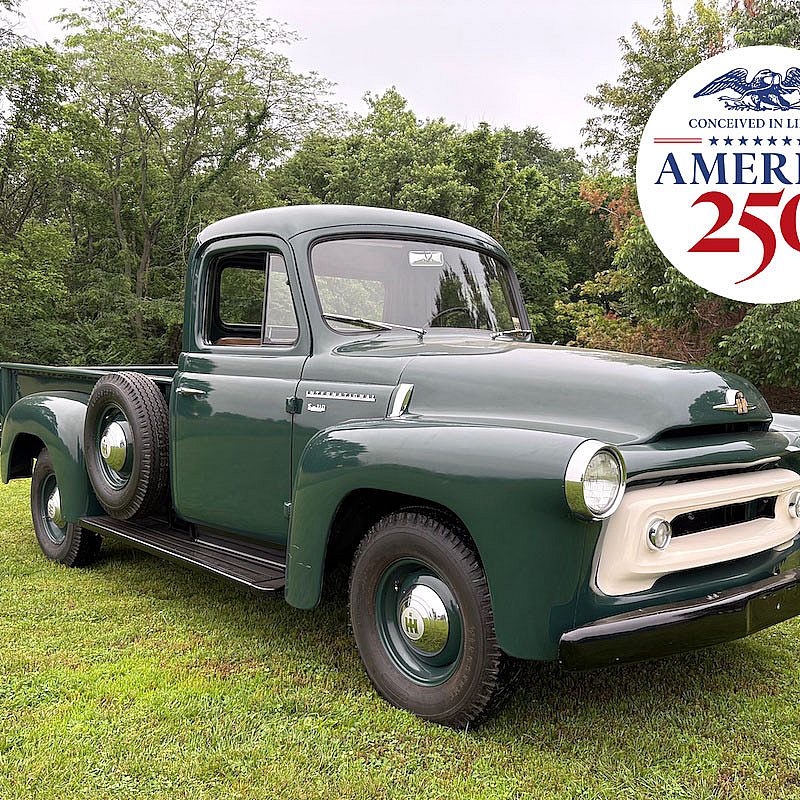
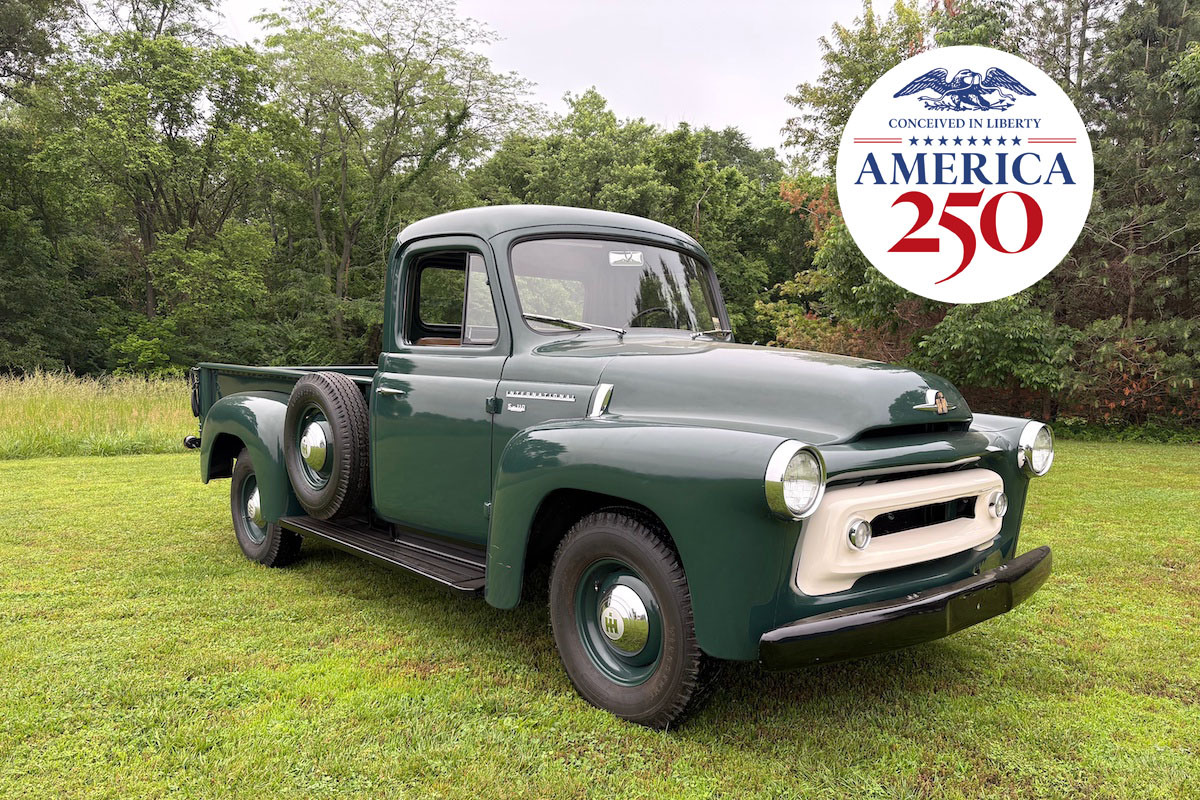
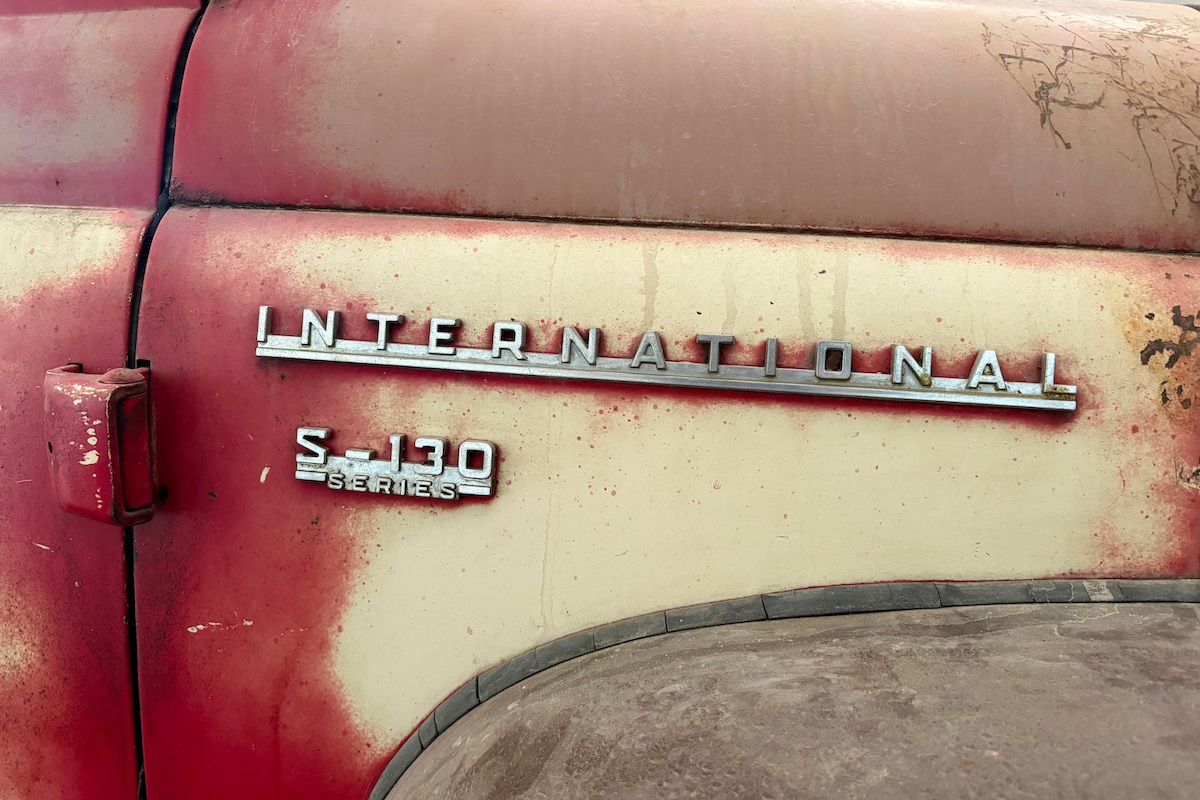
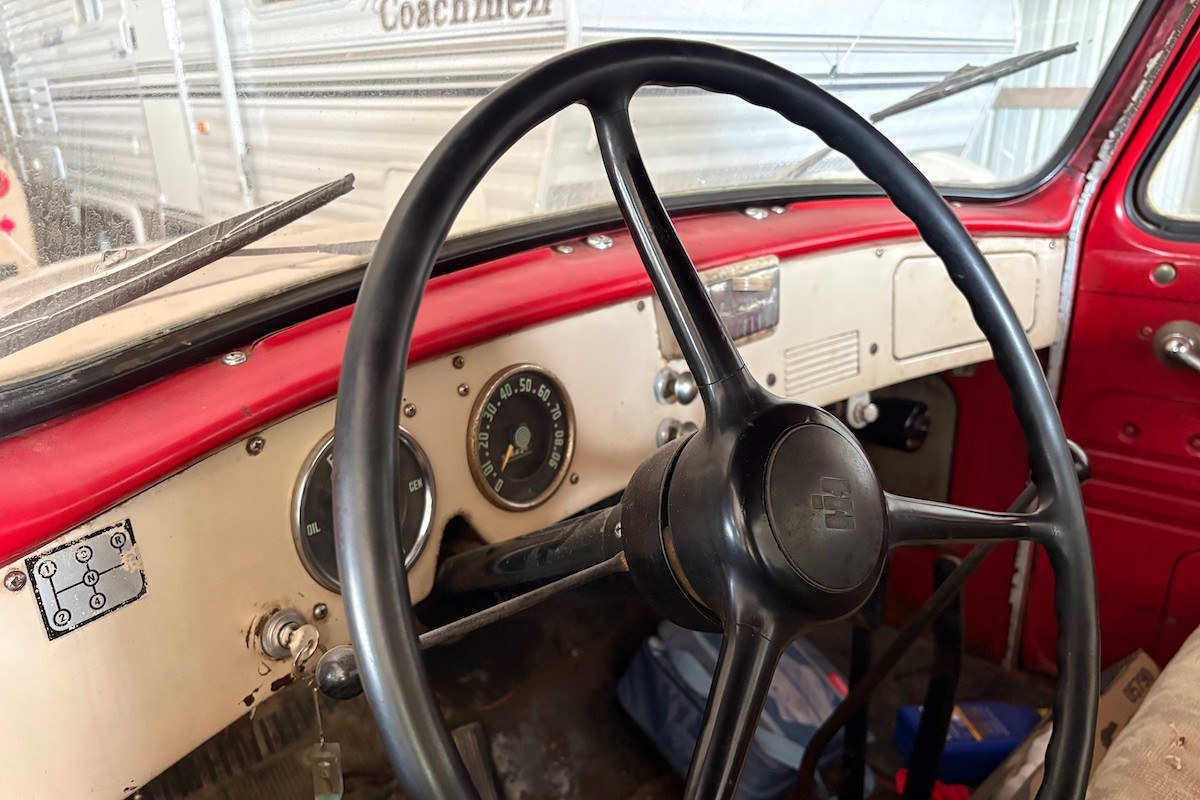
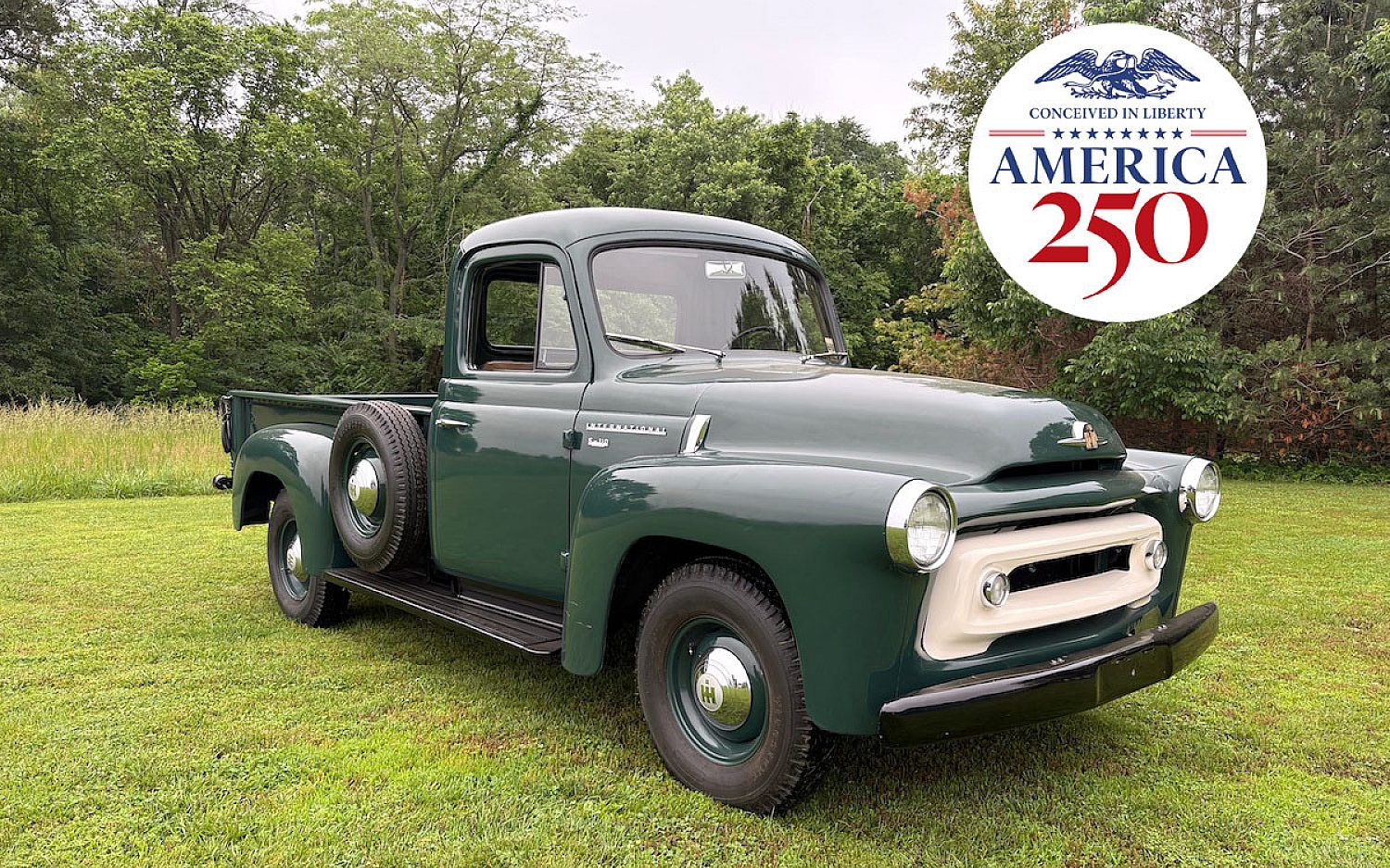
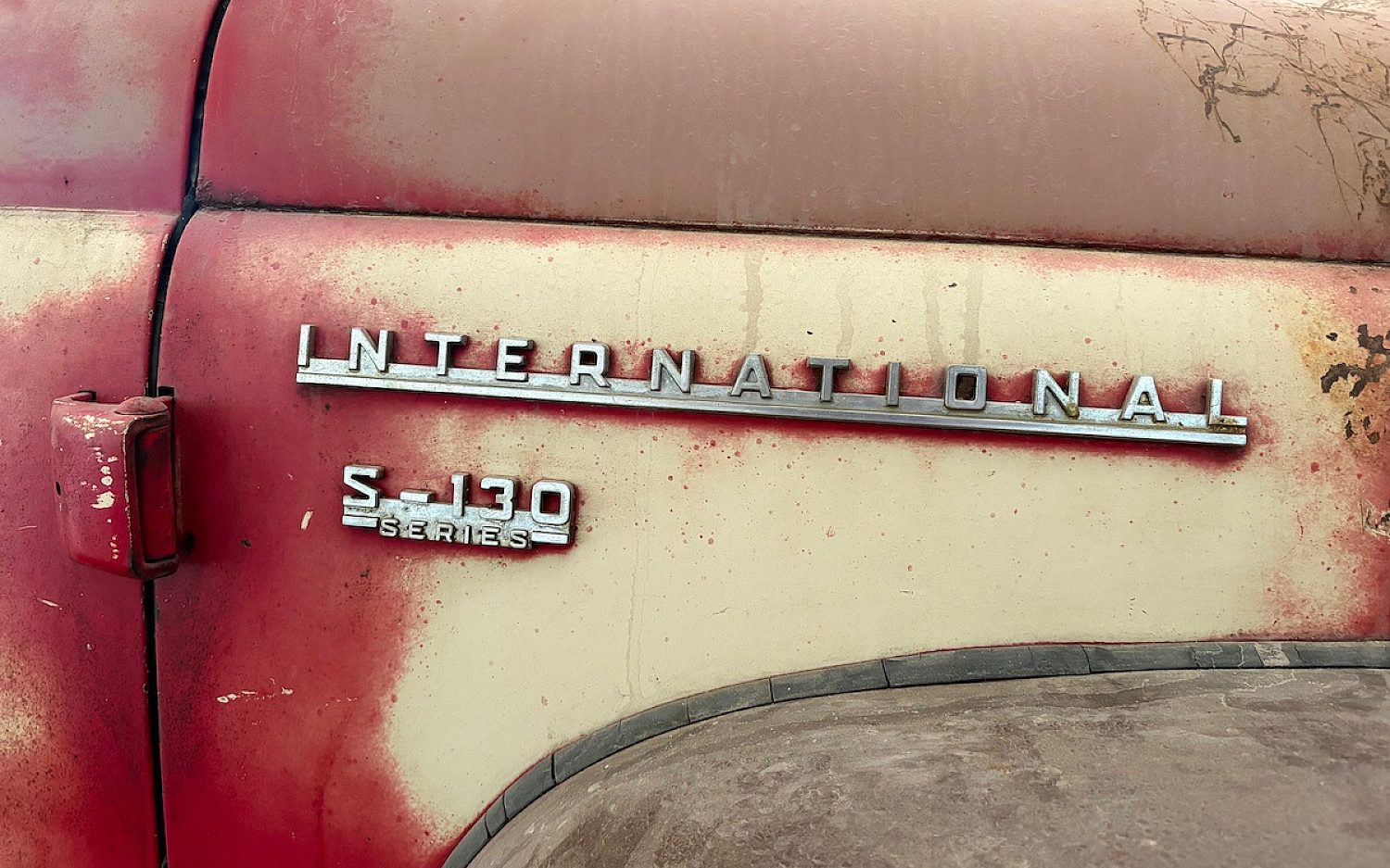
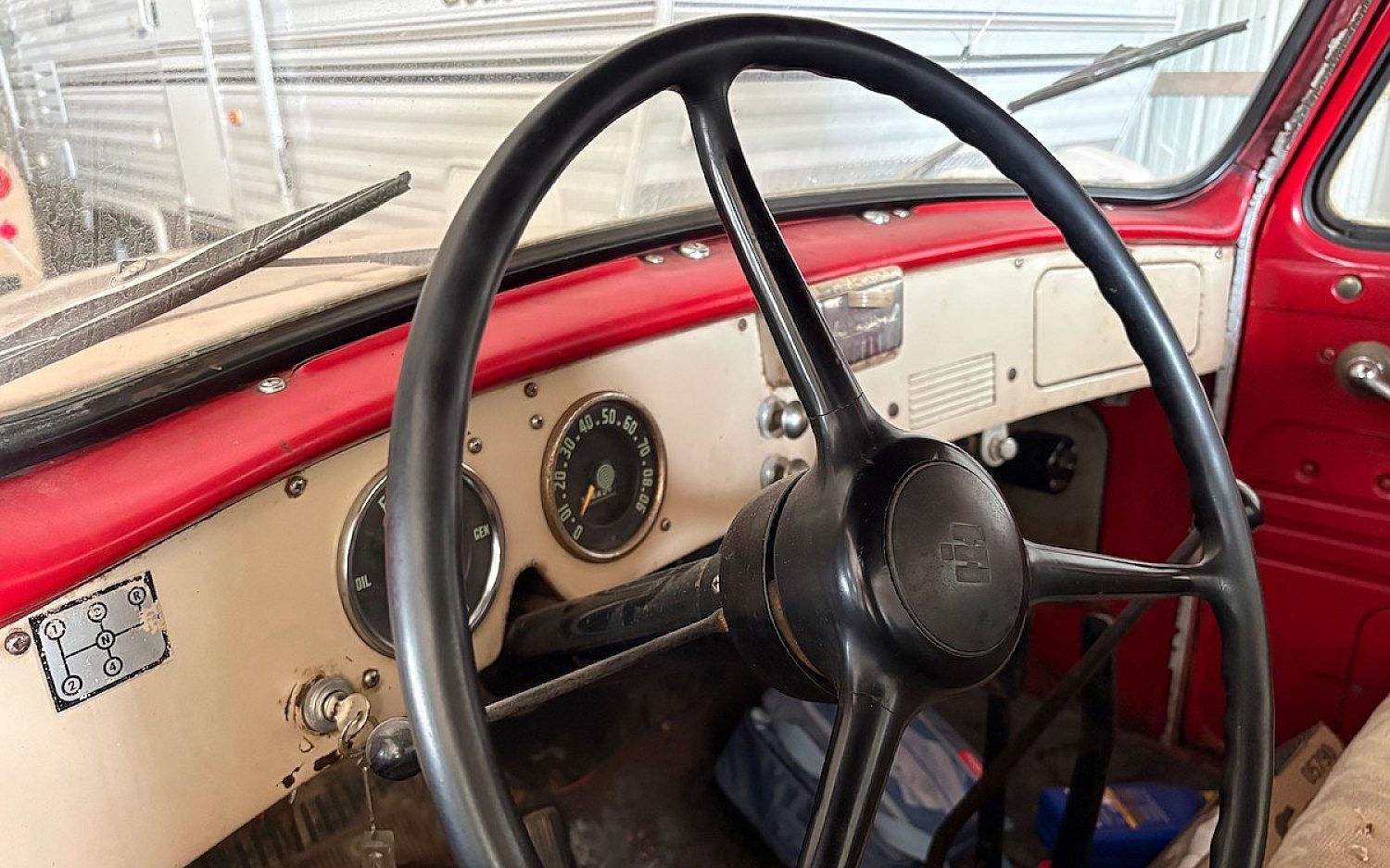
Holly Meyer’s father learned to drive a pickup truck as a young boy. His family bought a 1956 International Harvester S-130. They used it for farm work. Its value came from its usefulness.
“It was just a truck,” he says.
But pickup trucks have become more than tools. They’ve turned into four-wheeled symbols of American culture.
From Horses to Horsepower
Once, horses did the work pickup trucks do today. People still call trucks “workhorses.” They still talk about how much “horsepower” a truck has.
And the first pickup trucks? They could have come with a label reading “Do It Yourself”!
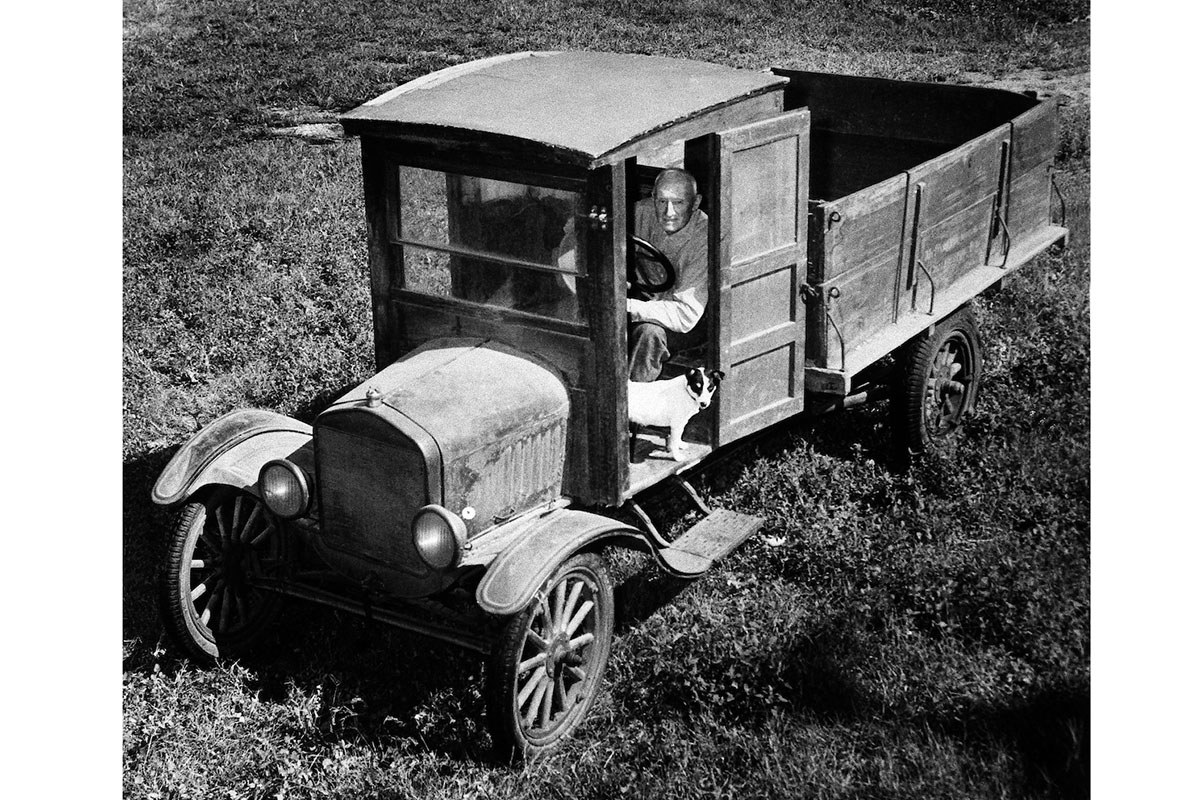
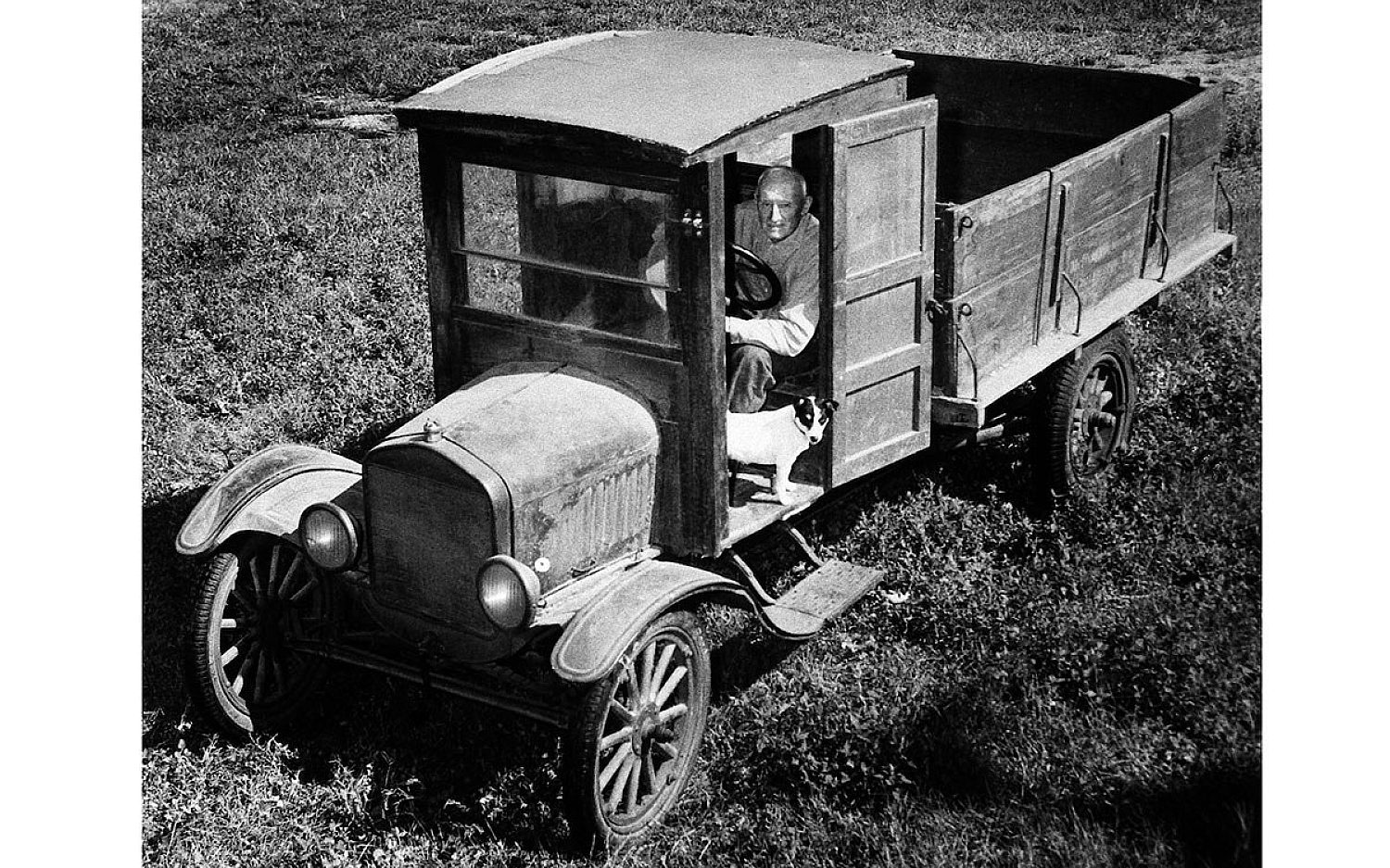
In 1917, carmaker Henry Ford introduced the Ford Model TT. It could travel 15 miles per hour . . . and carry a whole ton of weight. But it didn’t come all put together. It came just as a chassis. A chassis is a car’s bare bones: engine, wheels, steering wheel. The rest was up to the buyer.
Ford officials noticed a trend. Farmers would add cargo boxes to their trucks. They built wooden beds for hauling. Mr. Ford saw an opportunity. He came up with the term “pickup.” He released the Ford Model T Roadster in 1925 with the option for a “pickup body.”
The pickup truck as we know it was born.
Pickup trucks took over American farms. People started to think of pickup trucks as the symbol of rugged work. America’s vast landscape. Dusty, hardworking cowboys. Pickup trucks. They all started to come to mind at the same time.
Trucks showed up in literature. They rode into the lyrics of country songs.
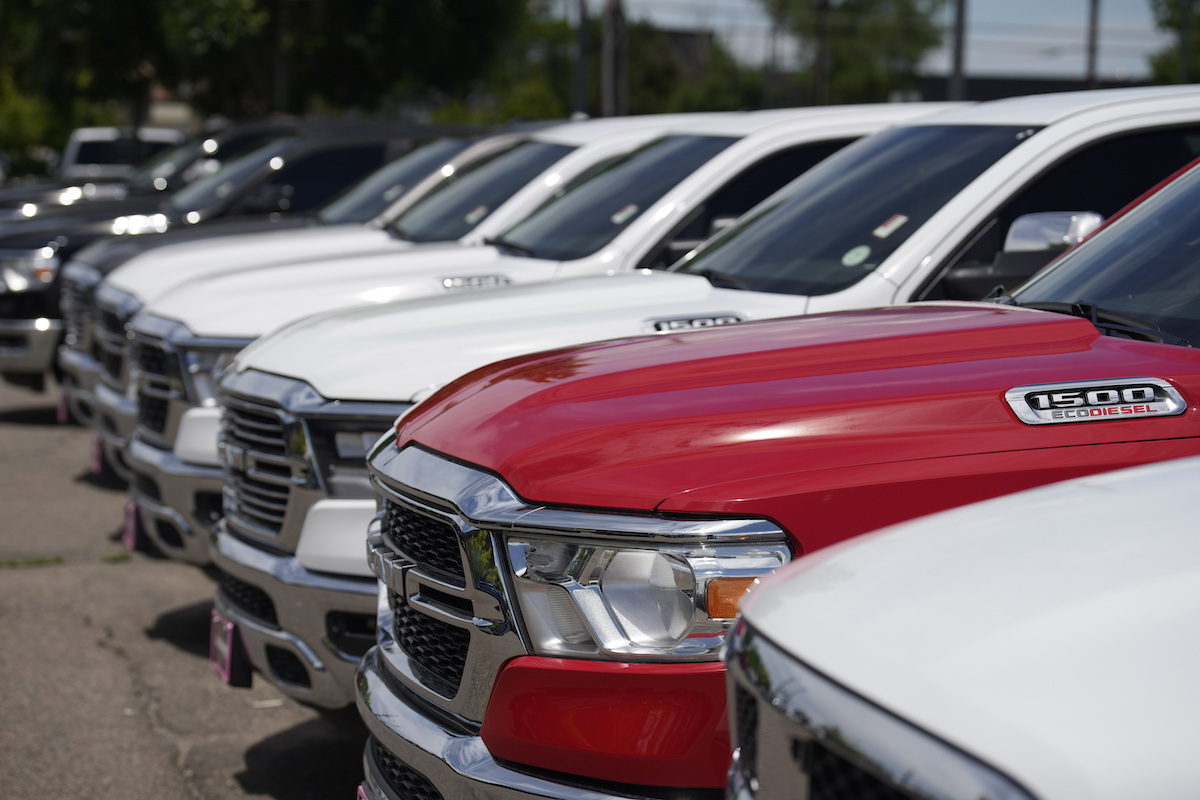
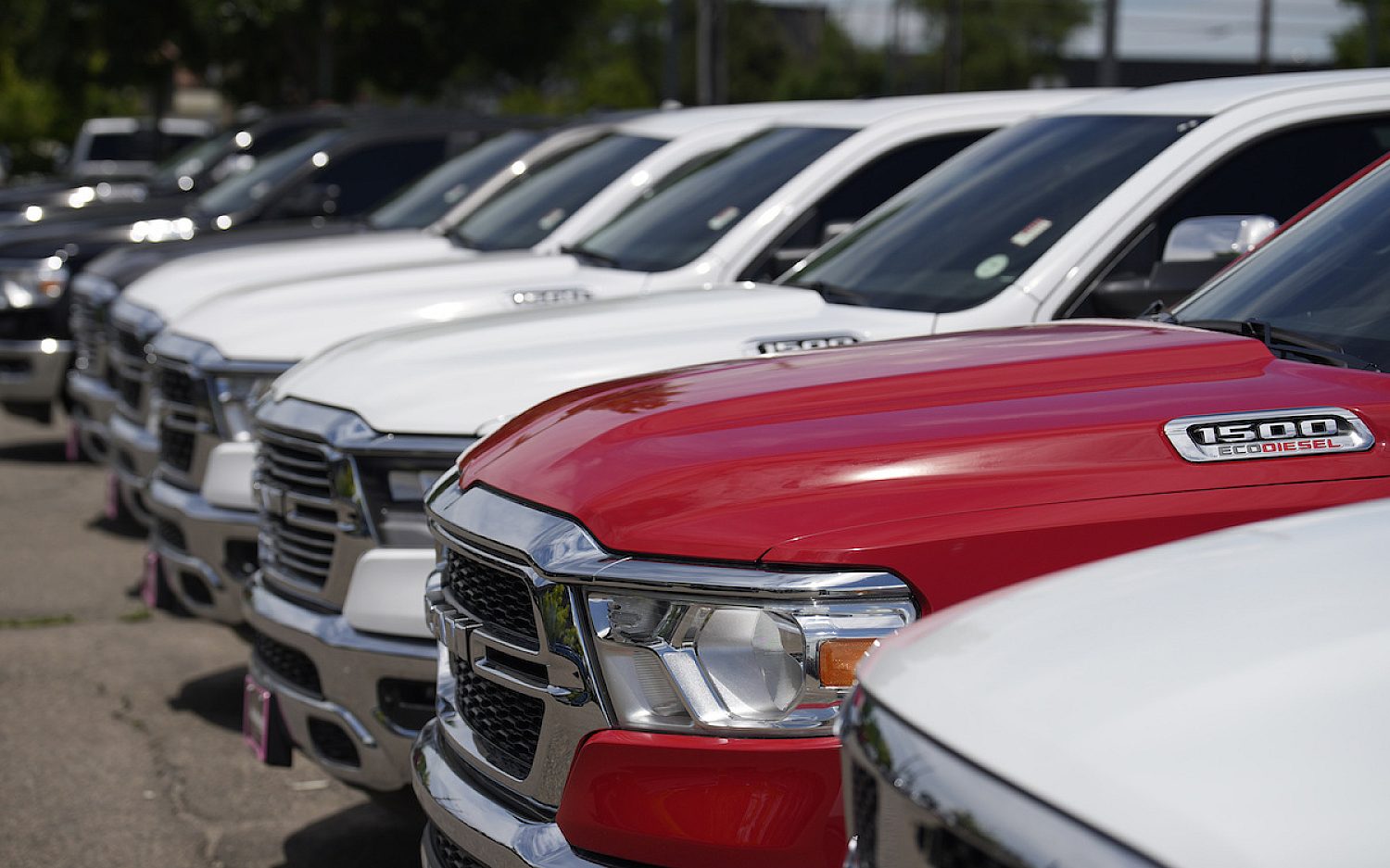
Diesel-powered pickups became common in the 1970s. Truck lovers argued like sports fans over their preferred brands. Ford or Chevrolet? How about a Dodge Ram?
To some, pickup trucks carry more than cargo. They hold generations of memory. Holly Meyer’s father and brother work to restore their old pickup. They track down replacement parts. As they work, they share stories—late-night hunting trips with neighbors, farm chores with siblings.
That’s a value you can’t express in horsepower.
Why? The things we buy show what we value and intend to do.