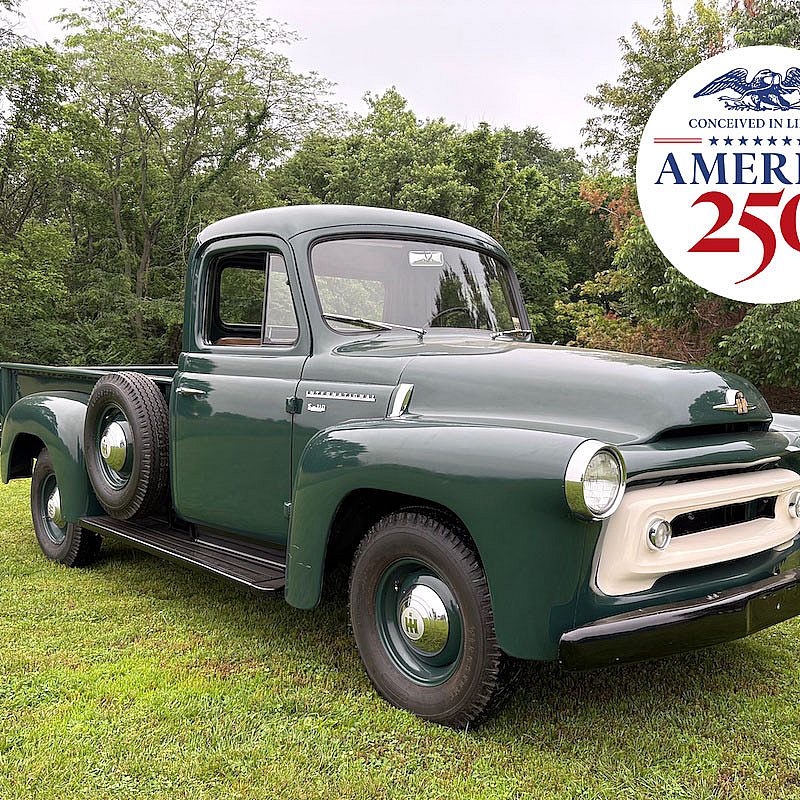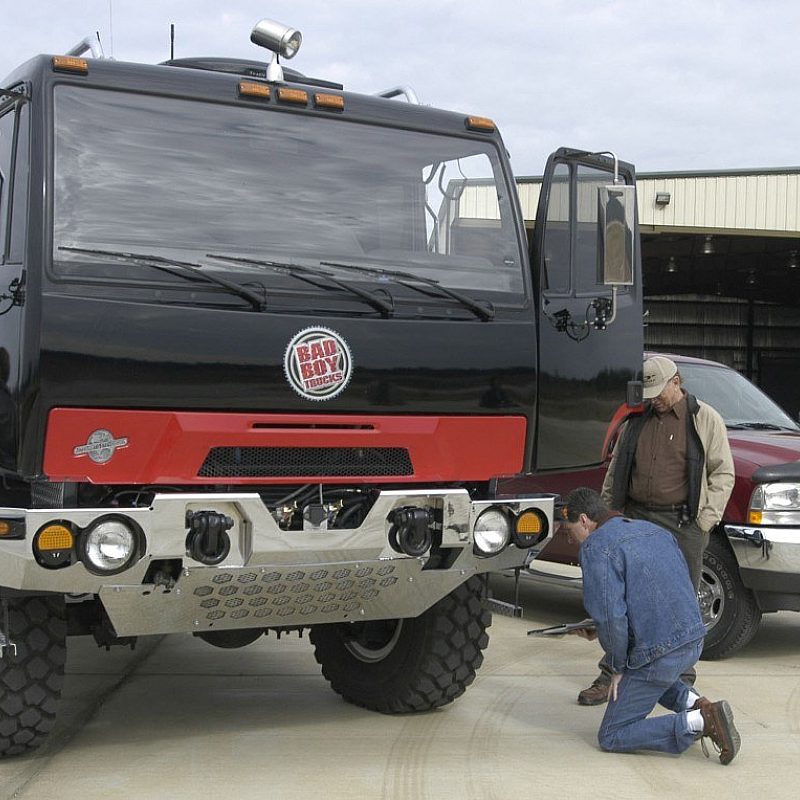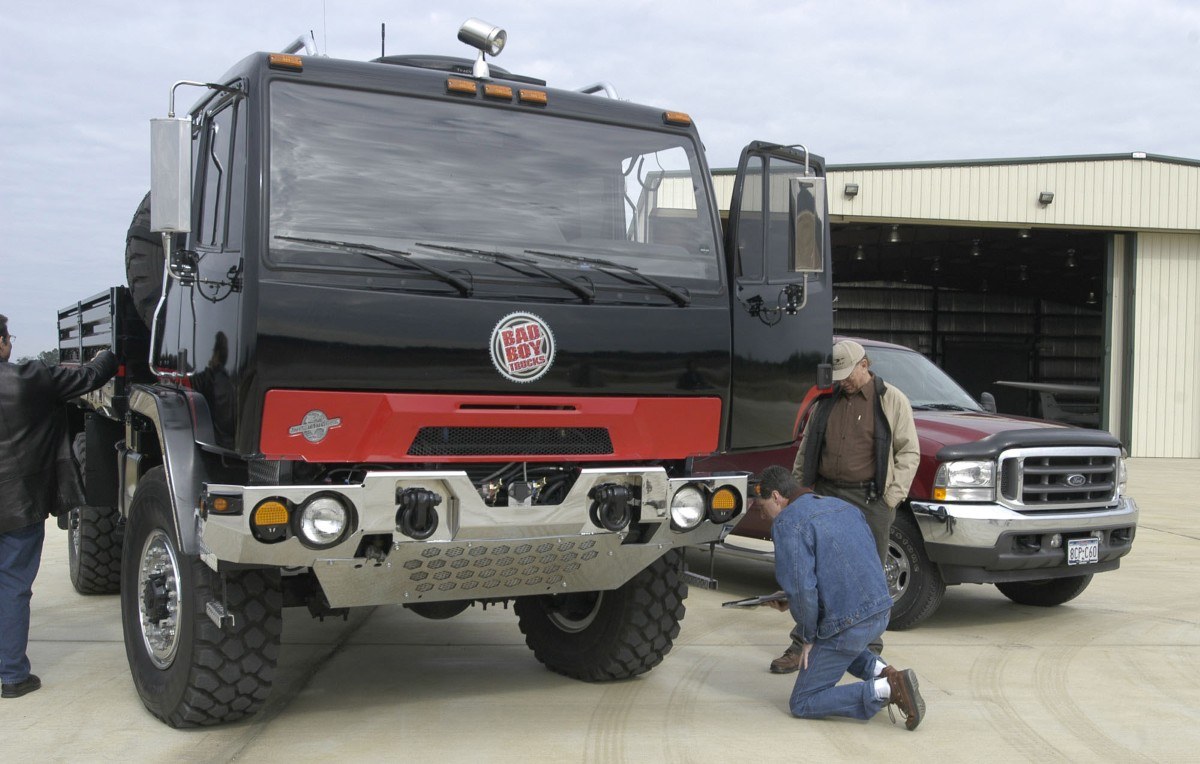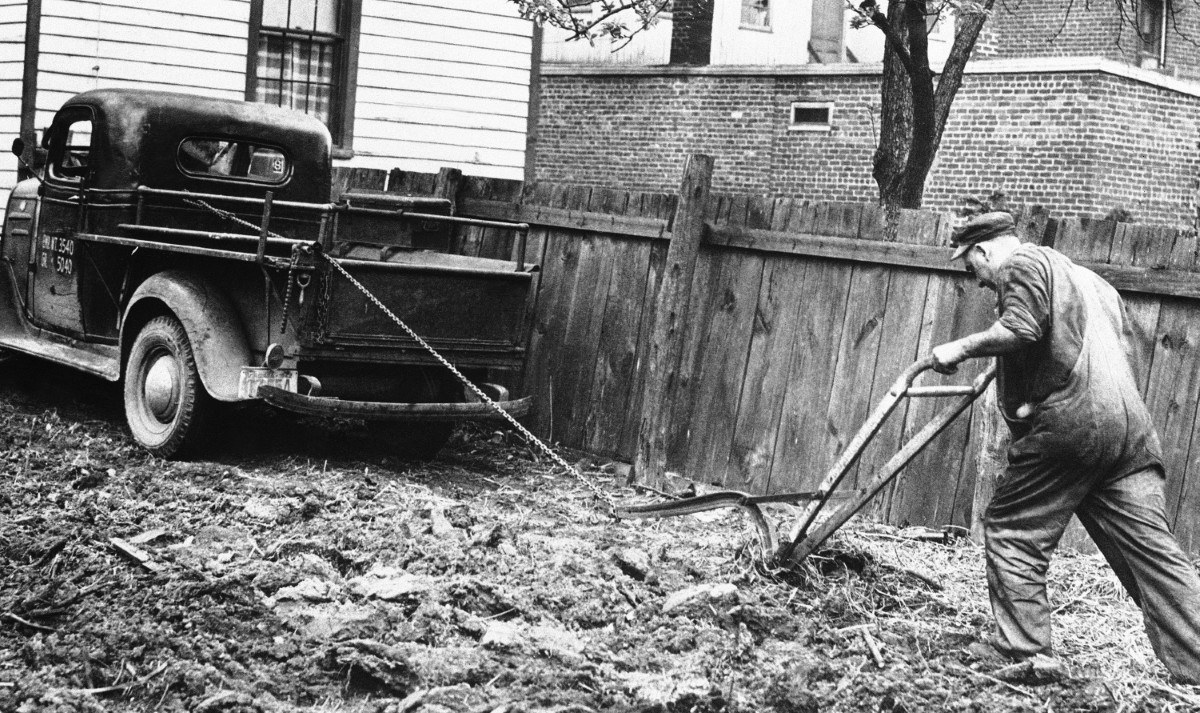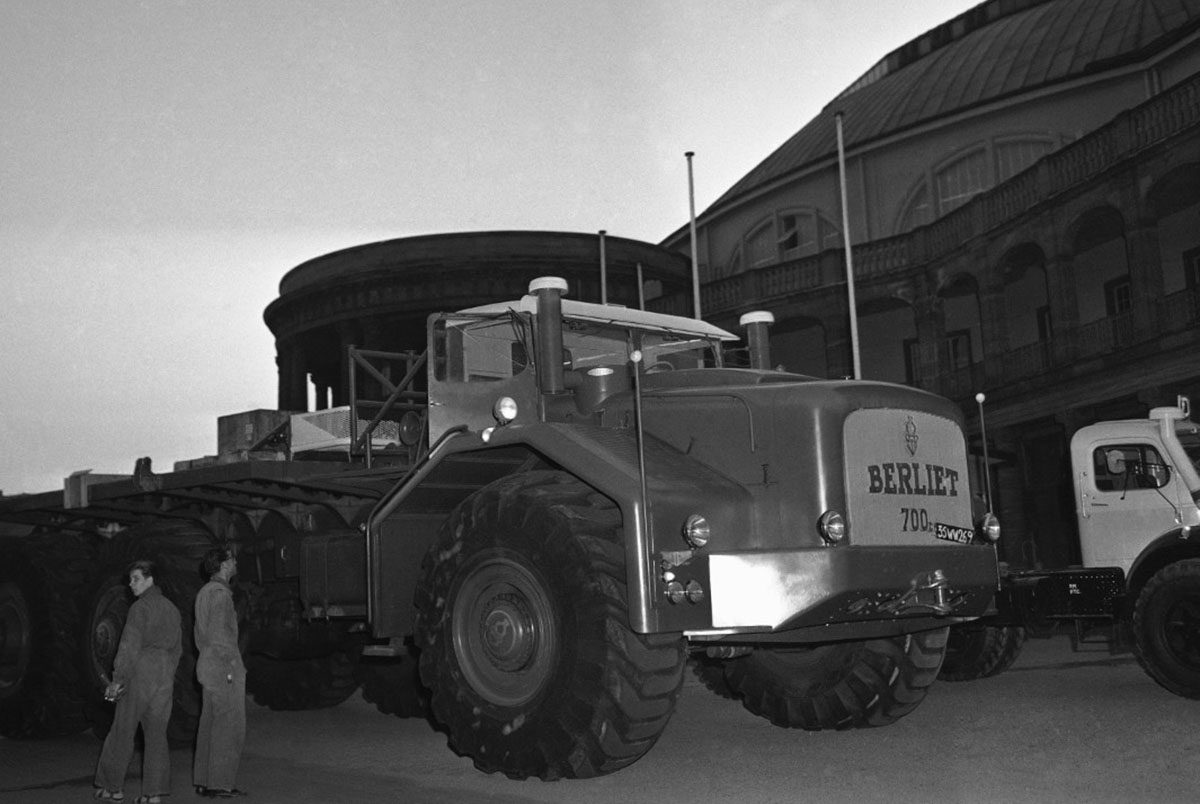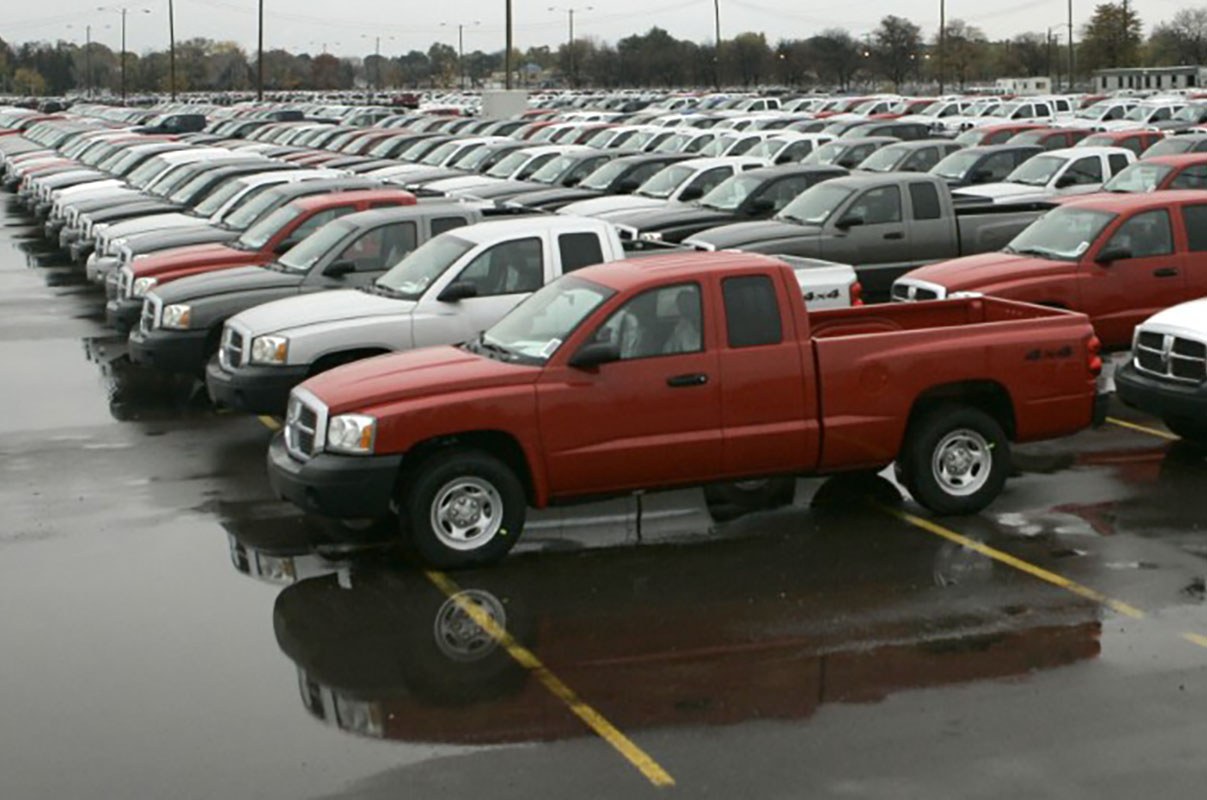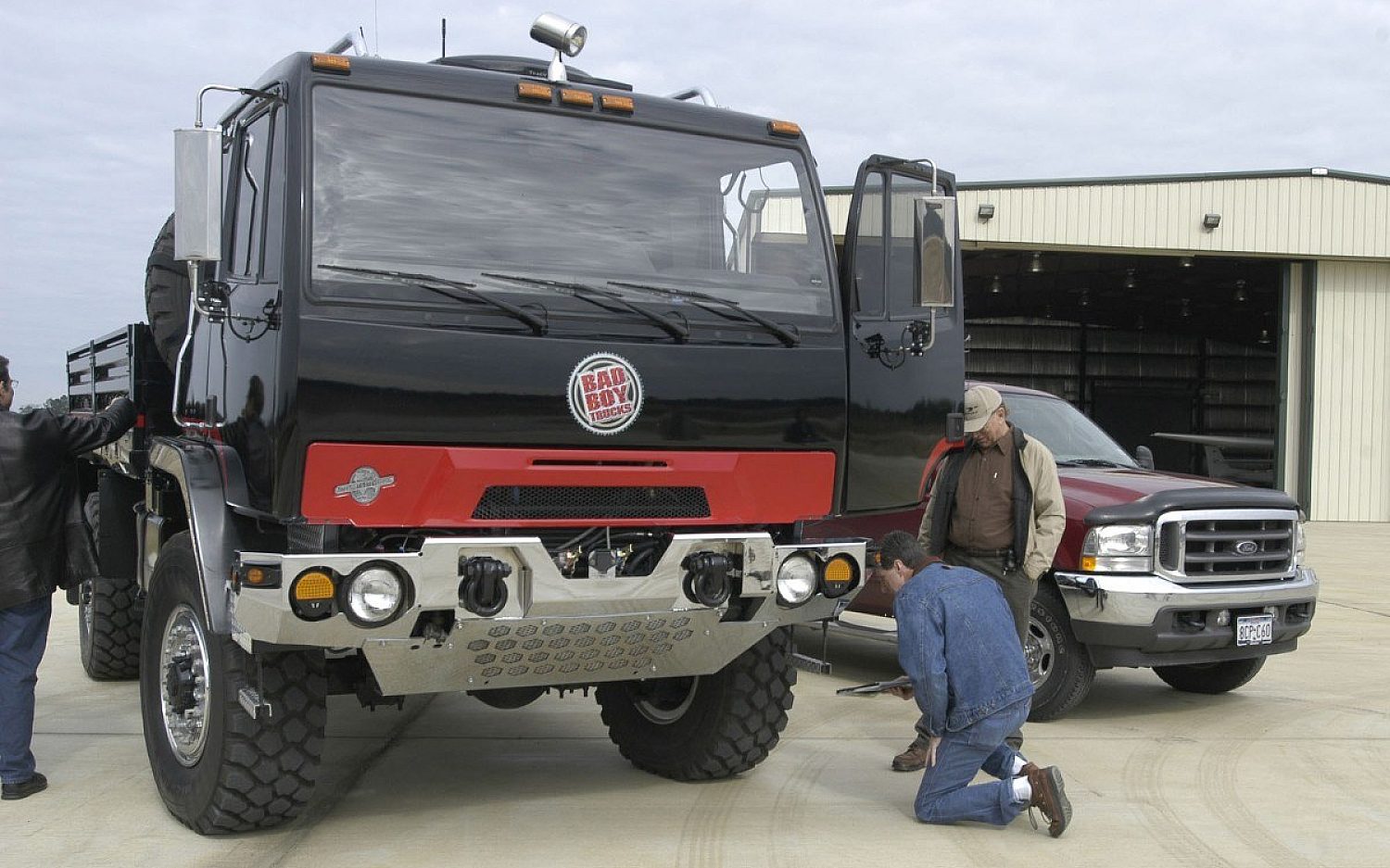
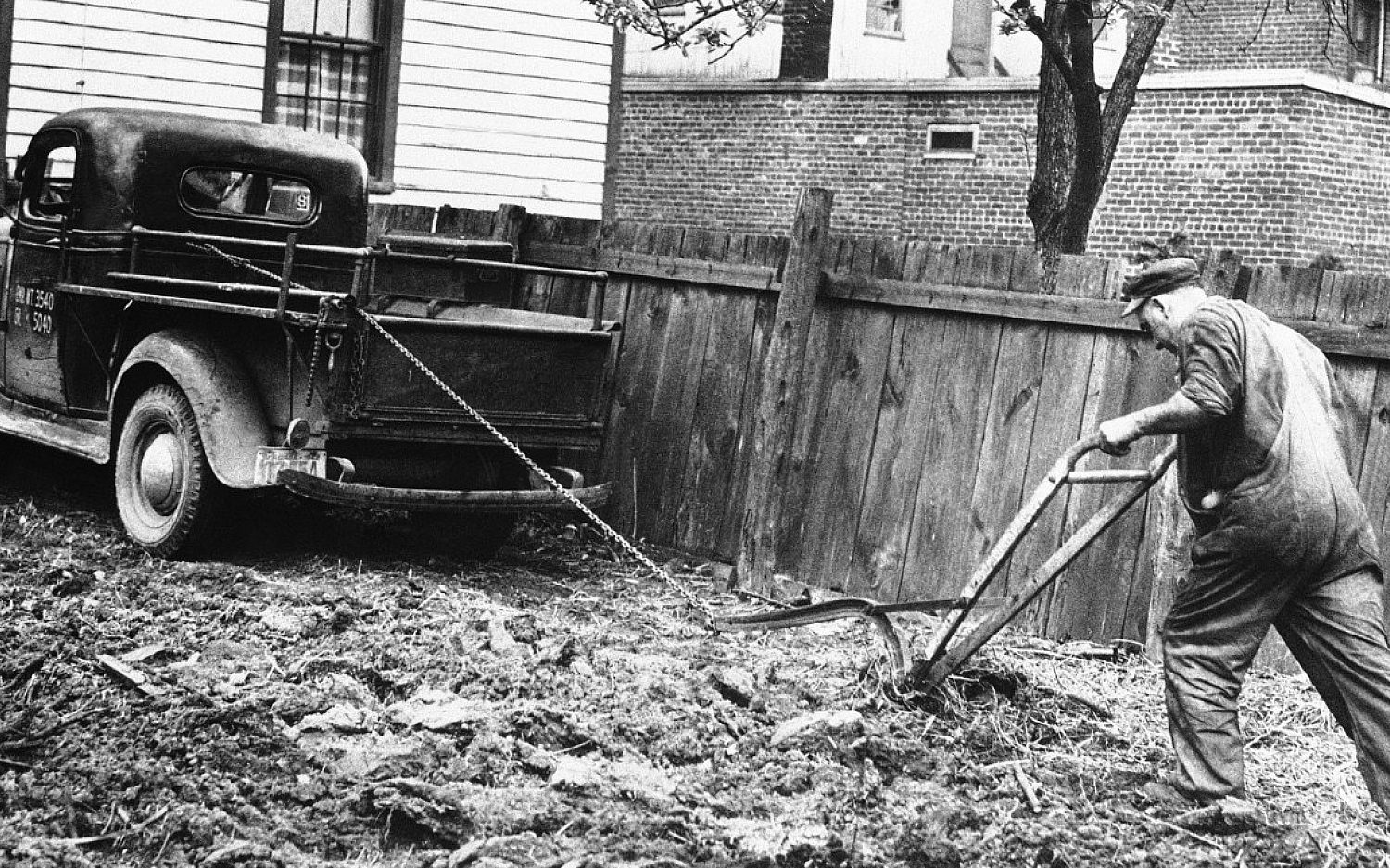
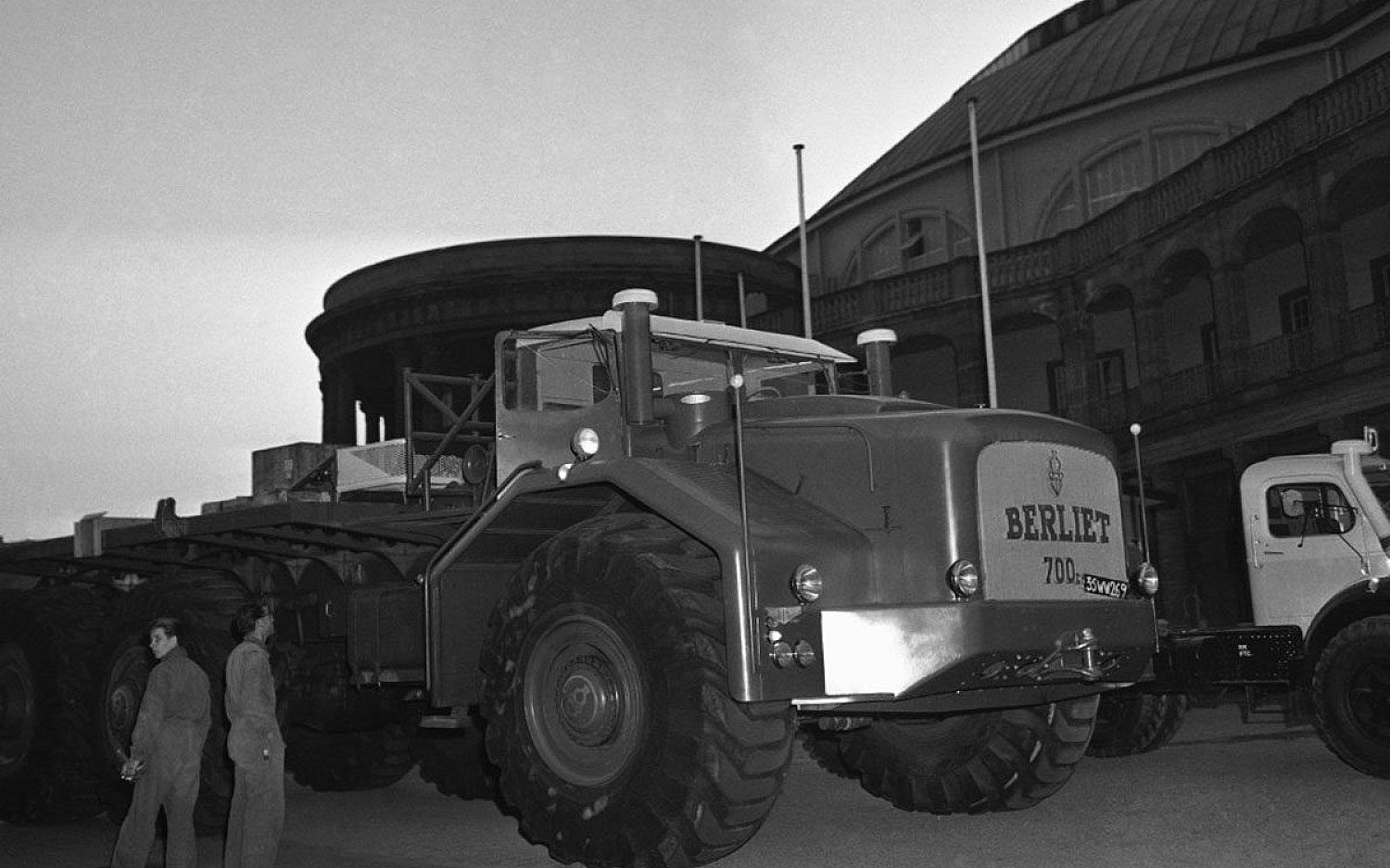
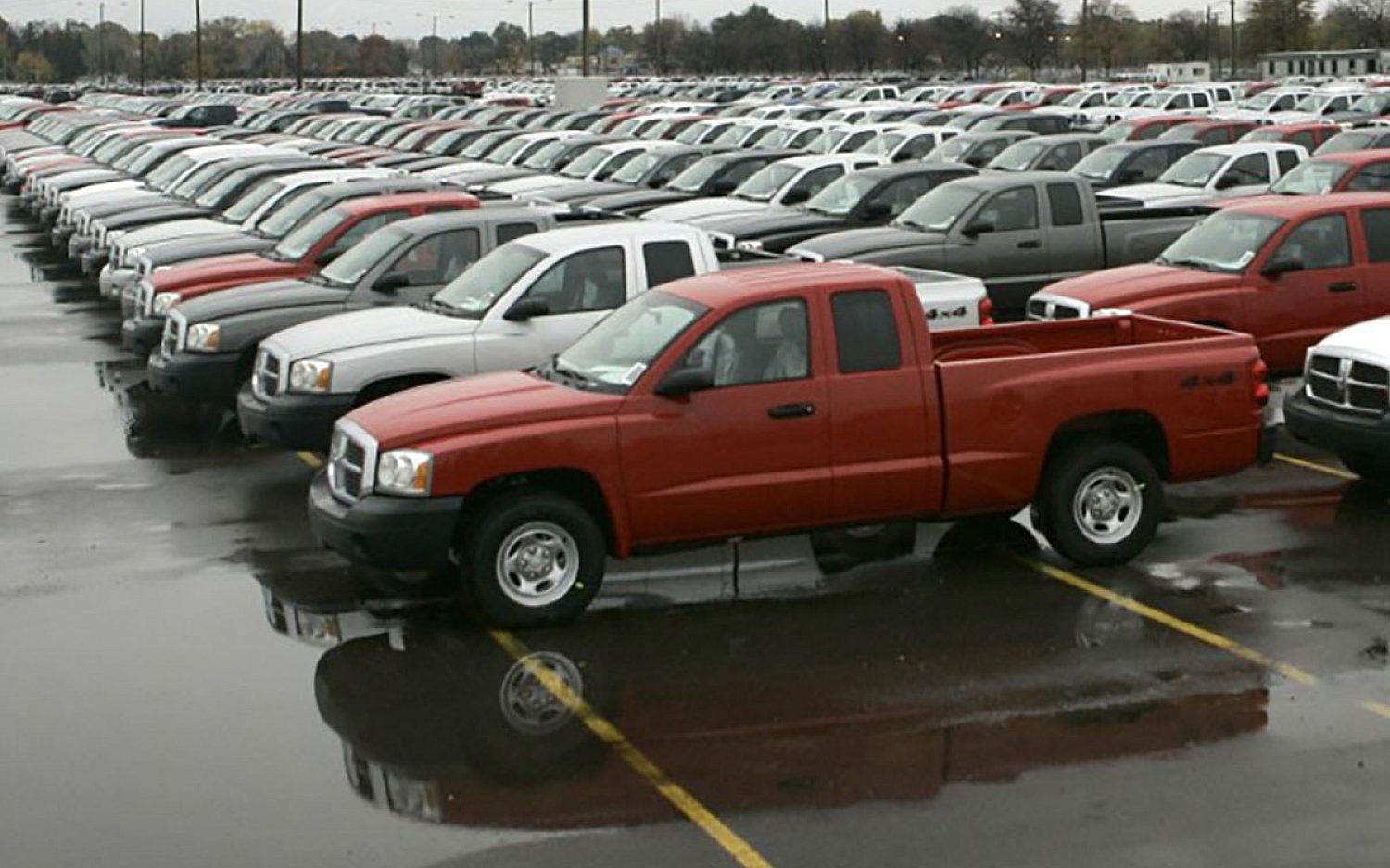
Pickups got big, big, BIG in American culture. As that happened, trucks themselves got bigger too. Today’s “muscle trucks” tower over the original farm trucks.
But not every part of the truck has grown.
Truck cabs grew. Truck beds shrank. Modern pickups carry more passengers. But they haul less cargo.
These days, most pickup owners rarely use their trucks for hauling or towing. Instead, they drive them for everyday errands.
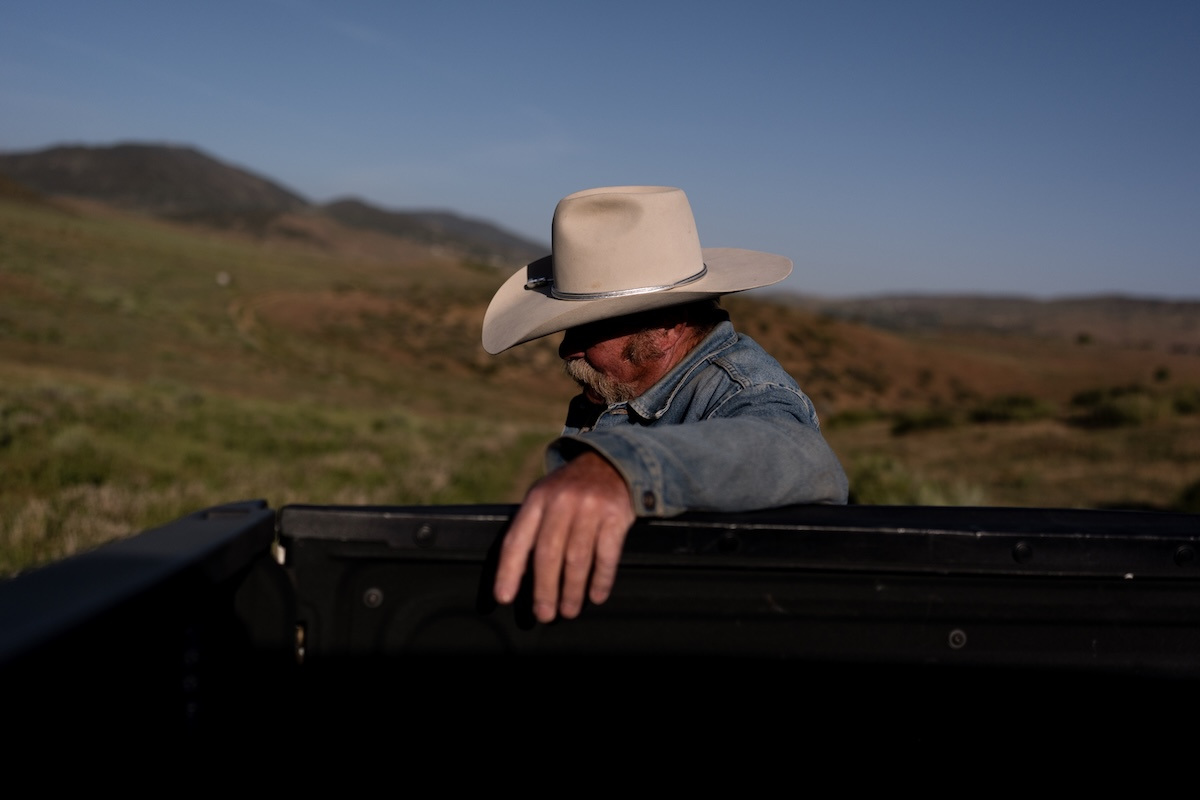
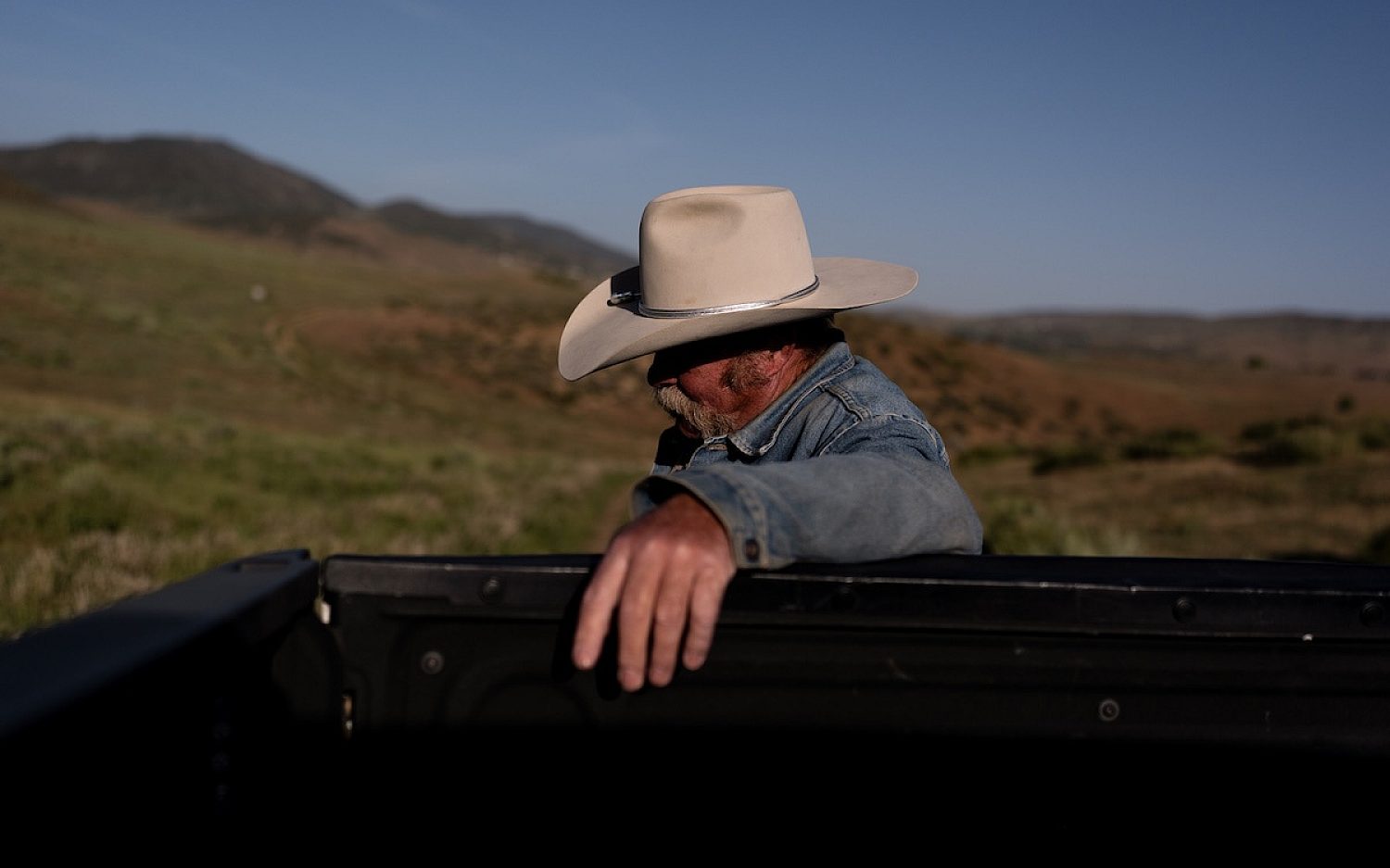
Yet pickup trucks sell for their ruggedness. Companies and buyers call trucks “rugged” and “powerful.” That hardy cowboy image remains—but the reality behind the need for being built tough? Not so much.
Did You Know . . . ?
- 18th-century scientist James Watts coined the term “horsepower.” Why? To sell steam-powered machines. He knew customers could understand engine power in terms of horses. But many people still used horses for hauling—until the pickup truck arrived.
- The pickup may feel American. But the very first motorized cargo-haulers came from Germany. In 1896, Gottlieb Daimler produced the “Motor-Lastwagen.” It looked like a wagon with a steering wheel.
- Not all Americans love pickup trucks. Some complain they have safety issues. Super-tall truck bodies make it hard for drivers to see animals or children in the road. Plus, pickups usually use a lot of gas.