
Do you recognize these animals from Iran? Each species was in trouble even before war started. And war makes things worse. Strikes pollute land, contaminate soil, and destroy trees and other plants animals need.
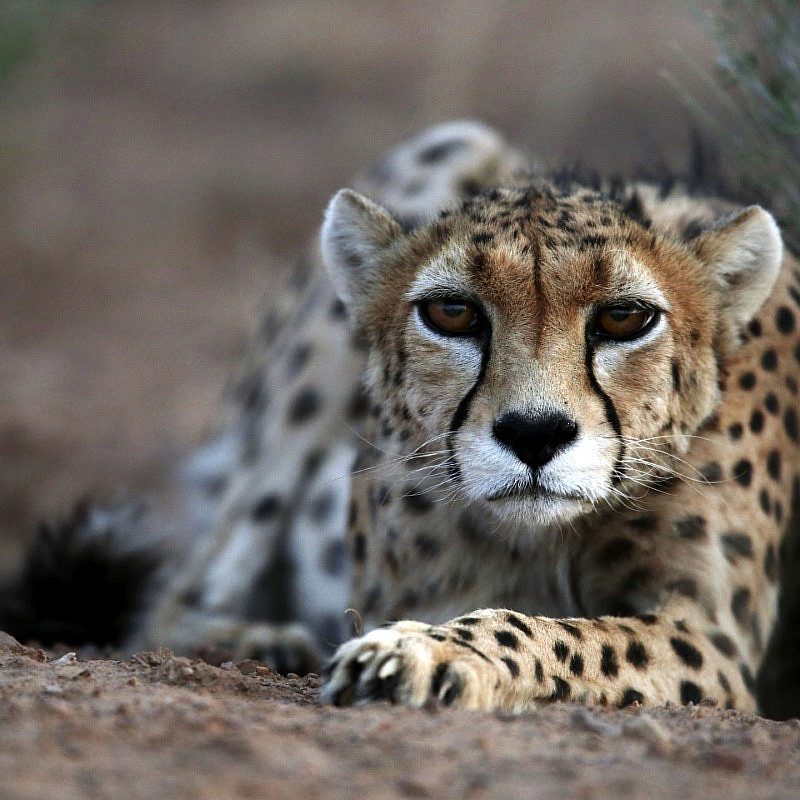
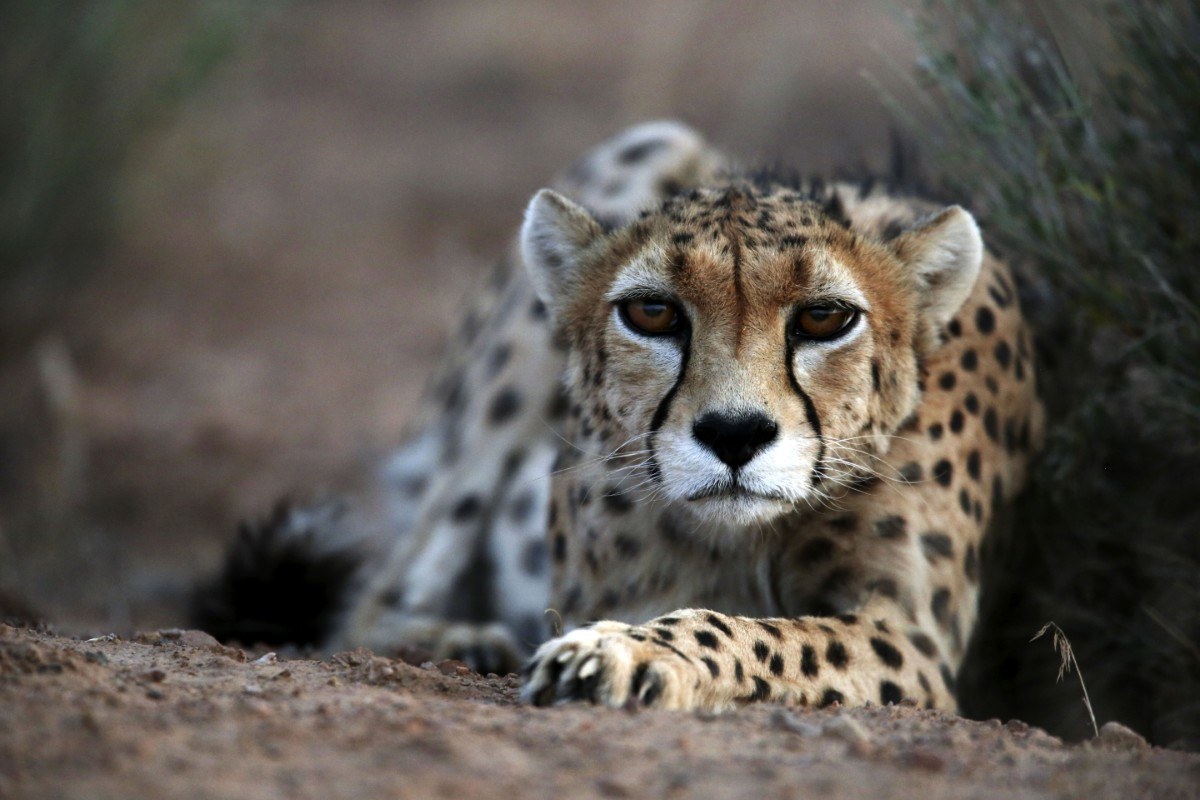
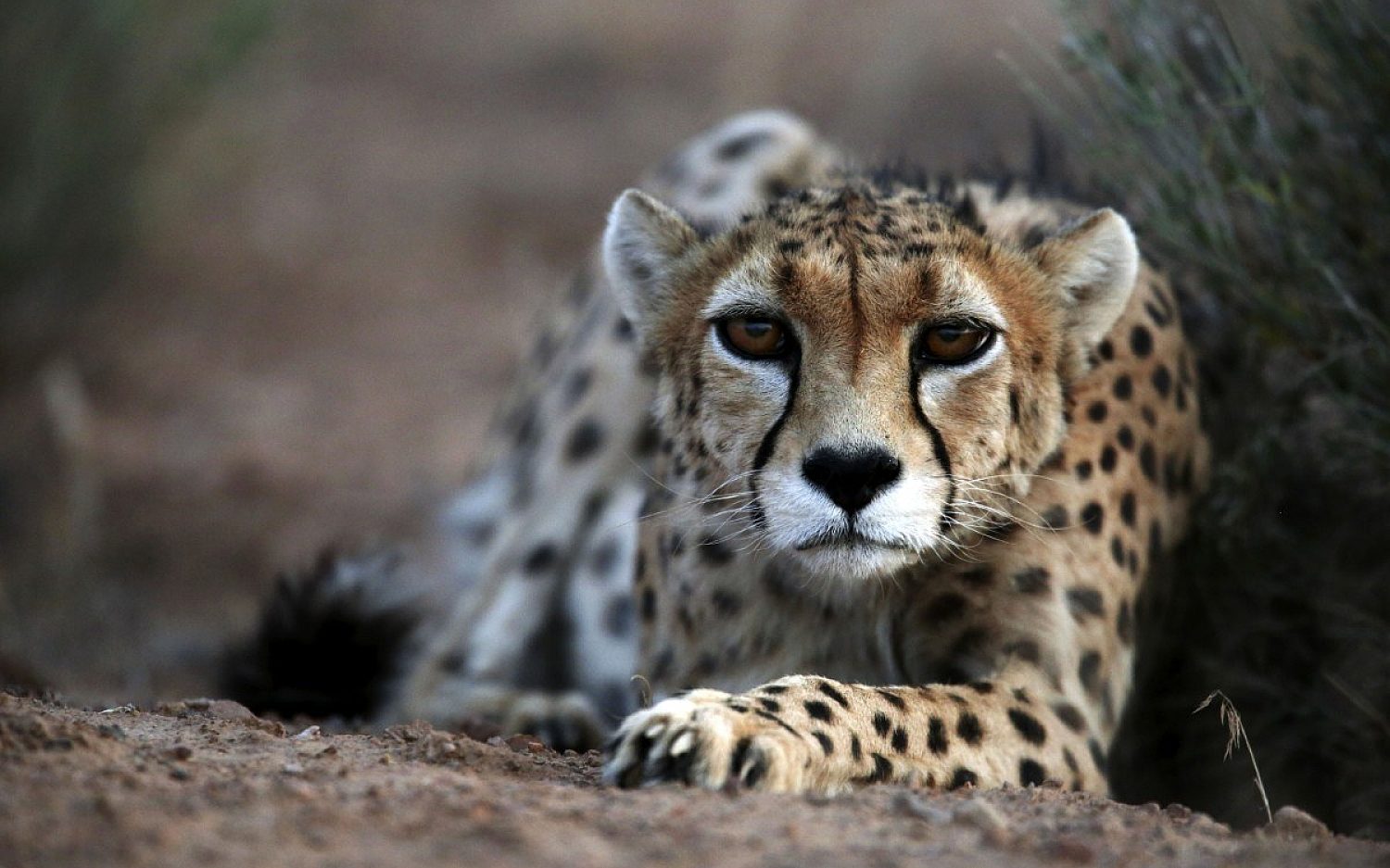
Asiatic cheetah. This cheetah looks like it’s crying—and it has reasons to cry. Fewer than 30 of these extraordinary big cats remain in Iran. All have spotted coats and black, tear-shaped drops on their faces. War, farming, and land development have chopped their habitat into small pieces. That makes it harder for them to live and reproduce.
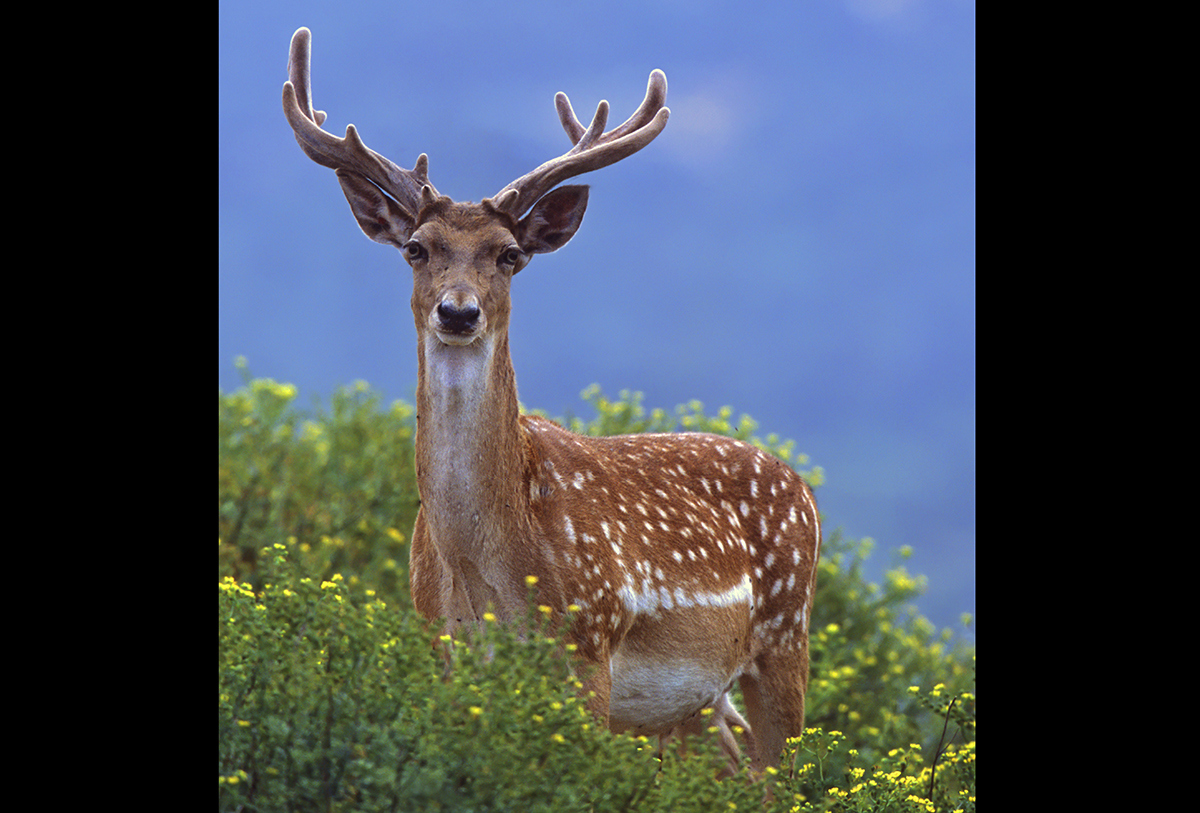
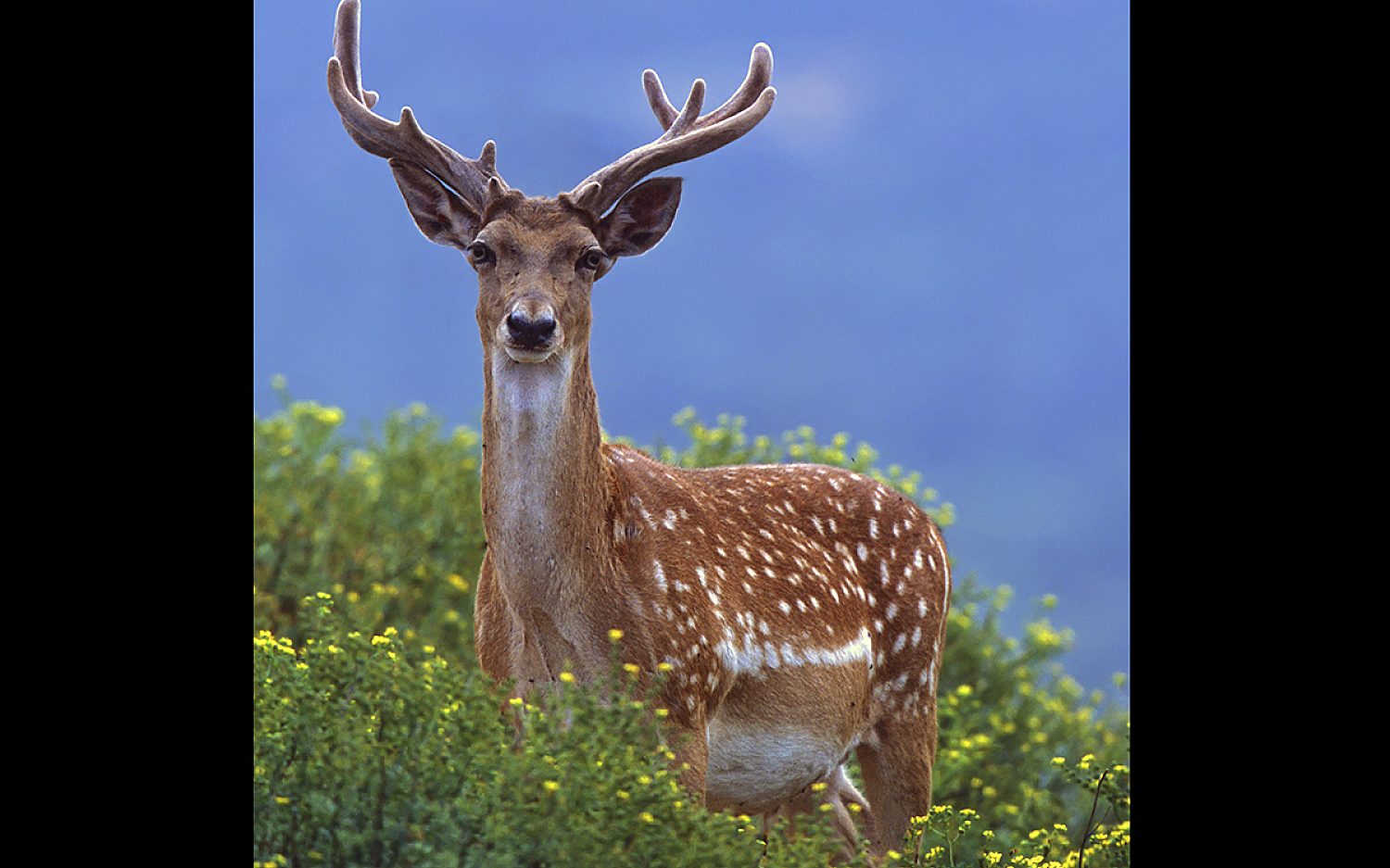
Persian fallow deer. This species once lived all over the Middle East. Now it makes its home only in Iran and Israel. Persian fallow deer might remind you of fawns. White spots cover their dark brown coats. They run fast—30 miles per hour! Males have flattened antlers.
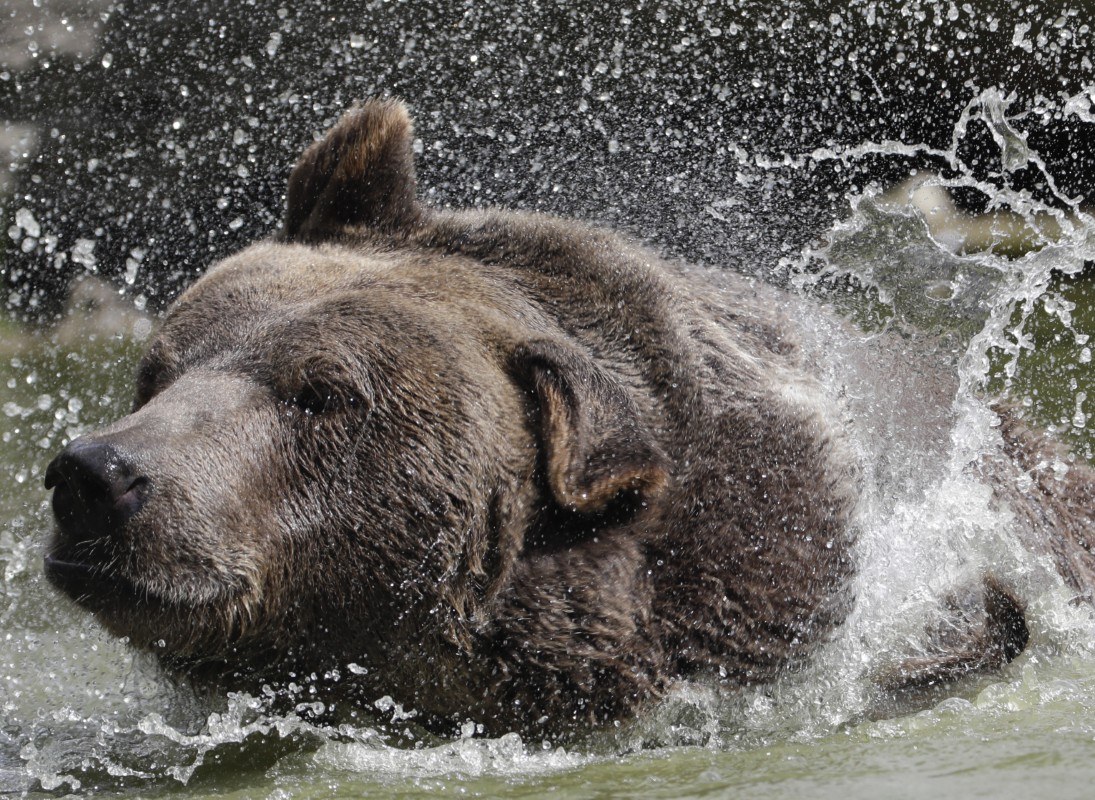
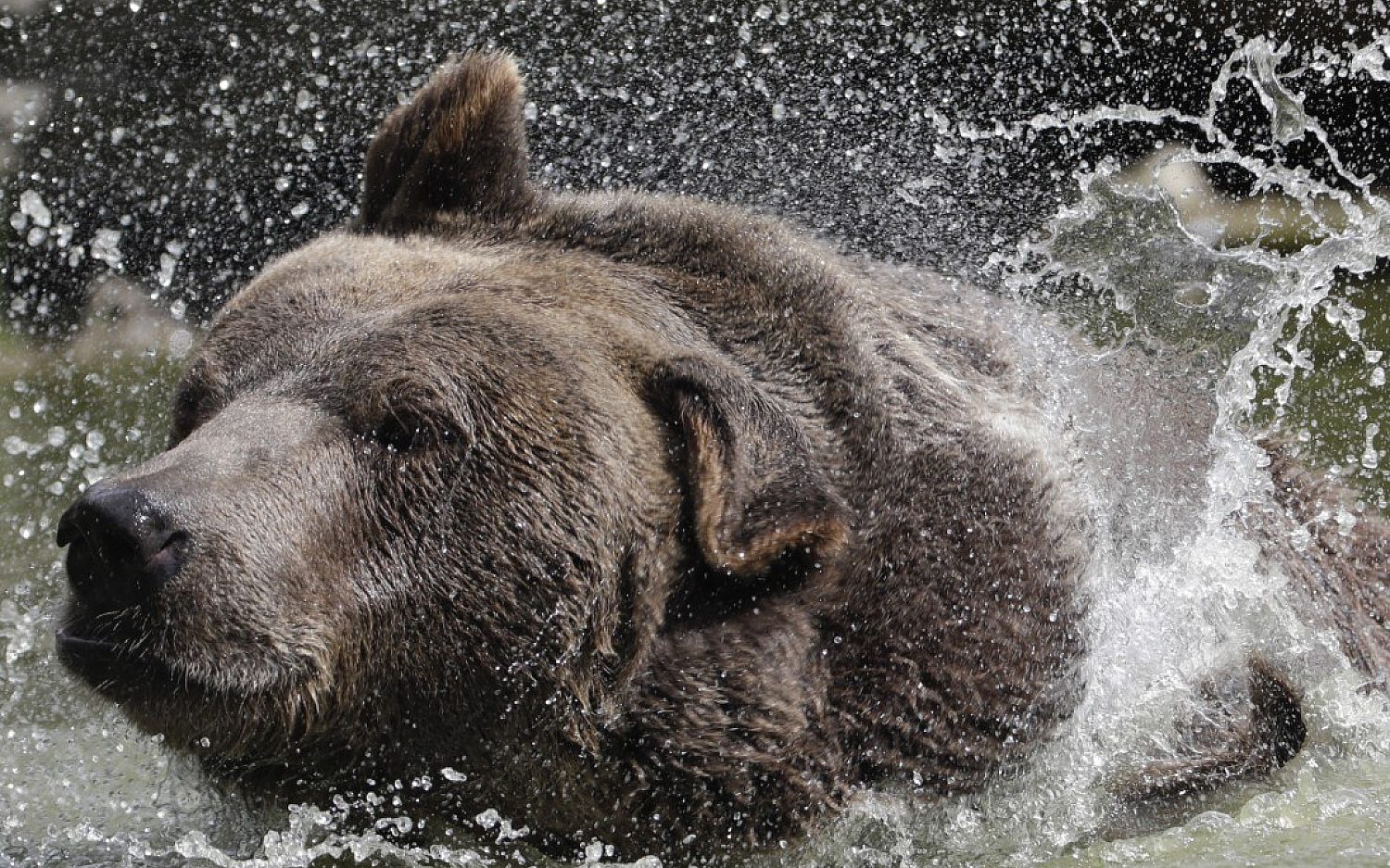
Syrian brown bear. Iran’s brown bears can weigh over 500 pounds and measure around seven feet long. Their color varies between pale yellow and dark brown. The bears are endangered due to poaching, military operations, and habitat loss.
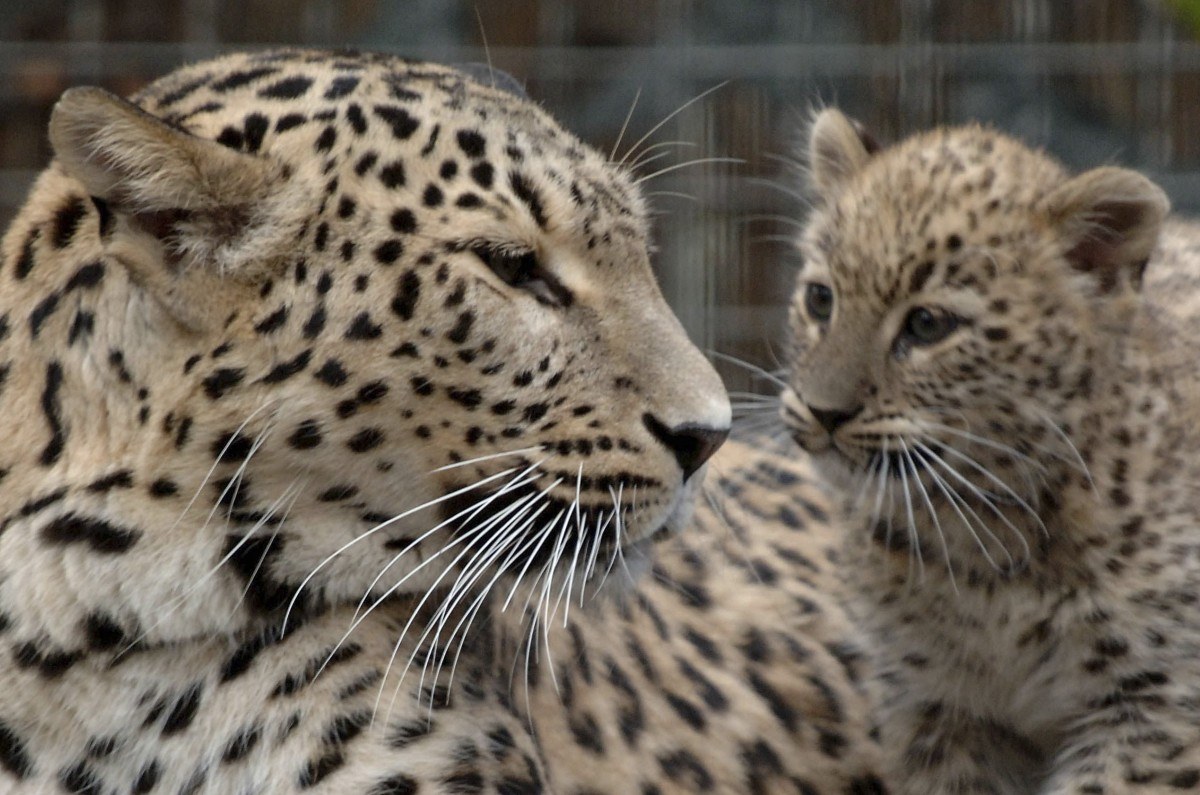
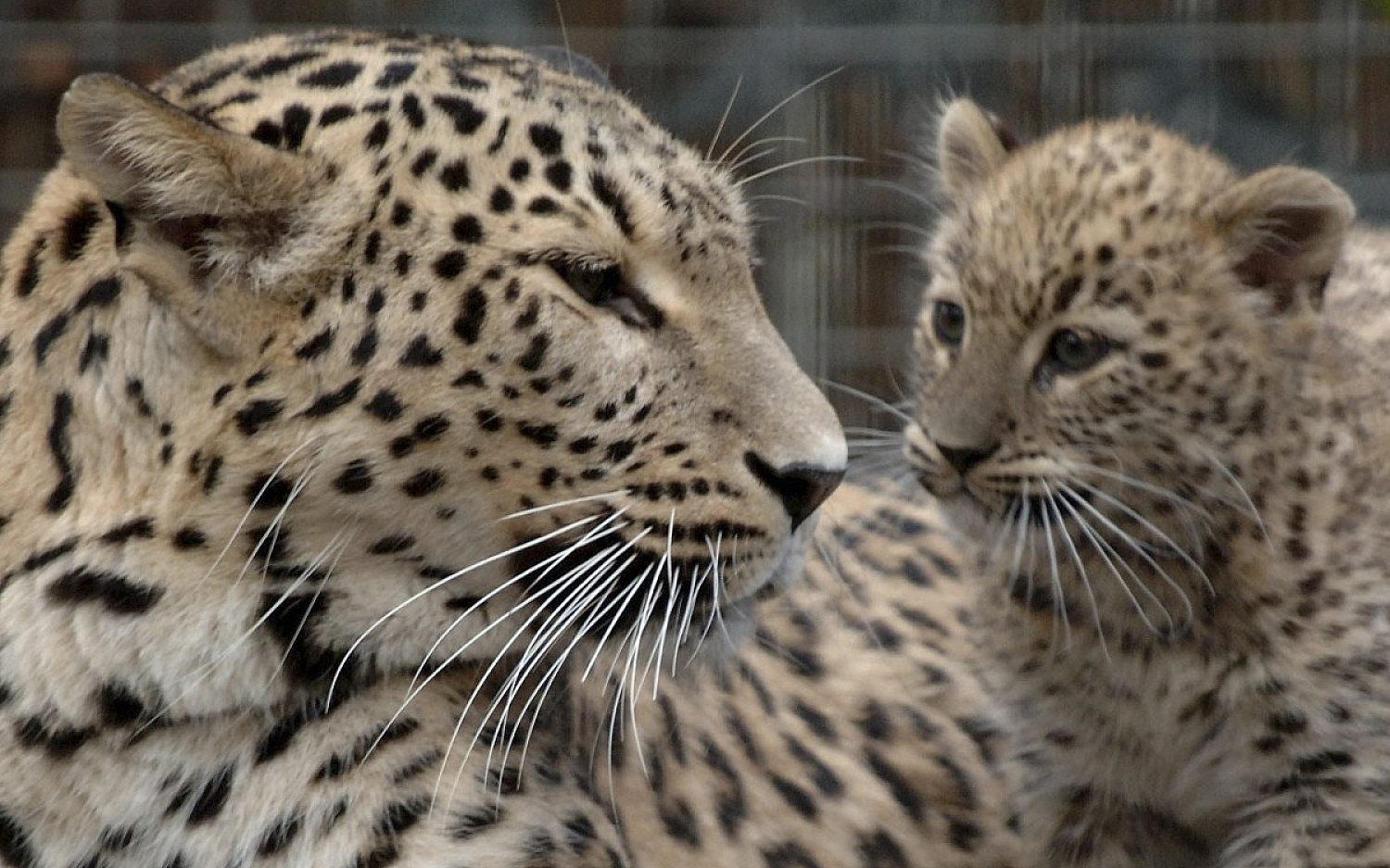
Persian Leopard. These are the world’s largest leopards. Long tails help them balance in trees. Their rose-like spots camouflage them as they slink between branches and leaves. People work hard to bring this species back from the brink of extinction.
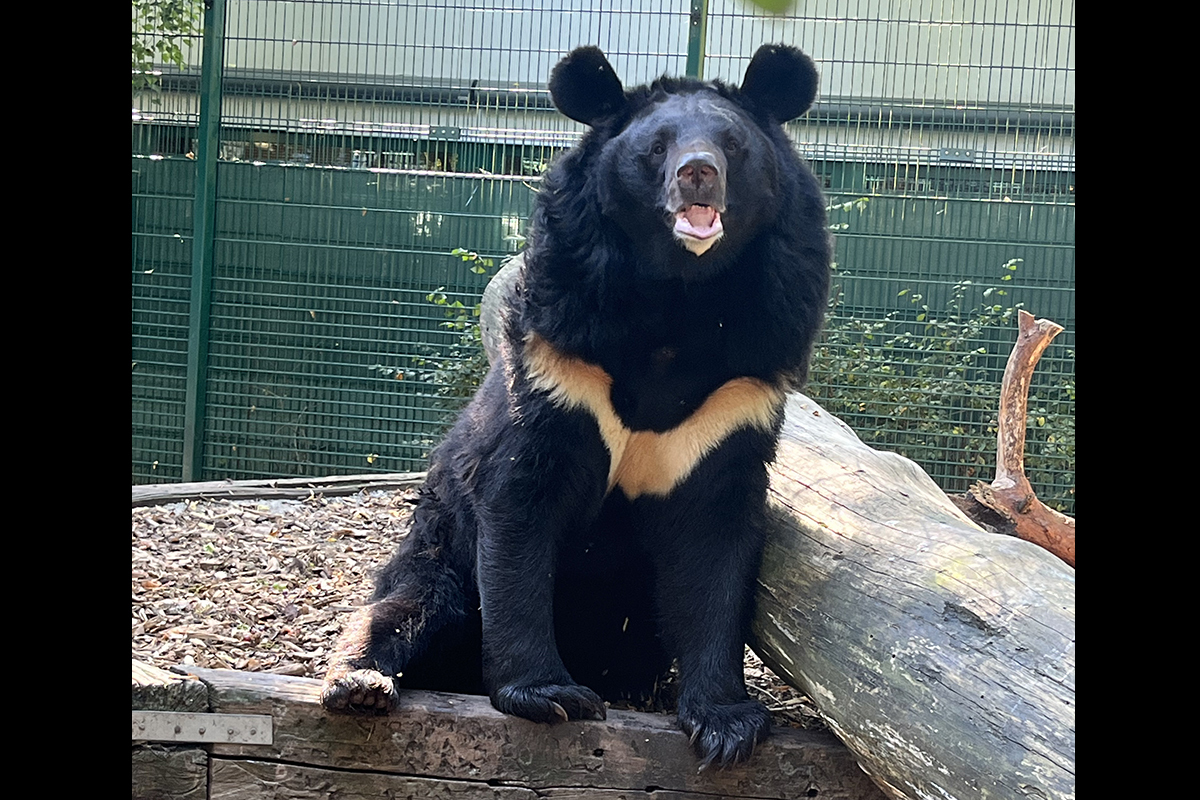
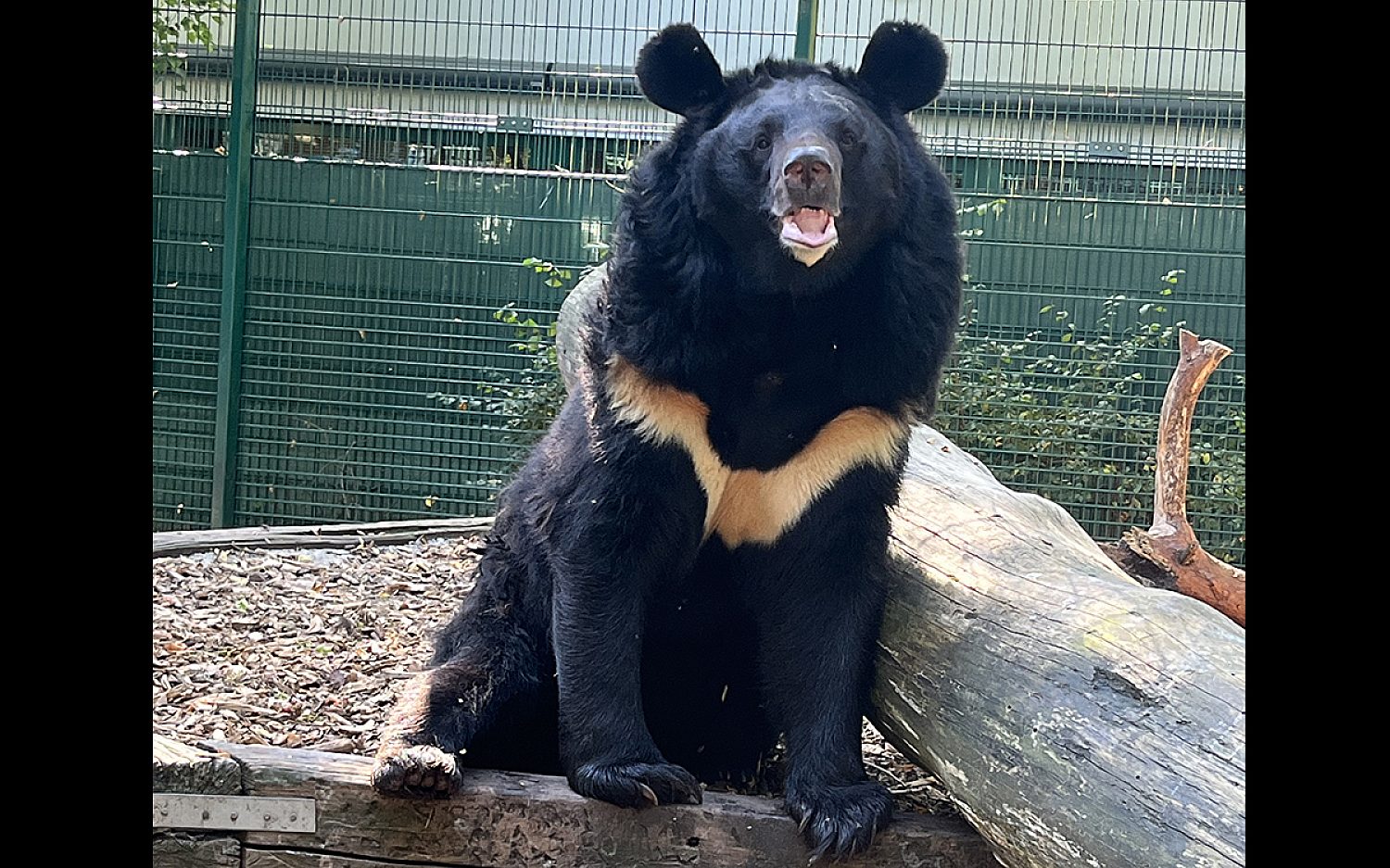
Asiatic black bear. You’ll recognize this big bear by the white crescent on its chest. (Many call it “moon bear.”) God made these bears good climbers, with short hind legs and strong upper bodies. They mostly hang out alone.
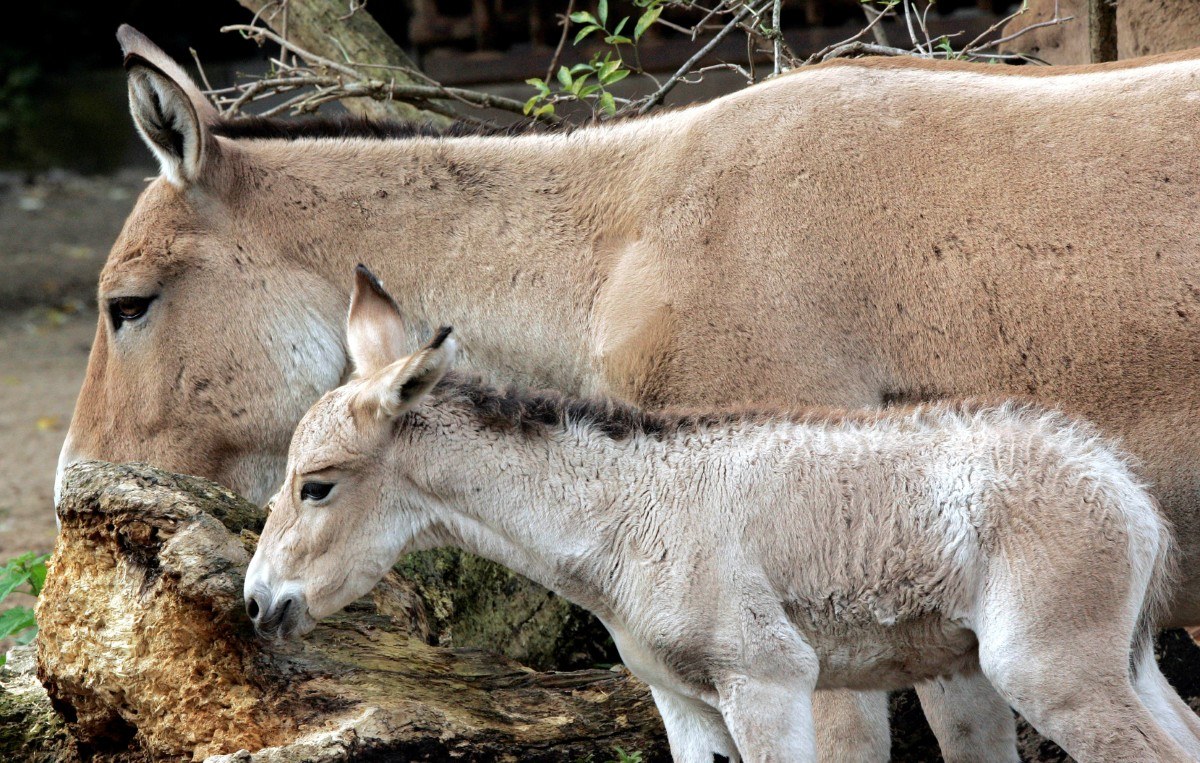
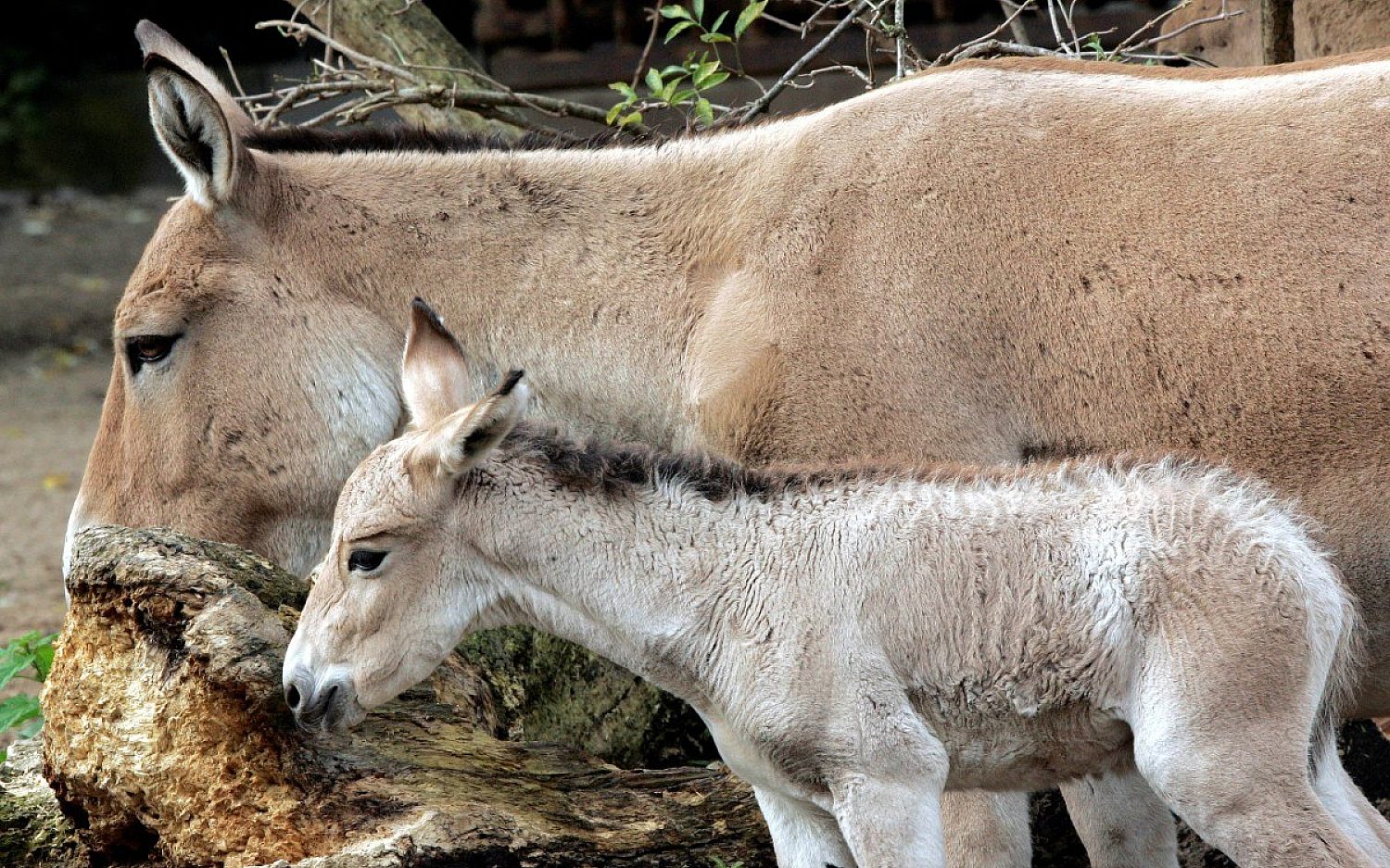
Persian onager. These wild donkeys have a sharp sense of smell and sandy-red coats with a few light stripes on their backs. Their short manes stick straight up. Their coats grow grayer and longer in winter. Males stand nearly five feet tall. People think that between 600 and 700 onagers still live in Iran’s desert land.
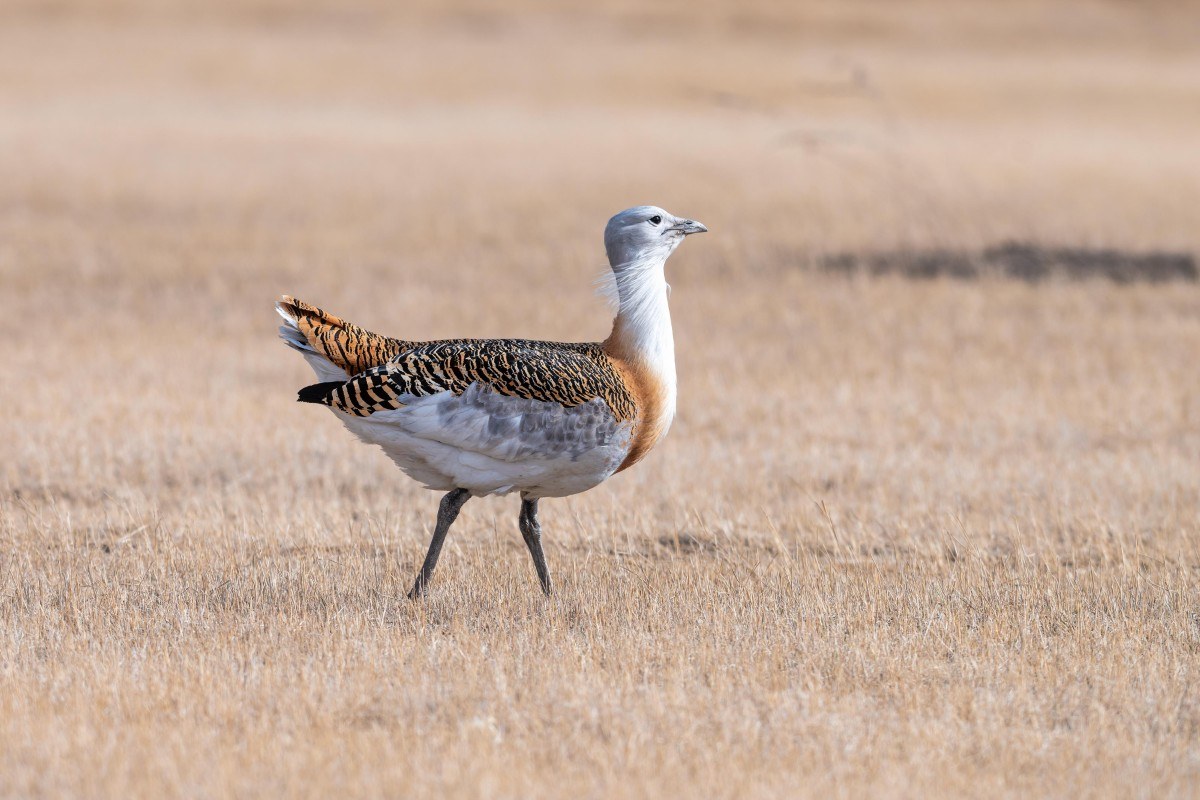
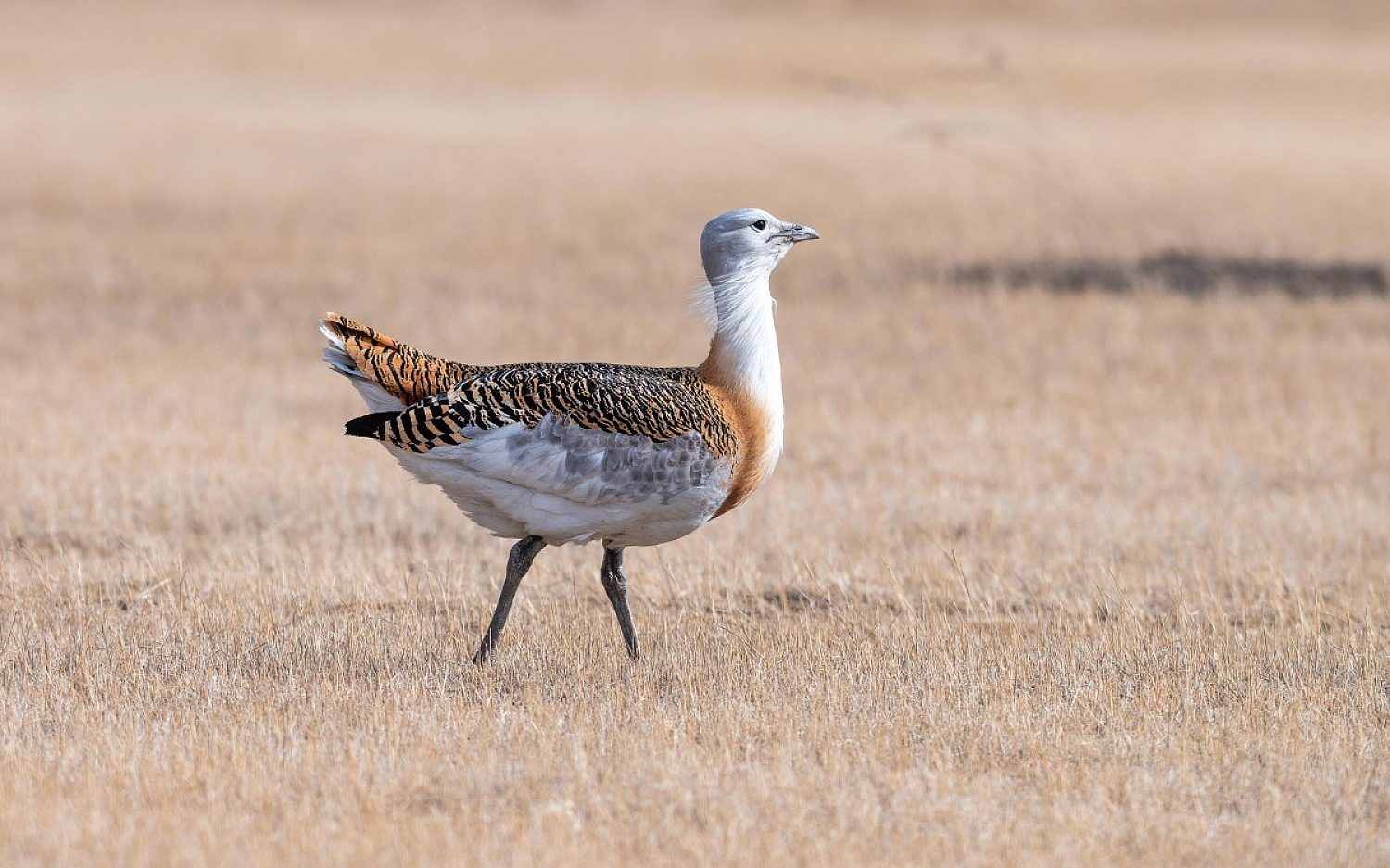
Great bustard. This bird lives on the ground—but it’s also one of the heaviest birds that can fly. It makes its homes in grassy plains. Its wingspan can reach nearly eight feet! Its camouflage colors include white, gray, tan, brown, and black.