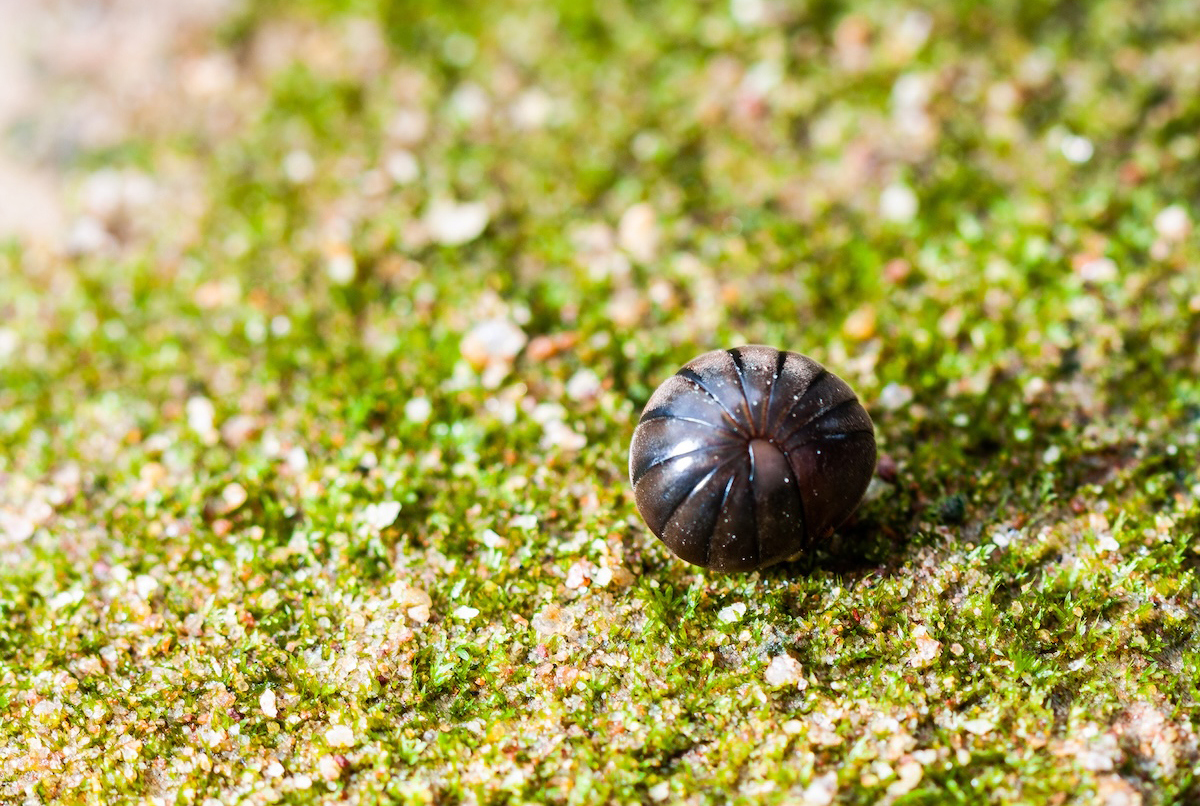
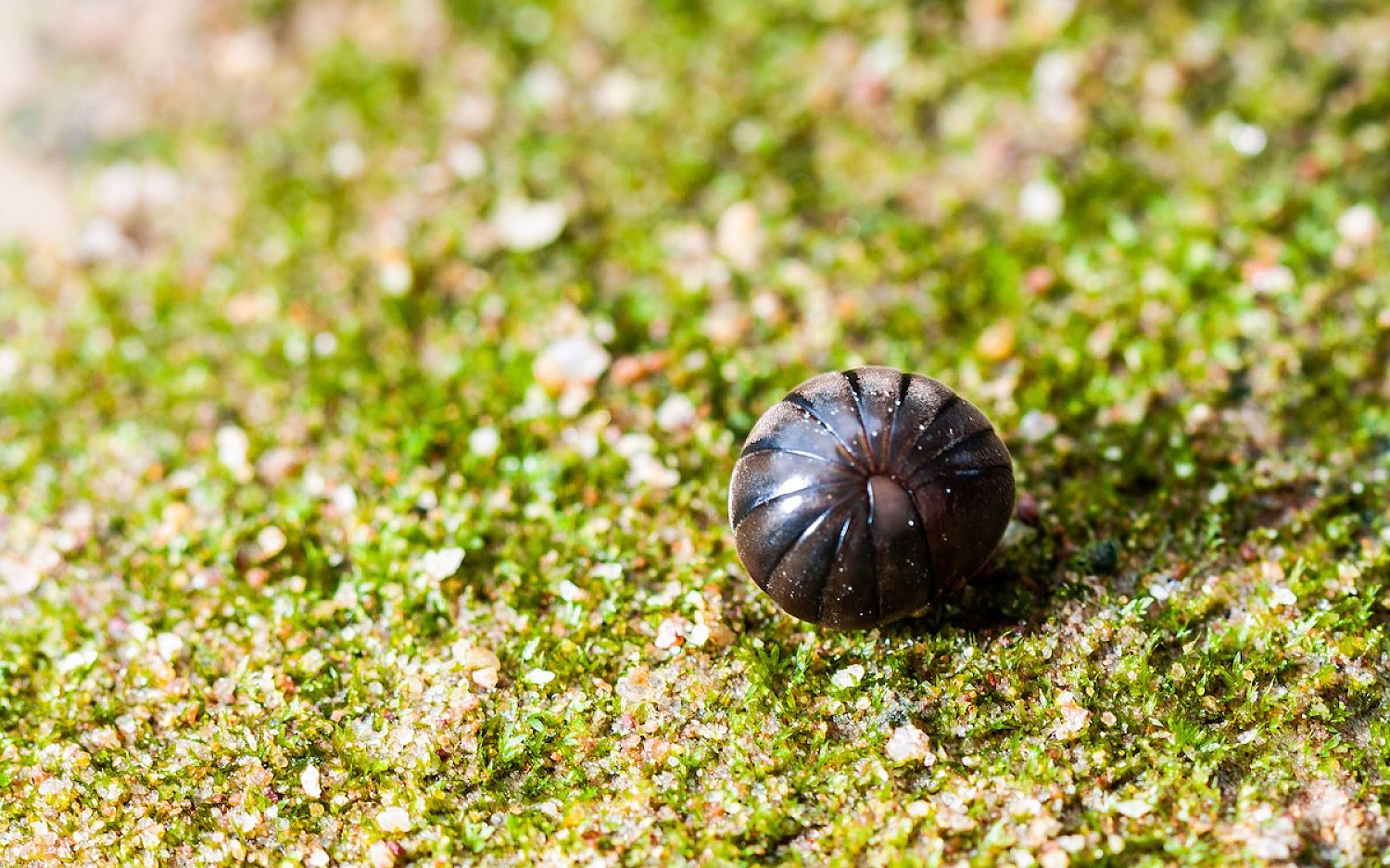
Did you see a pill bug (or a million pill bugs) in your garden this summer? Or maybe you know another name for this ubiquitous creepy crawly. Roly-poly? Potato bug? Doodle bug? Slater? These bugs curl themselves into tiny, armored balls to stay safe.
We’re guessing you’ve never spotted the “pill bugs” that live in the ocean.
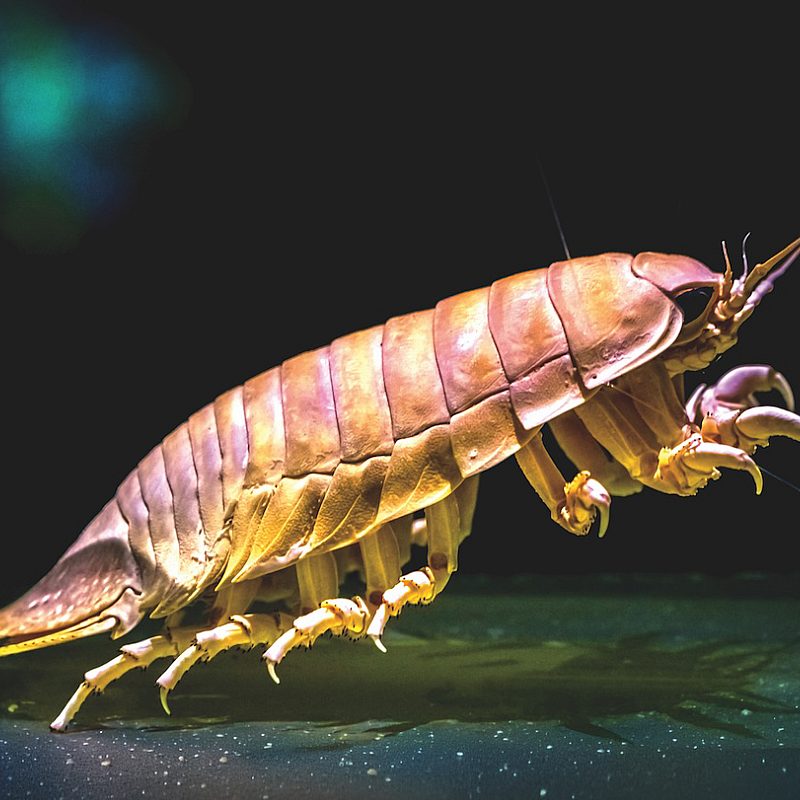
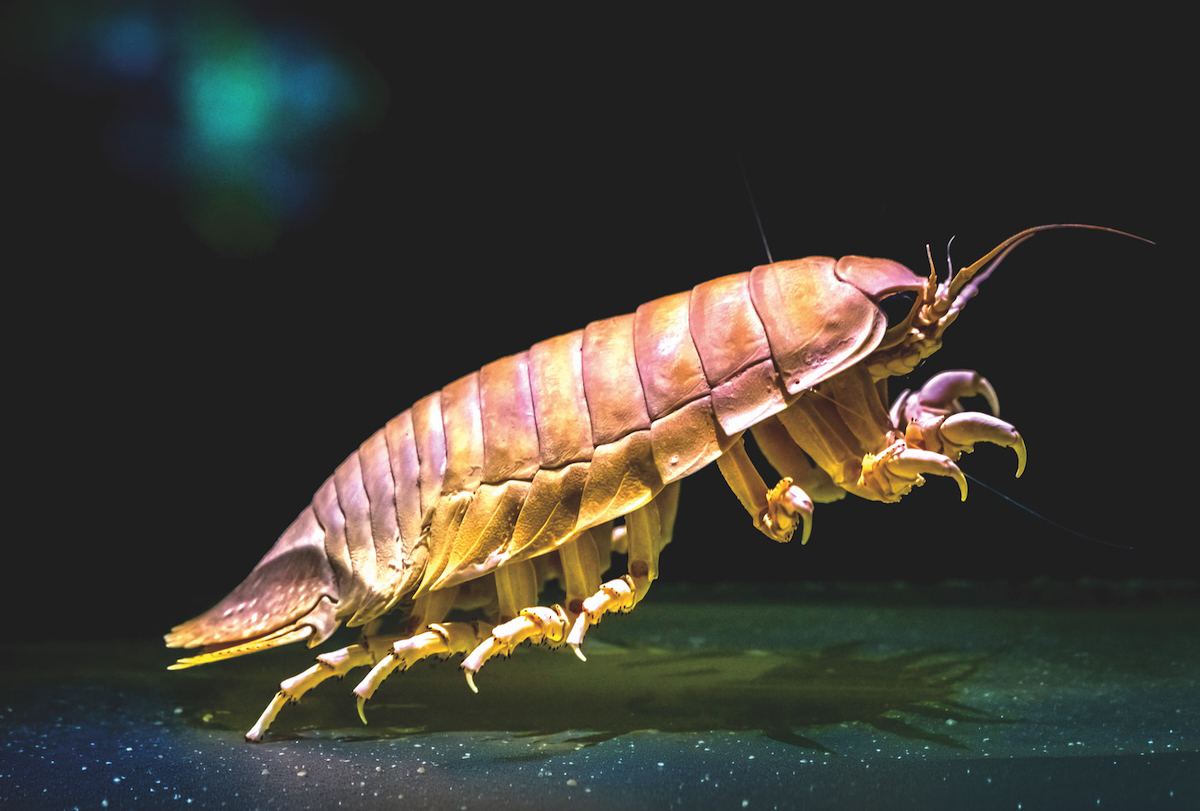
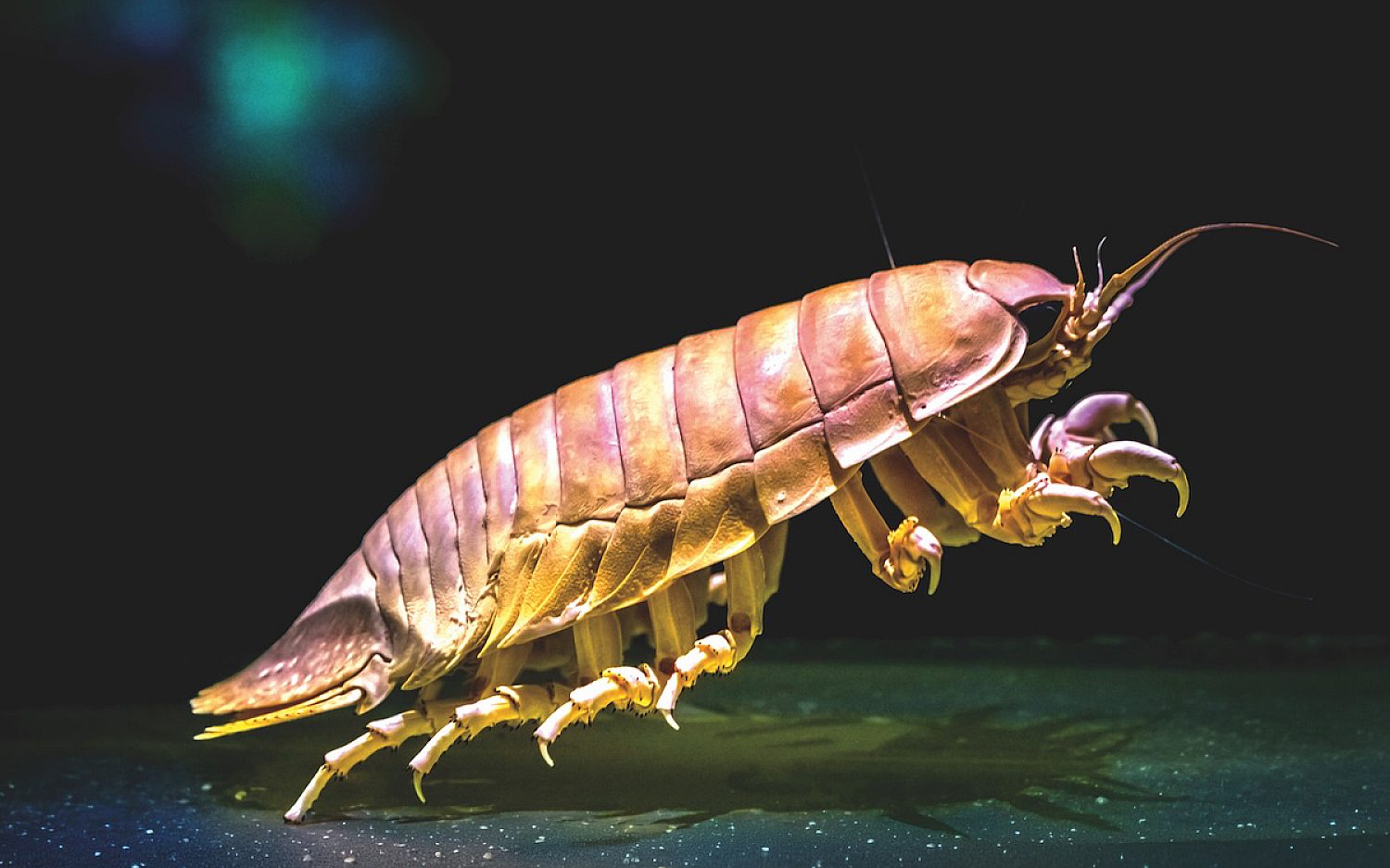
Meet the pill bug’s much larger look-alike: the deep-sea isopod. These creatures face problems way worse than a garden shovel. They live in a dark, deep, cold, underwater world . . . and they have to stay alive for a very long time between meals. If they could wish, these guys would probably wish they lived in a nutrient-dense whale skeleton . . . because their meals sometimes come only every five years!
The isopods are crustaceans. They have flat bodies divided into segments. They boast 14 jointed legs and a hard exoskeleton. These pill bugs live in the Atlantic, Pacific, and Indian Oceans. When they need to eat, they don’t call for a pizza, of course. But they also don’t go fishing. They just wait. And wait. And wait. Eventually, food will fall like snowflakes . . . made of dead organic matter.
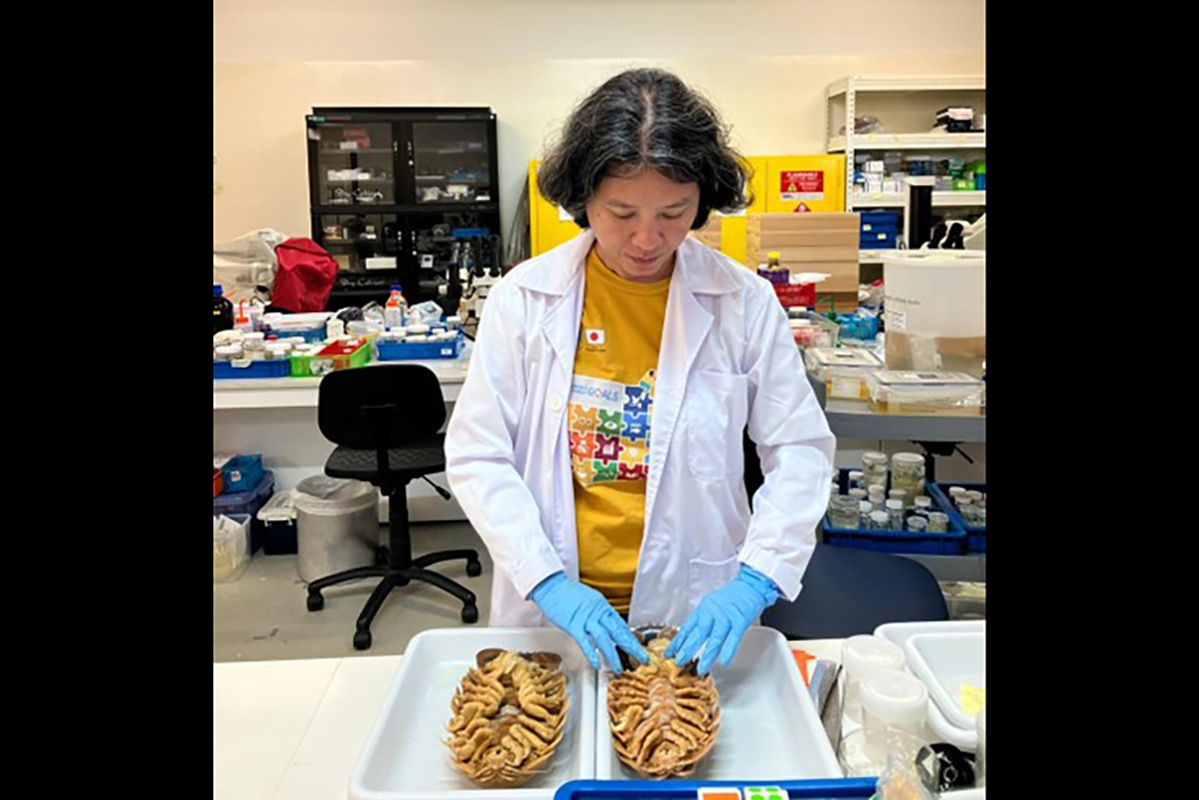
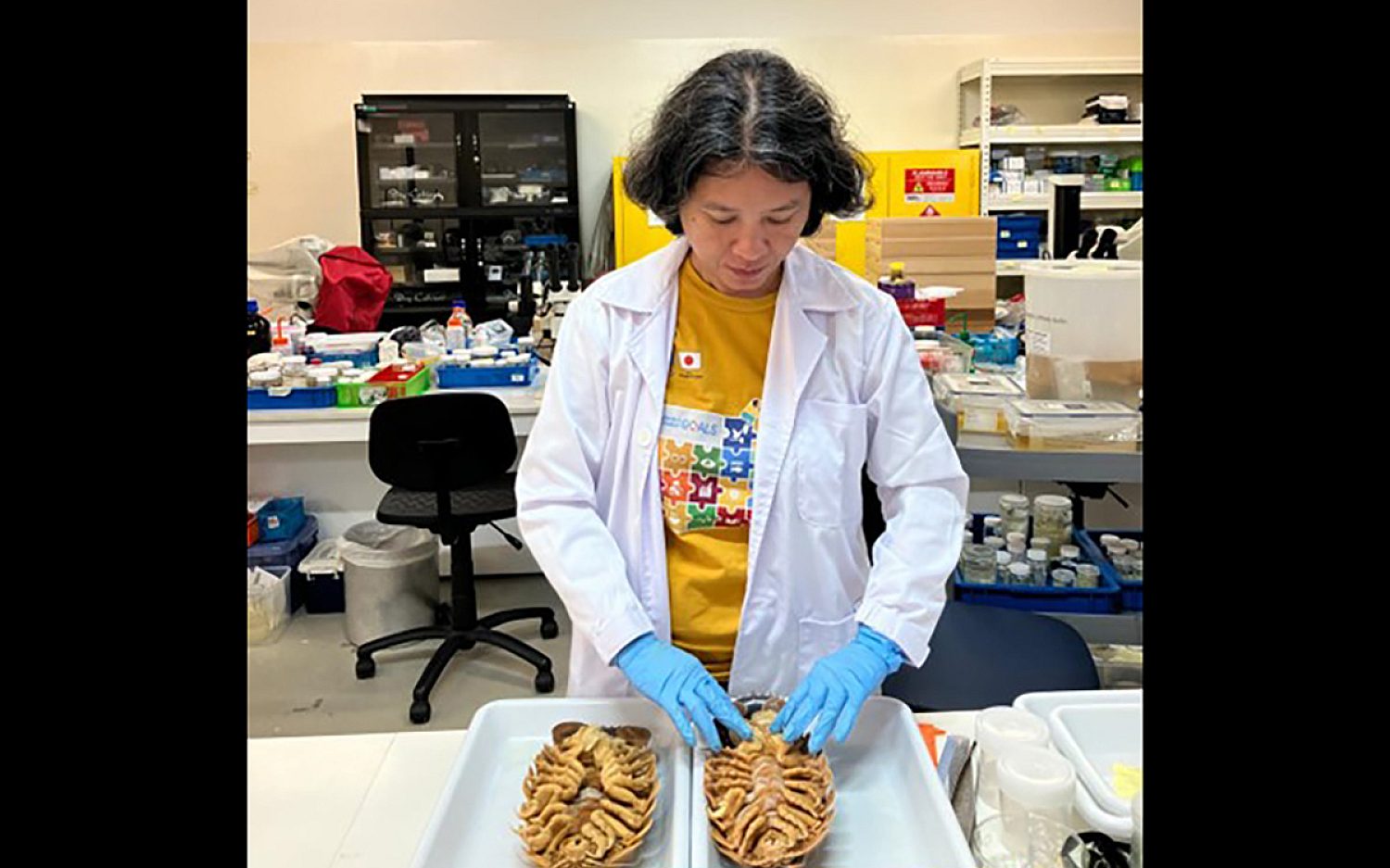
Jianhai Xiang is a crustacean biologist at the Institute of Oceanology. “It is a world of perpetual night and crushing pressure, yet life finds a way,” he says.
Mr. Xiang’s research shows how these underwater creatures can survive for five years without food. God made them unusual, for good reason. They have huge stomachs and low metabolisms. A gene controls how their bodies make and use energy. They eat as much as they can when food happens by. Then they spend that energy sloooowly.
And when danger comes close? They roll into balls . . . just like the little guys in the garden.