
What a neighborhood!
It lies deep in the southeastern Indian Ocean.
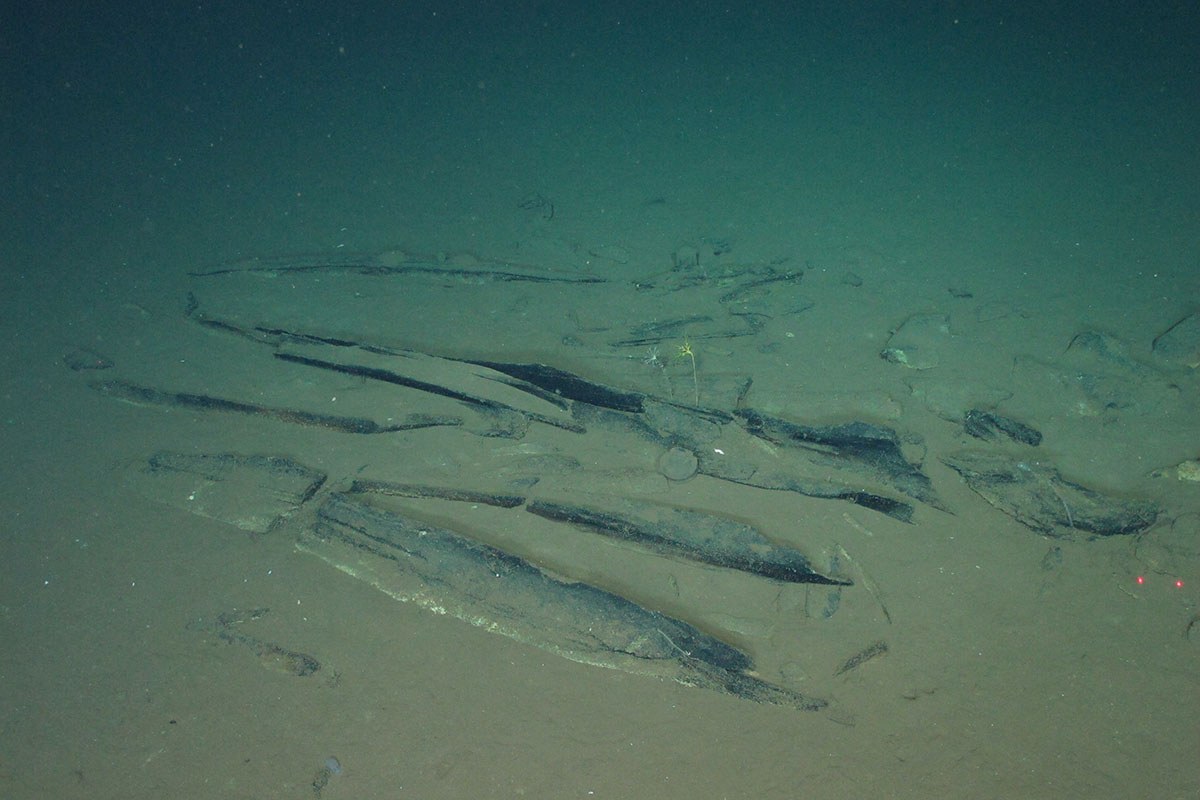
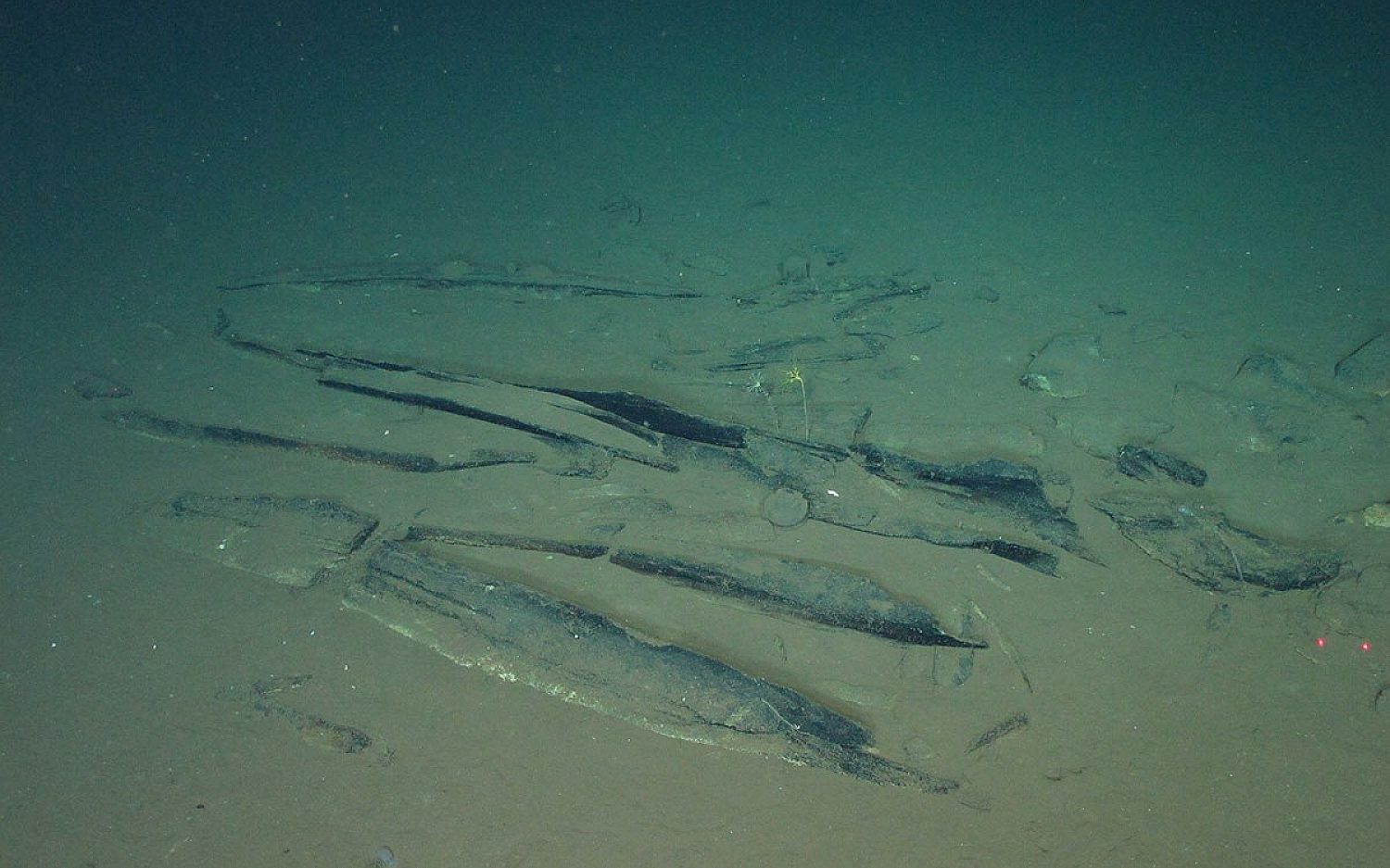
Its “houses” are made of bones, bones, and more bones.
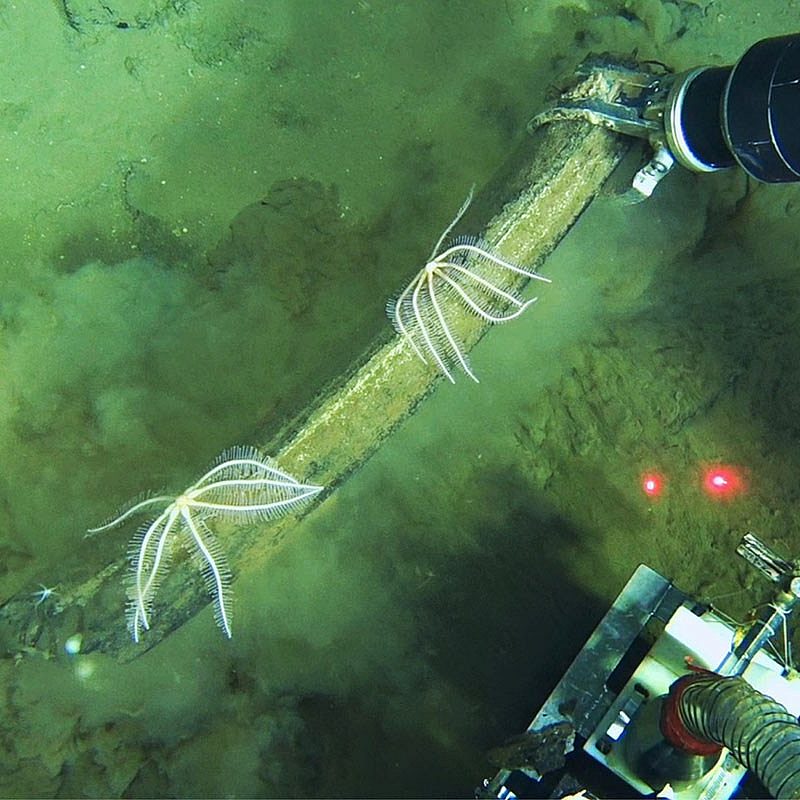
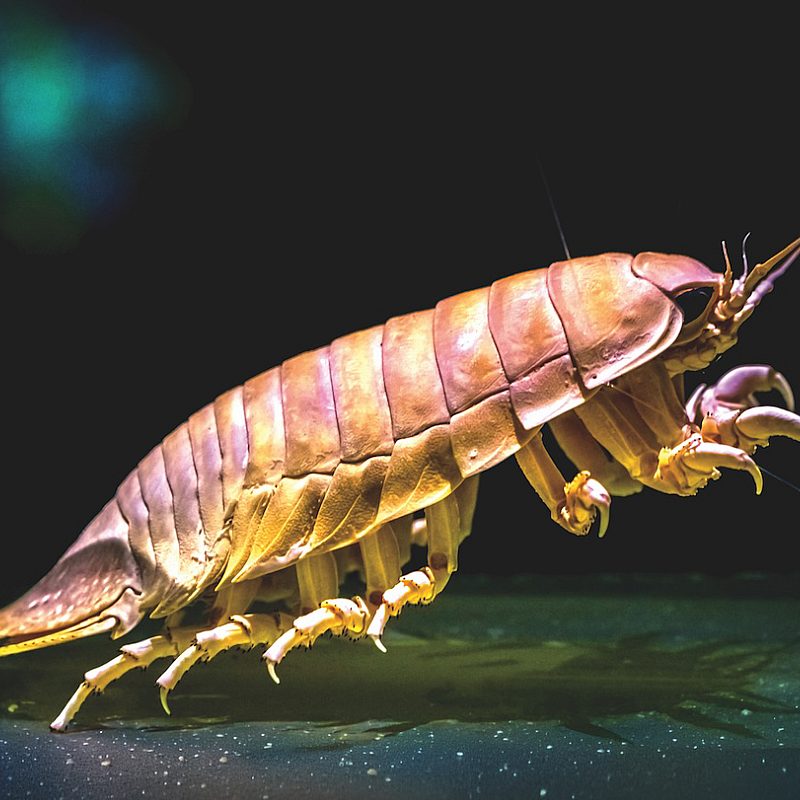
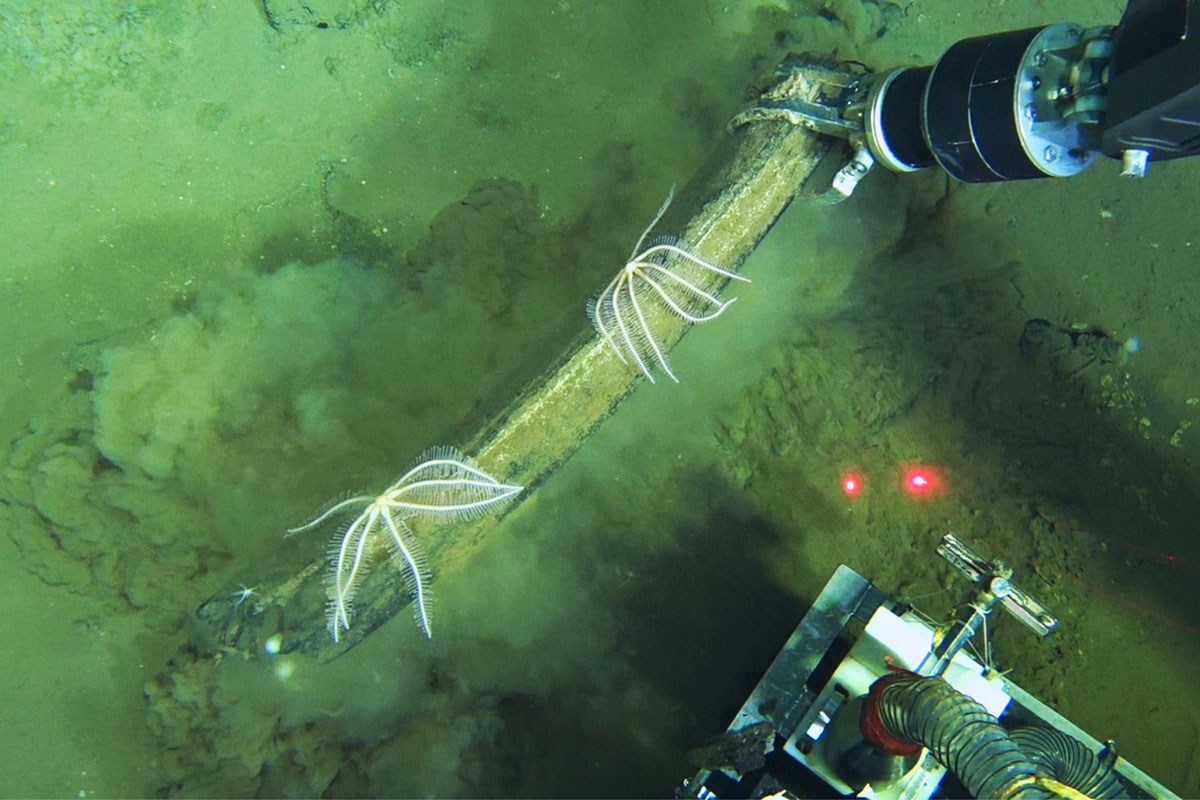
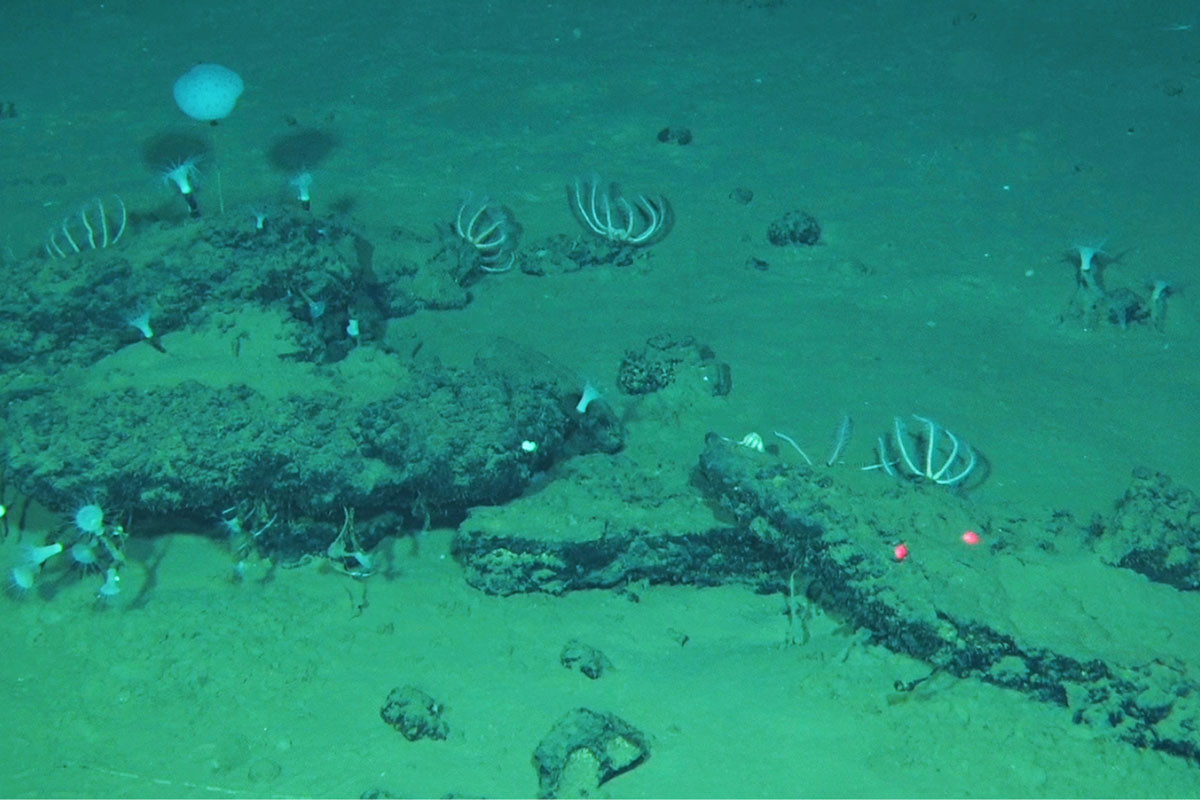
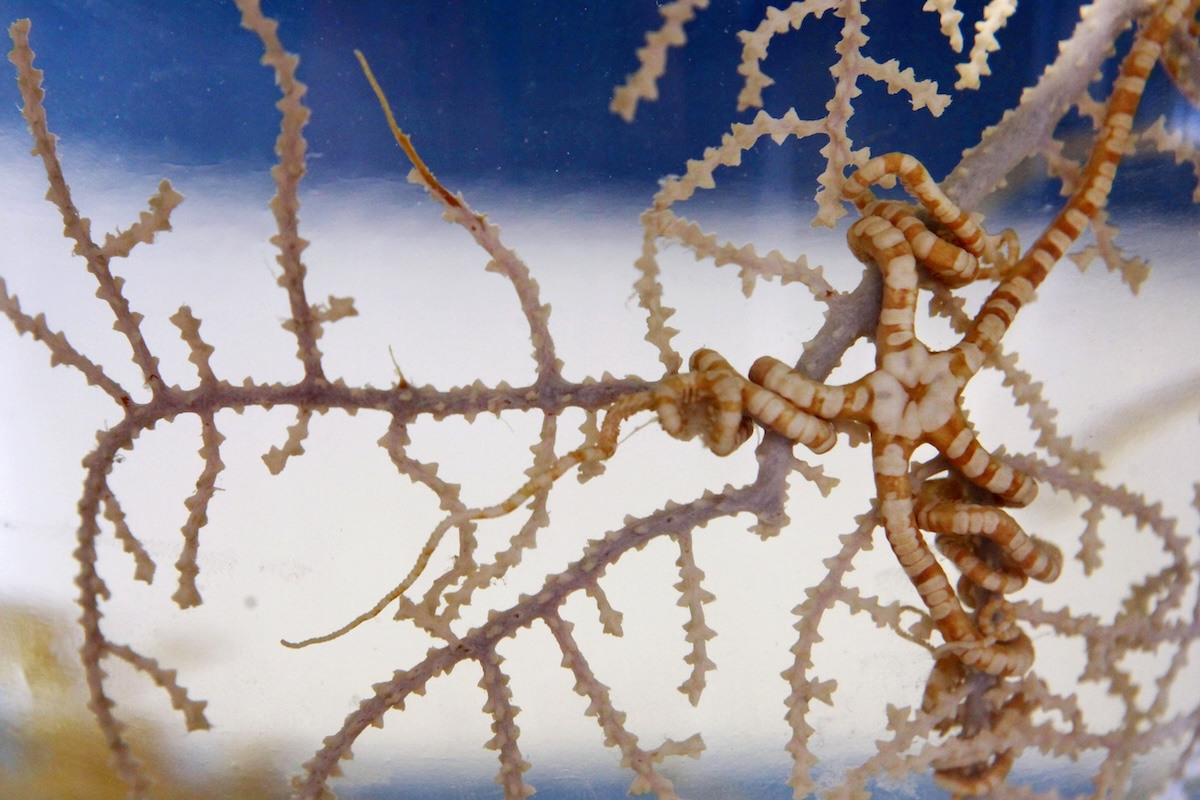
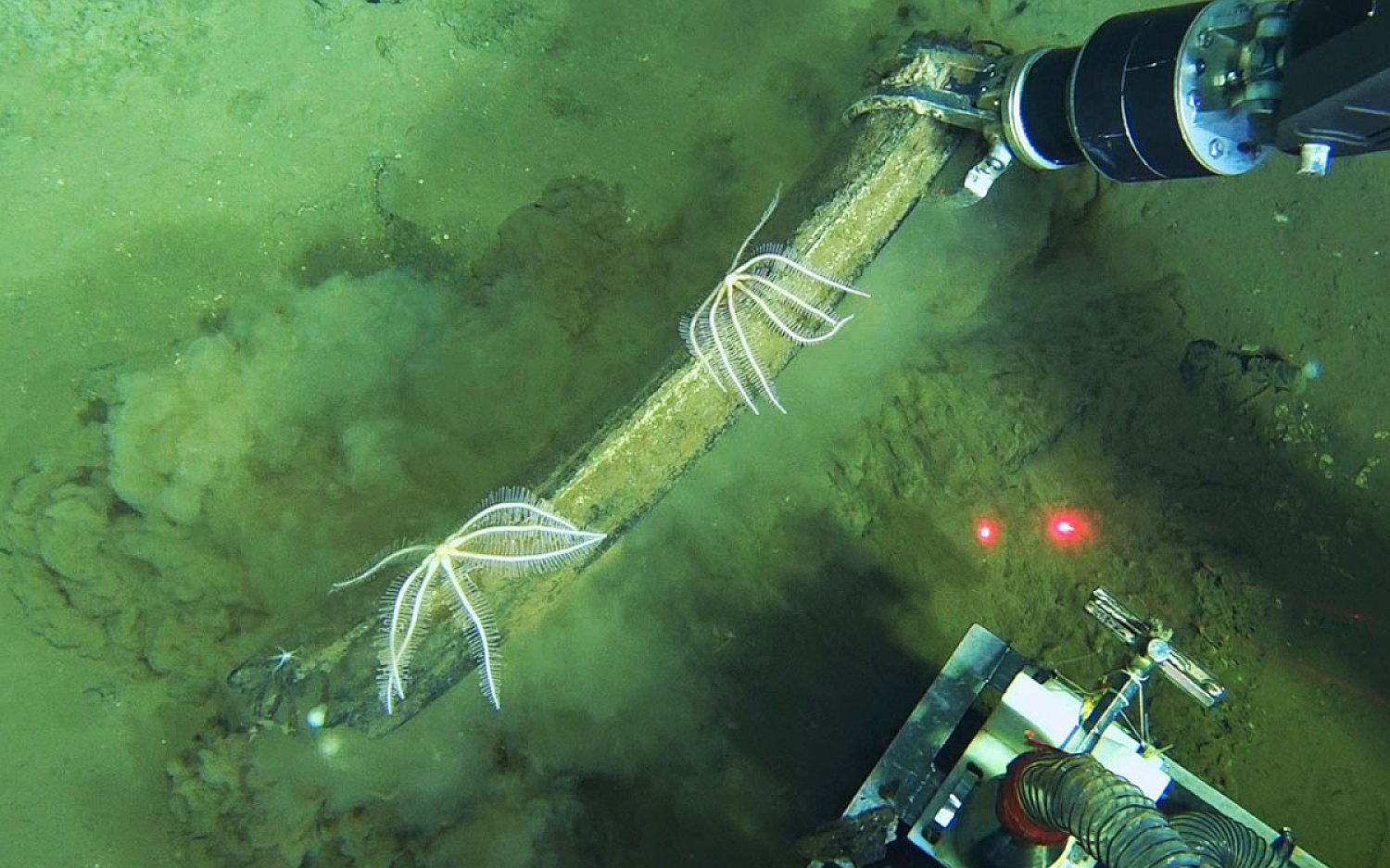
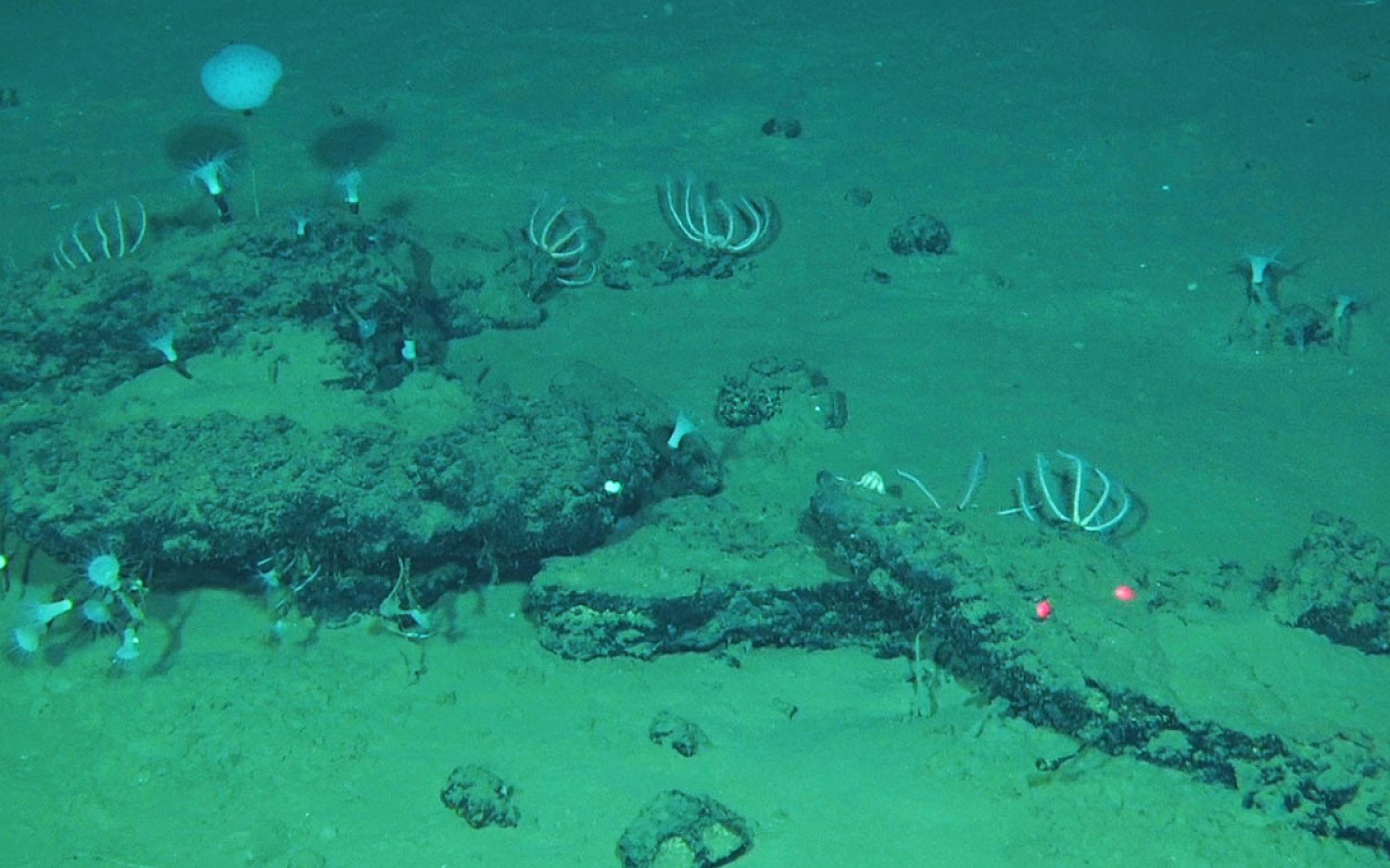
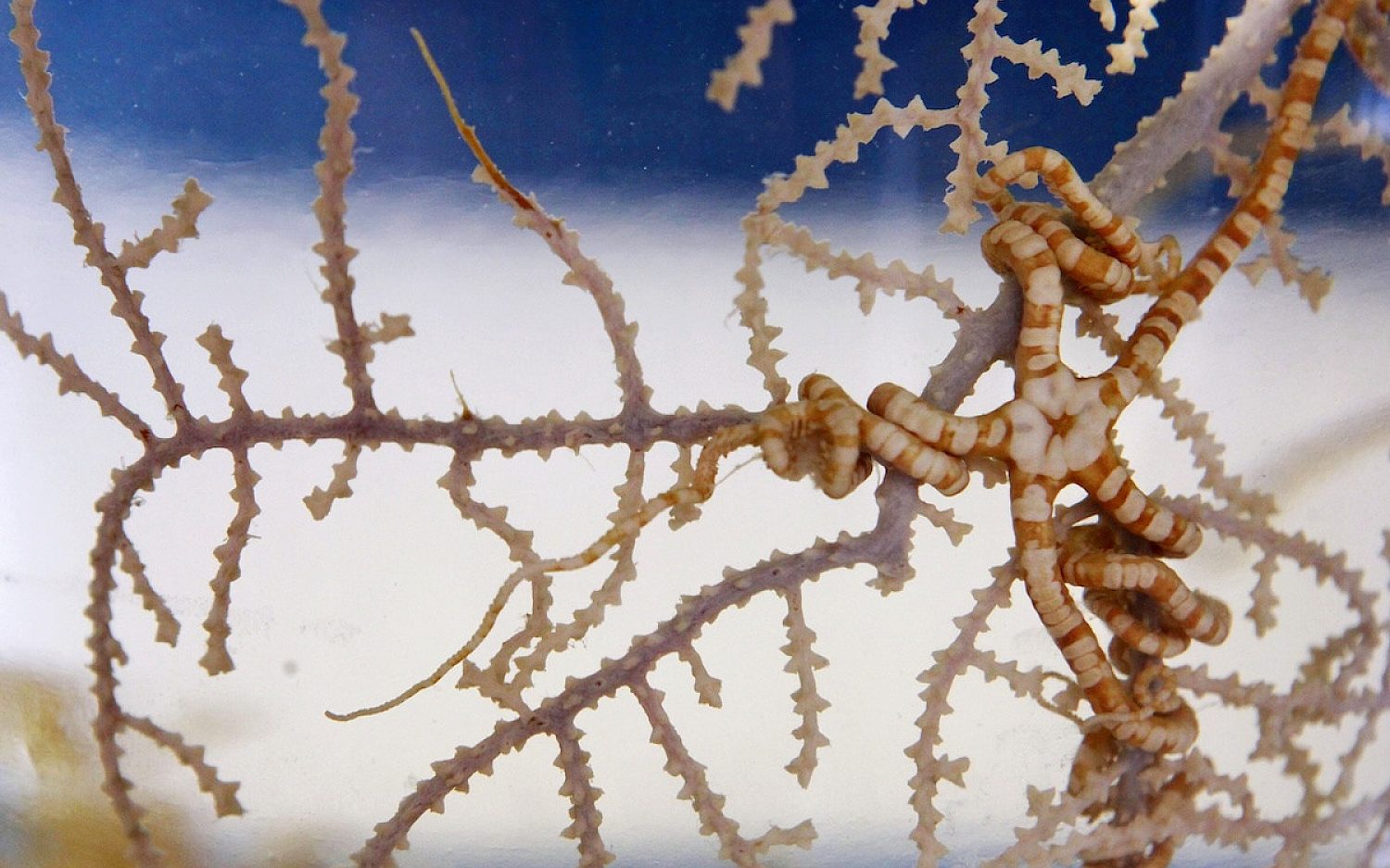
And the residents? Sea cucumbers. Squat lobsters. Saltwater clams. Jellyfish. Tube worms. Brittle stars. These many creatures are large and small. Many likely belong to species that have never been documented.
“The potential number of specimens is just astounding,” says paleontologist Stephen Godfrey.
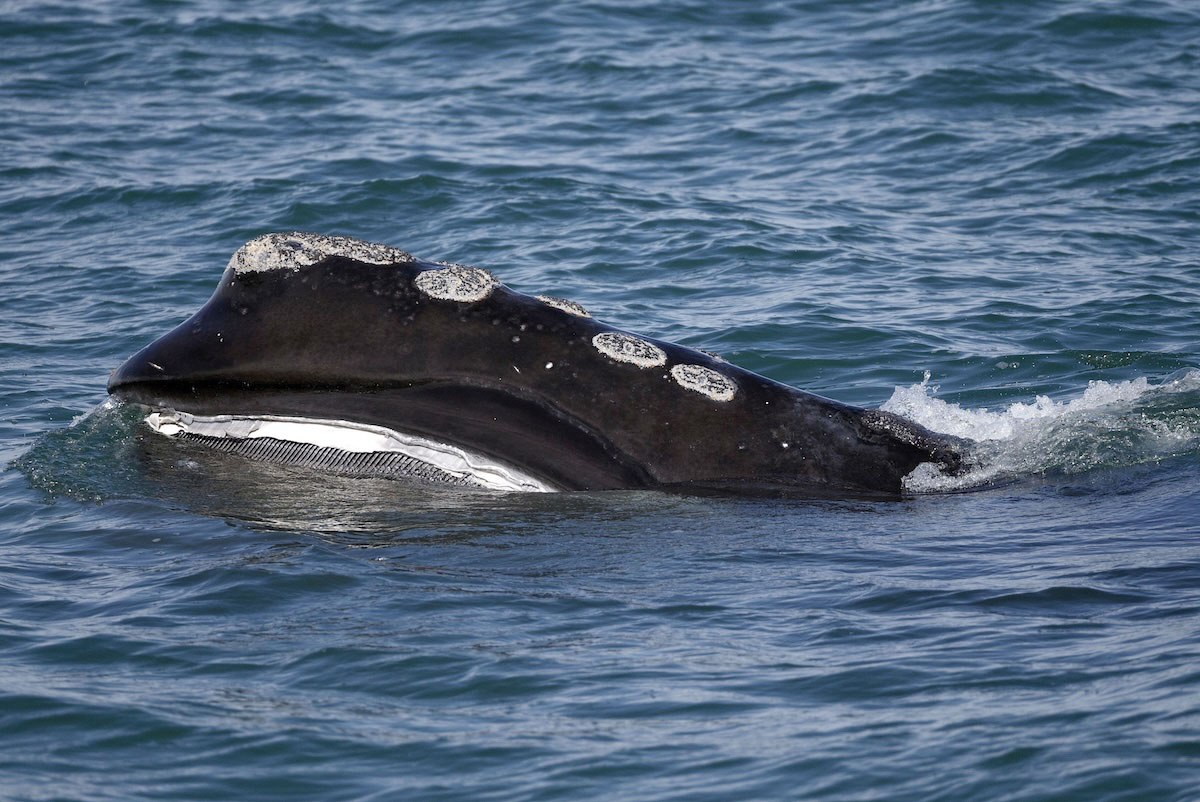
The structures in this sea neighborhood were once whales. The whales died, and their carcasses sank to the ocean floor. It’s a many-years-old whale graveyard!
When whale bodies fall to the seafloor, they nourish nearby creatures. And this particular whale graveyard is huge. It’s the largest, deepest, and oldest whale graveyard ever found.
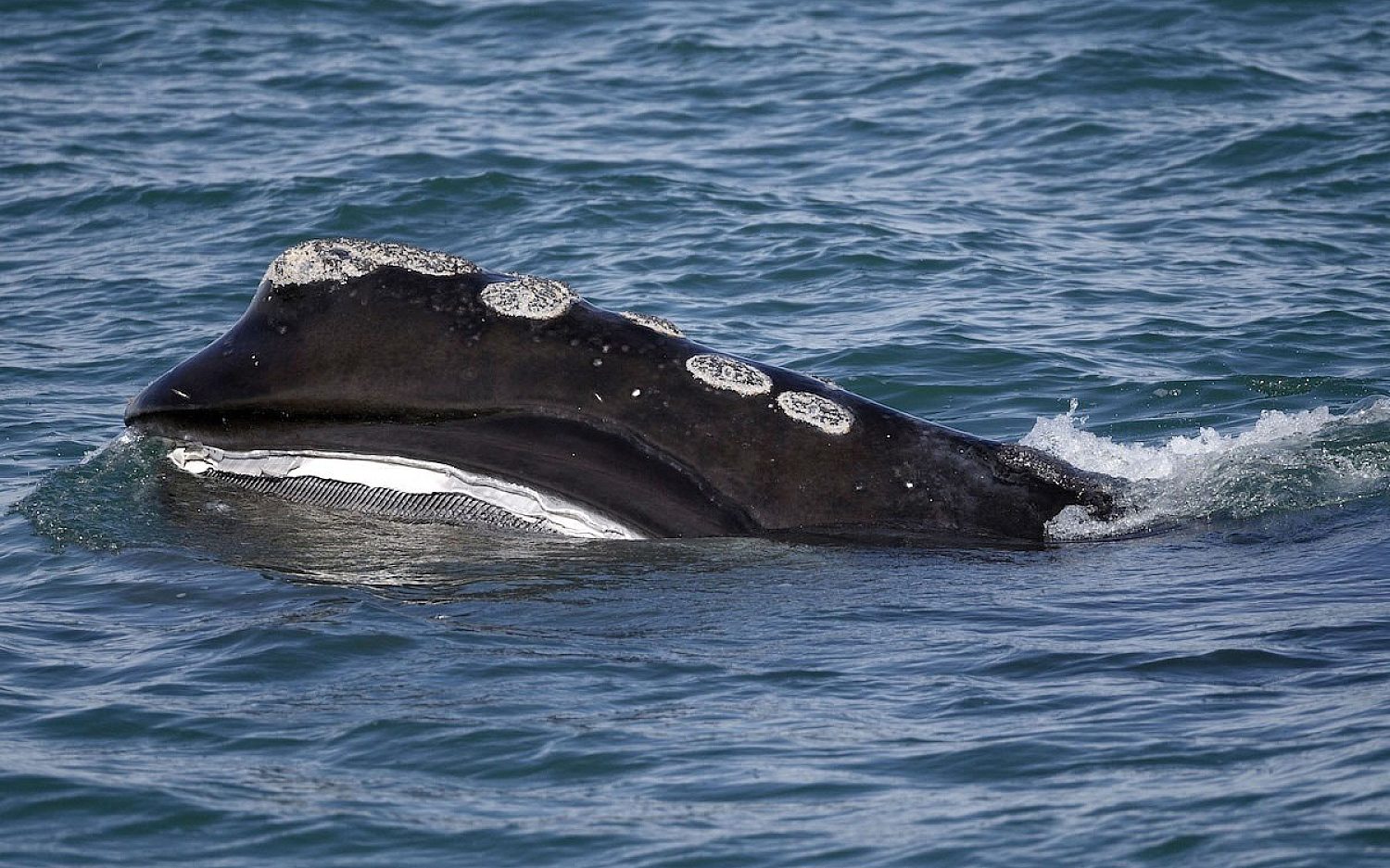
As you know, whales are the giants of the sea. Their size and the unique chemistry of their bones make them particularly useful after they die. But whale graveyards like this one can be hard to find. Sure, they’re huge. But they’re also deep, deep, deep—23,000 feet below the surface, in this case.
Researchers took submarine trips to the graveyard in 2023. They collected samples. They mapped the size of the necropolis. They found:
- five carcass sites,
- fossils, including skulls belonging to beaked and baleen whales, and
- countless creatures feeding and living on the bones.
Scientists say the bones are ancient. (Many would even say they’ve been there for millions of years. But lots of Christian scientists disagree with that timing. We do all agree that these bones are very old.) How did the bones last so long? Well, they’re very dense. Even bone-eating worms couldn’t chomp all the way through. Also, their depth kept them from getting buried in dust and sediment. Only light minerals coat the bones. That may have protected them from decay.
Another question: Why did so many whales die here?
Maybe it was their home. Or maybe they got sick from diving so deep. One other idea: The area is shaped like a deep V. Maybe the shape naturally funneled the whales to their final resting place.
Why? God continually brings life from death—even in deep oceans after whales die.