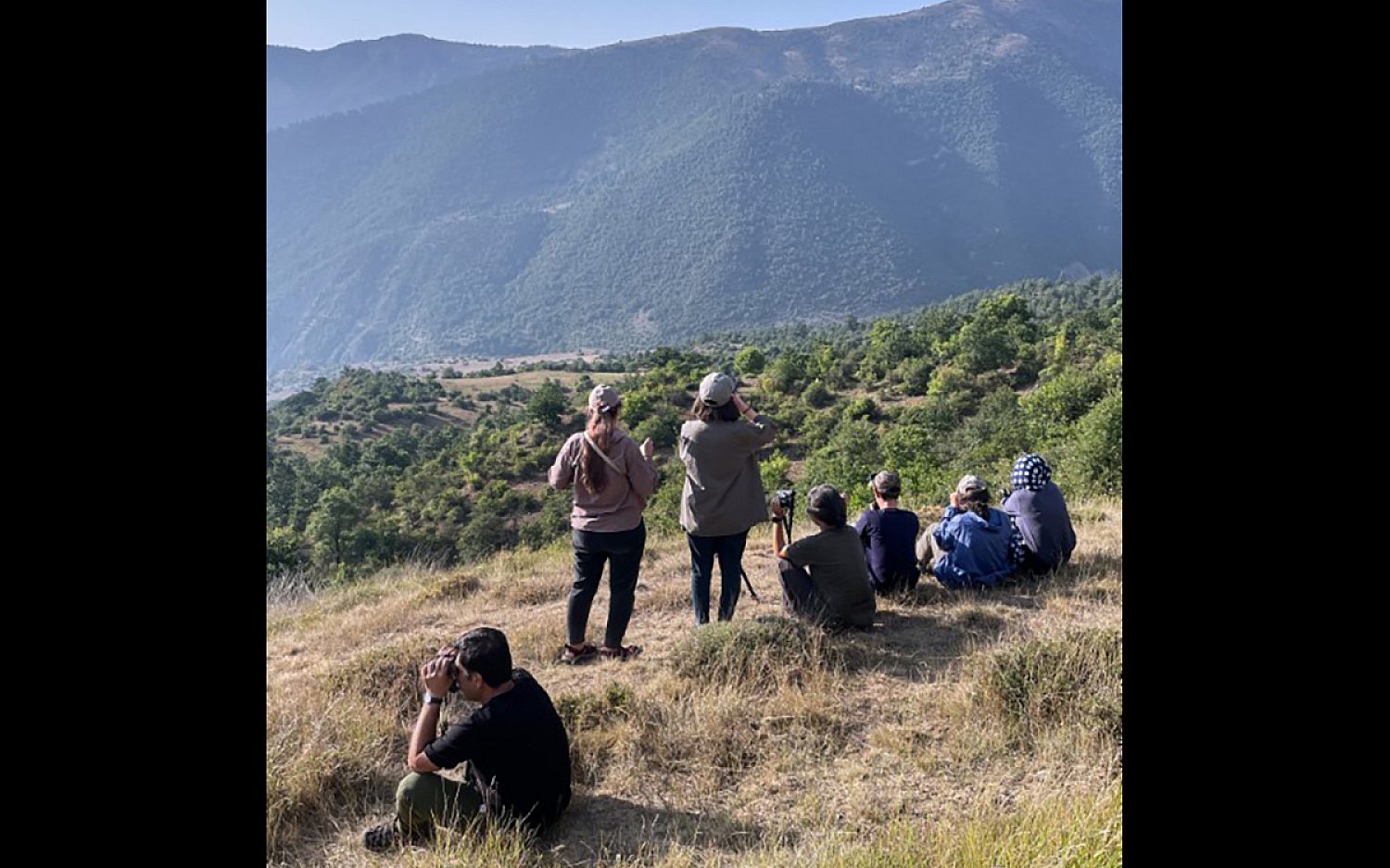

Iran is at war. So what does Reza Kiamarzi do? He goes to the mountains, looking for birds.
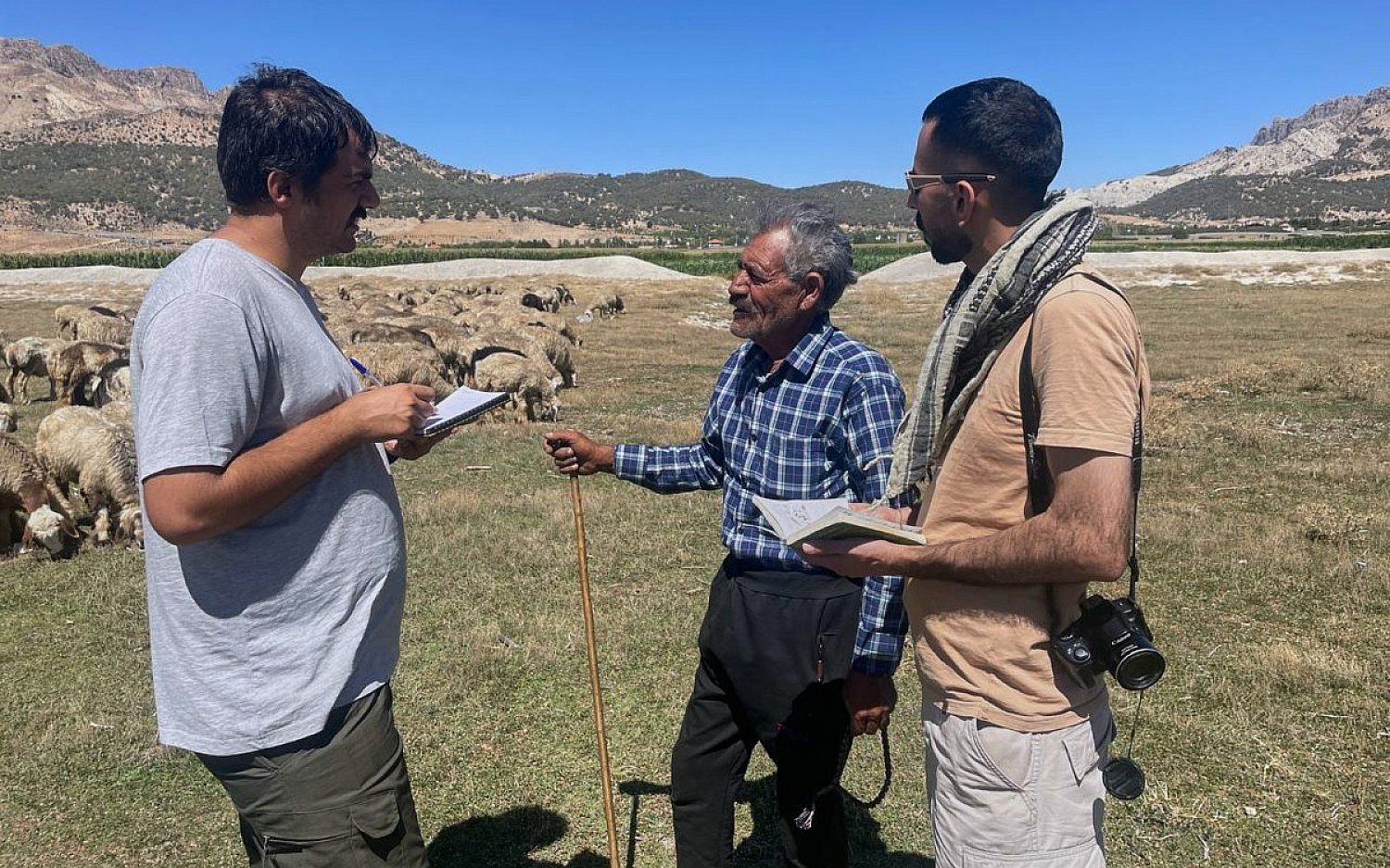
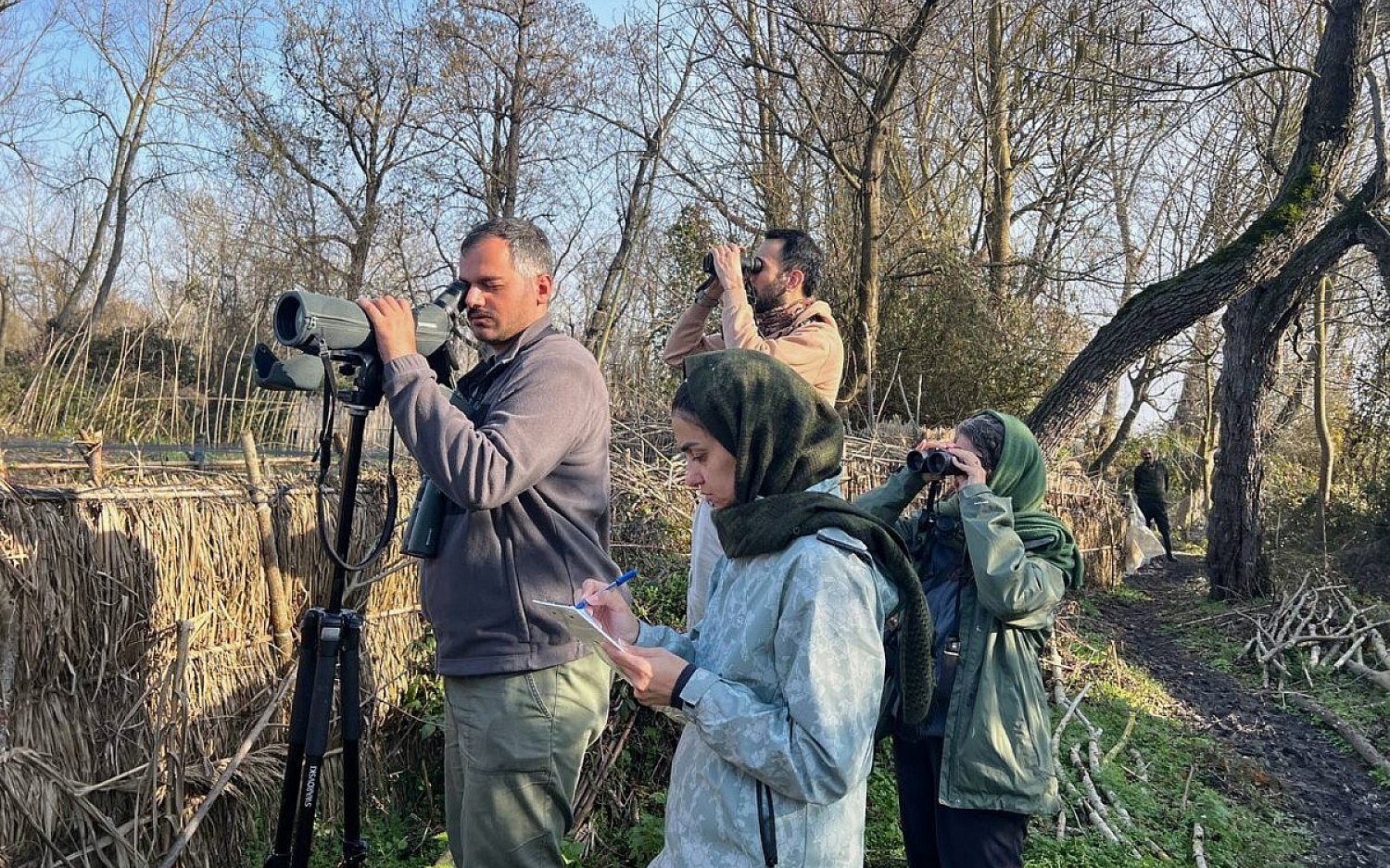
Mr. Kiamarzi is a veterinarian and bird researcher. His mission: Find the nests of endangered falcons high in the cliffs. Wars don’t pay attention to falcon breeding seasons, of course. But he does. He knew that in this case, the two events were happening simultaneously.
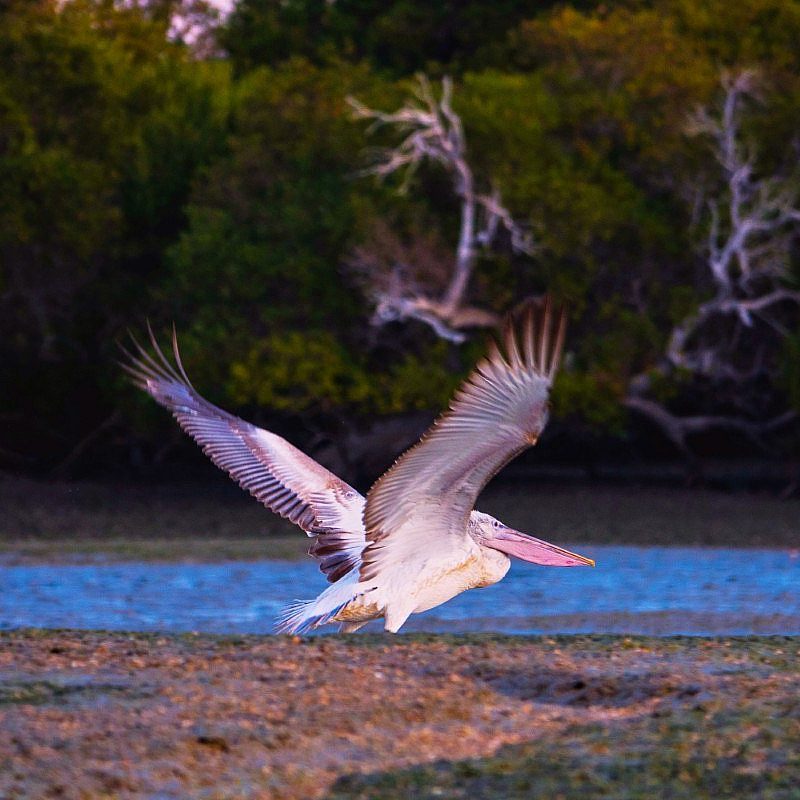
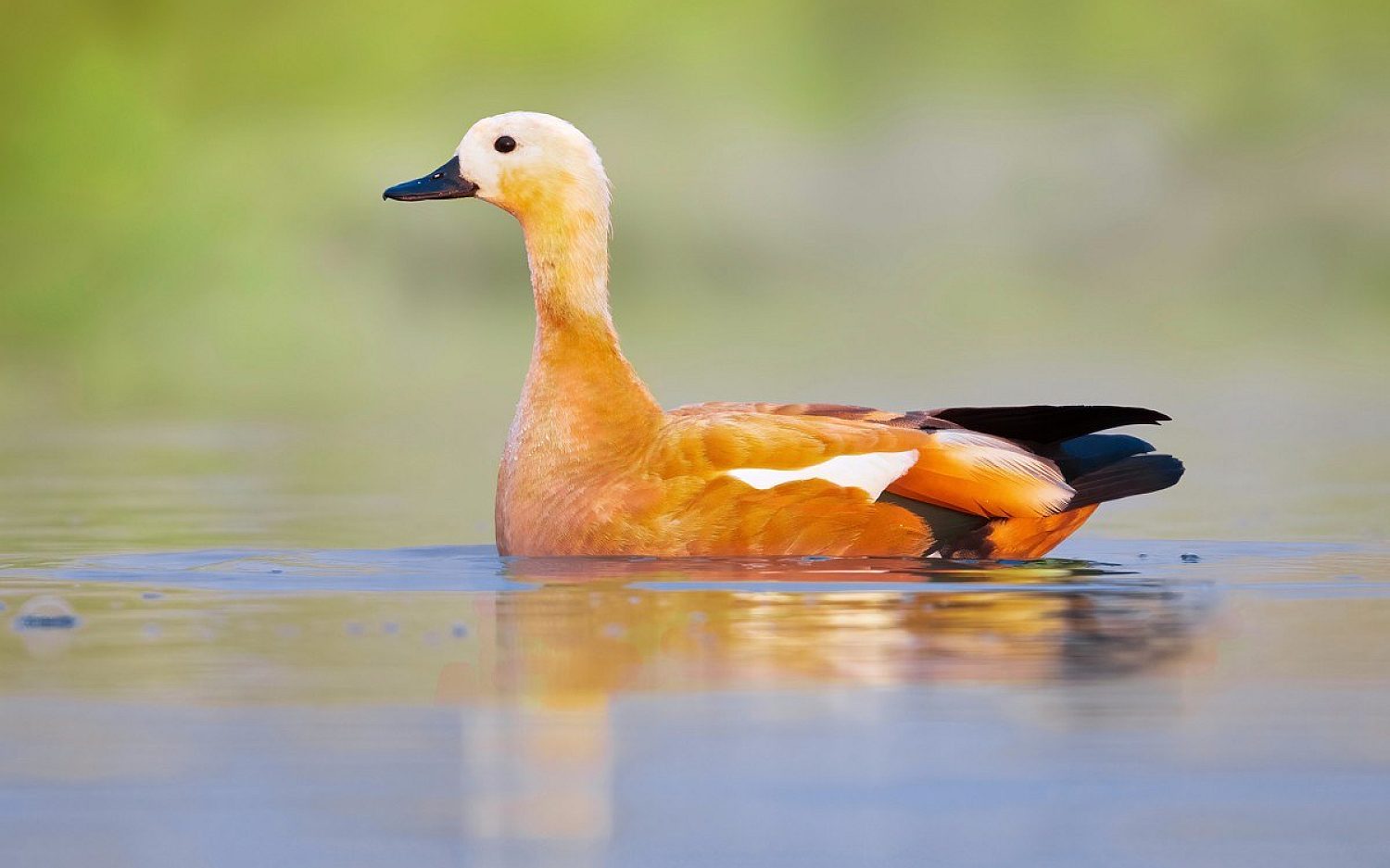
Iran has two cherished falcon species: the saker and the red-naped shaheen. Almost no birds in the world fly faster than these. Mr. Kiamarzi knew of two nests near military bases that had been struck. He wanted to know: Did the explosions affect birds laying eggs or raising chicks?
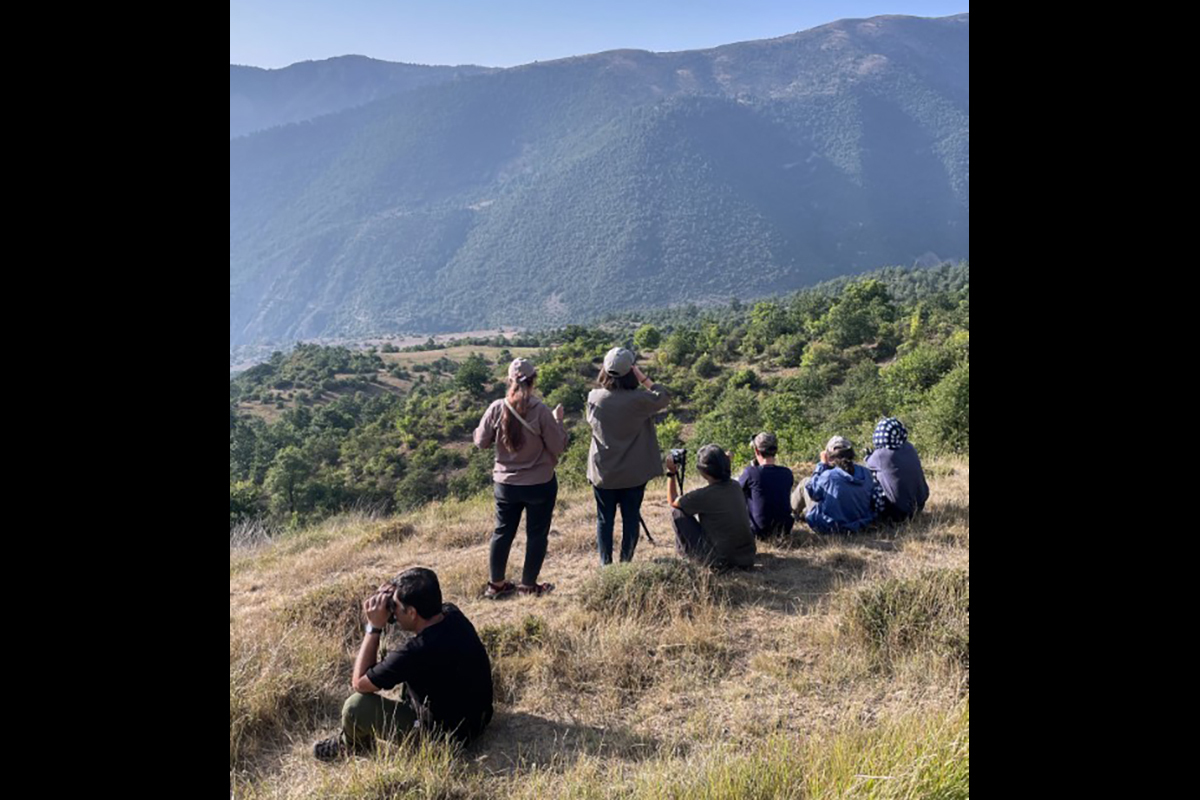
“It’s a long climb to the foot of the cliffs,” he says. “And then we have to rock climb to reach the nests.”
Iran measures about two and a half times the size of Texas. It has wet forestland and hot, dry coastland. Mountain ranges run through the country. A wide variety of animals make their homes in these ecosystems. Migratory birds also stop in here on their trips between Eurasia and Africa.
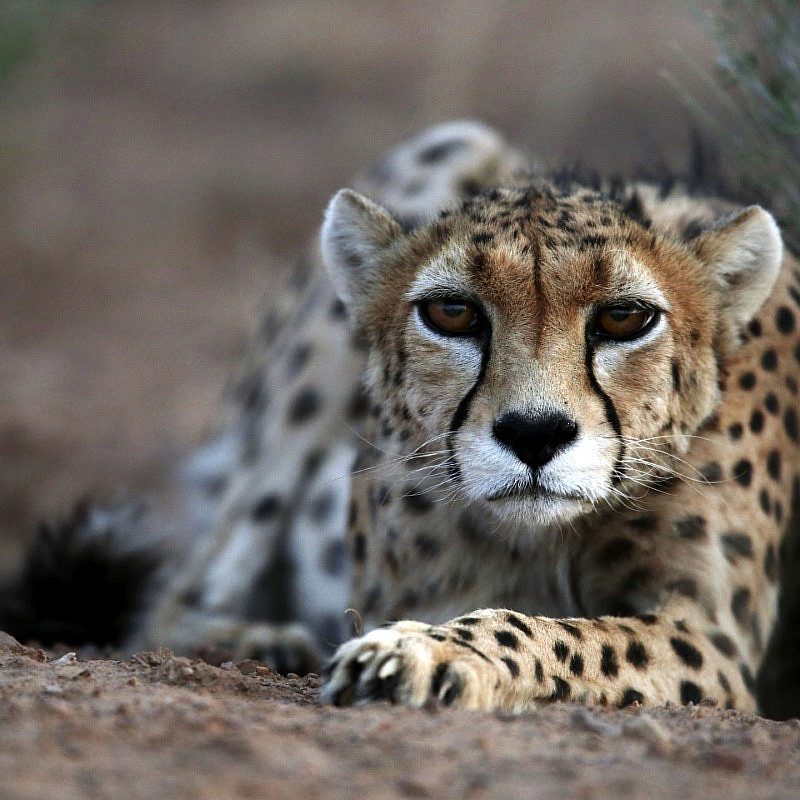
Of all those many animals, at least 86 species are at risk of extinction. People work to protect them. But that work gets harder in wartime.
Mr. Kiamarzi found the falcons’ nests. The birds were still there. Are the birds and babies okay? He is still studying them to make sure.
Before the war, smugglers caused most of Iran’s falcon problems. As Iran faced money problems, more and more people illegally sold the birds.
Where could the birds stay safe? In military zones—at least in peace time. “It’s a secure area no one dares get close to, not poachers and smugglers,” Mr. Kiamarzi explains.
But military zones are not safe now, for people or birds. Iran’s enemies target these areas, bringing destruction in desert and mountain sites animals rely on for life.
Why? People use their God-given creativity to care for animals during wartime.
Recommended Reading: For more about birds, read Cher Ami Comes Through by Nel Yomtov.