
Chen Qing can still see her grandfather in her mind’s eye. He was a porcelain artist just like her. In her memory, he is writing down the family secret—a formula for red pigment.
He asks her mother to memorize the formula. Minutes later, he burns the paper.
Ms. Chen’s family has not written the formula down since that day. Instead, the formula passes down orally from family member to family member. “My mother did not reveal the formula to me until I was over 30,” Ms. Chen says.
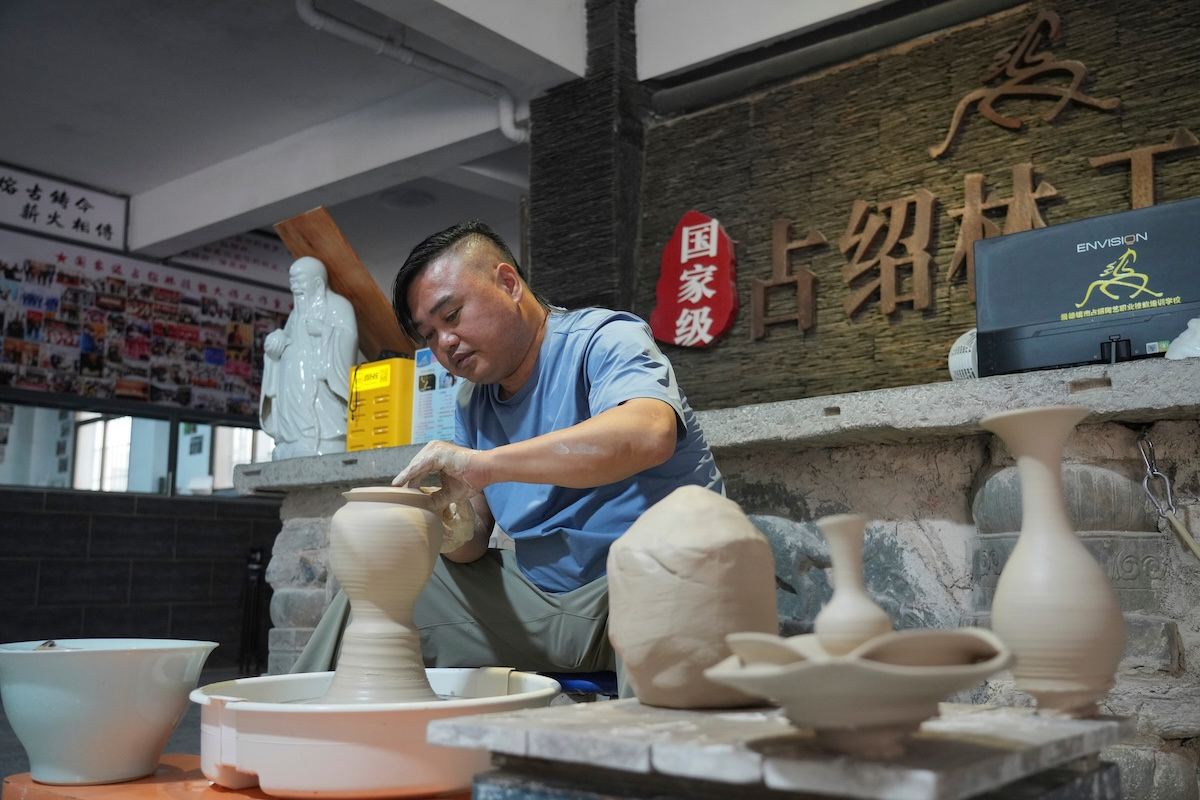
Her family has practiced the craft of porcelain-making since around 1860 in Jingdezhen, China. That area is known as China’s “Porcelain Capital.” People there have made fine porcelain for more than 2,000 years. The porcelain sites were added to UNESCO’s World Heritage List in 2026.
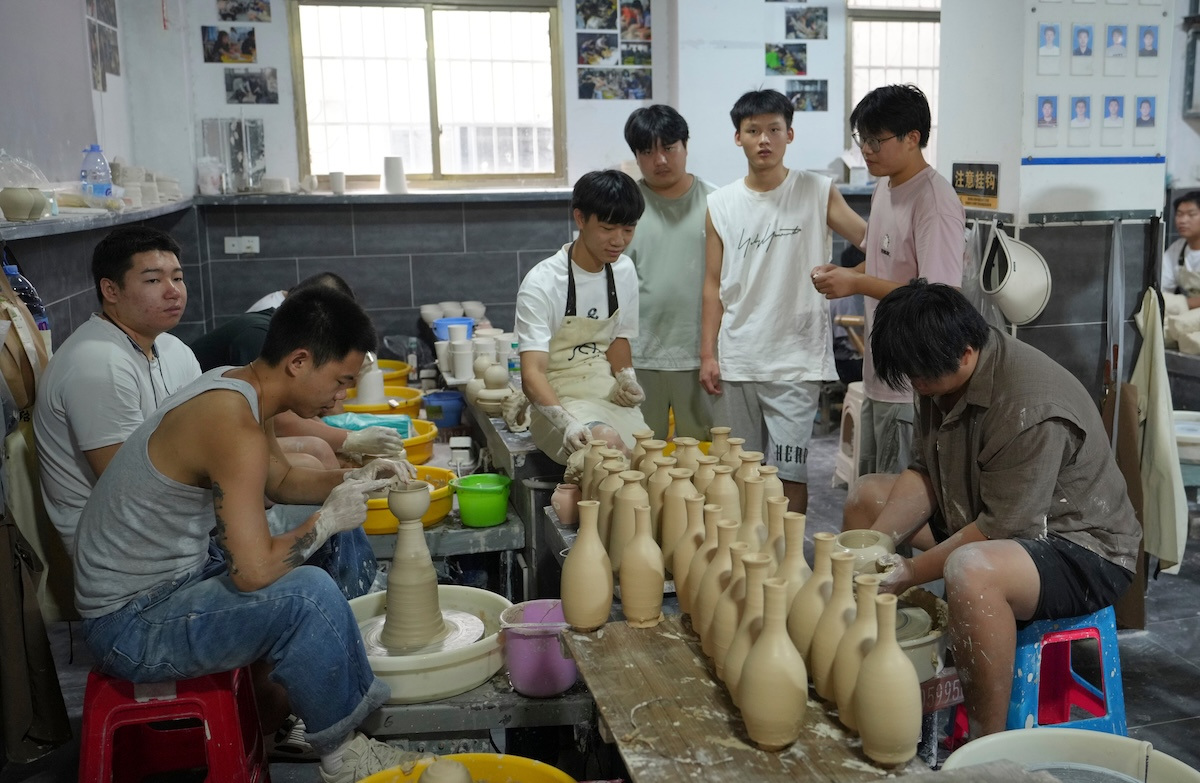
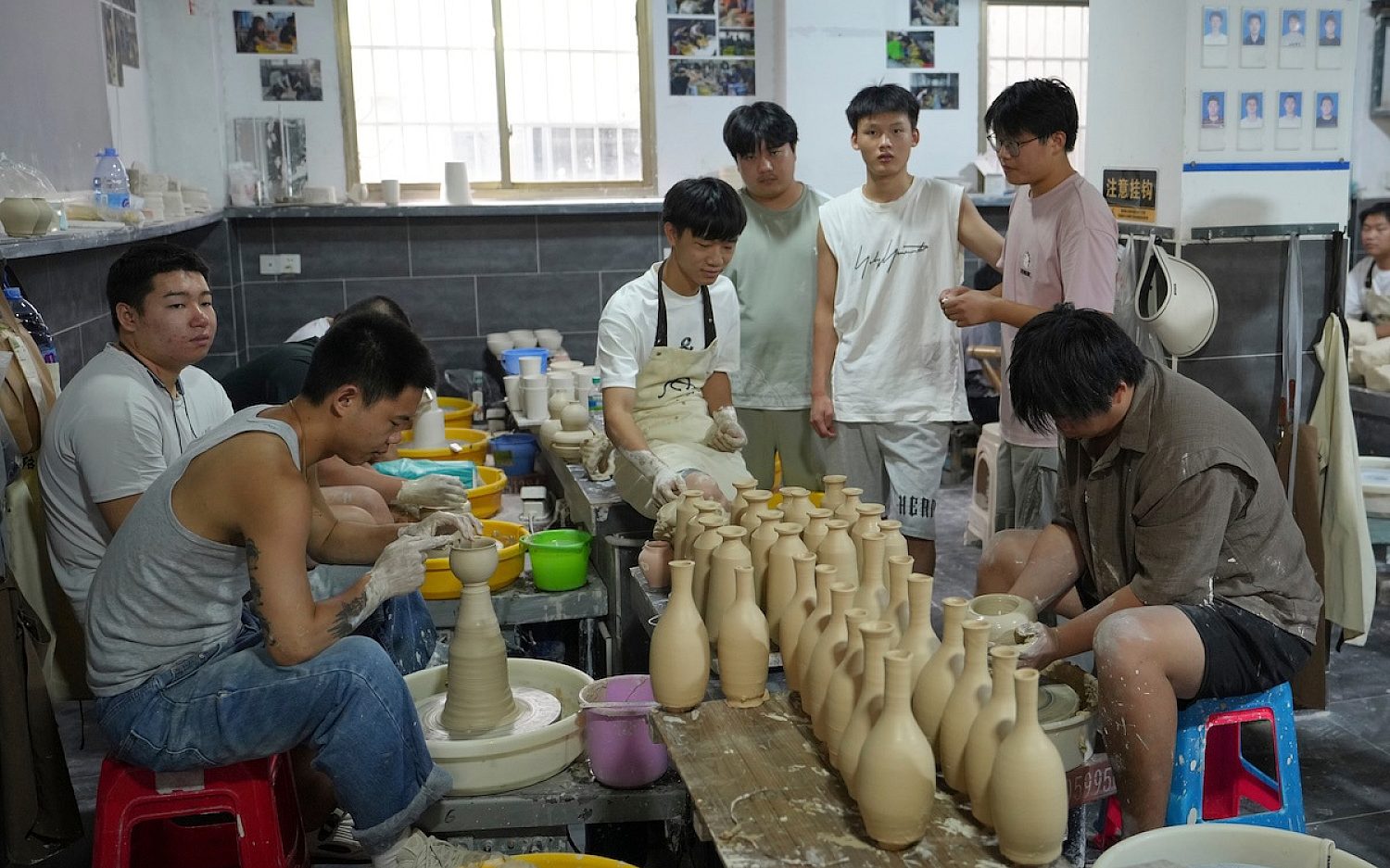
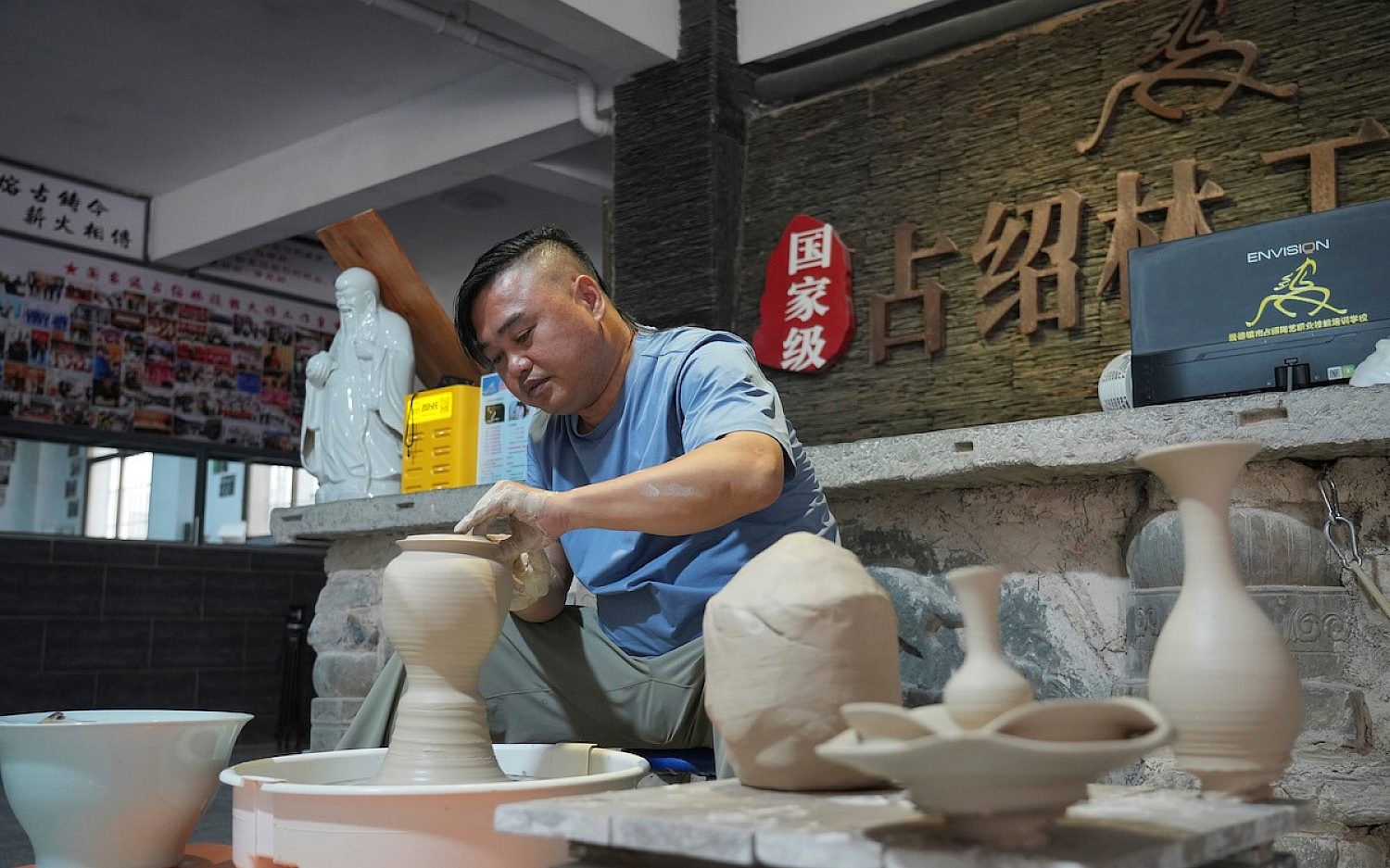
At first, craftsmen made porcelain for emperors. Later, the knowledge spread to private artisans. Ms. Chen’s ancestors adopted some of those traditions.
“The craft is very difficult for an outsider to master,” she says. “A family might spend nearly a century developing a single technique.”
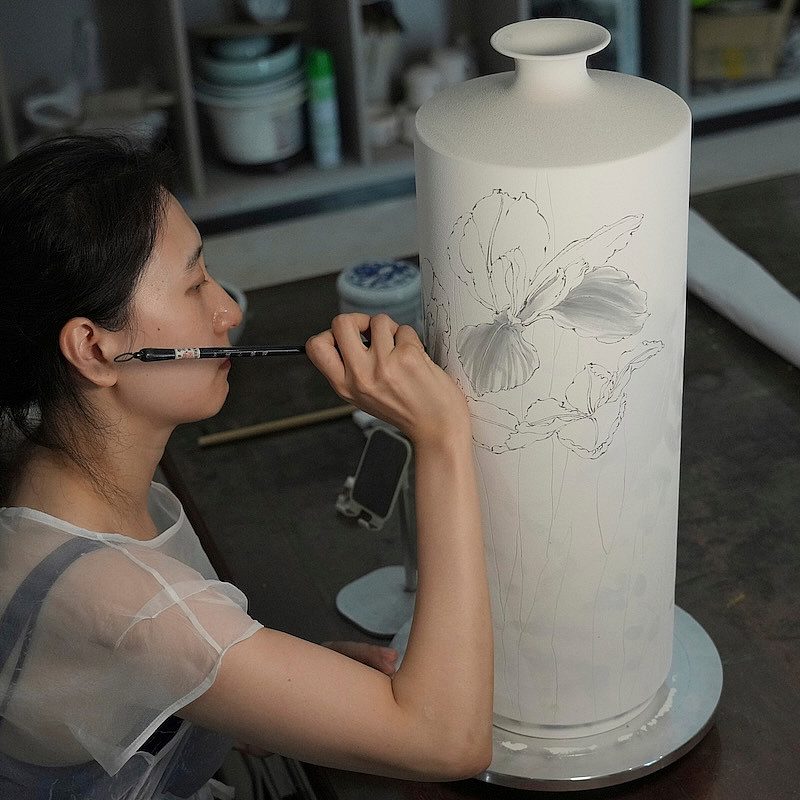
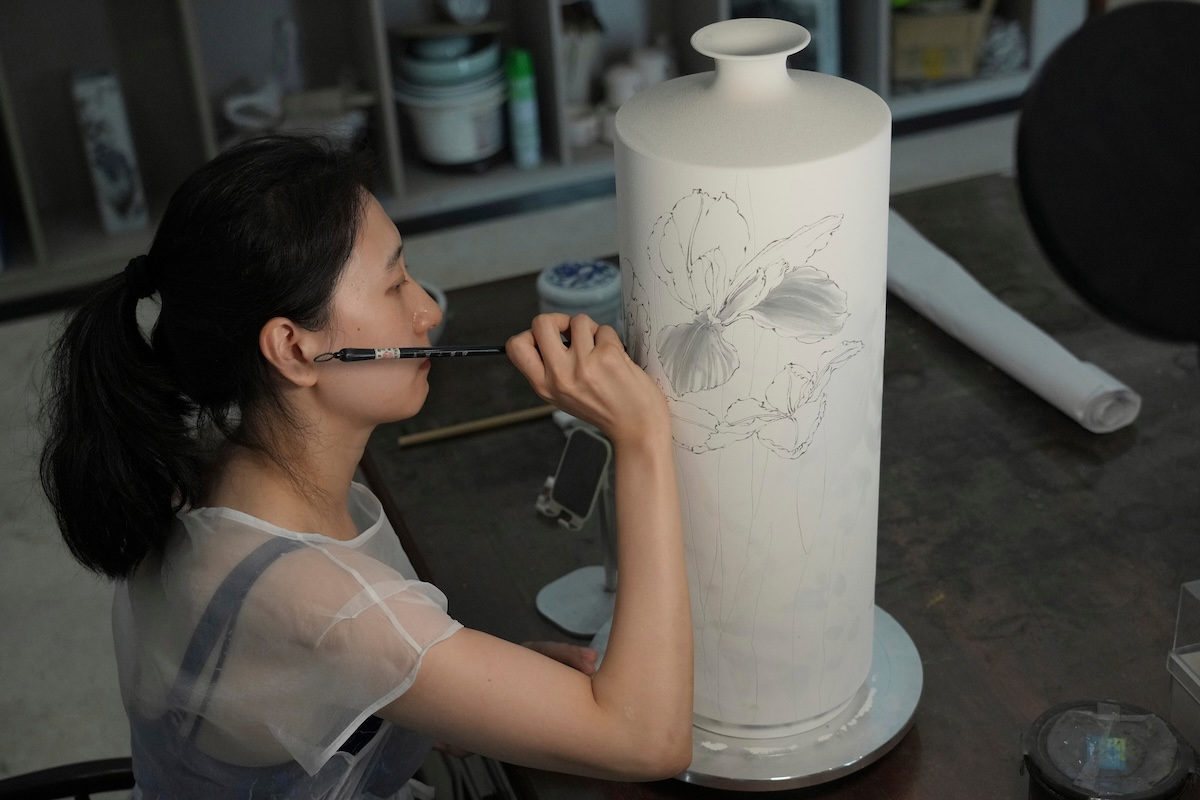
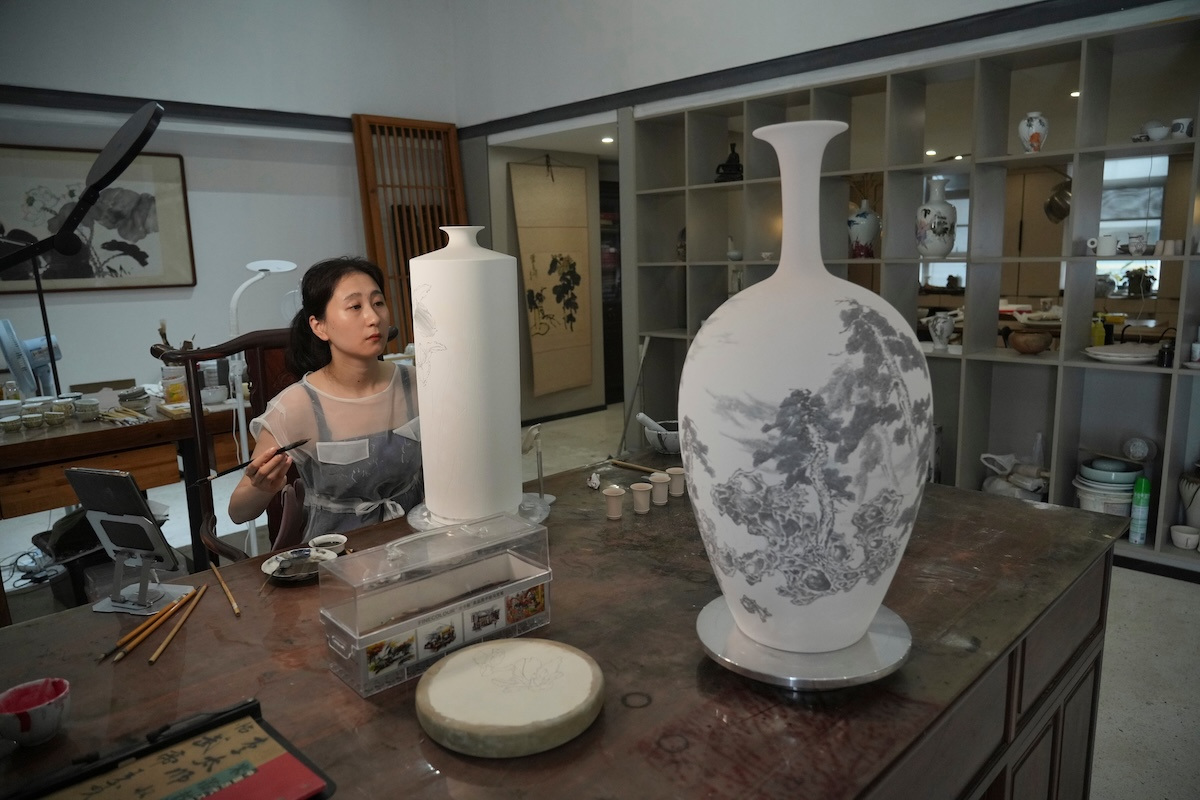
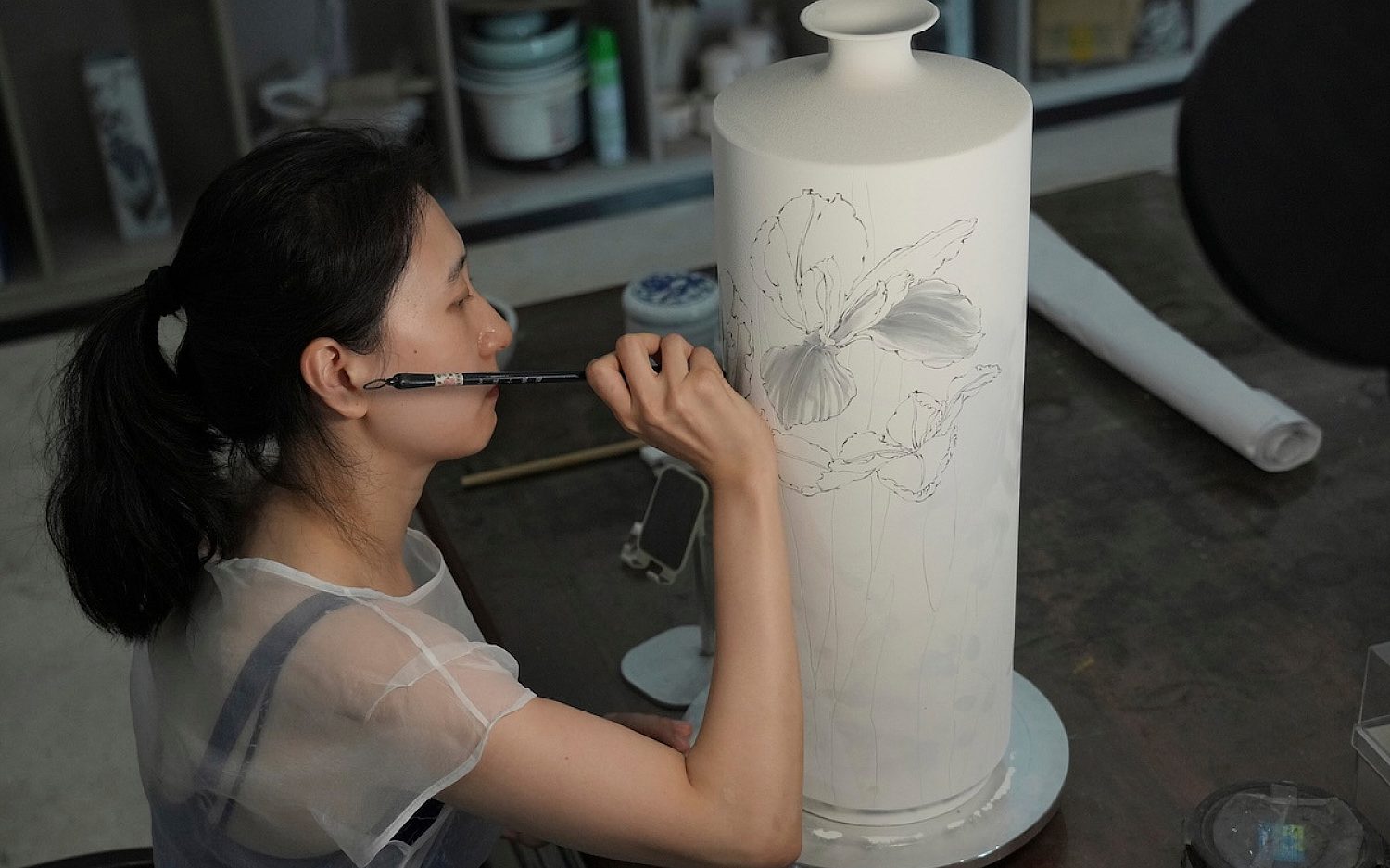
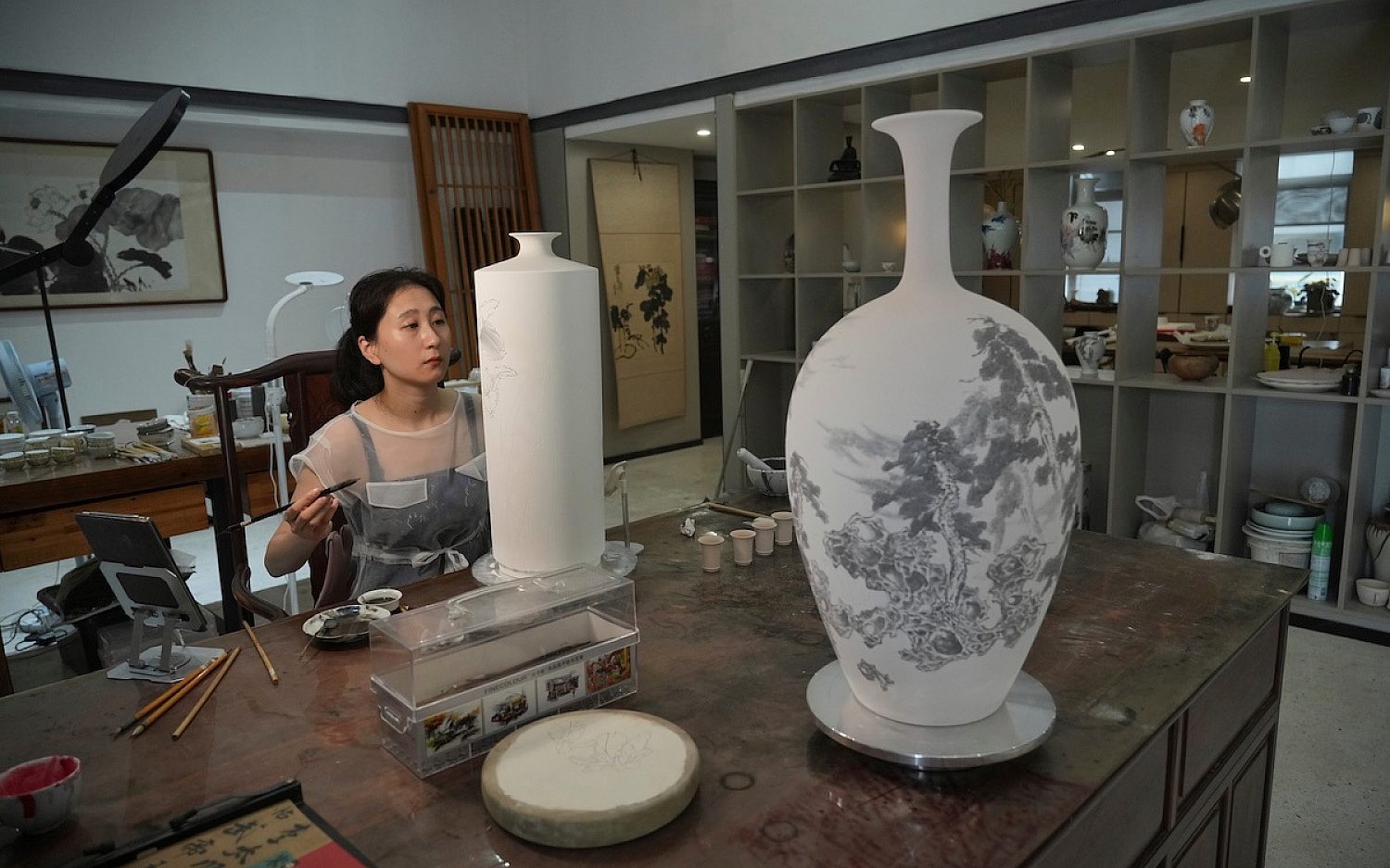
Take a peek inside Ms. Chen’s studio. Brushes, porcelain, and pigments cover two tables. She works in silence. A lamp lights her strokes. Her fingers never touch the porcelain’s surface as she brushes on color.
How long does it take her to paint a porcelain teacup? Days. Not a single speck of dust or drop of sweat can touch the porcelain. If it does, she must start over from the beginning.
Which kind of painting is hardest? Landscape. A mountain top might be emerald green . . . but then shift to brown and other warm colors farther down its slope.
“Mastering a craft is a lifelong process,” she says. “Few people are willing to spend more than 10 years learning such a painstaking craft.”
Why? The art we make often reveals our beliefs about the world and God.
Recommended Reading: For more about pottery, read Newbery Medal Winner A Single Shard by Linda Sue Park.