

A tax on tea helped spark the American Revolution. A tax on salt help spark the French Revolution. That tax also helped create France’s tradition of salted butter.
Before refrigerators were invented, many people used salt to preserve food. Salt could help keep butter from spoiling. But in medieval France, salt came at a steep price.
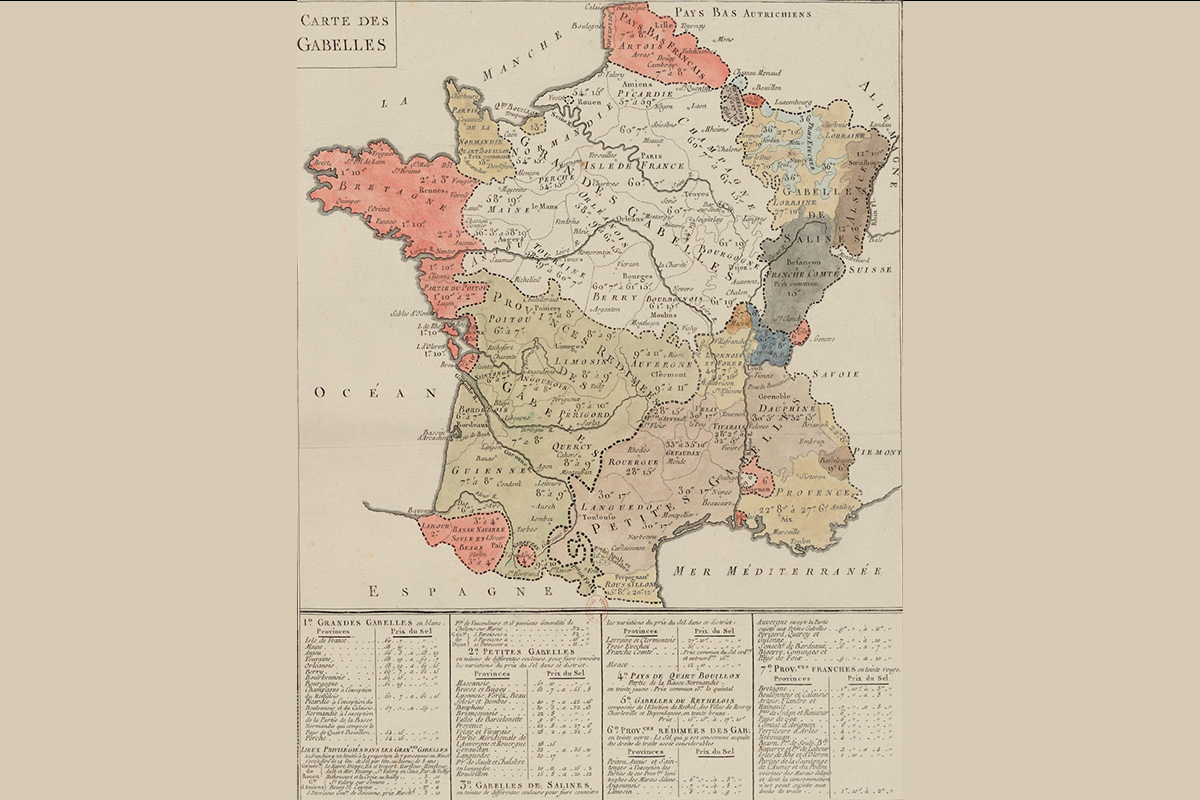
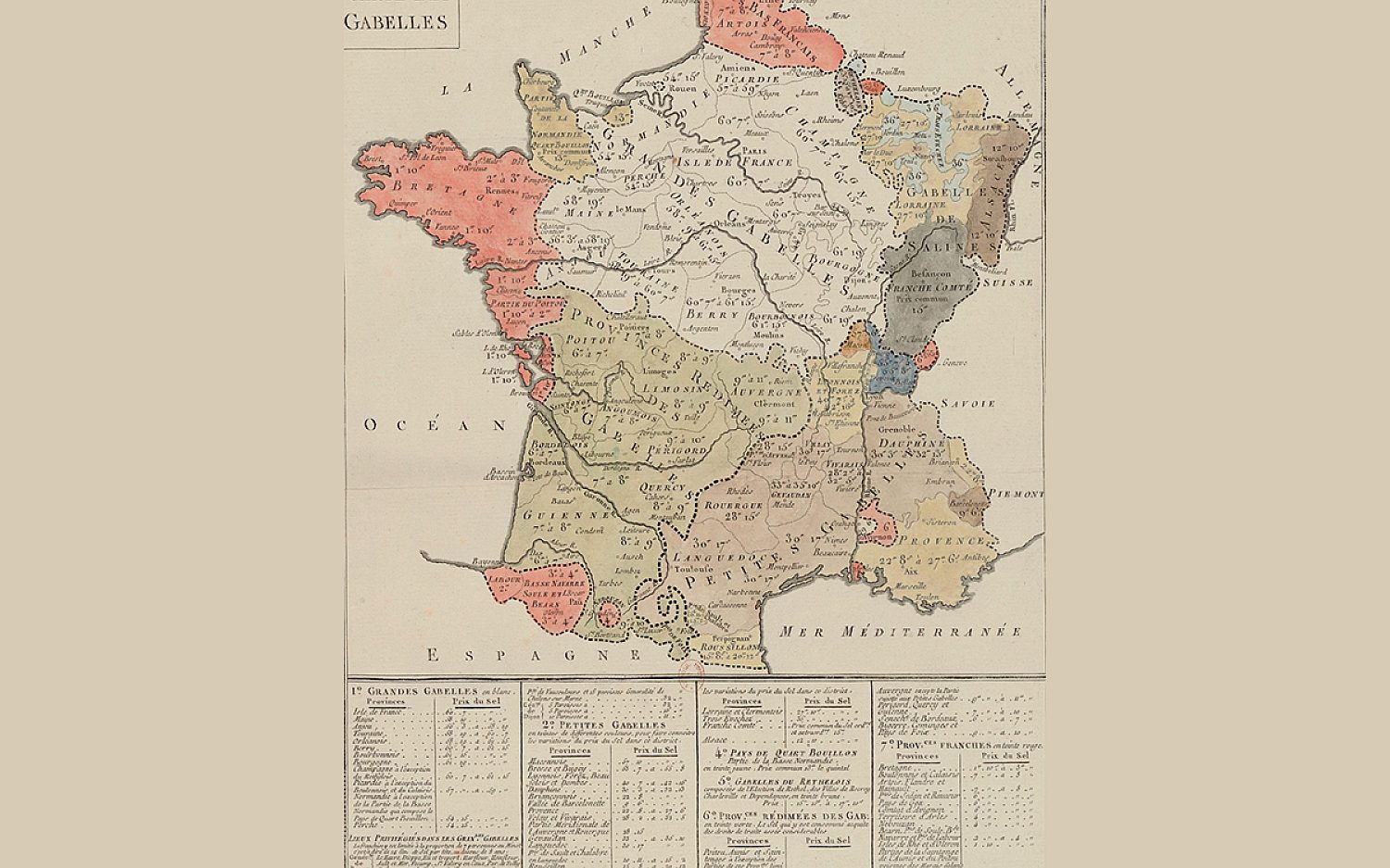
In the 1200s, France’s royalty imposed a tax on salt. This tax lasted for hundreds of years. The French term gabelle once meant any tax. By the 15th century, the gabelle referred to the tax on salt. As a result, “salt smuggling” became a common criminal enterprise.
Only ordinary people suffered the steep taxes. France’s nobles and other wealthy people didn’t have to pay.
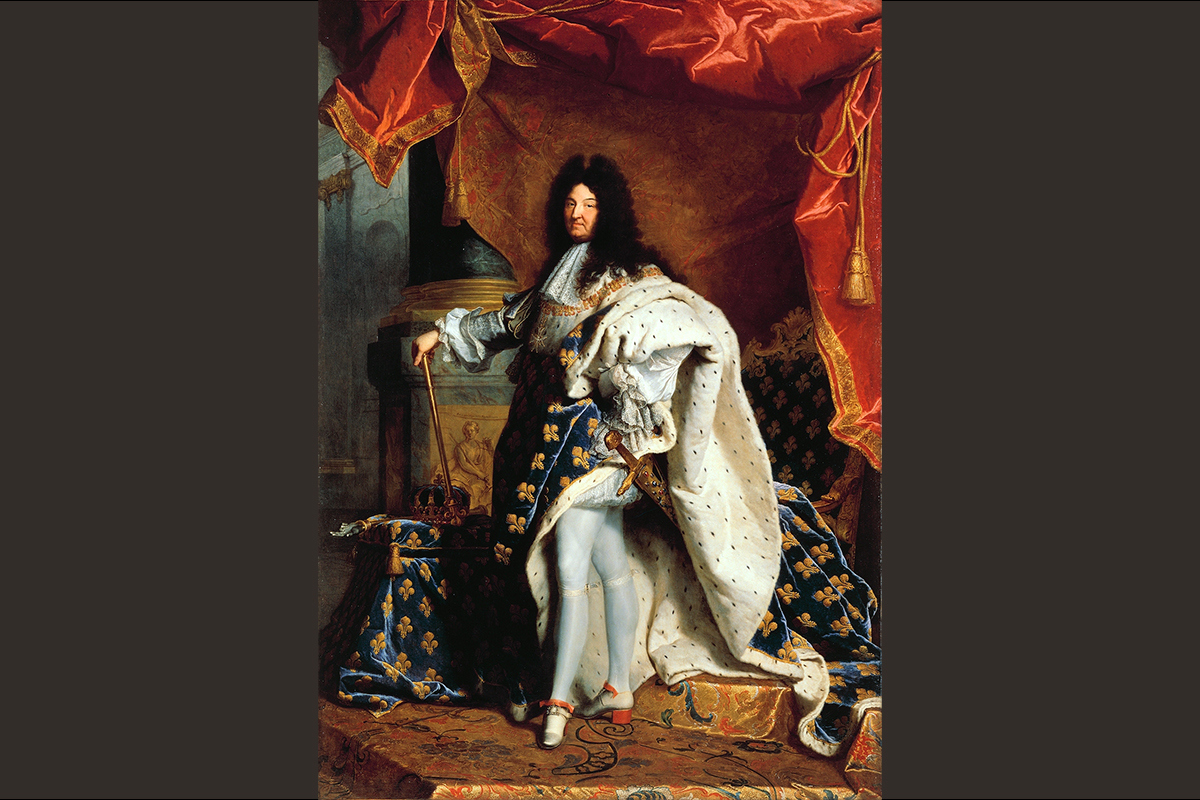
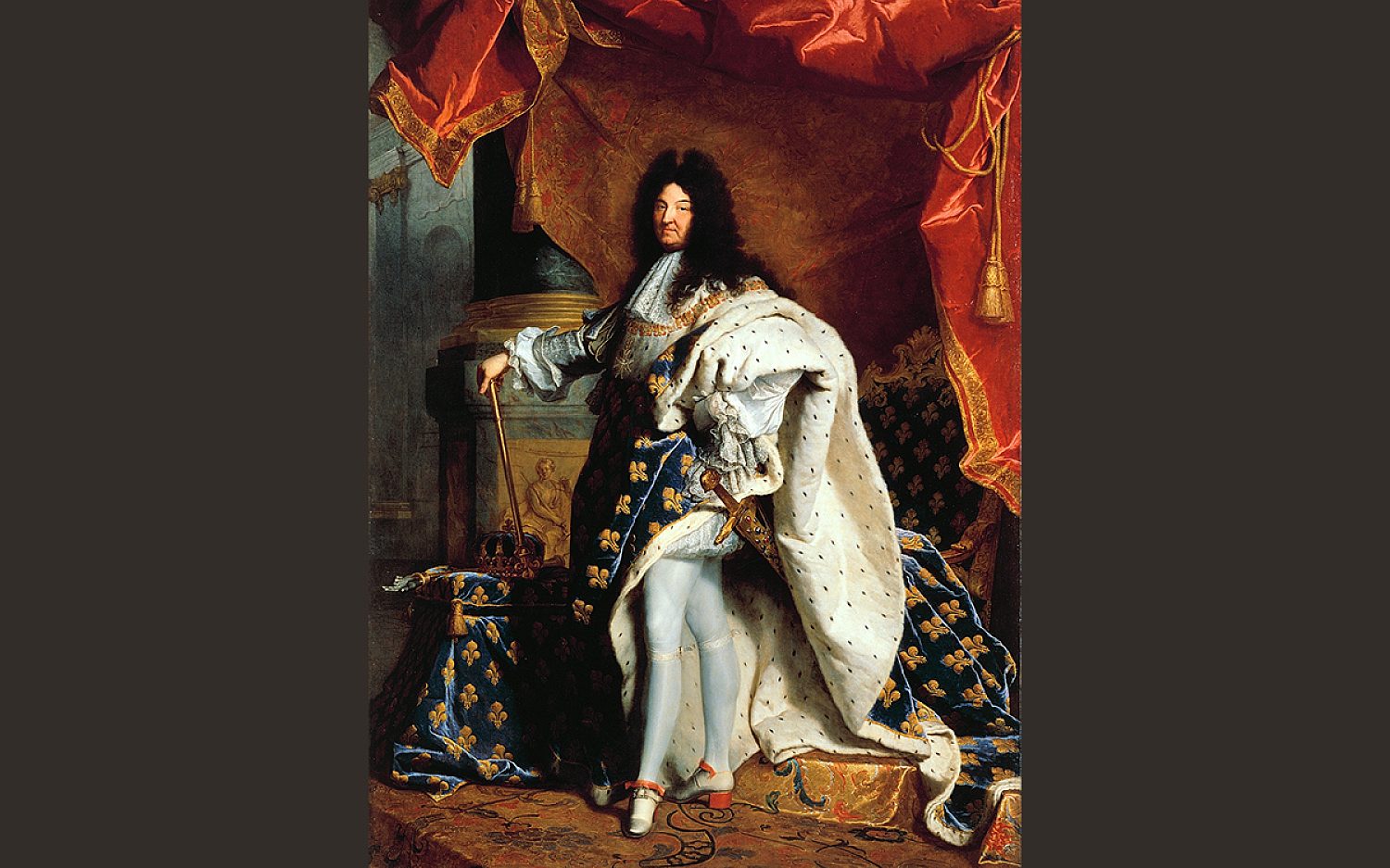
In the 1700s, this situation boiled over. The French government took total control of the salt market. King Louis XIV created a “salt duty.” Now every French person over eight years old had to buy salt every year. On top of that, all still had to pay the salt tax.
This left ordinary French people feeling salty—pun intended. It helped fuel the unrest that led to the French Revolution in 1789. In 1790, France’s new government did away with the gabelle.
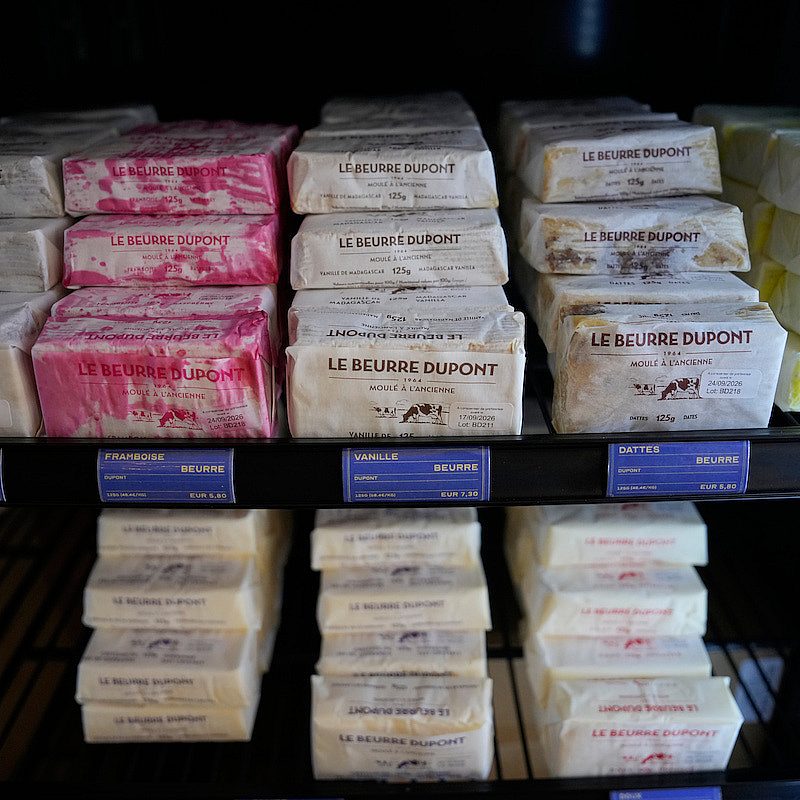
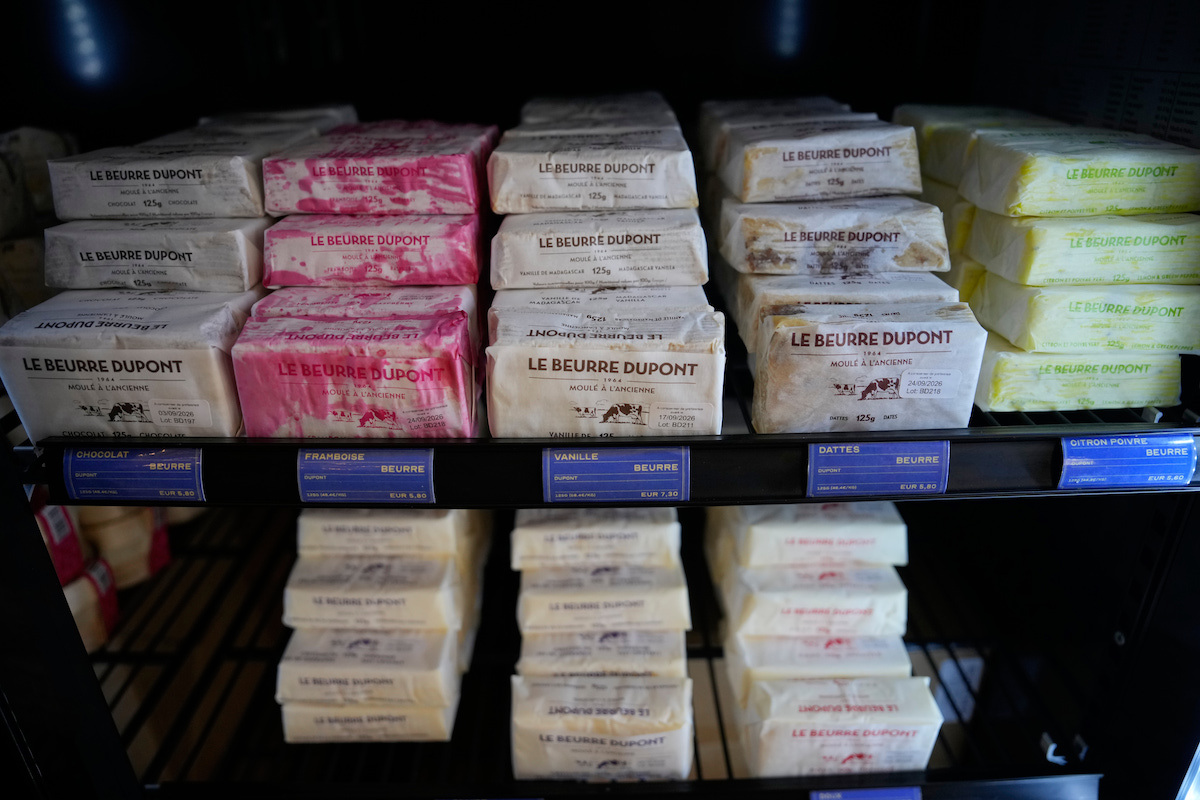
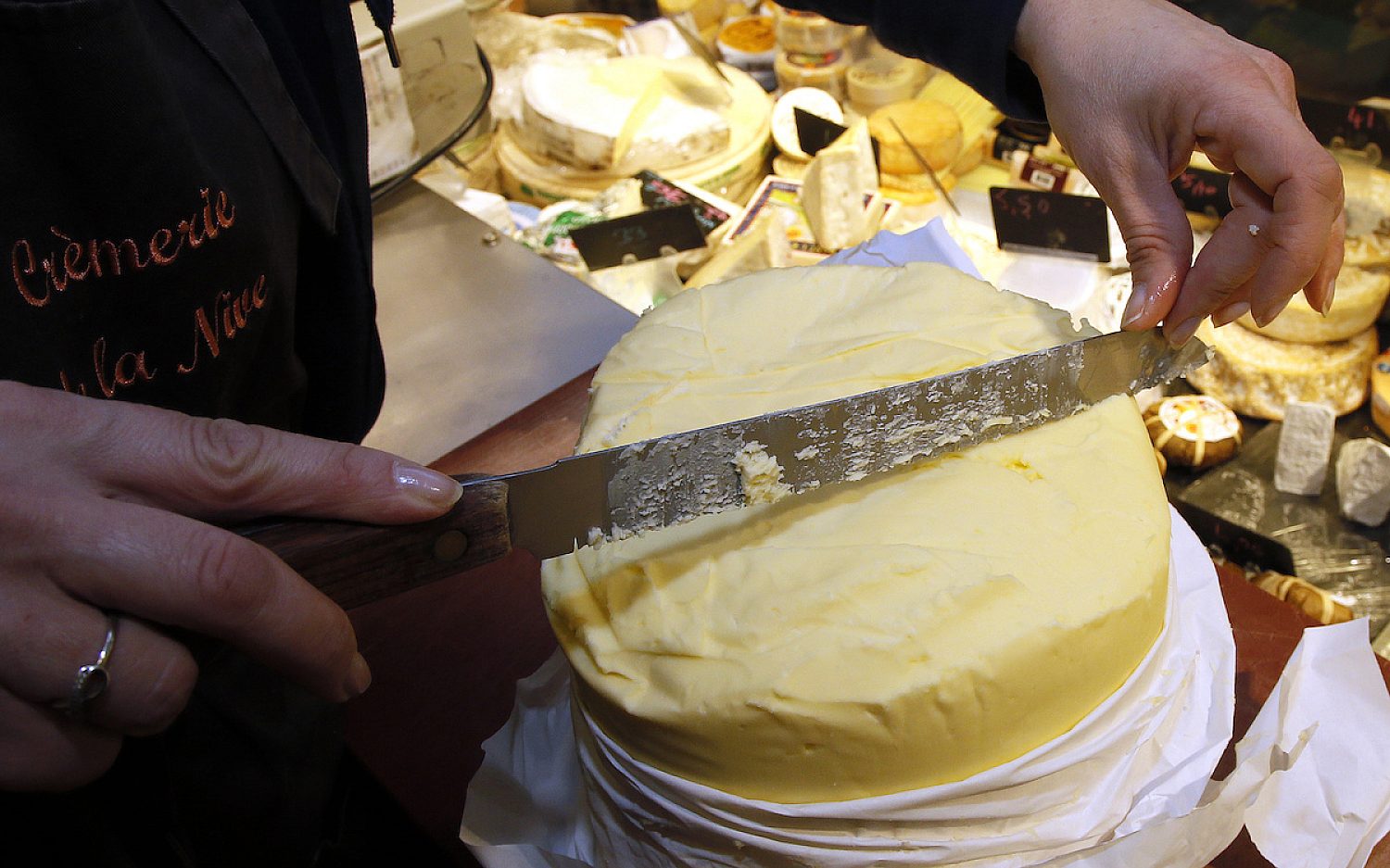
There was one other exception to the gabelle: Brittany. This region didn’t suffer the salt tax, even when it officially joined France in the 1500s. In most of France, people stopped salting their butter. But not in Brittany. During the gabelle, Brittany’s butter-makers built a salted butter tradition.
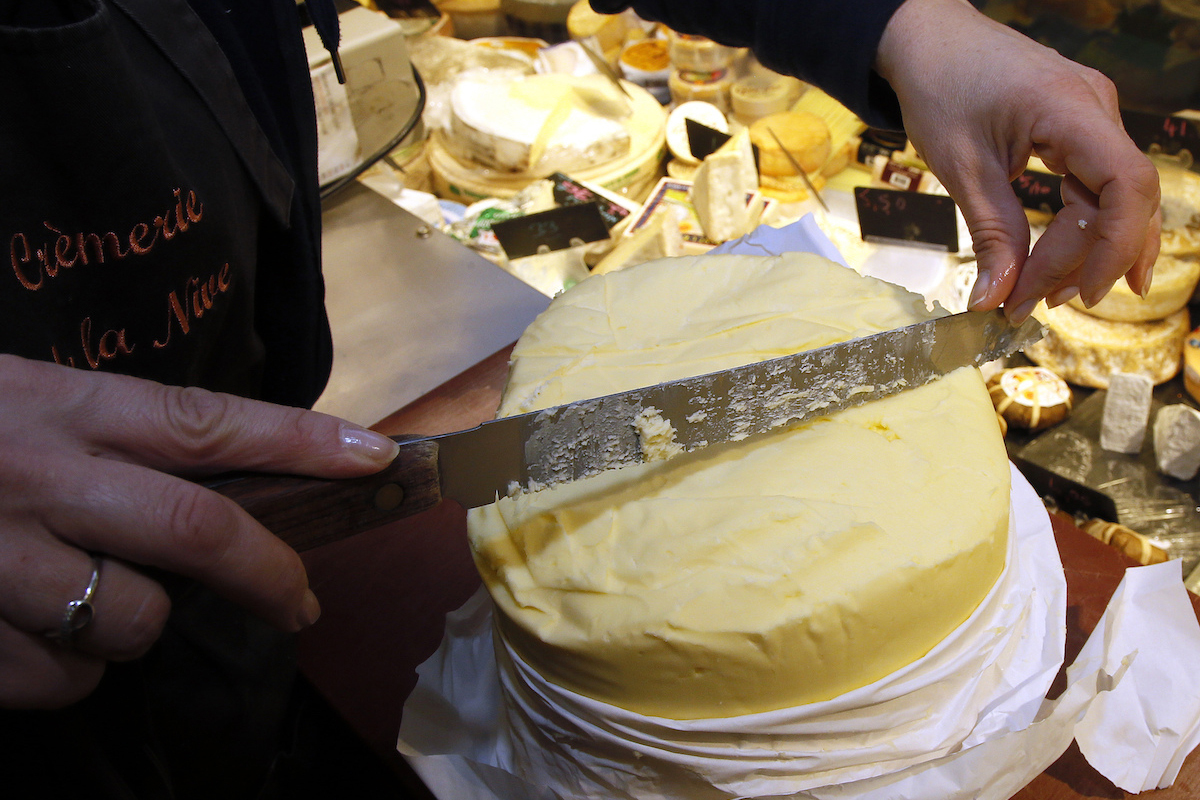
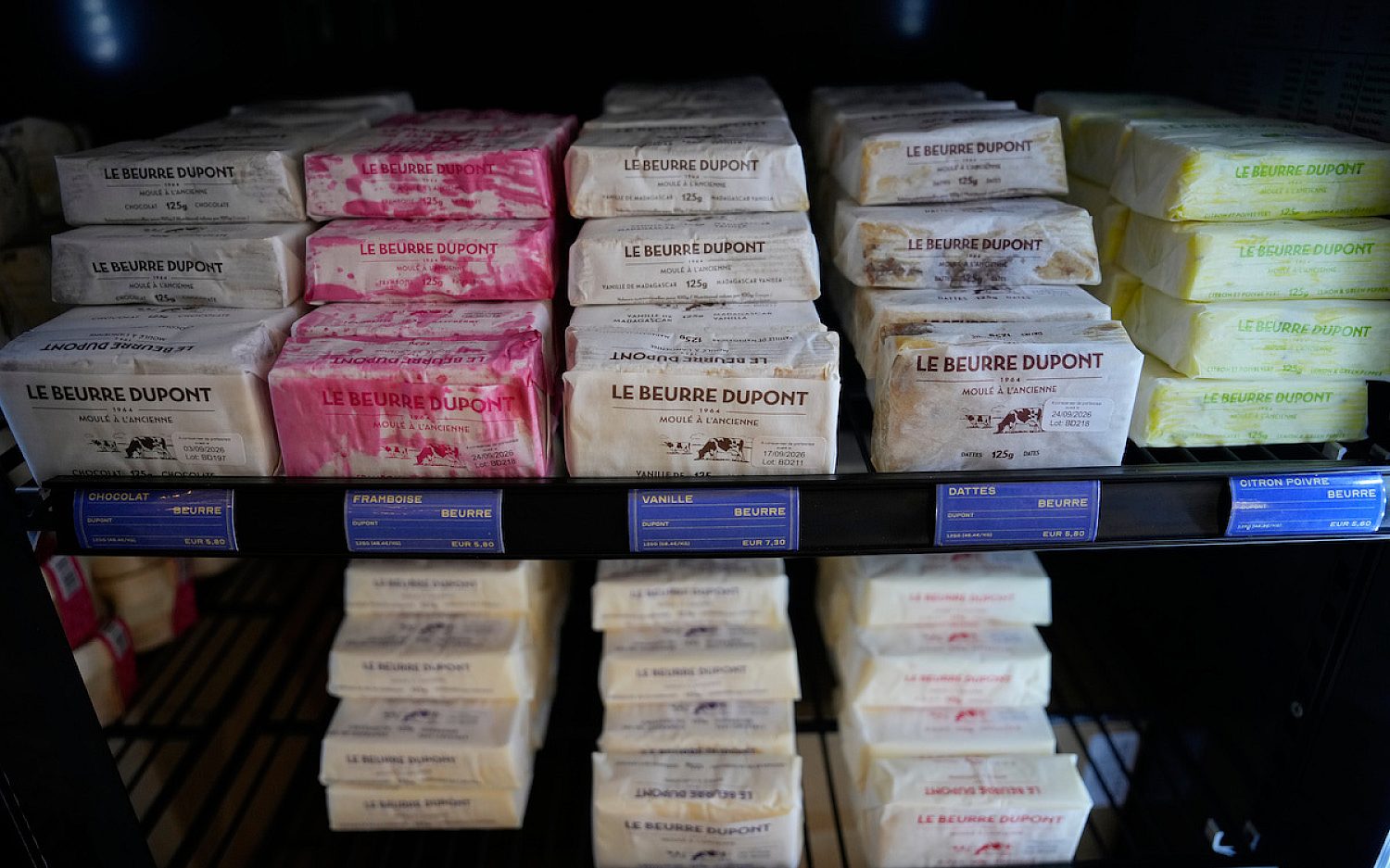
Today, Brittany remains known for salted butter. Chefs and bakers covet it. They use it for crepes, salted caramels, and more. You can even buy Brittany’s butter at Le Butter Shop.