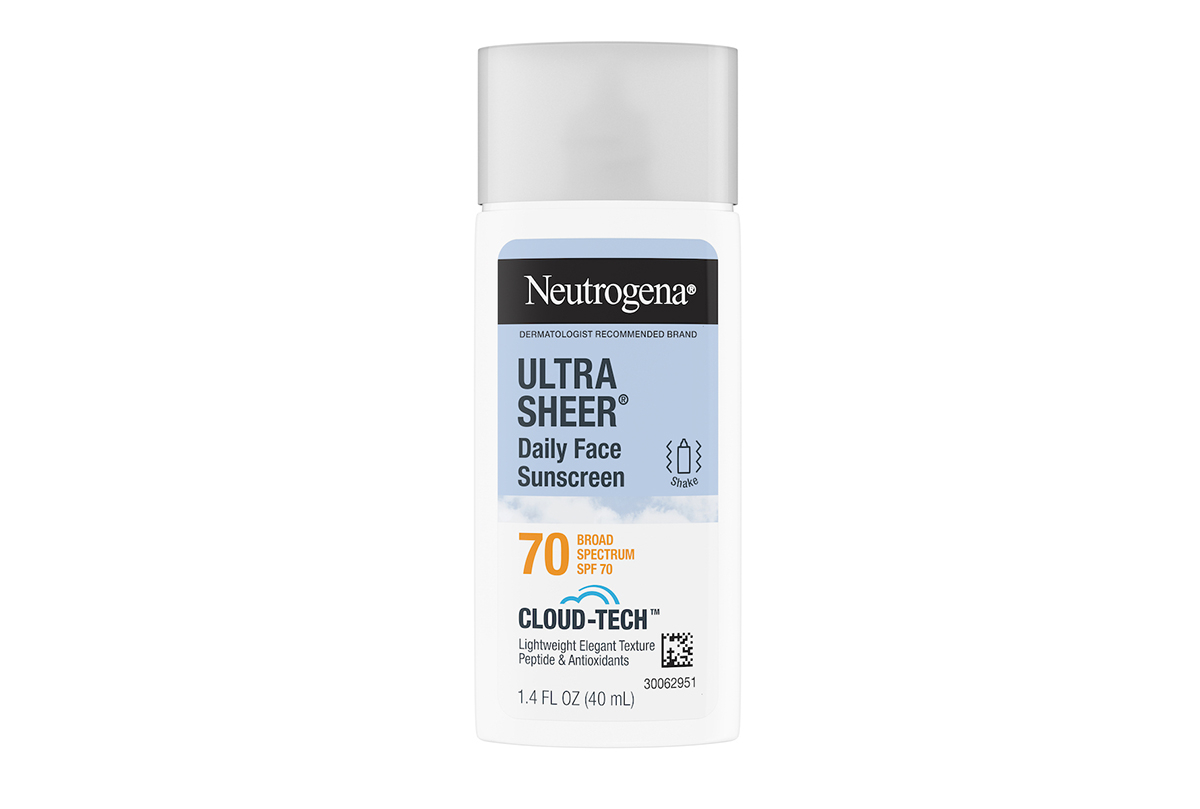
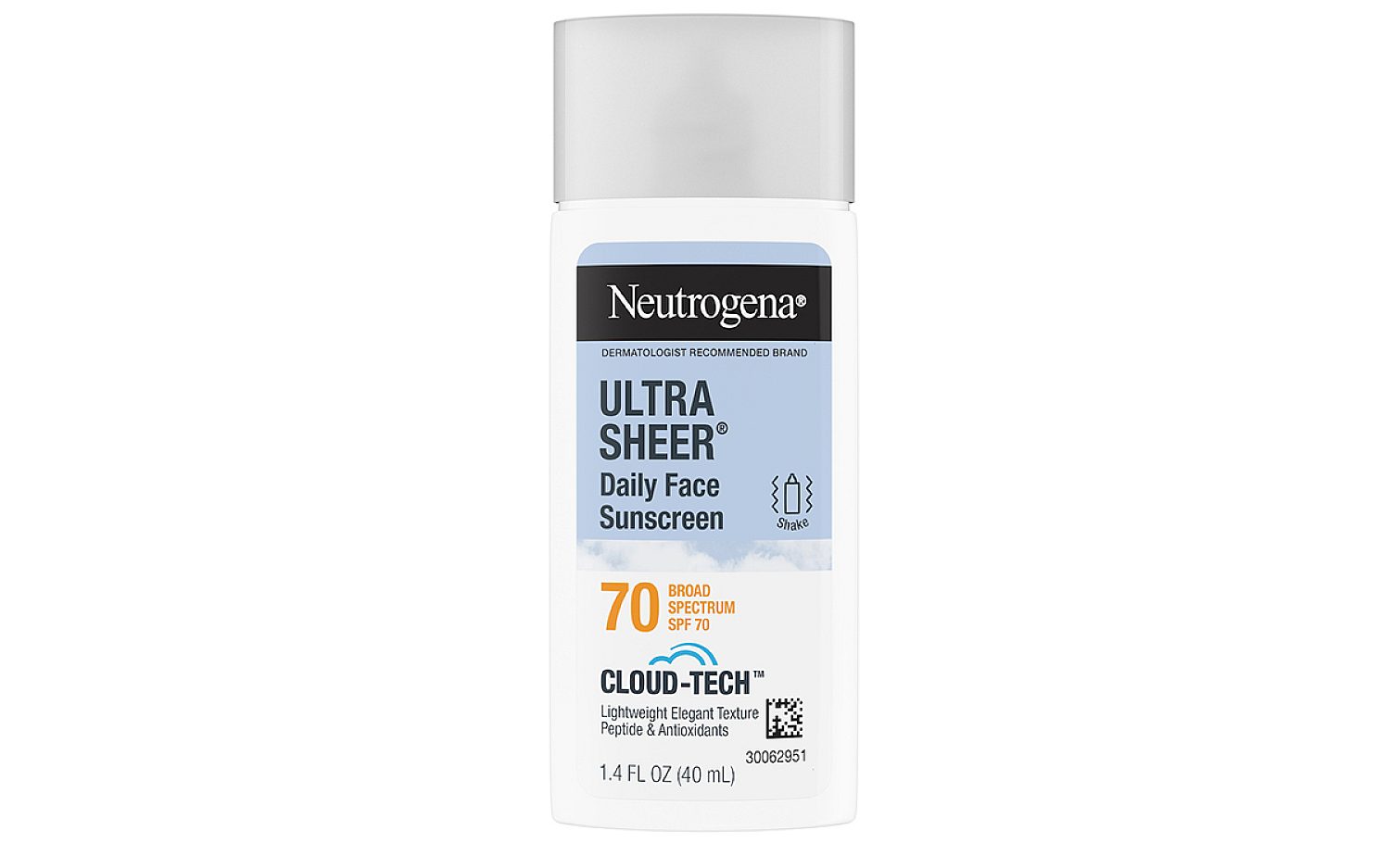
Summer is over. But if you’re out in the Sun all day, it’s still a good idea to wear sunscreen! Now American shoppers have a new sunscreen option. It’s not just another brand. It’s a new type of sunscreen entirely. And it’s the first one in 25 years.
In June, the U.S. Food and Drug Administration (FDA) approved a new sunscreen chemical. It’s called bemotrizinol, or “BEMT” for short.
Sunscreens protect skin against ultraviolet (UV) light. This light comes from the Sun. Human eyes can’t see it. But human skin can certainly feel it! Too much exposure can cause painful sunburns. Ouch!
The best sunscreens block two types of UV light. UBV rays cause most sunburns. UVA rays bring the risk of wrinkles and skin cancer. To prevent both types, older sunscreens mixed ingredients. BEMT can block both on its own. This is called “broad spectrum protection.”
Most chemical-based sunscreens get absorbed into the skin. That may also pose health risks. In September, FDA officials banned an older sunscreen chemical called oxybenzone. They said it was “absorbed through the skin to a greater extent than previously understood.”
But that’s not a problem for BEMT. BEMT molecules are large. Too large to seep through human skin!
“It’s a molecule that’s too big to really penetrate through the skin and get absorbed into the bloodstream,” says Dr. Jennifer Stein. She’s a dermatologist—a skin doctor. “The older chemical sunscreens had small molecules.”
Other sunscreens may leave behind white streaks. Experts say BEMT avoids that problem too. It also lasts longer than some of the types currently on the market.
But BEMT isn’t magic. Experts say you should still reapply sunscreen every few hours. That’s even more important if you’re swimming or sweating!
“Sunscreen is just one part of an overall Sun-protection plan,” says Dr. Stein. “Clothing is even better.” Hats, long sleeves, and pants help protect skin too.
God gave us the Sun for light, warmth, and energy. We need sunlight to stay healthy. But too much of a good thing can turn into a problem! Dermatologists and other researchers help us enjoy creation safely—and wisely.