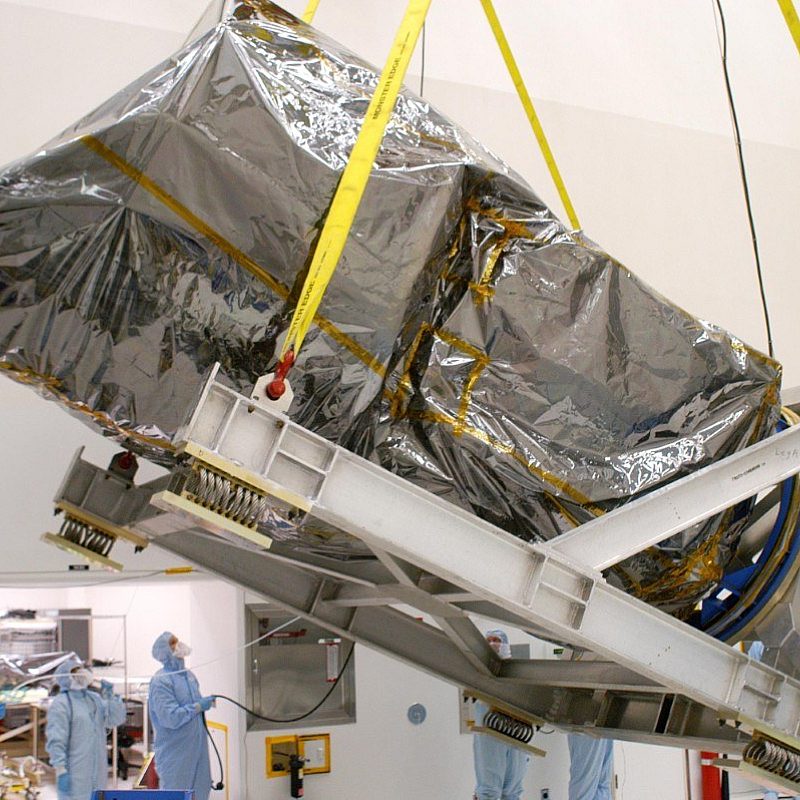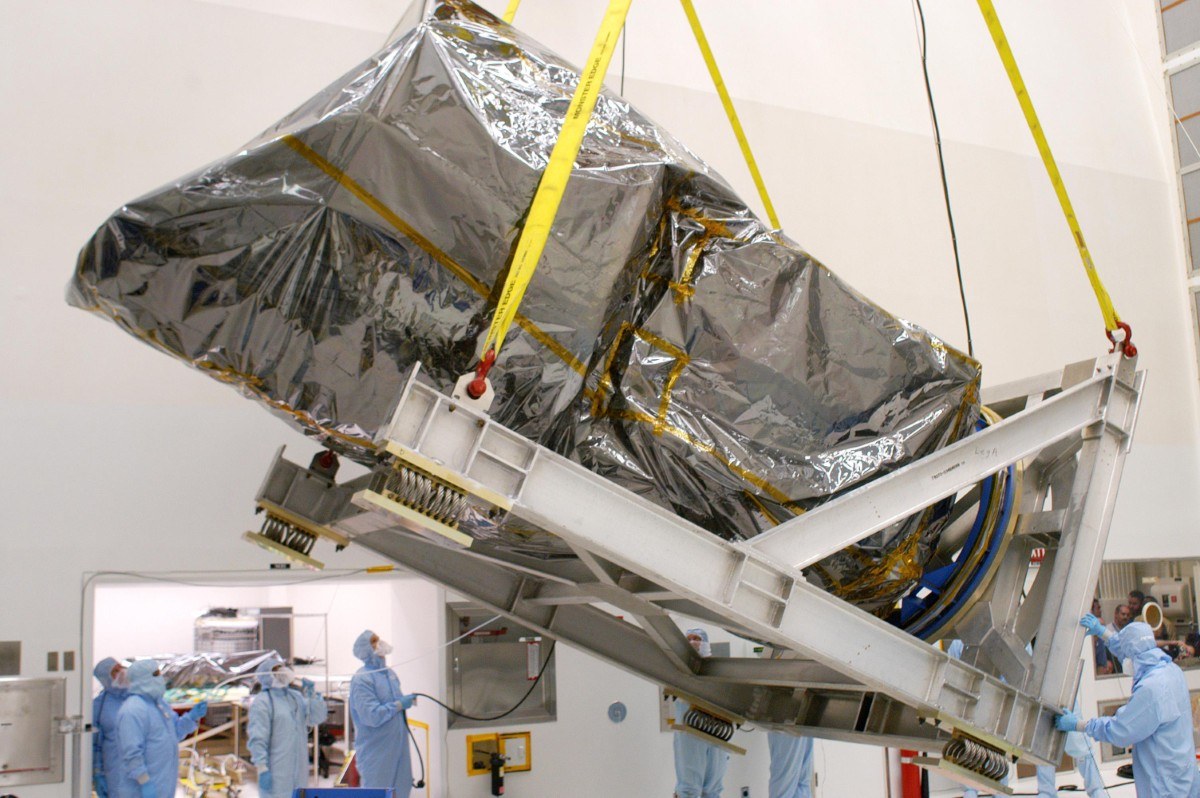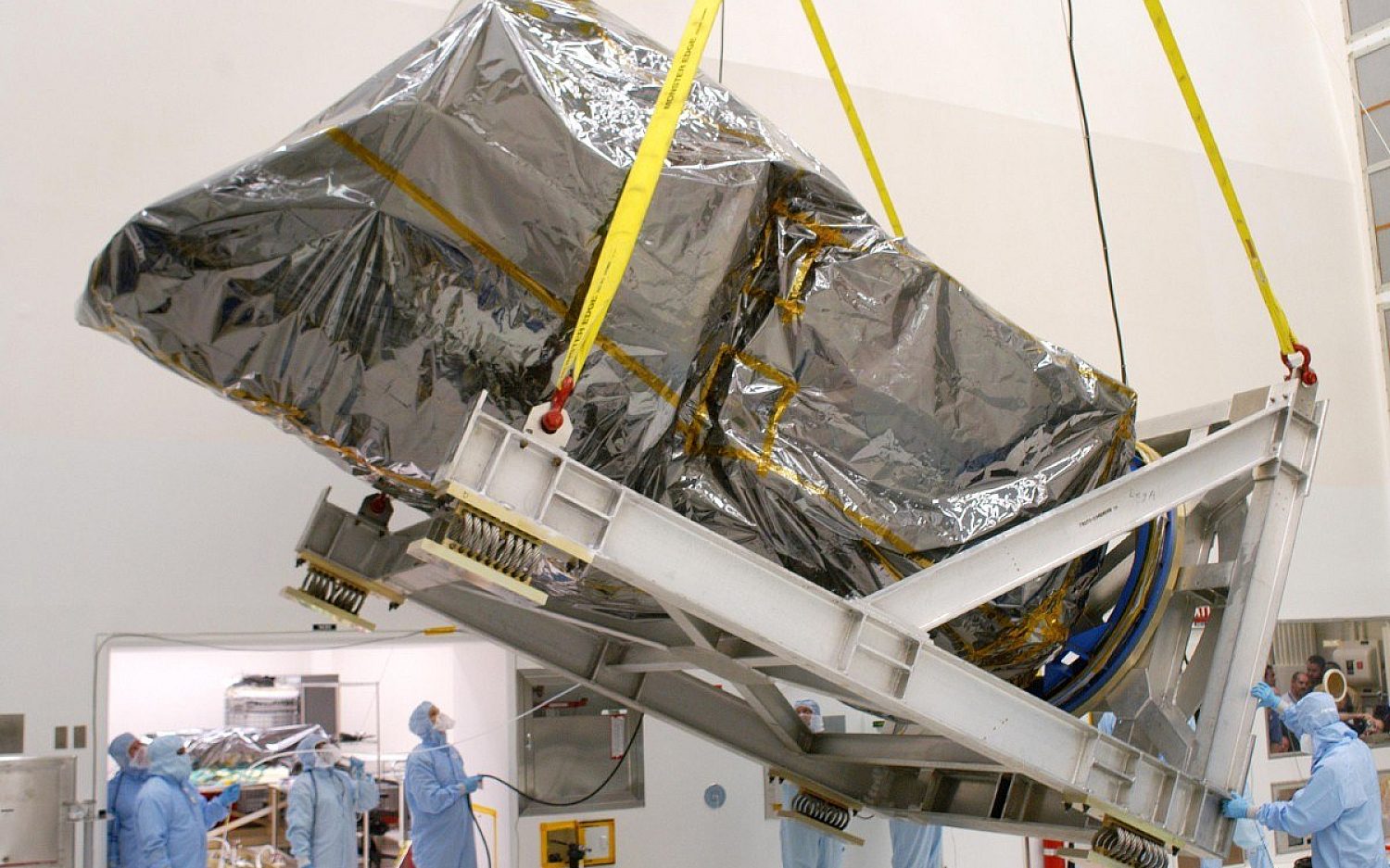
Look out below! Here comes the Swift space telescope!
A NASA telescope plunged to Earth Wednesday after spending 22 years in space. Its mission was to investigate the biggest explosions in the universe.
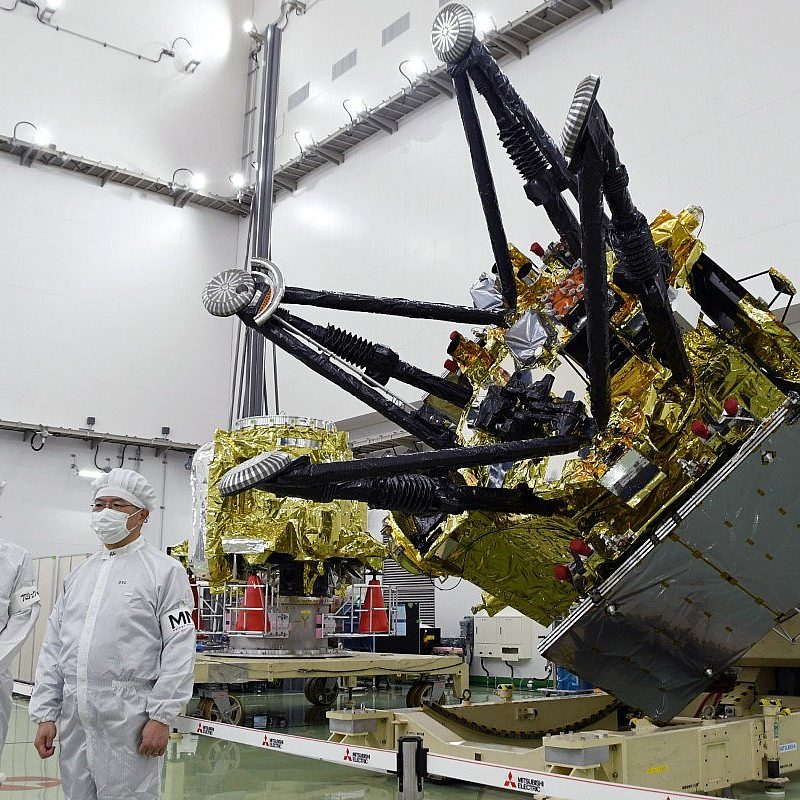
The fall wasn’t exactly planned. In fact, less than three months ago, scientists were trying to keep the craft in space. The rescue effort went like this: NASA hired a private company, Katalyst Space, to give the sinking Swift a boost. The company’s employees launched a three-armed robot in July. But the ’bot came crashing down in September.
Soon Swift fell too. U.S. Space Force officials monitored it as its orbit sank and sank. Why the sinking? Years of solar storms—explosions from the Sun. Swift reentered Earth’s atmosphere near Indonesia.
Swift originally weighed one-and-a-half tons. How much of it burned up in the atmosphere on the way down? We don’t know yet for sure. NASA officials expected at least some of the craft’s dense pieces to survive.
A rocket carried the craft into orbit in 2004. Swift was supposed to complete a two-year mission studying gamma ray bursts and exploding stars. It lasted much, much longer—11 times longer, to be precise. It observed thousands of star explosions and ray bursts.
So Swift is down. Will Hubble come next? The Hubble Space Telescope launched in 1990. Thanks to solar storms, scientists expect it to crash back to Earth by the mid-2030s. Should NASA send a rescue mission for Hubble too?
It didn’t work with Swift. But this time, scientists wouldn’t have to rush. They could work on boosting Hubble for years.
“Hubble still has important science ahead of it,” says NASA administrator Jared Isaacman. “We should be looking at every reasonable opportunity to keep it delivering for as long as possible.”
He determines the number of the stars; He gives to all of them their names. — Psalm 147:4